
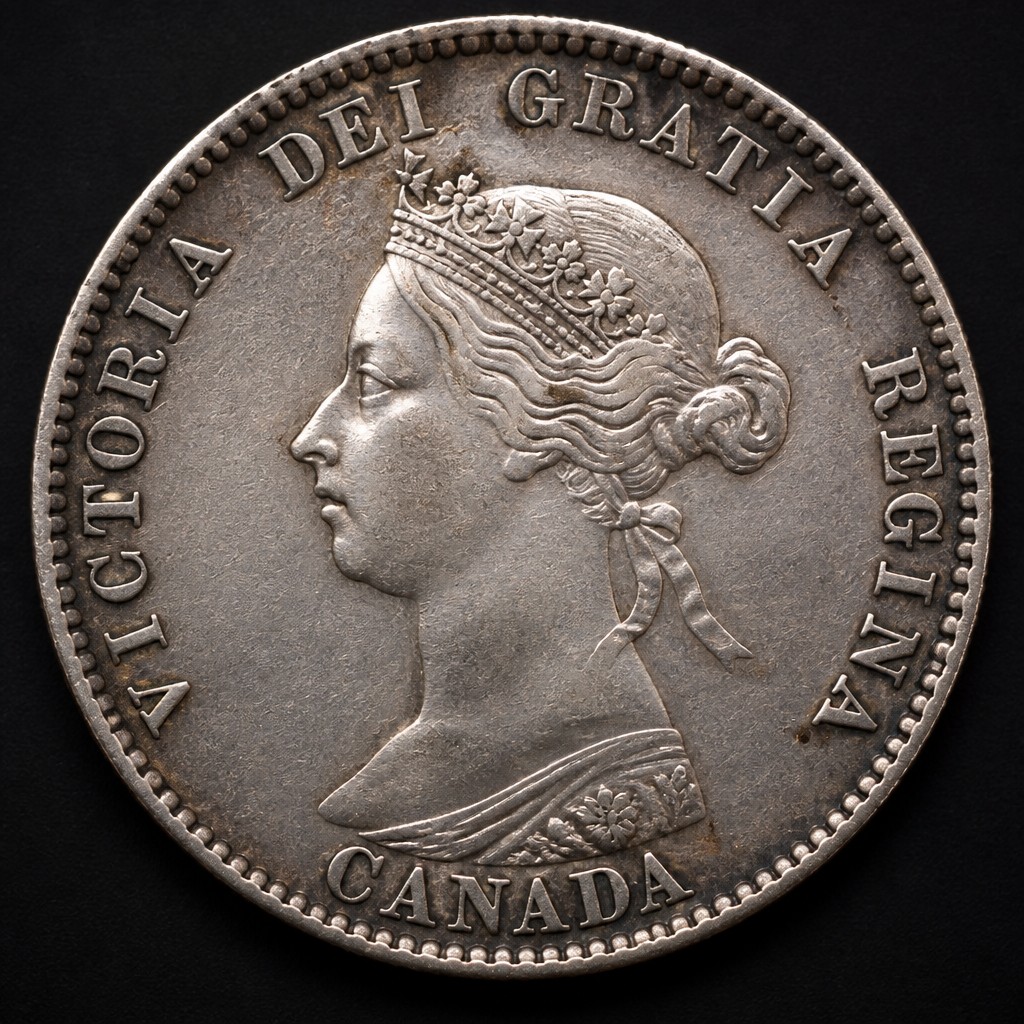
Victoria Ten Cents (dime)
Canada's early silver ten-cent coin issued under Queen Victoria, struck intermittently from the introduction of decimal currency in 1858 through the end of her reign in 1901.
- Country
- Canada
- Denomination
- Ten Cents
- Metal
- 92.5% Silver (sterling)
Got a coin like this?
Identify any coin from a photo, free.
Overview
The Victoria ten-cent piece is part of the founding generation of Canadian decimal coinage, first appearing in 1858 alongside the cent, five-cent, and twenty-cent pieces. It carries the same historical weight as its five-cent counterpart, representing Canada's earliest steps toward a unified national currency.
Collectors pursue the series both as an entry point into pre-Confederation and early Dominion coinage and for its handful of genuinely scarce dates that reward patient date collecting.
History & Background
Introduced with the Province of Canada's 1858 decimal coinage, the ten-cent silver piece continued to be struck sporadically through the Dominion of Canada era after Confederation in 1867. Like other Canadian silver coins of the period, it was produced under contract by the Royal Mint in London and, for some years, the Heaton Mint in Birmingham, whose coins bear a small H mint mark.
Design work is generally credited to Leonard Charles Wyon, whose obverse Victoria portrait and wreath-and-value reverse became the standard template for Canadian silver coinage well into the 20th century. Mintages fluctuated significantly by year, and as with the five-cent piece, some years saw no ten-cent coinage struck at all.
The series concluded with Victoria's death in January 1901, after which Edward VII's portrait replaced hers on subsequent Canadian coinage.
How to Identify
The obverse shows Queen Victoria in profile, transitioning from a youthful laureate bust in earlier issues to an older, veiled portrait in later years, surrounded by a Latin royal legend. The reverse displays the denomination 10 CENTS within a wreath, with the date below.
The coin is small and thin, roughly comparable in diameter to a modern dime but with a distinctly worn, antique character in surviving examples. Coins struck at the Heaton Mint carry a small H below the wreath on the reverse; London-struck coins show no mint mark.
Collectors should watch for the transition in portrait style across the reign and take care distinguishing individual dates, since several years share a broadly similar overall appearance aside from date and minor design refinements.
Value & Collectibility
Common dates in worn condition are accessible and reasonably affordable, but a number of 19th-century dates within this series are legitimately scarce, particularly certain lower-mintage years, and these command significant premiums even in modest grades. High-grade, lustrous examples are disproportionately valuable given the coin's small size and susceptibility to wear.
As with other early Canadian silver, cleaned, bent, or heavily worn coins are worth considerably less than problem-free examples of the same assigned grade.
Frequently asked questions
When was the Victoria ten-cent first issued?
It was first struck in 1858 as part of the Province of Canada's introduction of decimal coinage.
What does the H mint mark mean on some coins?
It shows the coin was produced under contract at the Heaton Mint in Birmingham rather than the Royal Mint in London.
Are all dates in this series equally available?
No, several dates were struck in much smaller numbers and are considerably scarcer than the common issues.
What is the coin's silver content?
It is sterling silver, about 92.5 percent fine.
Who designed the coin?
The design is generally attributed to Royal Mint engraver Leonard Charles Wyon.
Other coins you may enjoy
1953 Coronation Voyageur Dollar
1953
1911 Canadian Silver Dollar (Pattern)
1911
George V Twenty-Five Cents (silver)
1911–1936
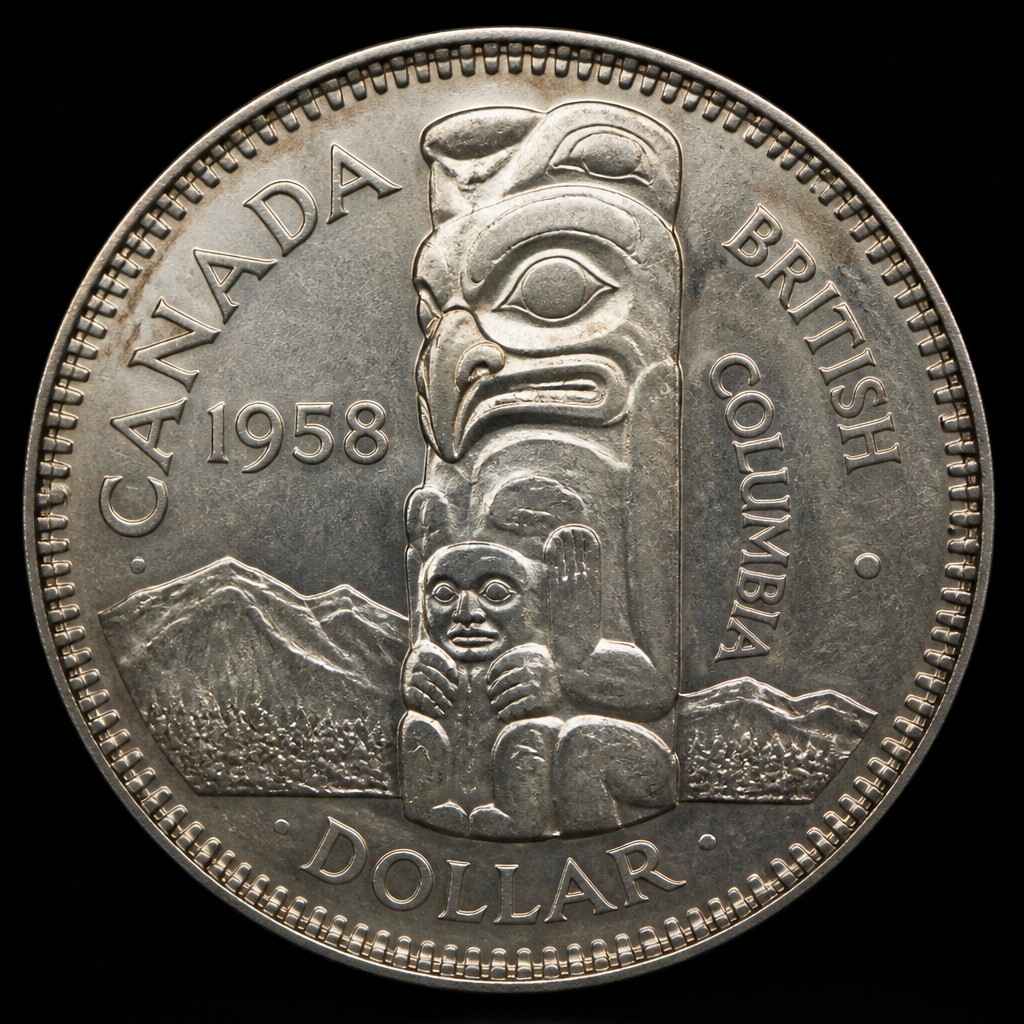
1958 British Columbia Totem Pole Dollar
1958
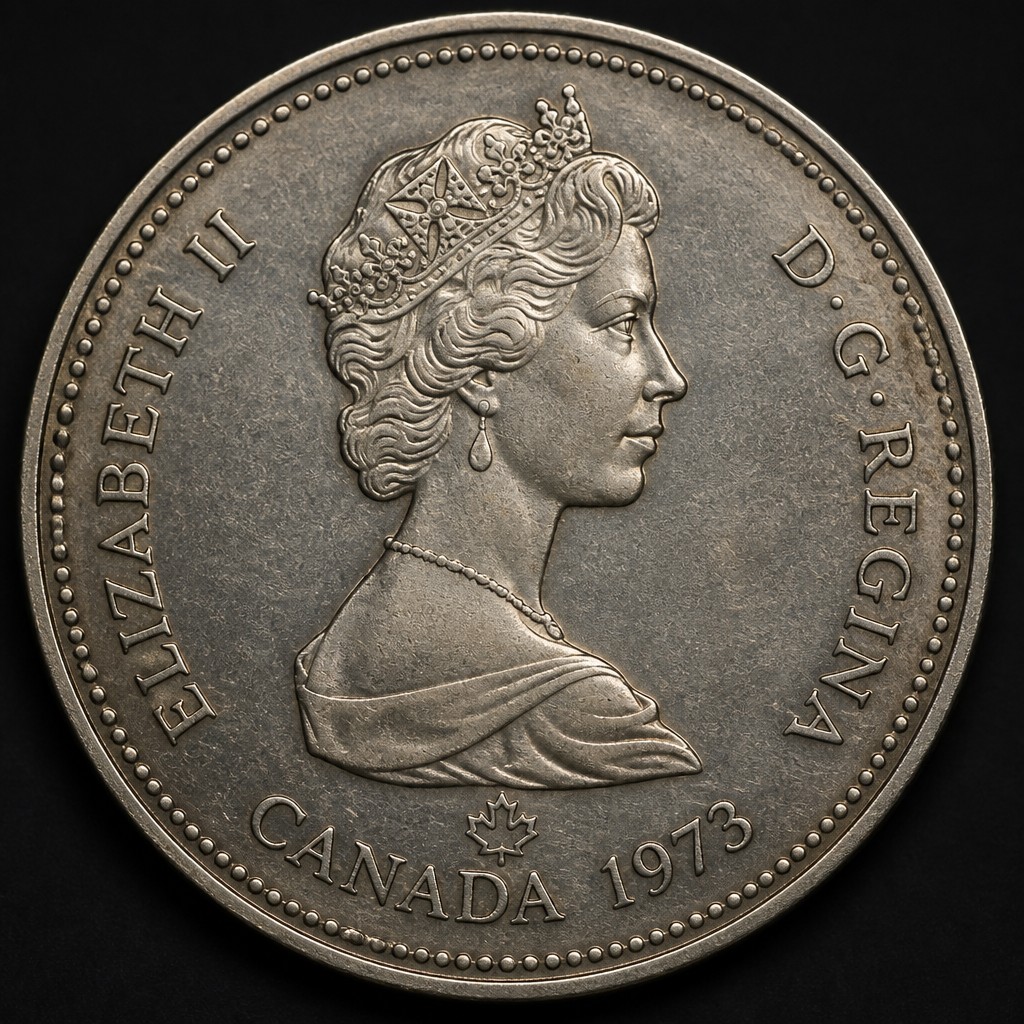
1973 RCMP Centennial Dollar
1973
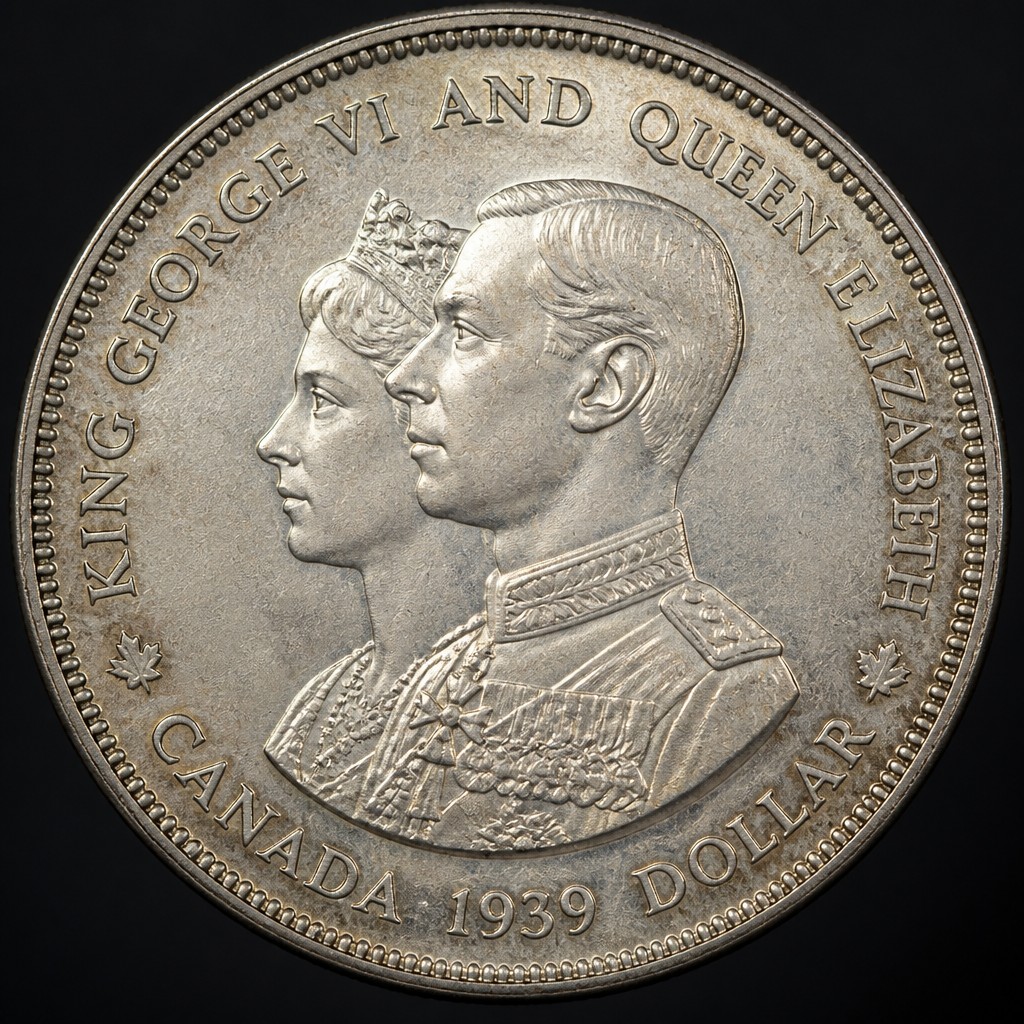
1939 Royal Visit Silver Dollar (Parliament)
1939
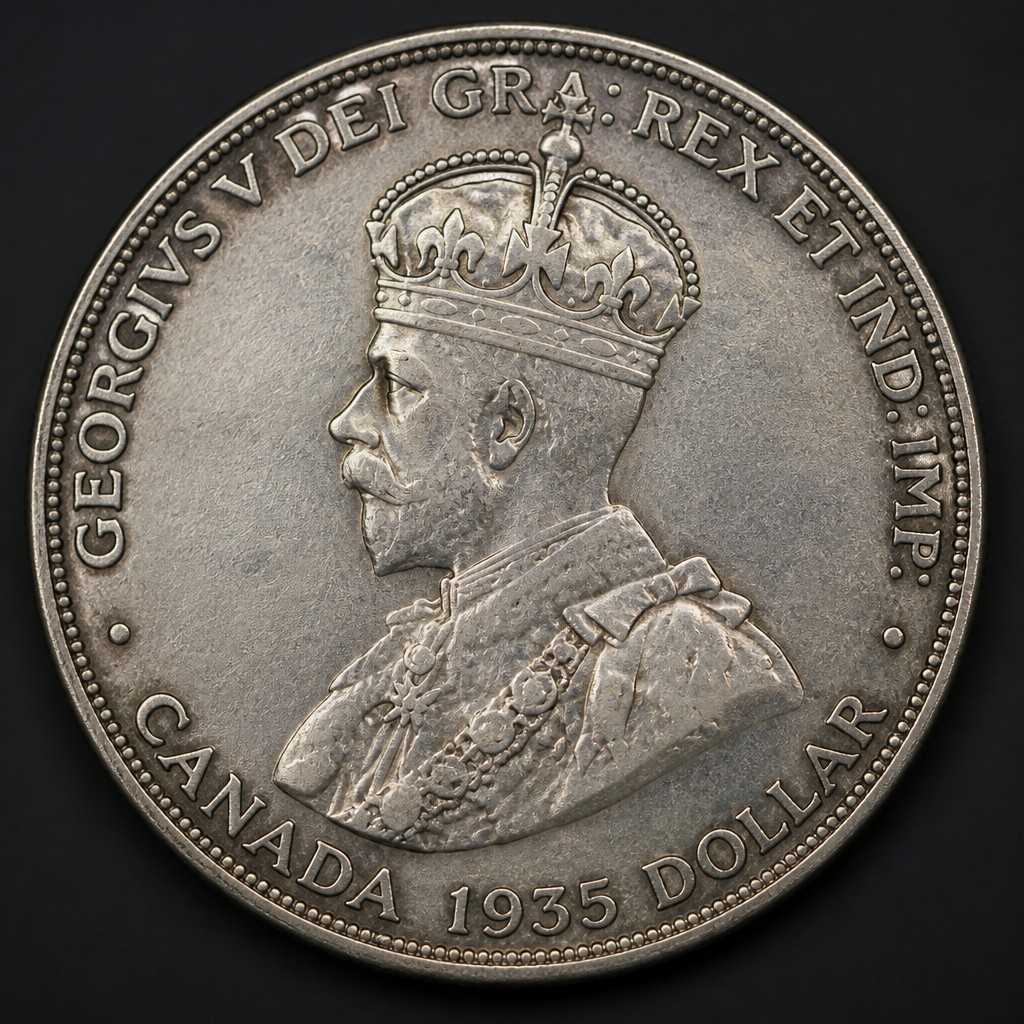
1935 George V Silver Jubilee Dollar (Voyageur)
1935
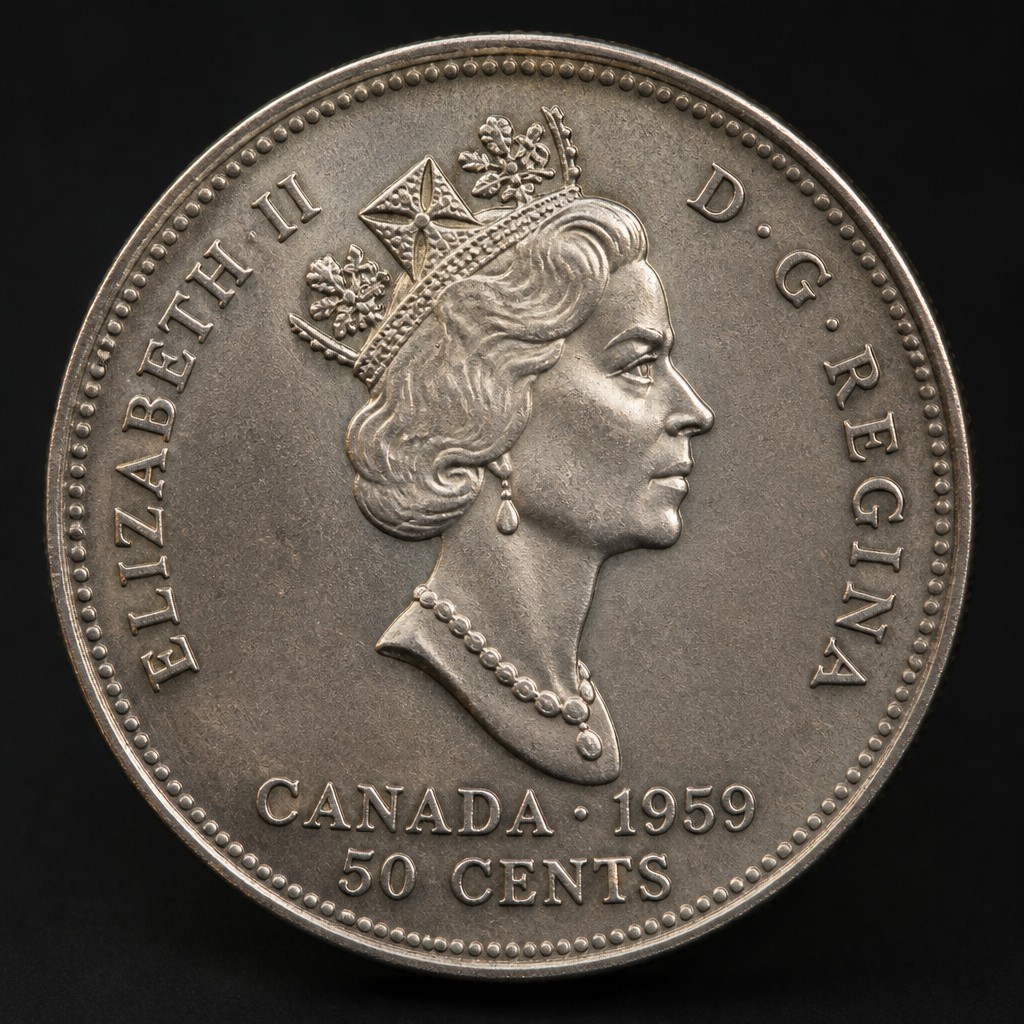
Coat of Arms Fifty Cents (Elizabeth II)
1959–present
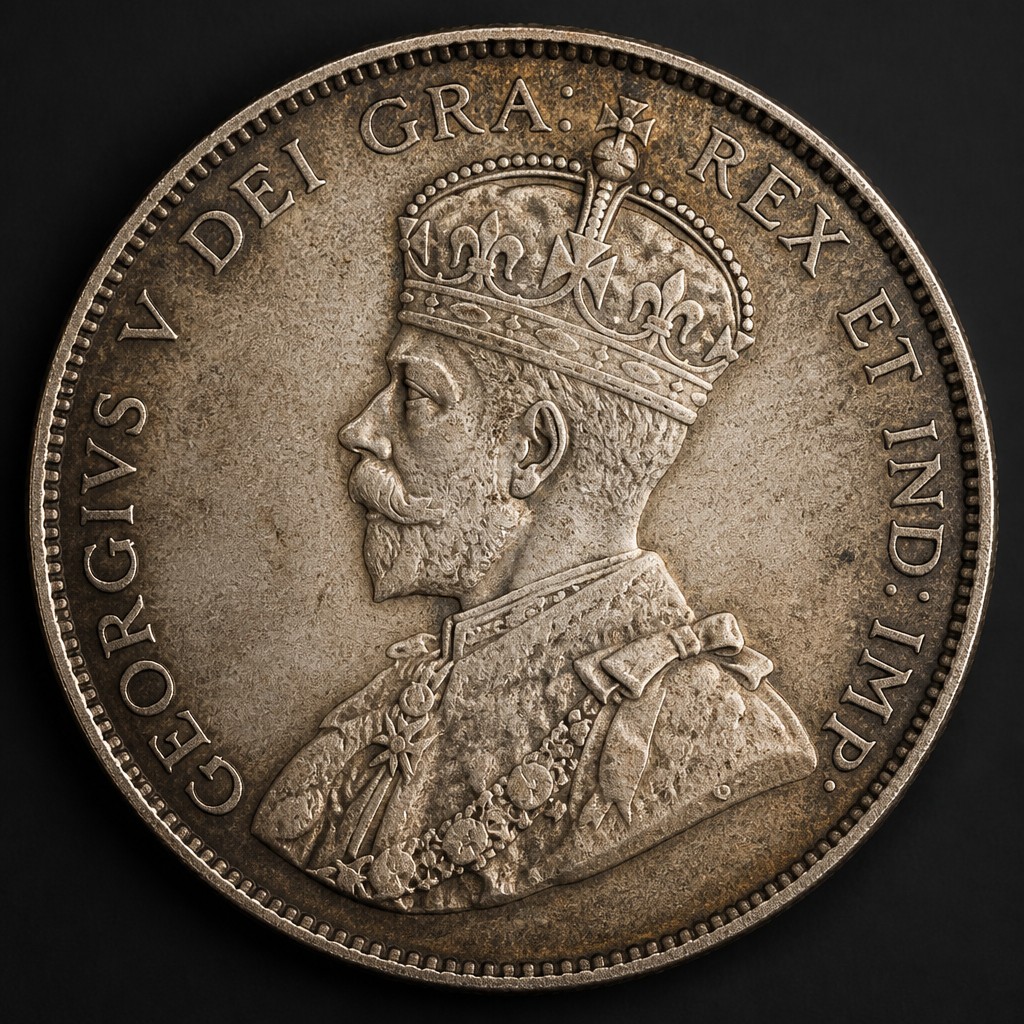
1921 Fifty Cents (King of Canadian Coins)
1921
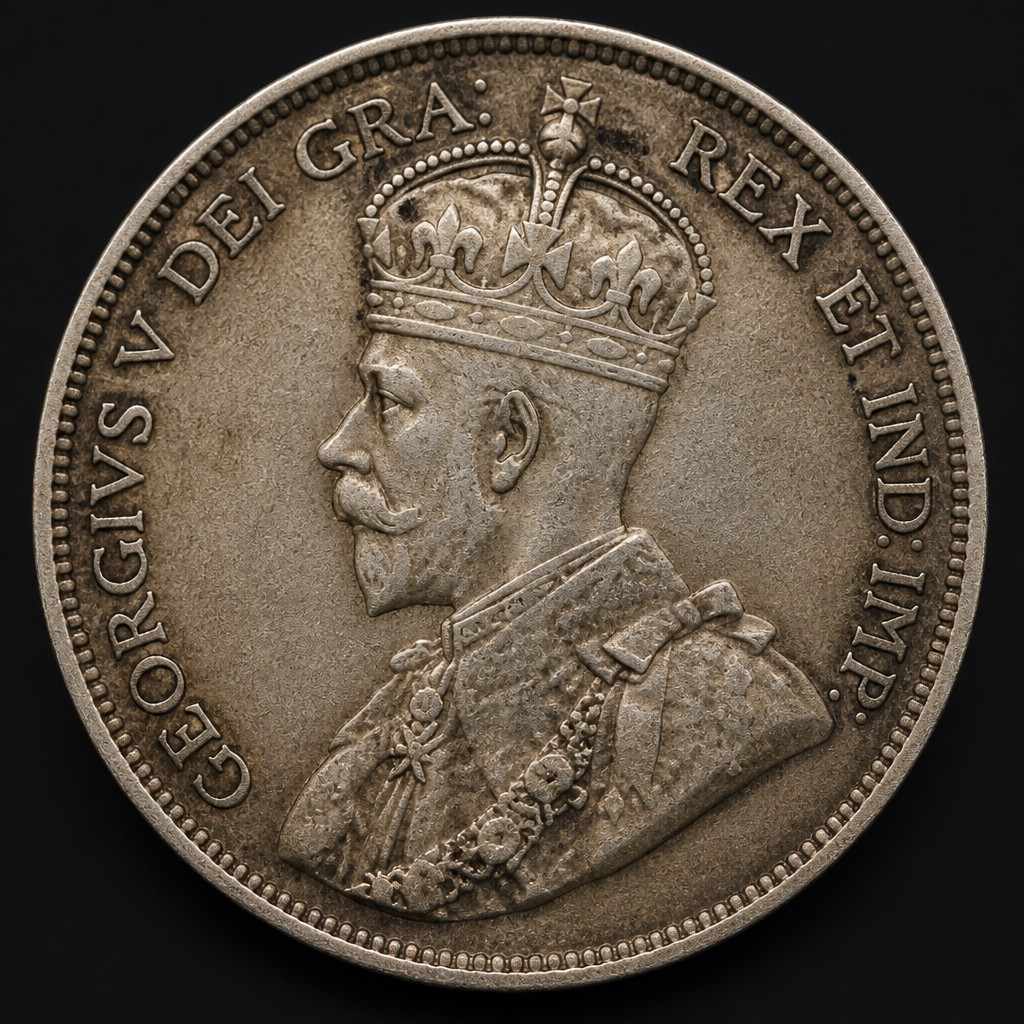
George V Fifty Cents
1911–1936
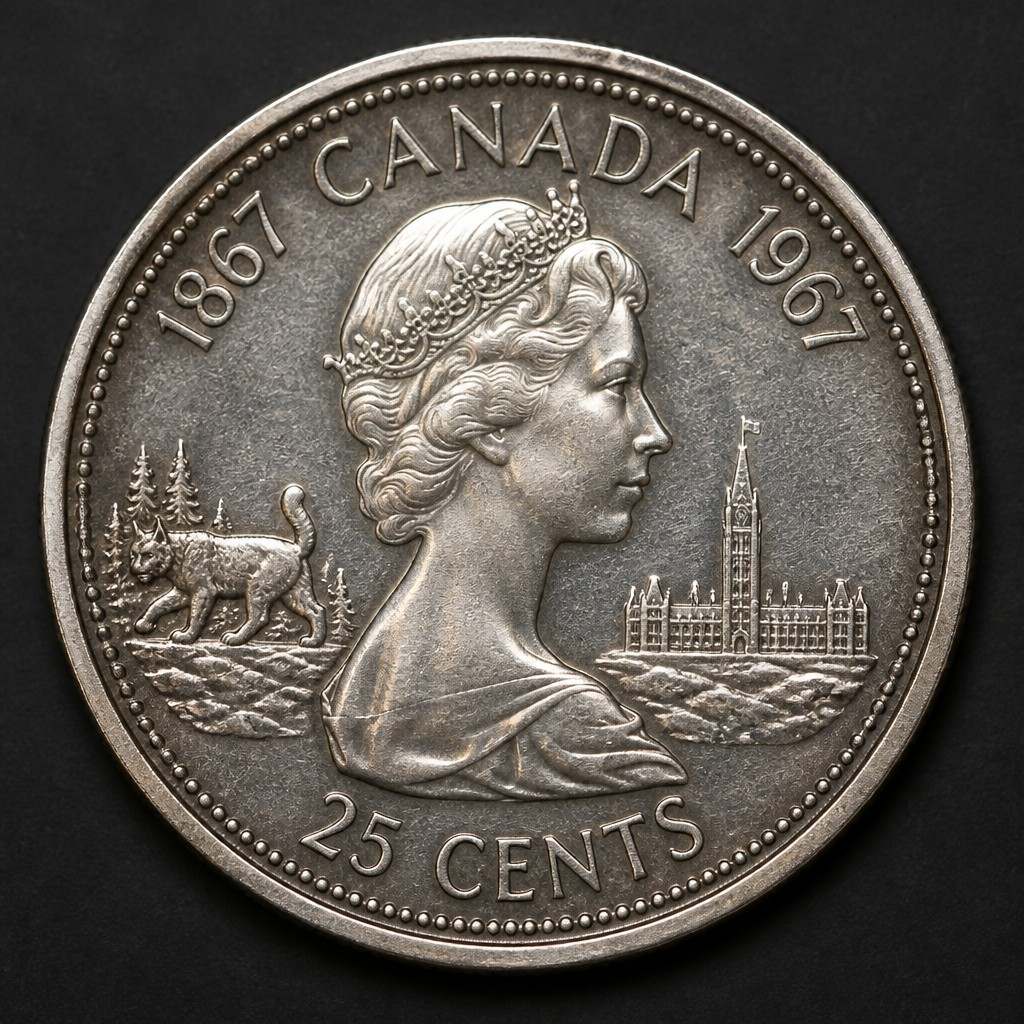
1967 Bobcat Centennial Quarter
1967
Caribou Twenty-Five Cents (quarter)
1937–present