
Coin Encyclopedia
Search and identify coins from around the world — with country, denomination, metal, mint, history, and how to tell them apart.
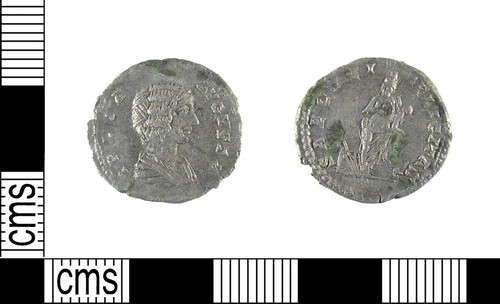
Denarius of Julia Domna
Roman silver denarius of the empress Julia Domna (193-217 CE), with her draped bust and a standing goddess or personification on the reverse.
Ancient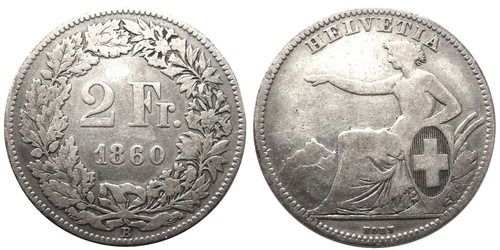
Swiss 2 Francs
A silver Swiss 2 Francs dated 1860, with the value and date in a wreath on one side and a seated Helvetia bearing the Swiss cross on the other.
Circulation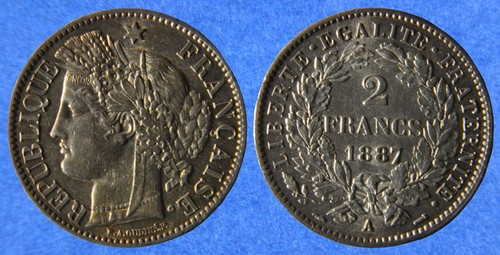
French Cérès 2 Francs
A French Third Republic silver 2 francs showing the goddess Cérès in a liberty cap, with the value 2 FRANCS in a wreath on the reverse.
Circulation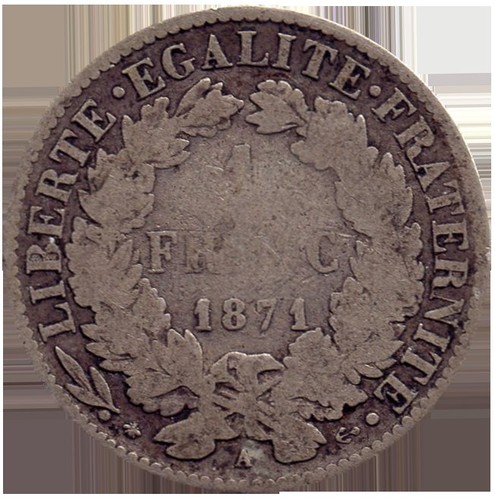
1 Franc Ceres
A small silver French franc showing the head of Cérès, goddess of the harvest, wearing wheat and a star, with the LIBERTE EGALITE FRATERNITE reverse dated 1871.
Circulation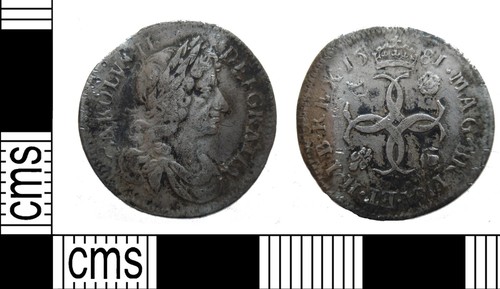
Charles II Fourpence
A small milled sterling silver fourpence of Charles II, with his laureate bust and a crowned cipher of interlinked C's flanked by the national emblems.
Milled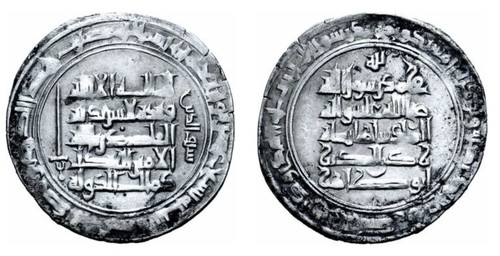
Dirham of Kamal al-Dawla Gharib
Silver dirham from 10th-century Iraq/Mesopotamia naming the ruler Gharib with the honorific Kamal al-Dawla, struck with Kufic Arabic legends.
Medieval Islamic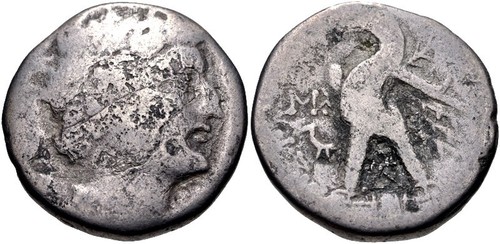
Tetradrachm of Ptolemy XII
Silver tetradrachm struck under Ptolemy XII of Egypt, father of Cleopatra VII, bearing a diademed royal Ptolemaic head and the dynasty's eagle-on-thunderbolt reverse.
Ancient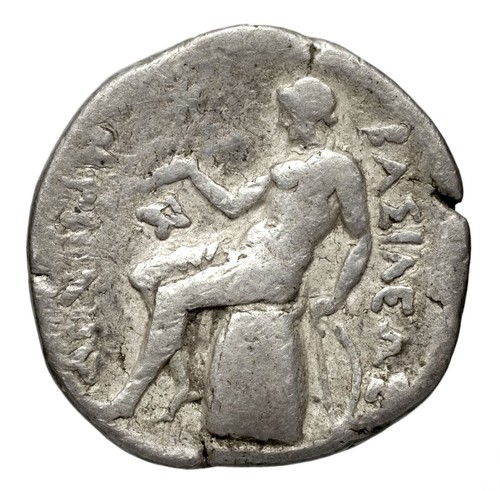
Drachm of Antiochos II Theos
Silver drachm struck under Antiochos II Theos of the Seleukid realm, showing a seated helmeted Athena and, on the reverse, Nike beside an altar.
Ancient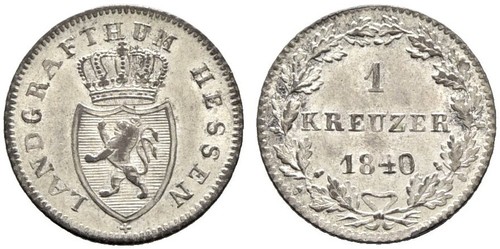
Hessen-Homburg Kreuzer
A small silver 1 Kreuzer of the Landgraviate of Hessen-Homburg, with a crowned arms shield and a dated 1 KREUZER value in a laurel wreath.
German States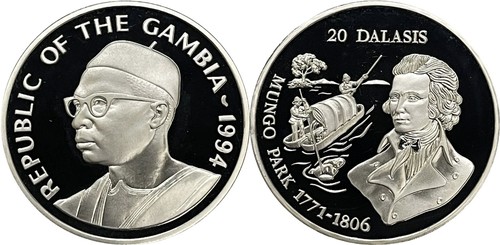
Gambia 20 Dalasis (Mungo Park Commemorative)
A 1994 silver 20 dalasis crown from The Gambia honoring Scottish explorer Mungo Park, shown with a sailing ship on the reverse.
World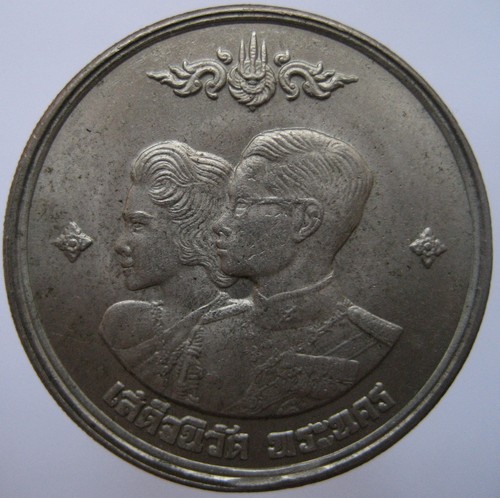
Thailand One Baht Commemorative
A 1961 Thai one-baht commemorative bearing the conjoined profiles of King Rama IX and Queen Sirikit, paired with the Thai royal arms on the reverse.
Southeast Asia
1 Rouble (1834)
An Imperial Russian silver 1 Rouble dated 1834, showing a right-facing imperial portrait with the Cyrillic ИМПЕРАТОРЪ legend and a crowned double-headed eagle.
Modern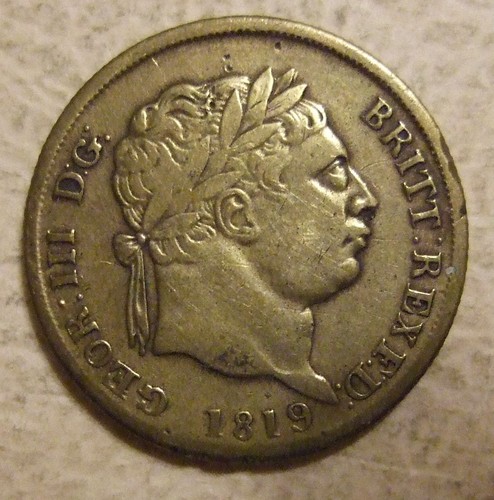
Shilling of George III
A milled silver shilling of George III from the Great Recoinage, with his laureate bust facing right and a crowned quartered royal shield within the Garter.
Milled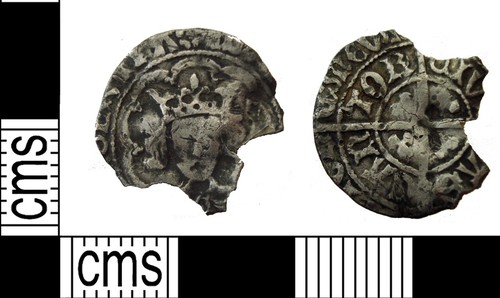
Edward IV Half Groat
Hammered silver half groat (twopence) of Edward IV, with a crowned royal bust and a long-cross reverse, struck at English mints between 1461 and 1483.
Medieval Coins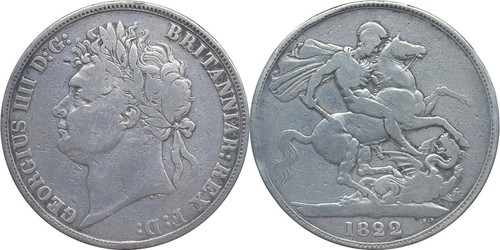
Crown of George IV
A milled silver crown of George IV, with a laureate head facing left and Pistrucci's St George and the dragon on the reverse; the photographed piece is dated 1822.
Milled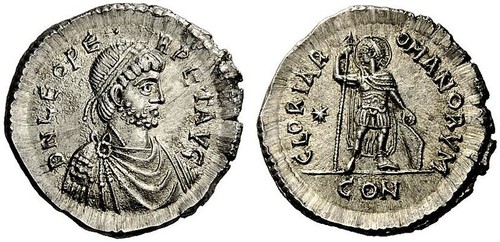
Miliarense of Leo I
Eastern Roman silver miliarensis of Leo I (AD 457-474), showing his diademed bust and a standing military figure with spear and shield.
Ancient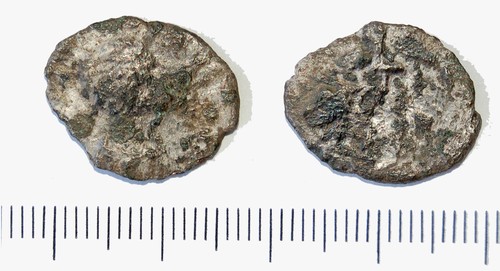
Denarius of Faustina the Elder
A silver Roman denarius honoring Faustina the Elder, wife of Antoninus Pius, with her draped bust and a seated Fortuna reverse, struck c. 141–161 AD.
Ancient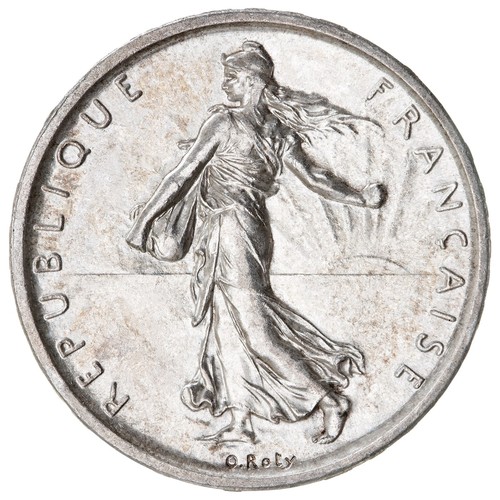
French Semeuse 5 Francs
A silver French 5-franc coin of the Fifth Republic showing the Sower (Semeuse) striding left, with a flowered wreath around the value on the reverse.
Circulation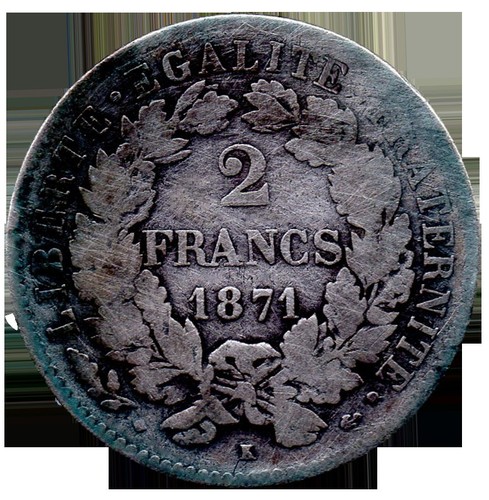
2 Francs Ceres
A French silver two francs of the early Third Republic showing the head of Cérès with a star on the obverse and the value within a wreath on the reverse.
Circulation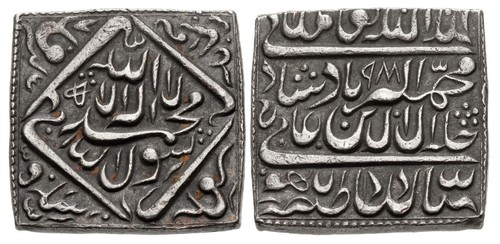
Mughal Square Rupee Token
A square silver-colored token copying a Mughal square rupee, with Persian and Islamic inscriptions and an AH 988 date, produced as a later reproduction.
Token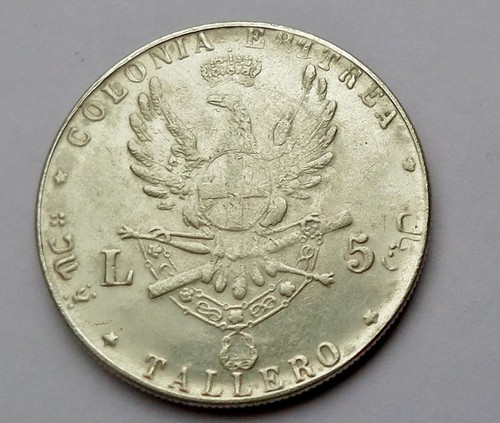
Eritrea 1 Tallero
A large silver trade dollar struck for Italian Eritrea under King Umberto I, carrying crowned heraldic arms and a Savoy eagle, dated 1891.
World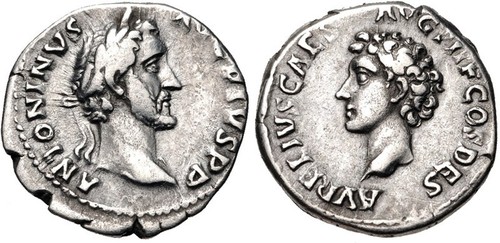
Denarius of Antoninus Pius and Marcus Aurelius
Roman silver denarius of Antoninus Pius (138–161 AD), a dynastic type showing the emperor and the two young Caesars, Marcus Aurelius and Lucius Verus.
Ancient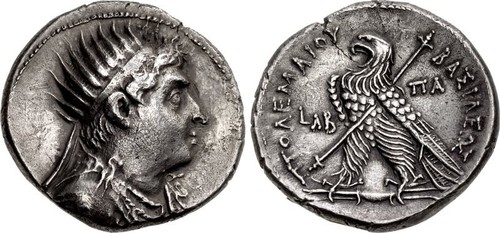
Tetradrachm of Ptolemy VIII
Silver tetradrachm of Ptolemy VIII of Egypt, c. 170-116 BC, with a diademed royal head on the obverse and an eagle on a thunderbolt reverse.
Ancient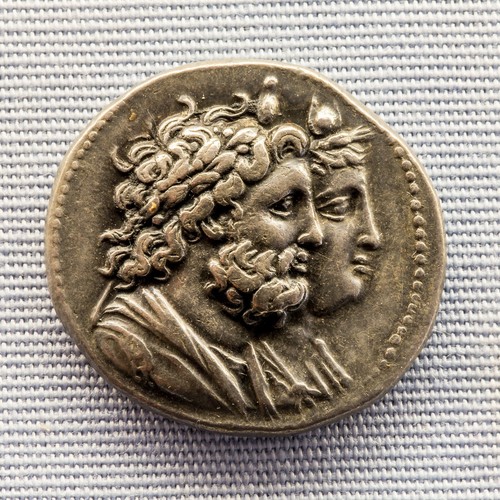
Tetradrachm of Ptolemy IV
Silver tetradrachm of Ptolemy IV Philopator, 221-204 BC, with the jugate busts of Sarapis and Isis on the obverse and an eagle on a thunderbolt on the reverse.
Ancient