
Coin Encyclopedia
Search and identify coins from around the world — with country, denomination, metal, mint, history, and how to tell them apart.
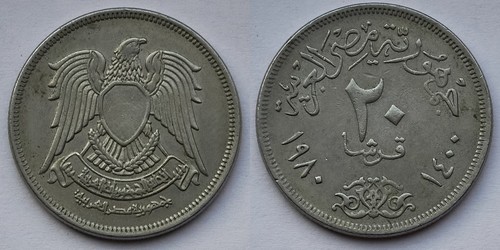
Egyptian 20 Piastres Commemorative
A cupro-nickel Egyptian 20 piastres commemorative dated 1980, with an ornate Arabic calligraphic obverse and a heraldic double-headed eagle reverse.
World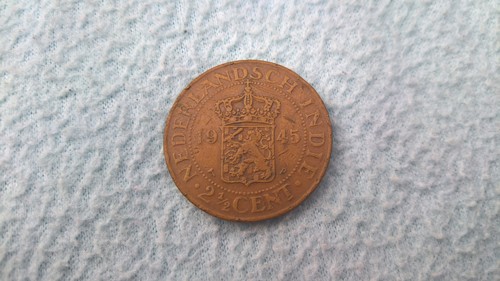
Netherlands East Indies 2 Cent
A wartime 1945 bronze 2-cent coin of the Dutch colony of the Netherlands East Indies, showing the crowned Netherlands shield and an ornate colonial reverse.
Southeast Asia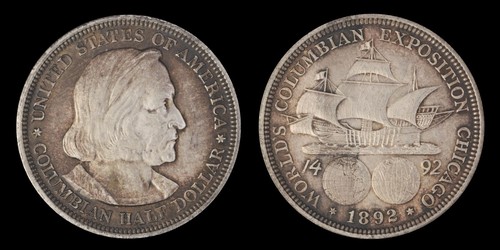
Columbian Exposition Half Dollar
The first U.S. commemorative half dollar, issued for the 1893 World's Columbian Exposition with Christopher Columbus on the obverse and his three ships on the reverse.
Classic Commemorative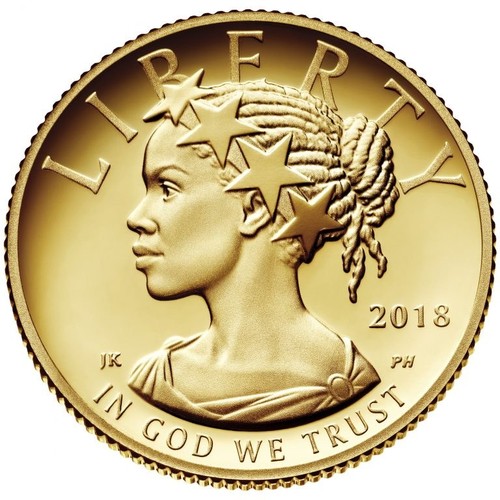
American Liberty High Relief Gold Coin
A modern one-ounce, .9999 fine gold $100 coin from the US Mint's American Liberty series, struck in dramatic high relief with a contemporary Liberty and eagle design.
Bullion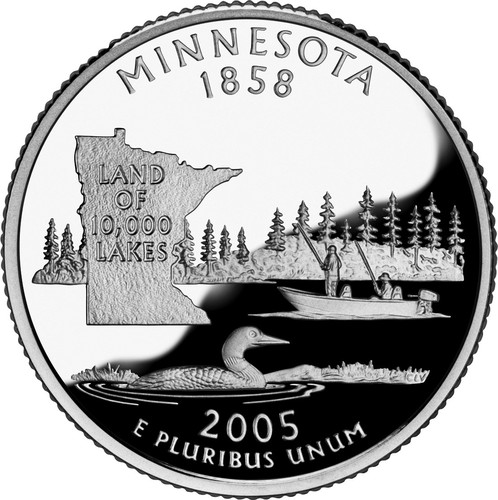
Minnesota State Quarter
2005 U.S. 25-cent coin in the 50 State Quarters series, showing Minnesota's outline, a common loon, anglers in a boat, and pines above 1858.
Quarter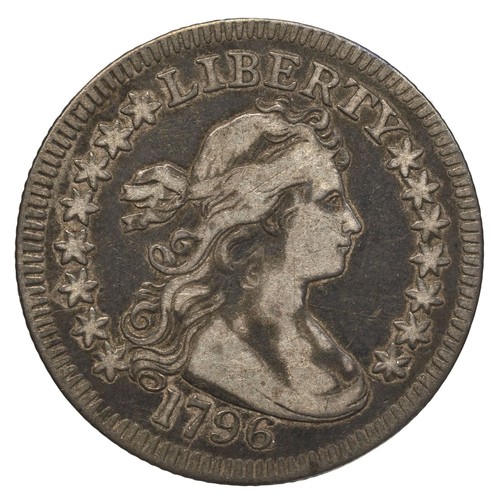
Draped Bust Quarter
The first United States quarter dollar, struck in silver with a draped Liberty and border stars on the obverse and an eagle reverse; the type began in 1796.
Quarter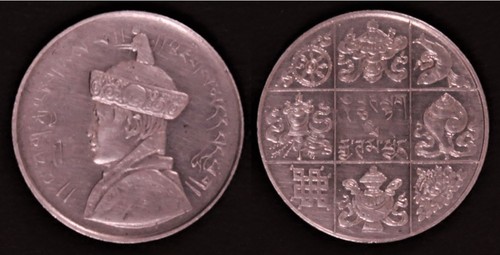
India Half Rupee (Copper)
Copper coin bearing a lion design with the English legend 'HALF RUPEE INDIA' and the date 1947, dated to the year of Indian independence.
Modern India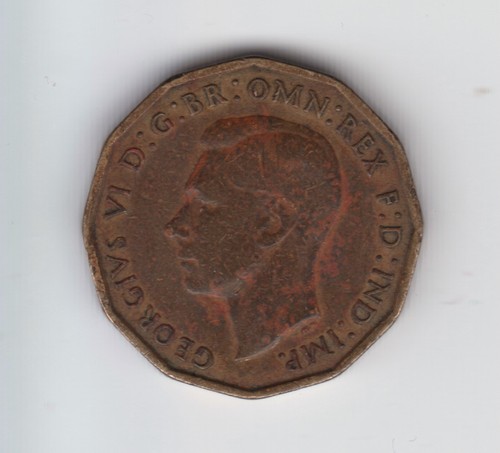
British Brass Threepence
Chunky twelve-sided nickel-brass threepence of George VI, showing his head and a thrift plant reverse; the example shown is dated 1942.
British Isles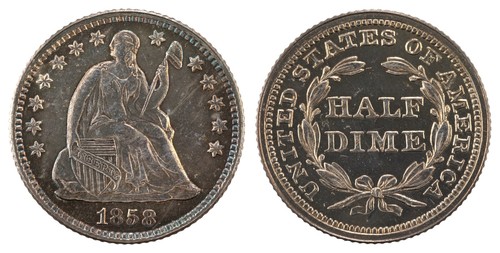
Seated Liberty Half Dime
A tiny 90% silver five-cent piece showing Liberty seated with a shield and Liberty pole; the reverse wreath frames HALF DIME. First struck 1837.
Half Dime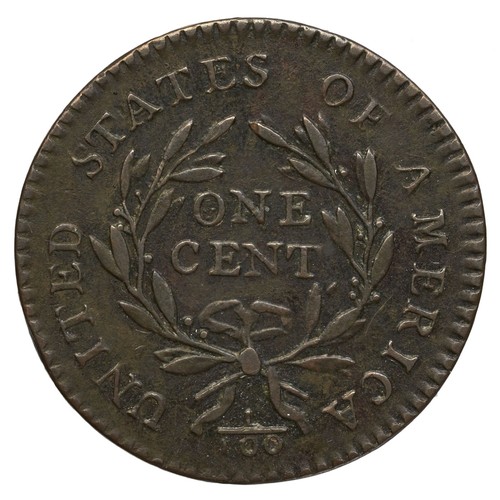
Liberty Cap Large Cent
An early U.S. copper cent (1793-1796) showing Liberty with a cap on a pole, flowing hair, and a wreath reverse.
Large Cent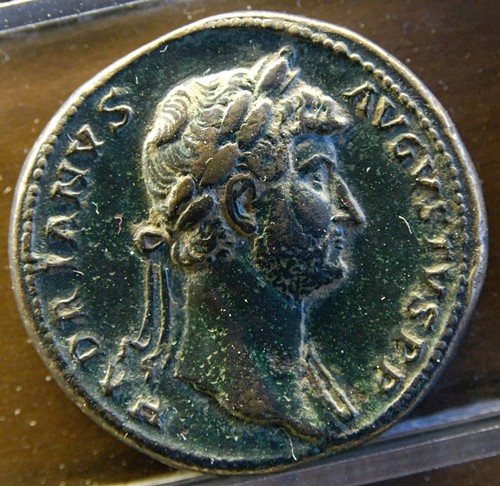
Sestertius of Hadrian
Large Roman bronze sestertius of Emperor Hadrian, showing his bearded curly-haired profile and a standing draped figure with a Latin legend on the reverse.
Ancient Coins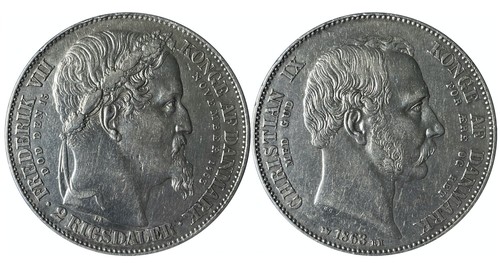
2 Rigsdaler (Gold)
A gold striking of Denmark's 1863 2 rigsdaler, with the right-facing bust of Christian IX and the crowned royal arms — a rare early piece of his reign.
European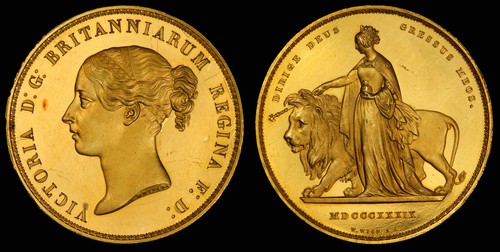
Una and the Lion Five Pounds
William Wyon's 1839 gold Five Pounds pairs a young Queen Victoria with Una guiding a lion — widely praised as one of the most beautiful British coins ever struck.
British Isles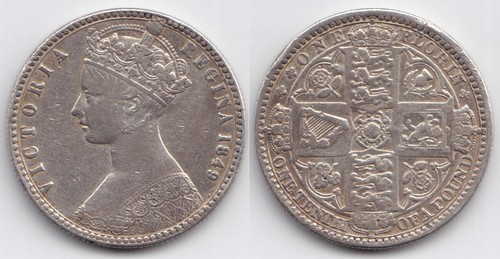
Godless Florin
Britain's first florin, struck only in 1849 and nicknamed "Godless" because it dropped "Dei Gratia" from Queen Victoria's titles.
British Isles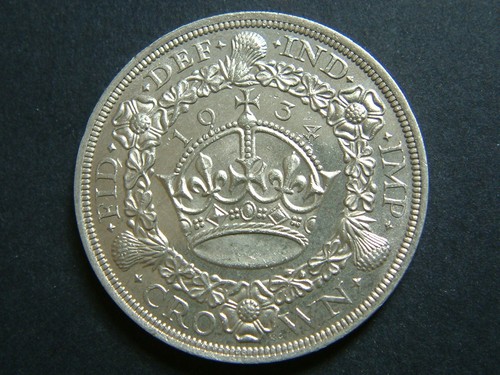
British Crown
A large George V silver crown of the 1927–1936 'wreath' type, showing the king's profile and a royal crown framed by an ornamental wreath.
British Isles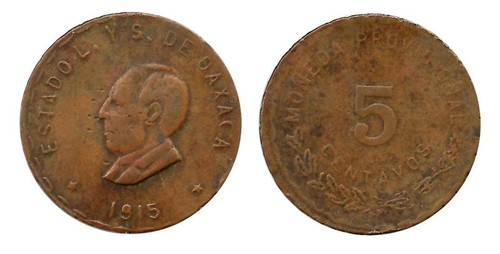
Oaxaca 5 Centavos
A copper 5-centavos struck by the sovereign State of Oaxaca during the Mexican Revolution, with a profile bust on the obverse and the numeral 5 in a wreath on the reverse.
Revolutionary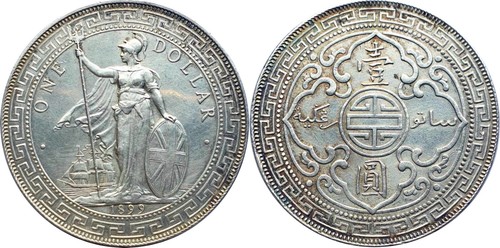
Hong Kong Trade Dollar
A large silver British Trade Dollar with standing Britannia on the obverse and a Chinese dragon reverse, made for commerce across the Far East.
Circulation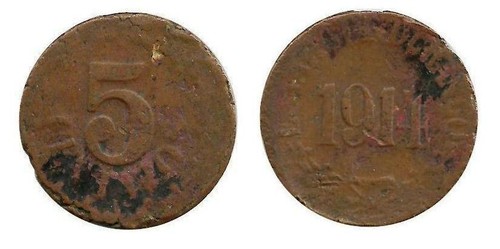
Durango 5 Centavos
A copper 5 centavos struck in the State of Durango during the Mexican Revolution, showing a large numeral 5 and the Mexican national eagle, dated 1914.
Revolutionary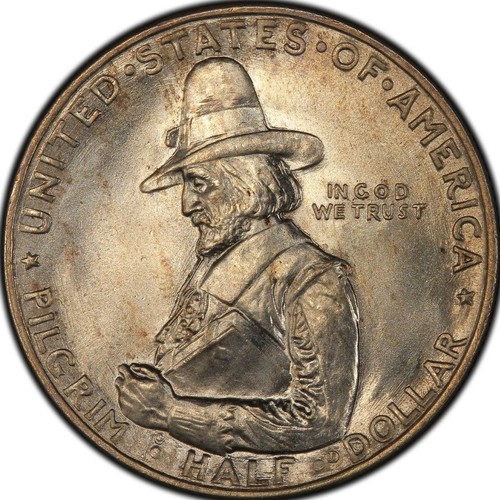
Pilgrim Tercentenary Half Dollar
A 1920-1921 U.S. silver commemorative half dollar marking 300 years since the Pilgrims' landing, with a Pilgrim figure and the Mayflower.
Classic Commemorative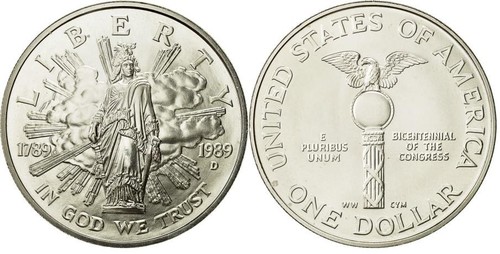
Congress Bicentennial Silver Dollar
A 1989 U.S. commemorative silver dollar marking 200 years of Congress, pairing a standing Liberty-style figure with an eagle above the U.S. Capitol.
Modern Commemorative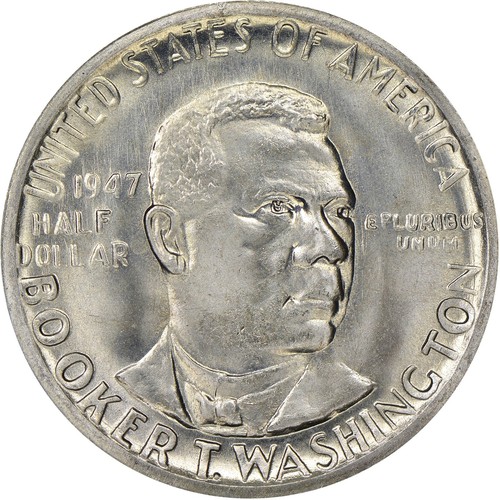
Booker T. Washington Memorial Half Dollar
A U.S. silver commemorative half dollar (1946–1951) honoring educator Booker T. Washington, the first African American portrayed on a U.S. coin.
Classic Commemorative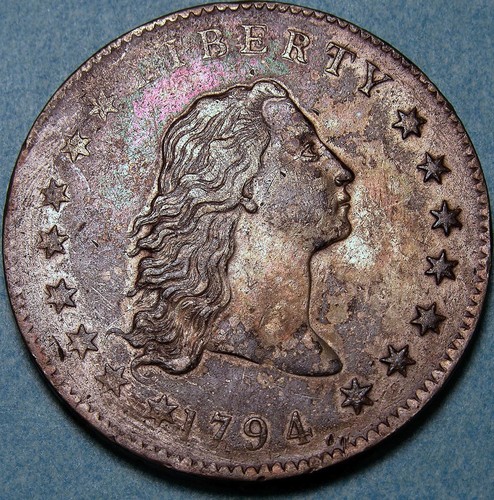
Flowing Hair Dollar
The first U.S. silver dollar, struck 1794–1795, with a right-facing Liberty whose hair flows loose amid stars and a small spread-wing eagle reverse.
Dollar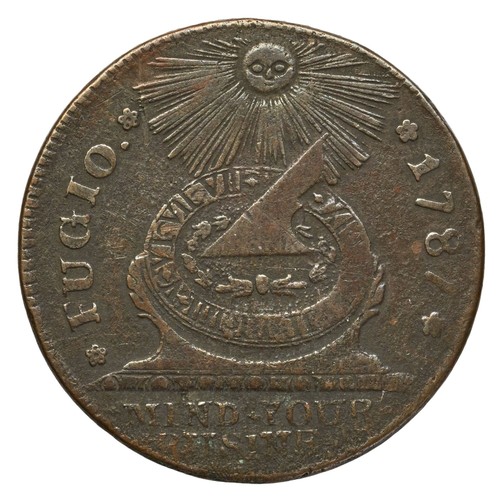
Fugio Cent
1787 copper cent, among the first coins issued under the United States, with a sundial and sun on the obverse and thirteen linked rings on the reverse.
Colonial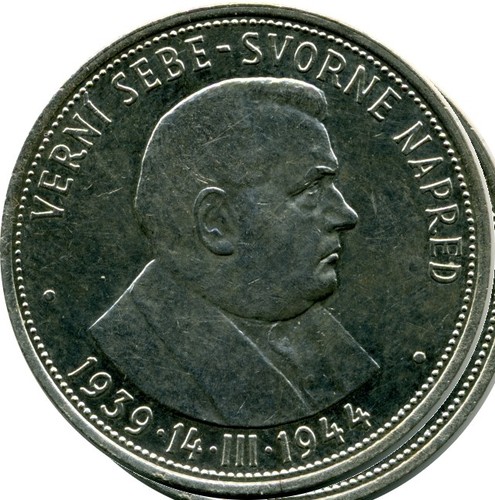
50 Korun
A 1944 silver 50 korun of the wartime Slovak State, showing the profile of Jozef Tiso and a shield with a double cross, struck for the state's fifth anniversary.
Modern