
Coin Encyclopedia
Search and identify coins from around the world — with country, denomination, metal, mint, history, and how to tell them apart.
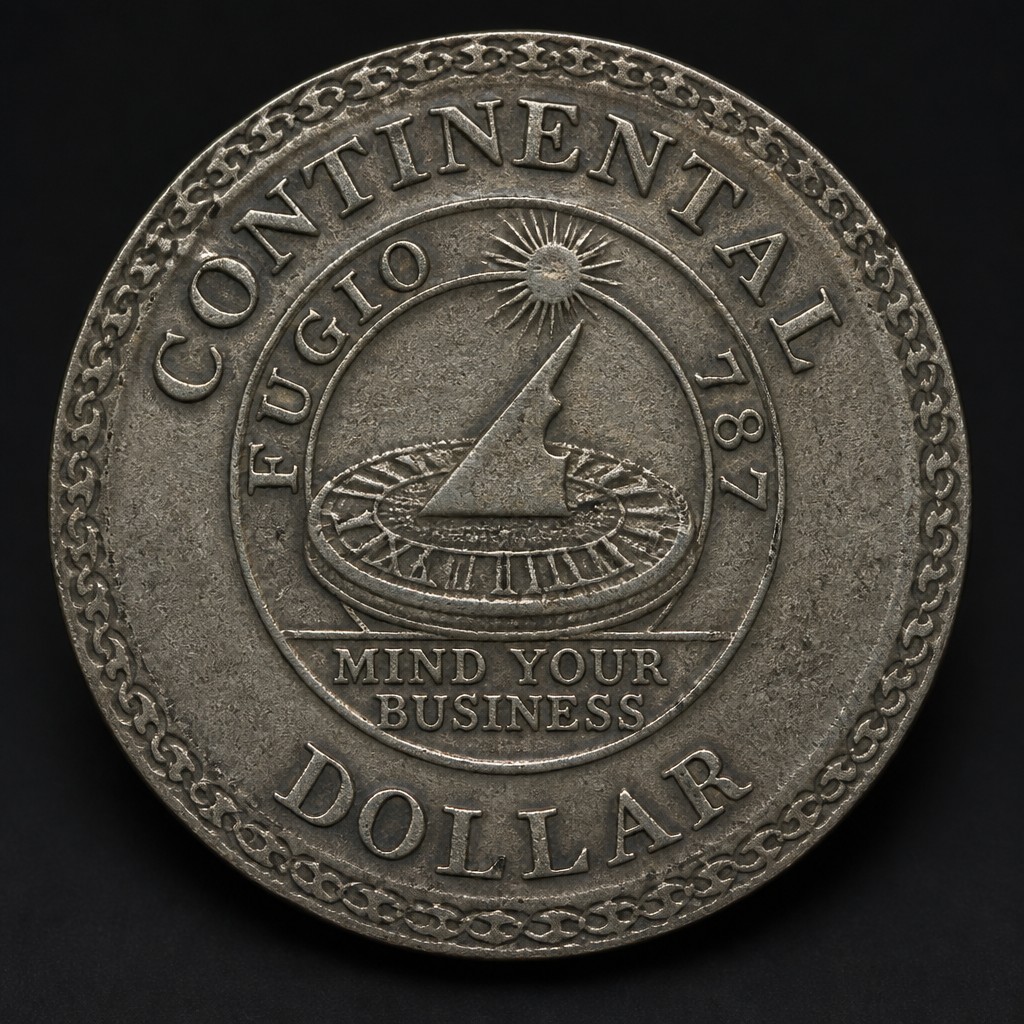
Continental Dollar
A large 1776-dated piece bearing a sundial, 'MIND YOUR BUSINESS,' and a thirteen-link chain, long debated as either an intended Continental Congress dollar or a contemporary satirical piece.
United States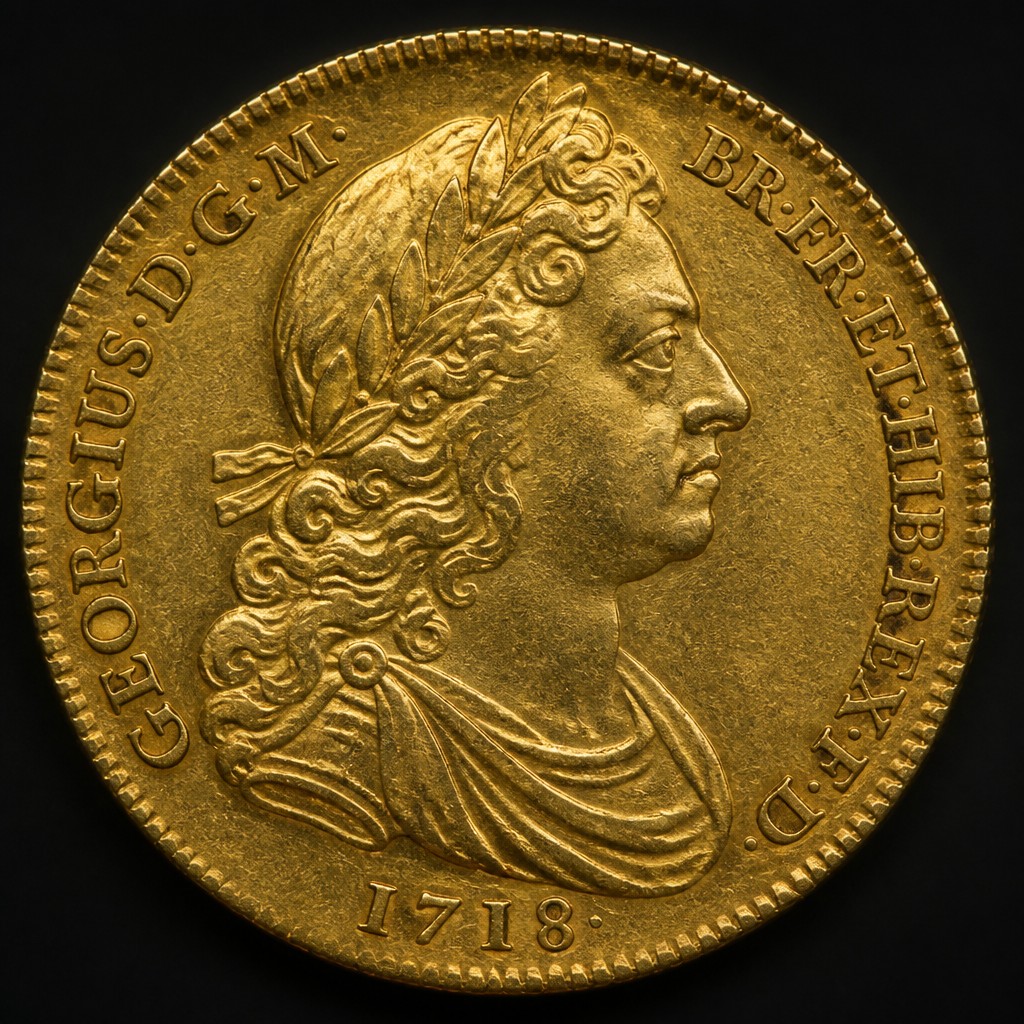
Quarter Guinea
A rarely issued small gold coin worth one-quarter of a guinea, struck only in 1718 under George I and again briefly in 1762 under George III.
British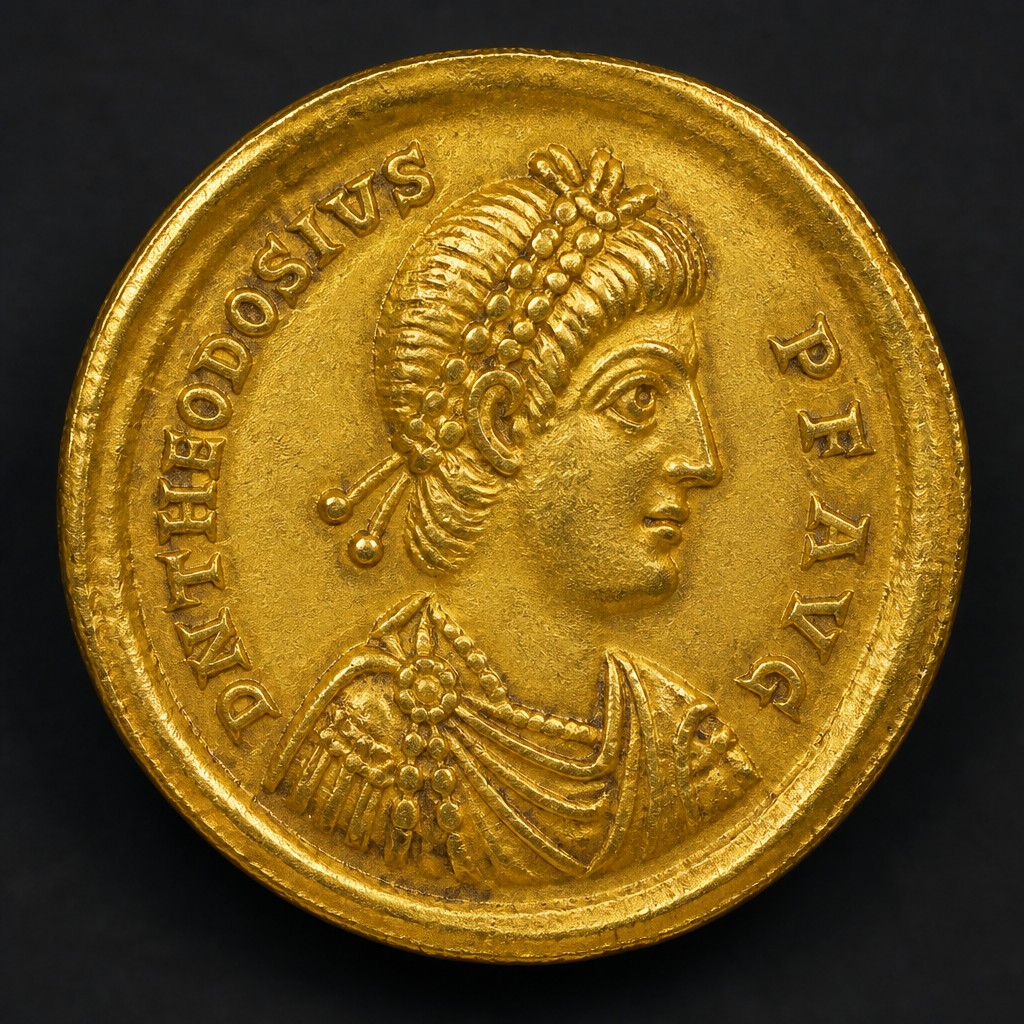
Theodosius I Solidus
A gold solidus of Theodosius I, the last emperor to rule a united Roman Empire and the ruler who made Nicene Christianity the state religion.
Ancient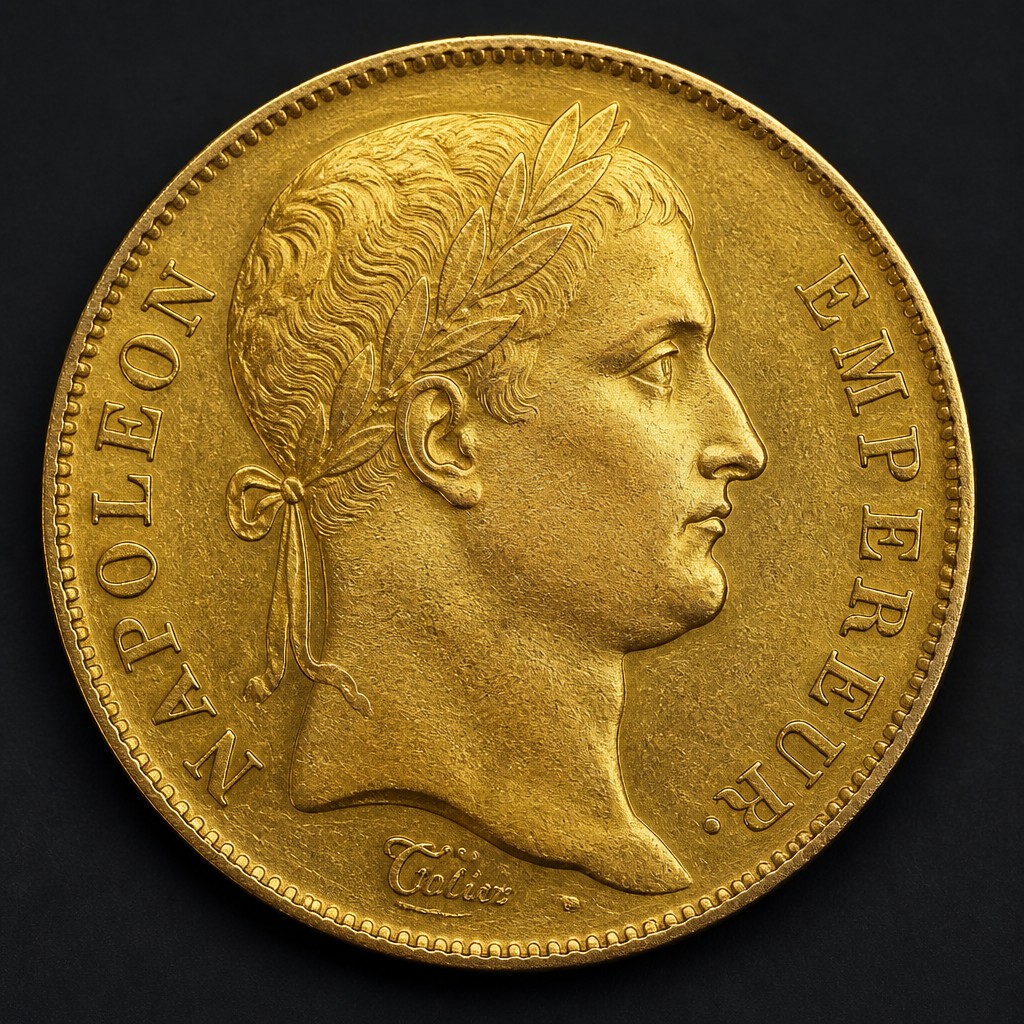
French 40 Francs Gold (Napoleon)
An early gold coin of Napoleon Bonaparte as First Consul and later Emperor, struck under France's new decimal franc system.
European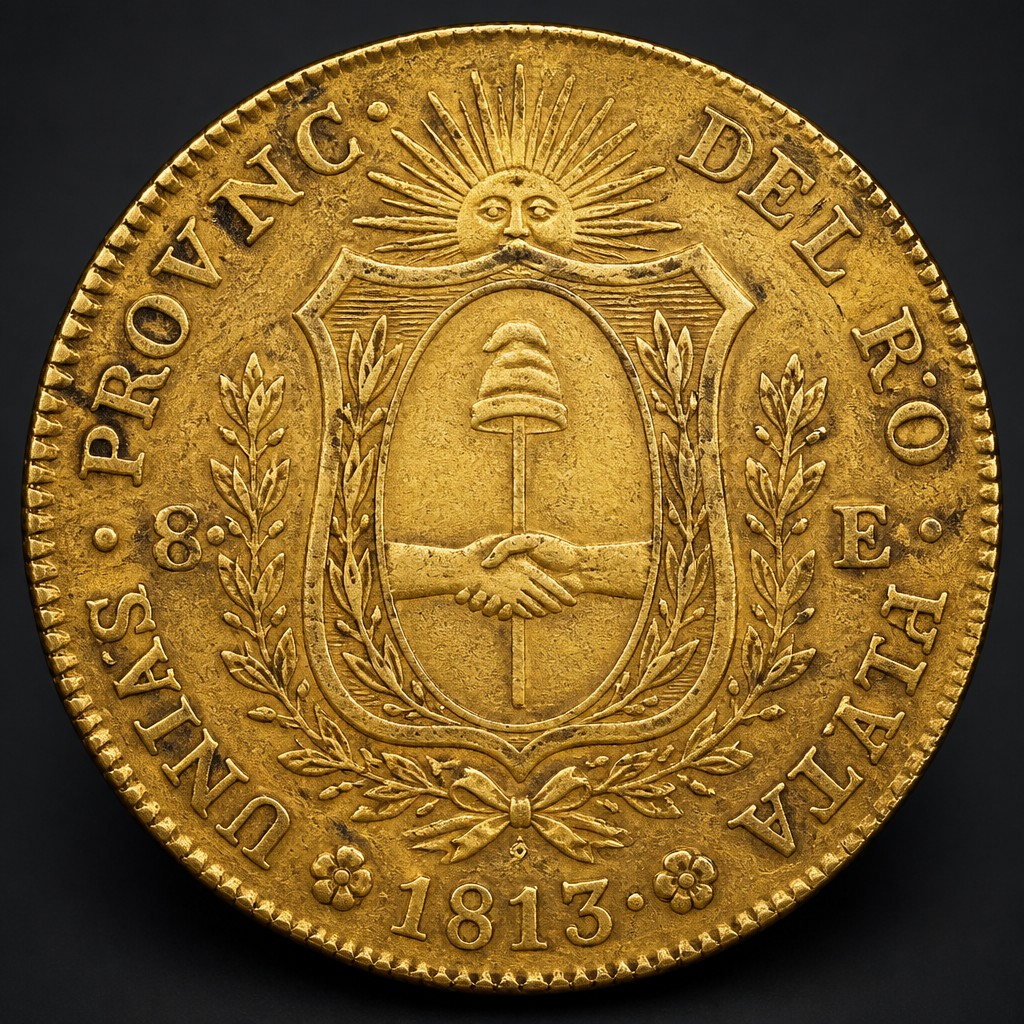
Argentine 8 Escudos Gold (1813)
An extremely rare gold coin from the earliest years of Argentine independence, struck briefly at Potosí under revolutionary authority and bearing the iconic Sun of May.
Latin American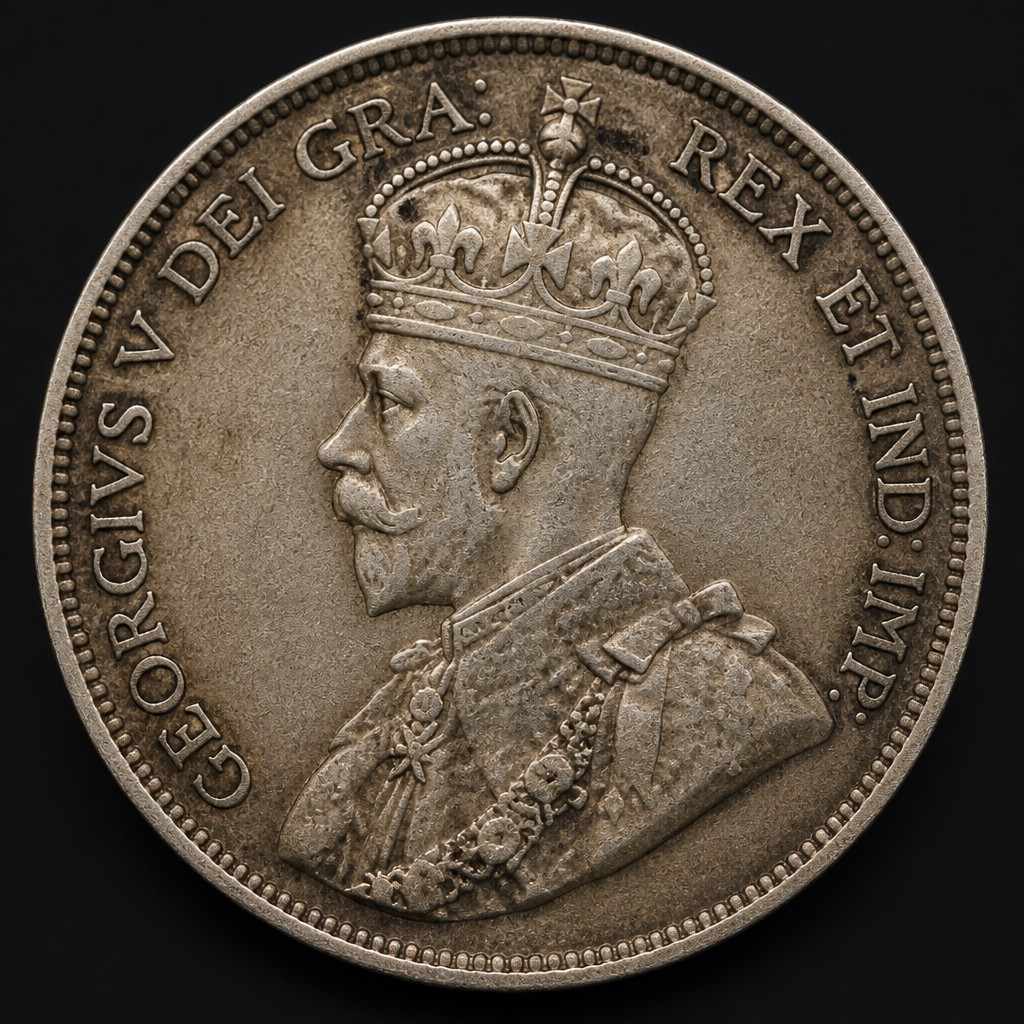
George V Fifty Cents
Canada's fifty-cent silver coin issued under King George V, spanning a reduction in silver fineness in 1920 and including the famously rare 1921 date.
Canadian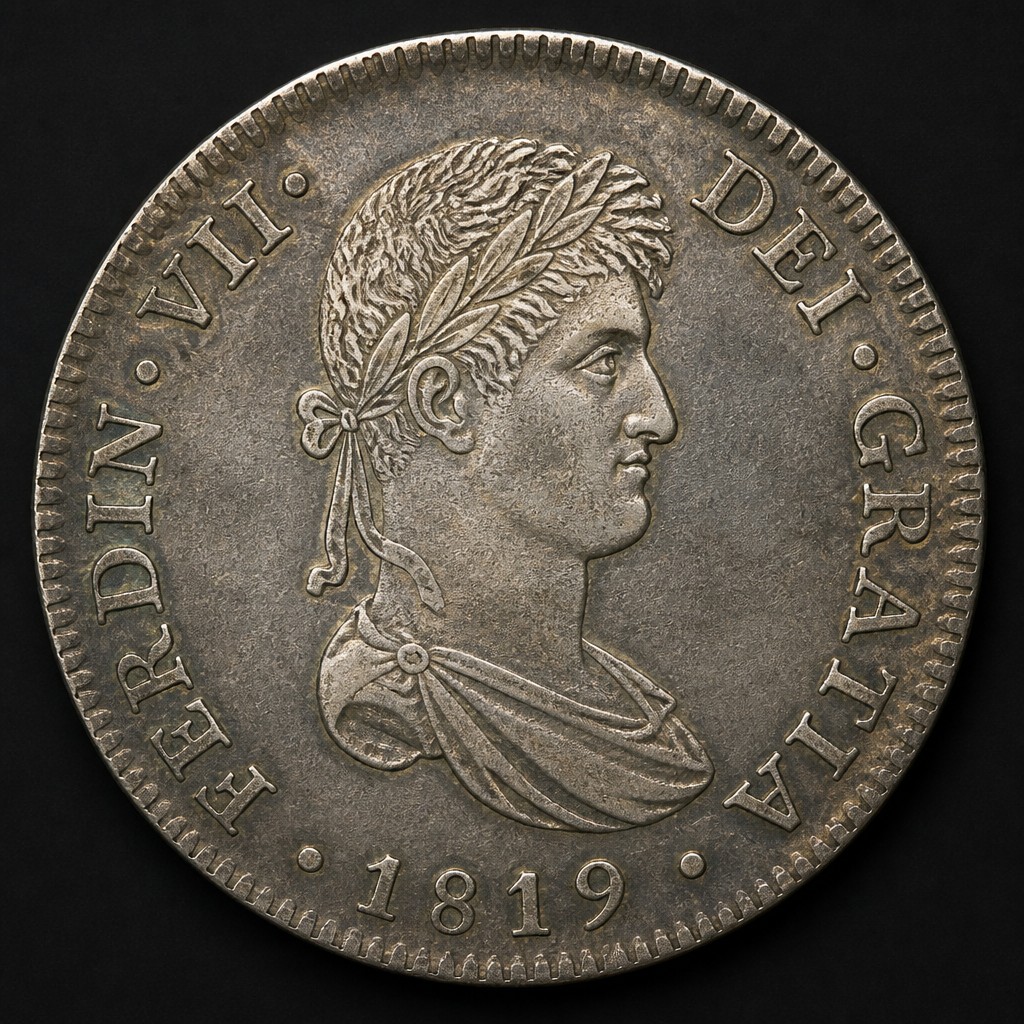
Colombia 8 Reales
Silver 8 reales struck first under Spanish colonial rule in New Granada and later, after independence, in the name of the new Colombian republic.
Latin American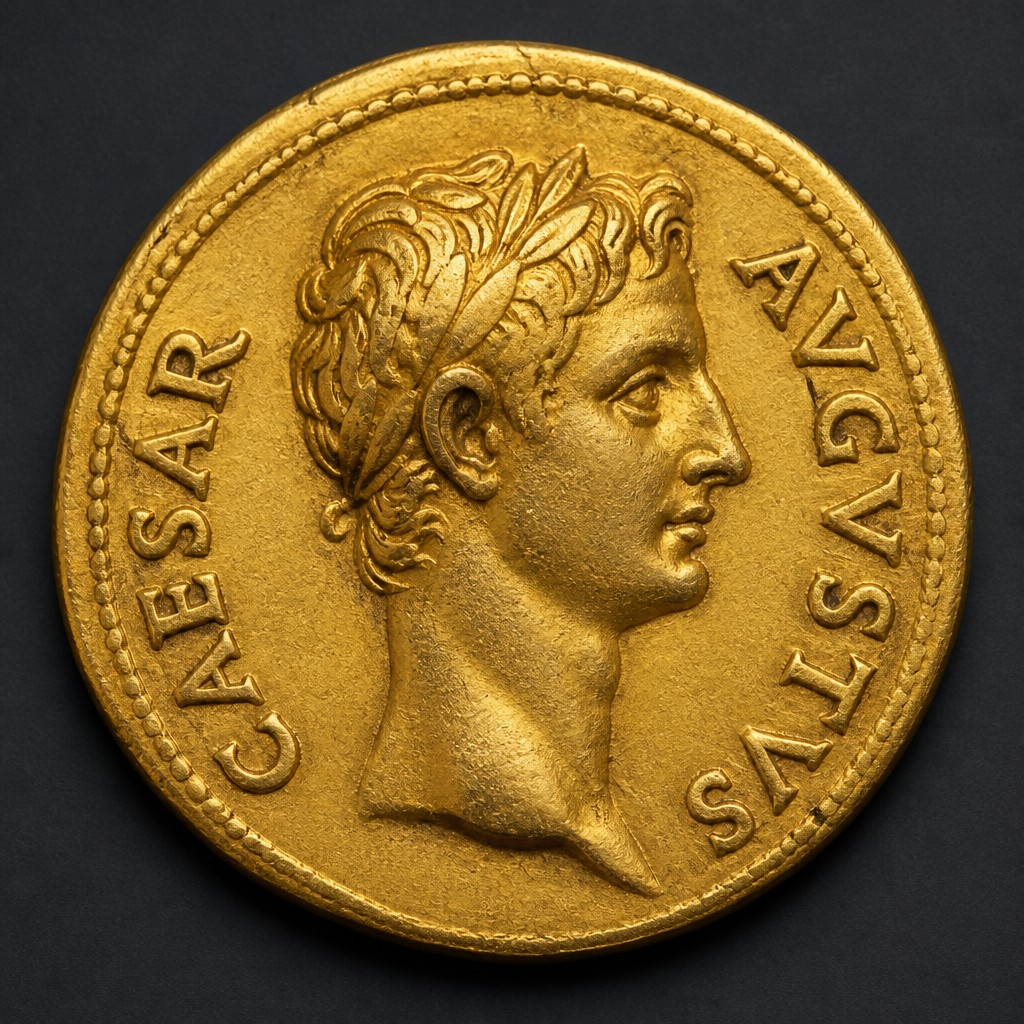
Roman Aureus of Augustus
A gold coin struck under Rome's first emperor, Augustus, marking the establishment of a stable imperial gold coinage that funded and symbolized the new Roman Empire.
Ancient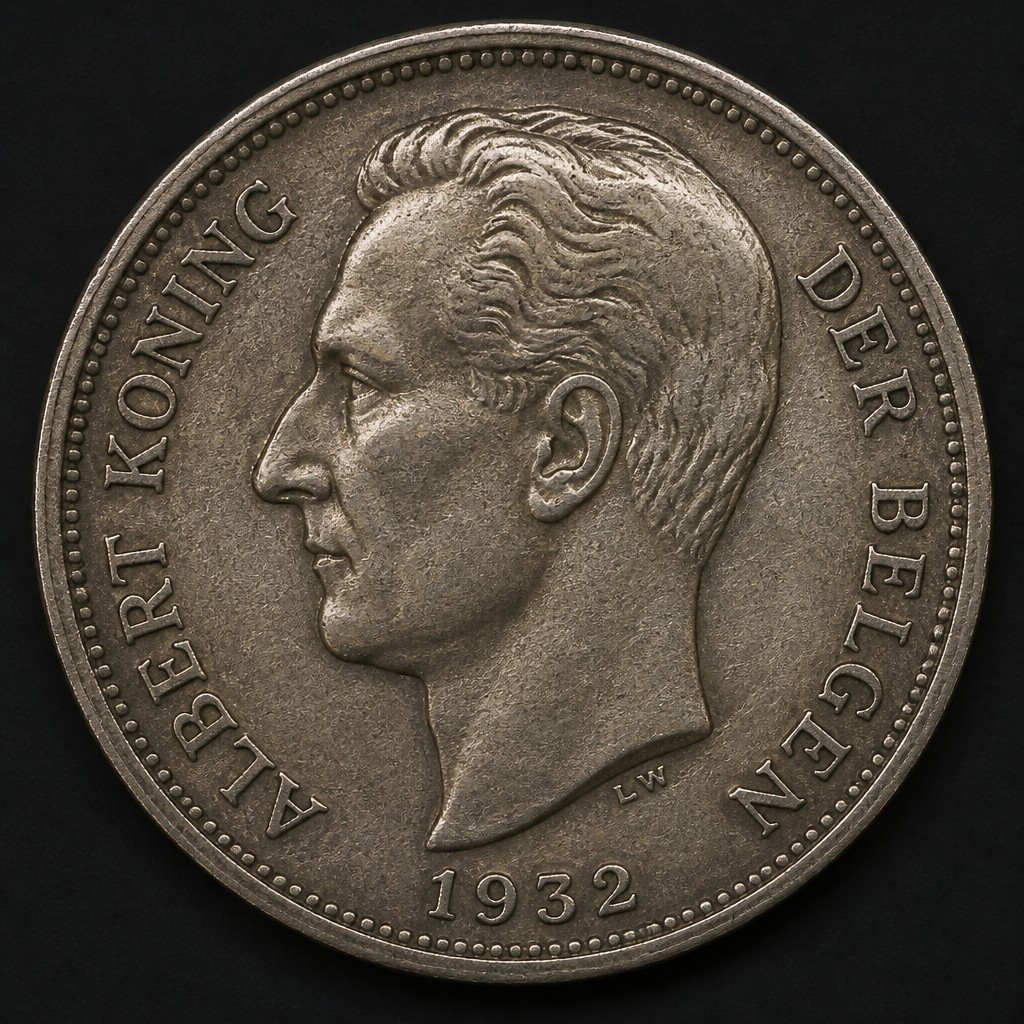
Belgian Franc
Belgium's national currency from independence in 1830 through the Latin Monetary Union era and into the Euro age, minted in both French and Dutch legends.
European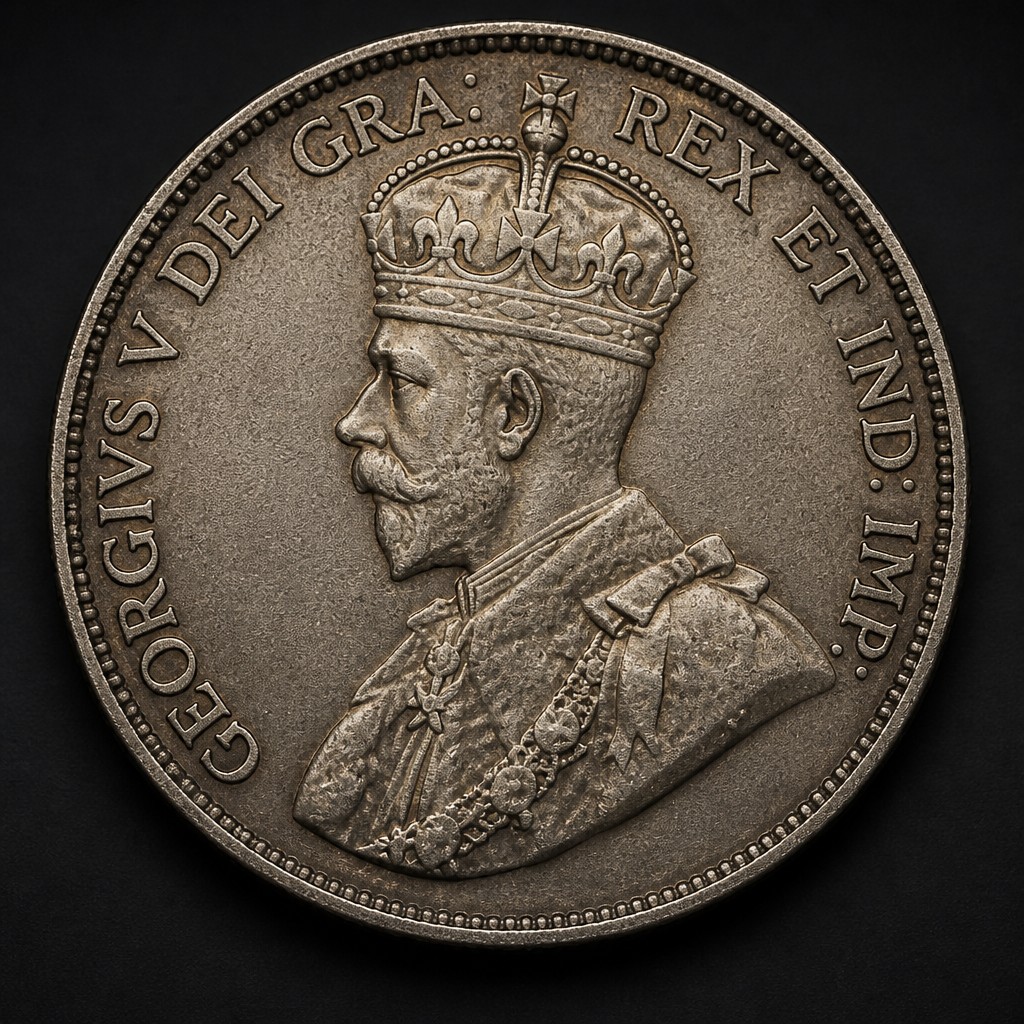
George V Twenty-Five Cents (silver)
Canada's silver twenty-five-cent coin struck under King George V, a series notable for its famous 1921 key date and a rare 1936 emergency dot variety.
Canadian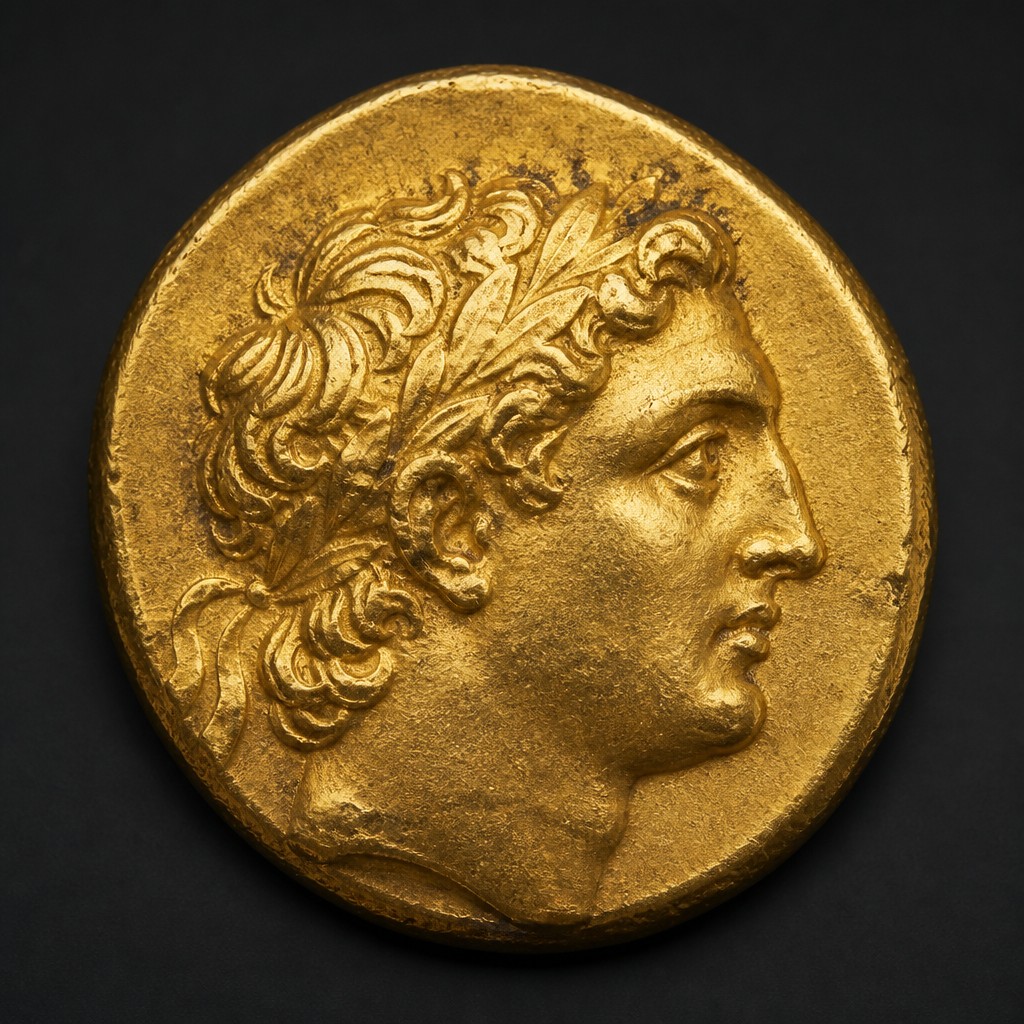
Philip II of Macedon Gold Stater
A gold stater struck under Philip II of Macedon, father of Alexander the Great, widely circulated and imitated across the ancient Mediterranean and beyond.
Ancient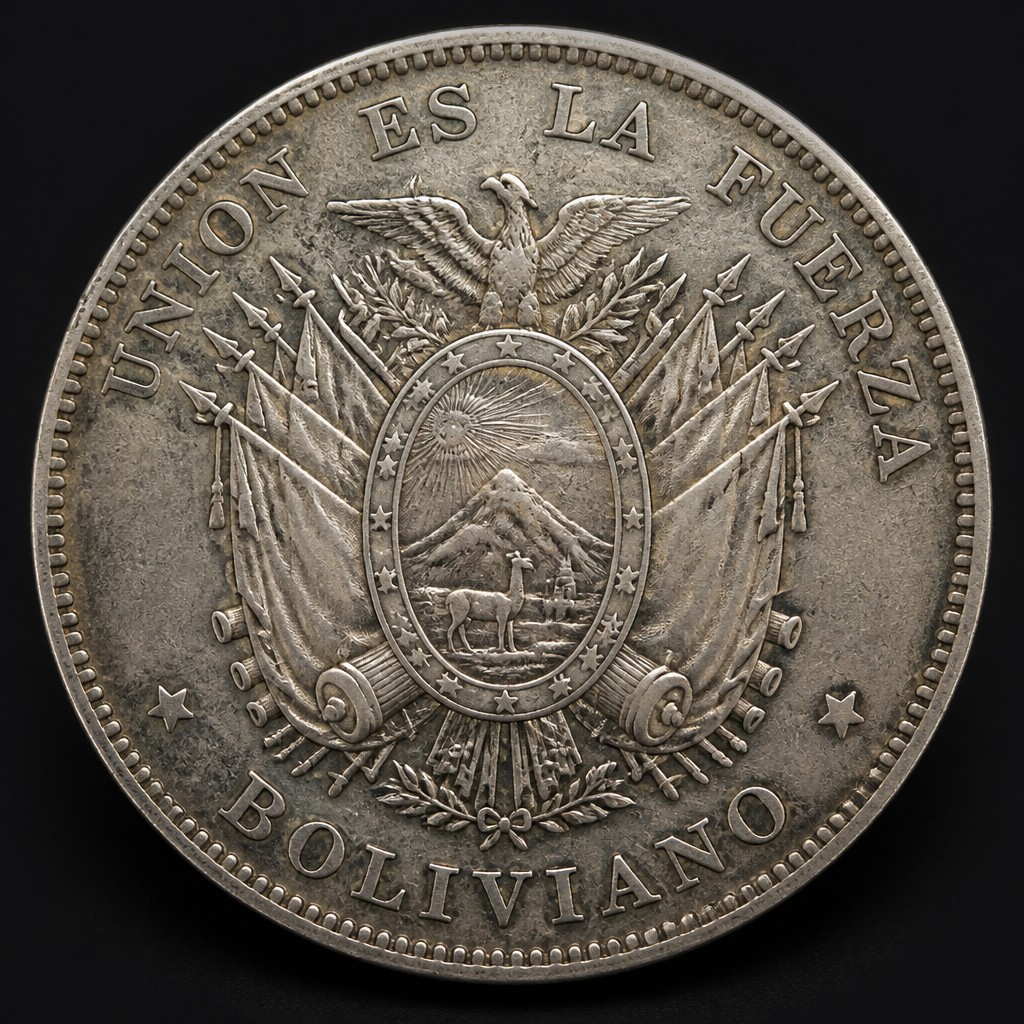
Bolivian Boliviano Silver
Bolivia's national currency unit, the boliviano, was introduced in the 1860s as a substantial silver coin and remains the country's monetary unit in modern, non-silver form.
Latin American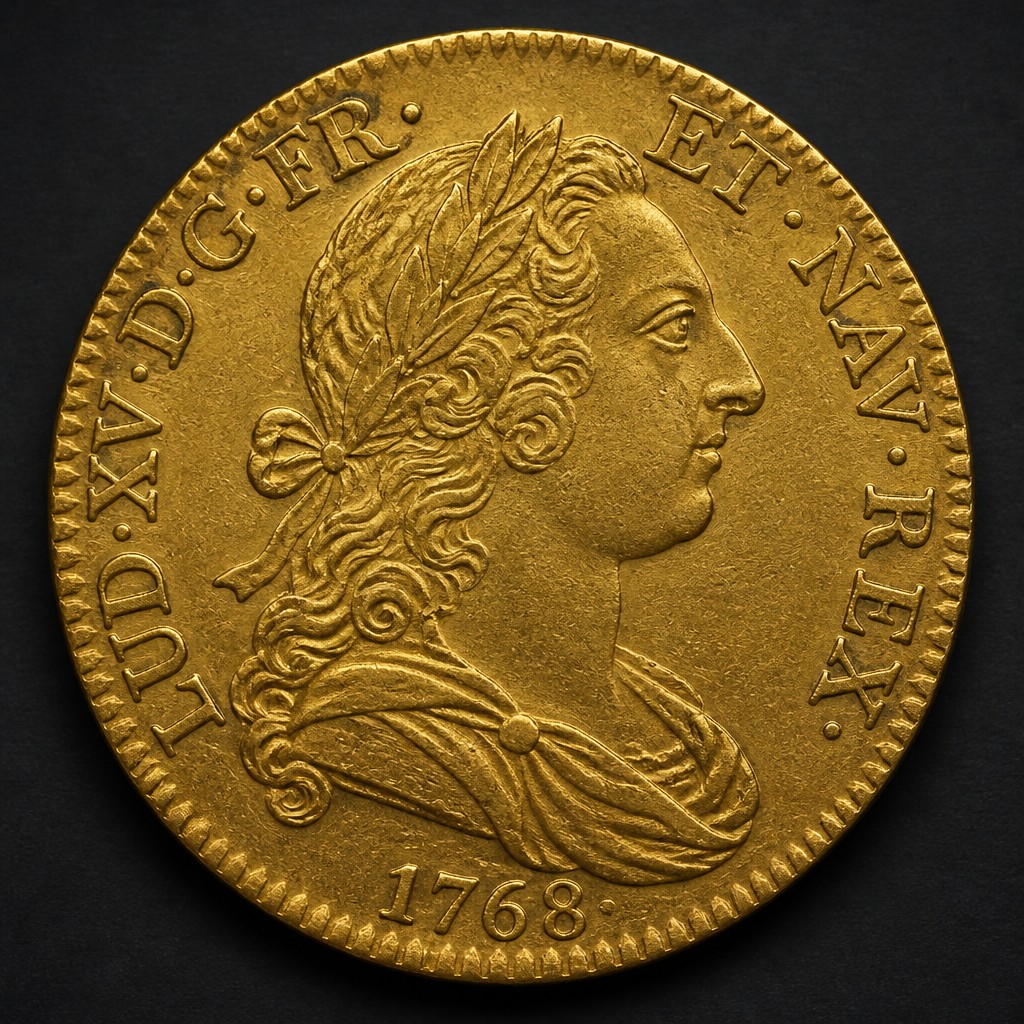
French Louis d'Or
The Louis d'Or was the principal gold coin of the French monarchy for over 150 years, named after the kings Louis who issued it, and struck until the eve of the Revolution.
European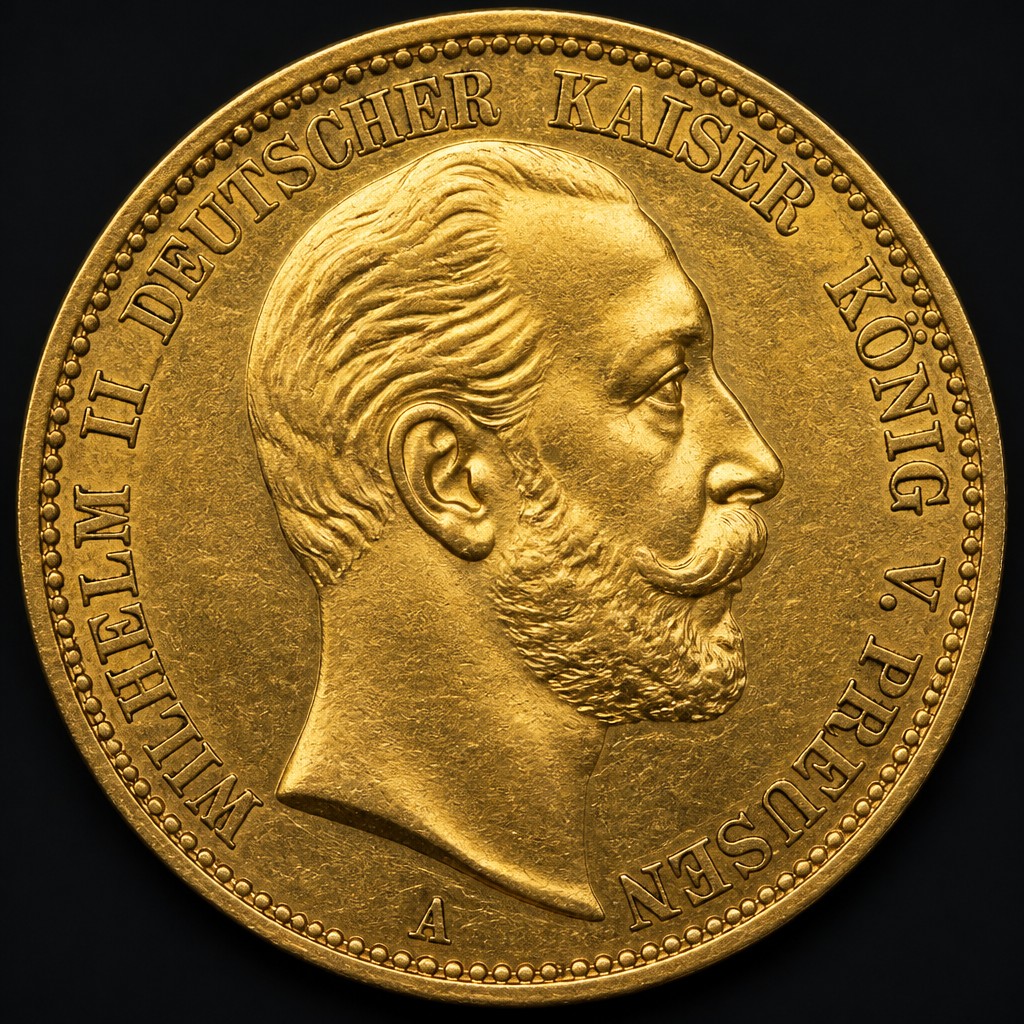
German Prussia 20 Mark Gold
The standard gold coin of Prussia within the newly unified German Empire, featuring successive Prussian kings and forming a key part of the empire's gold mark system.
European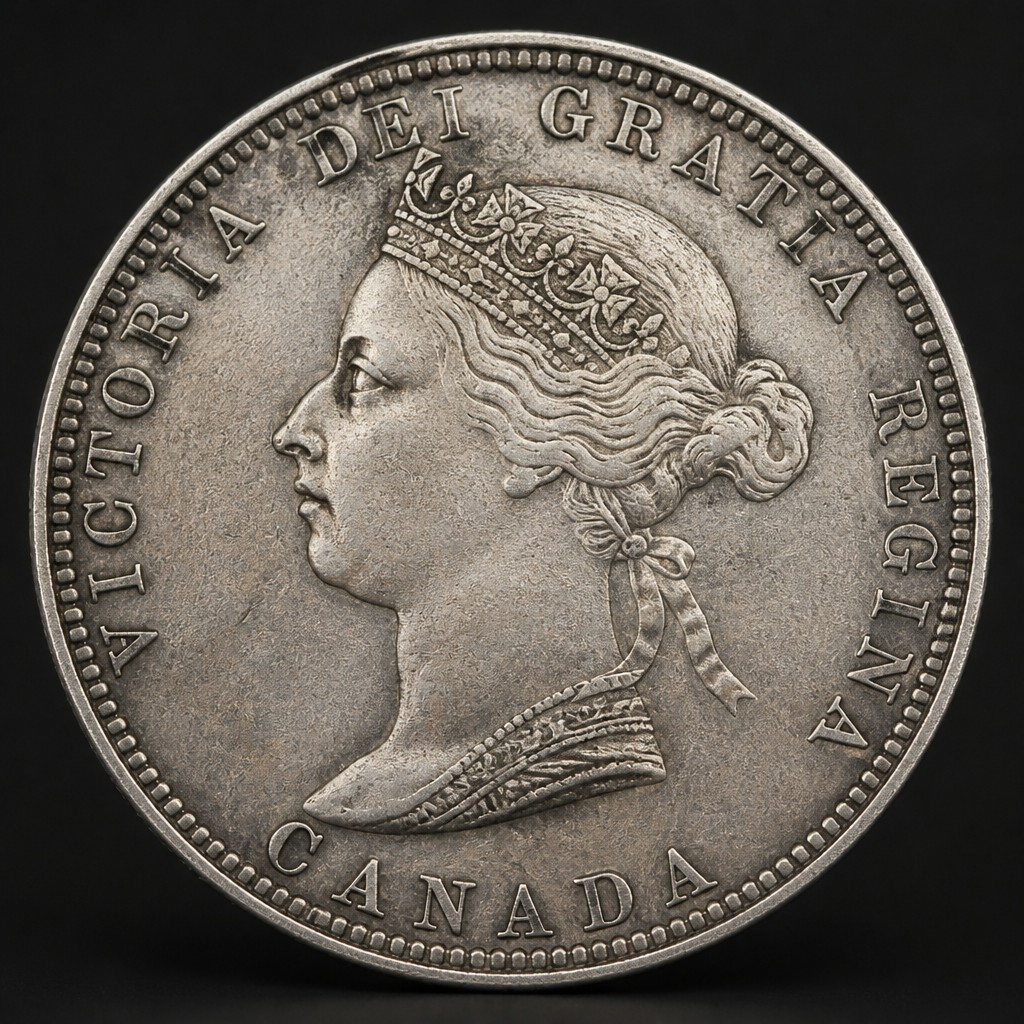
Victoria Fifty Cents (half dollar)
Canada's silver fifty-cent piece struck under Queen Victoria from 1870 to 1901, featuring her portrait and a heraldic shield-and-wreath reverse.
Canadian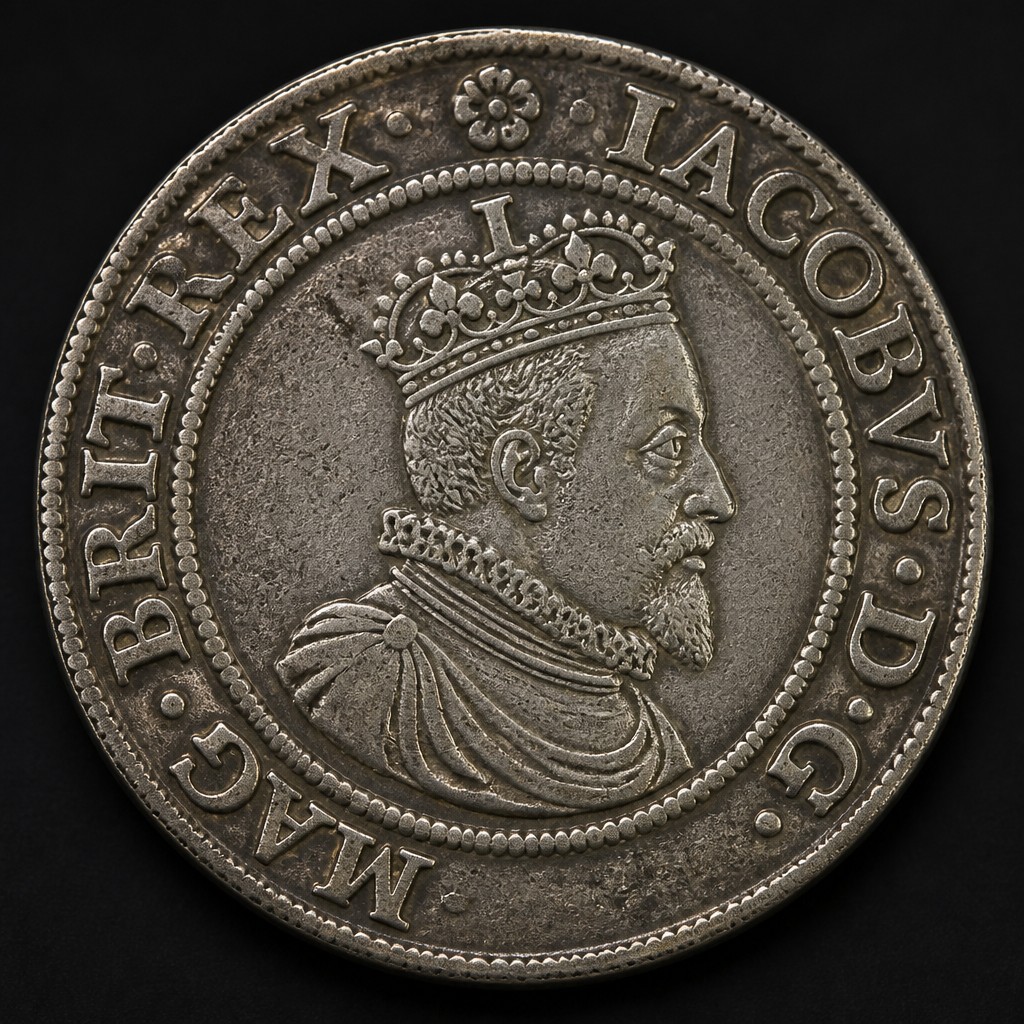
Ryal
A large Scottish silver coin issued under Mary, Queen of Scots and Henry Stewart, Lord Darnley, nicknamed the 'sword dollar' for the crowned sword on its reverse.
British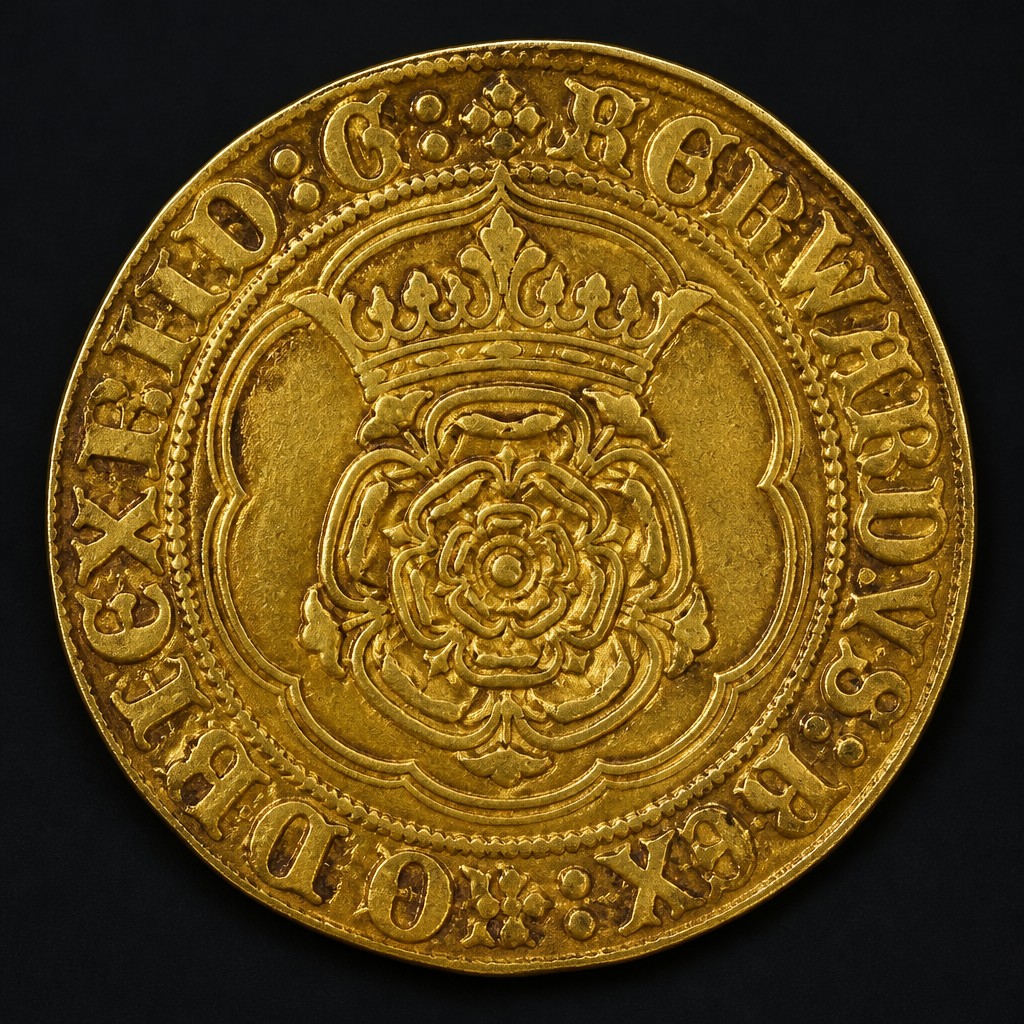
Rose Noble (Ryal)
A large English gold coin first struck under Edward IV in 1465, showing the king standing in a ship, and later revived in the Tudor era as a heavier, higher-value gold piece.
British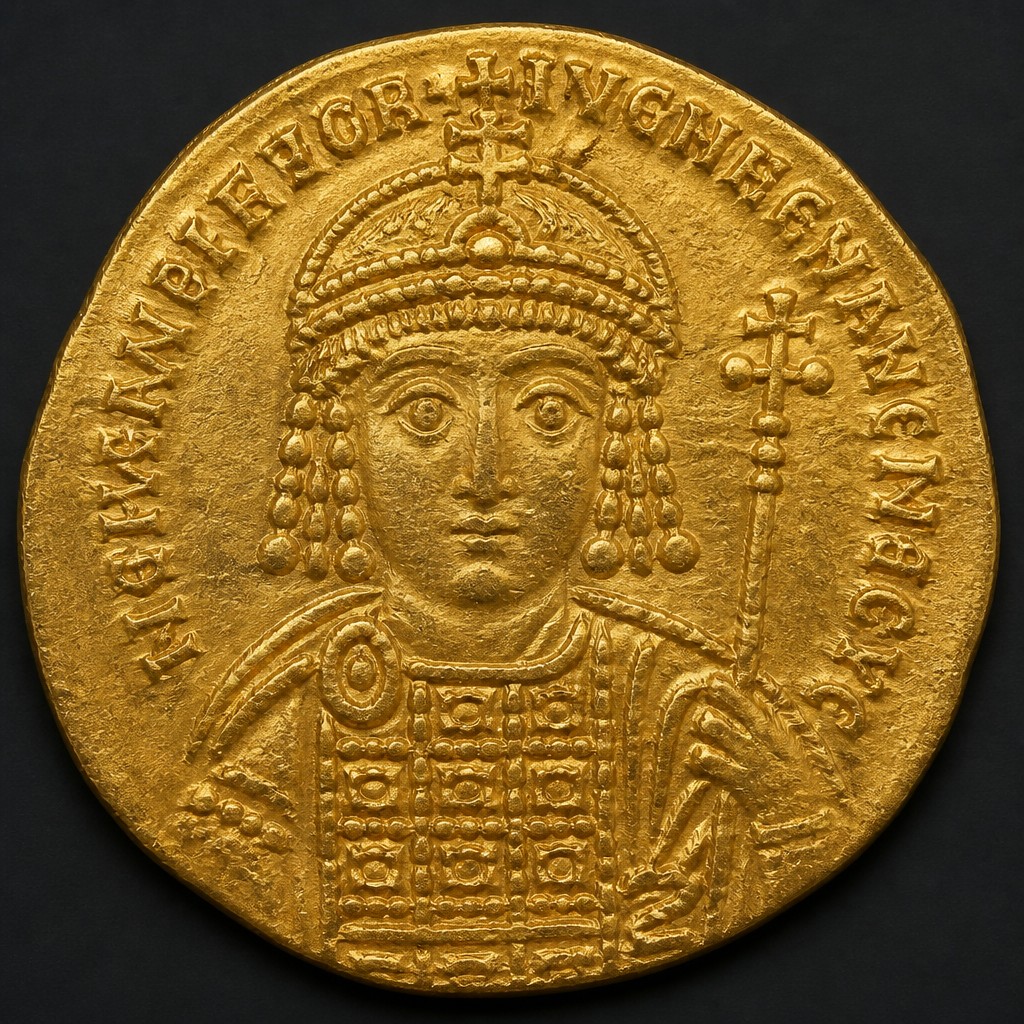
Byzantine Gold Solidus
The gold standard coin of the Byzantine Empire for over 700 years, prized in medieval trade as far away as India and Scandinavia under the nickname "bezant."
Ancient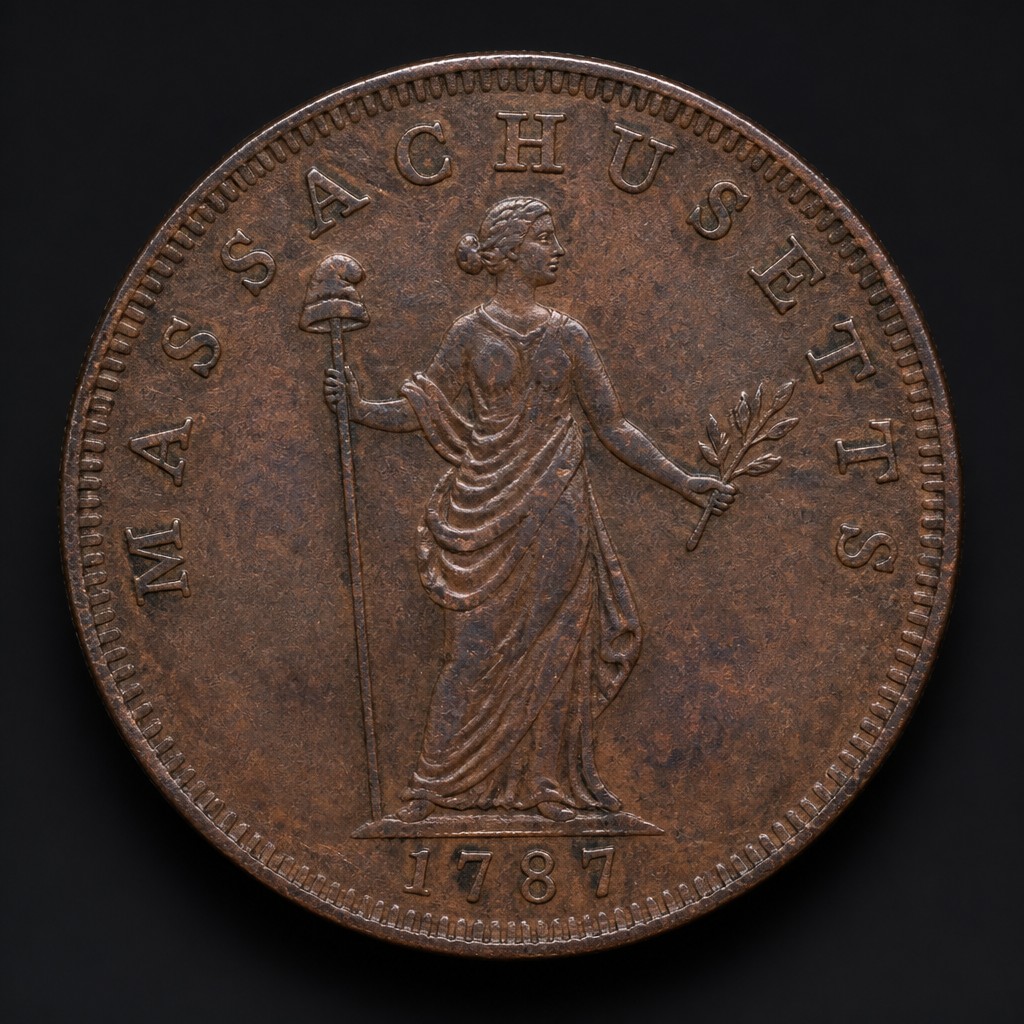
Massachusetts Cent (1787-1788)
State-issued copper coinage struck by the Commonwealth of Massachusetts in 1787 and 1788, notable as the first official U.S. coinage to use the denomination 'cent'.
United States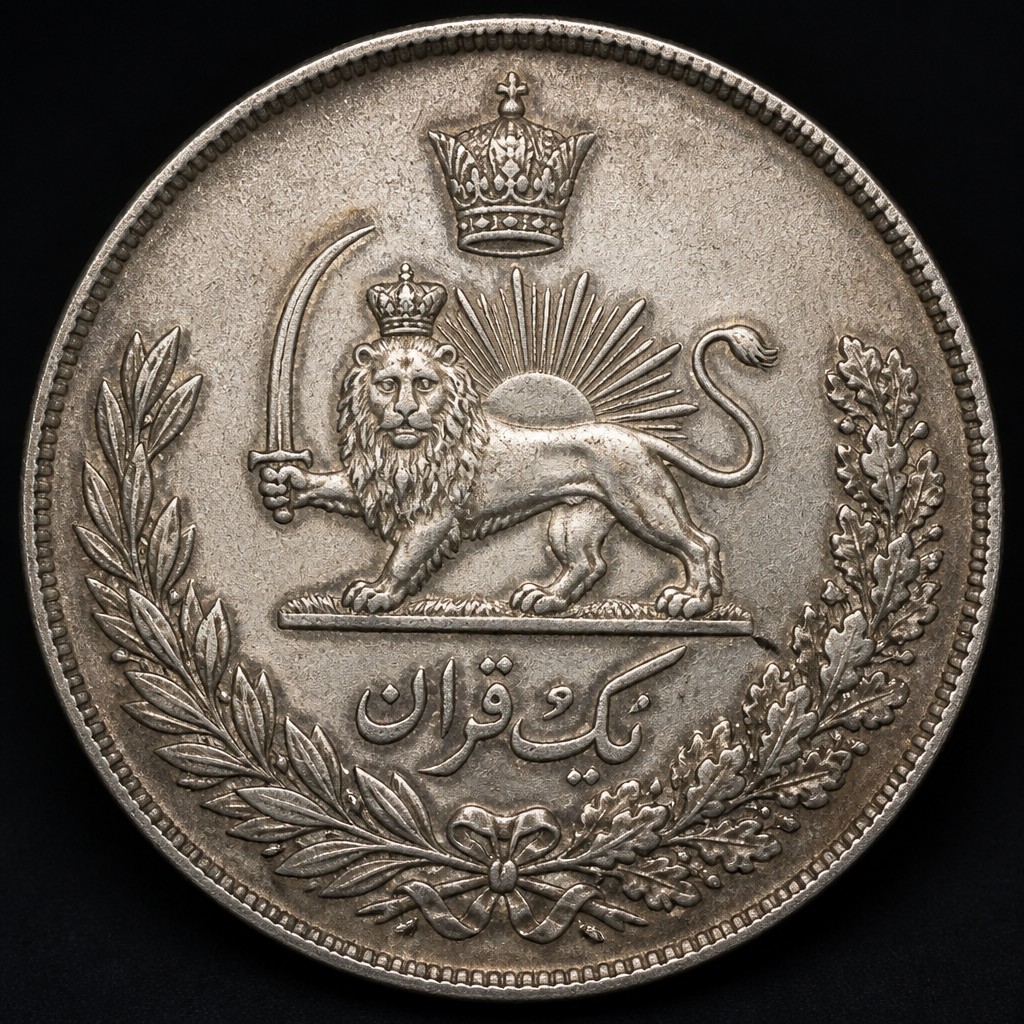
Persian Kran (Qajar silver)
The standard silver coin of Qajar Persia, worth one-tenth of a gold toman, widely struck under Naser al-Din Shah and later rulers and commonly seen with the lion-and-sun emblem.
Asian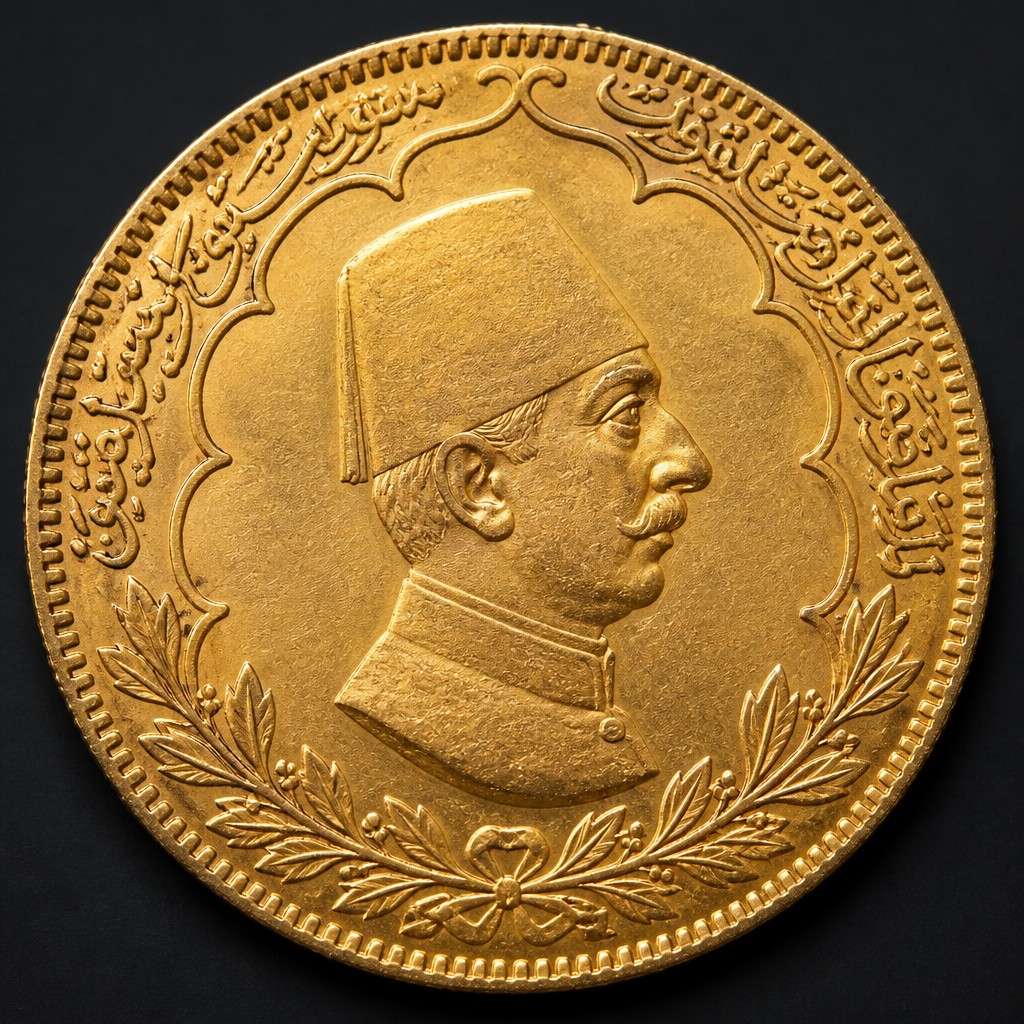
Ottoman Gold 500 Kurus (Abdulhamid II)
A substantial gold coin struck under Sultan Abdulhamid II, equal to five Ottoman lira, bearing his tughra and used both for circulation and as a store of wealth.
World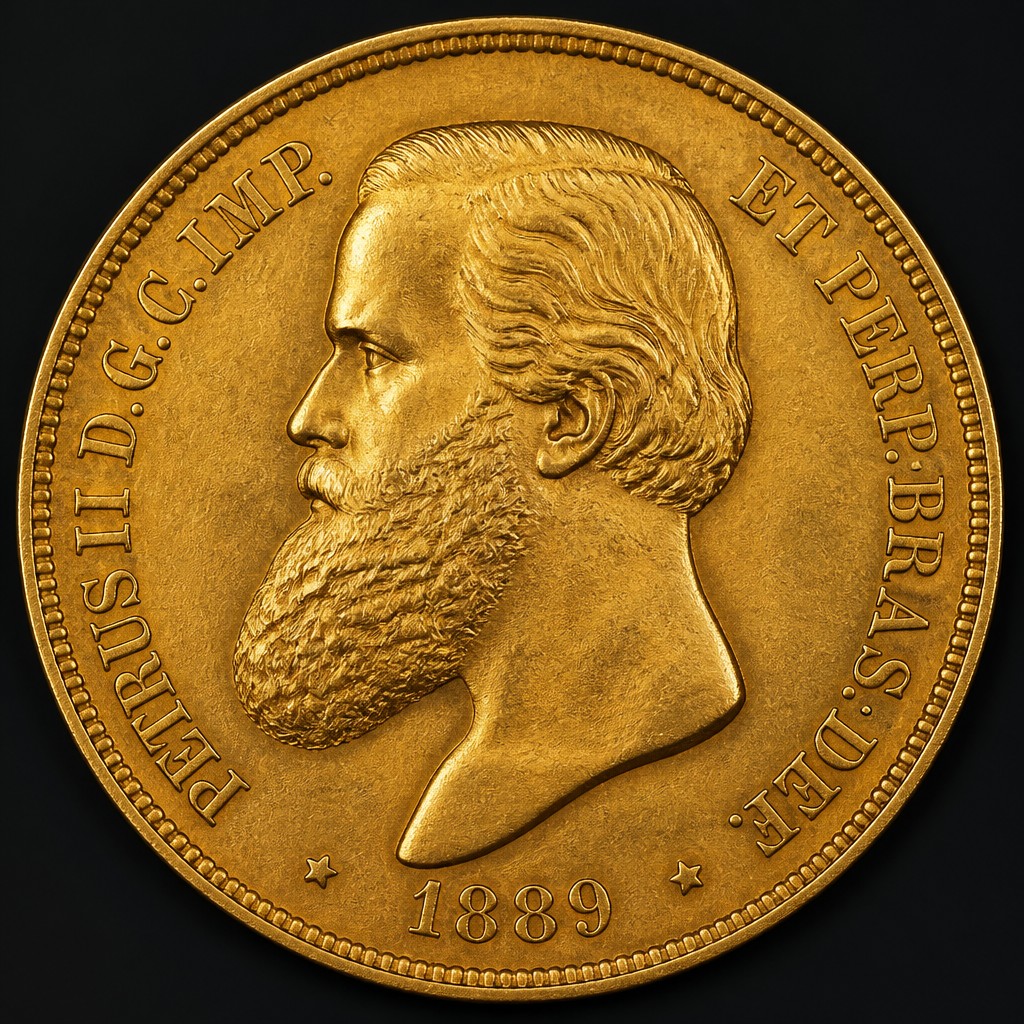
Brazilian 20000 Reis Gold
The highest-value gold coin of the Empire of Brazil, struck intermittently under Emperor Pedro II to support the country's monetary reserves and international trade.
Latin American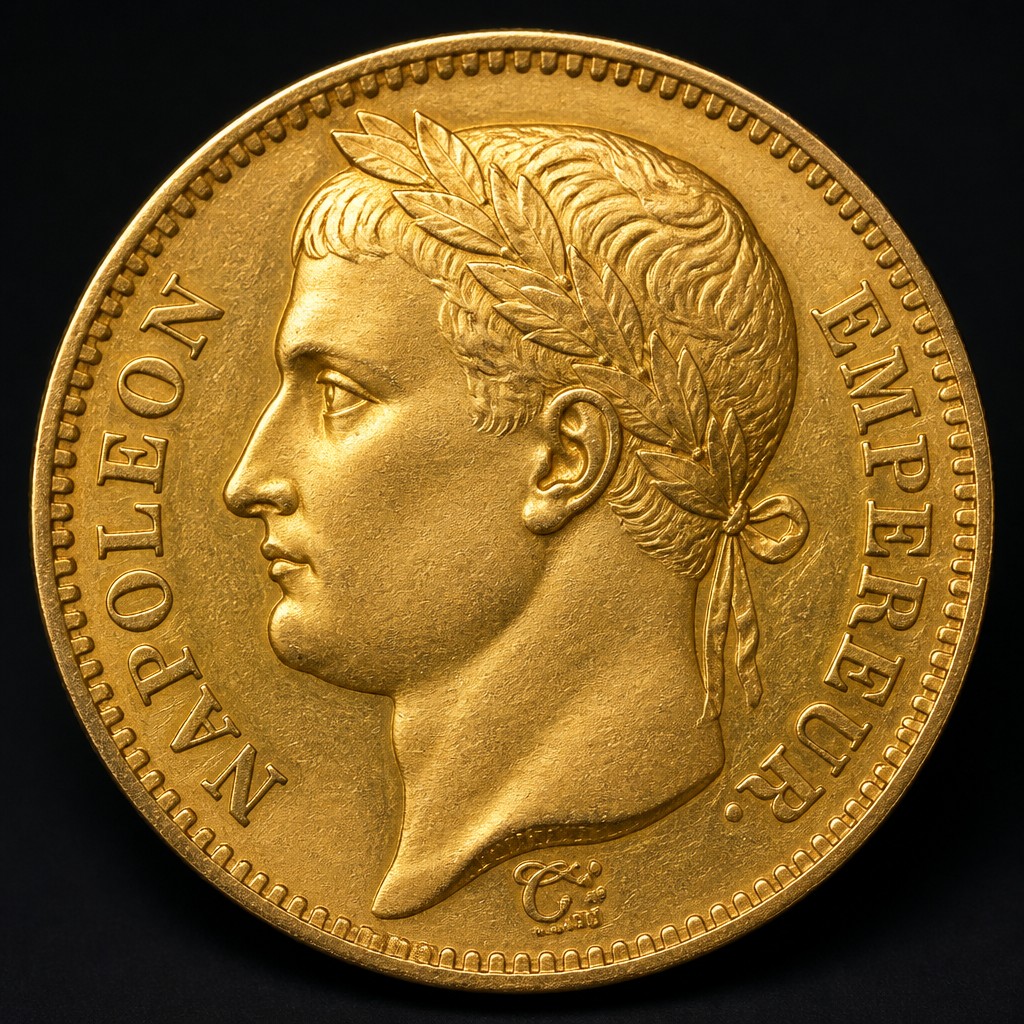
French Napoleon 20 Francs Gold
France's standard 19th-century gold coin, first struck under Napoleon I and continued under later rulers and the Republic, giving rise to the enduring nickname "Napoleon" for any 20-franc gold coin.
European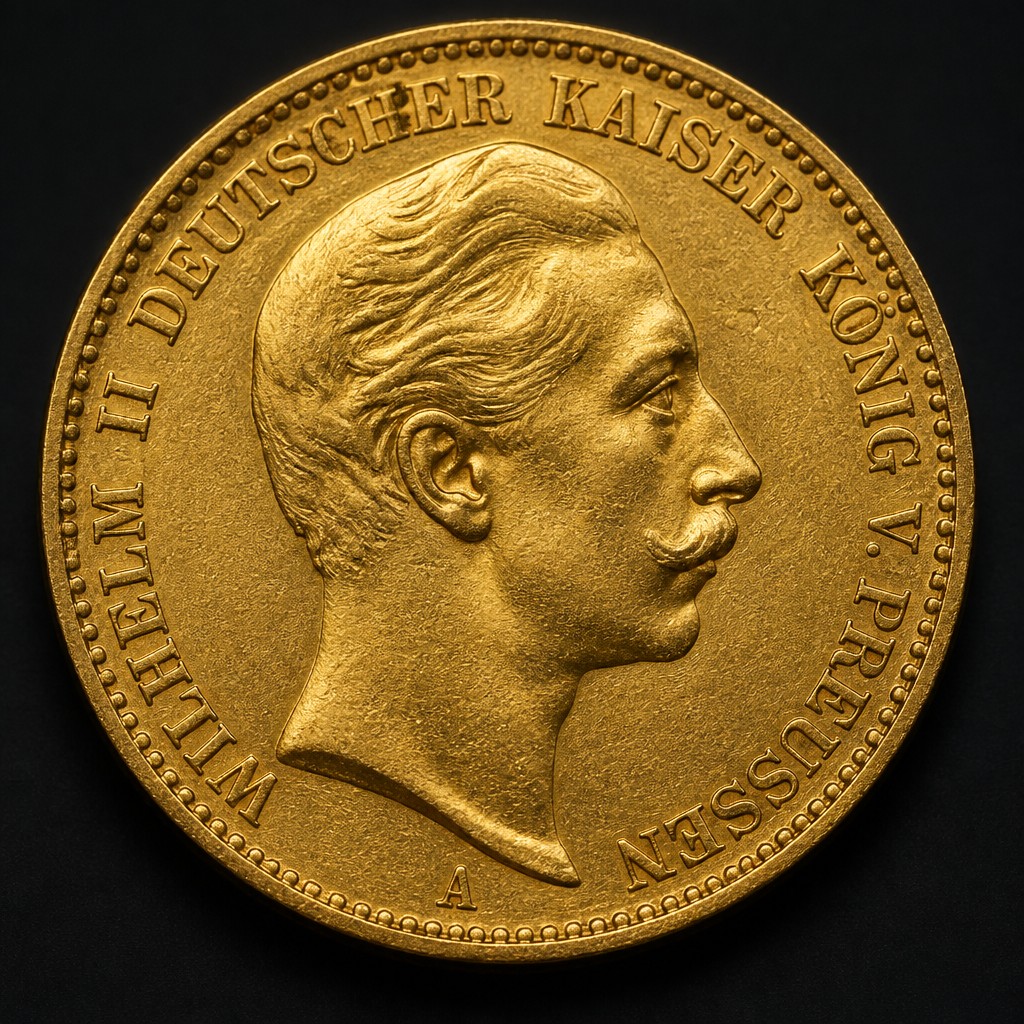
German Empire 20 Mark Gold (Wilhelm II)
The standard gold coin of the German Empire under Kaiser Wilhelm II, struck at multiple state mints and widely collected for its imperial portrait and eagle reverse.
European