
Coin Encyclopedia
Search and identify coins from around the world — with country, denomination, metal, mint, history, and how to tell them apart.
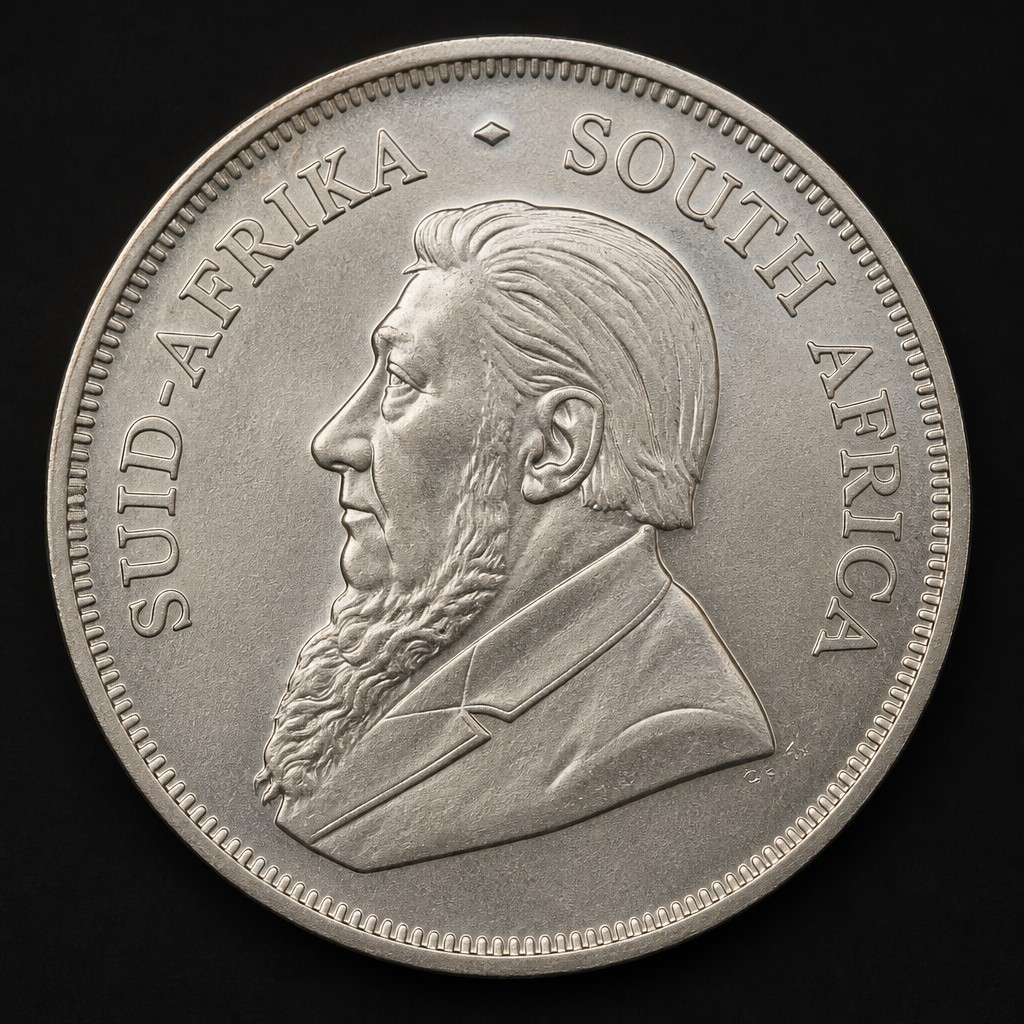
South African Silver Krugerrand
The silver version of the world-famous Krugerrand, launched in 2017 to mark the gold coin's 50th anniversary, using the same Kruger and springbok design.
Bullion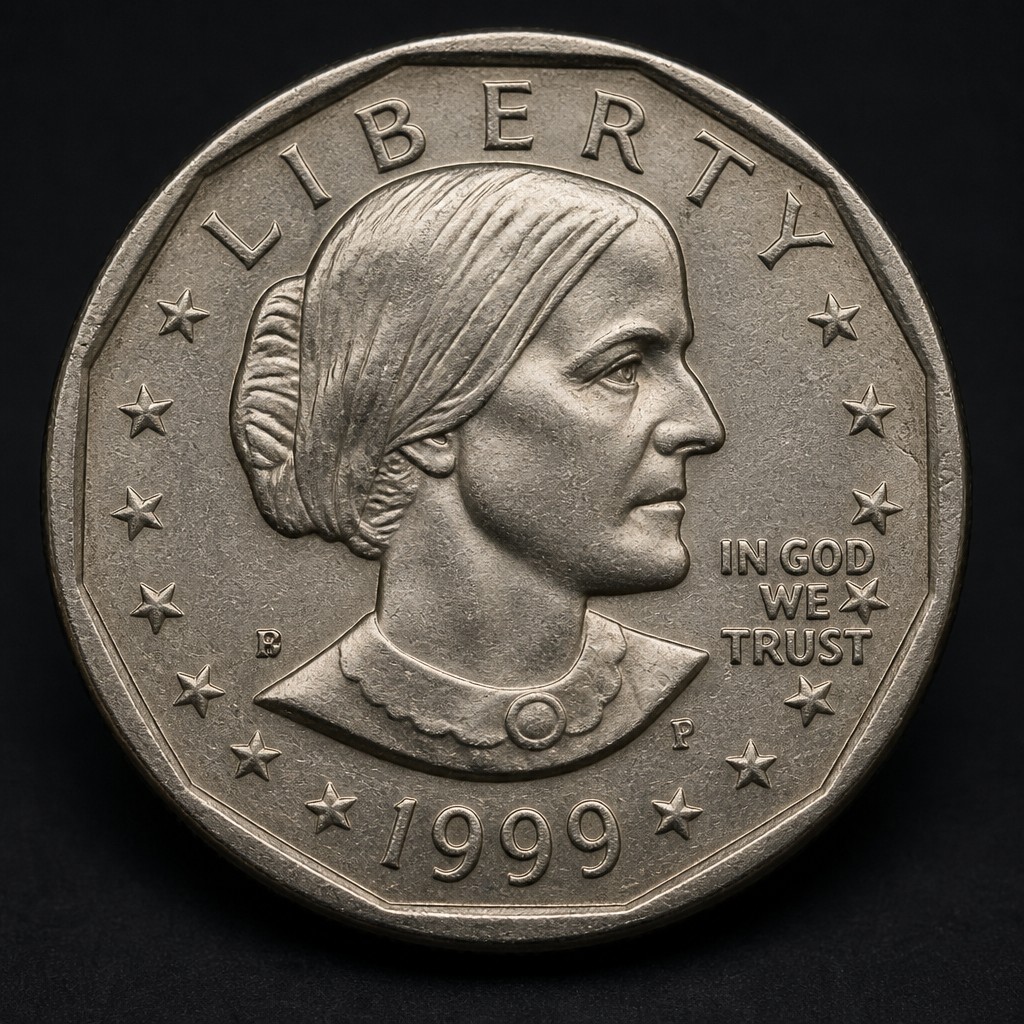
1999 Susan B. Anthony Dollar
A one-year revival of the Susan B. Anthony dollar, struck in 1999 to meet demand for dollar coins in vending and transit use before the Sacagawea dollar's launch the following year.
United States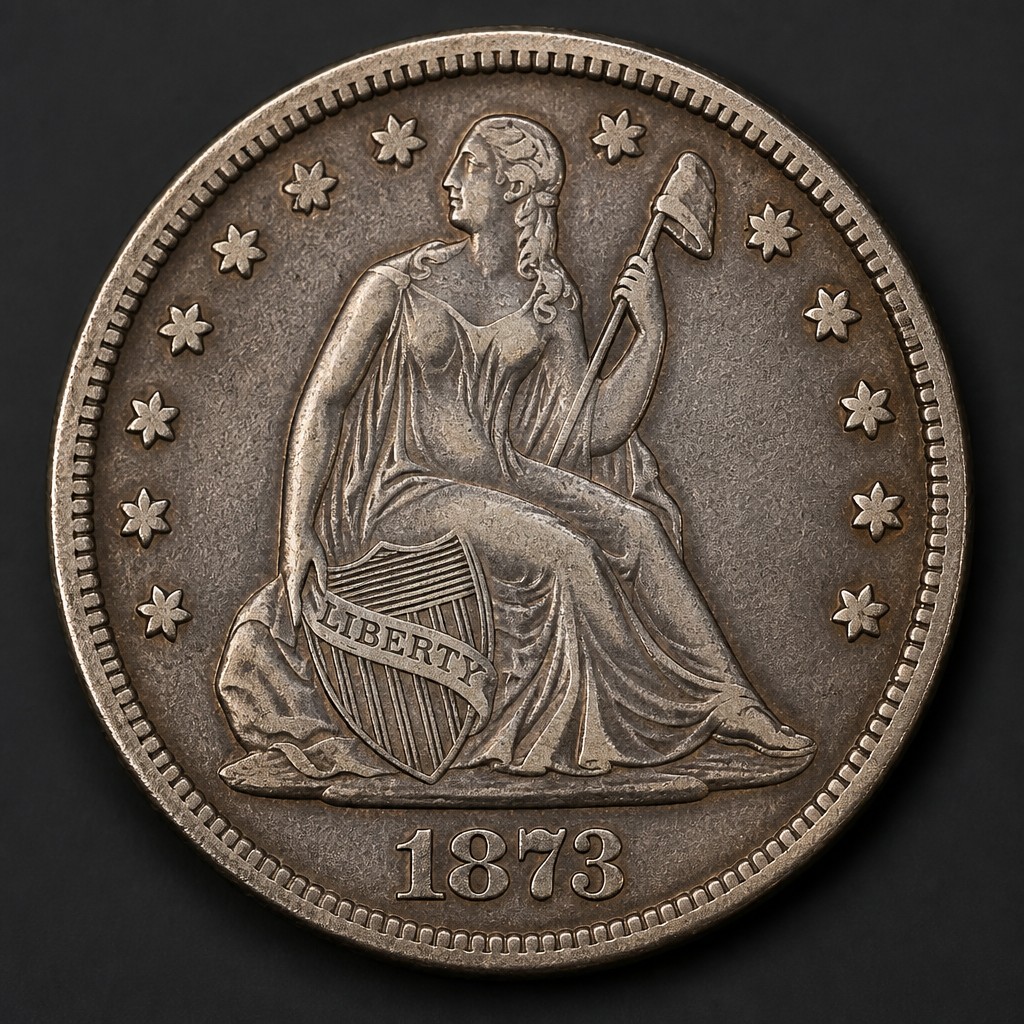
1873-CC Seated Liberty Dime (No Arrows)
An extraordinarily rare Carson City dime struck without the arrows-at-date design used later in 1873, famously known by a single surviving example.
United States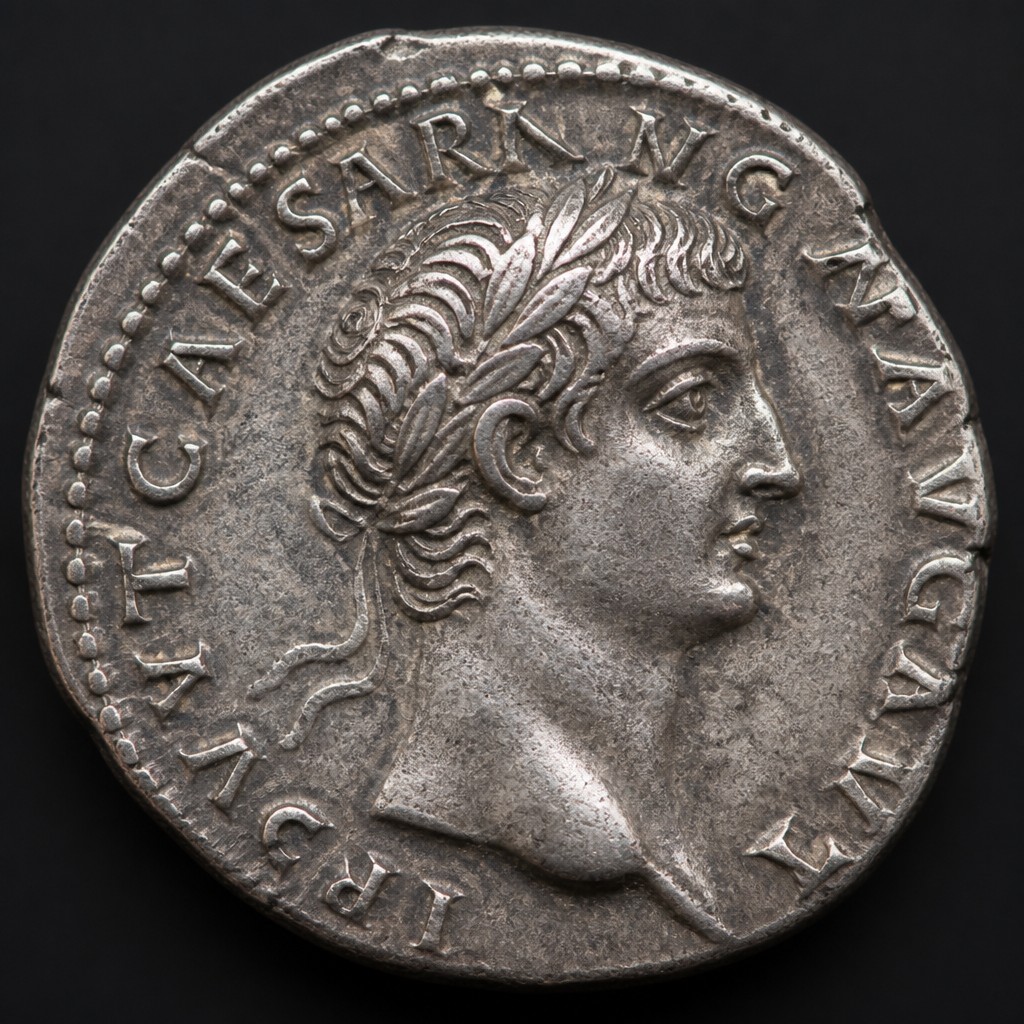
Roman Denarius
The workhorse silver coin of ancient Rome for over four centuries, used across the Republic and Empire and one of the most widely collected categories of ancient coinage today.
Ancient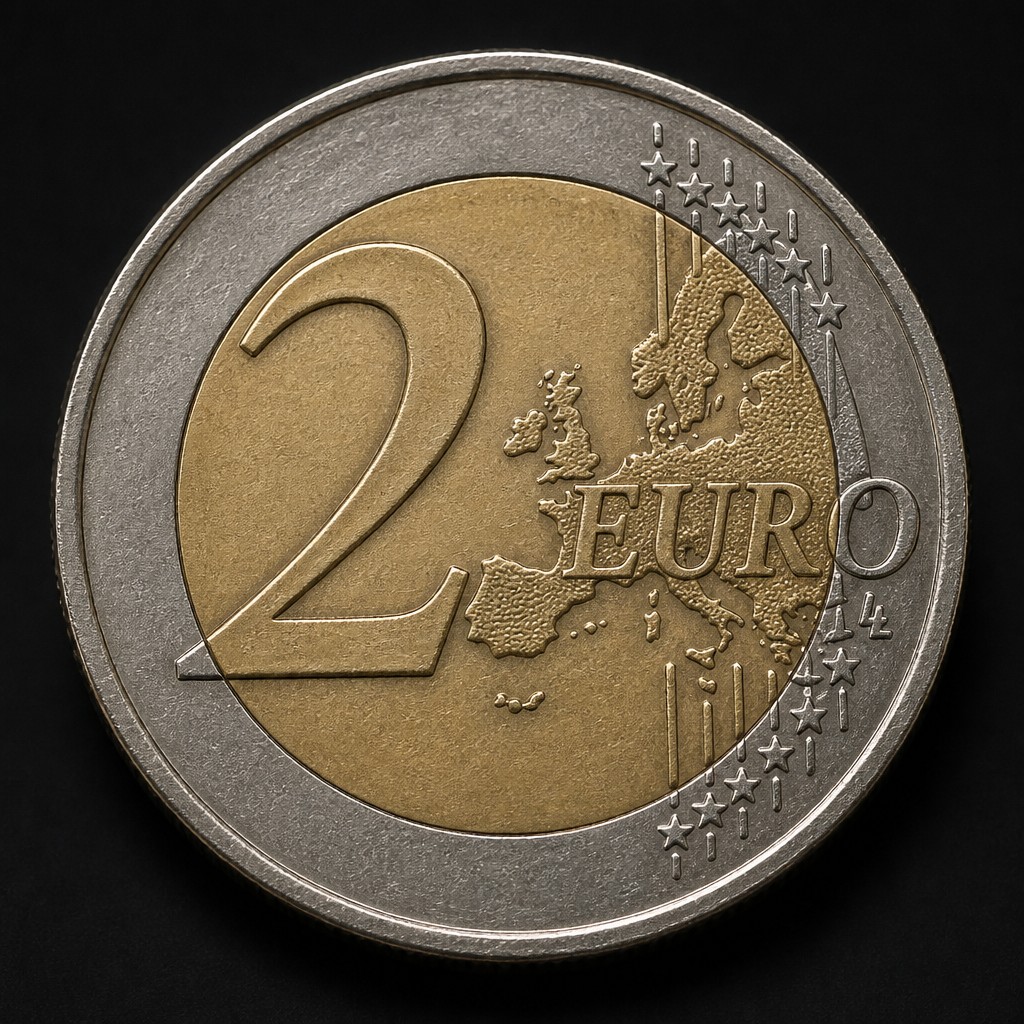
2 Euro Coin
The highest-denomination circulating euro coin, with a silver-colored center inside a gold-colored ring, widely used by member states to issue popular commemorative designs collected across Europe.
European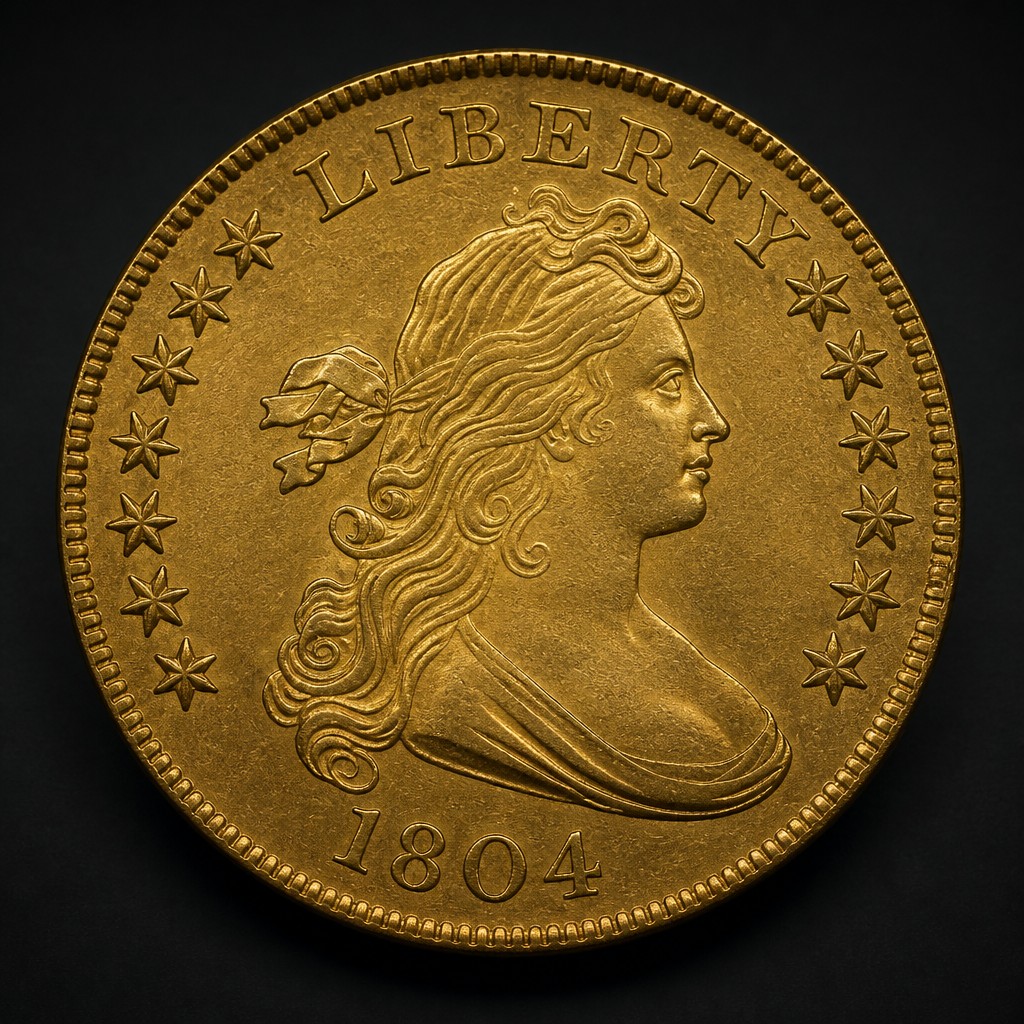
1804 Draped Bust Eagle
The final date of the original ten-dollar gold eagle series before a 33-year production halt, later followed by a small number of 1834 diplomatic-gift restrikes made using a similarly dated die.
United States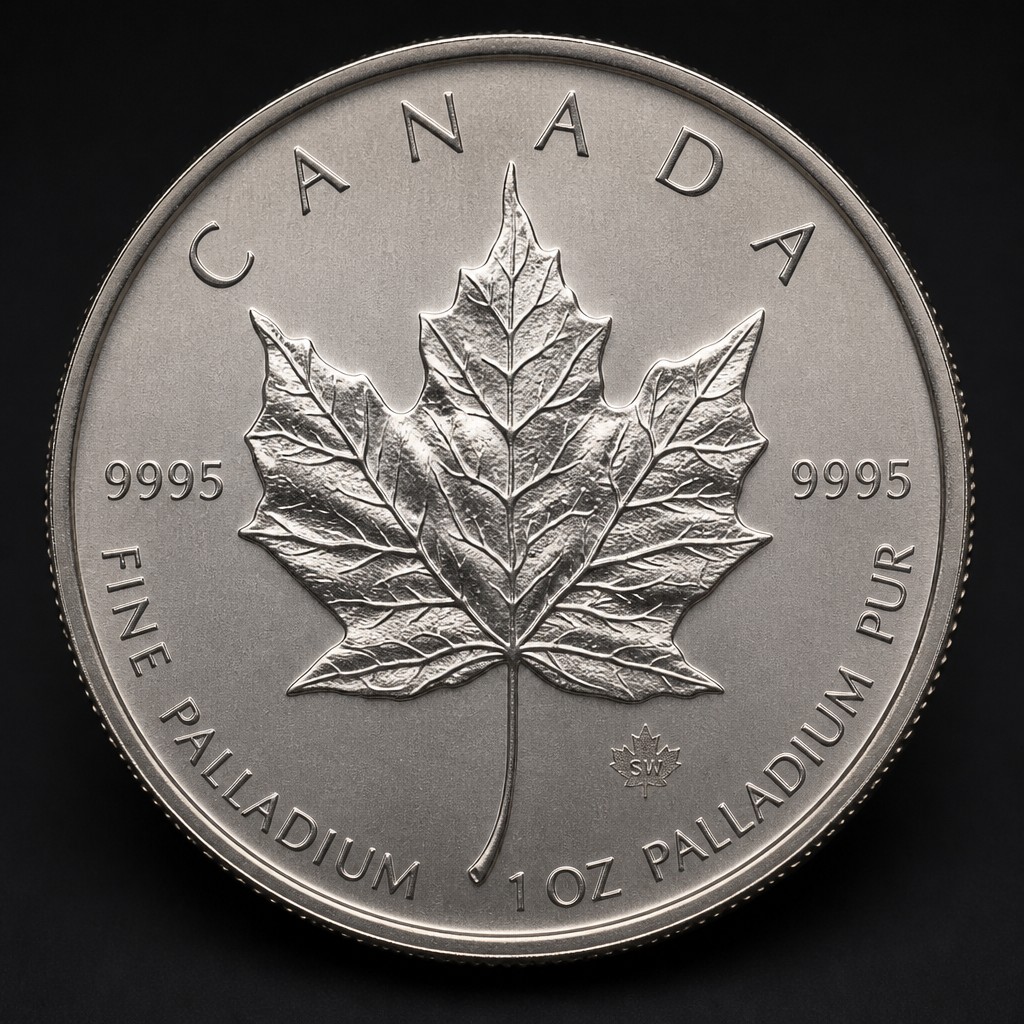
Canadian Palladium Maple Leaf
The Royal Canadian Mint's palladium bullion coin, sharing the Maple Leaf design used across Canada's precious metal series, produced intermittently since 2005.
Bullion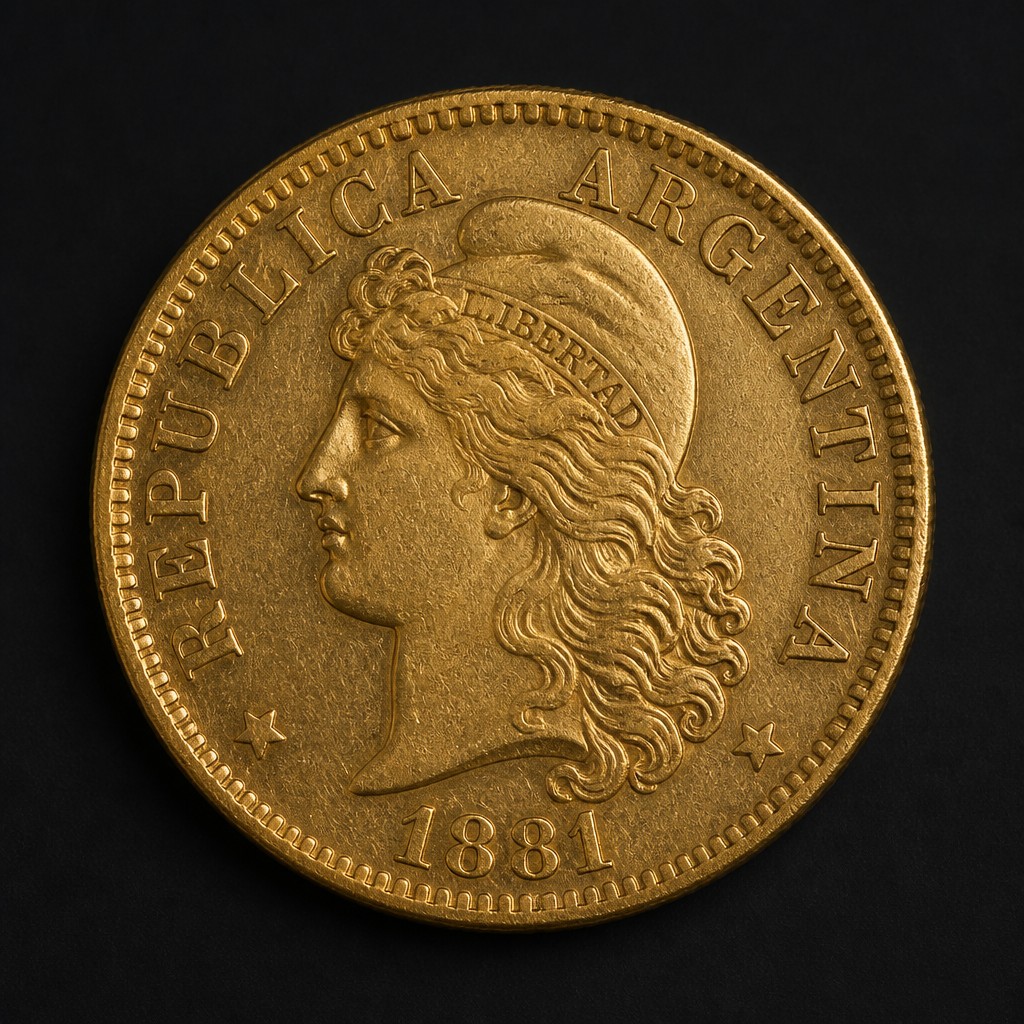
Argentine Argentino Gold (5 Pesos)
Argentina's principal 19th-century gold coin, worth 5 pesos oro and called an "Argentino," struck to Latin Monetary Union weight standards for use in international trade.
Latin American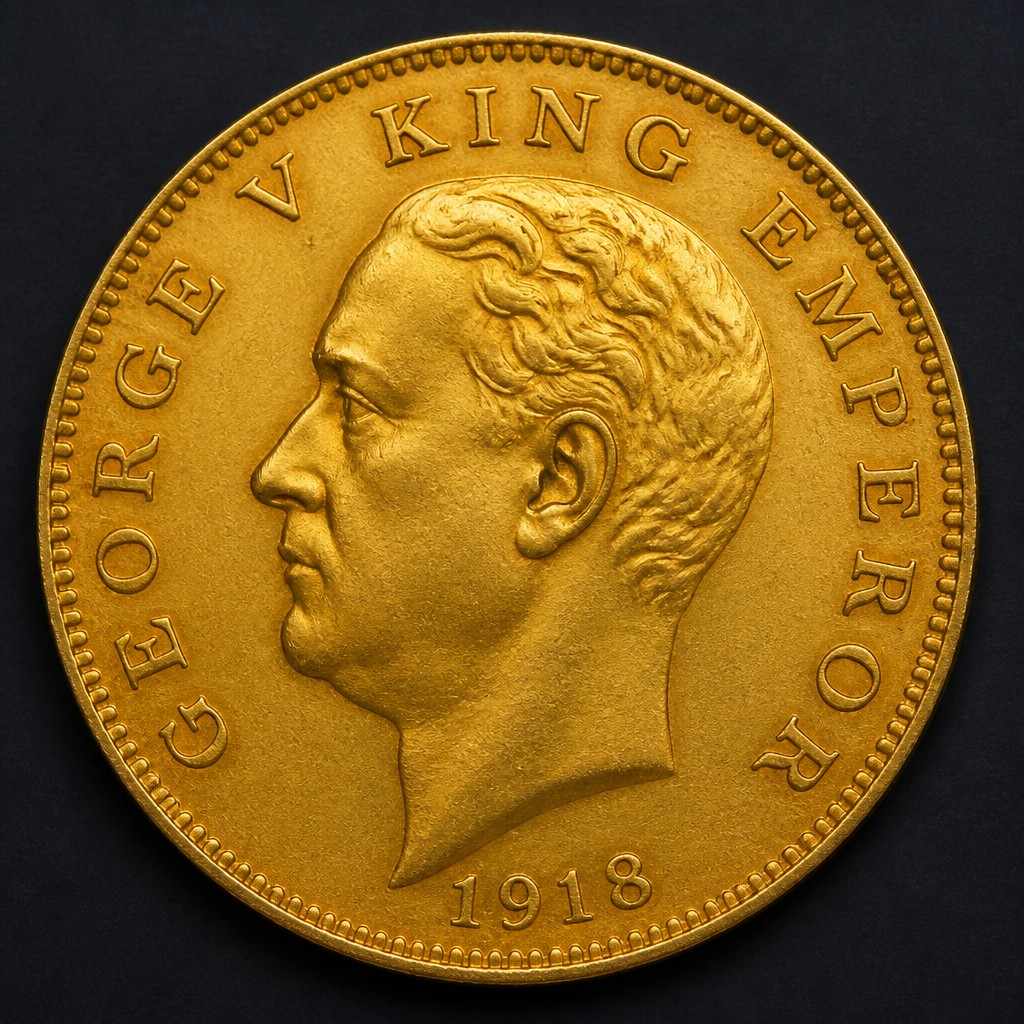
British India Gold Mohur (East India Company)
High-value gold coin issued by the East India Company and later the British Crown in India, used for major transactions and prized today for its gold content and classic portraiture.
Asian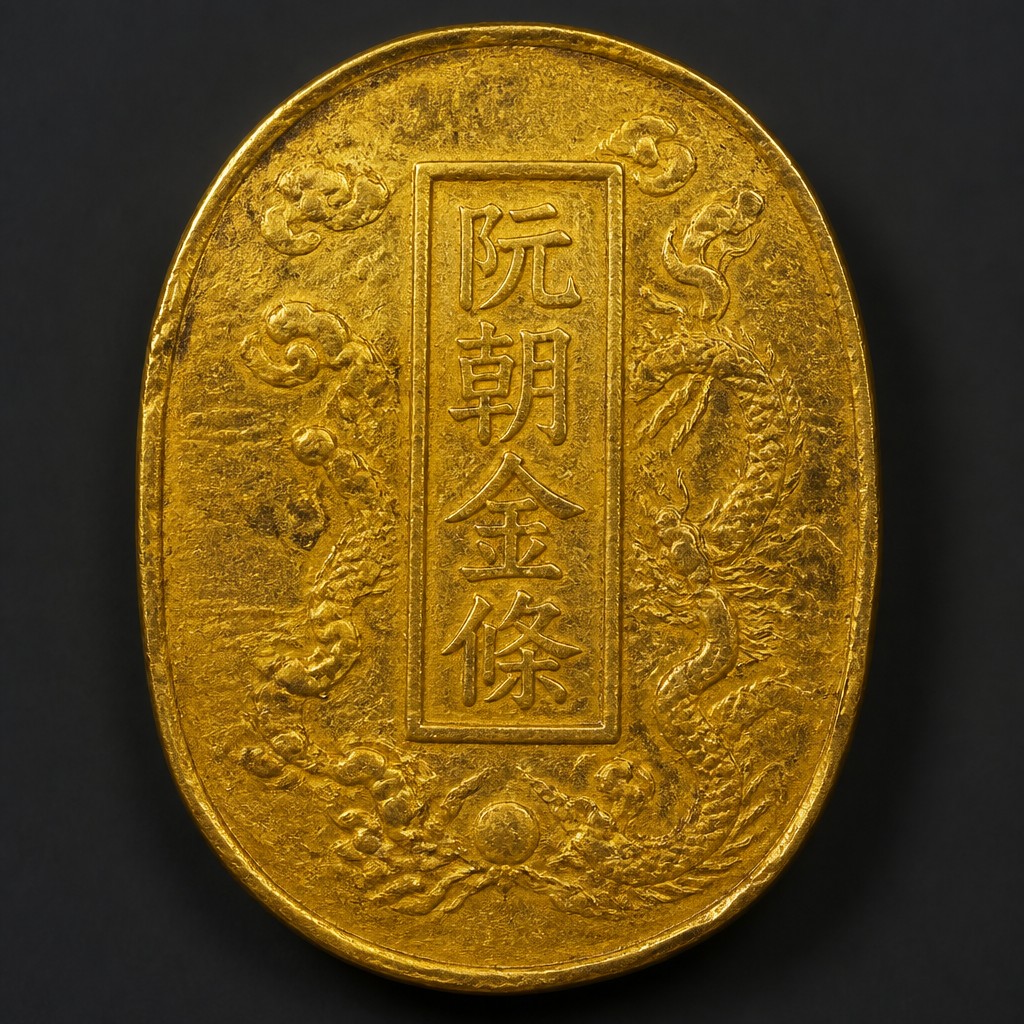
Nguyen Dynasty Gold Bar (Vietnam)
Imperial Vietnamese gold ingot from the Nguyen Dynasty, used for treasury reserves, tribute, and high-value transactions rather than everyday commerce.
Asian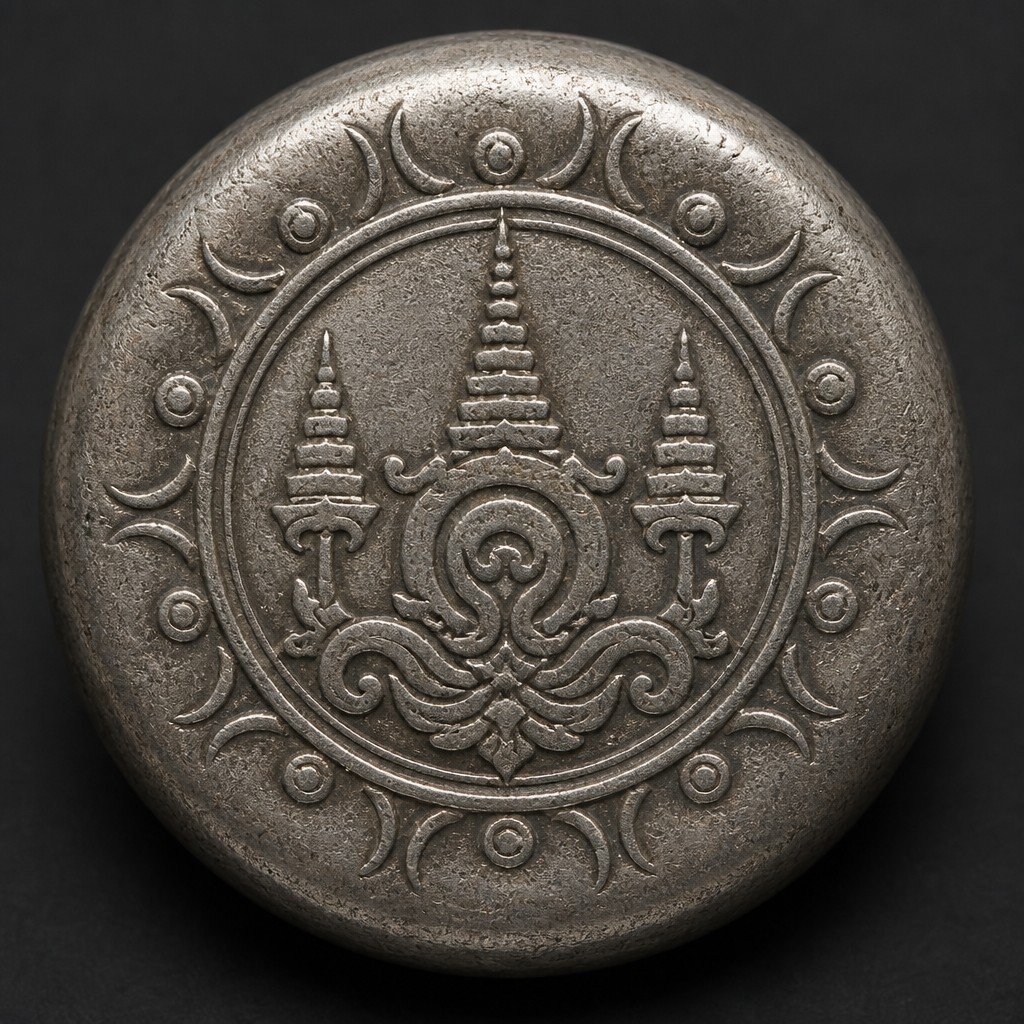
Thailand (Siam) Silver Baht 'Bullet Money' (Pod Duang)
Distinctive bent-bar silver currency used in Siam for centuries, hand-formed into a bullet-like shape and stamped with royal marks in place of a flat coin design.
Asian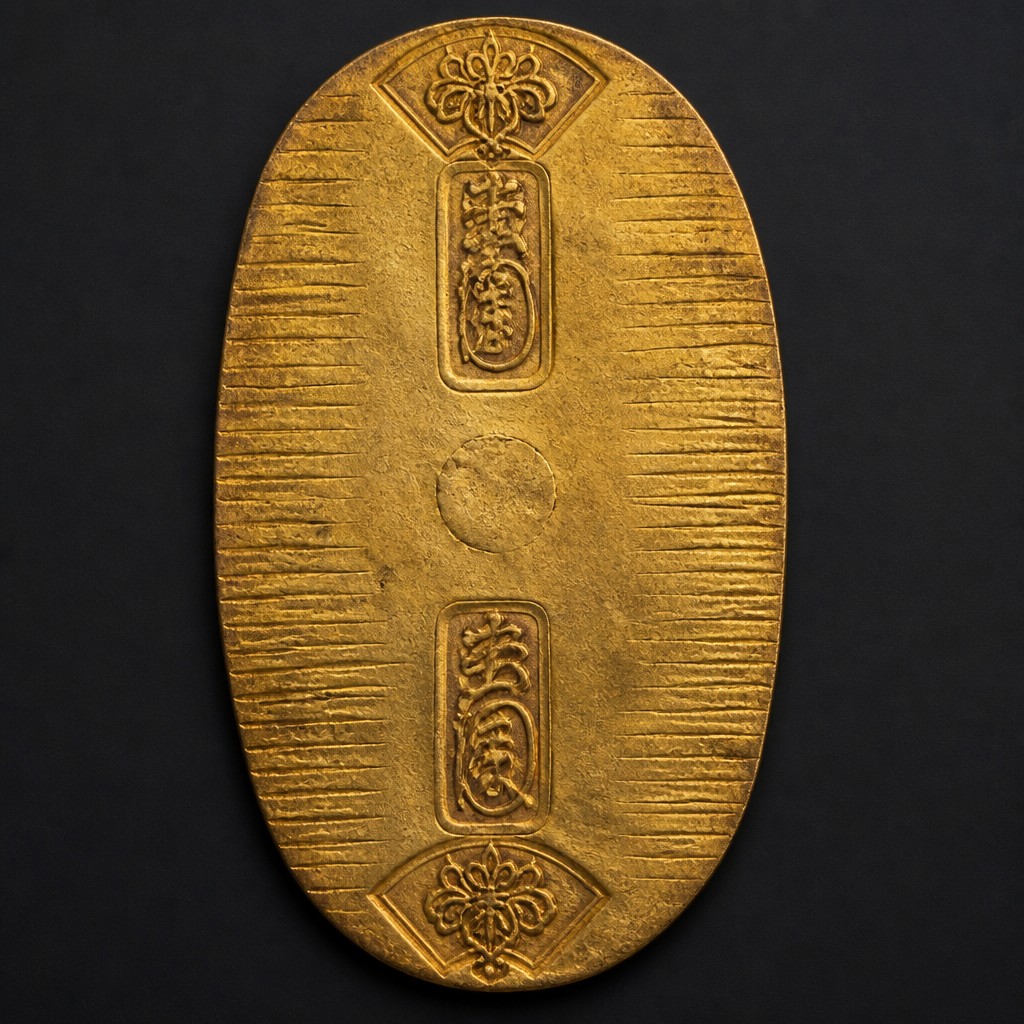
Japanese Oban
A large, oval, hand-hammered gold plate coin of feudal Japan, used mainly as a gift, reward, or ceremonial item rather than everyday currency, among the largest gold coins ever issued.
Asian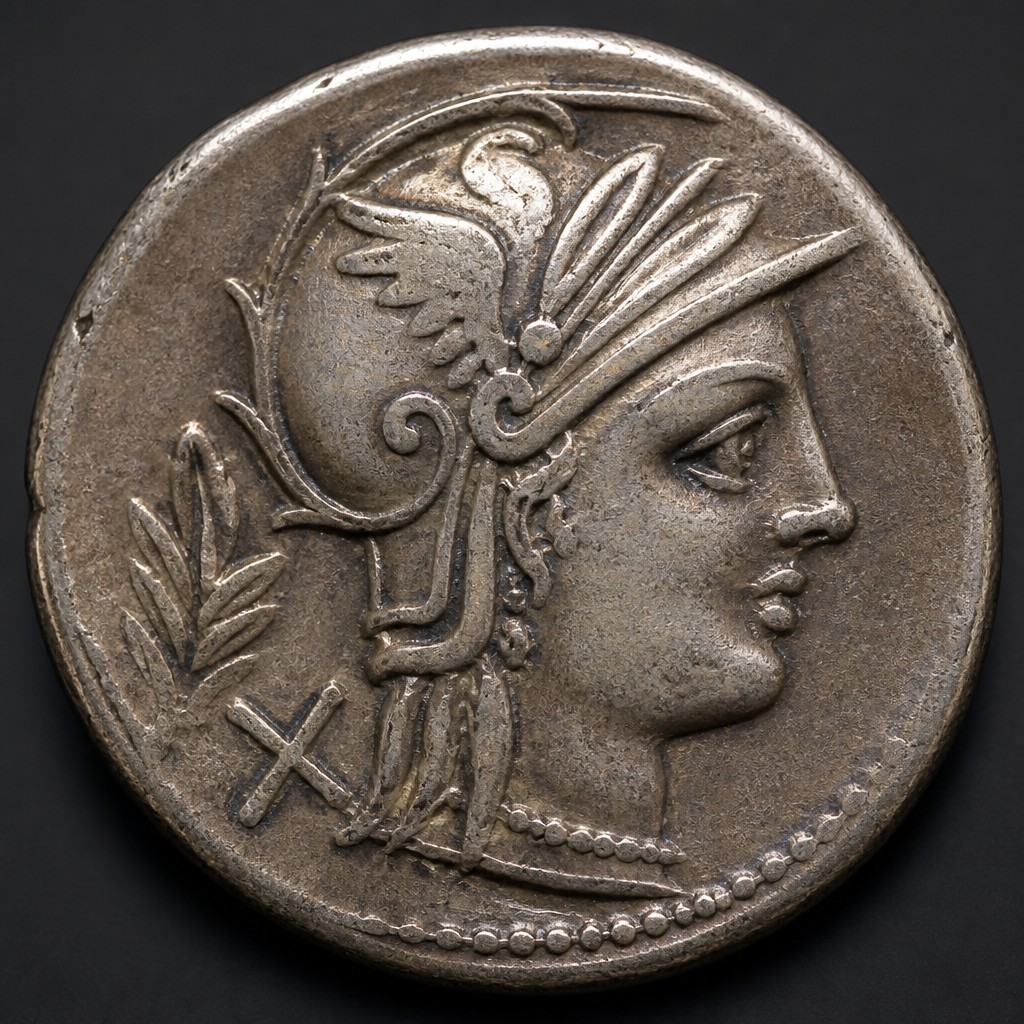
Republican Victoriatus
A lighter-weight Roman Republican silver coin depicting Jupiter and a Victory crowning a trophy, used largely for trade with the Greek-influenced south.
Ancient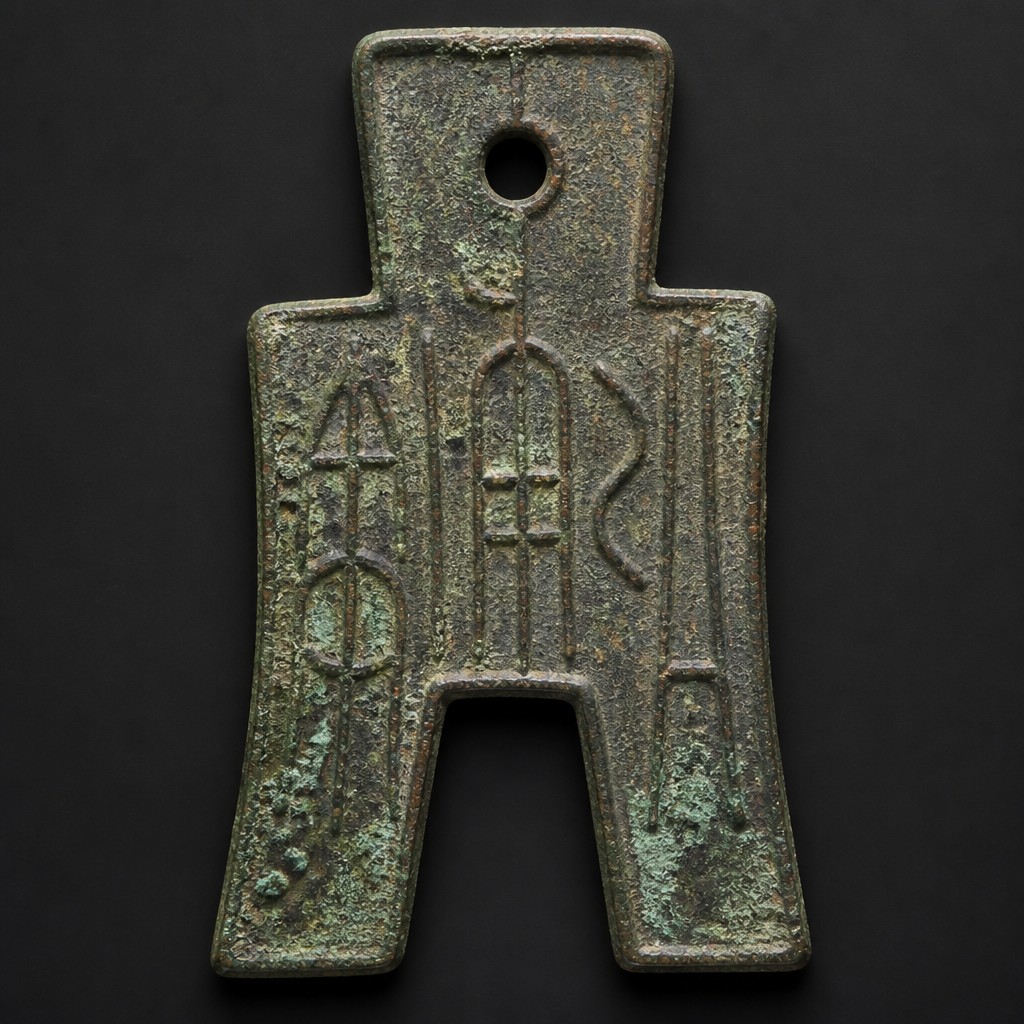
Chinese Spade Money (Bu Coin)
An early Chinese bronze currency shaped like a miniature farming spade, used across several competing Zhou-era states before round coinage became standardized.
Asian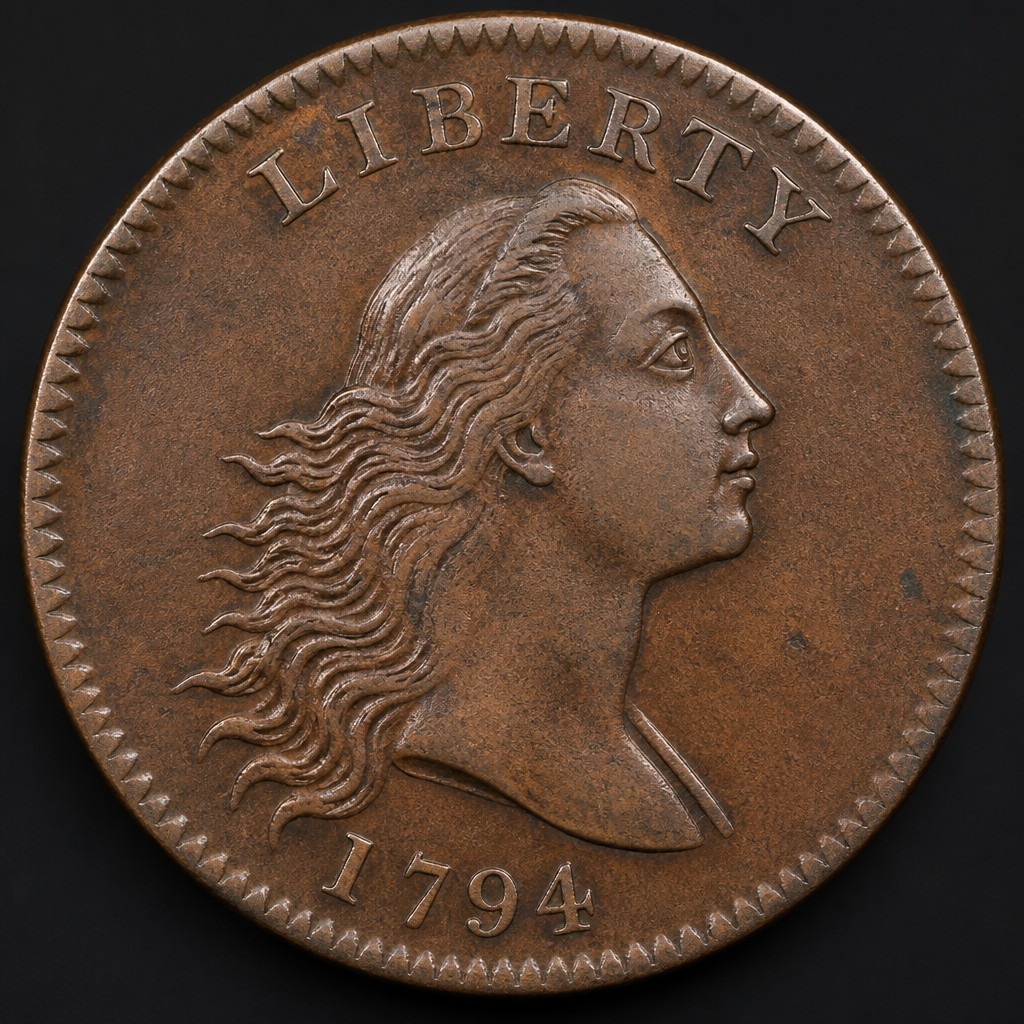
1794 Flowing Hair Cent
An early United States large copper cent from the first years of the Mint, associated with the Flowing Hair Liberty portrait used on the nation's earliest coinage.
United States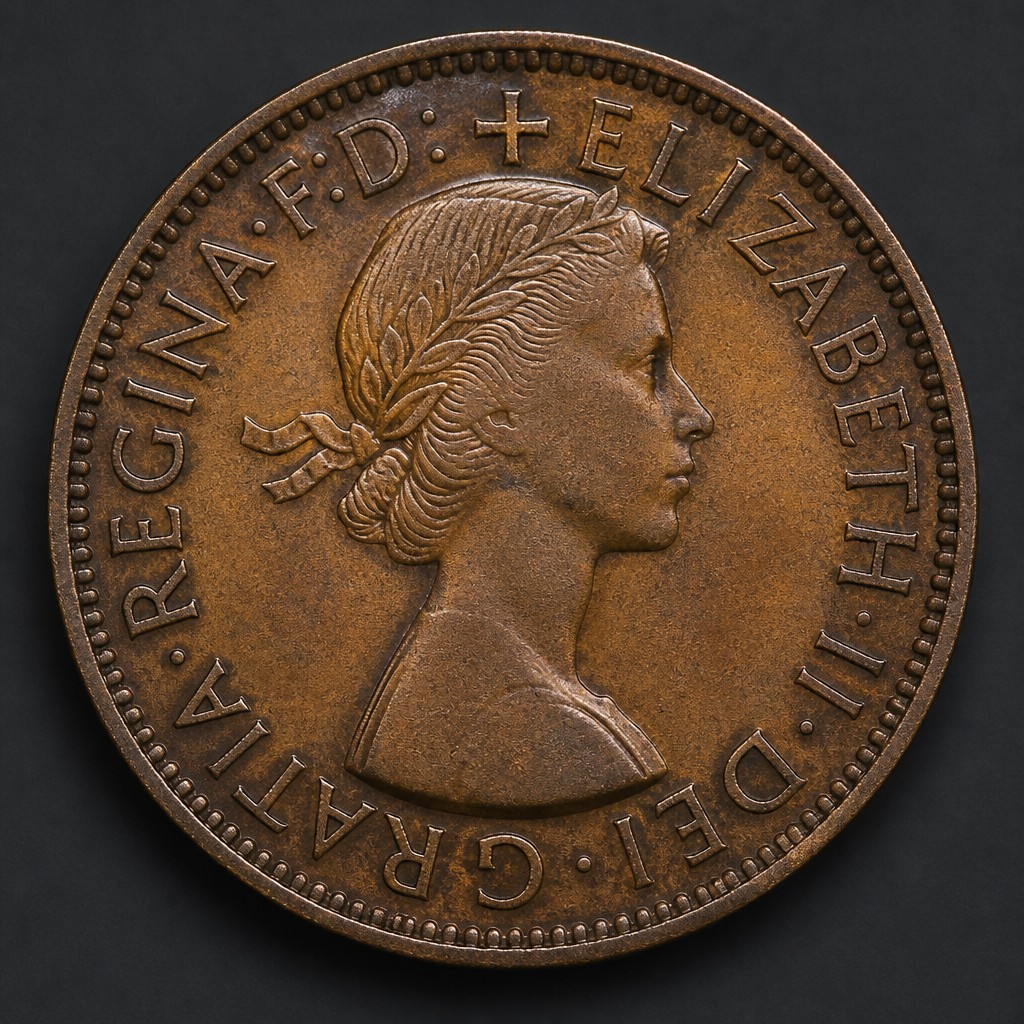
Farthing
The smallest-value British bronze coin, worth a quarter of a penny, fondly remembered for its charming wren reverse design used from 1937 until its withdrawal.
British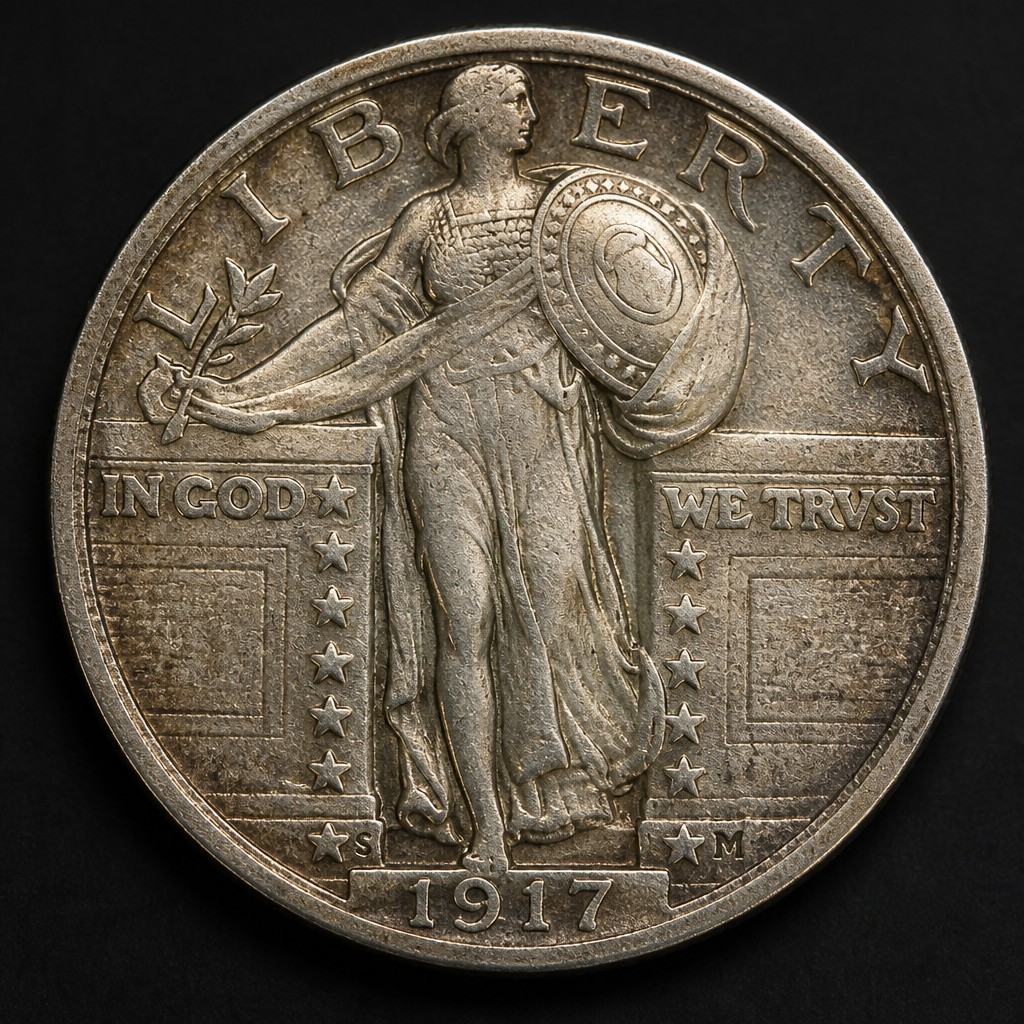
1917 Type 2 Standing Liberty Quarter
The revised Standing Liberty quarter design introduced later in 1917, adding chain mail over Liberty's chest and extra stars on the reverse, used through the end of the series in 1930.
United States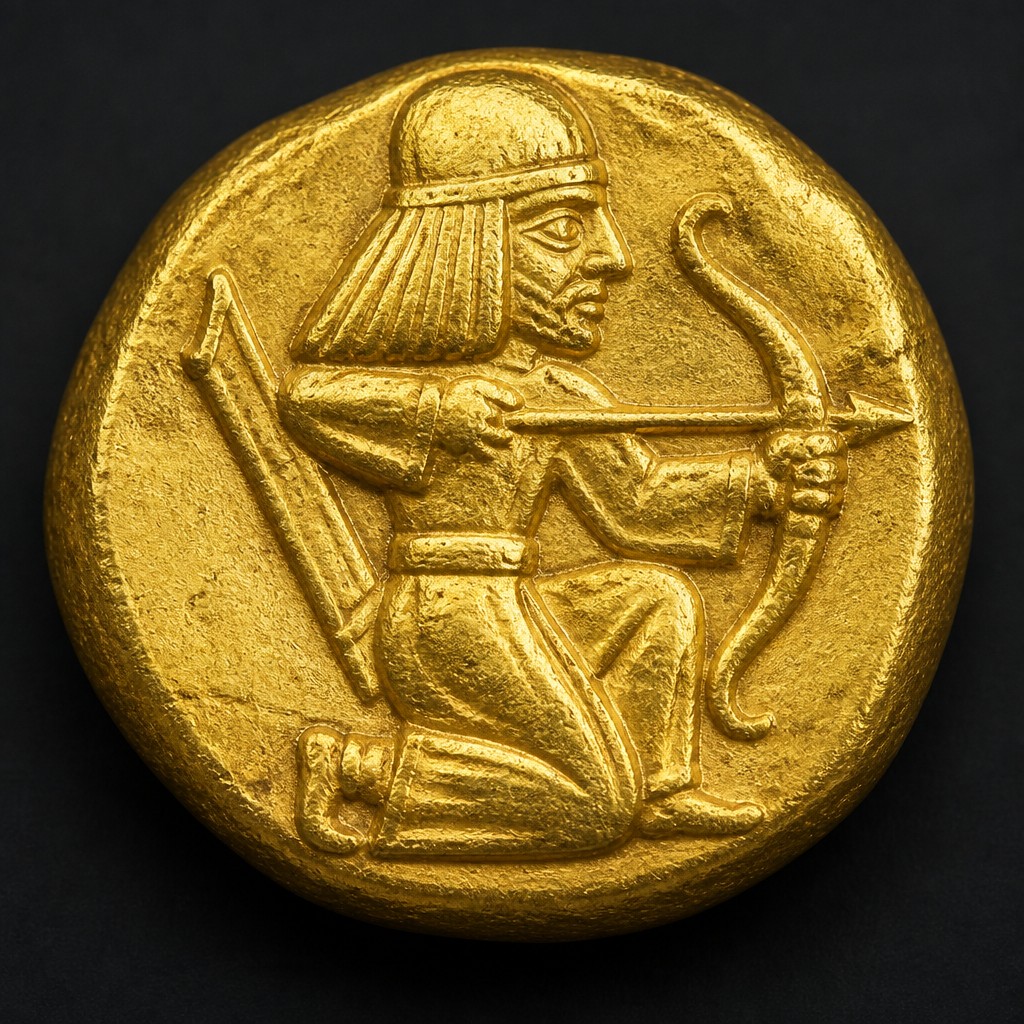
Persian Gold Daric
The standard gold coin of the Achaemenid Persian Empire, depicting the Persian Great King as a running or kneeling archer, used widely to pay soldiers and mercenaries.
Ancient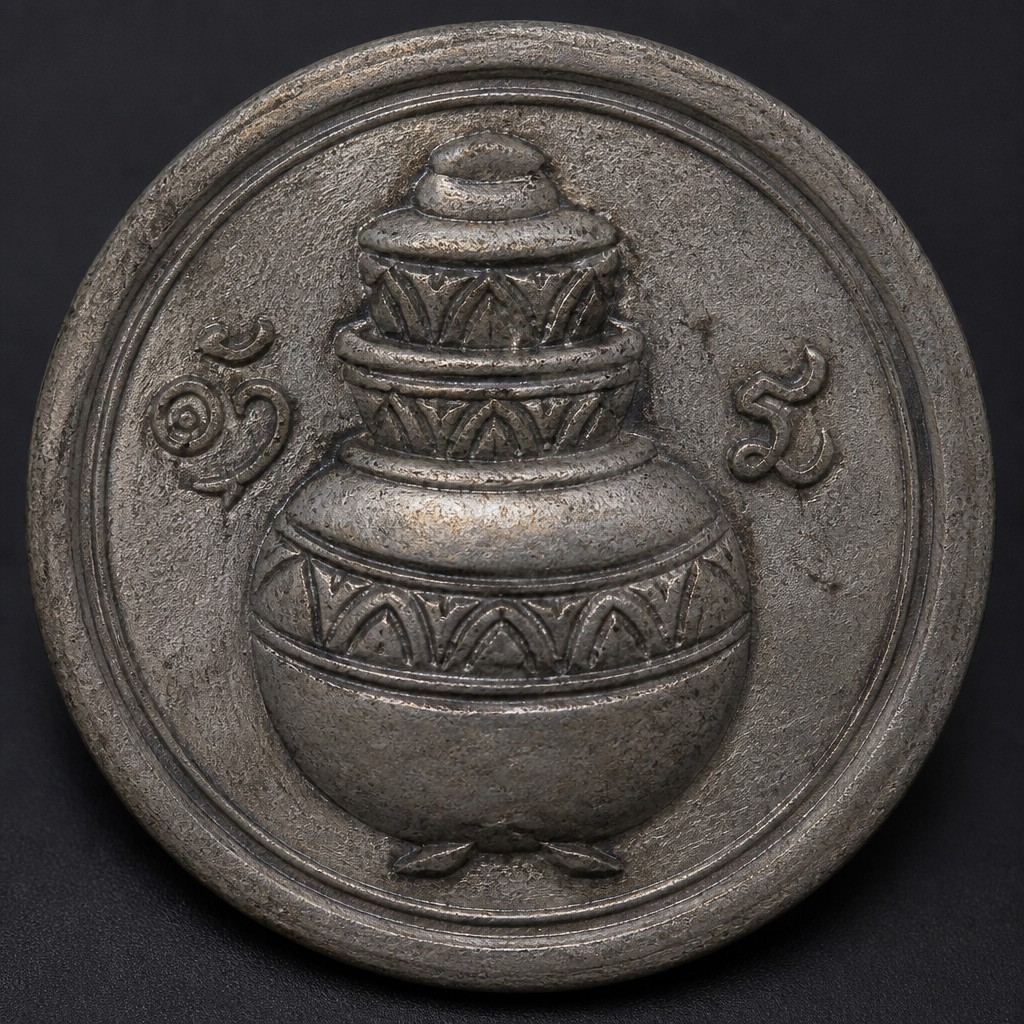
Siam Tin Pot Duang / Porcelain Gambling Token
Two related forms of traditional Siamese small change: tin versions of the bent bullet-shaped pot duang currency, and porcelain gambling tokens used informally as local currency in Chinese-run gaming houses.
Asian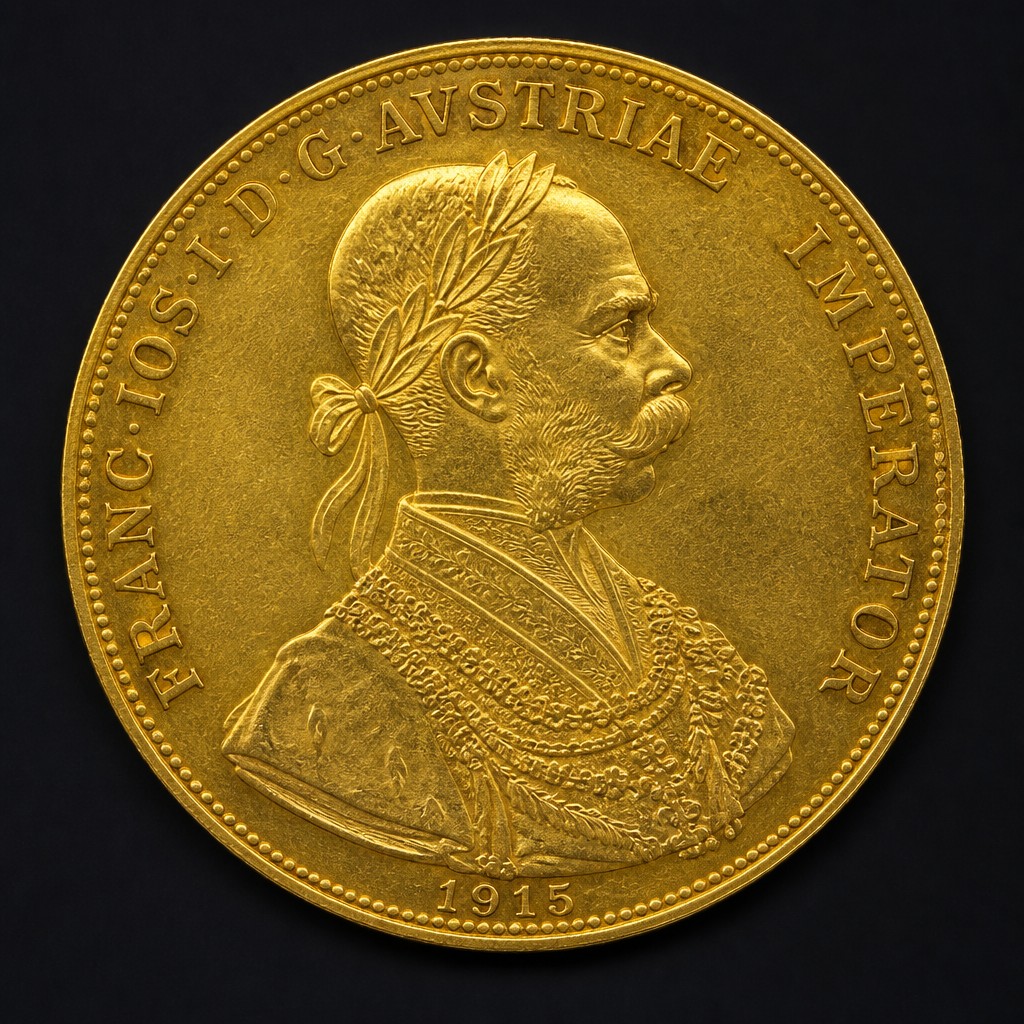
Austrian 4 Ducat Gold
The Austrian 4 Ducat is a large, high-purity gold coin historically used for trade and hoarding, best known today through the officially restruck 1915-dated pieces still produced for the bullion market.
European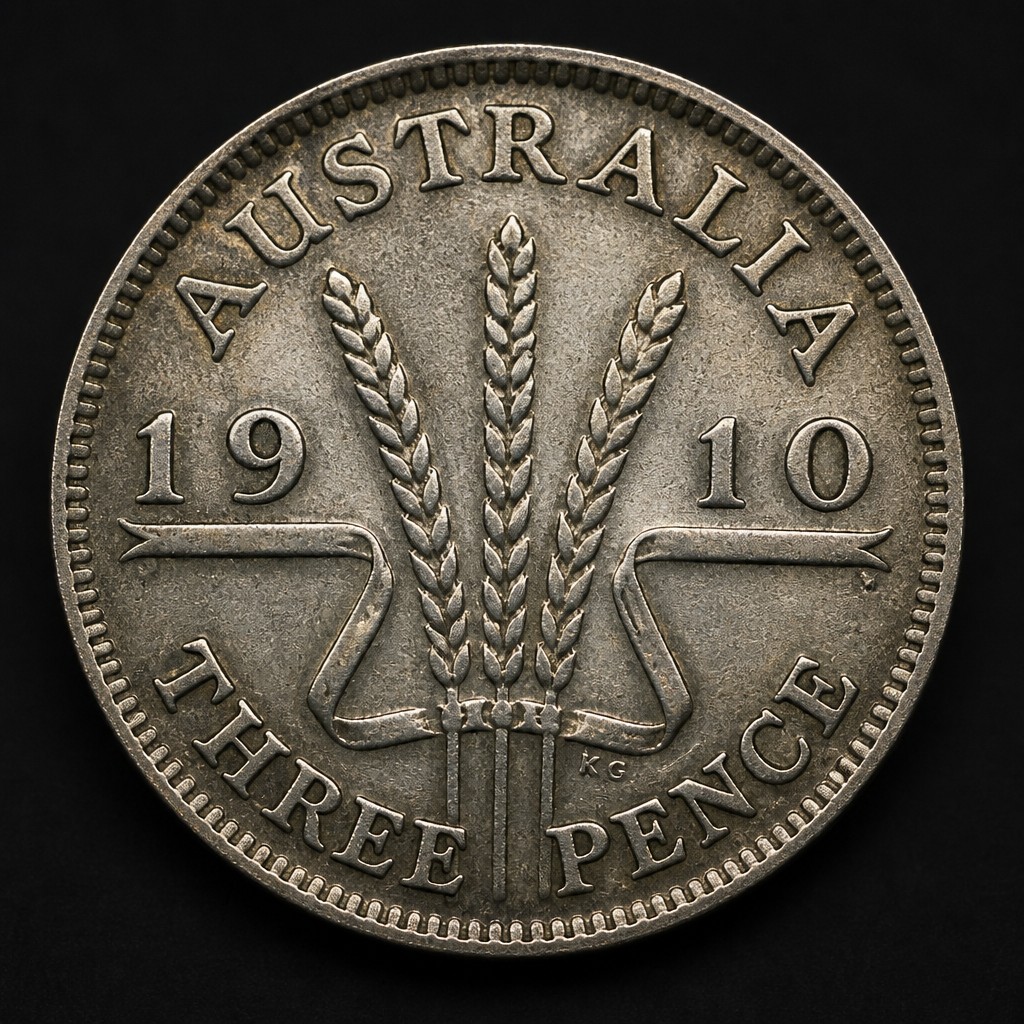
Australian Threepence (pre-decimal)
Small pre-decimal Australian silver coin worth three pence, popularly recognized for its bundled wheat-ear reverse design used across most of the 20th century.
Africa & Oceania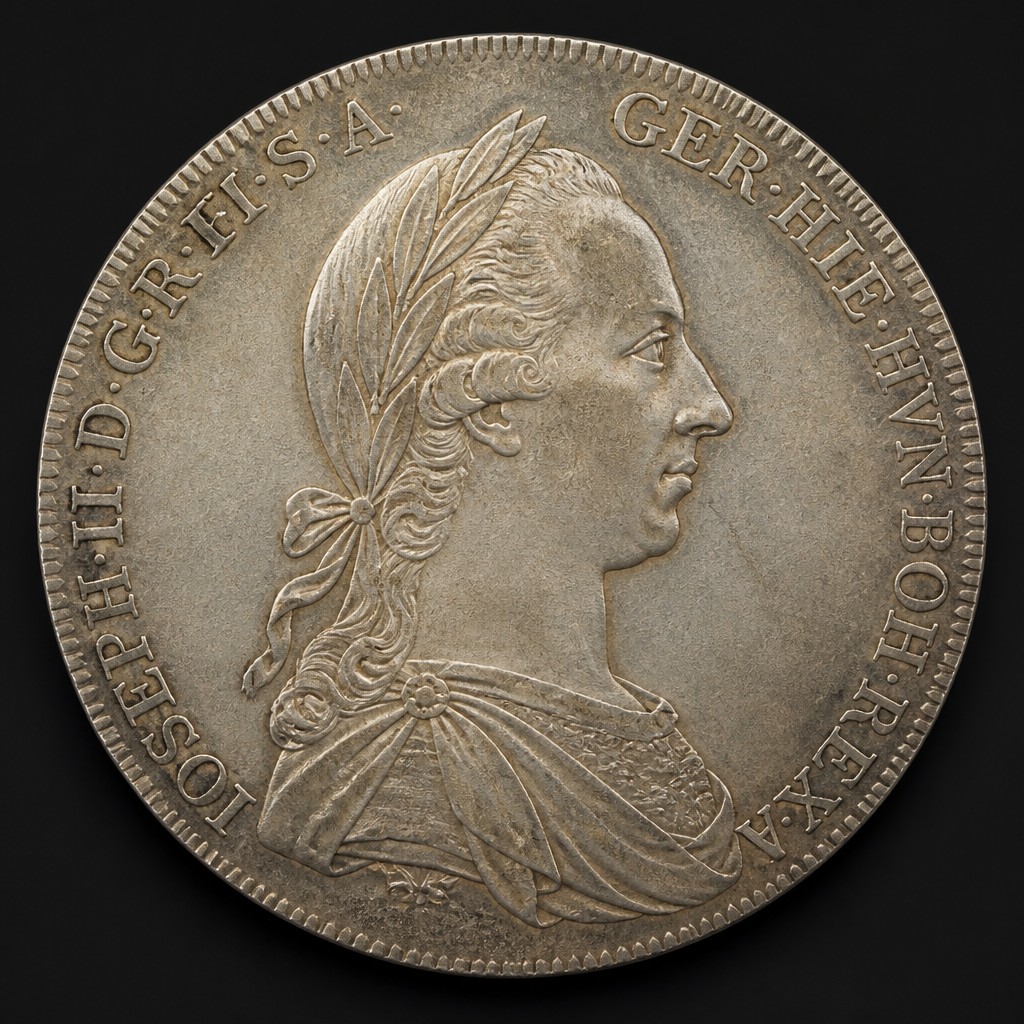
Austrian Thaler (Joseph II)
A silver thaler bearing the portrait of Holy Roman Emperor Joseph II, struck in the late 18th century and, like the more famous Maria Theresa thaler, later restruck for use in Levant and African trade.
European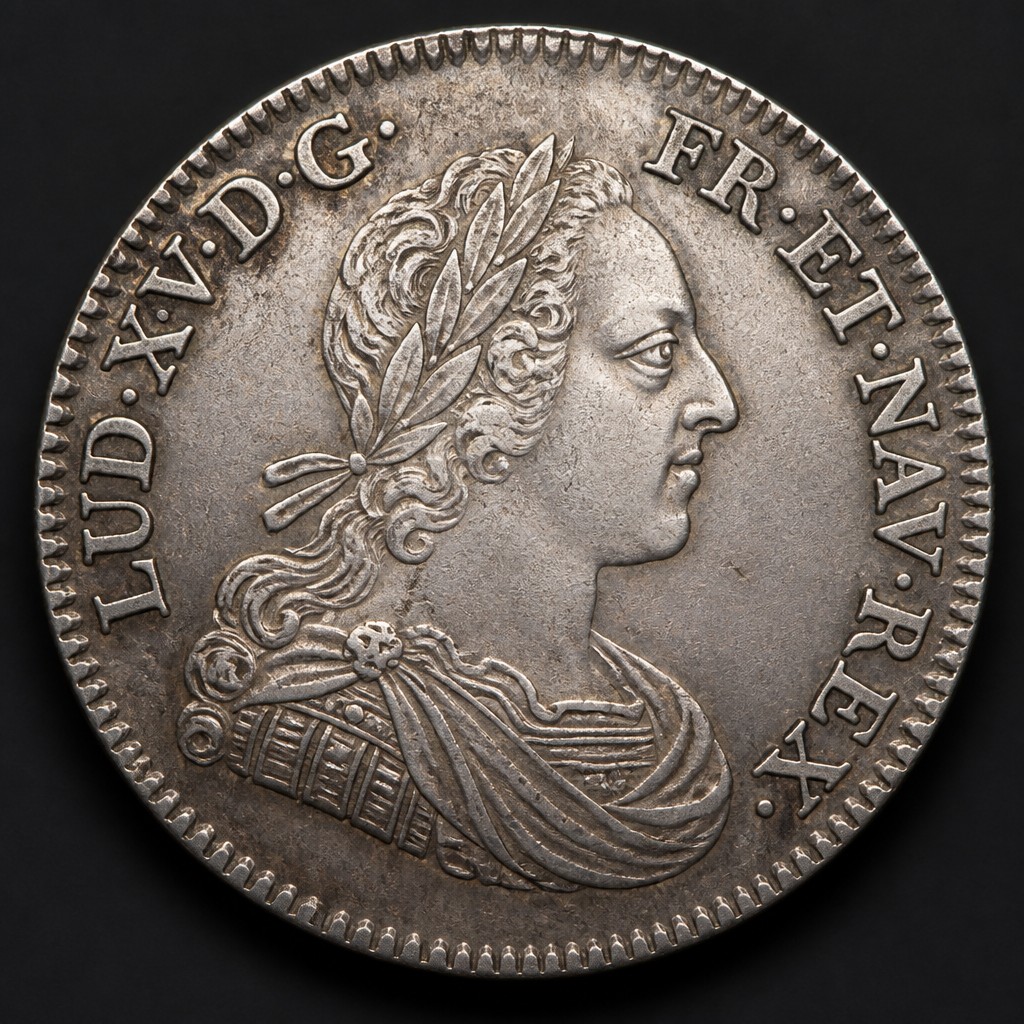
French Ecu (Louis d'Argent)
France's principal large silver coin of the pre-revolutionary era, bearing the reigning king's portrait, used as the standard silver crown-sized coin for over a century before decimalization.
European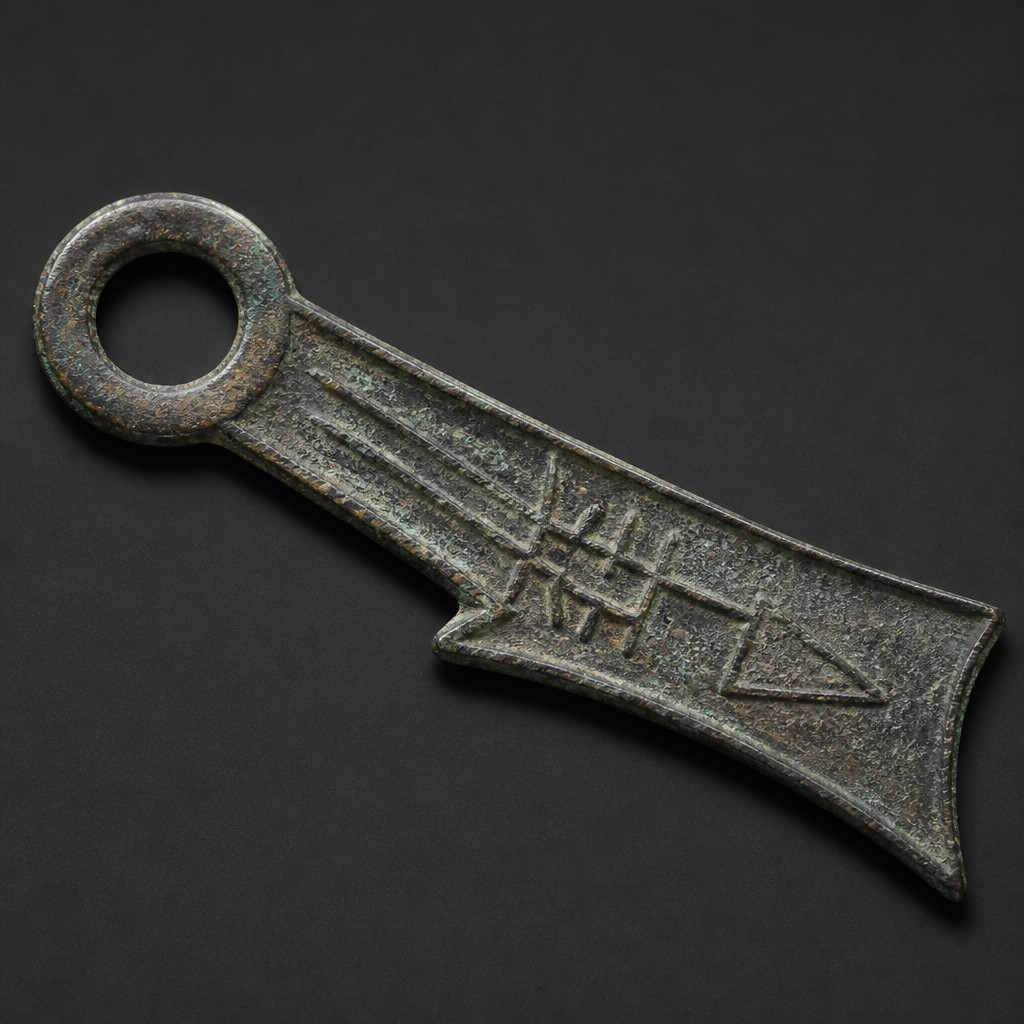
Chinese Knife Money (Ming Dao)
An ancient Chinese bronze currency cast in the shape of a knife, bearing a character often read as "Ming" on its blade, used mainly by the northern state of Yan before round coinage prevailed.
Asian