
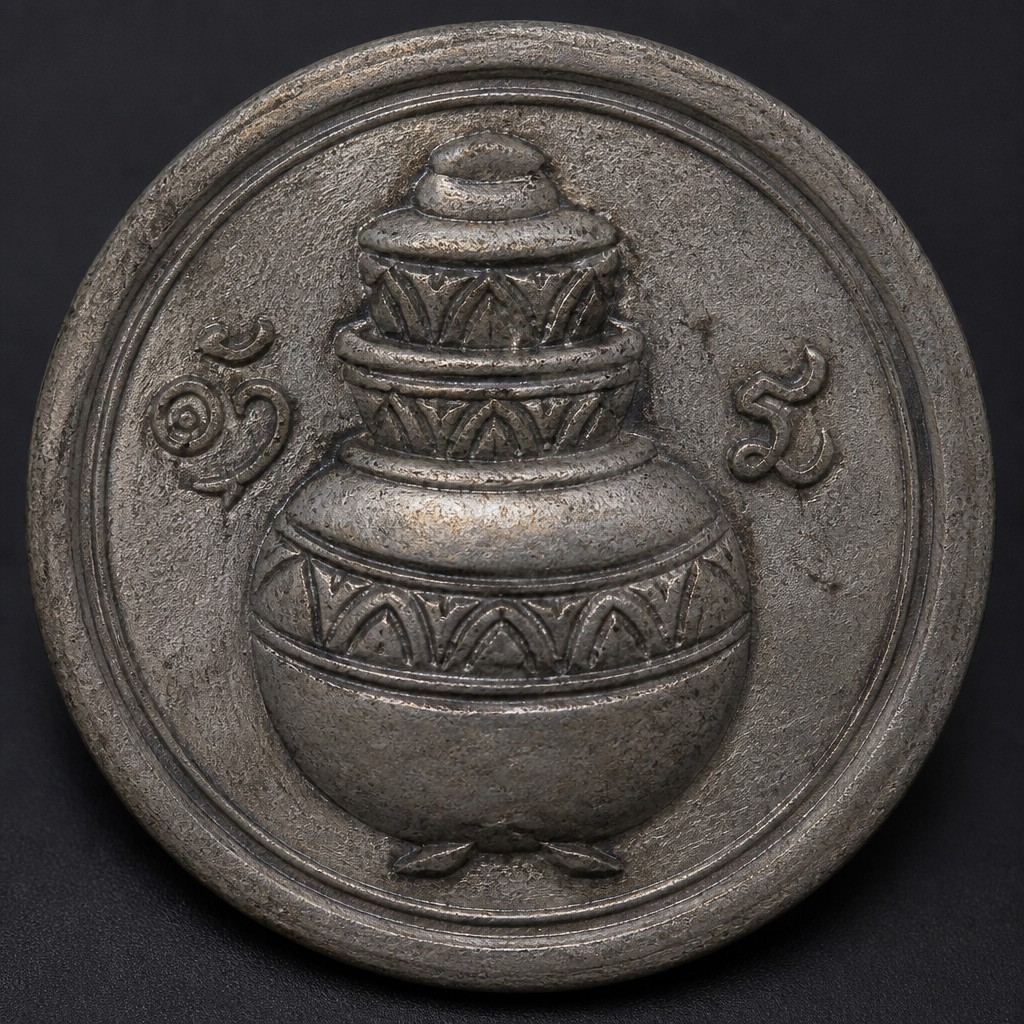
Siam Tin Pot Duang / Porcelain Gambling Token
Two related forms of traditional Siamese small change: tin versions of the bent bullet-shaped pot duang currency, and porcelain gambling tokens used informally as local currency in Chinese-run gaming houses.
- Country
- Siam (Thailand)
- Denomination
- Local token value (non-standard)
- Metal
- Tin / Porcelain
Got a coin like this?
Identify any coin from a photo, free.
Overview
This entry covers two related but distinct types of pre-modern Siamese exchange media that collectors often encounter together: the tin pot duang, a small-denomination version of Siam's traditional bent, globular bullet money, and porcelain gambling tokens, small ceramic counters produced for Chinese-run gambling houses in nineteenth-century Siam that frequently circulated informally as a kind of local currency.
The pot duang system, Siam's characteristic bullet-shaped currency, was traditionally struck in silver for higher denominations, but lower-value pieces were sometimes made in tin to serve everyday small transactions where full silver value was unnecessary or impractical. Porcelain gambling tokens, by contrast, originated as private tokens issued by Chinese gaming establishments to track wagers and winnings, but their reliability and convenient small denominations led local communities to accept them more broadly for everyday small purchases.
Together these two token types illustrate the resourceful and varied nature of small-denomination exchange media in nineteenth-century Siam, existing alongside official government coinage to fill practical gaps in the circulating currency supply.
History & Background
Traditional Siamese currency took the distinctive form of bent, bullet-shaped or globular pieces of metal known as pot duang, stamped with royal symbols to certify their value, a system that persisted in Siam for many centuries before the country adopted flat, machine-struck coinage in the mid-nineteenth century. While the most valuable pot duang pieces were struck in silver, tin and other base-metal versions were produced for smaller denominations, providing ordinary people with practical everyday small change within the same recognizable currency format.
Separately, the growth of Chinese immigrant communities in nineteenth-century Siam brought with it numerous gambling houses, particularly ones offering games like the lottery-style hua hui, which issued their own porcelain tokens, often decorated with Chinese characters or symbols, to represent amounts wagered or won within the house. Because official small-denomination coinage was often scarce or inconvenient, these porcelain tokens gained wider acceptance in local commerce beyond the gambling houses themselves, effectively functioning as an unofficial parallel currency in some communities.
Both forms of exchange media declined as Siam modernized its official coinage system under King Mongkut (Rama IV) and his successors, and as the Siamese government moved to curtail unofficial private currencies including gambling house tokens in the interest of monetary control, though surviving examples remain a popular and affordable specialty for collectors of Southeast Asian exonumia.
How to Identify
The tin pot duang follows the same distinctive bent-bar, bullet-like shape as its more valuable silver counterparts, curved into a rounded form with official stamps impressed into the metal to indicate authenticity and value, though the tin examples are noticeably lighter in weight and different in color and texture from silver pieces, generally duller and grayer.
Porcelain gambling tokens, by contrast, are small flat or slightly domed ceramic discs, typically glazed and often decorated with Chinese characters, symbols, or simple pictorial designs identifying the issuing gambling house or the token's assigned value, quite unlike a struck metal coin in both material and manufacturing method.
Because both types were produced by numerous different local authorities or private gambling establishments without central standardization, there is considerable variety in size, shape, and markings across surviving examples, and specific attribution to a particular issuer or region generally requires comparison with specialized references on Siamese exonumia and Southeast Asian gambling tokens.
Value & Collectibility
Both tin pot duang and porcelain gambling tokens are generally considered affordable and accessible collecting areas, reflecting their historical role as low-value everyday exchange media rather than prestige currency. Common examples in typical worn condition are usually inexpensive, making them approachable for collectors interested in Southeast Asian numismatic history without requiring a large budget.
Rarer specific issuers, unusual designs, or exceptionally well-preserved examples can carry higher premiums among dedicated specialists in Siamese and Southeast Asian exonumia, but broadly speaking these token types remain modestly priced relative to more famous historical Siamese coinage such as full silver pot duang or later machine-struck baht coins.
Frequently asked questions
What is a pot duang?
Pot duang refers to Siam's traditional bent, bullet-shaped currency, historically stamped with royal marks and used for centuries before Siam adopted flat, machine-struck coins.
Why were some pot duang made of tin instead of silver?
Tin versions were produced for lower denominations to provide practical everyday small change, since full silver value was unnecessary for minor transactions.
Were porcelain gambling tokens official government currency?
No, they were originally private tokens issued by Chinese-run gambling houses, though they were sometimes accepted informally as a kind of unofficial local currency in the wider community.
Are these items considered coins or tokens?
The tin pot duang is generally regarded as a genuine, if minor, form of Siamese currency, while porcelain gambling pieces are more accurately classified as tokens or exonumia rather than official coinage.
Siam Tin Pot Duang / Porcelain Gambling Token identified by the community
Real coins identified with Coin Identifier.
Other coins you may enjoy
Bahraini Dinar
1965–present
Omani Rial (Baisa Coinage)
1970–present
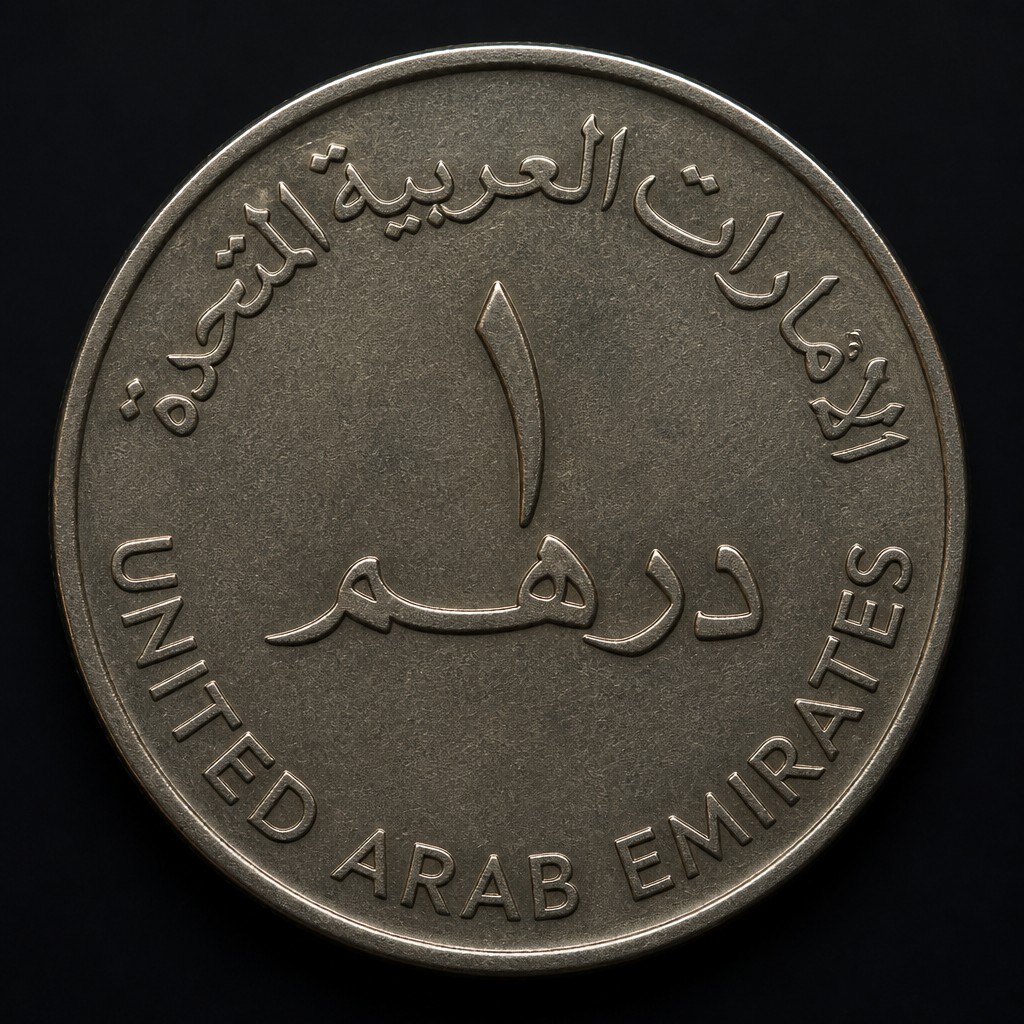
United Arab Emirates Dirham
1973–present
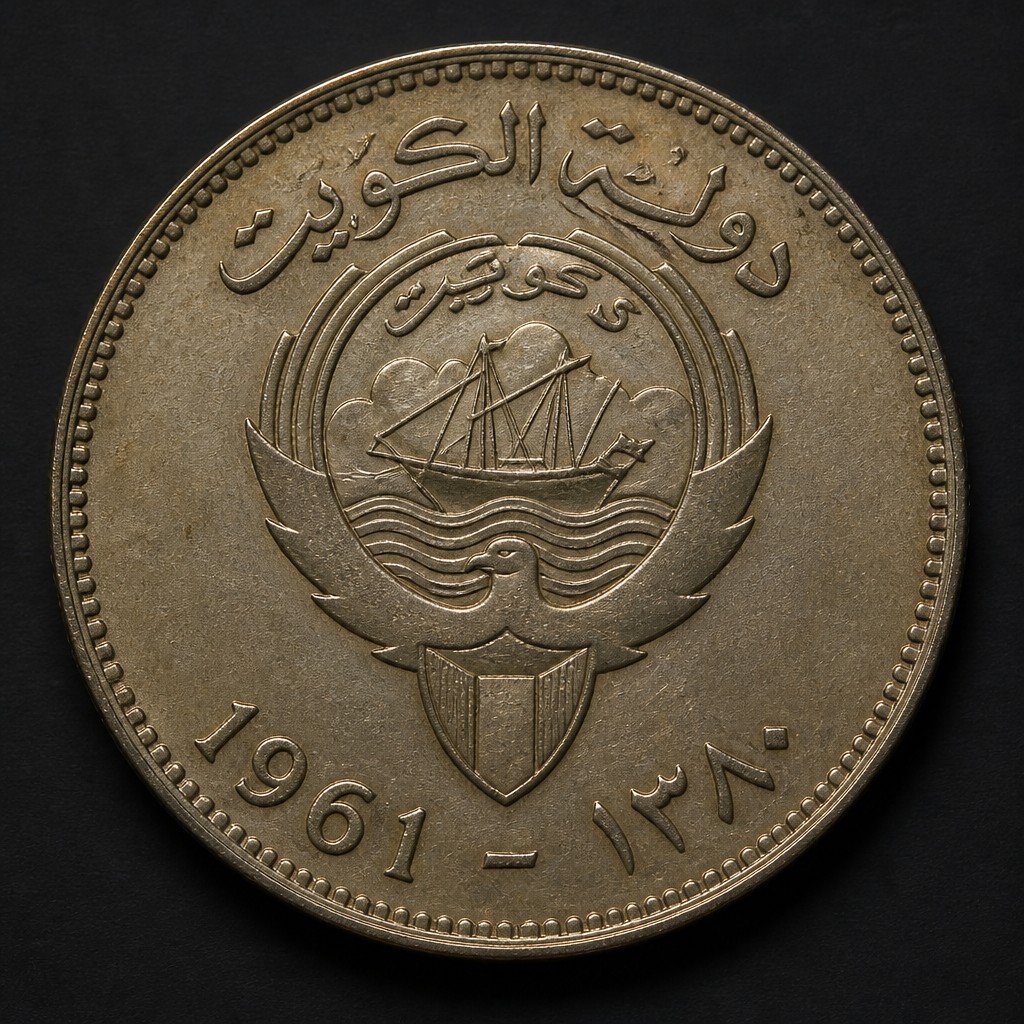
Kuwaiti Fils
1961–present
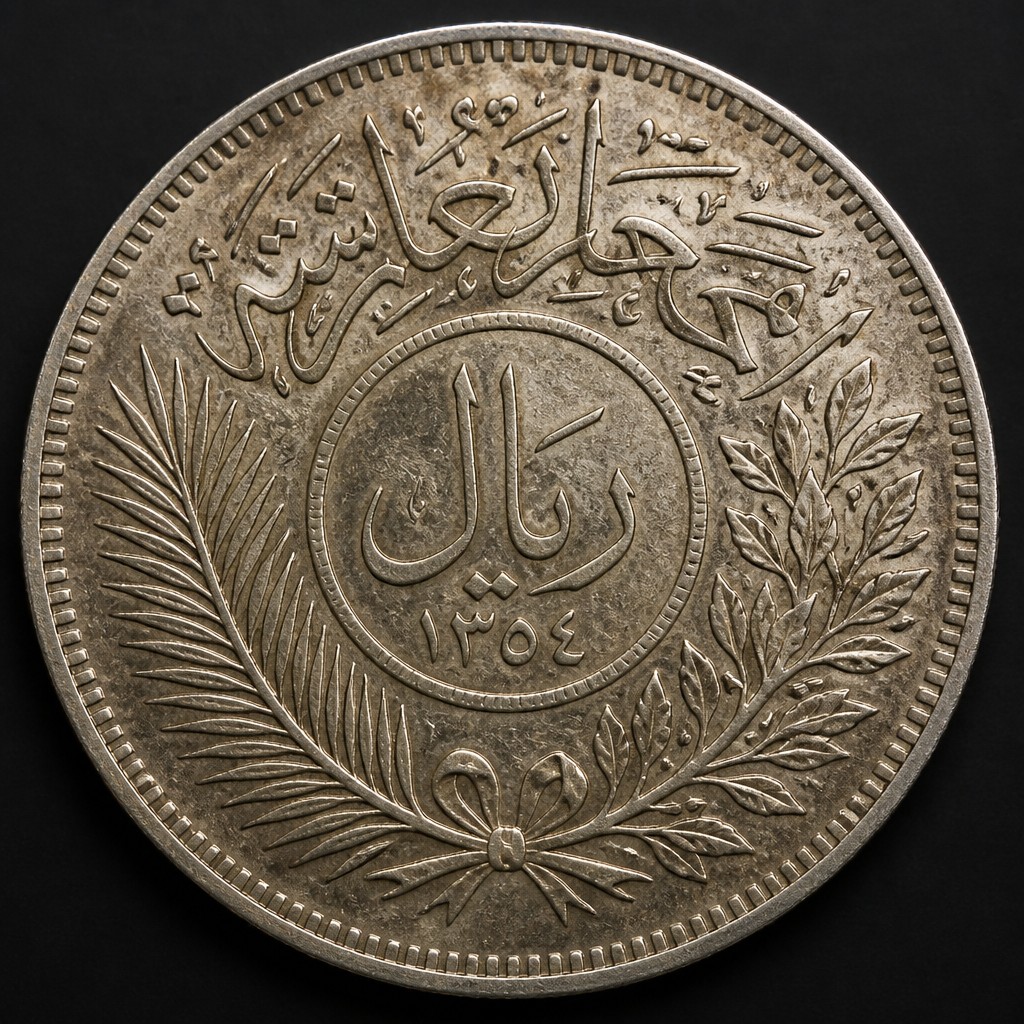
Saudi Arabian Riyal (silver)
1935 (Kingdom-wide standardization) and related issues
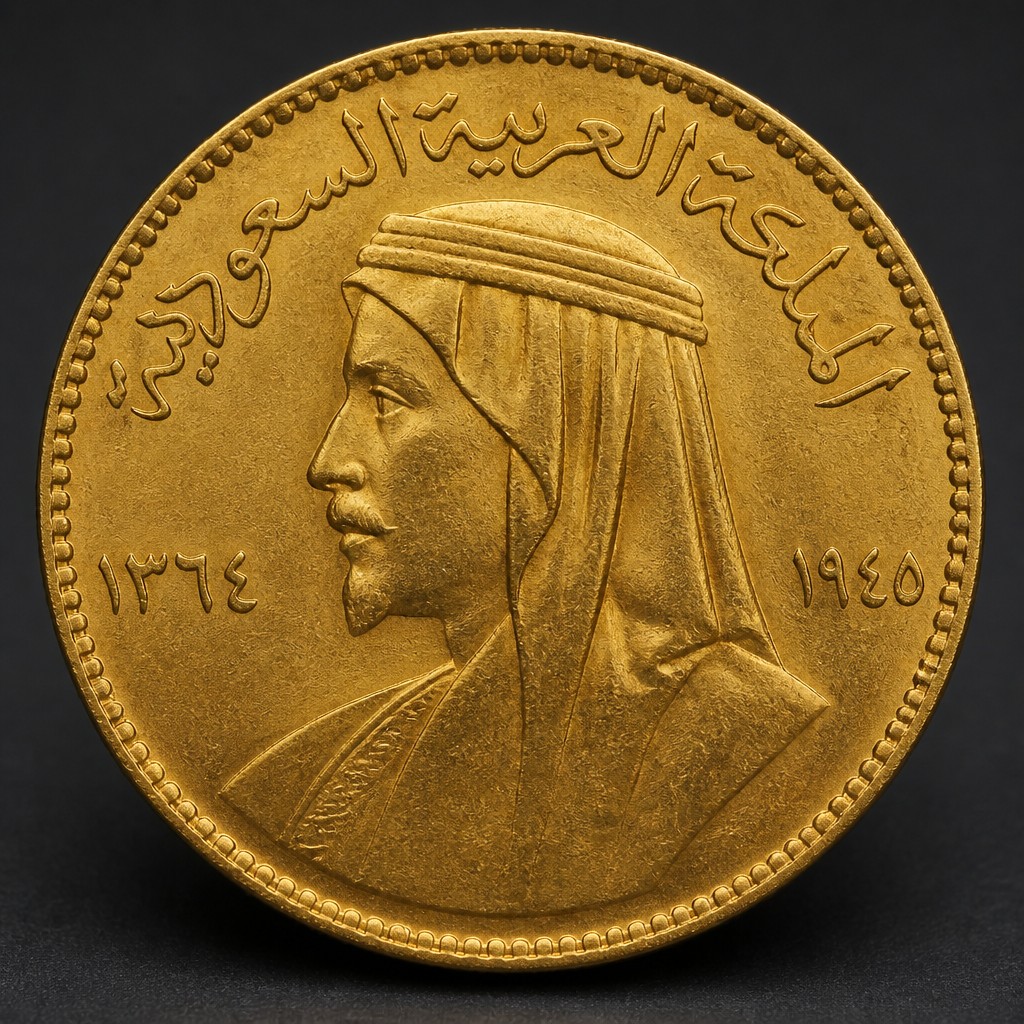
Saudi Arabian Gold Guinea (Sovereign)
1945 and later issues
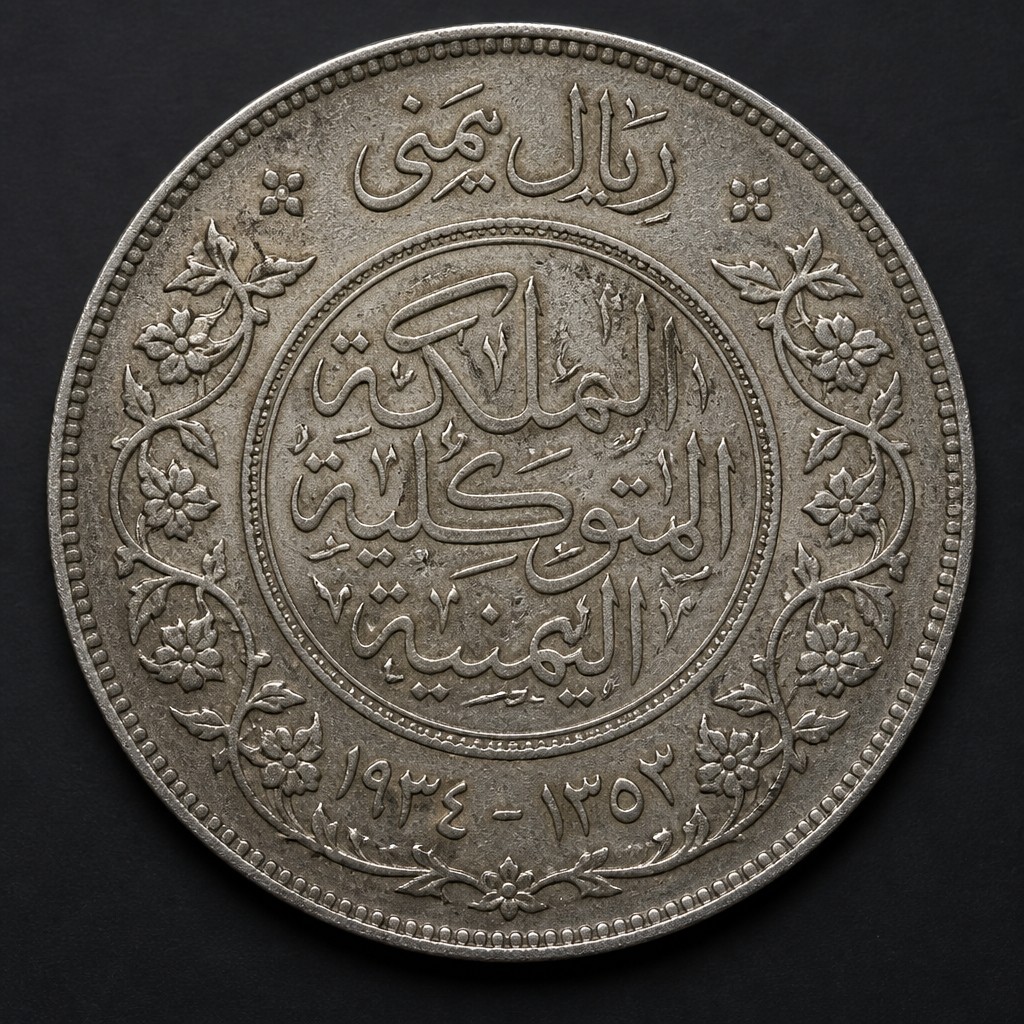
Yemeni Riyal (Ahmadi/Imadi Kingdom Coinage)
Early-to-mid 20th century
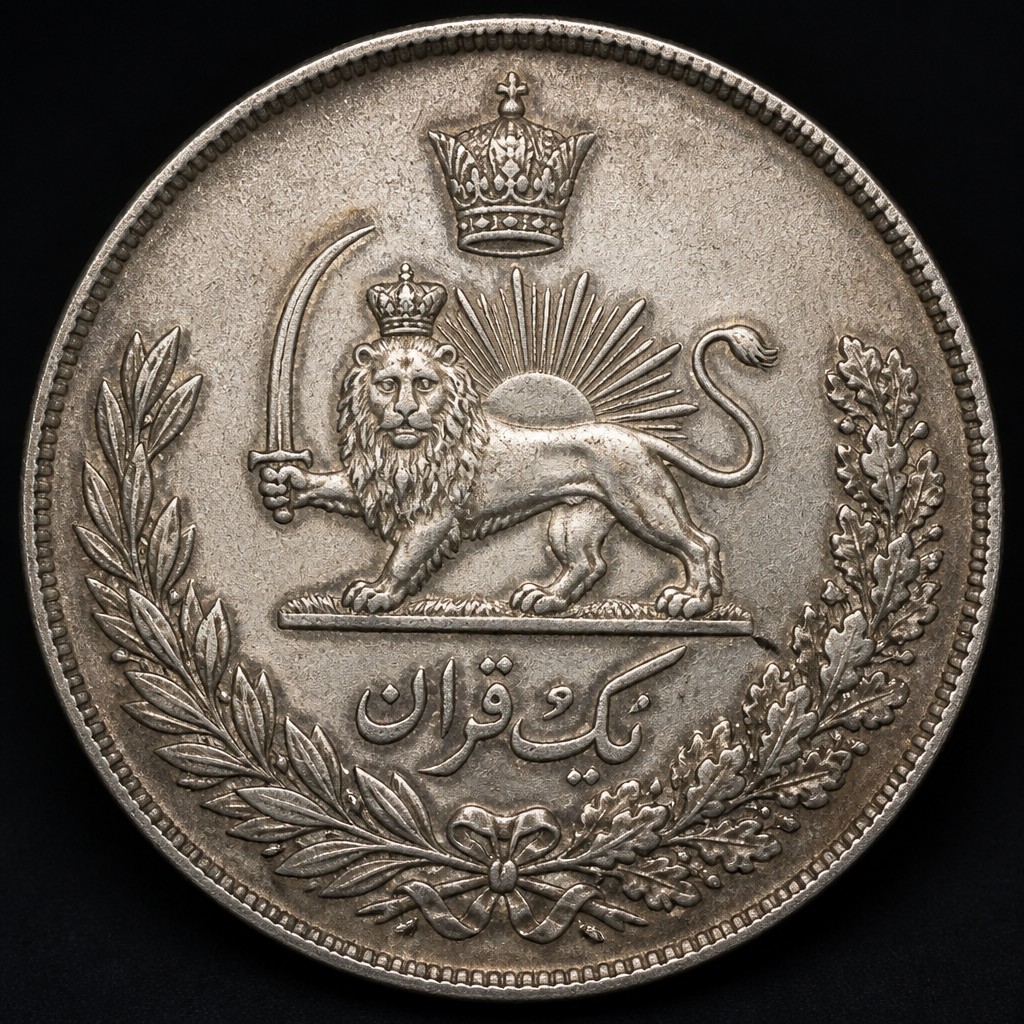
Persian Kran (Qajar silver)
Mid-19th century–1925
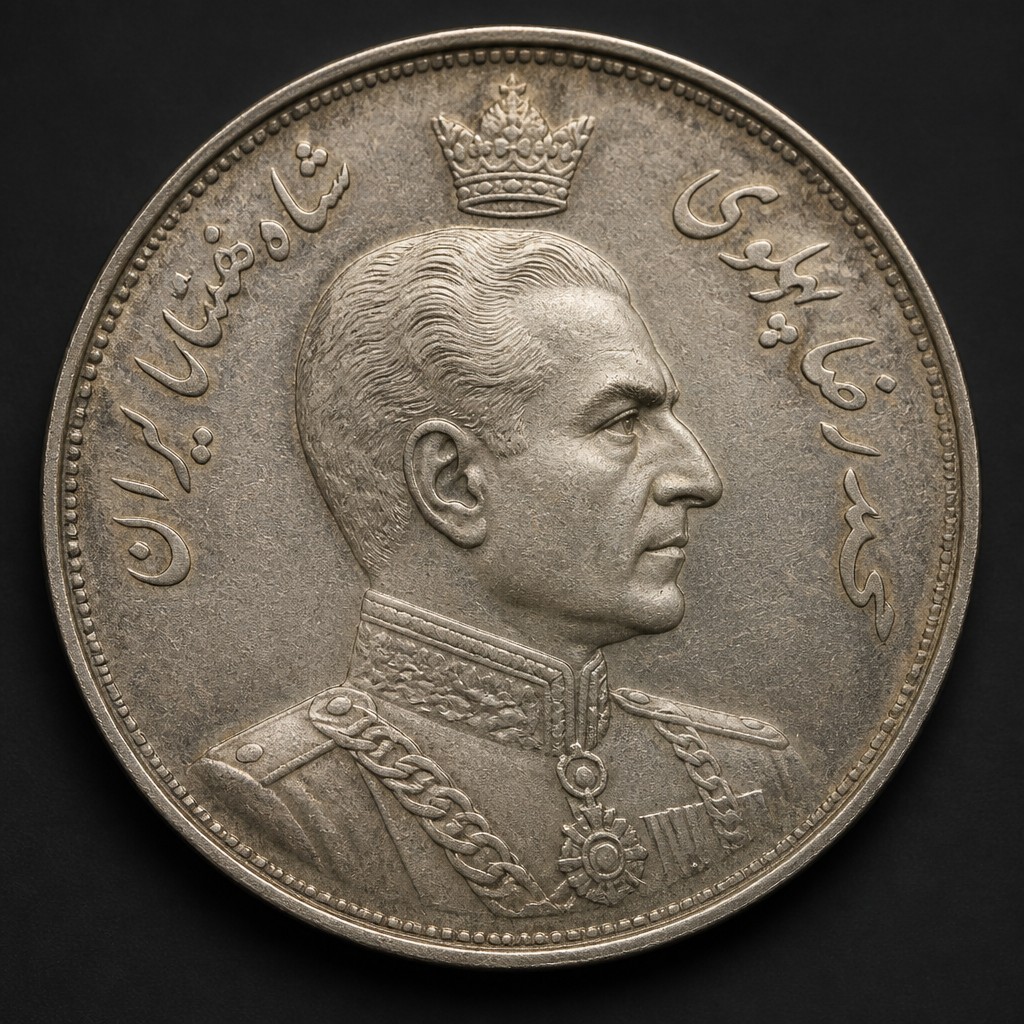
Iranian Rial
1932–present
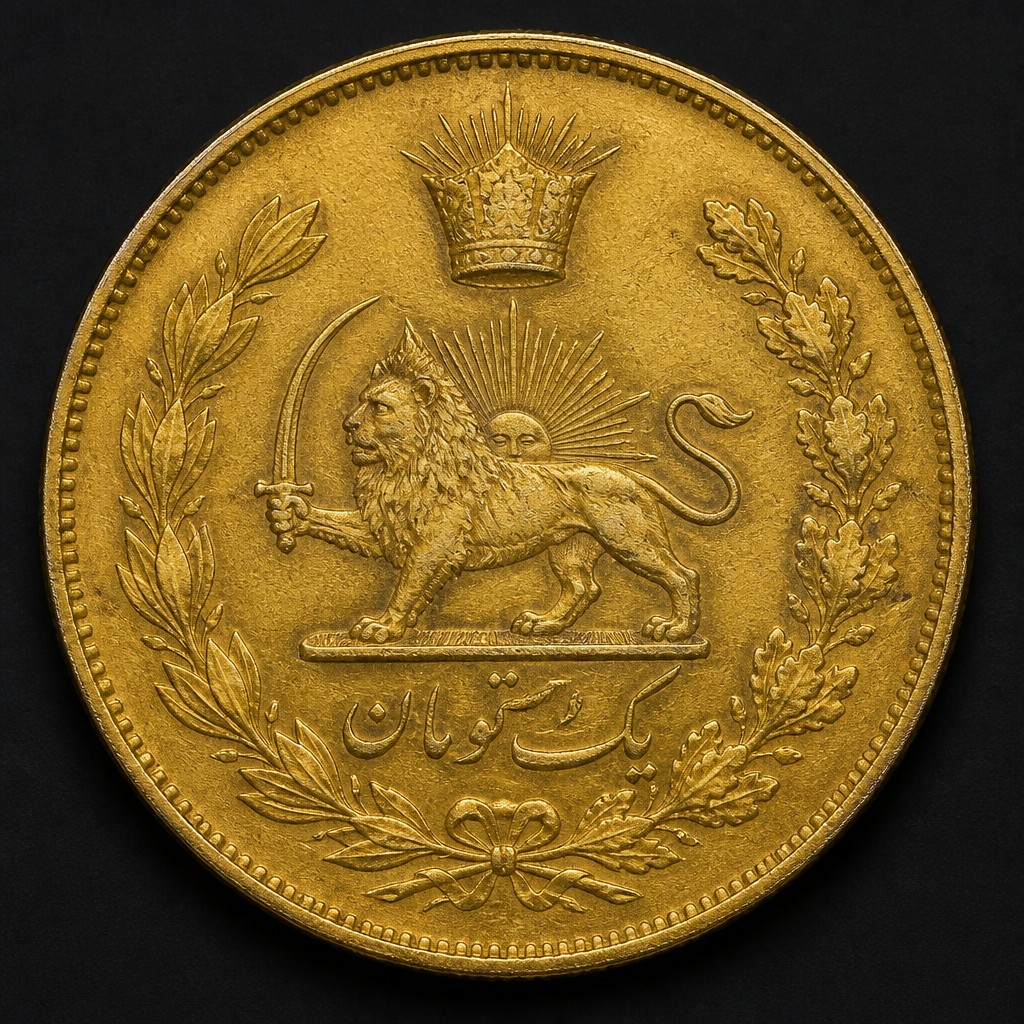
Persian Gold Toman (Qajar)
1796–1925
Qatar and Dubai Riyal
1966–1973
British India Rupee (Silver)
1835–1947