
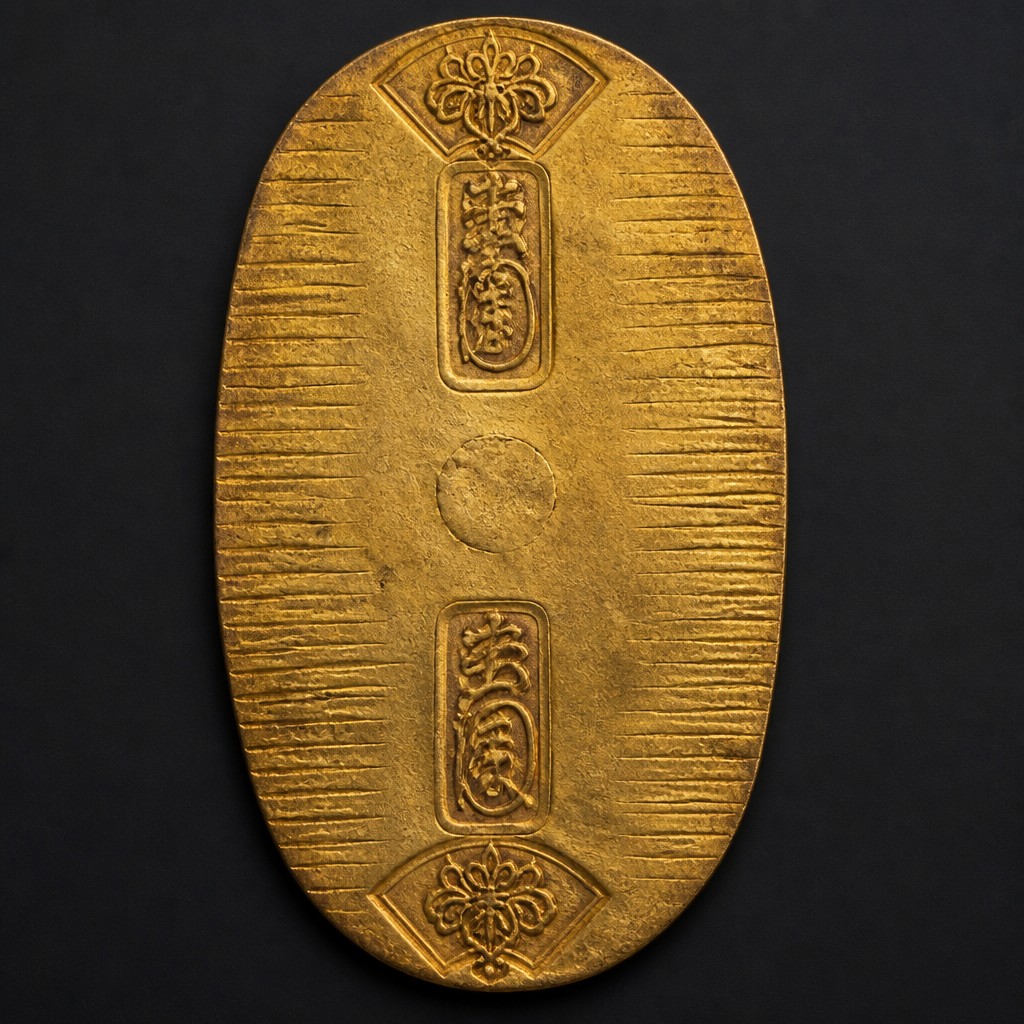
Japanese Oban
A large, oval, hand-hammered gold plate coin of feudal Japan, used mainly as a gift, reward, or ceremonial item rather than everyday currency, among the largest gold coins ever issued.
- Country
- Japan
- Denomination
- Oban (nominally 10 Ryo)
- Metal
- Gold (alloyed with silver, hand-hammered)
Got a coin like this?
Identify any coin from a photo, free.
Overview
The oban is one of the most extraordinary coins in world numismatics: an oversized, hand-beaten oval sheet of gold produced in Japan from the late 16th century onward. It was valued far above ordinary circulating coinage and reserved for gifts, rewards to samurai, temple donations, and ceremonial purposes rather than daily commerce.
Its sheer scale, hand-crafted nature, and rarity place it among the most sought-after and celebrated pieces in Japanese numismatics.
History & Background
Oban production began under the unifier Toyotomi Hideyoshi in the late 16th century and continued through the Tokugawa shogunate's Edo period, with several distinct issues, such as the Tensho, Keicho, and Genroku oban, each reflecting the political and economic conditions of its time, including periodic changes in gold content.
Each oban was individually hand-hammered and finished by the hereditary Goto family of goldsmiths in Kyoto, who added ink inscriptions certifying weight and authenticity, marking the coin's status as a controlled prestige item rather than mass-produced money.
How to Identify
An oban is instantly recognizable by its large, oval, hammered-gold plate form, typically well over 10 centimeters in length, with a stippled or textured surface created by repeated hammer strikes.
Black ink calligraphy on the obverse, applied by the Goto workshop, records the nominal value, traditionally 10 ryo, along with certifying signatures and seals, while the reverse may carry additional stamped chrysanthemum-flower punches indicating the issuing period. No two oban are perfectly identical due to their hand-made nature, and the ink inscriptions, often faded or partially rewritten over centuries of handling, are key to identifying the specific issue.
Value & Collectibility
Genuine oban are extremely rare and highly prized by collectors of Japanese and world numismatics, with values driven heavily by the specific historical issue, gold purity, condition, and completeness and legibility of the original ink inscriptions.
Well-documented examples can be worth tens of thousands of US dollars or more, and the rarest early issues have realized far higher sums at major specialist auctions. Because of their high value, oban are frequently targeted by forgers, making professional authentication essential.
Frequently asked questions
What was the oban used for?
It was mainly used for ceremonial gifts, rewards to samurai and retainers, and large-scale transactions, rather than everyday commerce.
Why does the coin have ink writing on it?
The Goto family of Kyoto goldsmiths applied ink calligraphy to certify the coin's weight, value, and authenticity.
How big is an oban?
It is a large oval gold plate, typically well over 10 centimeters long, much larger than any typical circulating coin.
Are oban commonly faked?
Yes, due to their high value, oban are frequently counterfeited, so professional authentication is strongly recommended.
Other coins you may enjoy
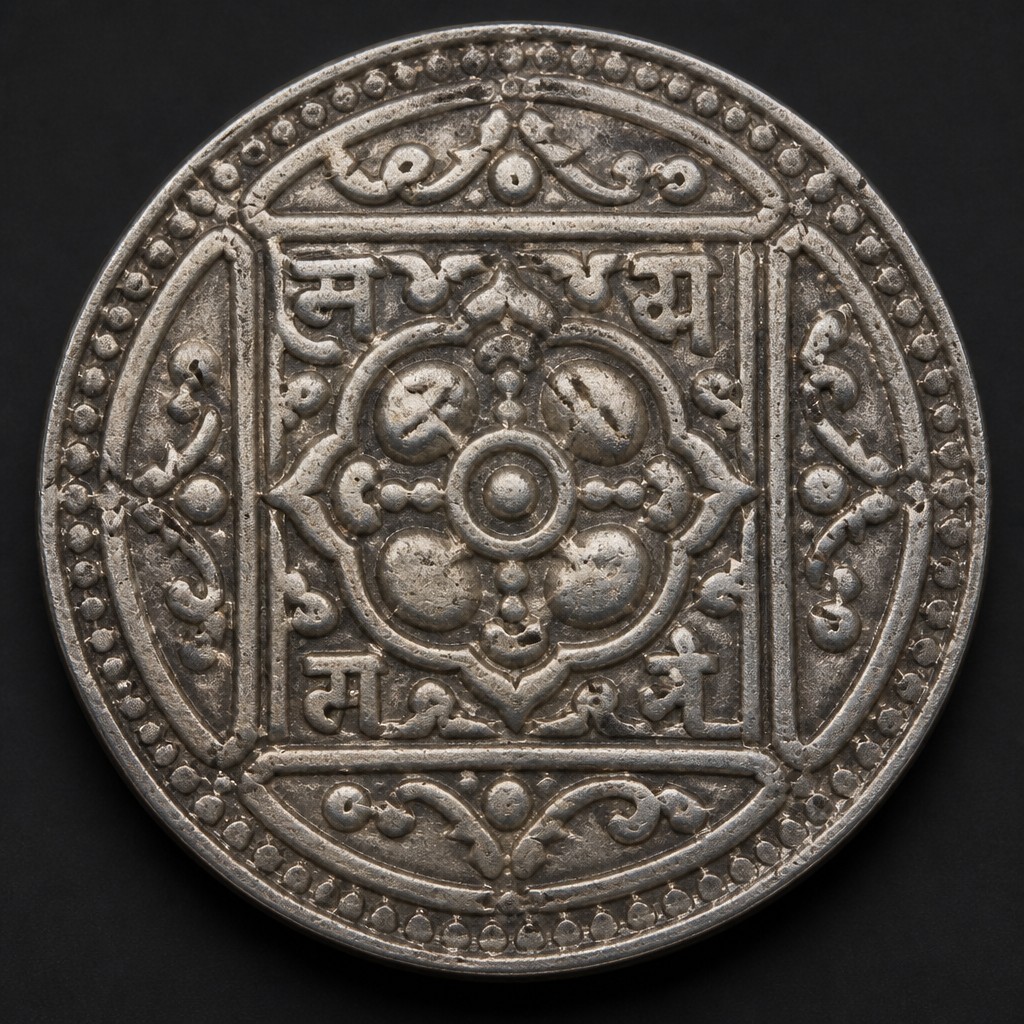
Nepal Silver Mohar
c. 16th–19th century
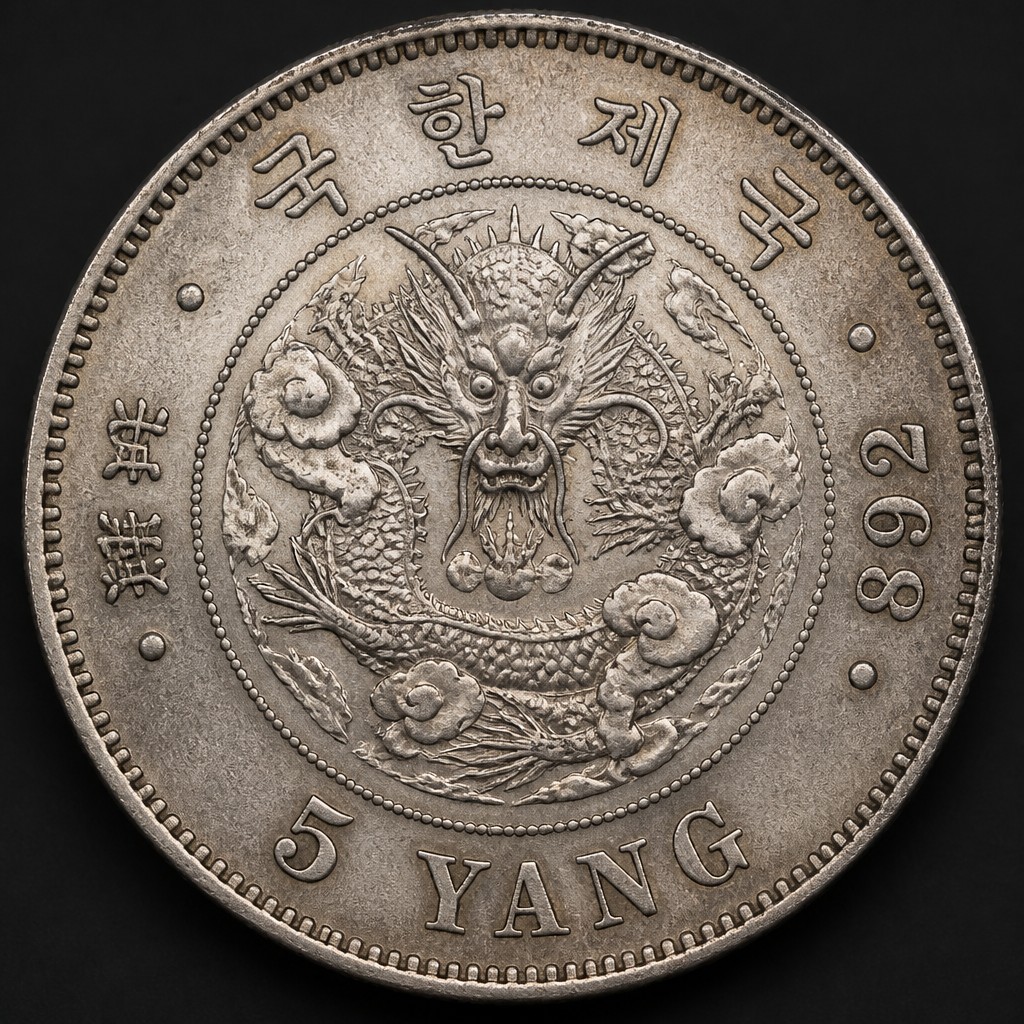
Korean 5 Yang Silver Dollar (1892)
1892
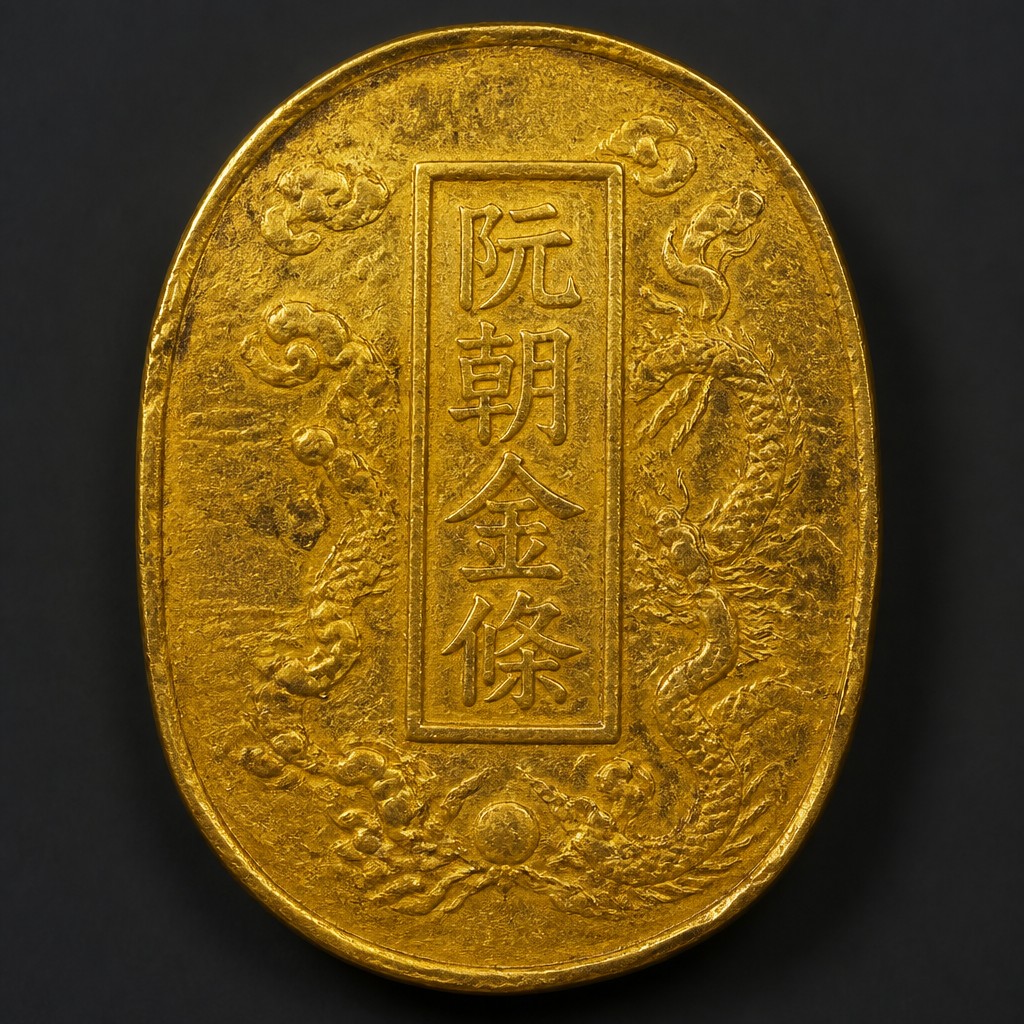
Nguyen Dynasty Gold Bar (Vietnam)
19th century
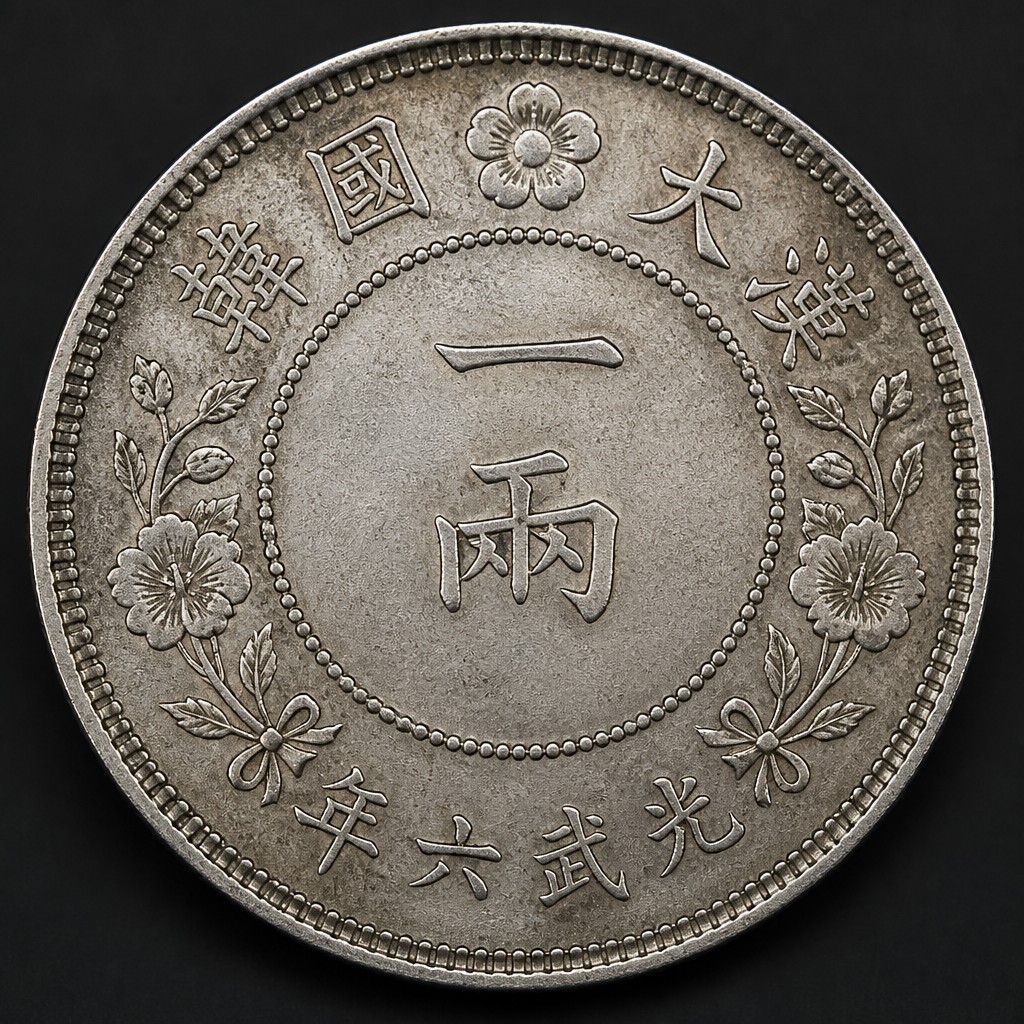
Korean 1 Yang Silver (Joseon/Great Han Empire)
1892–1902
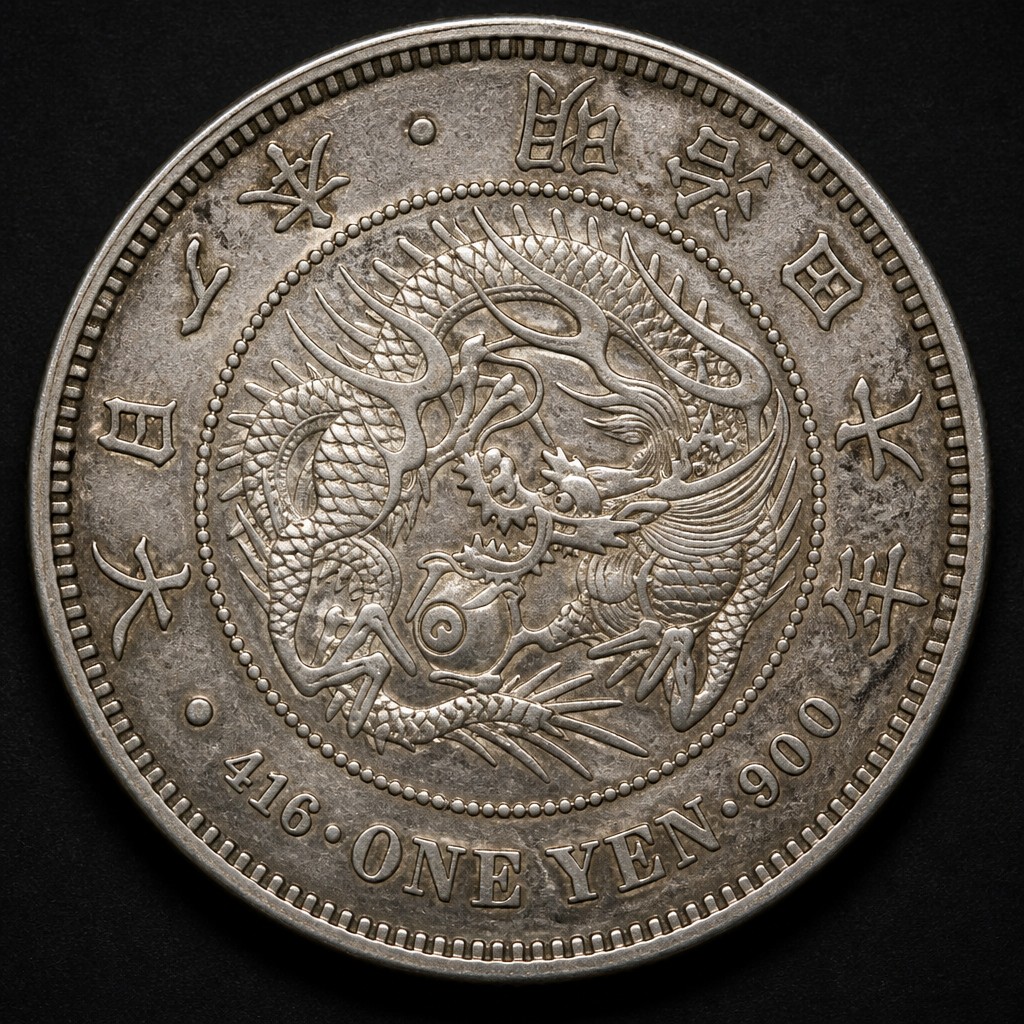
Japanese 1 Yen Silver 'Dragon' Trade Dollar
1870–1914 (trade dollar variant 1875–1877)
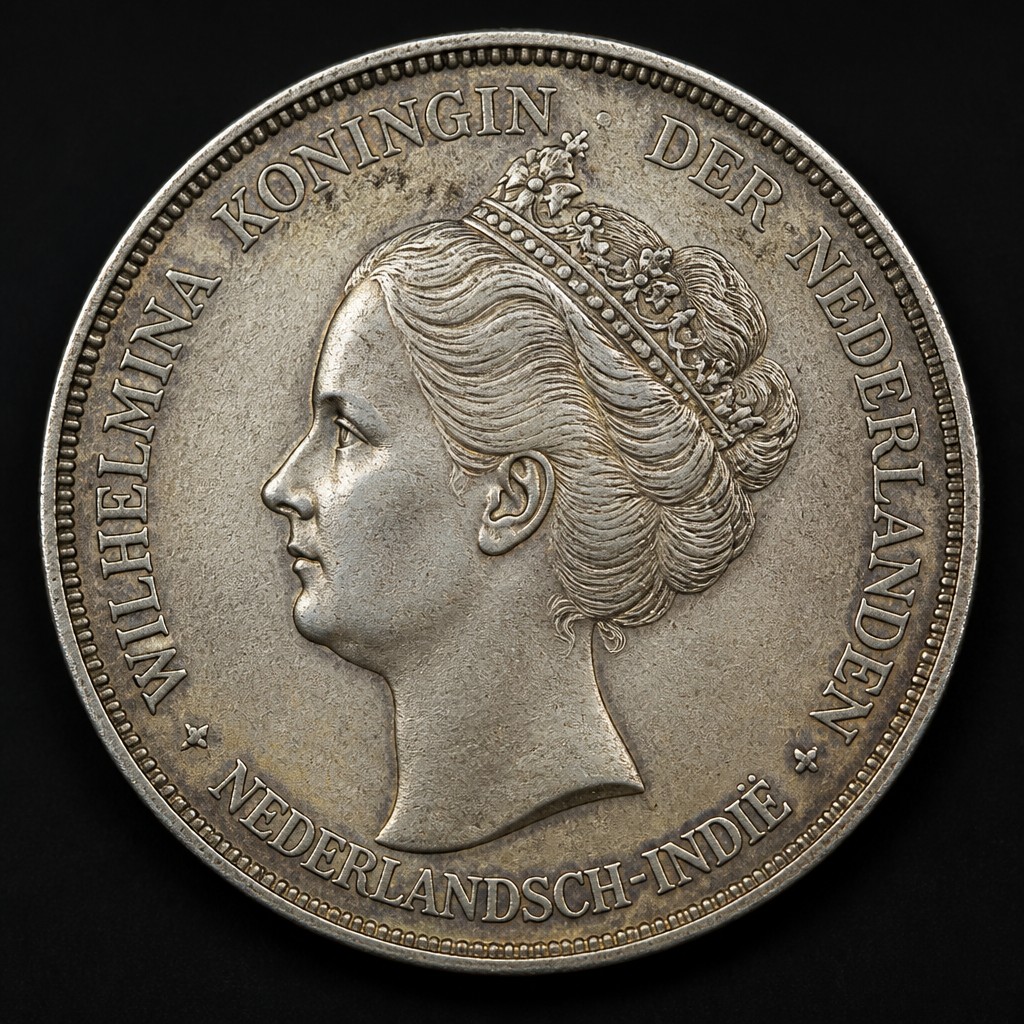
Netherlands East Indies Gulden (Wilhelmina)
1897–1945
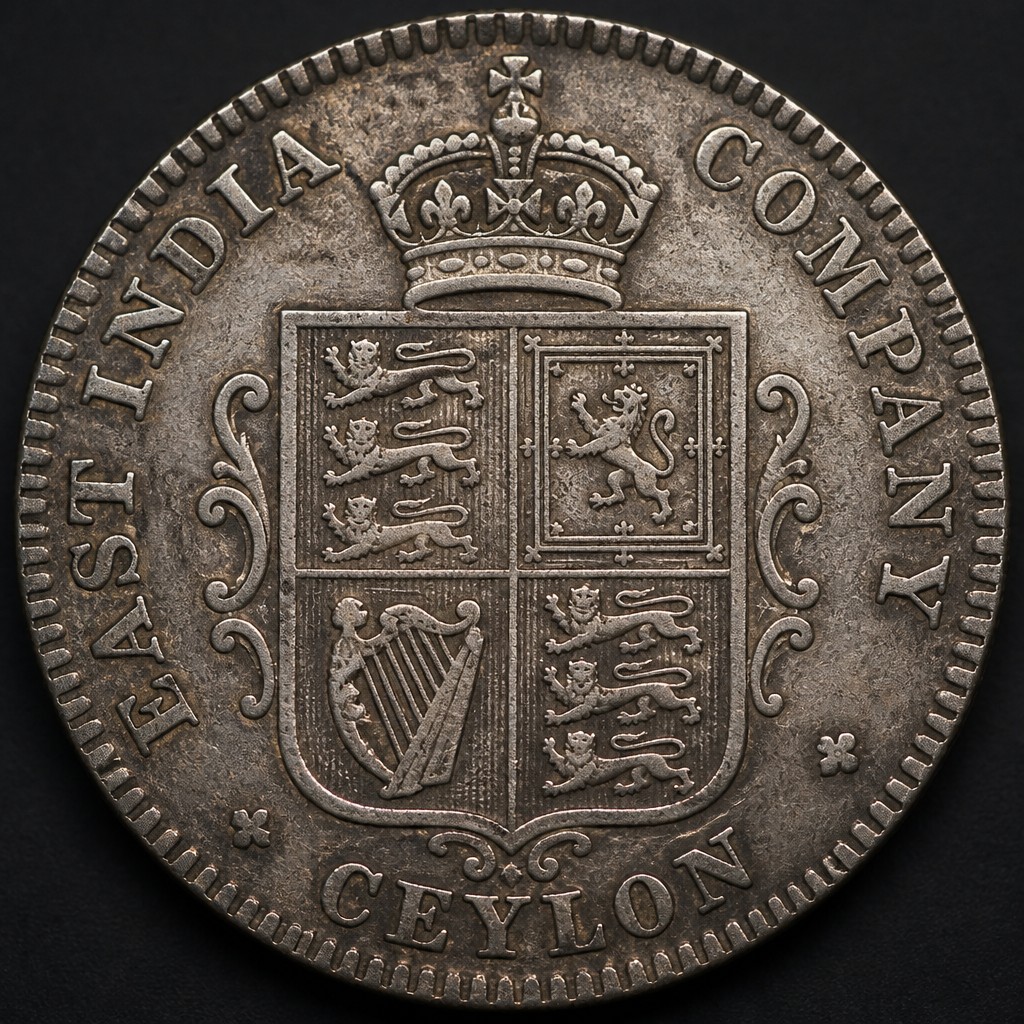
Ceylon (Sri Lanka) EIC Rixdollar
c. 1802–1821
Chinese Cash Coin (Qing Dynasty 'Kangxi Tongbao')
1662–1722
Chinese Hupeh Province Dragon Dollar
c. 1895–1909
Chinese Empire Silver Dollar (Hsuan Tung Dragon)
1909–1911
Thailand (Siam) Silver Baht 'Bullet Money' (Pod Duang)
c. 13th century – late 19th century
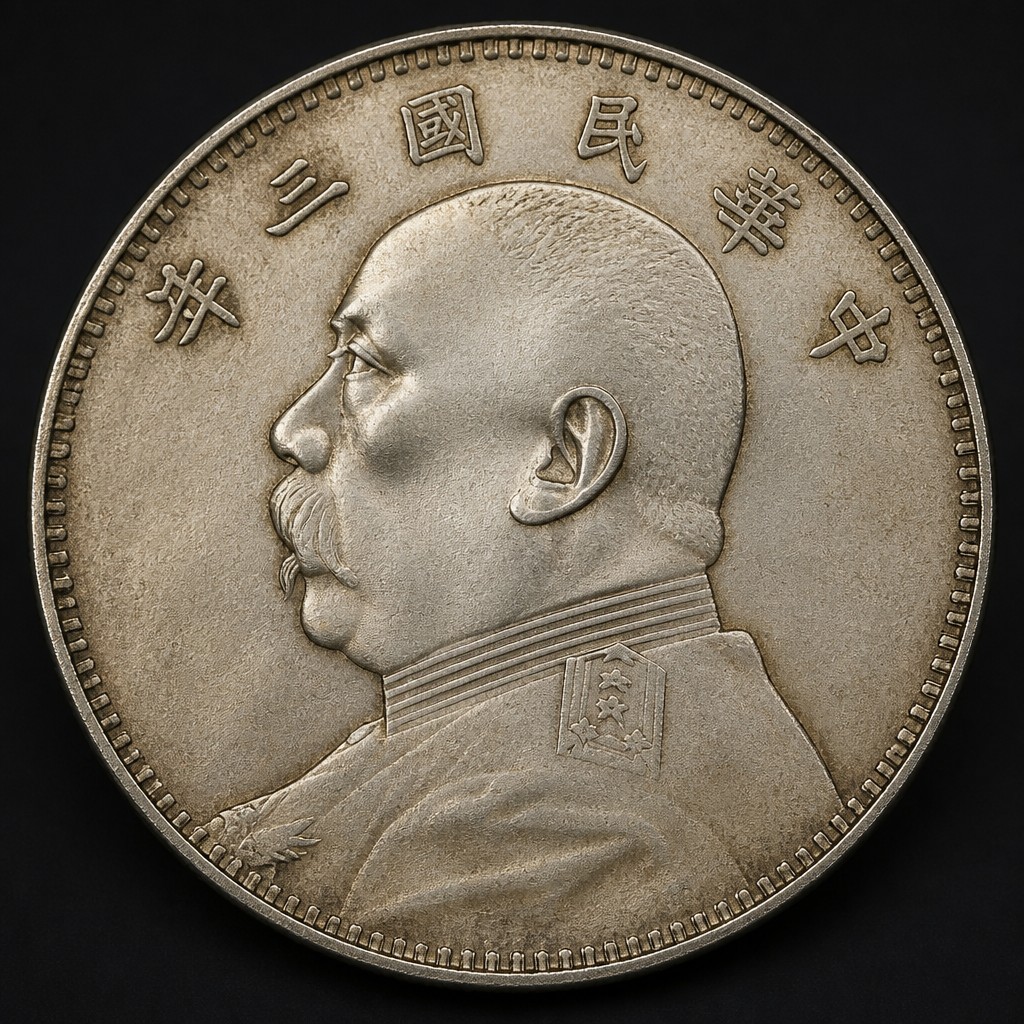
Yuan Shikai 'Fatman' Dollar (1914)
Dated 1914, struck into the early 1920s