
Coin Encyclopedia
Search and identify coins from around the world — with country, denomination, metal, mint, history, and how to tell them apart.
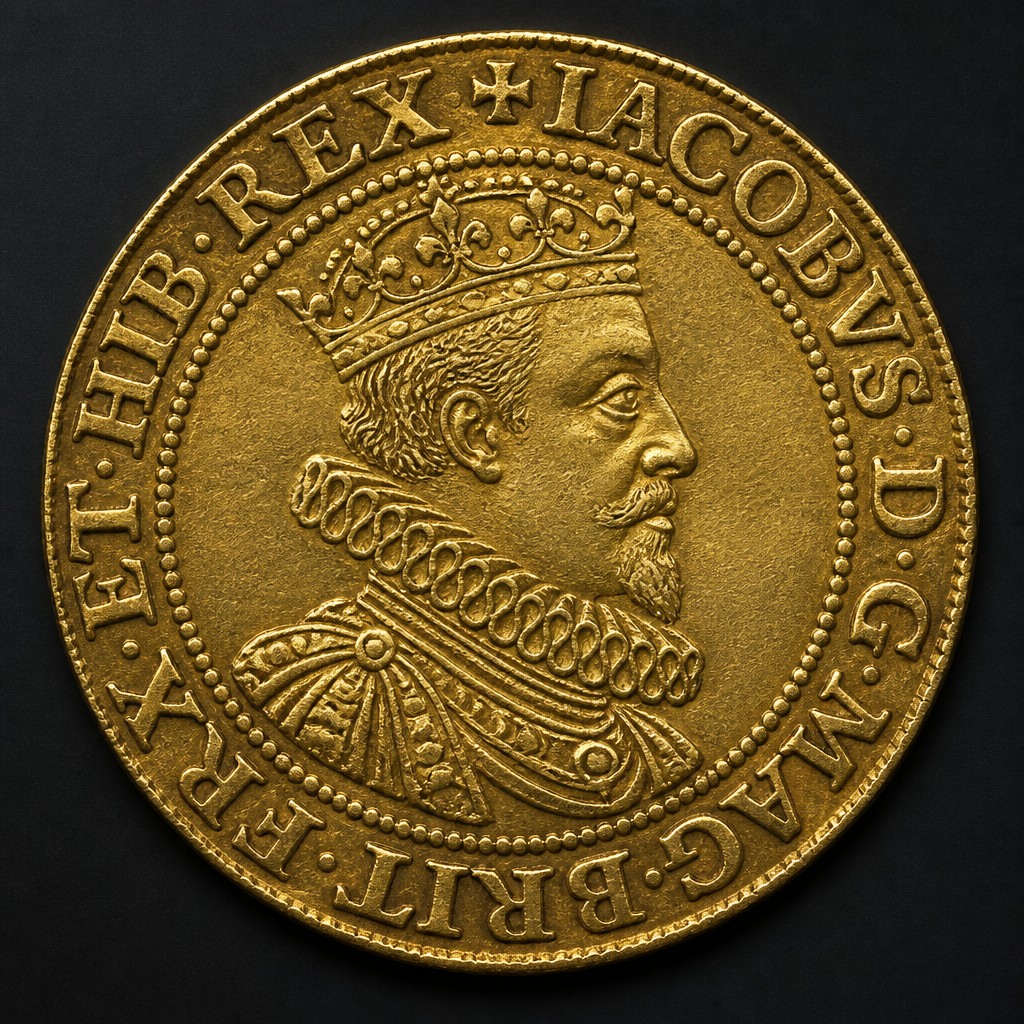
Unite
A gold twenty-shilling coin introduced by James I in 1604 to celebrate the union of the English and Scottish crowns, its name literally symbolizing the joining of the two kingdoms.
British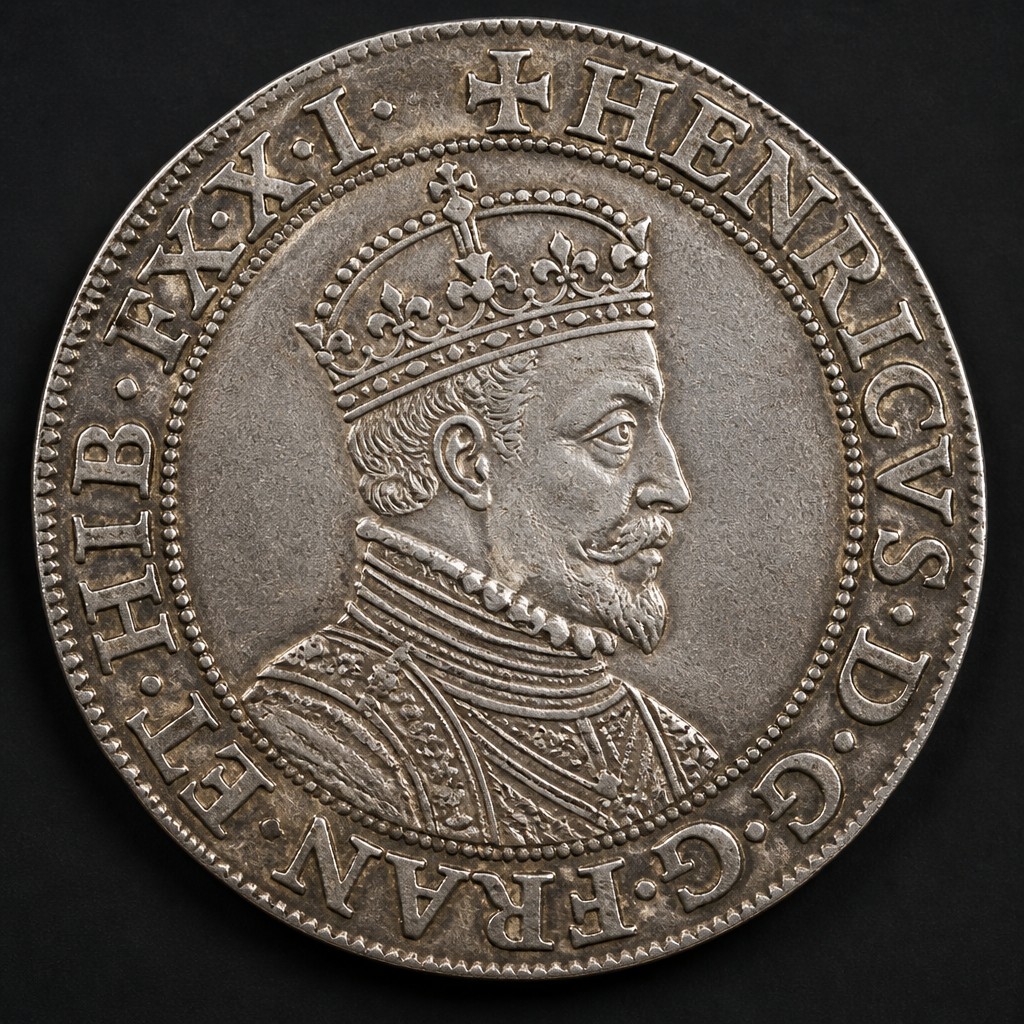
Testoon
The earliest English coin to carry a realistic royal portrait, introduced under Henry VII around 1487 as the forerunner of the shilling, later continued and debased under Henry VIII.
British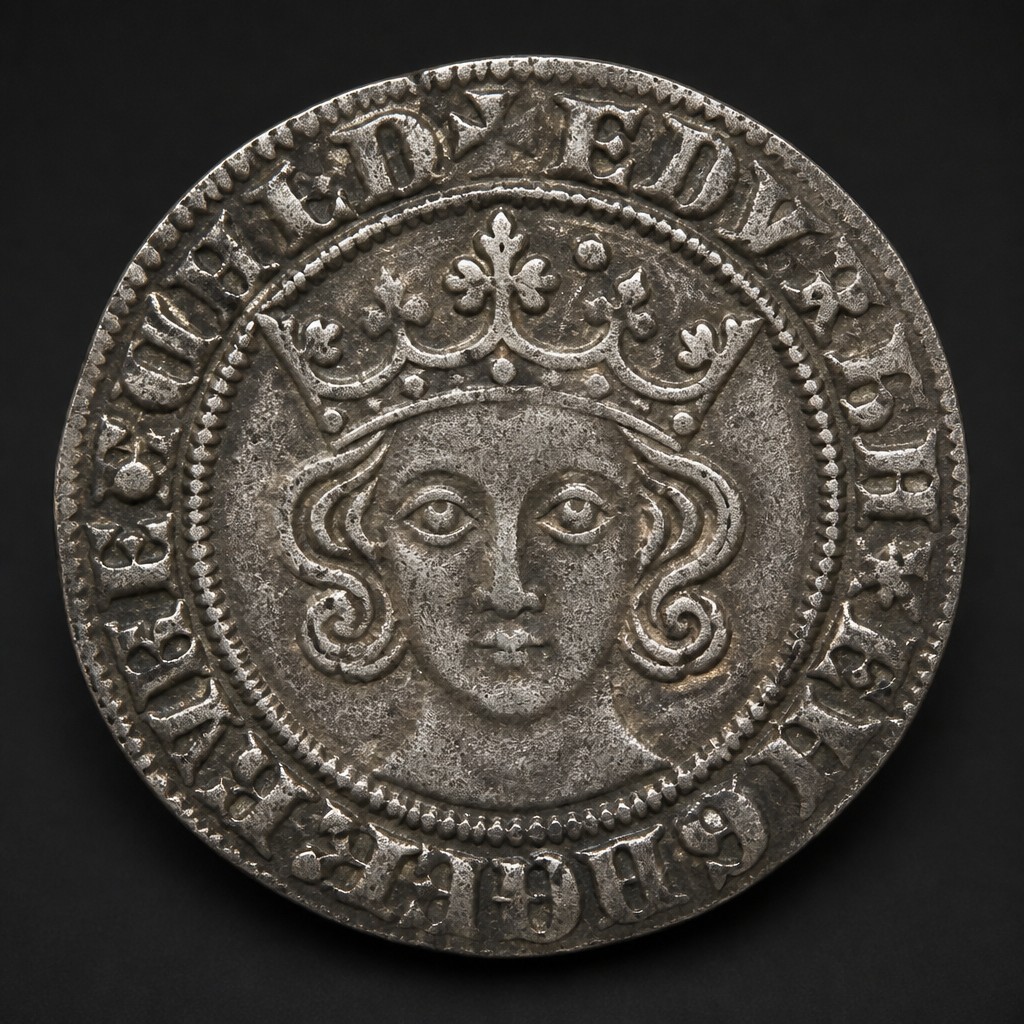
Half Groat
A small hammered silver coin worth half the value of the groat, or two pence, struck across three centuries of English coinage from the reign of Edward III through the Stuart era.
British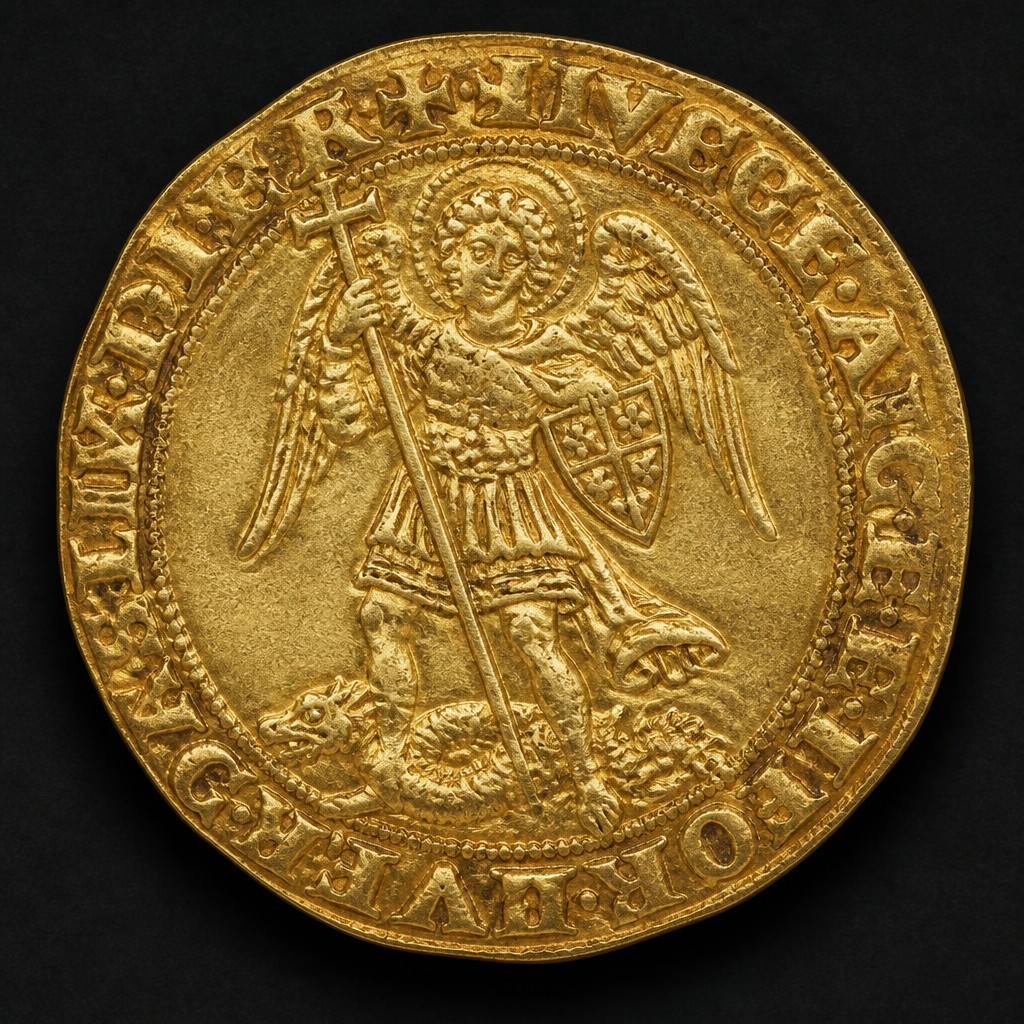
Half Angel (Angelet)
A small English gold coin worth half the value of the Angel, sharing its famous design of the Archangel Michael slaying a dragon, issued across several reigns from Edward IV to James I.
British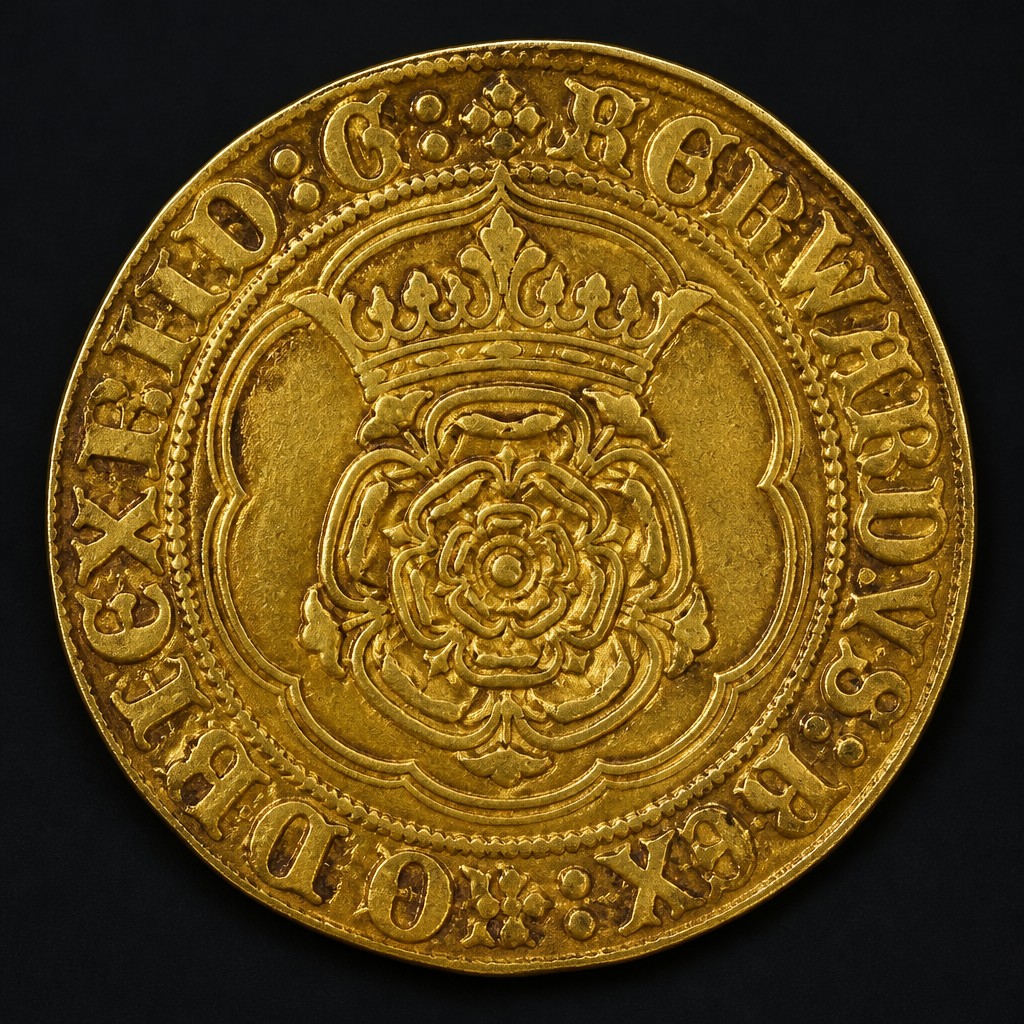
Rose Noble (Ryal)
A large English gold coin first struck under Edward IV in 1465, showing the king standing in a ship, and later revived in the Tudor era as a heavier, higher-value gold piece.
British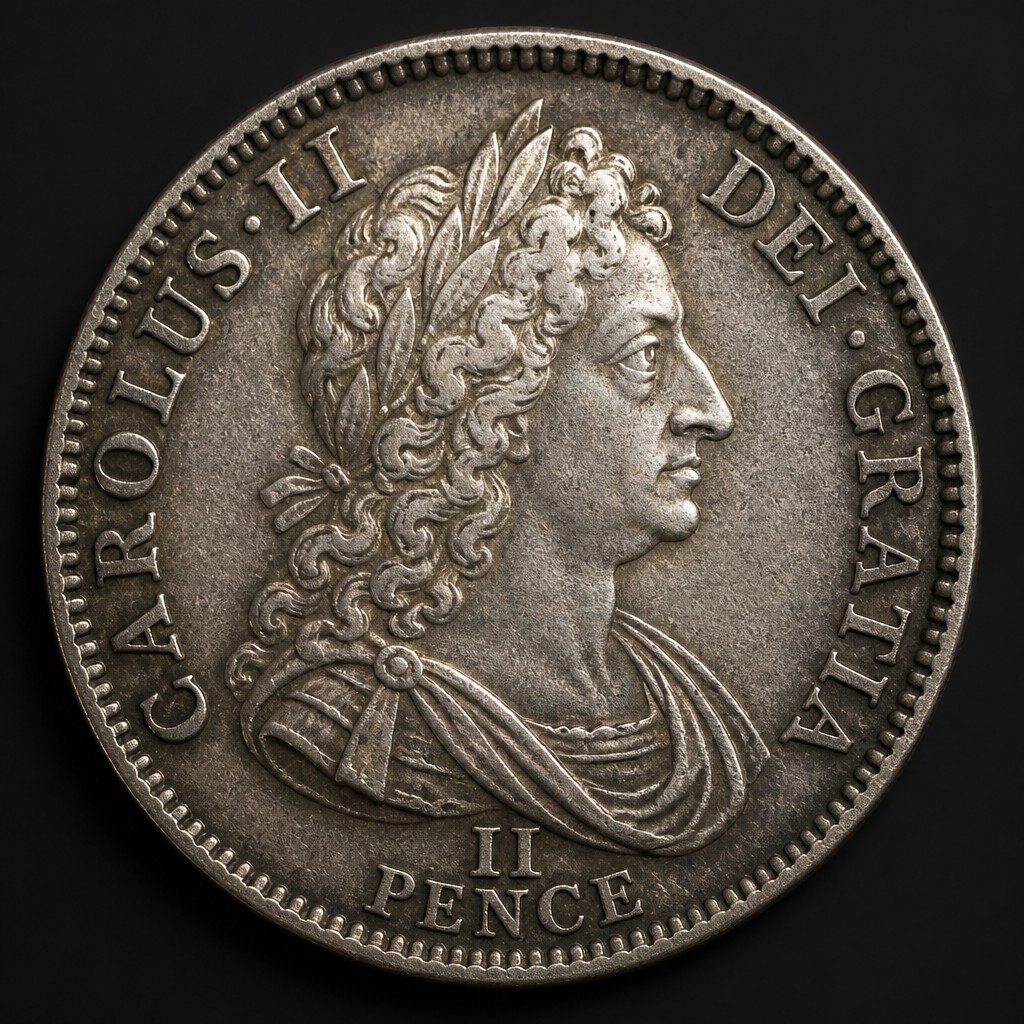
Maundy Twopence
A small silver twopence struck each year as part of the Royal Maundy set, historically descended from the medieval silver half groat and still distributed in the annual royal alms ceremony.
British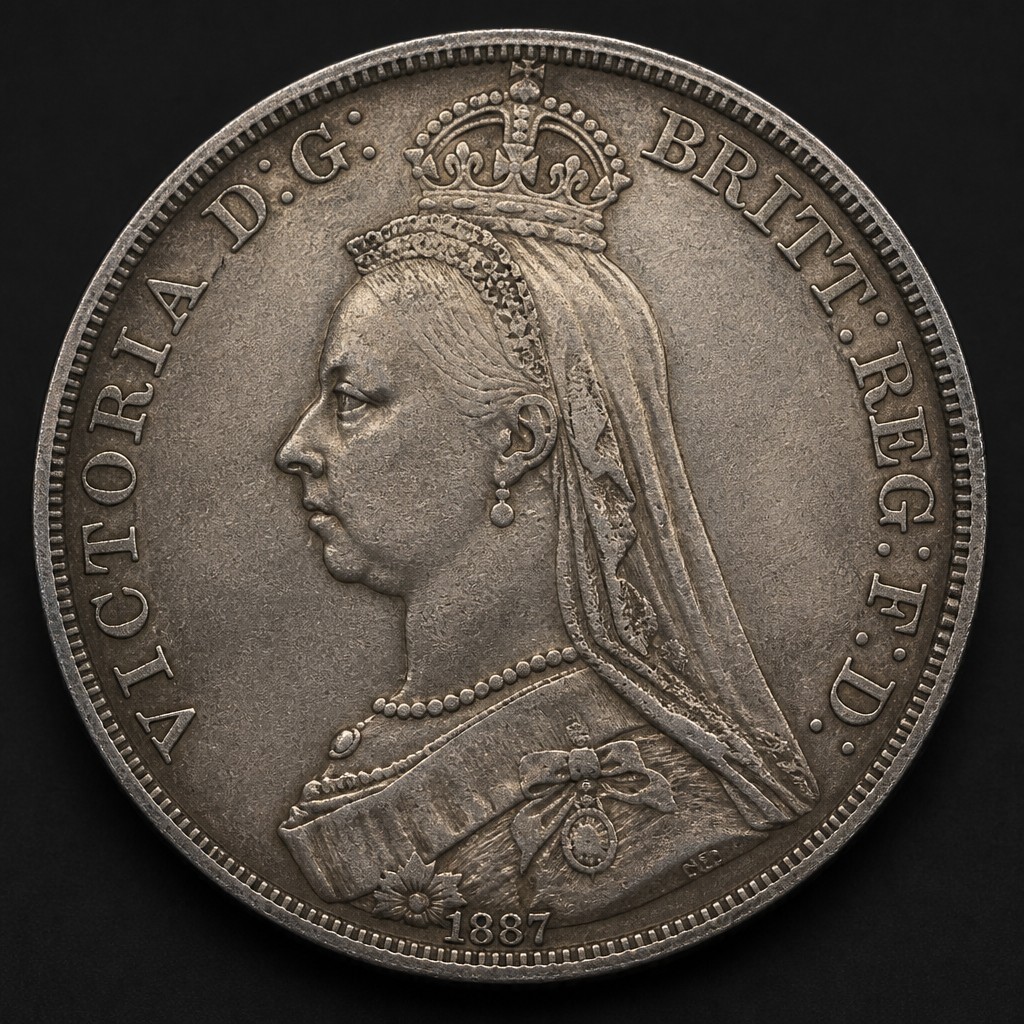
Double Florin
A large Victorian silver coin worth four shillings, struck for only four years; its close resemblance in size to the crown and half-crown caused everyday confusion and gave it a lasting nickname.
British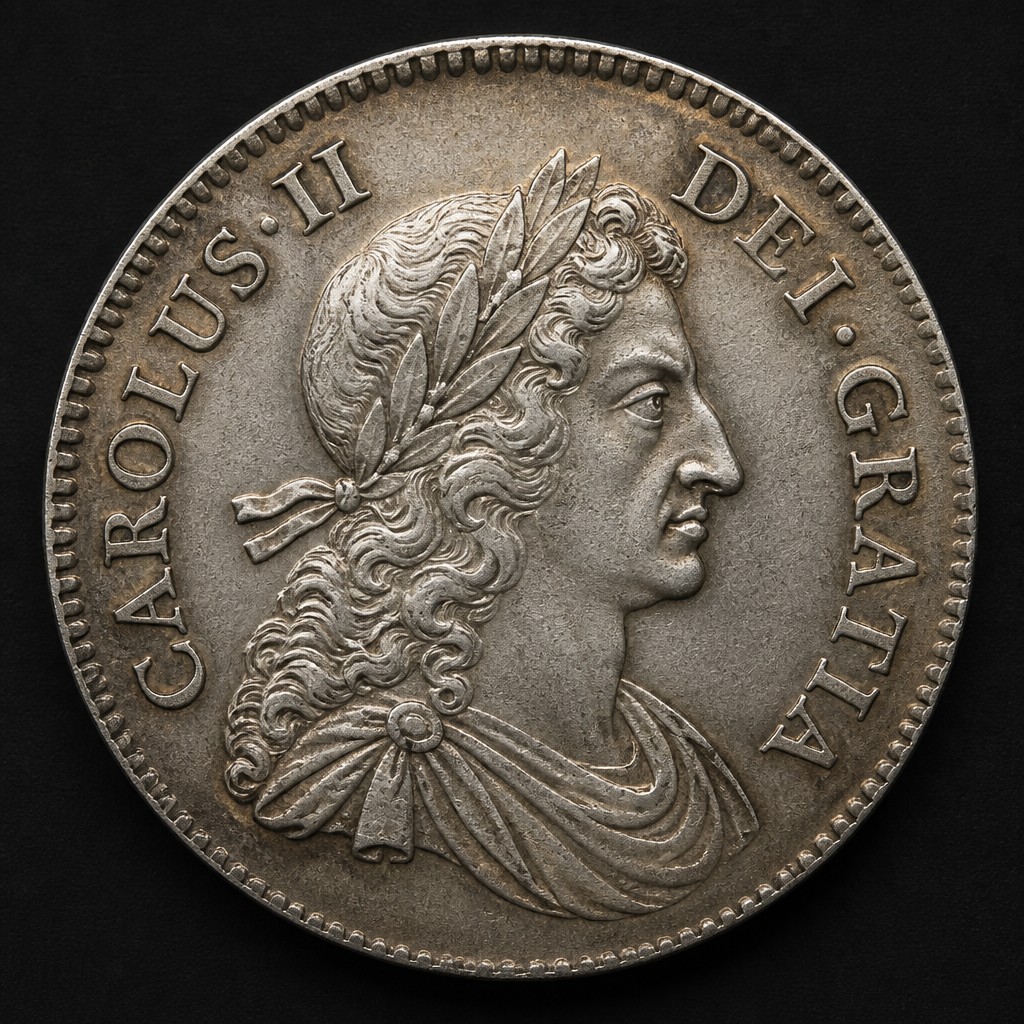
Maundy Penny
The smallest coin of the four-piece Royal Maundy set, a tiny silver penny given by the British monarch in an ancient Holy Thursday alms ceremony, minted every year in very limited numbers.
British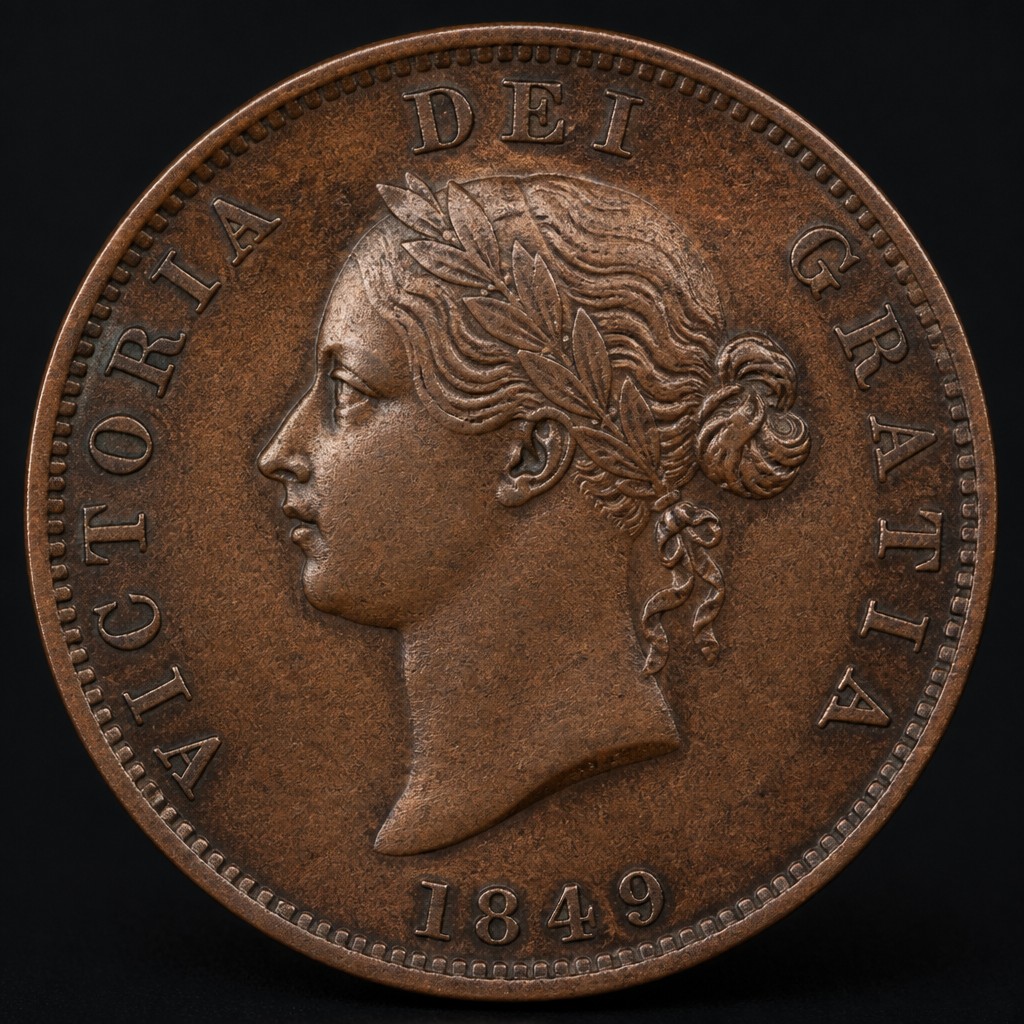
Half Farthing
A tiny copper coin worth one-eighth of a penny, struck mainly for use in colonial Ceylon during the reigns of George IV, William IV, and Victoria.
British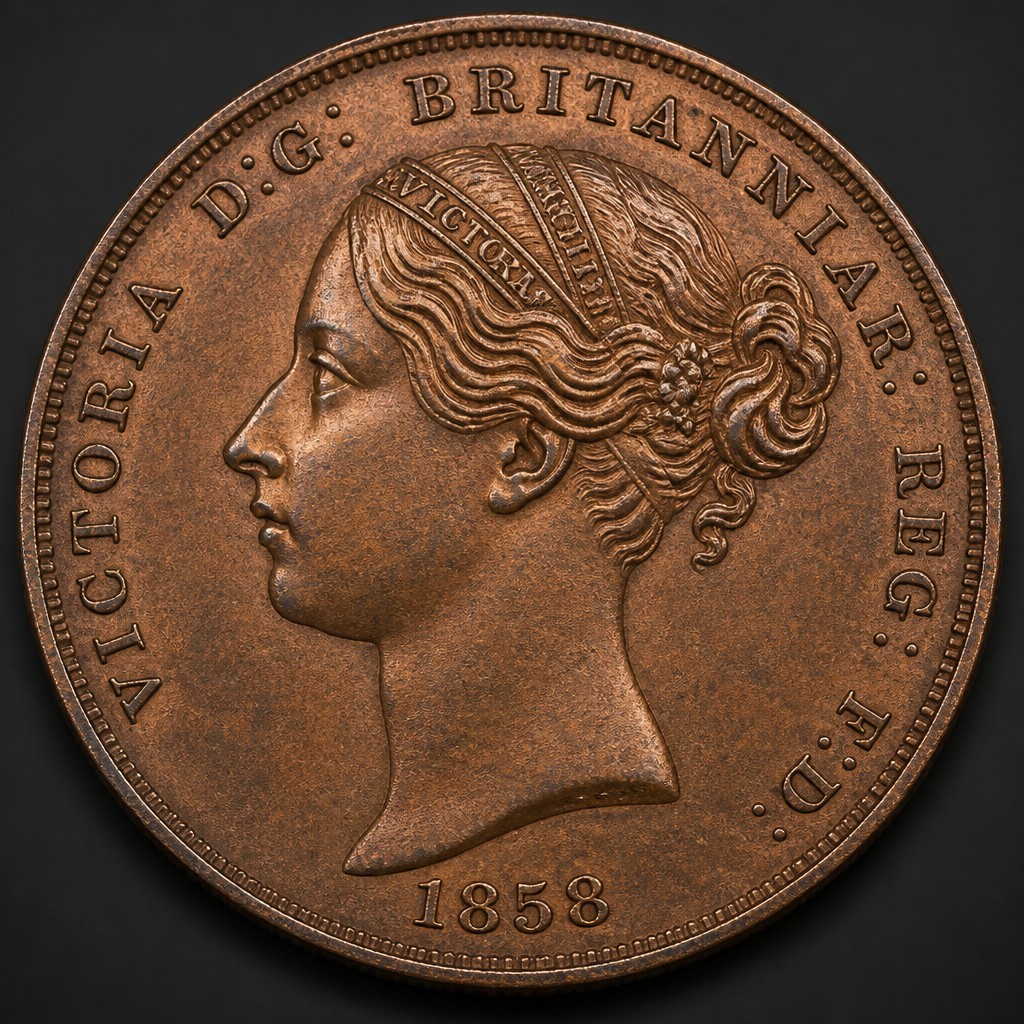
Quarter Farthing
The smallest fractional denomination in British coinage, worth one-sixteenth of a penny, struck primarily for use in colonial Ceylon during Victoria's reign.
British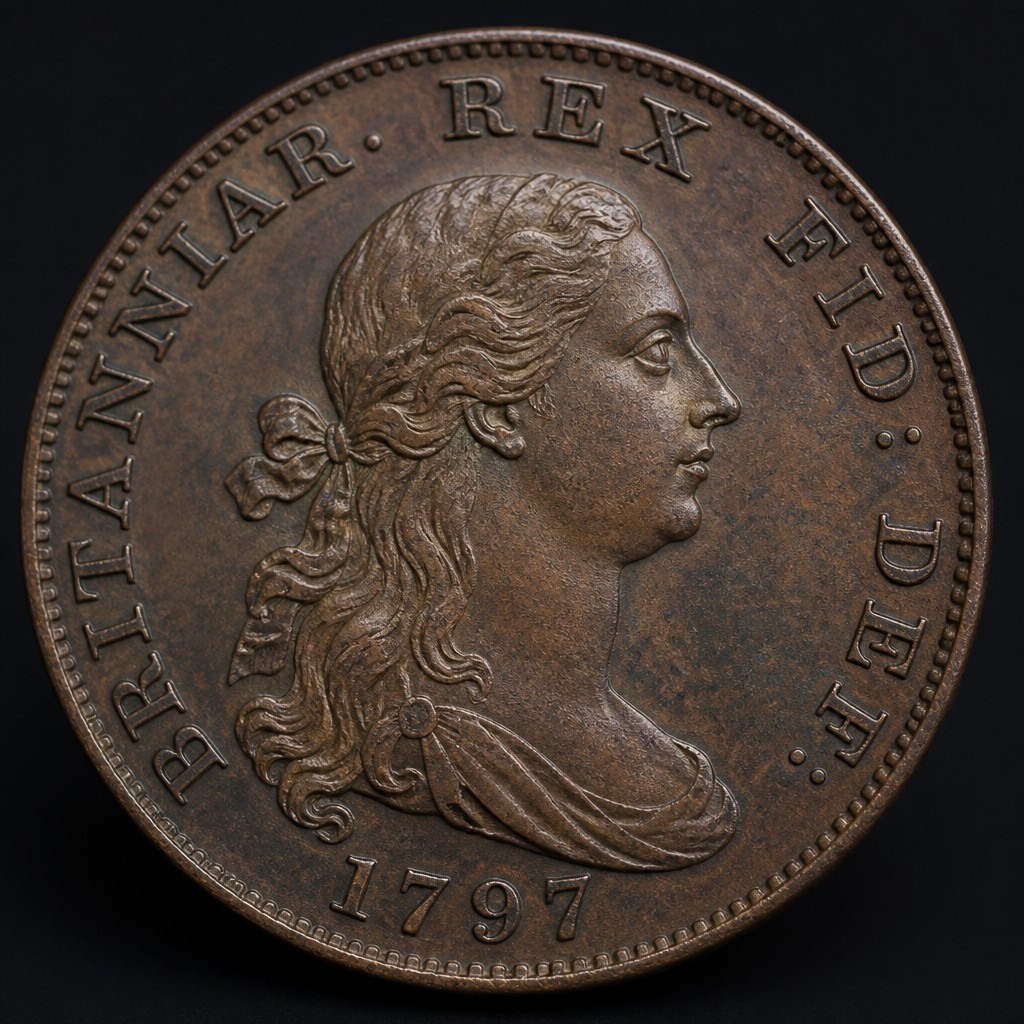
Cartwheel Penny (1797)
A massive, one-ounce copper penny struck in 1797 by Matthew Boulton's Soho Mint, nicknamed the Cartwheel Penny for its thick raised rim resembling a cart's wheel and axle.
British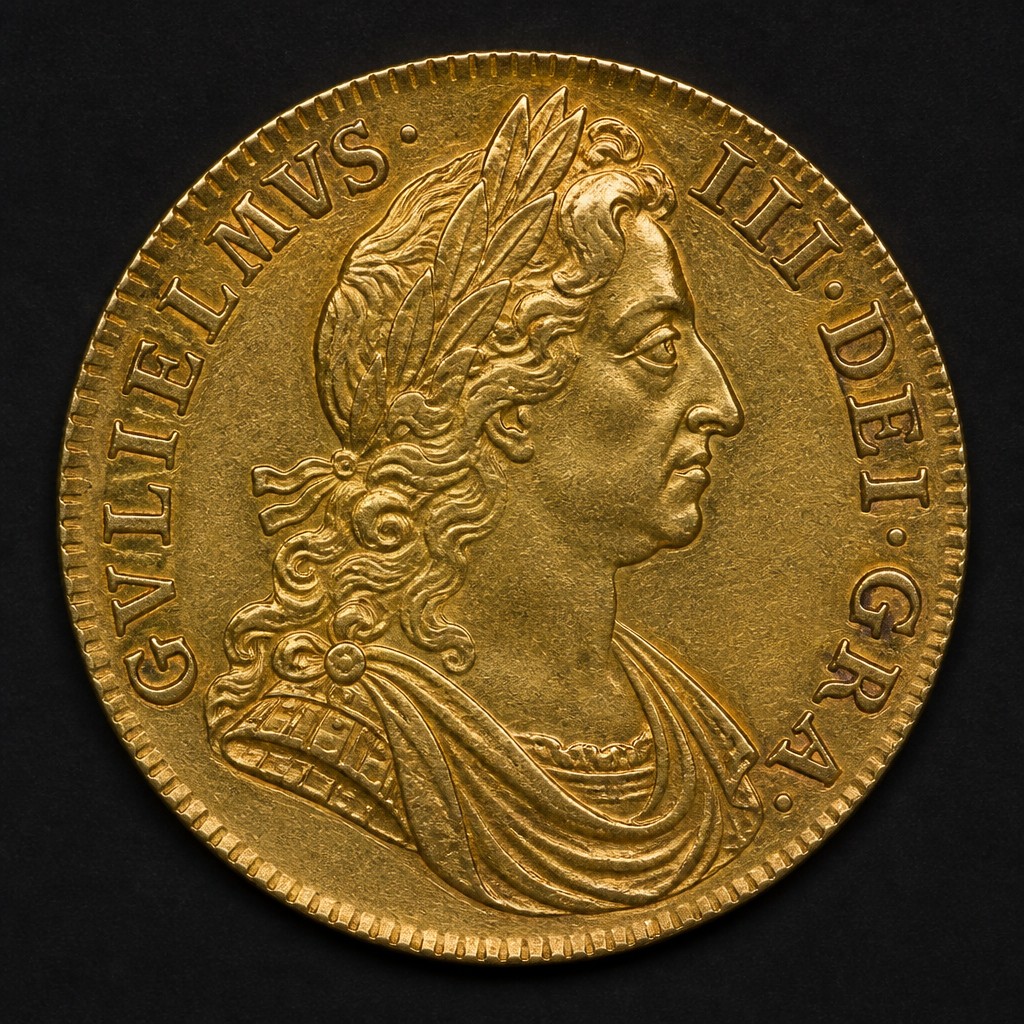
Five Guinea
The largest regularly issued gold denomination of the guinea coinage system, worth five guineas, struck from the reign of Charles II through George II for major transactions and presentation purposes.
British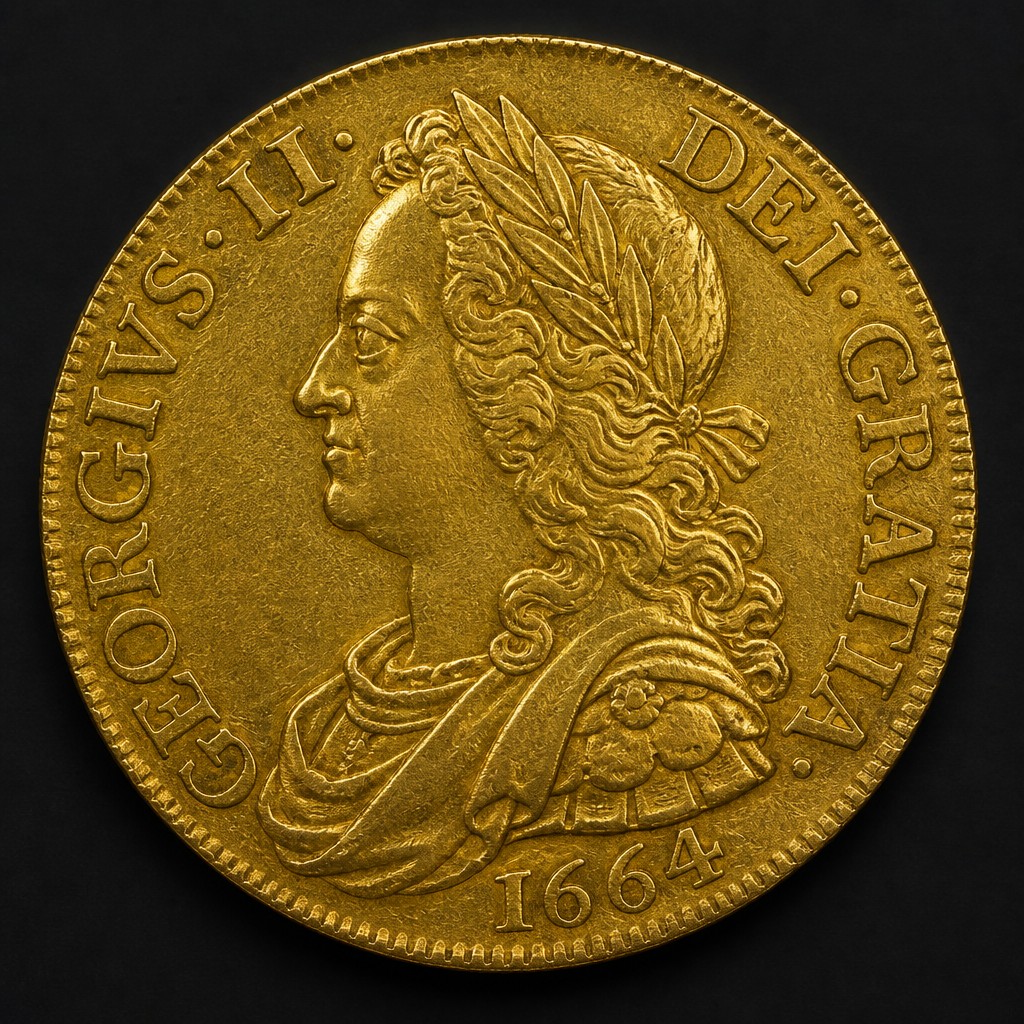
Two Guinea (Double Guinea)
A substantial gold coin worth two guineas, struck intermittently from the reign of Charles II through George II as part of England and Great Britain's early guinea coinage system.
British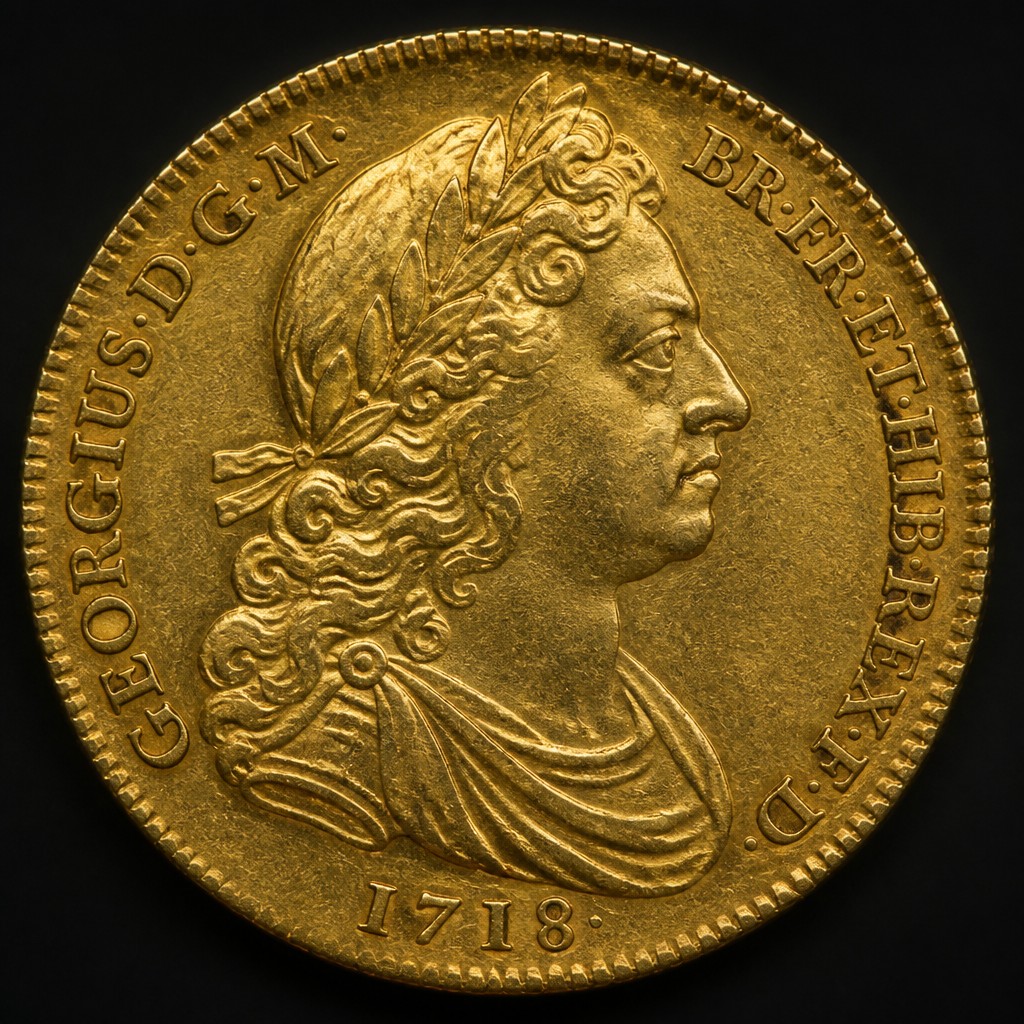
Quarter Guinea
A rarely issued small gold coin worth one-quarter of a guinea, struck only in 1718 under George I and again briefly in 1762 under George III.
British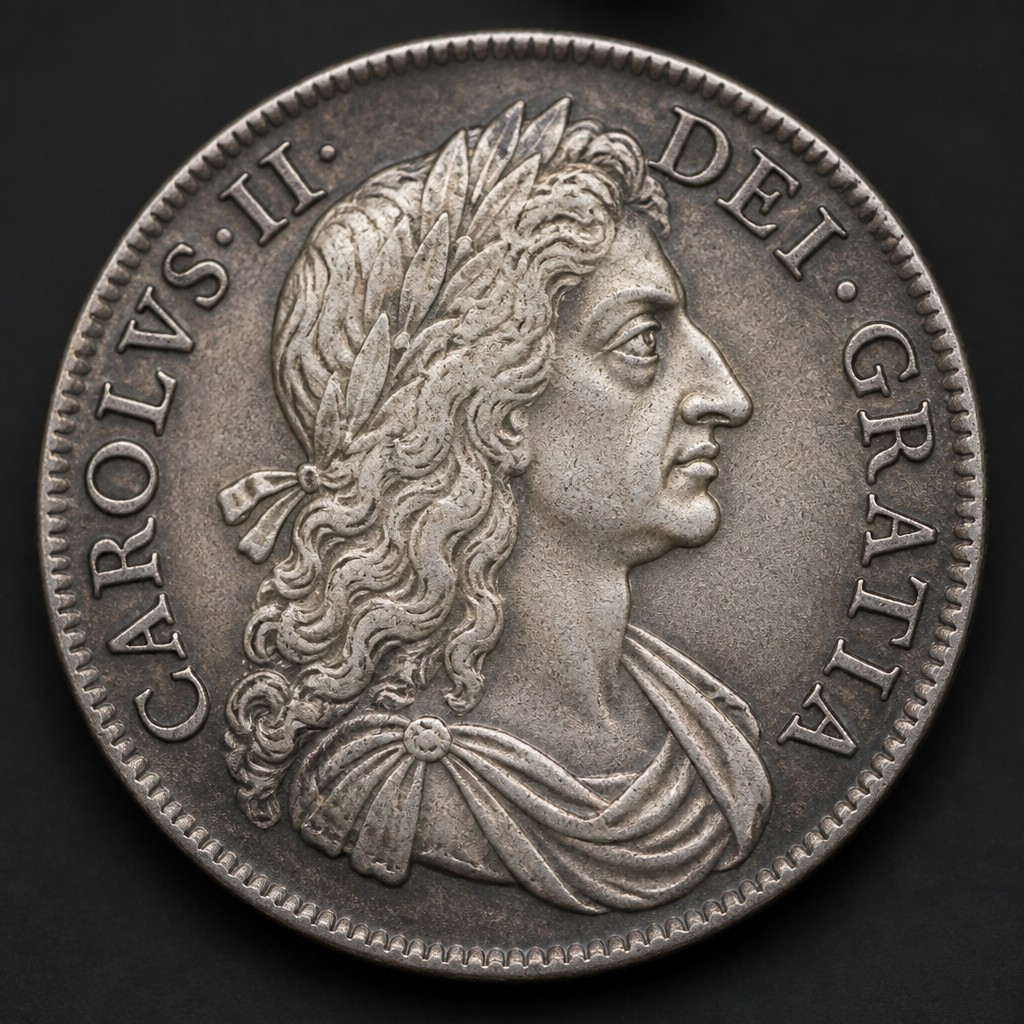
Maundy Money Set
A set of tiny sterling silver coins in four denominations, specially struck each year for the monarch to distribute personally to elderly recipients in the Royal Maundy ceremony on Maundy Thursday.
British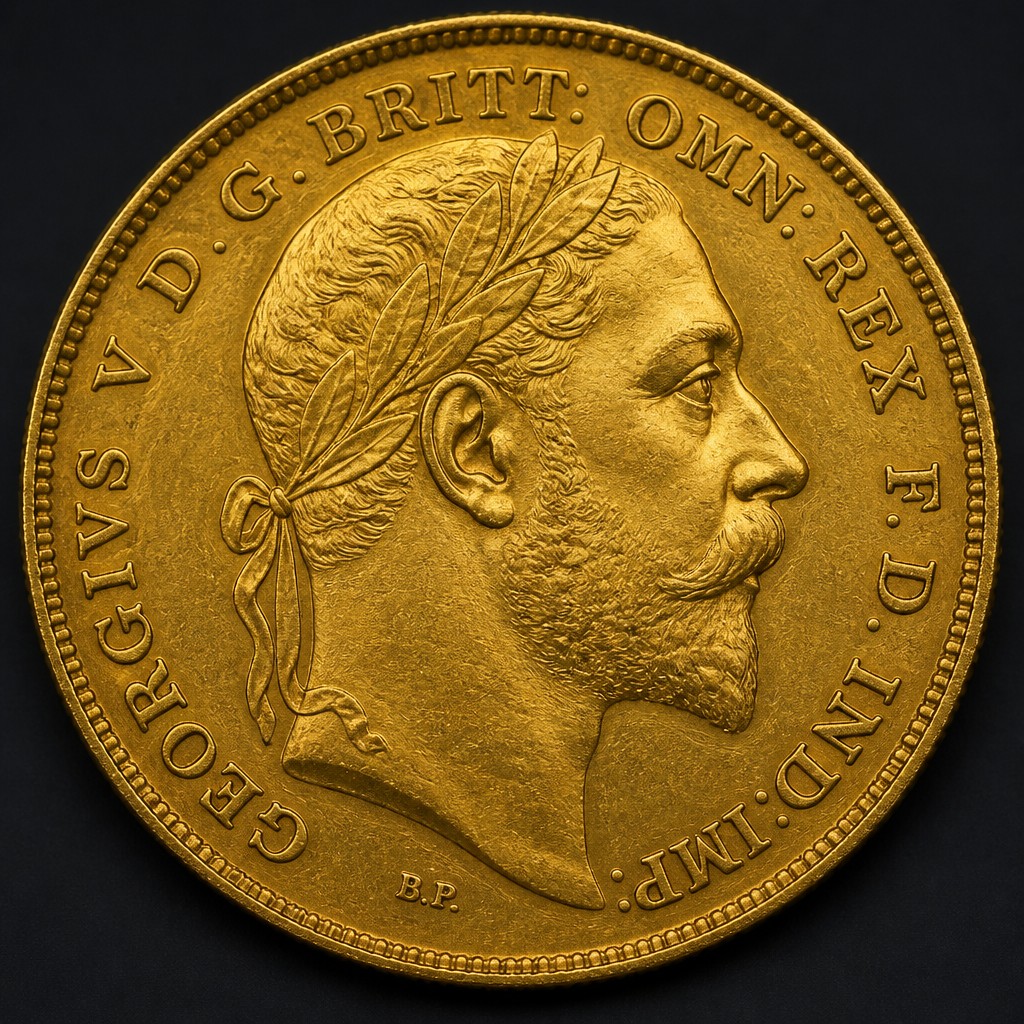
Two Pound Gold (Double Sovereign)
A gold coin worth two pounds sterling and roughly twice the weight of a sovereign, struck mainly for jubilees, coronations, and modern proof or bullion sets rather than daily circulation.
British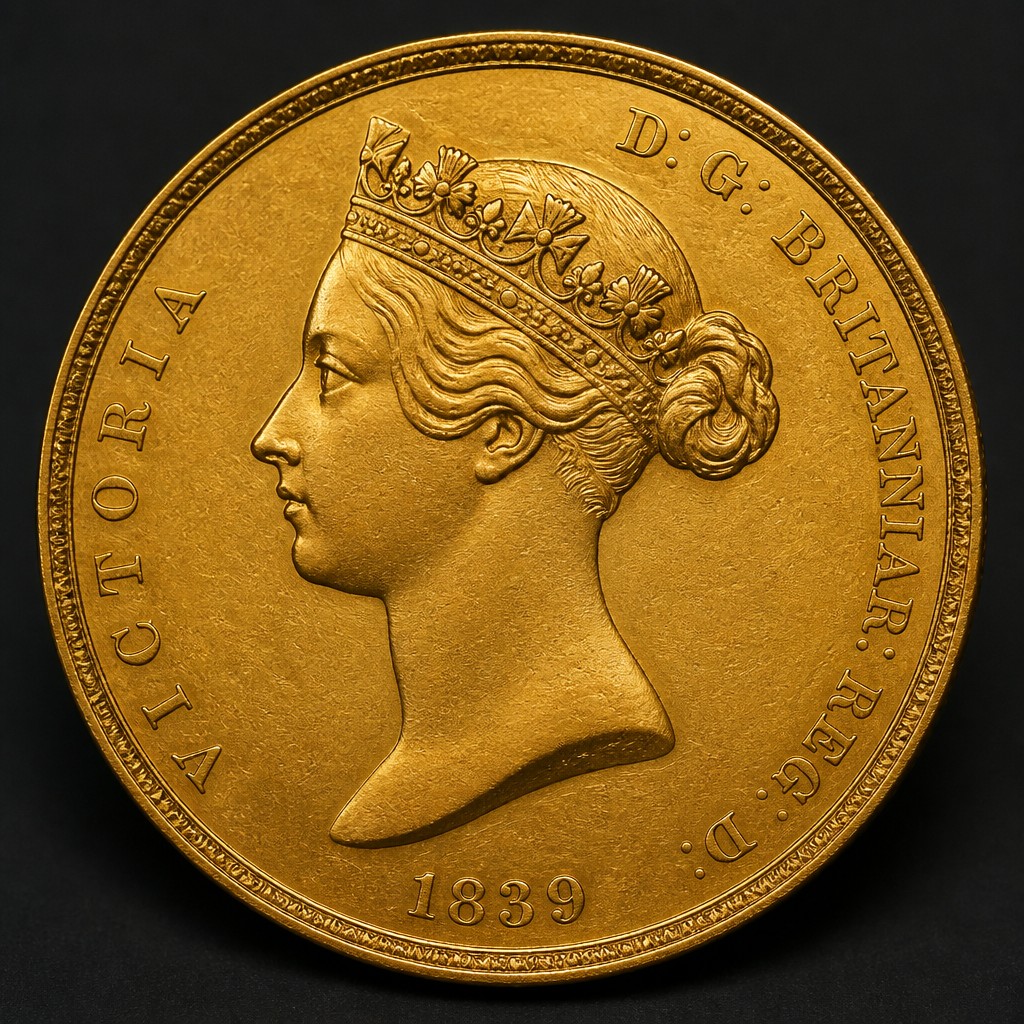
Una and the Lion Five Pound
A legendary 1839 gold proof depicting young Queen Victoria as Una leading a lion, widely considered one of the most beautiful coins ever struck and a benchmark of Victorian coin art.
British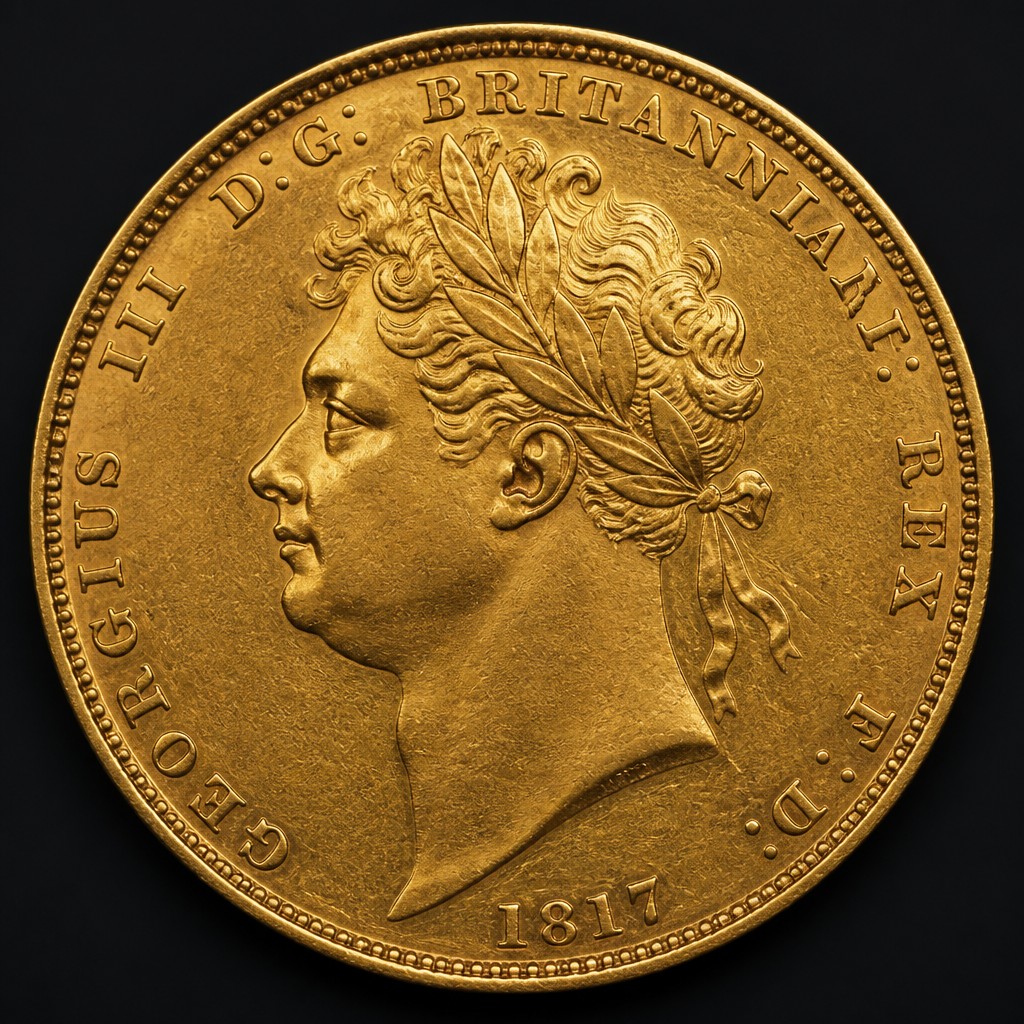
St George Sovereign (Pistrucci)
The modern gold sovereign's iconic reverse showing St George slaying the dragon, engraved by Benedetto Pistrucci in 1817 and still used on British sovereigns to this day.
British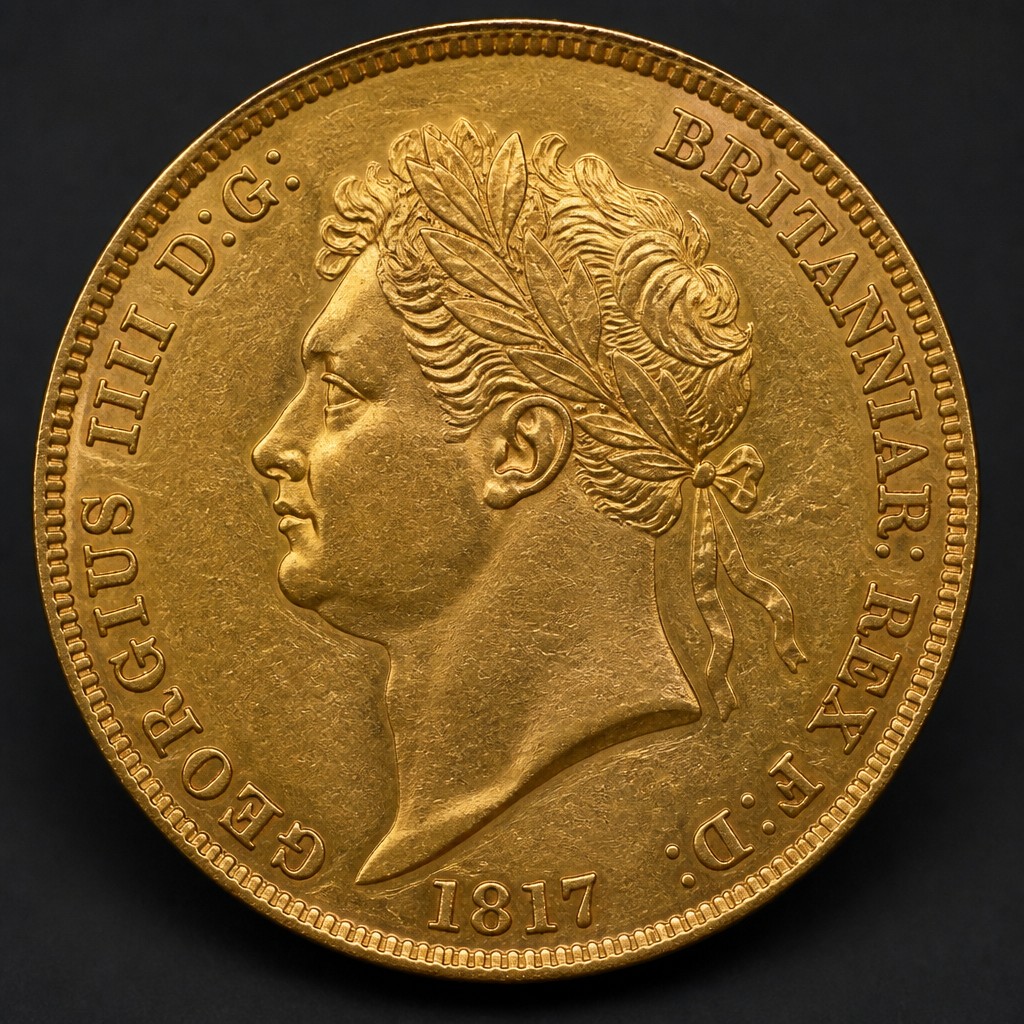
British Gold Sovereign
Historic British gold coin featuring Saint George slaying the dragon, minted since 1817 and still struck today as both a circulation-era relic and modern bullion/collector coin.
British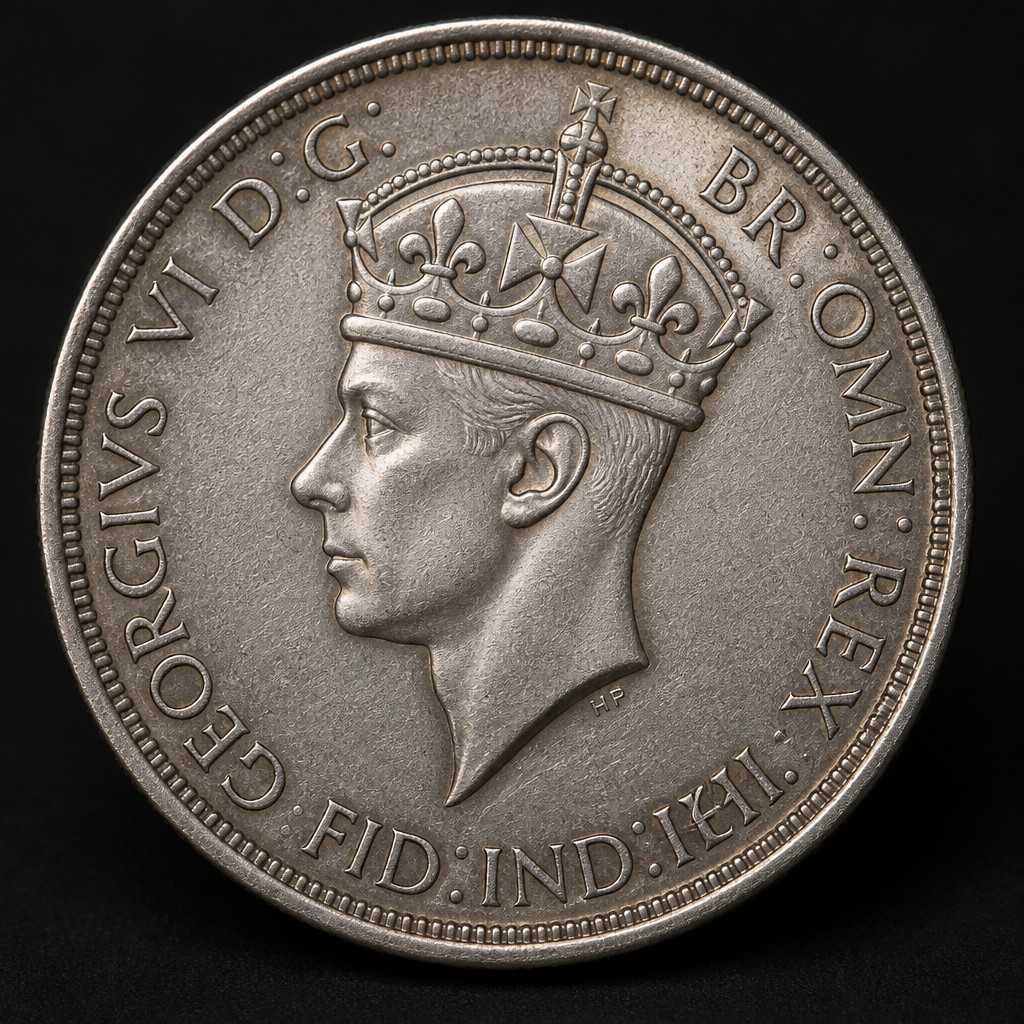
British Crown
Valued at five shillings, the British crown is a large silver (and later cupro-nickel) coin with a production history stretching from Tudor England to modern commemorative issues.
British