
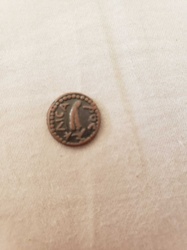
Inca Token (Promotional/Novelty)
Unknown (Likely USA or Peru) · Late 20th Century (Modern Reproduction)
None (Token)
Category
Browse ancient greece (likely attica, athens) coins identified by the Coin Identifier community.
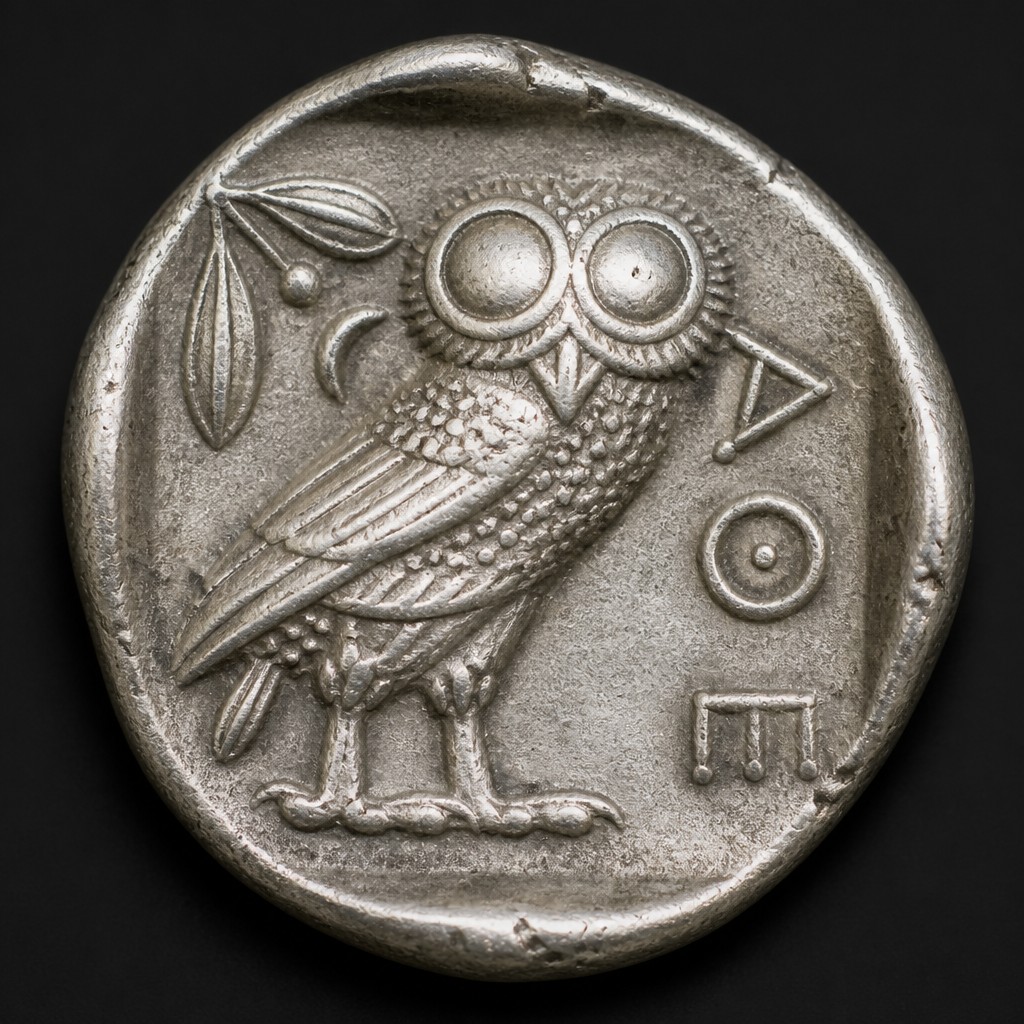
Athens New Style Owl Tetradrachm
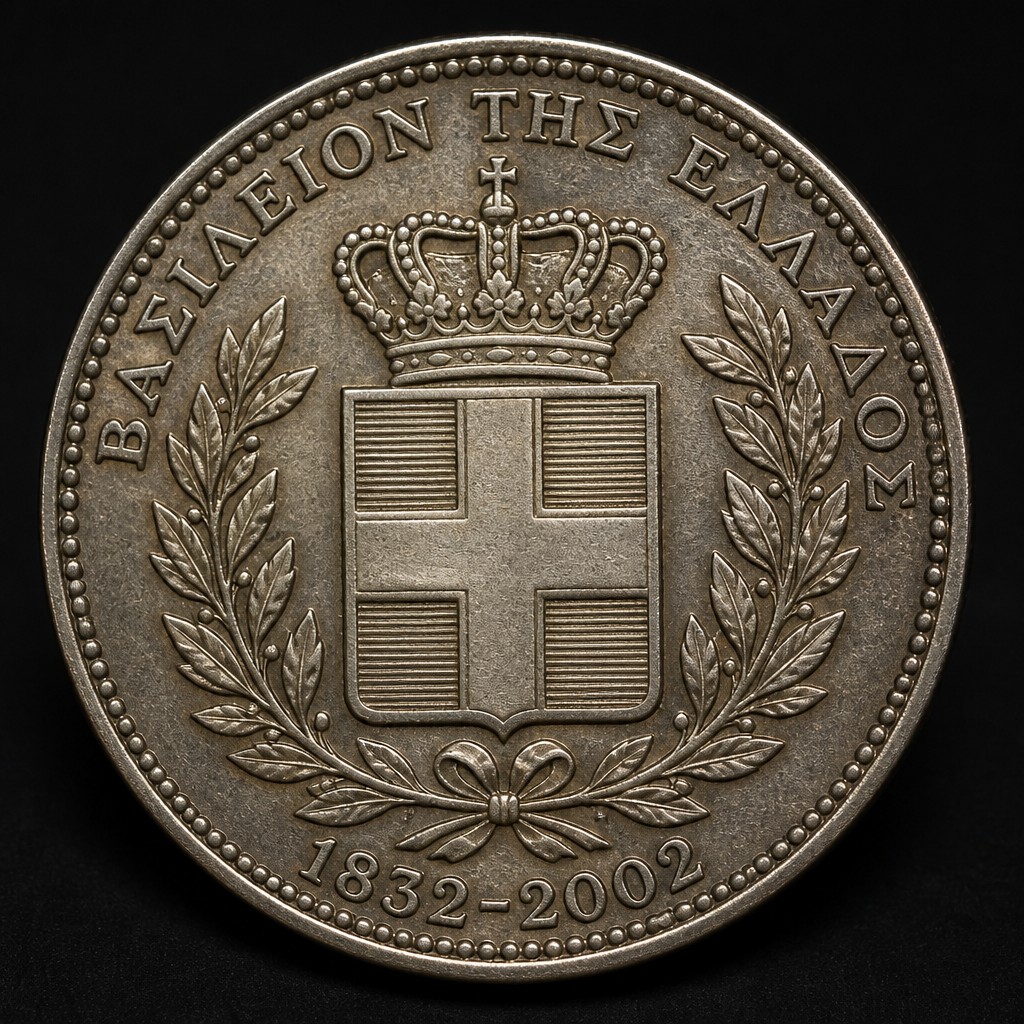
Greek Drachma
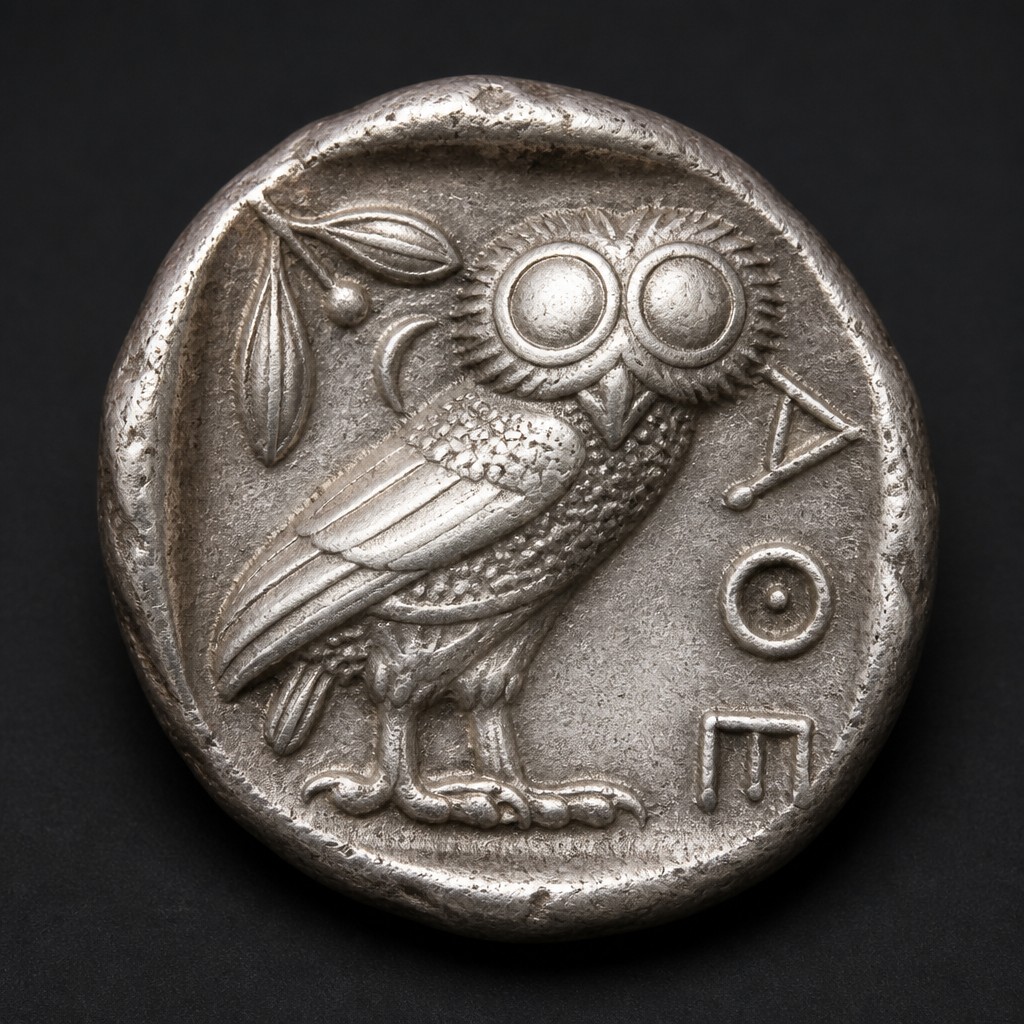
Athenian Owl Tetradrachm
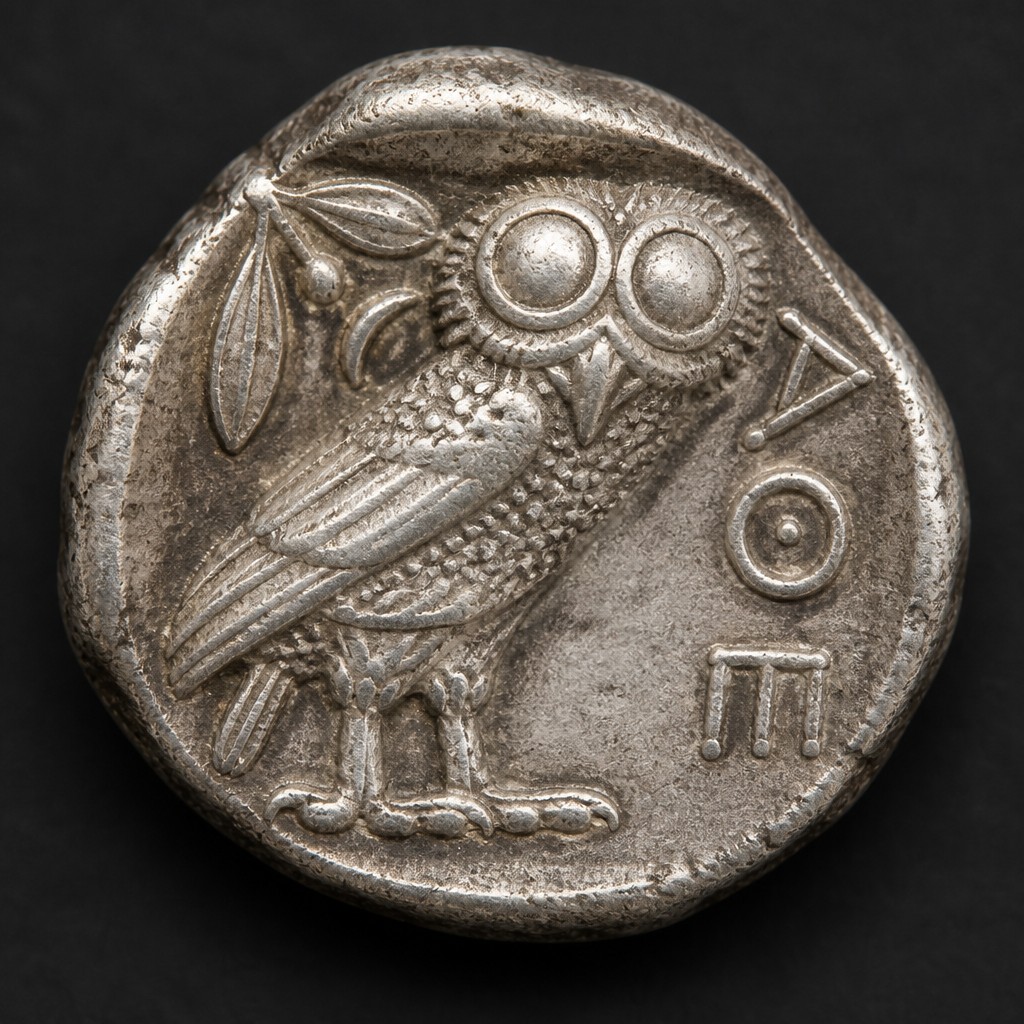
Athenian Owl Dekadrachm
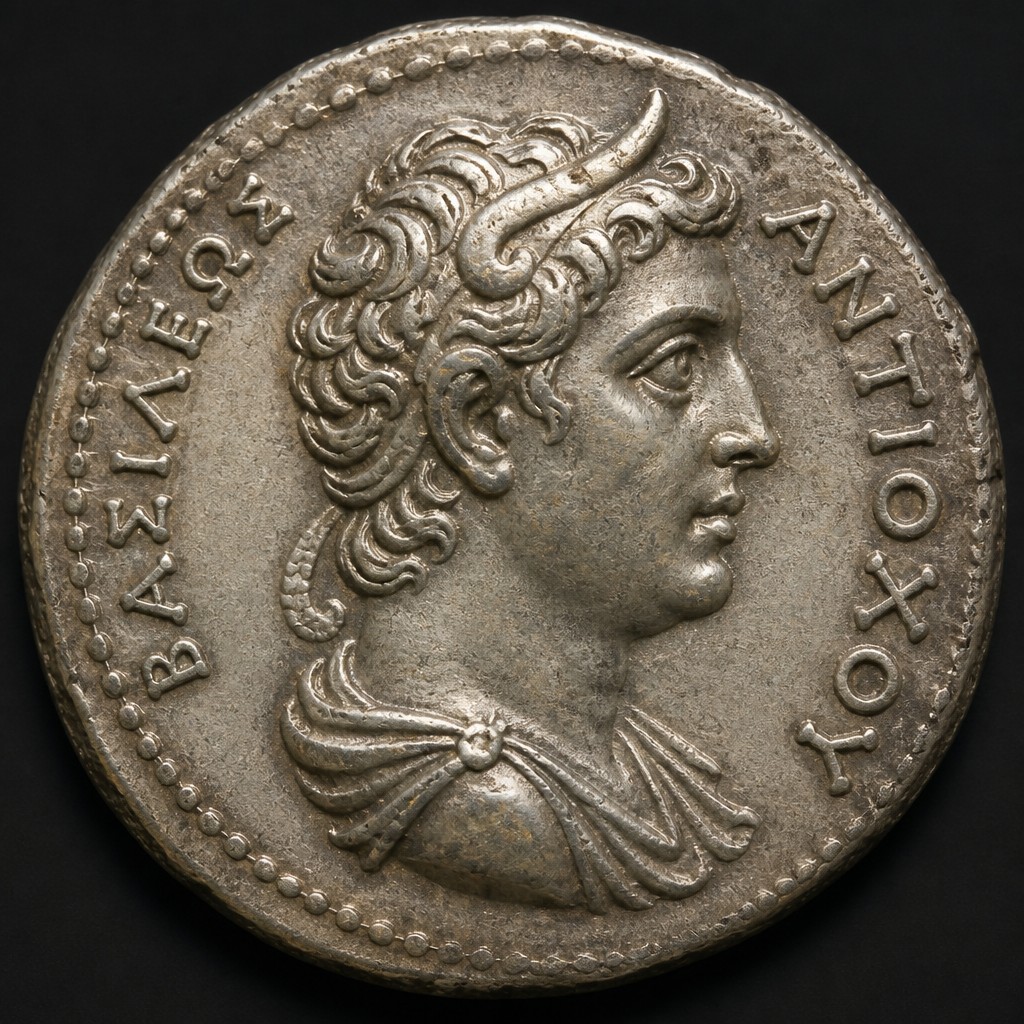
Bactrian Silver Tetradrachm
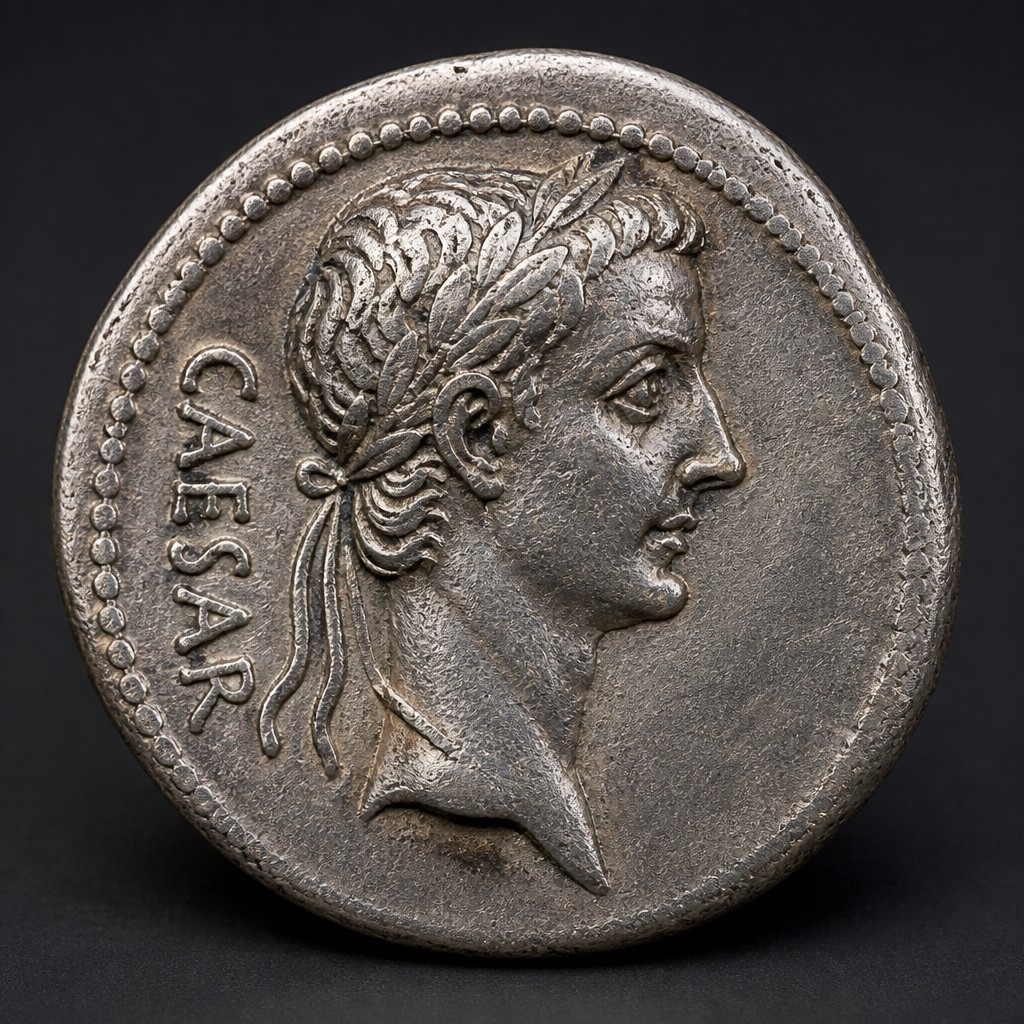
Julius Caesar Elephant Denarius
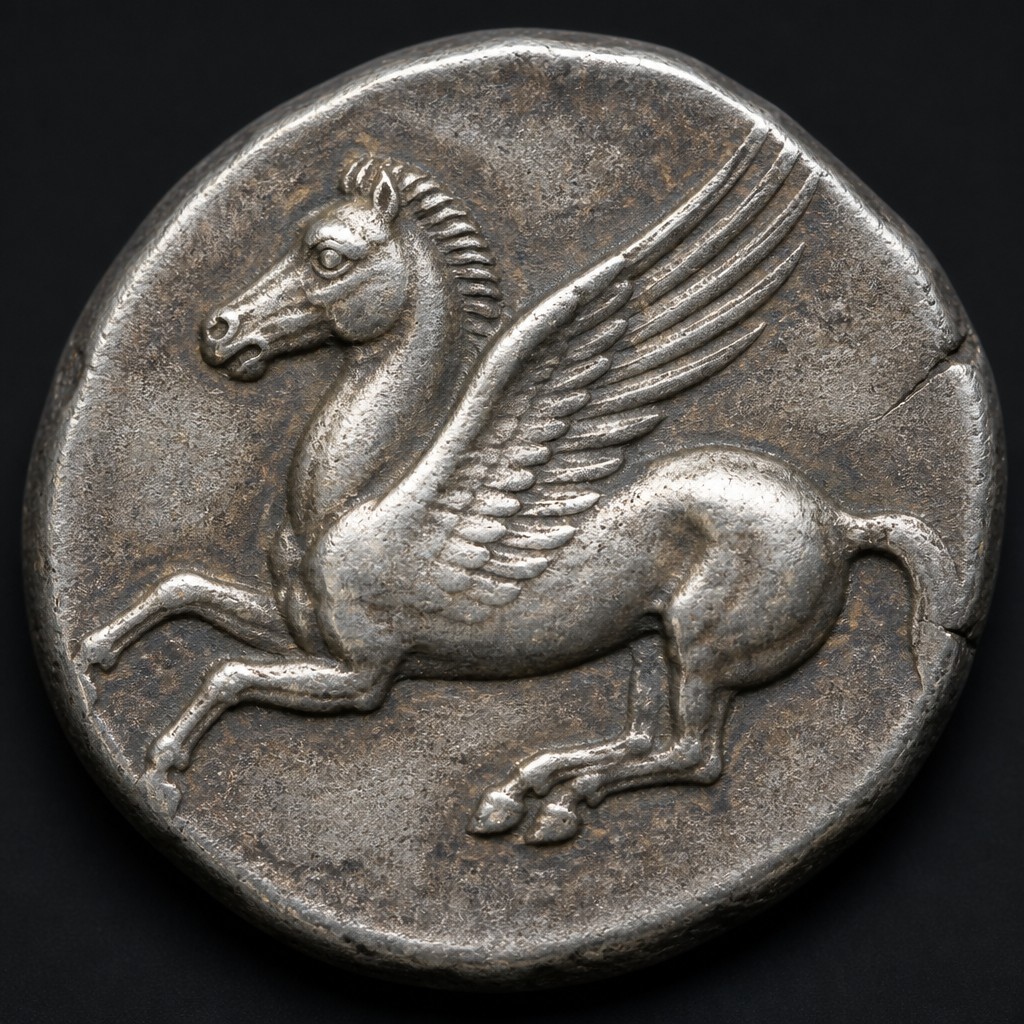
Corinthian Pegasus Stater
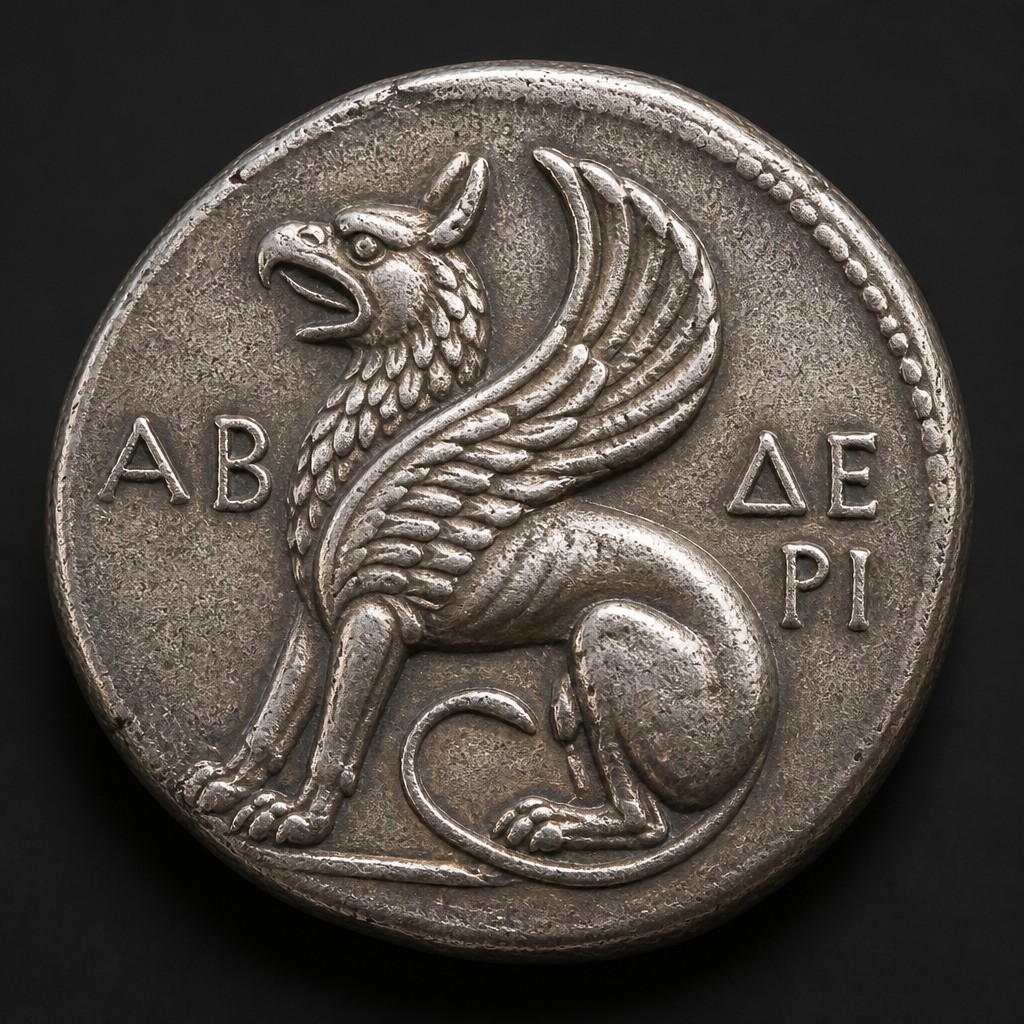
Abdera Griffin Tetradrachm
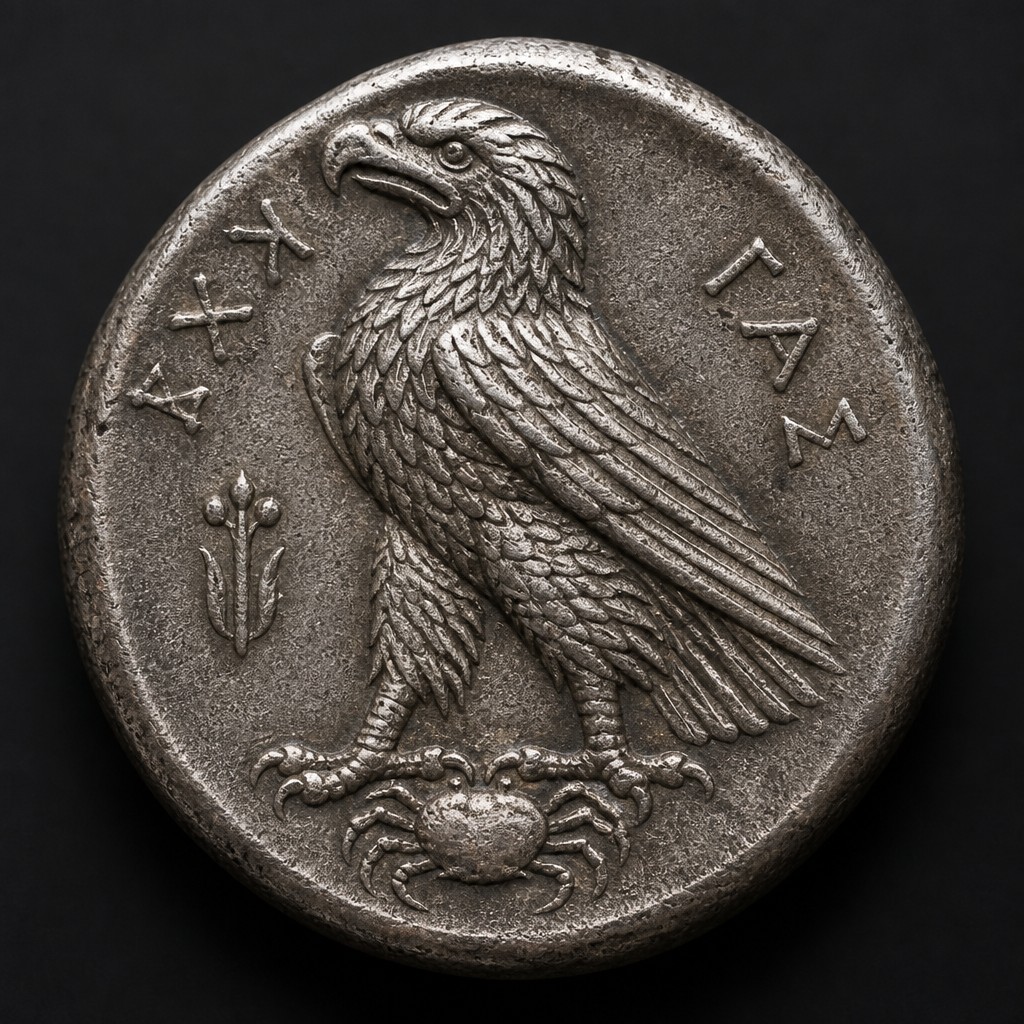
Akragas (Agrigentum) Eagle and Crab Tetradrachm
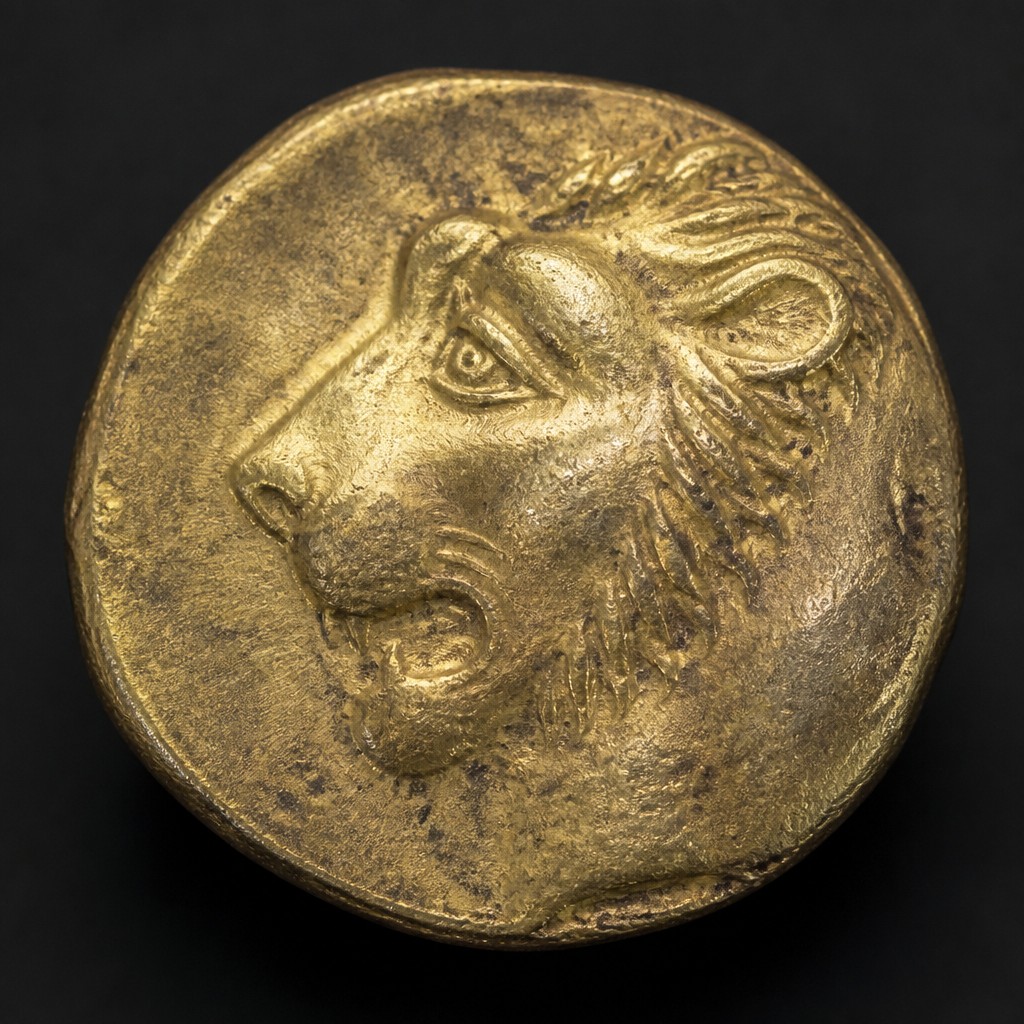
Cyzicus Electrum Stater
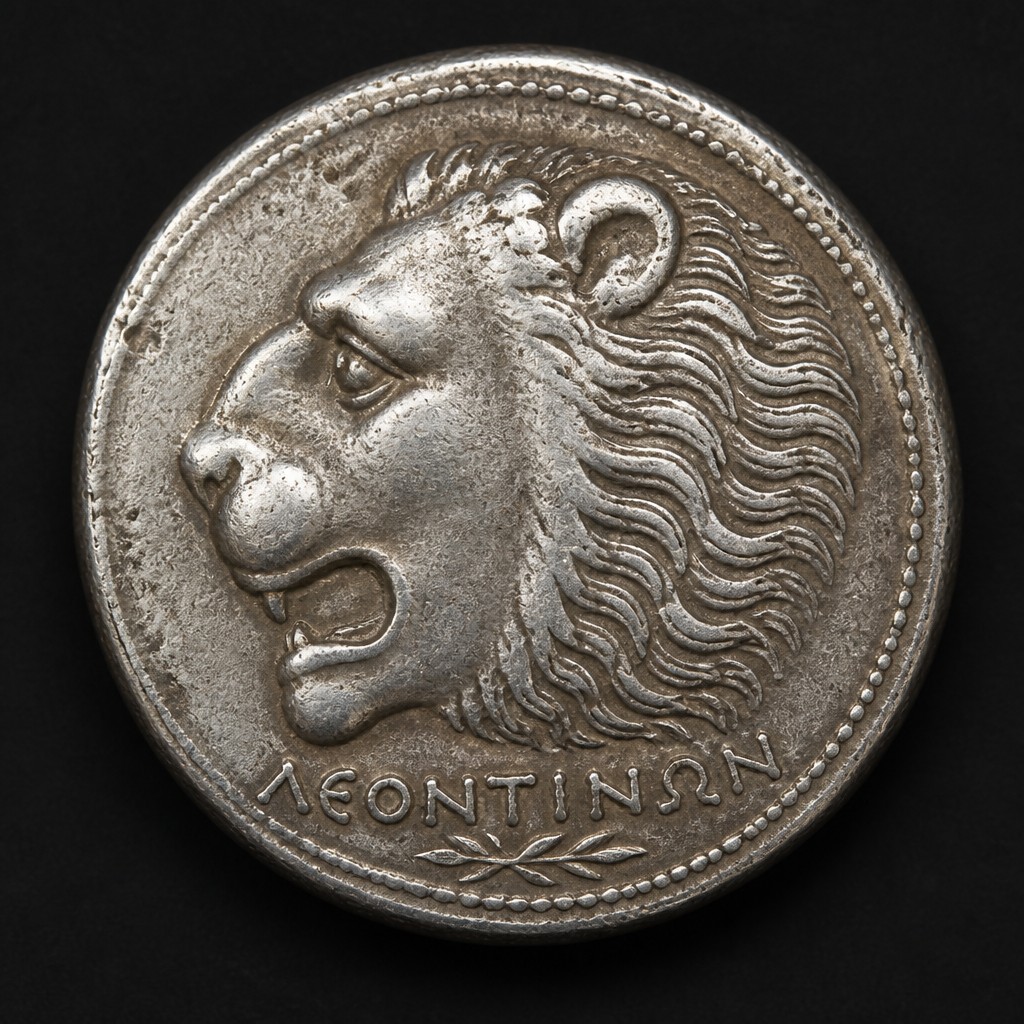
Leontini Lion Tetradrachm
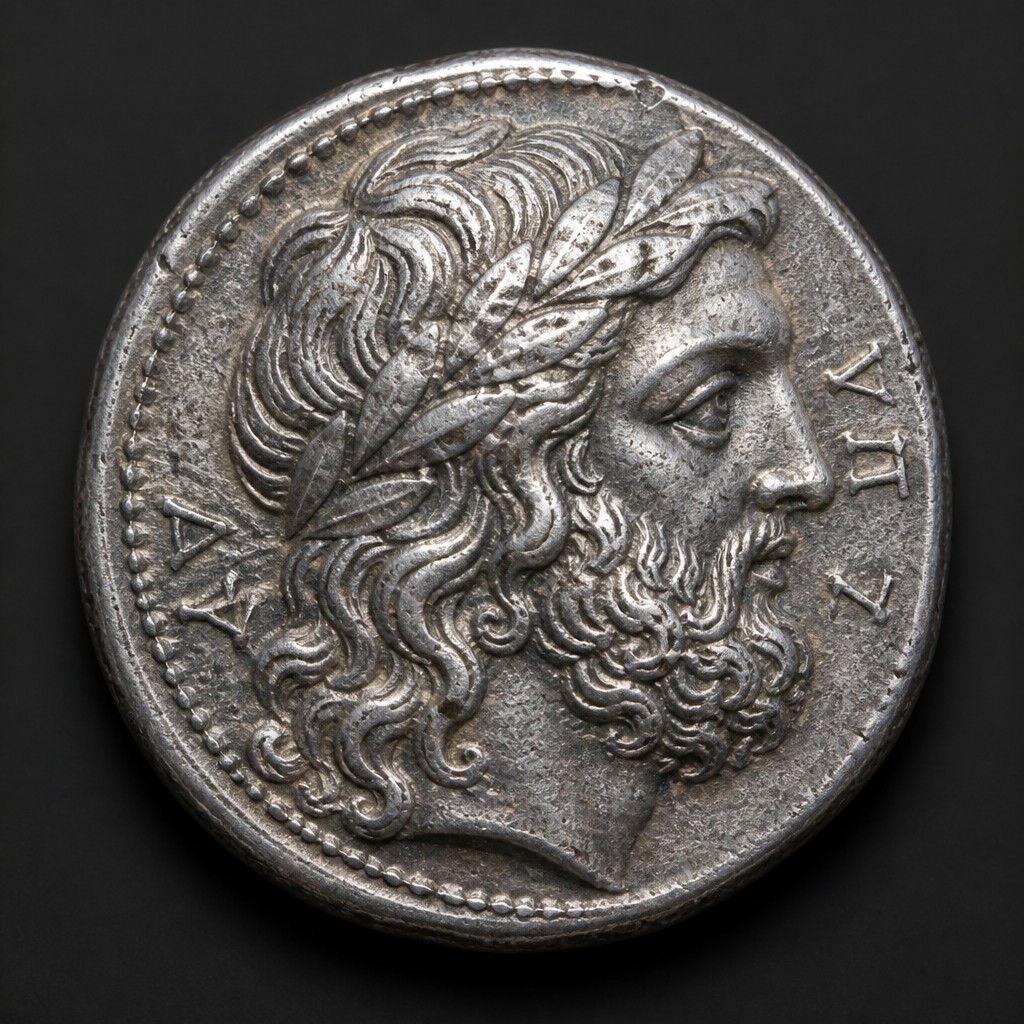
Elis Olympia Zeus Stater
Inca Token (Promotional/Novelty)
Unknown (Likely USA or Peru) · Late 20th Century (Modern Reproduction)
Greek Tetradrachm (Shekel of Tyre style)
Tyre (Ancient Phoenicia, modern Lebanon) · Circa 126 BC – 65 AD
Roman Imperial Coin of Antoninus Pius
Roman Empire · 138-161 AD
Tetradrachm featuring Alexander the Great (Heracles/Jupiter-Ammon)
Ancient Greece (Macedonian Kingdom) · Circa 336-323 BCE (posthumous issues continued for some time)
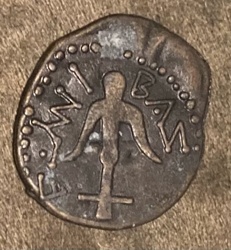
Byzantine Follis (possibly Anonymous Follis)
Byzantine Empire · Circa 10th-11th century AD (specifically, likely Class A2 or A3, c. 976-1081 AD)

50 Lepta - Eleftherios Venizelos
Greece · 2002
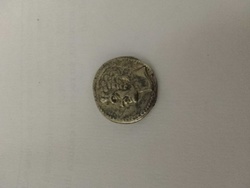
Celtic Drachm (Kugelwange Type)
Celtic tribes of the eastern Alps / Danubian region (Boii or Taurisci) · c. 2nd Century BC
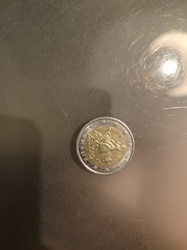
Greece 2 Euro (Europa and the Bull)
Greece / Hellenic Republic · 2002
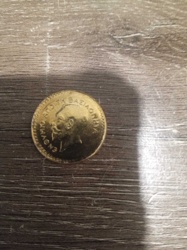
Greek Sovereign (King George I Commemorative Medal)
Greece (Modern/Commemorative) · Circa 1964 (original issued earlier)
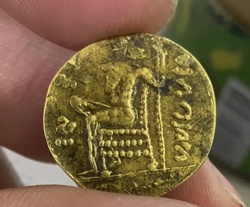
Alexander the Great Gold Stater (Reproduction/Copy)
Kingdom of Macedon (Original style) · Ancient style circa 336-323 BC (Modern reproduction apparent)
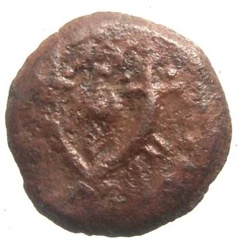
Widow's Mite (Lepton/Prutah of Alexander Jannaeus)
Judaea (Hasmonean Kingdom) · 103-76 BC
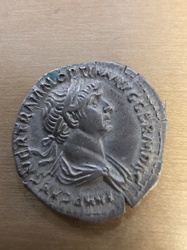
Trajan Denarius (Fortuna Redux type)
Roman Empire · 114-117 AD
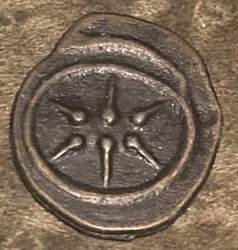
Ancient Roman or Byzantine Seal/Amulet (likely not a coin)
Roman Empire or Byzantine Empire (approximation) · Unknown (likely Ancient to Medieval period)
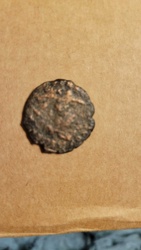
Widow's Mite (Lepton)
Judea (Hasmonean Dynasty) · c. 103-76 BC
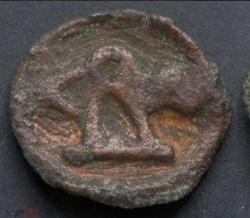
Kushan Empire Tetradrachm of Kujula Kadphises
Kushan Empire (Modern-day Afghanistan/India/Pakistan) · Circa 30-80 AD
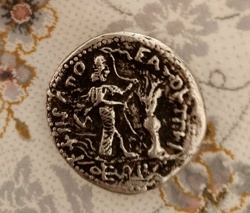
Denarius, Marcus Aurelius or Commodus
Roman Empire · Circa 161-192 AD (based on similar examples of common reverses for these emperors)
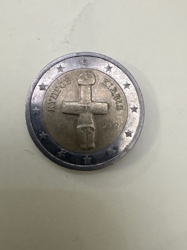
Cyprus 2 Euro Commemorative Coin
Cyprus · 2012

Tetradrachm of Alexander the Great
Macedonian Kingdom (Ancient Greece) · Circa 336-323 BCE (posthumous issues continued after his death)
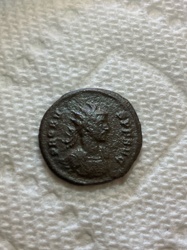
Roman Imperial Antoninianus
Roman Empire · Circa 3rd century AD
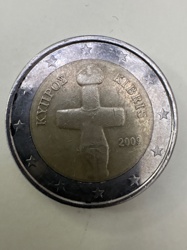
Cyprus 2 Euro Coin (Cruciform Idol)
Cyprus · 2009
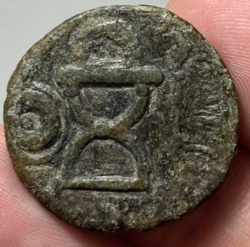
Anchor and Wheel Prutah of Alexander Jannaeus
Hasmonean Kingdom (Ancient Judea) · 103 BC to 76 BC
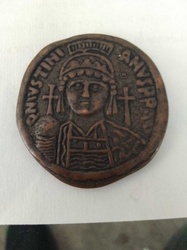
Justinian I Follis (Large Bronze 40 Nummi)
Byzantine Empire (Eastern Roman Empire) · 538-539 AD (Regnal Year 12)
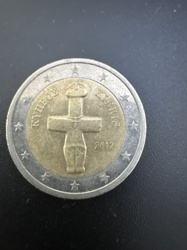
2 Euro Cyprus
Cyprus · 2012
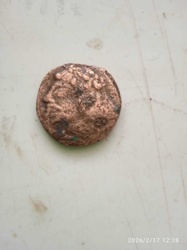
Kushan Tetradrachm of Kanishka I
Kushan Empire (Central Asia / India) · c. 127–150 CE
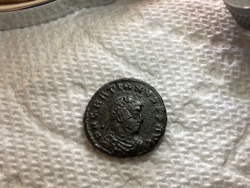
Roman Imperial Coin (likely an Antoninianus)
Roman Empire · Circa 3rd Century CE (specific year difficult to determine without clearer legends)
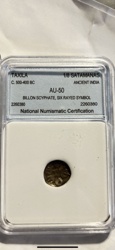
Taxila 1/8 Satamanas "Six Rayed Symbol"
Ancient India · C. 500-400 BC

Shatamana
Ancient India (Taxila) · Circa 500-400 BC
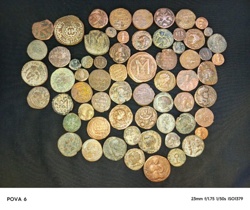
Ancient/Medieval Bronze/Copper Coin (various types)
Likely various regions, potentially Roman, Byzantine, Islamic, or other ancient/medieval empires in the Mediterranean/Middle East. · Highly variable, likely spanning a broad period from the Roman Imperial era (e.g., 3rd-6th centuries AD) through the Byzantine and early Islamic periods (e.g., 7th-10th centuries AD), possibly even later medieval periods. Precise dating requires individual identification of each coin.
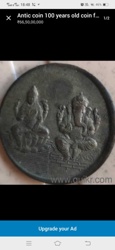
Ganesha and Lakshmi Temple Token
India · Unknown, likely 19th or 20th century
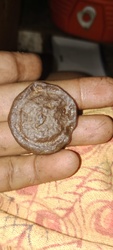
Byzantine Follis (Likely Anonymous Type)
Byzantine Empire · Approximately 9th - 11th Century AD
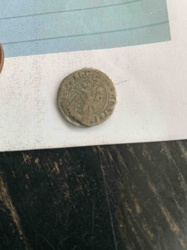
Unable to definitively identify; appears to be an ancient or medieval hammered coin
Uncertain; could be from various European or Mediterranean regions · Uncertain; based on the style, it appears to be from the medieval period (roughly 5th to 15th century).
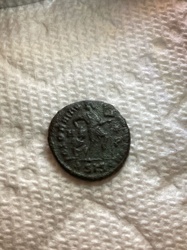
Roman Follis (possibly Constantine I or a successor)
Roman Empire · Circa 310-340 AD (due to the Follis denomination and iconography)
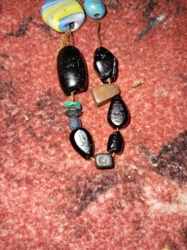
Not a Coin (Ancient/Vintage Beads)
Unknown (Likely Middle Eastern or African origin) · N/A (Ancient or Proto-currency era)
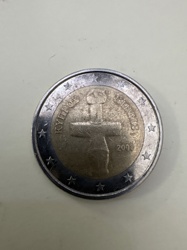
Cyprus 2 Euro Coin (Pomos Idol)
Cyprus · 2008
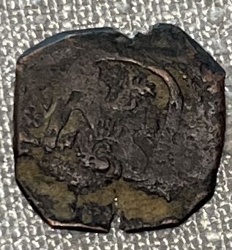
Maravedí
Spain (likely Castile or Aragon) · Late 15th to early 17th century (difficult to determine exact year from image)
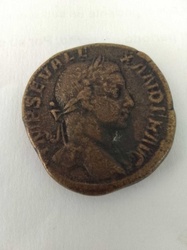
Alexander Severus Sestertius
Roman Empire (Mint of Rome) · 222-235 AD
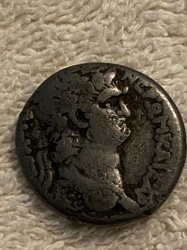
Denarius of Caracalla
Roman Empire · 206-209 AD
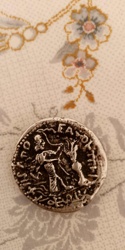
Denarius
Roman Empire · Circa 82 BC
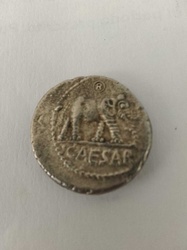
Julius Caesar Elephant Denarius (Modern Reproduction)
Roman Republic (Original issuer); Modern Reproduction (Physical object) · Original minted c. 49-48 BC; Reproduction date unknown
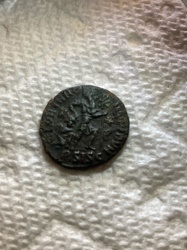
Roman Imperial Bronze Coin (possibly an Antoninianus or a Follis)
Roman Empire · Circa 3rd-4th Century AD (exact year unidentifiable from image)
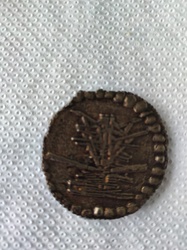
Widow's Mite (Lepton of Alexander Jannaeus) Replica
Hasmonean Kingdom of Judea (Modern Israel) · Original: 103-76 BC; This item: Modern Era
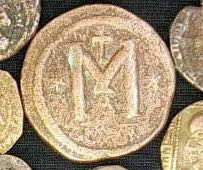
Follis (large module)
Byzantine Empire · Circa 498-668 AD (specifically, the image likely shows a follis from the reigns of Justinian I, Justin II, or Maurice Tiberius, given the clear 'M' design)