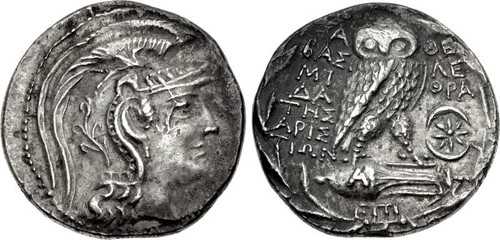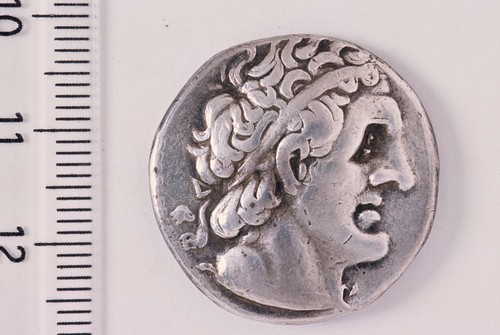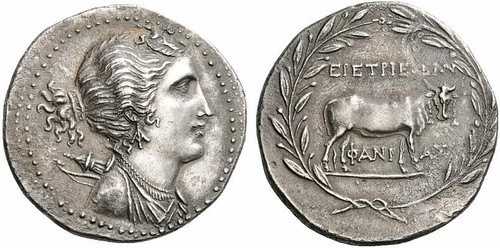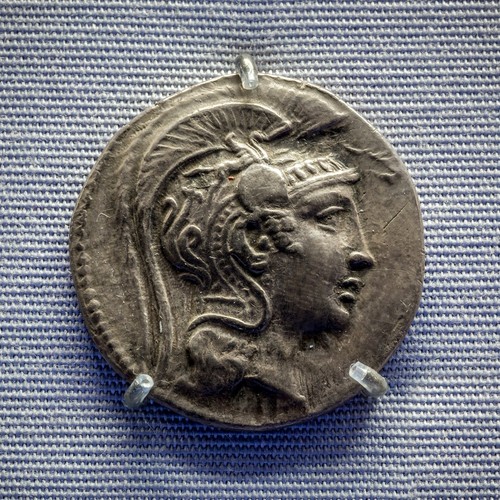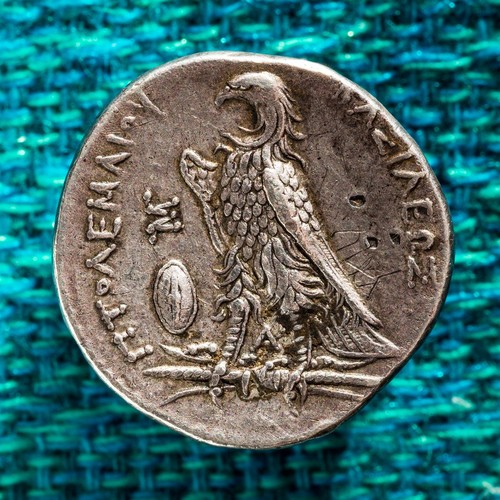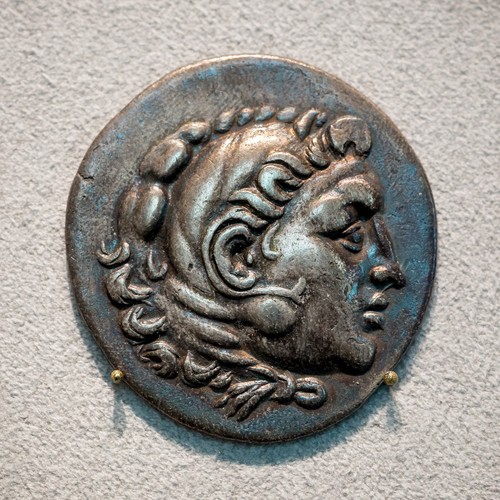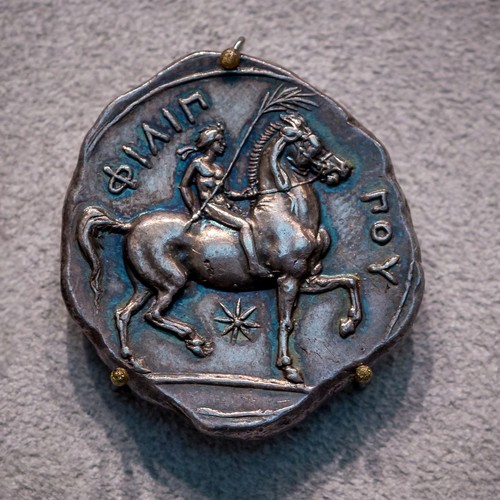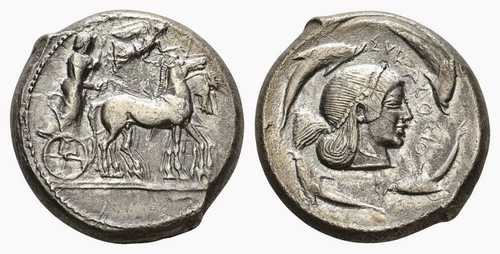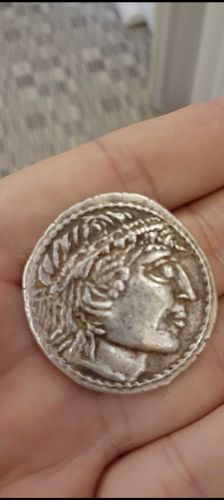
Greek Tetradrachm (Shekel of Tyre style)
Tyre (Ancient Phoenicia, modern Lebanon) · Circa 126 BC – 65 AD
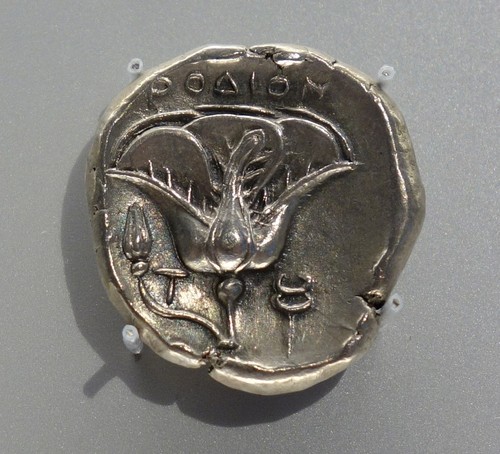
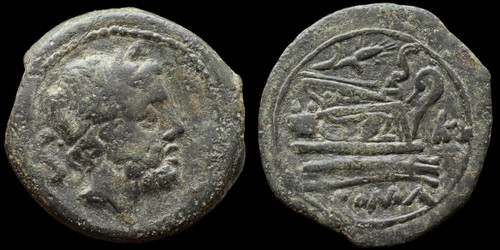
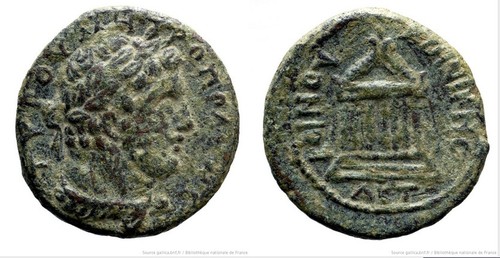
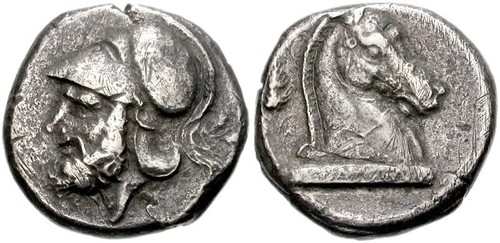
The obverse features the laureate head of the god Melkart (the Tyrian Herakles) facing right, with heavy curls and a laurel wreath. The reverse typically depicts an eagle standing on a prow.
- Country
- Tyre (Ancient Phoenicia, modern Lebanon)
- Year
- Circa 126 BC – 65 AD
- Denomination
- Shekel/Tetradrachm
This report is AI-generated and can be wrong. Always verify grade, authenticity, and value with a qualified dealer or certified grading service before buying, selling, or insuring.
Identify your own coins.
Get a report just like this from any photo, free.
Overview
Historical significance
Estimated value
Care & preservation
More like this
Other tyre (ancient phoenicia, modern lebanon) coins
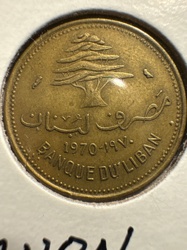
Lebanon 1 Piastre
Lebanon · 1970
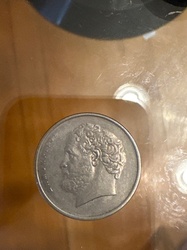
10 Drachmas (Democritus)
Greece · 1976
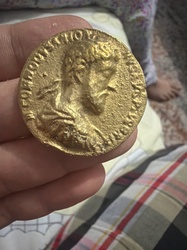
Roman Aureus or Solidus (Replica/Counterfeit Style)
Roman Empire · Unknown (Modern Replica or Ancient Imitation)
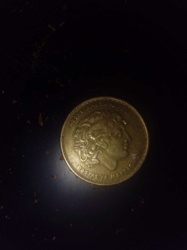
Alexander the Great Commemorative Token (Modern)
Greece · Late 20th Century (Modern Replica)
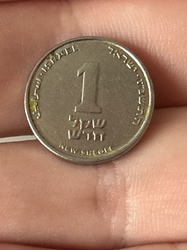
1 New Sheqel
Israel · 1985-Present
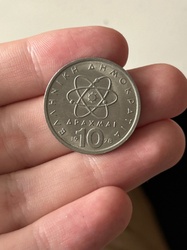
10 Drachmai
Greece · 1978