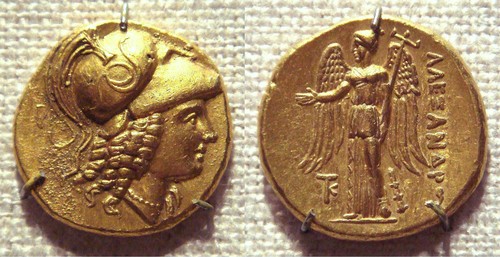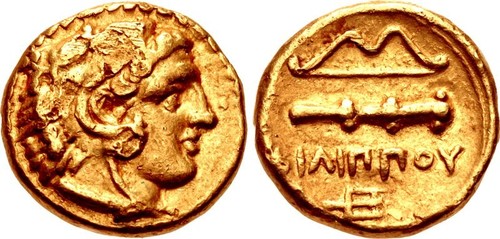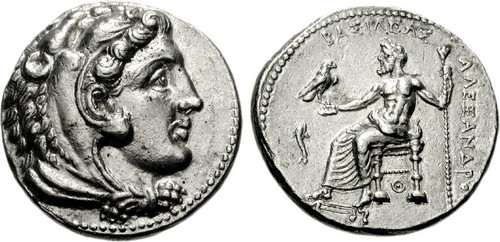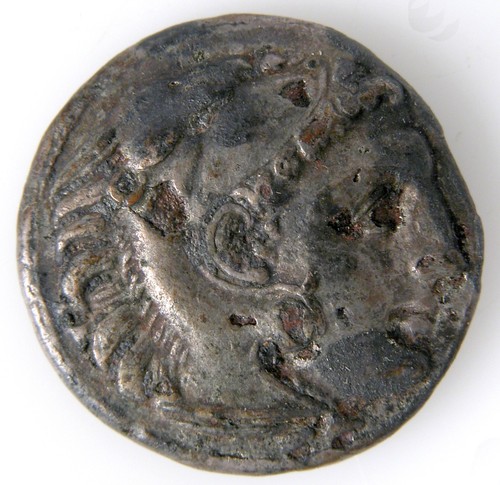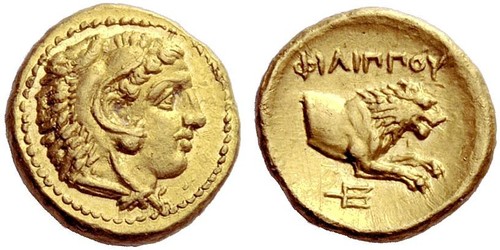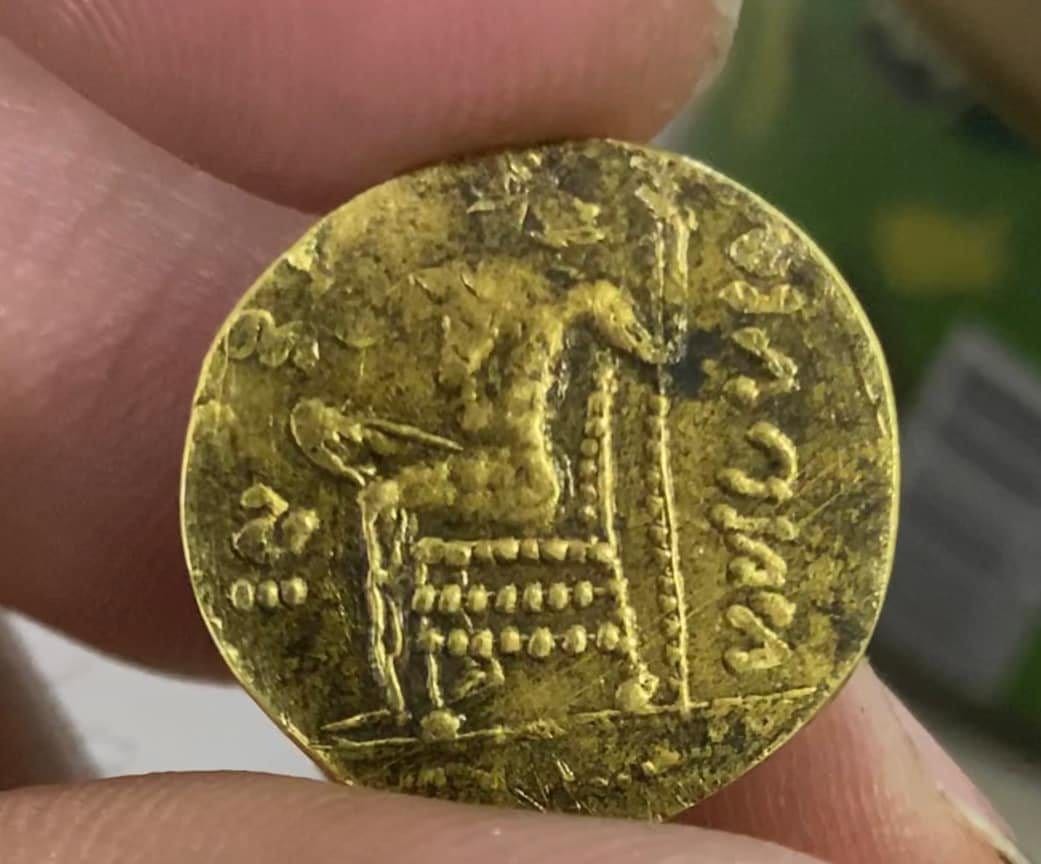
Alexander the Great Gold Stater (Style)
Macedonian Empire (Ancient Greece) · c. 336-323 BC (Life) or 323-300 BC (Posthumous)
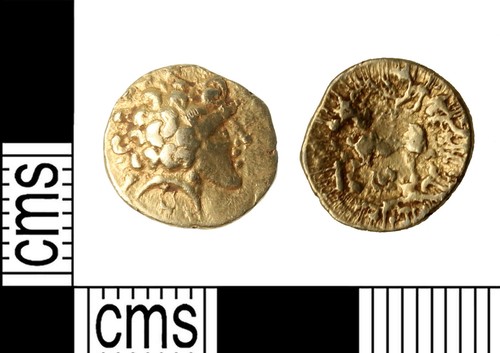
A gold-colored ancient Greek coin featuring a seated deity on the reverse, though it appears to be a modern cast replica with a granular, pitted surface texture.
- Country
- Macedonian Empire (Ancient Greece)
- Year
- c. 336-323 BC (Life) or 323-300 BC (Posthumous)
- Denomination
- Gold Stater
This report is AI-generated and can be wrong. Always verify grade, authenticity, and value with a qualified dealer or certified grading service before buying, selling, or insuring.
Identify your own coins.
Get a report just like this from any photo, free.
Overview
Historical significance
Obverse (front)
Reverse (back)
Estimated value
What drives this coin's value
Grade assessment
Mintage & rarity
Authenticity & counterfeit red flags
Notable varieties & errors
Similar coins
Care & preservation
More like this
Other macedonian empire (ancient greece) coins
100 Drachmes (Alexander the Great / Star of Vergina)
Greece · 1992
100 Drachmes (Alexander the Great)
Greece · 1990
100 Drachmas
Greece · 1992
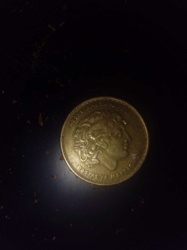
Alexander the Great Commemorative Token (Modern)
Greece · Late 20th Century (Modern Replica)

Tetradrachm of Alexander the Great
Macedonian Kingdom (Ancient Greece) · Circa 336-323 BCE (posthumous issues continued after his death)
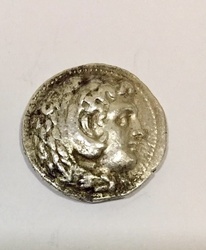
Alexander III 'The Great' Drachm
Kingdom of Macedon · Circa 336-323 BC (Lifetime) or 323-300 BC (Early Posthumous)