
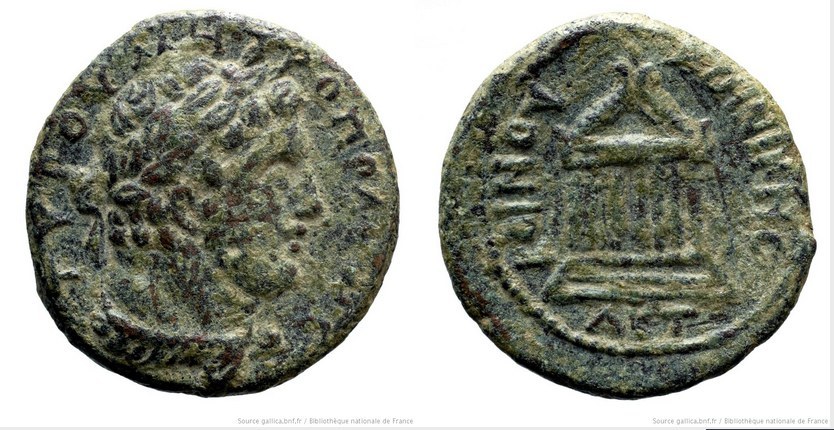
Bronze Coin of Septimius Severus (Tyre)
Roman provincial bronze struck at Tyre (Phoenicia) under Septimius Severus, 193-211 AD, with the emperor's bust on the obverse and a temple or deity reverse.
- Country
- Roman Empire
- Denomination
- Bronze
- Metal
- Bronze
Got a coin like this?
Identify any coin from a photo, free.
Overview
The Bronze Coin of Septimius Severus (Tyre) is a Roman provincial (colonial) bronze struck at the Phoenician city of Tyre during the reign of the emperor Septimius Severus (193-211 AD). The obverse carries a right-facing laureate bust of the emperor with a surrounding legend naming him, while the reverse shows a local subject — typically a temple or a standing deity or civic figure associated with Tyre.
Unlike the imperial coinage minted at Rome, provincial bronzes like this were produced by the city itself for regional circulation. The result is a coin that pairs the standard imperial portrait with distinctly local imagery, making it both a Roman artifact and a record of Tyre's civic and religious identity.
History & Background
Septimius Severus came to power in 193 AD after the turbulent "Year of the Five Emperors" and founded the Severan dynasty, ruling until his death at York in 211 AD. His reign saw heavy military campaigning and a broad output of coinage across the empire, including large volumes of provincial bronze struck by cities in the eastern provinces.
Tyre, an ancient Phoenician port on the coast of modern Lebanon, was one of the great cities of the Roman East. Under Severus it held colonial (colonia) status, and its mint issued bronze coins that combined the emperor's likeness with imagery celebrating the city's mythology, cults, and monuments. These local types often reference Tyre's storied past — its patron deities, sacred structures, and civic legends — rather than empire-wide themes.
Provincial bronze coinage of this kind served everyday commerce within the region and was not intended to circulate empire-wide like silver denarii. As a result, surviving pieces are an important window into how a specific eastern city presented itself under Roman rule.
How to Identify
Begin with the obverse portrait: a right-facing bust of Septimius Severus, usually laureate, surrounded by a legend that identifies the emperor. Ancient legends are frequently worn or off-flan, but recognizing the characteristic Severan bearded portrait style helps confirm the ruler even when lettering is unclear.
The reverse carries the local subject — commonly a temple facade (columns with a pediment, sometimes sheltering a figure or cult object) or a standing deity or civic personification tied to Tyre. This local imagery, rather than a Roman goddess like Roma or a Victory type, points to a provincial mint origin.
Physically, expect an irregular, hand-struck bronze flan with brown, green, or earthen patina, typically in the modest size range of provincial city bronzes rather than a large medallic module. Strike quality varies widely, and off-center or partial legends are normal for the series. Attribution to Tyre specifically usually depends on the reverse type and any surviving city legend or symbols.
Value & Collectibility
As a widely produced provincial bronze, this is generally an affordable ancient coin rather than a rarity. Worn examples with unclear detail often trade in the low tens of dollars, while pieces with a clear portrait, readable legends, an attractive patina, and a sharp reverse type command higher prices, sometimes into the low hundreds for exceptional or well-attributed specimens.
Value is driven by eye appeal and legibility: how much of the emperor's portrait and the reverse design survives, how even the strike is, and how pleasing the patina looks. Rarer or more detailed reverse types — a fully rendered temple or an unusual deity — carry a premium over common, heavily worn pieces.
Because the provincial series is large and varied, prices are best checked against recent sales of the same reverse type and grade. Precise attribution to Tyre and to Septimius Severus, ideally referenced to a standard catalog, meaningfully increases both desirability and price.
Frequently asked questions
What is a Roman provincial bronze?
It is a bronze coin struck by a city in the Roman provinces, rather than by the imperial mint at Rome. It typically shows the emperor's portrait on one side and local civic or religious imagery on the other, and it circulated regionally.
How do I know this coin was struck at Tyre?
Attribution to Tyre relies mainly on the reverse type — local temples, deities, or civic symbols associated with the city — together with any surviving city legend. The emperor's portrait alone only identifies the ruler, not the mint.
When was this coin made?
During the reign of Septimius Severus, between 193 and 211 AD. His bearded Severan portrait style on the obverse is a useful clue to the period even when the legend is worn.
Is this coin valuable?
Most examples are modestly priced because provincial bronzes were made in large numbers. Value rises with a clear portrait, readable legends, an attractive patina, and a well-struck reverse type.
Why is the surface green or brown?
That is patina — the natural corrosion layer that forms on ancient bronze over centuries. A stable, attractive patina is desirable and generally should not be cleaned off, as harsh cleaning damages the coin and lowers its value.
Bronze Coin of Septimius Severus (Tyre) guides
In-depth guides for identifying, valuing, and collecting Bronze Coin of Septimius Severus (Tyre).
Other coins you may enjoy
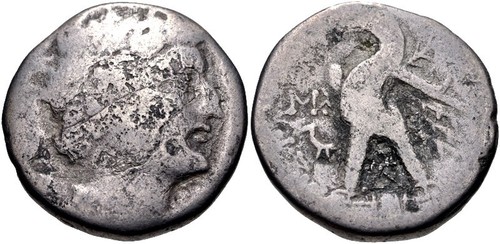
Tetradrachm of Ptolemy XII
80-51 BC
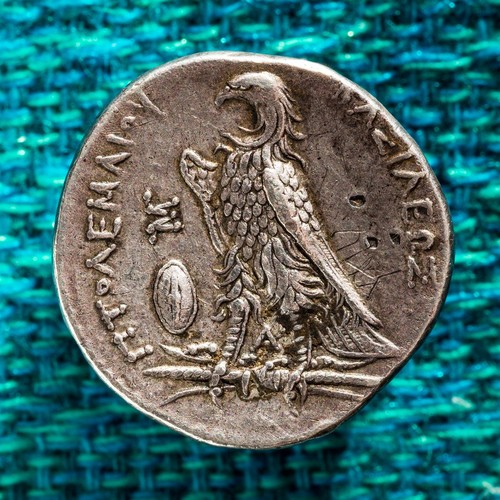
Tetradrachm of Ptolemy I
305-283 BC
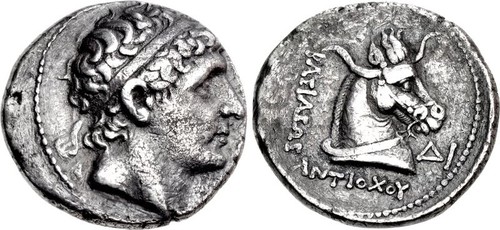
Tetradrachm of Antiochos I Soter
281-261 BC
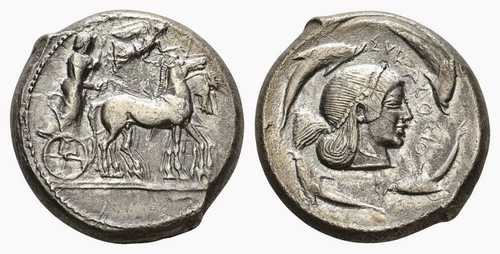
Syracuse Tetradrachm
c. 5th-4th century BC (Classical period)
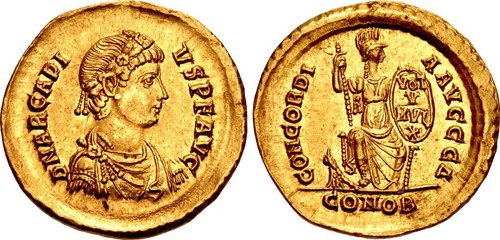
Solidus of Arcadius
AD 395-402
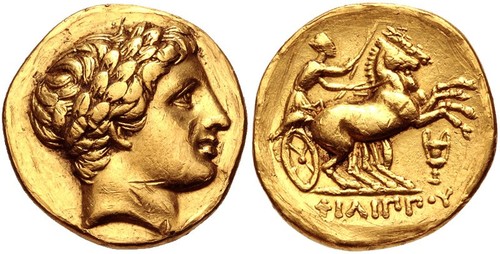
Philip III Gold Stater
323-317 BC
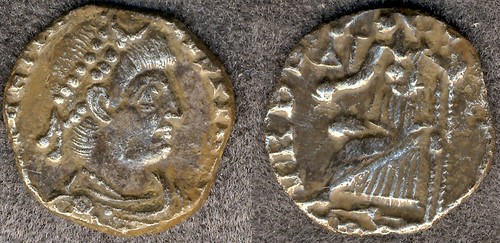
Siliqua of Gratian
AD 367-383
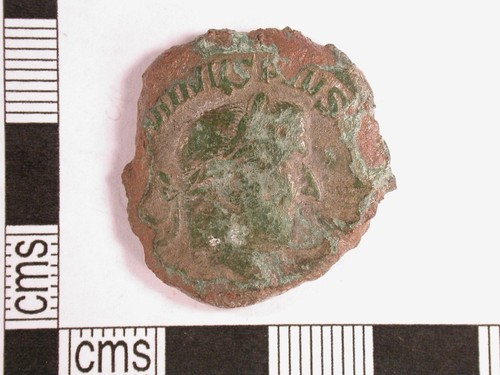
Sestertius of Maximinus Thrax
235-238 AD
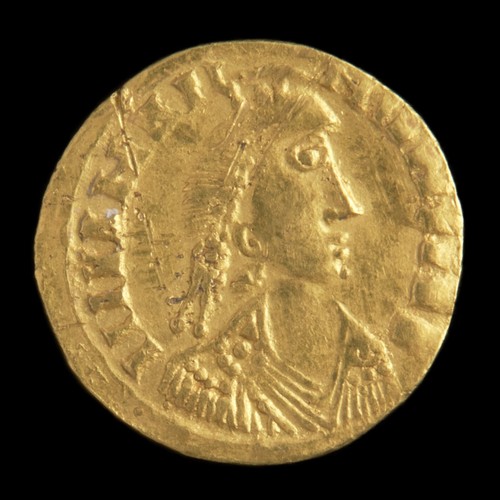
Solidus of Valentinian III
AD 425-455
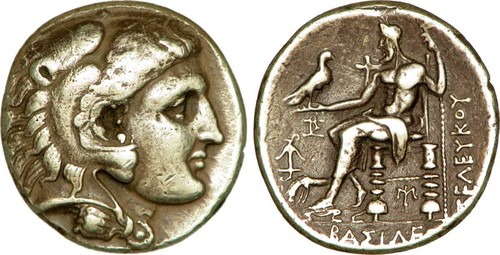
Seleucus I Nicator Tetradrachm
Late 4th-3rd century BC
Nummus of Magnentius
AD 350-353
Follis of Galerius
AD 308-310