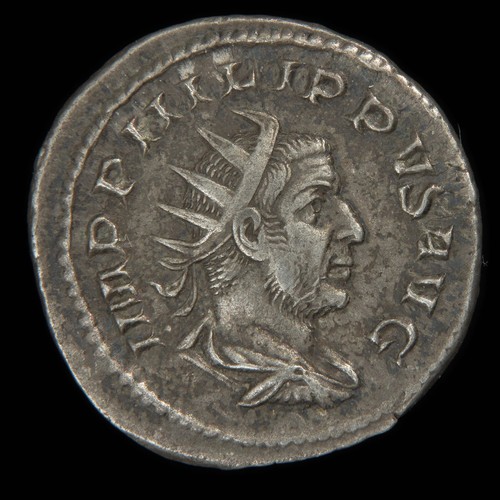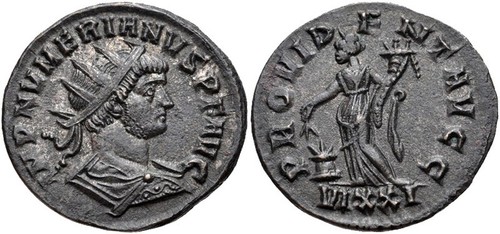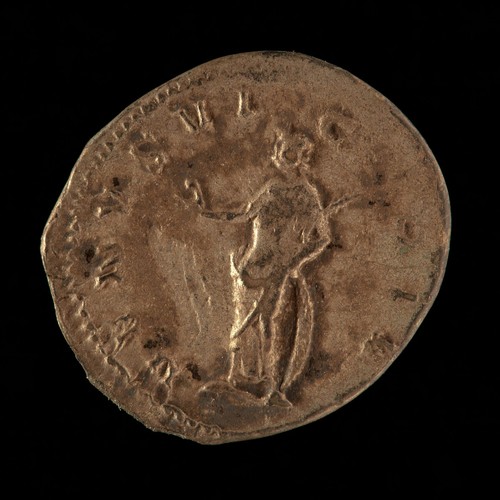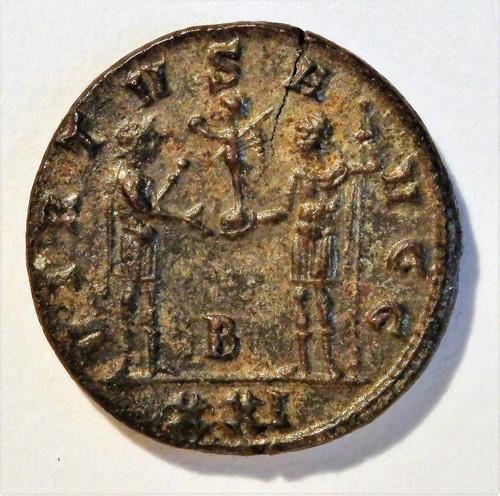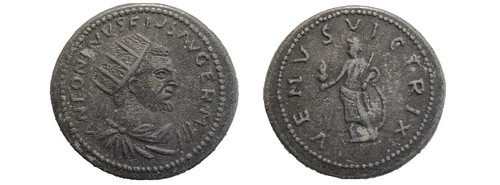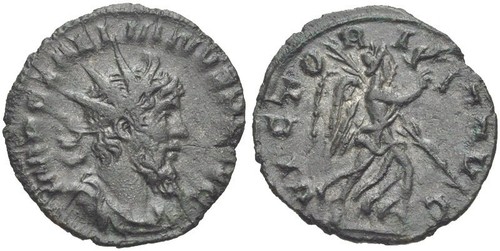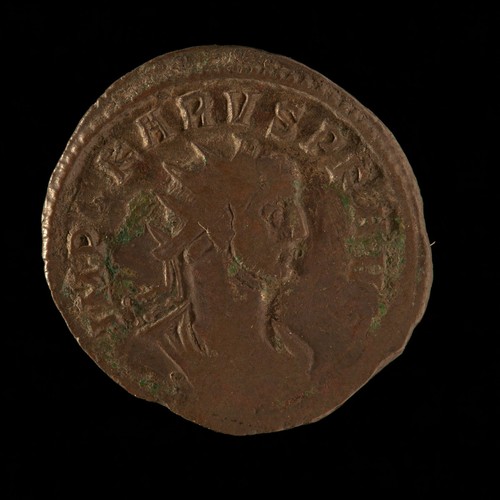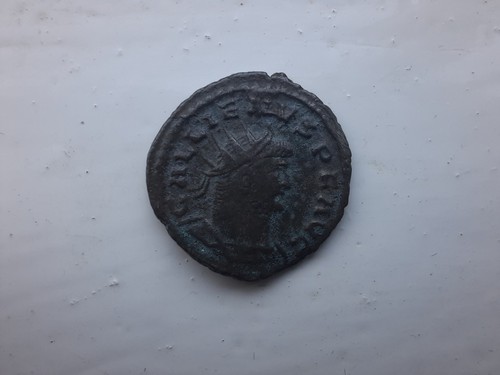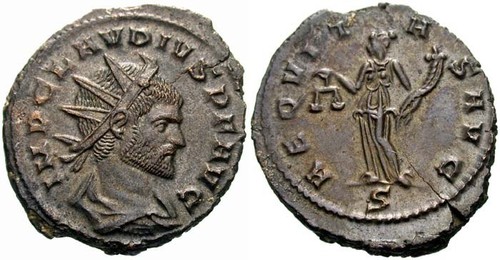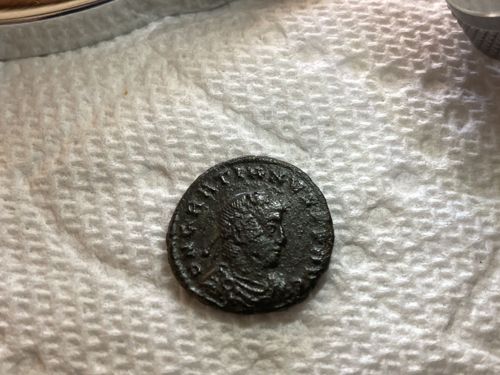
Roman Imperial Coin (likely an Antoninianus)
Roman Empire · Circa 3rd Century CE (specific year difficult to determine without clearer legends)
The coin features a radiate bust of an emperor (possibly facing right, indicated by the 'crown' which is typical for Antoniniani) on the obverse, surrounded by a partially visible Latin inscription. Its surface is dark and somewhat corroded, typical for ancient bronze or billon coins.
- Country
- Roman Empire
- Denomination
- Antoninianus (likely, given the bust style and period)
This report is AI-generated and can be wrong. Always verify grade, authenticity, and value with a qualified dealer or certified grading service before buying, selling, or insuring.
Identify your own coins.
Get a report just like this from any photo, free.
Overview
Historical significance
Estimated value
Care & preservation
More like this
Other roman empire coins

Roman Bronze Coin (As or Dupondius)
Roman Empire · Circa 1st Century BC to 3rd Century AD
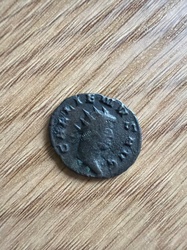
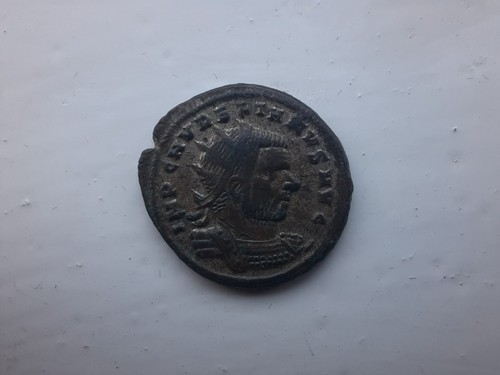
Roman Antoninianus (Radiate)
Roman Empire · c. 250 - 280 AD
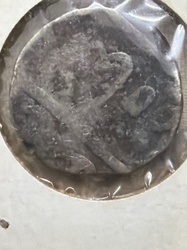
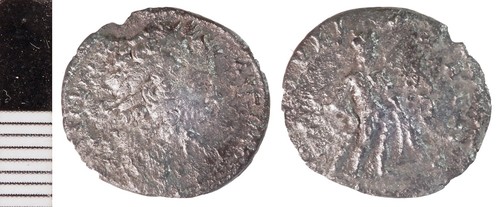
Ancient Roman Denarius or Antoninianus (Heavily Worn / Slashed)
Roman Empire · c. 1st - 3rd Century AD
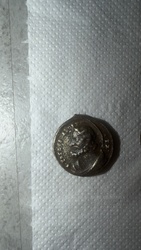
Roman Provincial Bronze Coin (possibly Antoninus Pius or similar emperor)
Roman Empire · circa 2nd Century AD
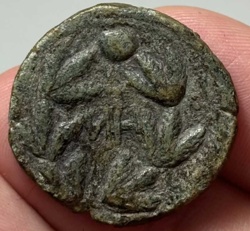
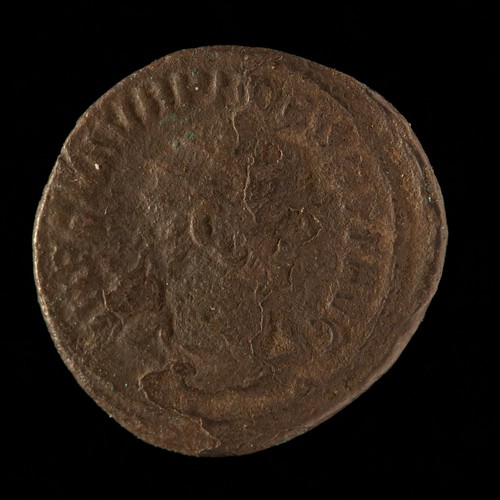
Ancient Roman Bronze Coin
Roman Empire · Circa 4th Century AD (Late Roman Empire)
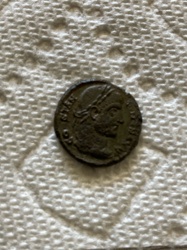
Follis (or similar small bronze coinage)
Roman Empire · Likely between 305 and 337 AD (based on visible lettering and style, possibly representing Constantine I or a co-emperor)