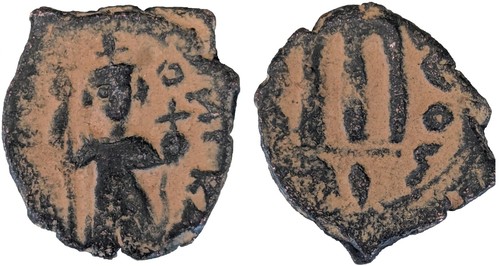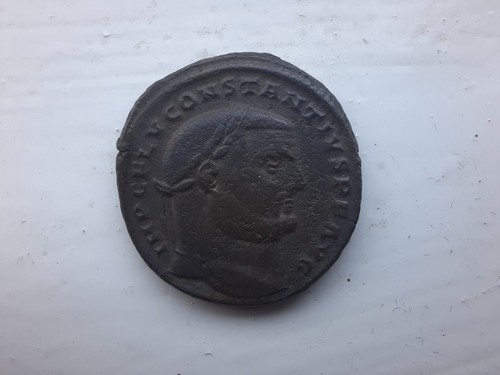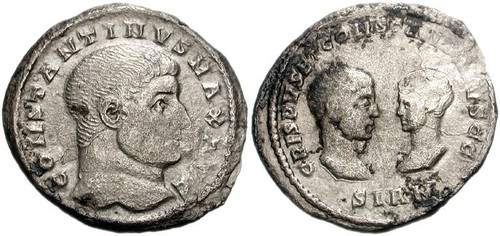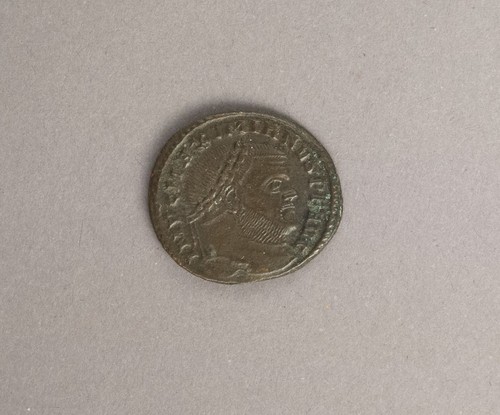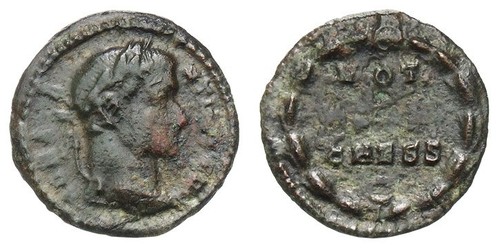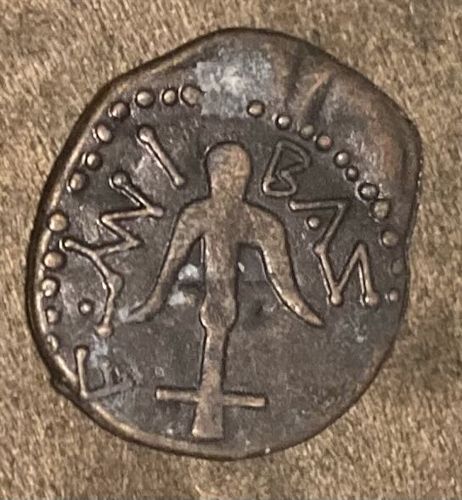
Byzantine Follis (possibly Anonymous Follis)
Byzantine Empire · Circa 10th-11th century AD (specifically, likely Class A2 or A3, c. 976-1081 AD)
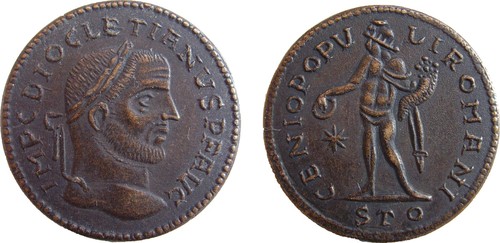
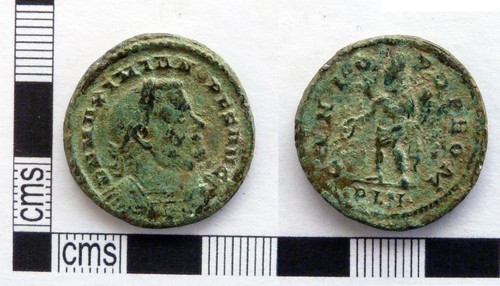
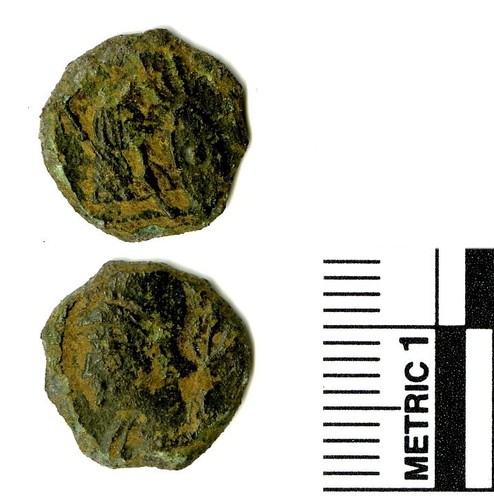
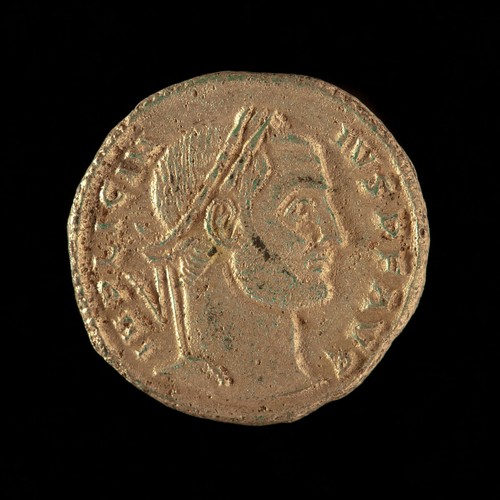
The coin features a standing figure, likely an emperor or Christ, with a nimbus (halo) behind the head and holding a labarum or long cross, and possibly an orb. The figure is flanked by Greek inscriptions, often debased or abbreviated. The reverse typically bears a three-line legend. The coin's overall appearance is irregular in shape and strike, common for Byzantine coinage of this era.
- Country
- Byzantine Empire
- Year
- Circa 10th-11th century AD (specifically, likely Class A2 or A3, c. 976-1081 AD)
- Denomination
- Follis
- Metal
- Bronze/Copper
This report is AI-generated and can be wrong. Always verify grade, authenticity, and value with a qualified dealer or certified grading service before buying, selling, or insuring.
Identify your own coins.
Get a report just like this from any photo, free.
Overview
Historical significance
Estimated value
Care & preservation
More like this
Other byzantine empire coins
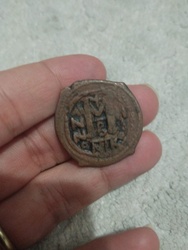
Byzantine Empire Bronze Follis (40 Nummi)
Byzantine Empire · 6th to 7th Century AD (reign of Justinian I, Phocas, Heraclius, or similar)
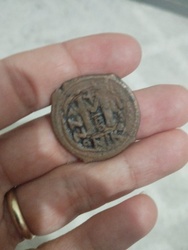
Byzantine Empire Follis (40 Nummi)
Byzantine Empire · 527–600 AD (Typically Justinian I, Justin II, or Maurice Tiberius)
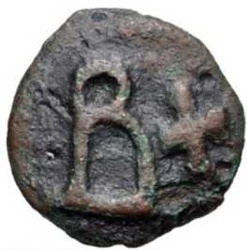
Byzantine Half Follis of Justinian II
Byzantine Empire (Syracuse Mint) · 685-695 AD
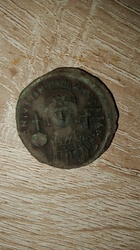
Byzantine Folles of Justinian I
Byzantine Empire · 527-565 AD
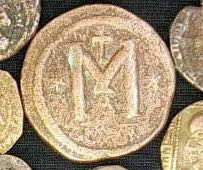
Follis (large module)
Byzantine Empire · Circa 498-668 AD (specifically, the image likely shows a follis from the reigns of Justinian I, Justin II, or Maurice Tiberius, given the clear 'M' design)
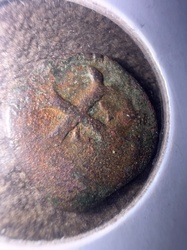
Byzantine Follis or 10 Nummi (Uncertain Emperor/Mint)
Byzantine Empire · 6th - 7th Century AD