
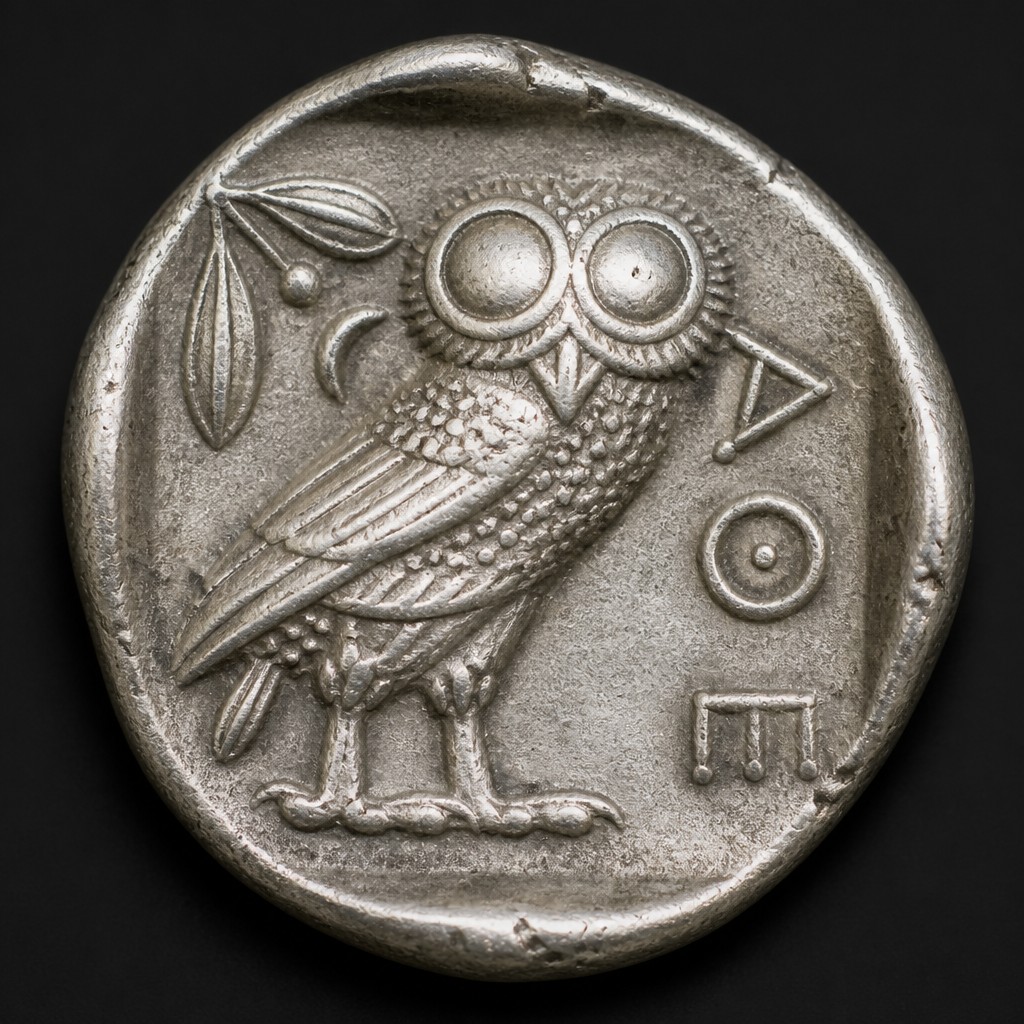
Athens New Style Owl Tetradrachm
Later Athenian silver tetradrachm on a broad, thin flan showing the owl standing on an amphora within an olive wreath, distinct from the earlier classical owl coinage.
- Country
- Ancient Greece (Athens)
- Denomination
- Tetradrachm
- Metal
- Silver
Got a coin like this?
Identify any coin from a photo, free.
Overview
The Athens "New Style" tetradrachm is the later phase of Athenian owl coinage, struck from the mid-2nd century BC through the 1st century BC, long after the more famous classical owls of the 5th century BC. It retains Athens's iconic owl and olive imagery but presents it in a strikingly different format, on a broad, thin flan bordered by a wreath, giving rise to the name "stephanophoric" (wreath-bearing) coinage.
Collectors value New Style tetradrachms both as a continuation of one of antiquity's most enduring civic coinages and for the wealth of information packed onto each coin, including magistrate names and symbols that allow numismatists to construct detailed chronological sequences.
History & Background
By the 2nd century BC, Athens was no longer the imperial power it had been in the Classical era, but its silver owl coinage remained internationally trusted, prompting a revival and redesign of the traditional type. The New Style series began around 165 BC (following Rome's declaration of Delos as a free port, which boosted Athenian trade) and continued with interruptions into the 1st century BC, including issues connected to Athens's brief alliance with Mithridates VI against Rome.
Unlike the archaic-style classical owls, New Style tetradrachms were struck using more refined die-engraving techniques typical of the Hellenistic period, and the mint recorded the names of annual magistrates (archons) and monthly officials on each issue, a practice that gives this series unusual documentary value for reconstructing Athenian civic administration.
How to Identify
The obverse depicts the helmeted head of Athena facing right, rendered in a more naturalistic, Hellenistic style than the stern archaic profile of the classical owl. The reverse shows an owl standing frontally on an overturned amphora (wine jar), wings closed, within a wreath of olive leaves, with the legend ΑΘΕ (an abbreviation of Athens) alongside magistrates' names and various control symbols in the field.
The flan is notably broad and thin compared to the smaller, thicker classical owl tetradrachm, making the two easy to distinguish at a glance. Weight is generally close to 16–17 grams, consistent with the Attic standard.
Because each issue names specific magistrates and includes distinctive symbols (such as amphorae, torches, or other emblems), specialists can date individual coins to a specific year using established reference sequences, a level of precision unusual for ancient coinage.
Value & Collectibility
New Style owl tetradrachms are generally more available and often more affordable than the classical 5th-century owl, with common types found in the low hundreds of dollars in decent collectible condition, though well-struck examples with attractive centering and full legends bring more. Rare magistrate combinations or unusual control symbols can command significant premiums among specialists who collect the series by issue.
Condition sensitivity is high: because the coins are broad and thin, weak strikes, off-center flans, and worn legends are common and reduce desirability, while sharp strikes with fully legible magistrate names are prized.
Frequently asked questions
What makes the 'New Style' owl different from the classic owl?
The New Style tetradrachm has a broader, thinner flan, a more naturalistic Athena portrait, an owl standing within a wreath border, and magistrate names, unlike the smaller, thicker classical owl with its archaic Athena and standing owl without a wreath.
When was the New Style tetradrachm struck?
Production began around the mid-2nd century BC and continued intermittently into the 1st century BC.
What is 'stephanophoric' coinage?
It refers to coins bordered by a wreath (stephanos in Greek), a stylistic feature shared by several late Hellenistic civic issues including the New Style Athenian tetradrachm.
Are these coins historically useful beyond their monetary role?
Yes, because they record annual magistrate names and monthly control marks, allowing scholars to date individual issues precisely and study Athenian civic administration.
Other coins you may enjoy
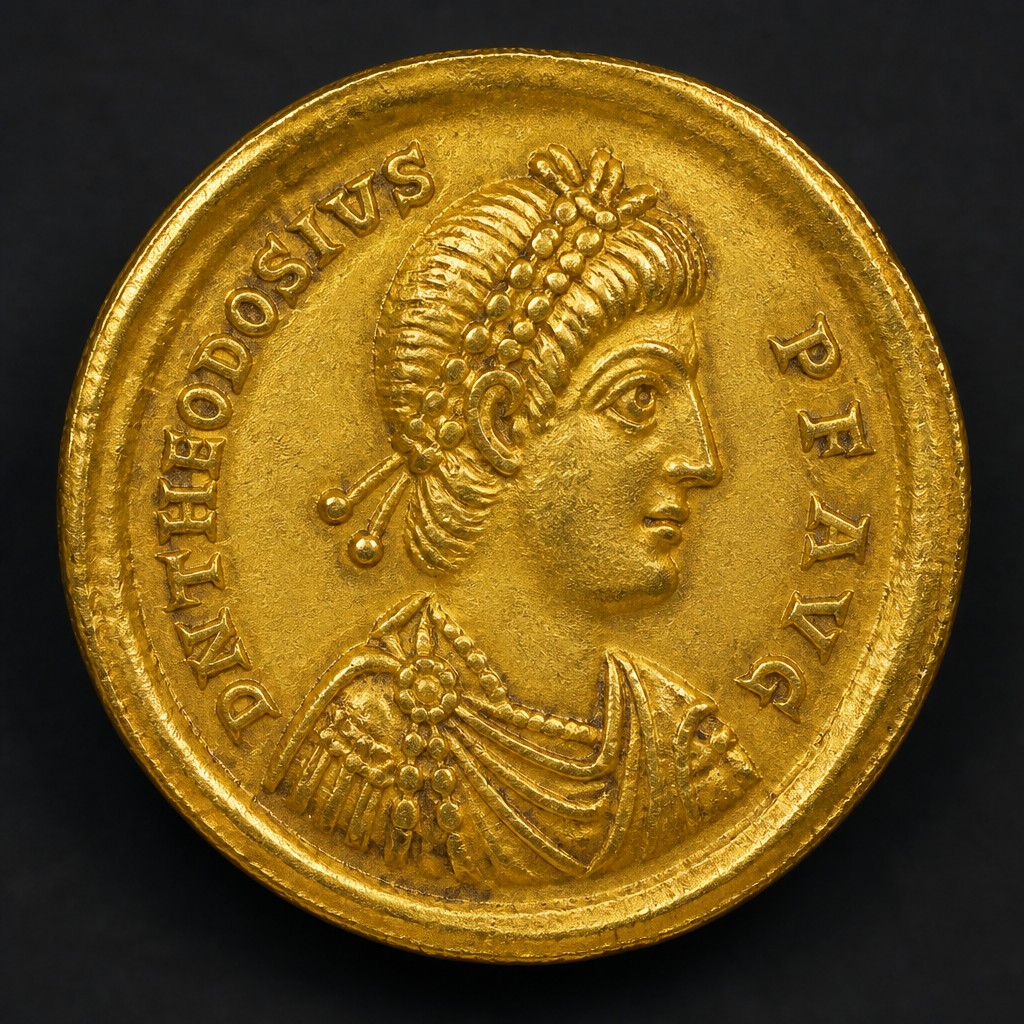
Theodosius I Solidus
379–395 AD
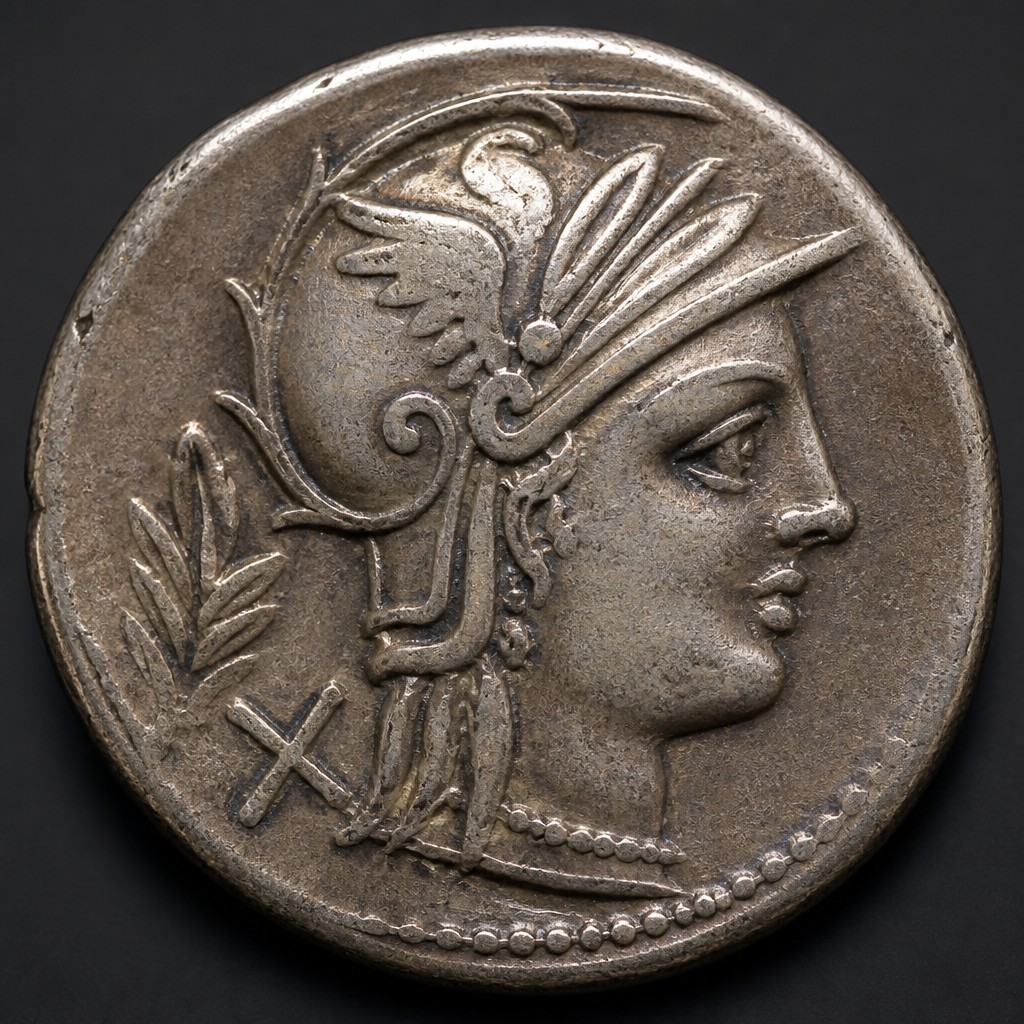
Republican Victoriatus
c. 211–170 BC
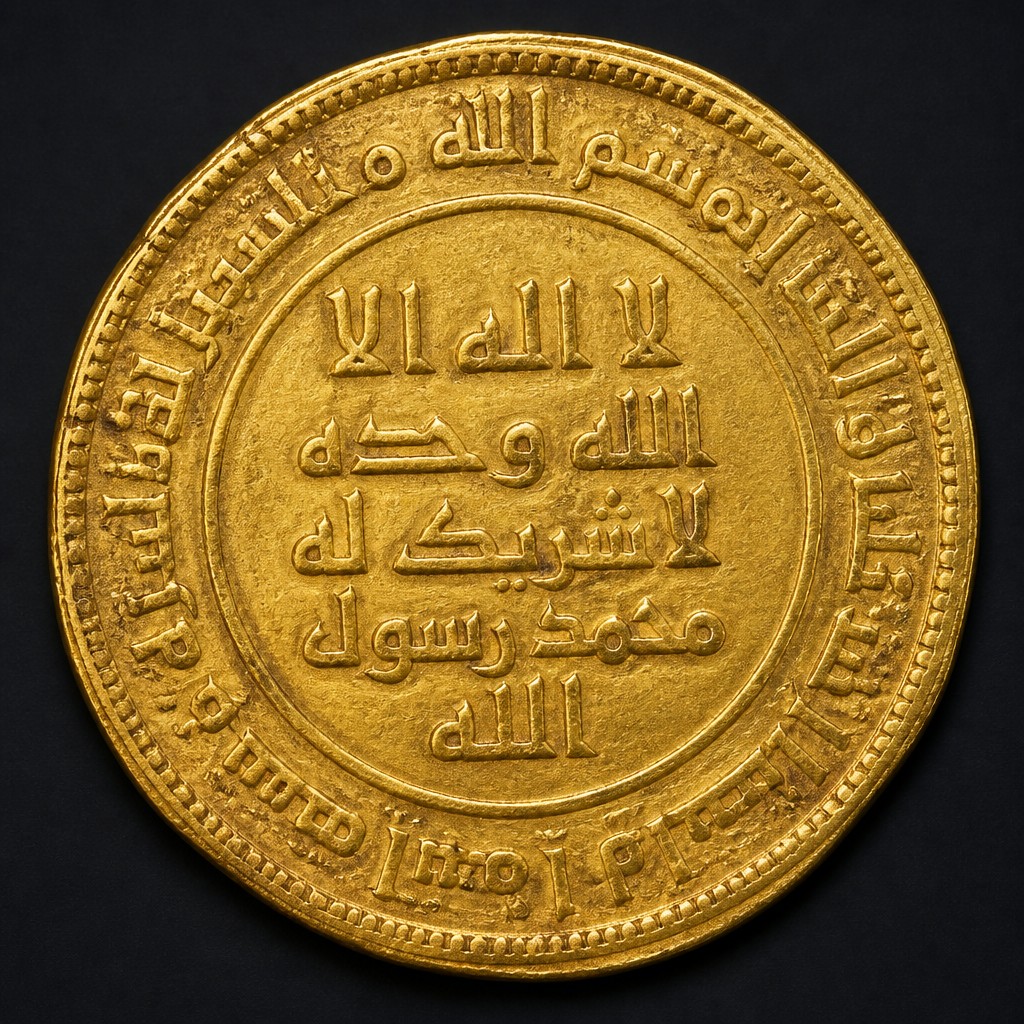
Islamic Gold Dinar (Umayyad)
c. 696–750 AD
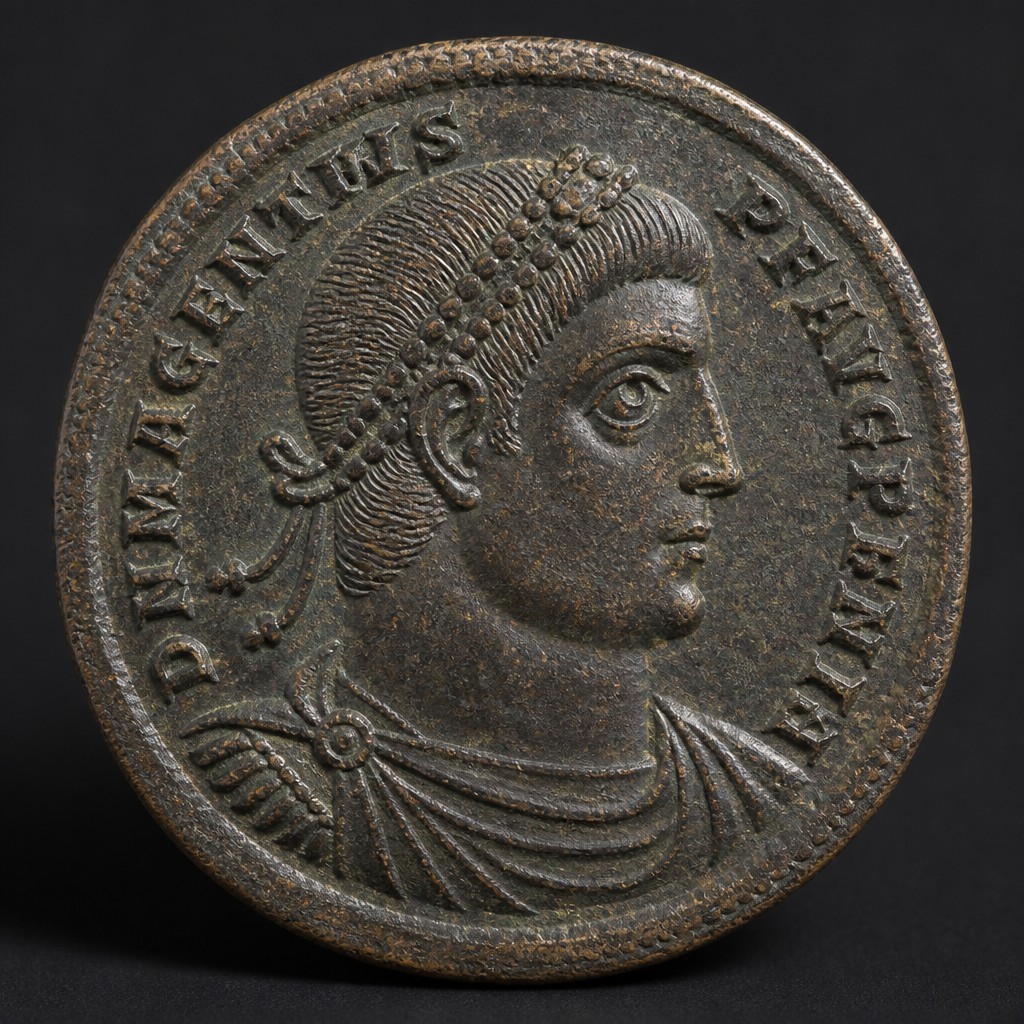
Magnentius Double Centenionalis
350–353 AD
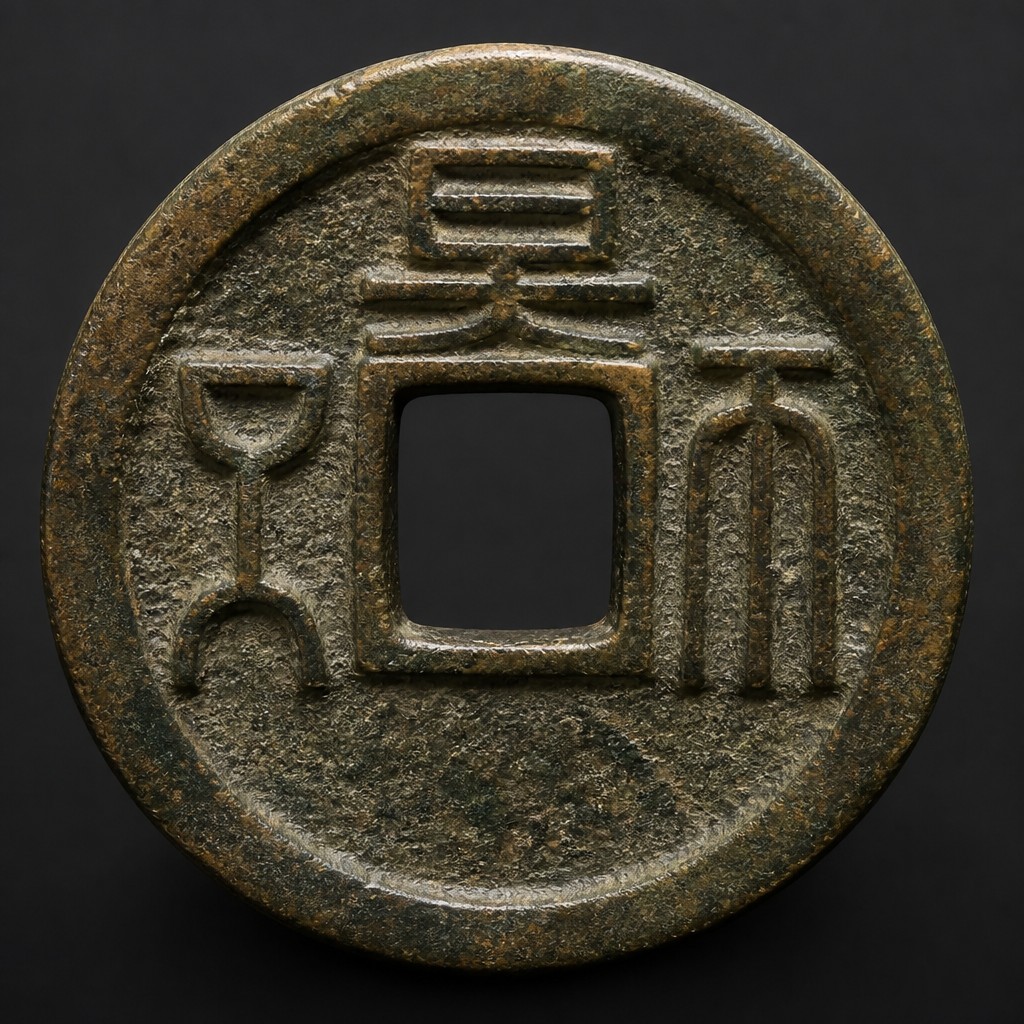
Chinese Wu Zhu Cash
118 BC – 618 AD
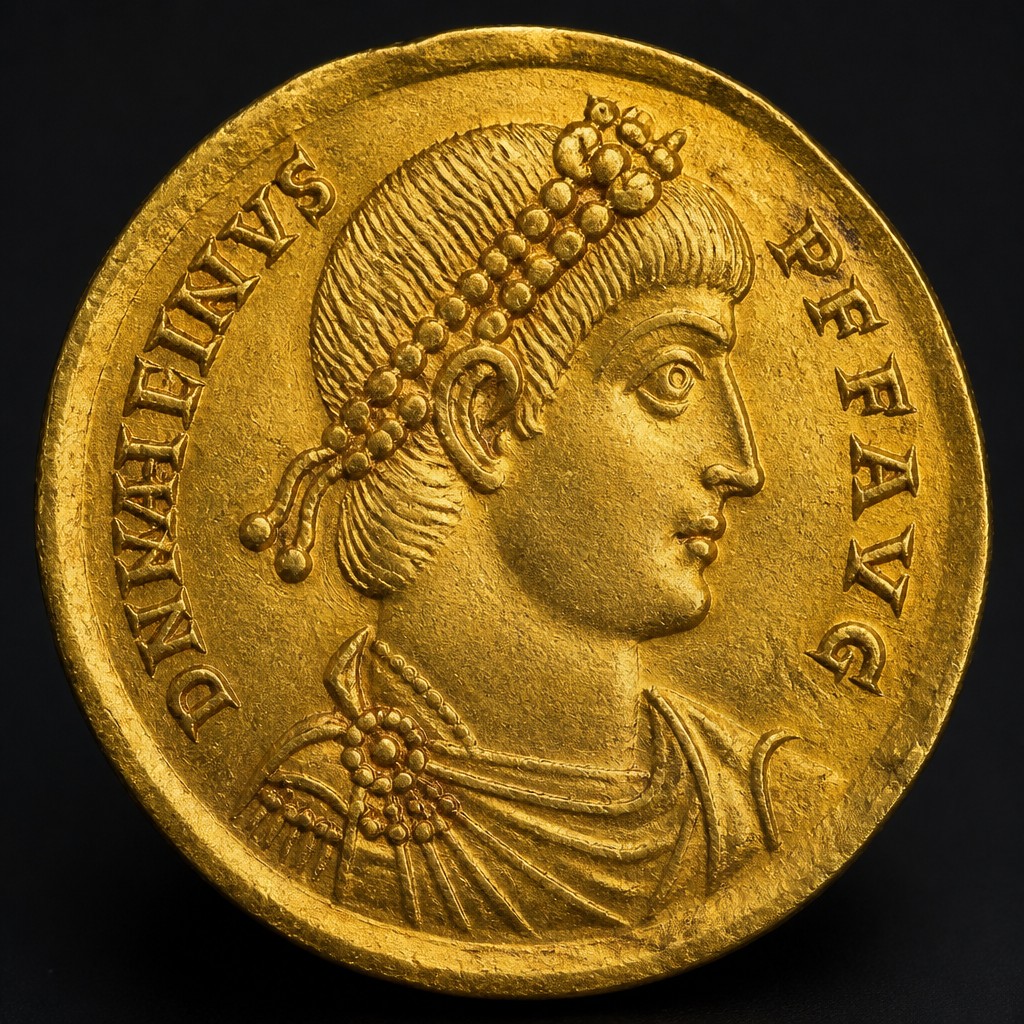
Valentinian I Solidus
364–375 AD
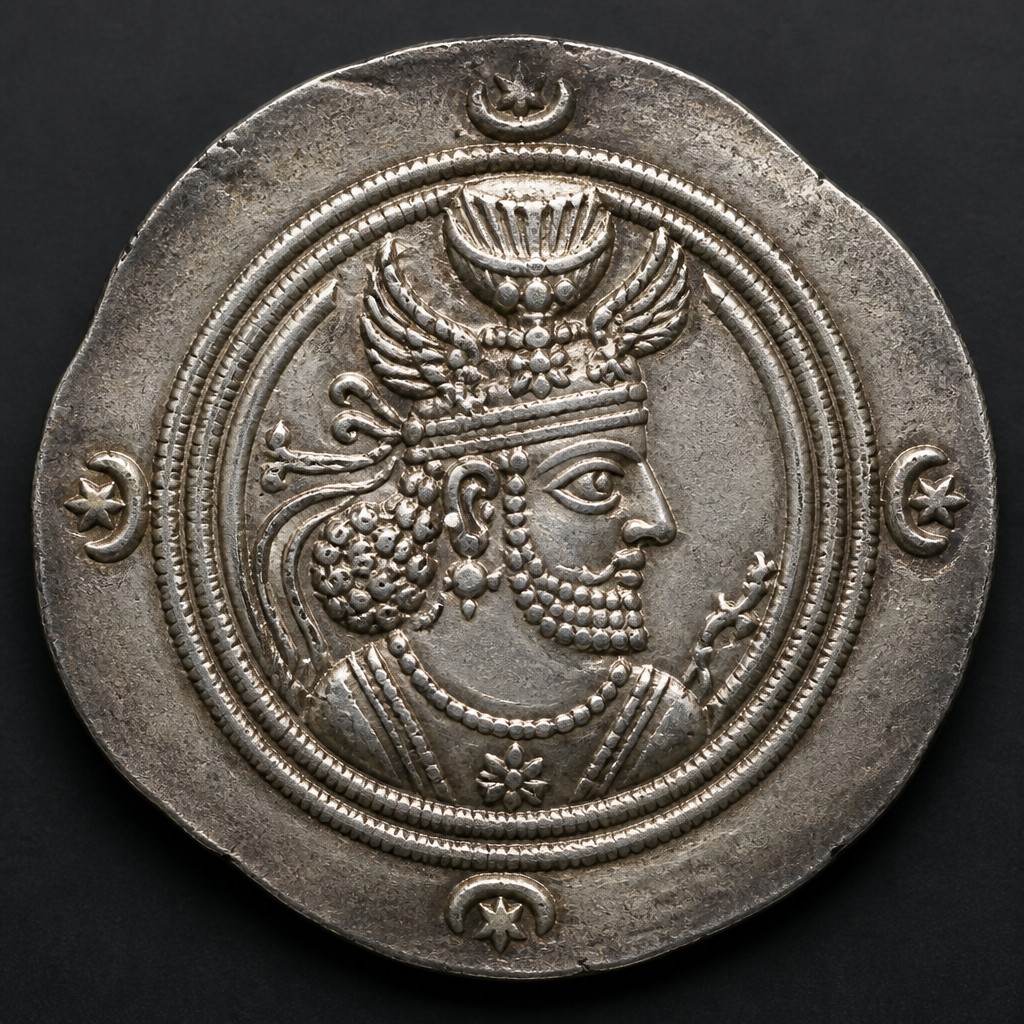
Sassanian Silver Drachm
c. 224–651 AD
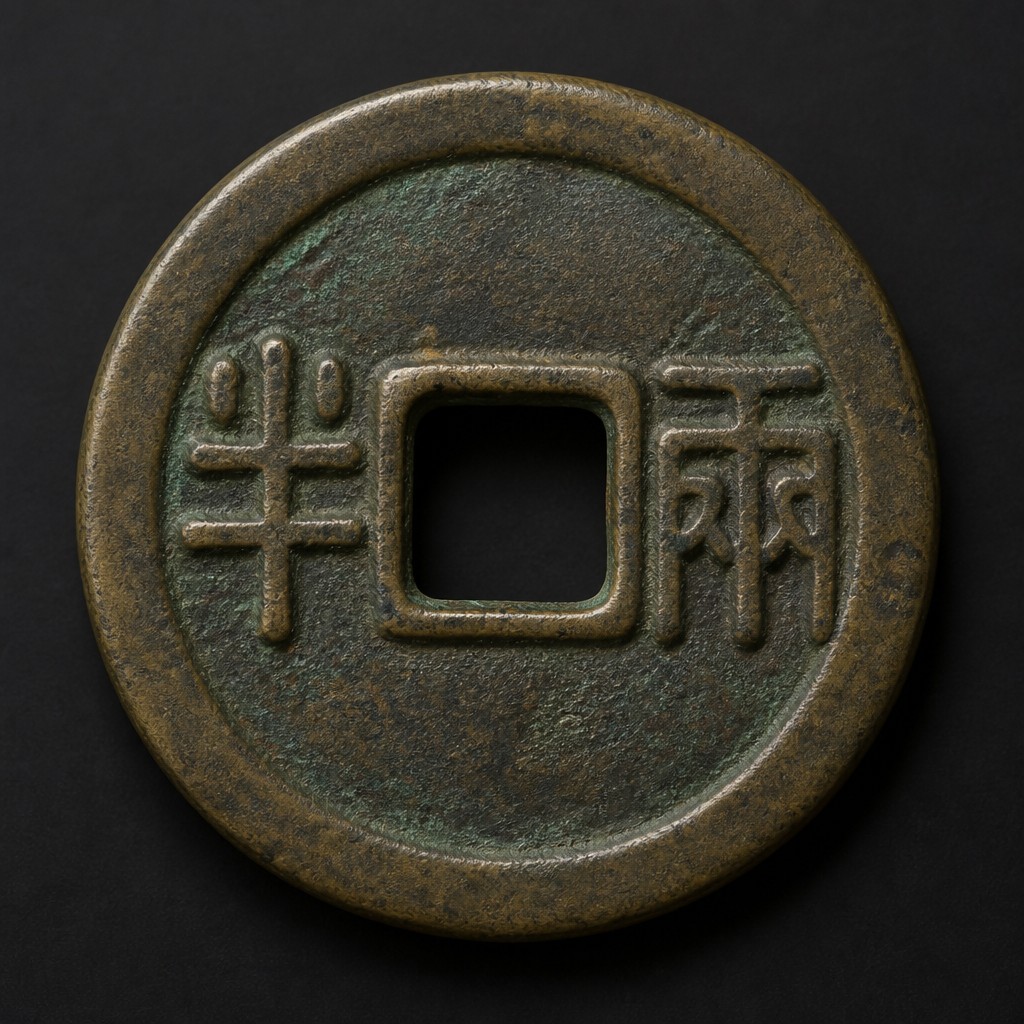
Chinese Ban Liang Cash
c. 221–118 BC
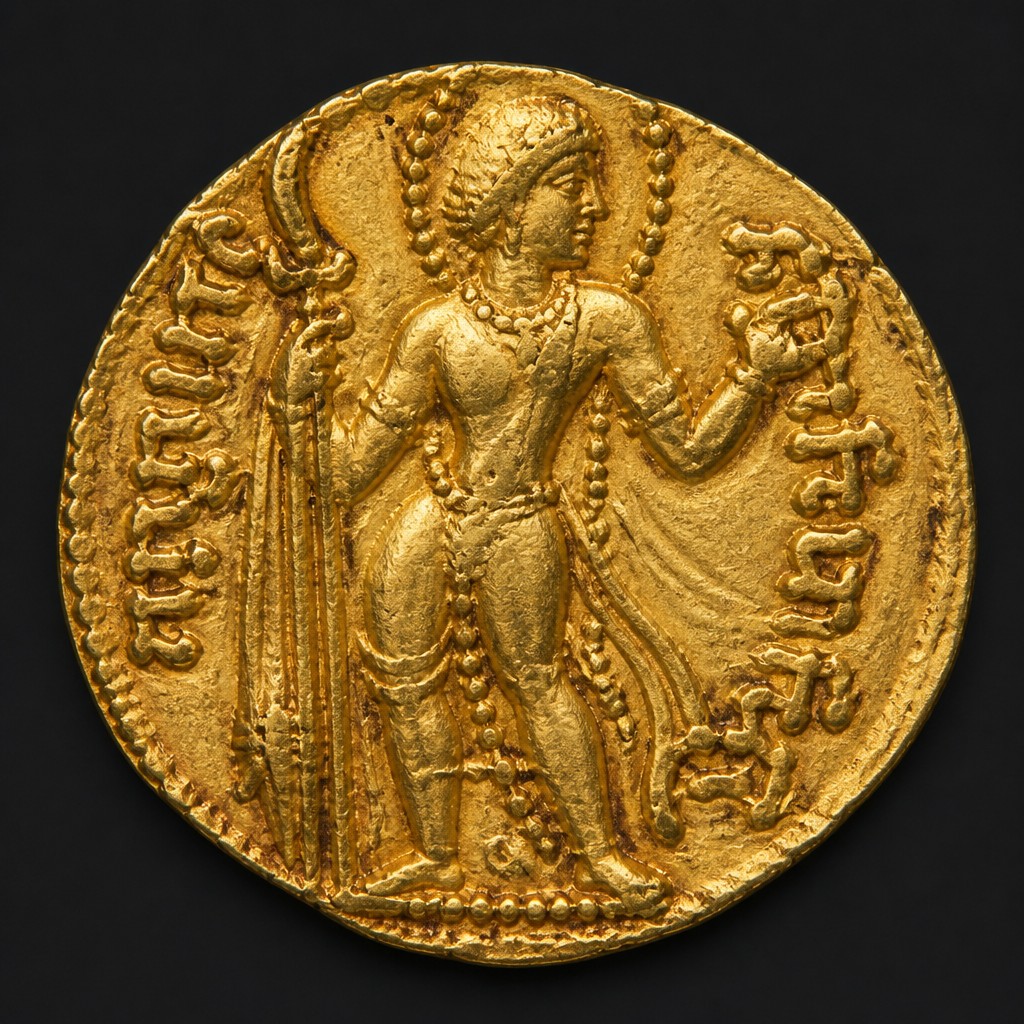
Gupta Empire Gold Dinar
c. 320–550 AD
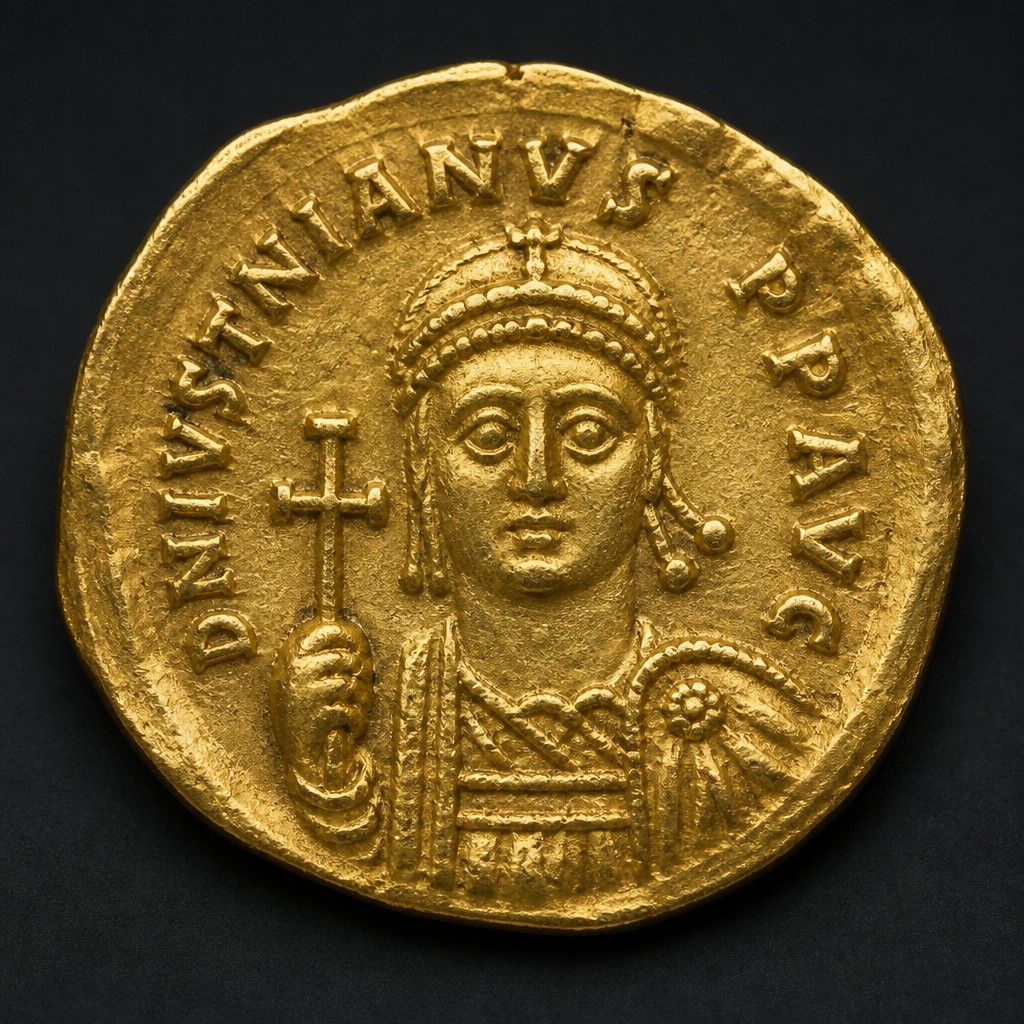
Byzantine Gold Tremissis
c. 4th–7th century AD
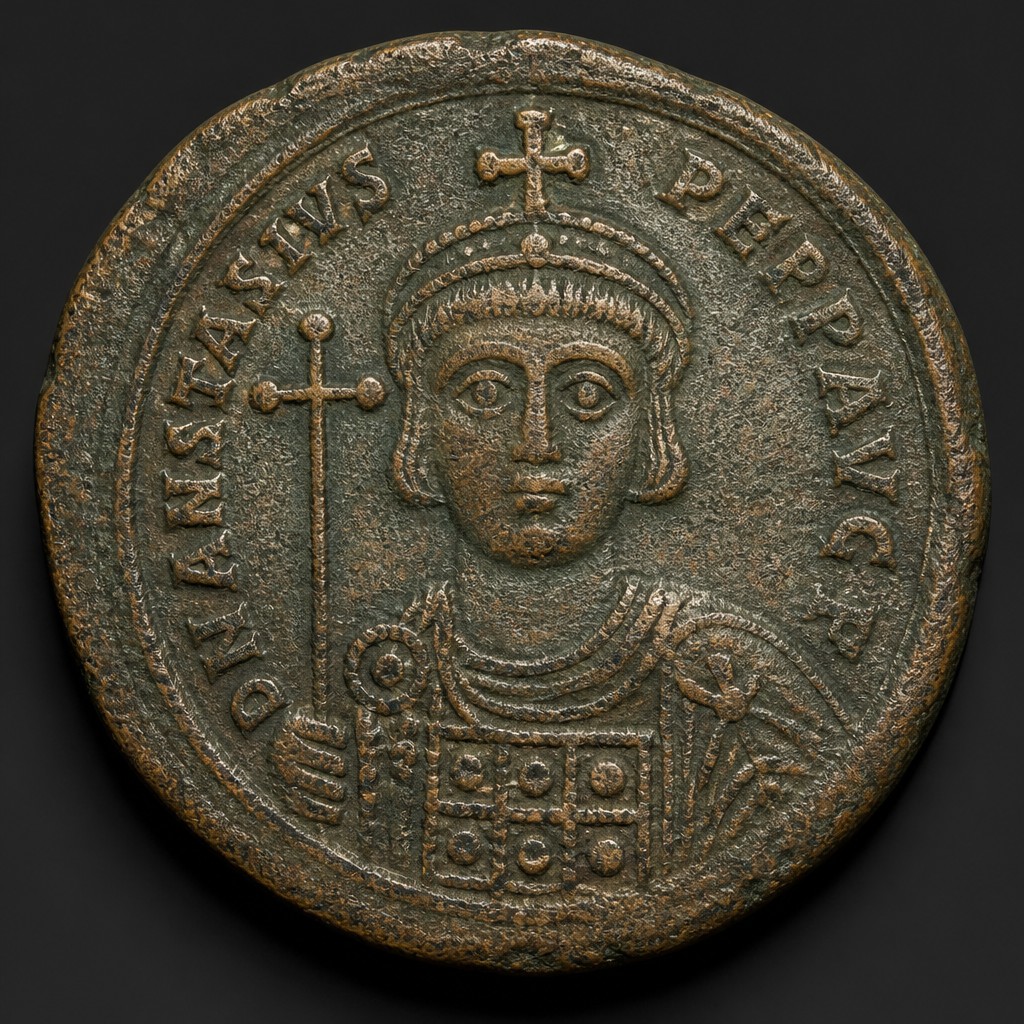
Byzantine Follis
498–c. 11th century AD
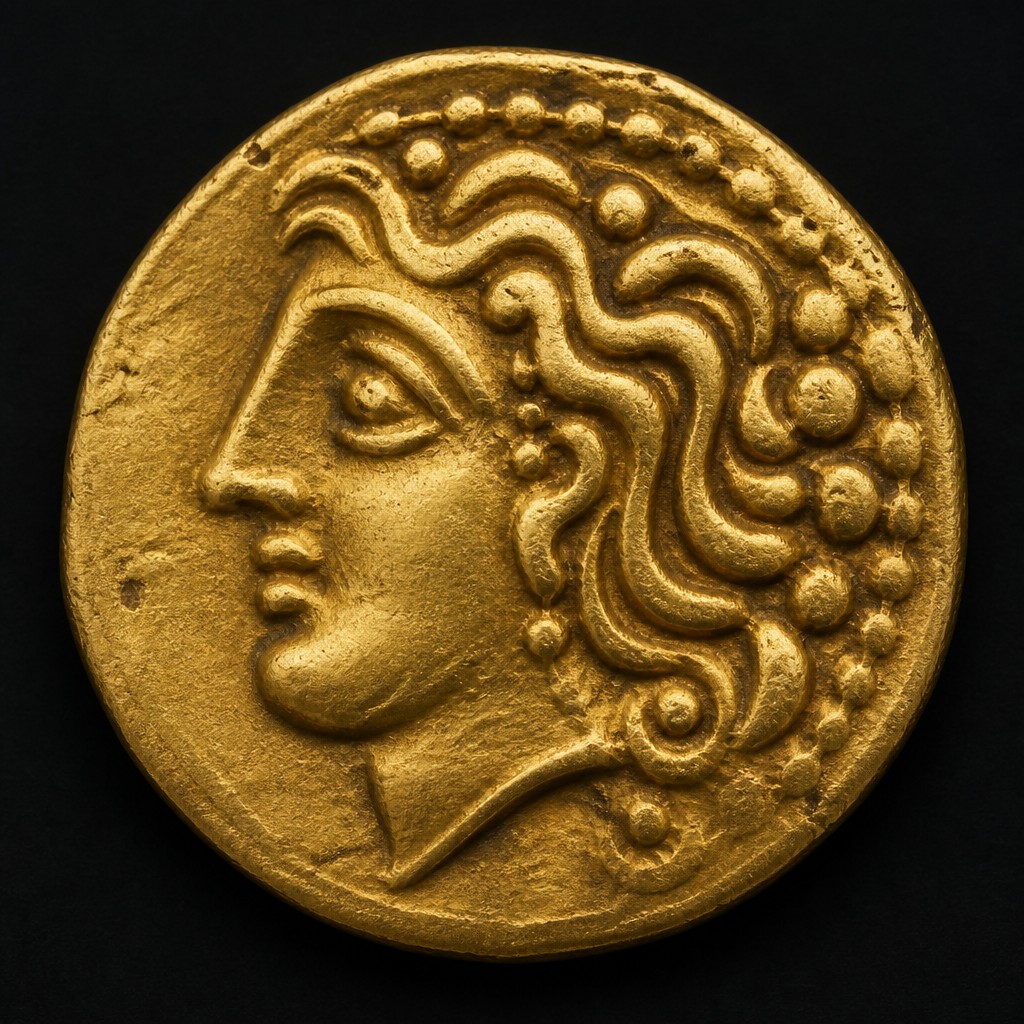
Celtic Gold Stater
c. 3rd century BC – 1st century AD