
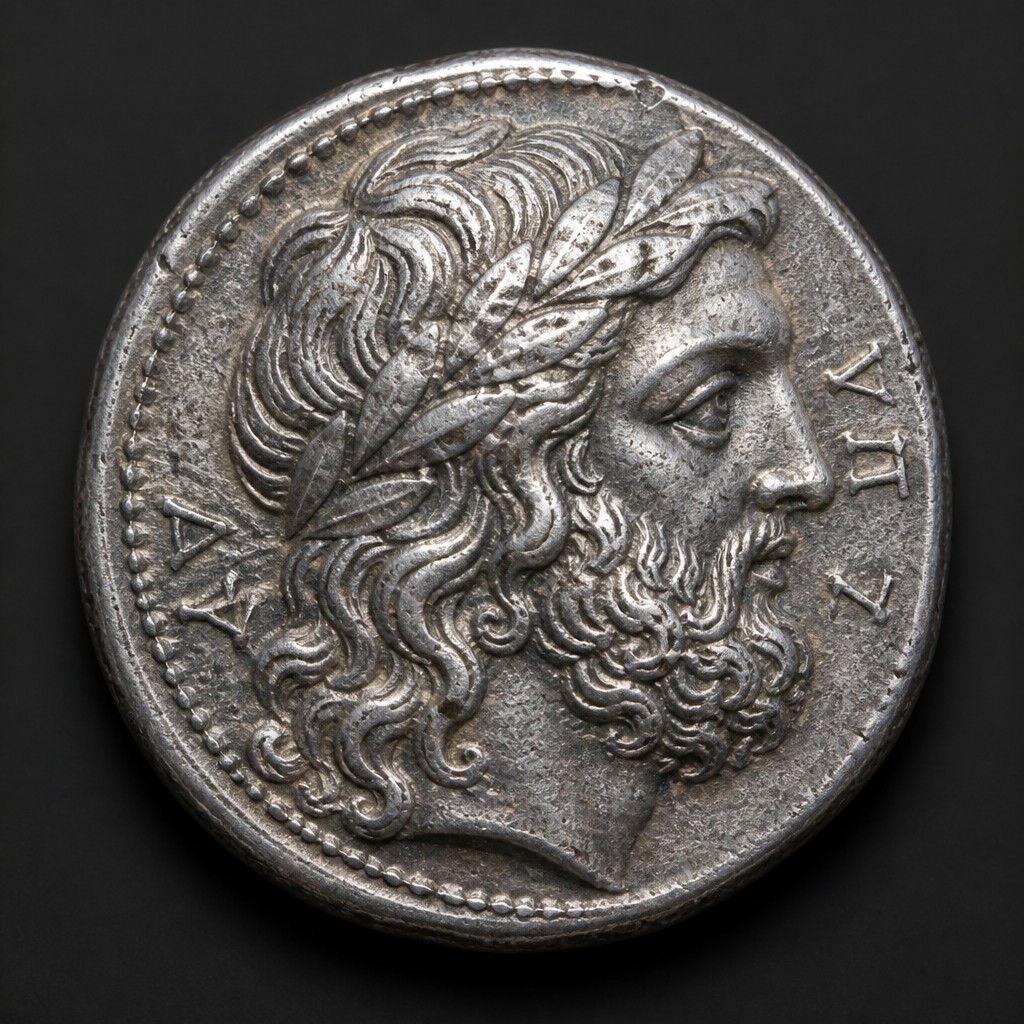
Elis Olympia Zeus Stater
A silver stater struck by the city-state of Elis, guardian of the sanctuary of Olympia, showing Zeus on the obverse and his sacred eagle on the reverse.
- Country
- Ancient Greece (Elis)
- Denomination
- Stater
- Metal
- Silver
Got a coin like this?
Identify any coin from a photo, free.
Overview
The Elis stater is the coinage of the city-state that administered the great Panhellenic sanctuary of Olympia, home of the ancient Olympic Games, and its design honors Zeus, the chief god to whom the sanctuary and games were dedicated. The series is prized by collectors both for its direct connection to Olympia and for the exceptionally high artistic quality of many of its dies, some attributed to leading Peloponnesian engravers of the Classical period.
Because different issues were likely struck to coincide with the quadrennial Olympic festival, the coinage offers a rare numismatic link to one of the most famous institutions of the ancient world.
History & Background
Elis, a city-state in the northwestern Peloponnese, held political control over the sanctuary of Olympia and was responsible for organizing the Olympic Games, held every four years in honor of Zeus. Many scholars believe that Elis issued special coinages, including this stater type, specifically for use at or in connection with the games, when the city needed to provide currency for the large influx of visitors, athletes, and traders attending the festival.
The coinage is celebrated within numismatic scholarship for its artistic ambition; a number of Elean dies are attributed to accomplished engravers who experimented with dramatic poses and expressive detail for the head of Zeus, making the series a highlight for collectors interested in the finest Classical Greek portrait art on coinage.
How to Identify
The obverse shows the head of Zeus, sometimes laureate, in profile, rendered with notable artistic variety across different issues, from severe and bearded to more youthful treatments. The reverse depicts an eagle, Zeus's sacred bird, either standing, flying, or tearing at a serpent or hare, with the ethnic F-A or ΗΛΕΙΩΝ ("of the Eleans") nearby.
The coin is a silver stater on the Aeginetic weight standard common in the Peloponnese, and specific issues are often distinguished by the eagle's pose and any accompanying symbols.
Value & Collectibility
Elis staters are respected among specialists for their artistry and their Olympic connection, and prices vary with the specific issue and die quality; average examples might be found in the several-hundred-dollar range, while coins attributed to the finest engravers or in exceptional condition can bring considerably more. Because the series includes some coins regarded as among the finest artistic achievements of Classical Greek coinage, connoisseurship and die attribution play an outsized role in determining value.
Frequently asked questions
Why is this coin connected to the Olympic Games?
Elis controlled the sanctuary of Olympia and organized the ancient Olympic Games, and many scholars believe issues like this stater were struck in connection with the quadrennial festival.
Who is shown on the obverse?
Zeus, the chief god of the Greek pantheon and the deity to whom Olympia and the Games were dedicated.
What does the eagle on the reverse represent?
The eagle was Zeus's sacred bird, commonly shown standing, flying, or attacking a serpent or hare on Elean coinage.
Why are some Elis staters especially prized?
A number of dies are attributed to highly skilled Peloponnesian engravers, making certain issues stand out as artistic highlights of Classical Greek coinage.
What weight standard was used?
The Aeginetic standard, common among Peloponnesian city-states of the era.
Other coins you may enjoy
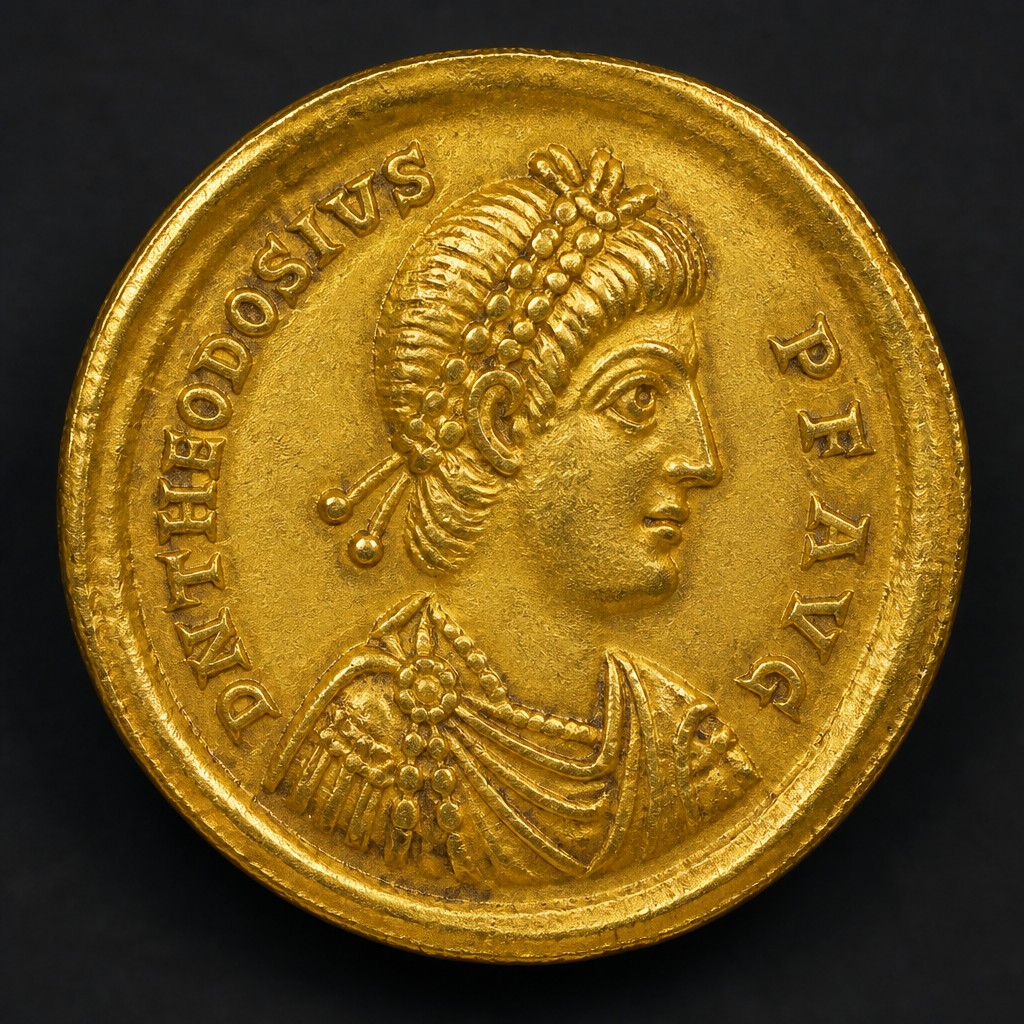
Theodosius I Solidus
379–395 AD
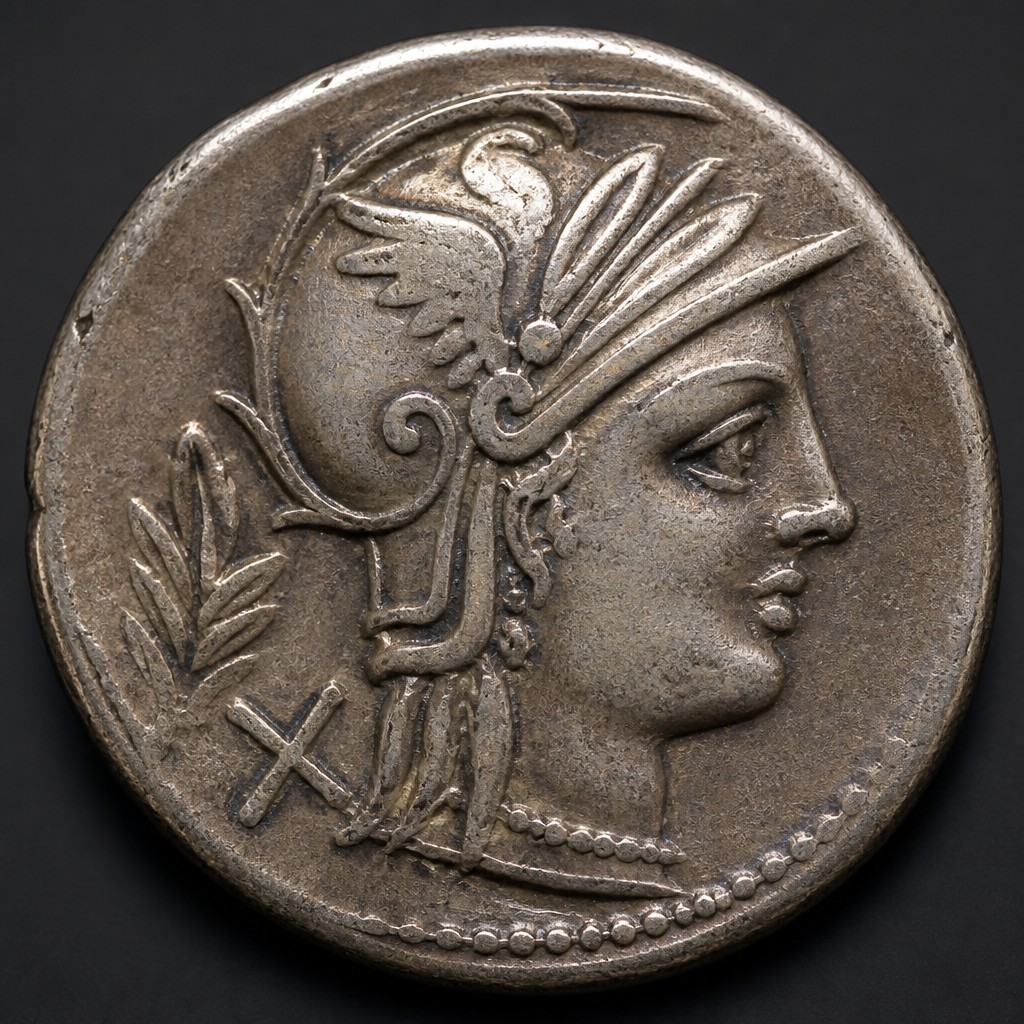
Republican Victoriatus
c. 211–170 BC
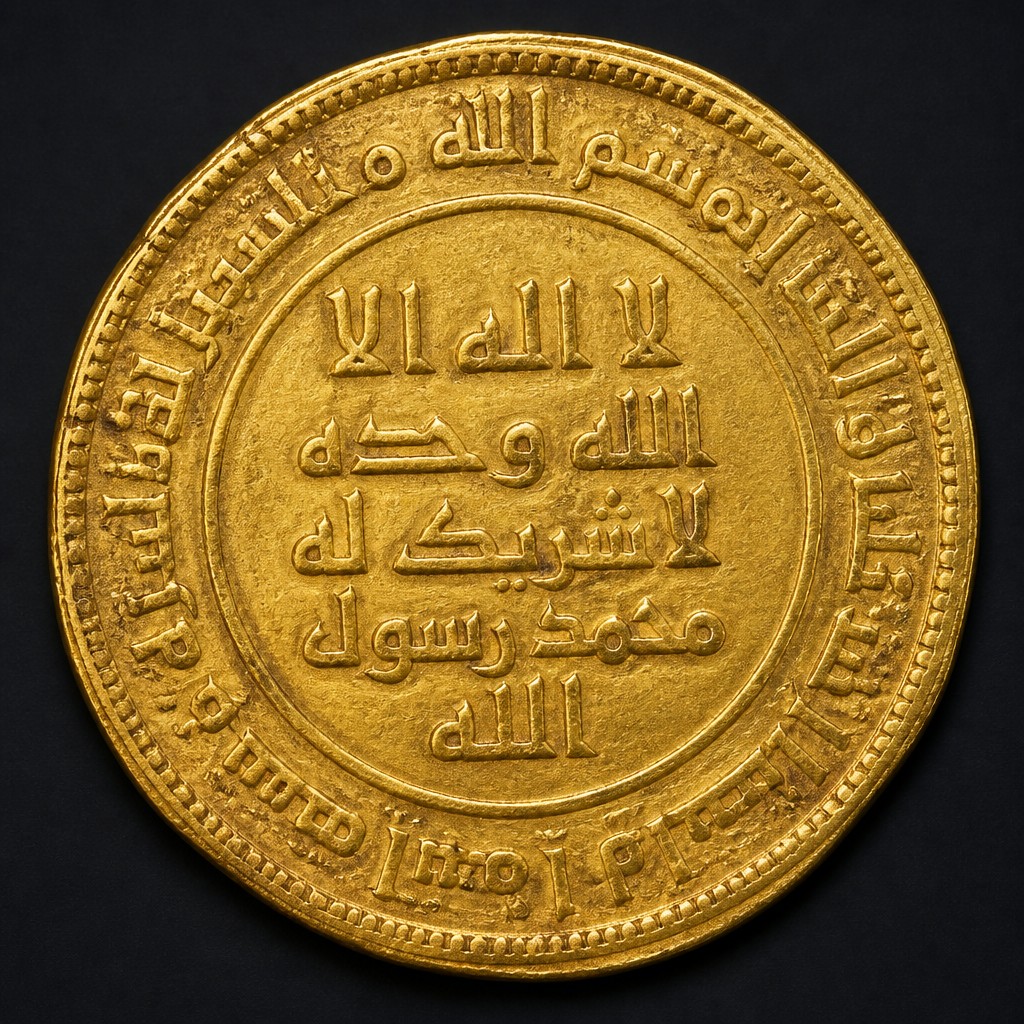
Islamic Gold Dinar (Umayyad)
c. 696–750 AD
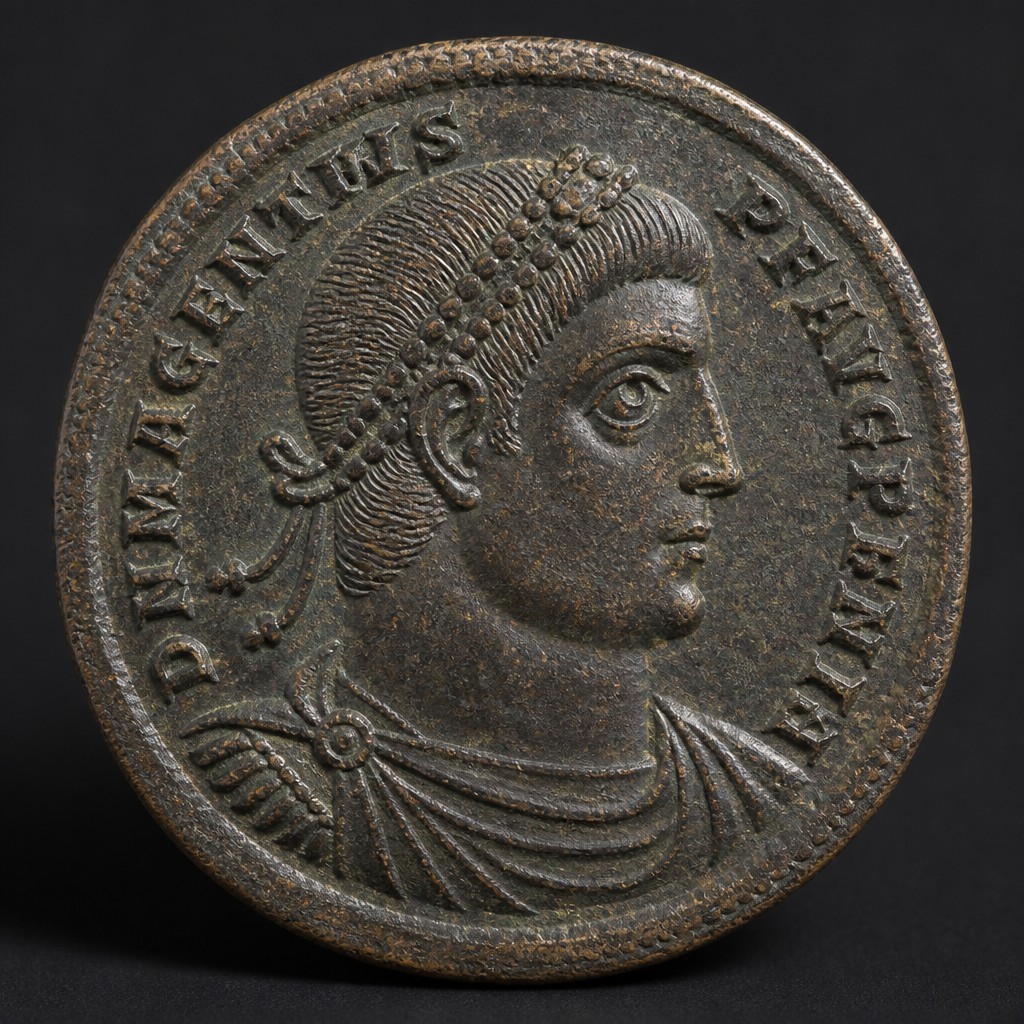
Magnentius Double Centenionalis
350–353 AD
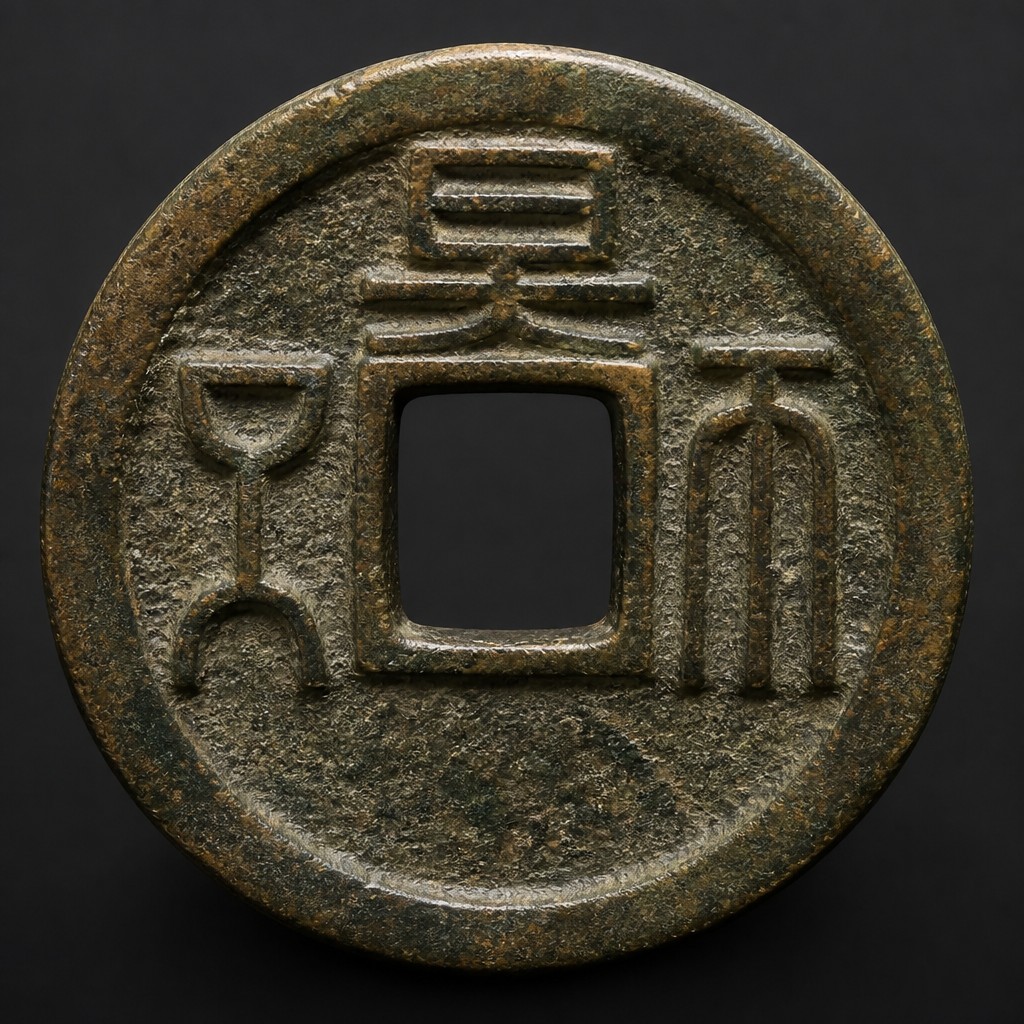
Chinese Wu Zhu Cash
118 BC – 618 AD
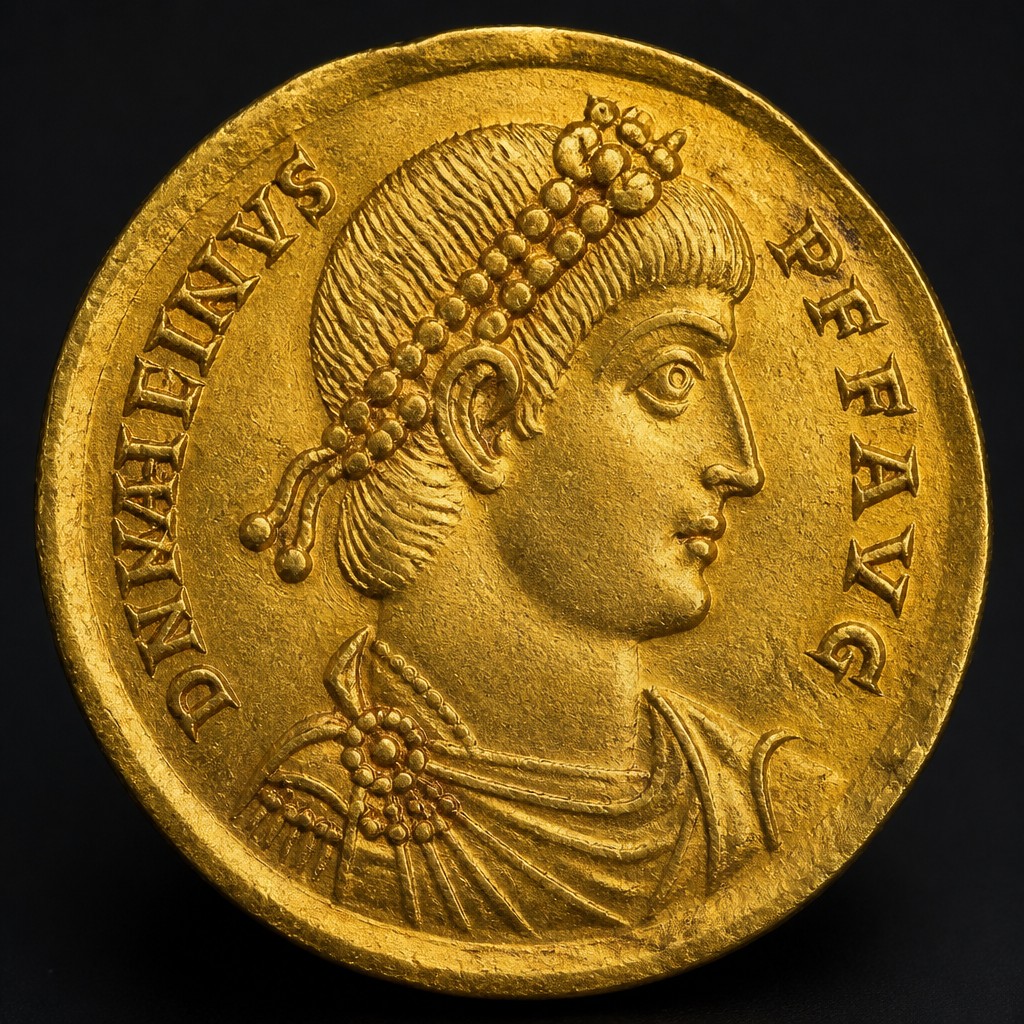
Valentinian I Solidus
364–375 AD
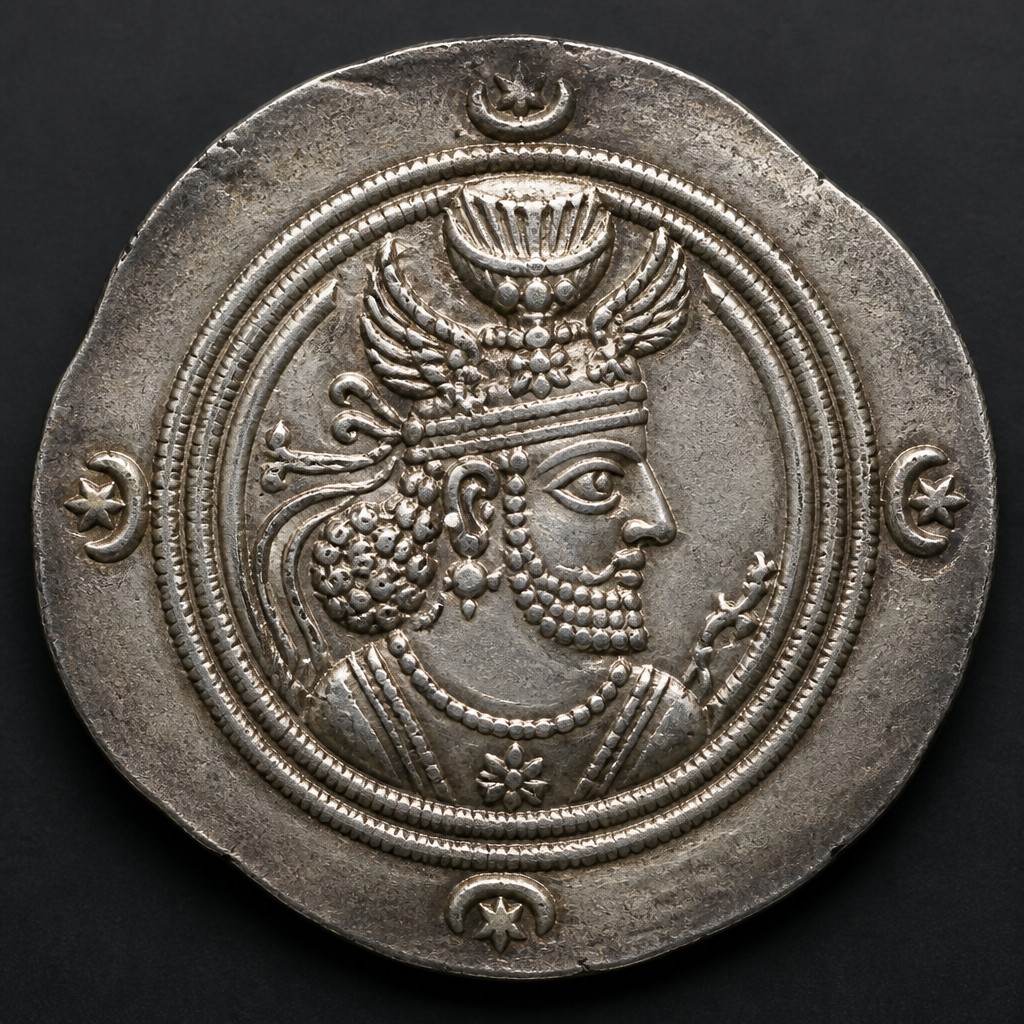
Sassanian Silver Drachm
c. 224–651 AD
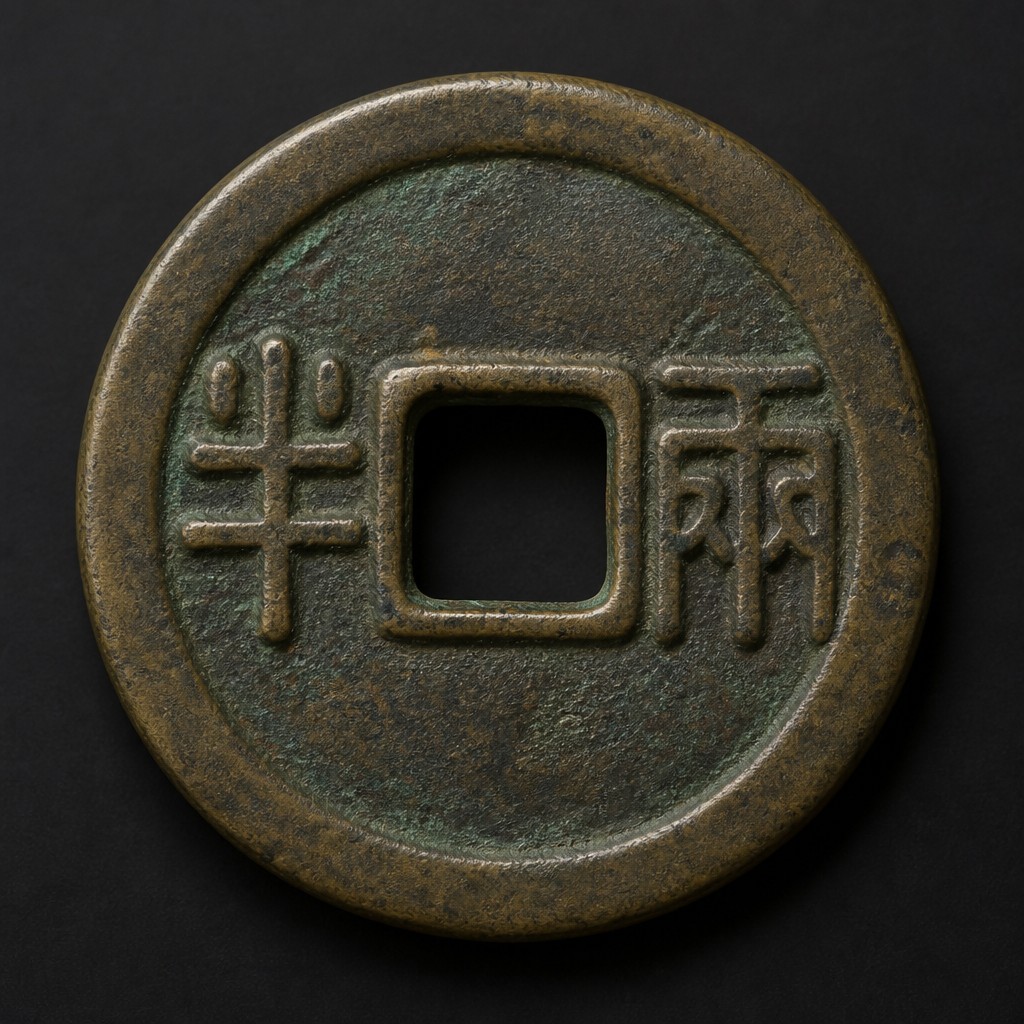
Chinese Ban Liang Cash
c. 221–118 BC
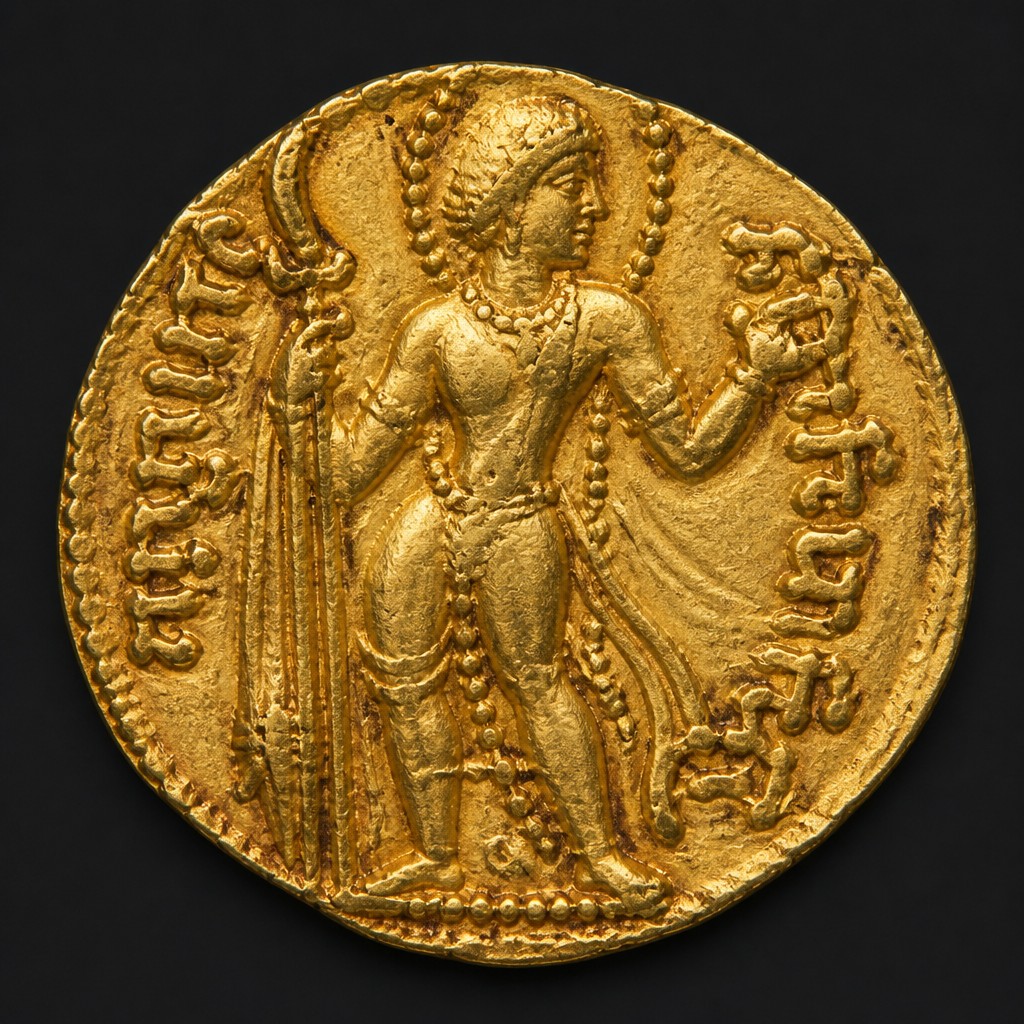
Gupta Empire Gold Dinar
c. 320–550 AD
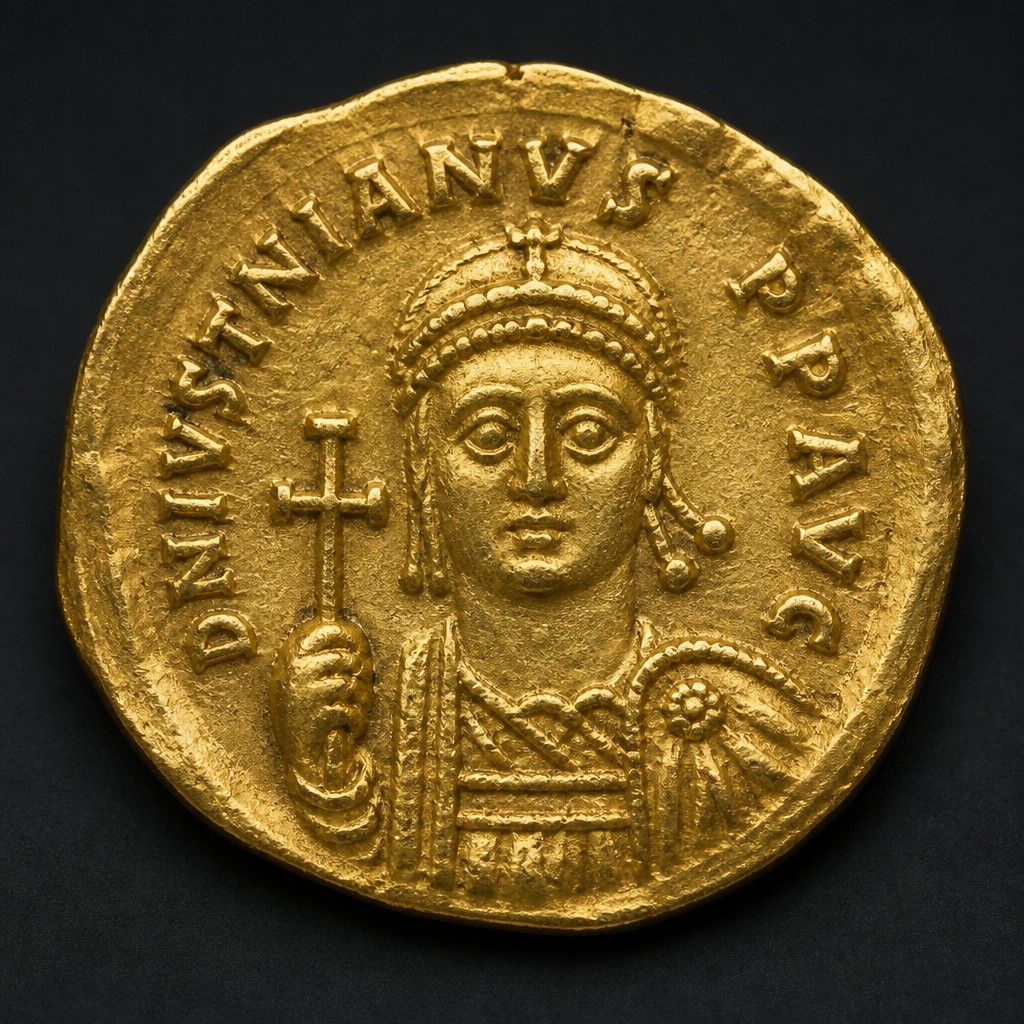
Byzantine Gold Tremissis
c. 4th–7th century AD
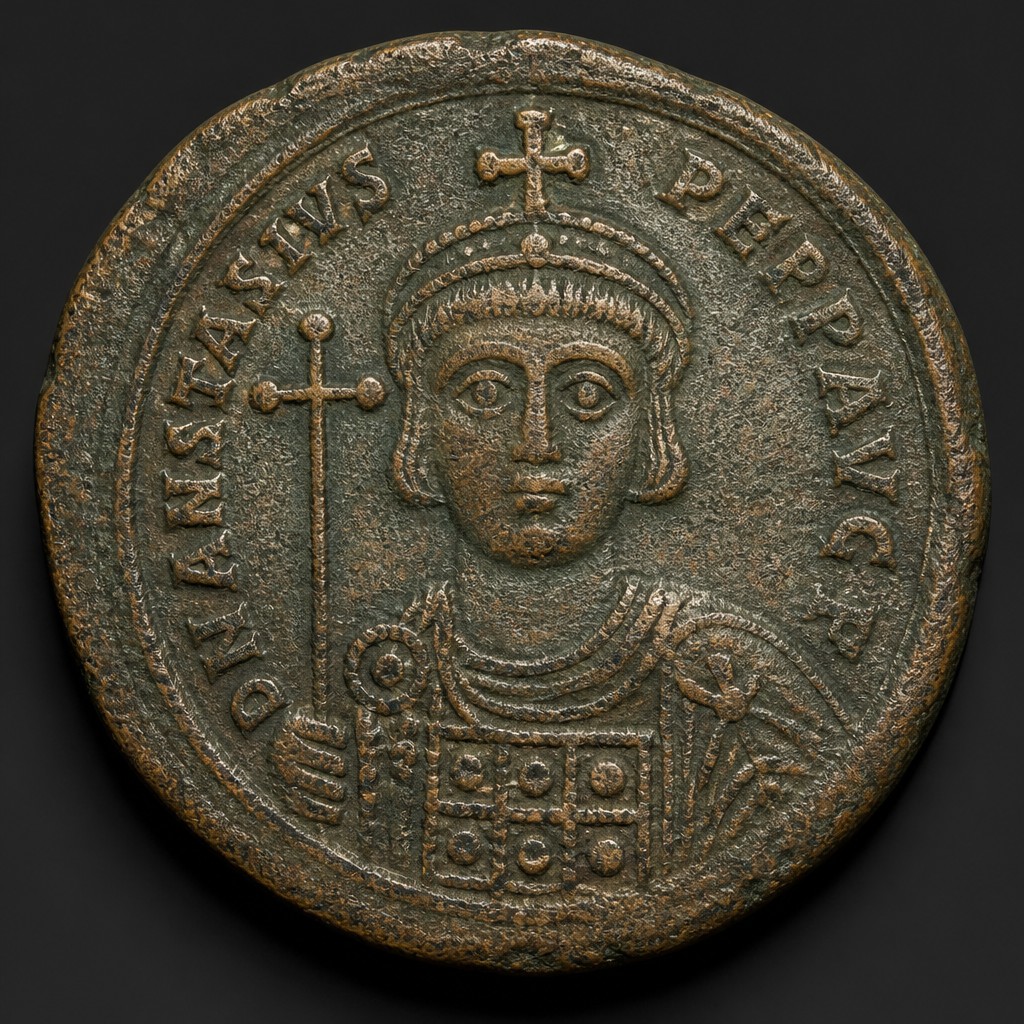
Byzantine Follis
498–c. 11th century AD
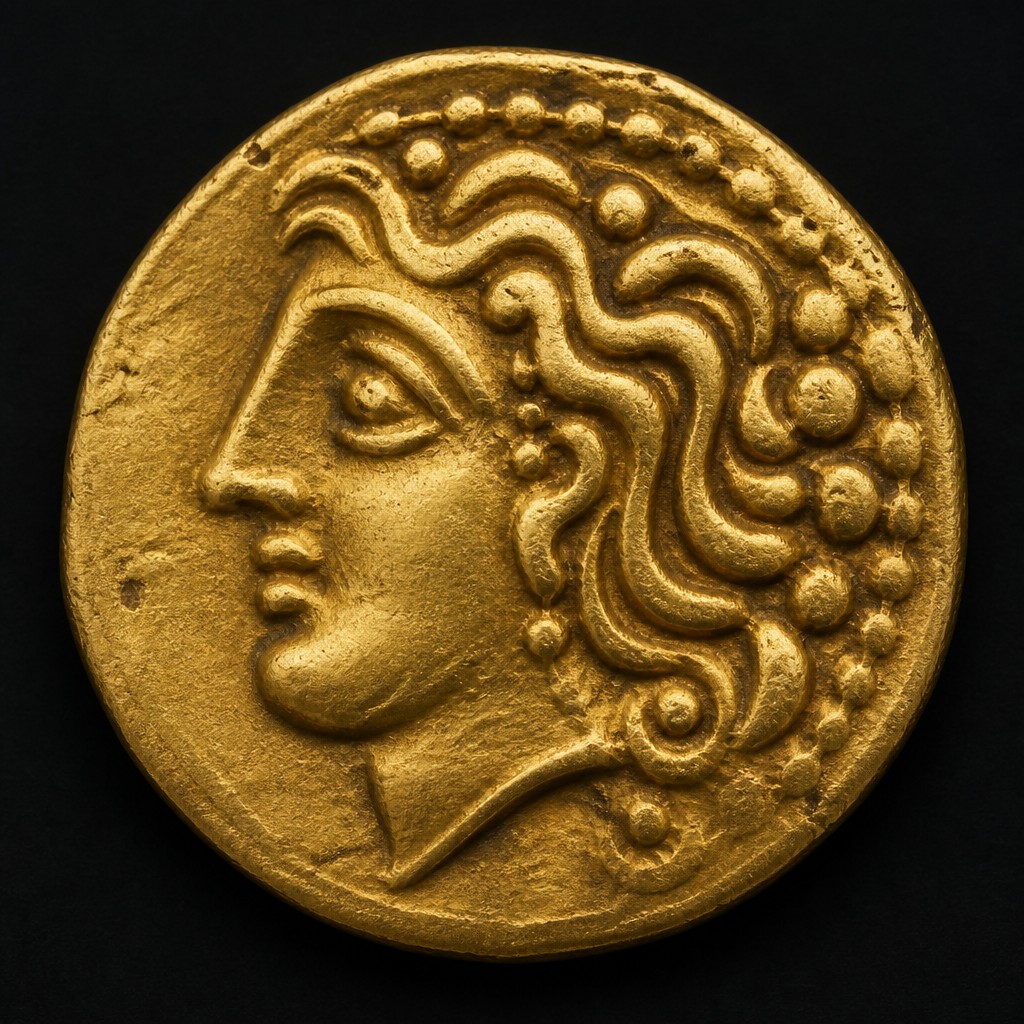
Celtic Gold Stater
c. 3rd century BC – 1st century AD