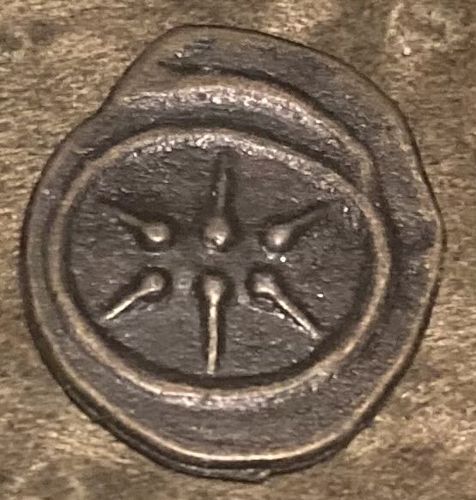
Ancient Roman or Byzantine Seal/Amulet (likely not a coin)
Roman Empire or Byzantine Empire (approximation) · Unknown (likely Ancient to Medieval period)
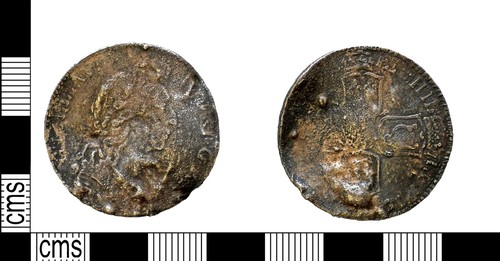
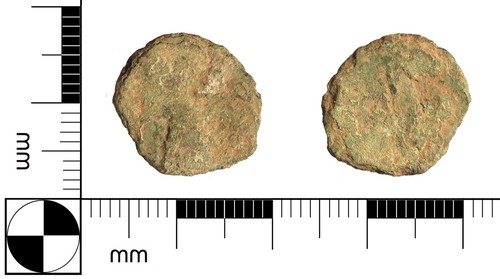
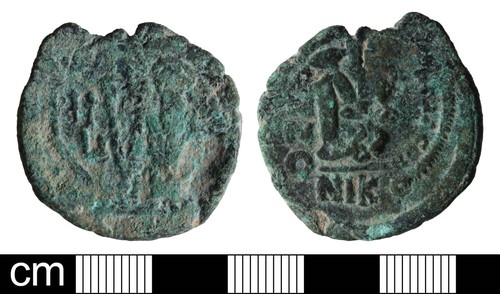
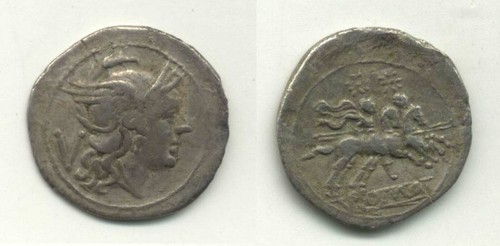
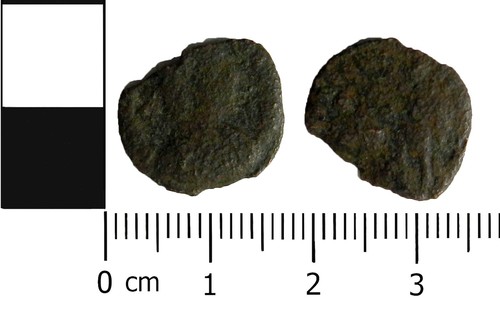
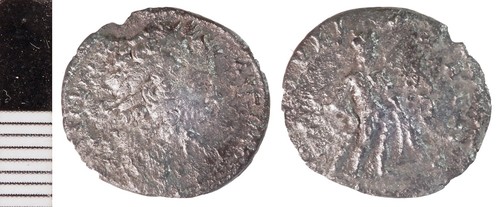
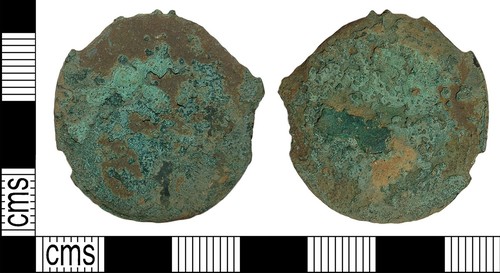
The object is roundish with an irregular edge, resembling a wax seal. The central design features a circular border enclosing a stylized radiating symbol, possibly a star, sunburst, or a monogram with multiple points or rays extending from a central point. There are five prominent points, with possibly smaller dots or elements between them.
- Country
- Roman Empire or Byzantine Empire (approximation)
- Year
- Unknown (likely Ancient to Medieval period)
- Denomination
- Not applicable (likely not a coin, possibly a seal or amulet)
- Metal
- Bronze or a copper alloy (appears metallic and dark patinated)
This report is AI-generated and can be wrong. Always verify grade, authenticity, and value with a qualified dealer or certified grading service before buying, selling, or insuring.
Identify your own coins.
Get a report just like this from any photo, free.
Overview
Historical significance
Estimated value
Care & preservation
More like this
Other roman empire or byzantine empire (approximation) coins
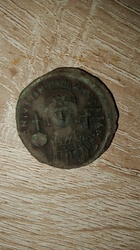
Byzantine Folles of Justinian I
Byzantine Empire · 527-565 AD
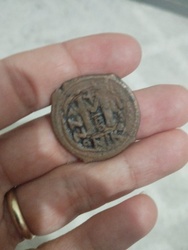
Byzantine Empire Follis (40 Nummi)
Byzantine Empire · 527–600 AD (Typically Justinian I, Justin II, or Maurice Tiberius)
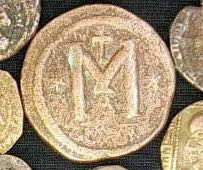
Follis (large module)
Byzantine Empire · Circa 498-668 AD (specifically, the image likely shows a follis from the reigns of Justinian I, Justin II, or Maurice Tiberius, given the clear 'M' design)
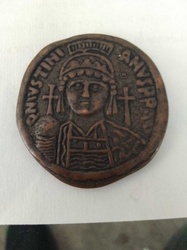
Justinian I Follis (Large Bronze 40 Nummi)
Byzantine Empire (Eastern Roman Empire) · 538-539 AD (Regnal Year 12)
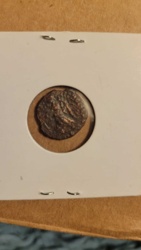
Late Roman AE4 (Bronze) Coin
Roman Empire · Circa 330-400 AD
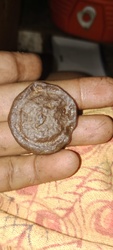
Byzantine Follis (Likely Anonymous Type)
Byzantine Empire · Approximately 9th - 11th Century AD