
Coin Encyclopedia
Search and identify coins from around the world — with country, denomination, metal, mint, history, and how to tell them apart.
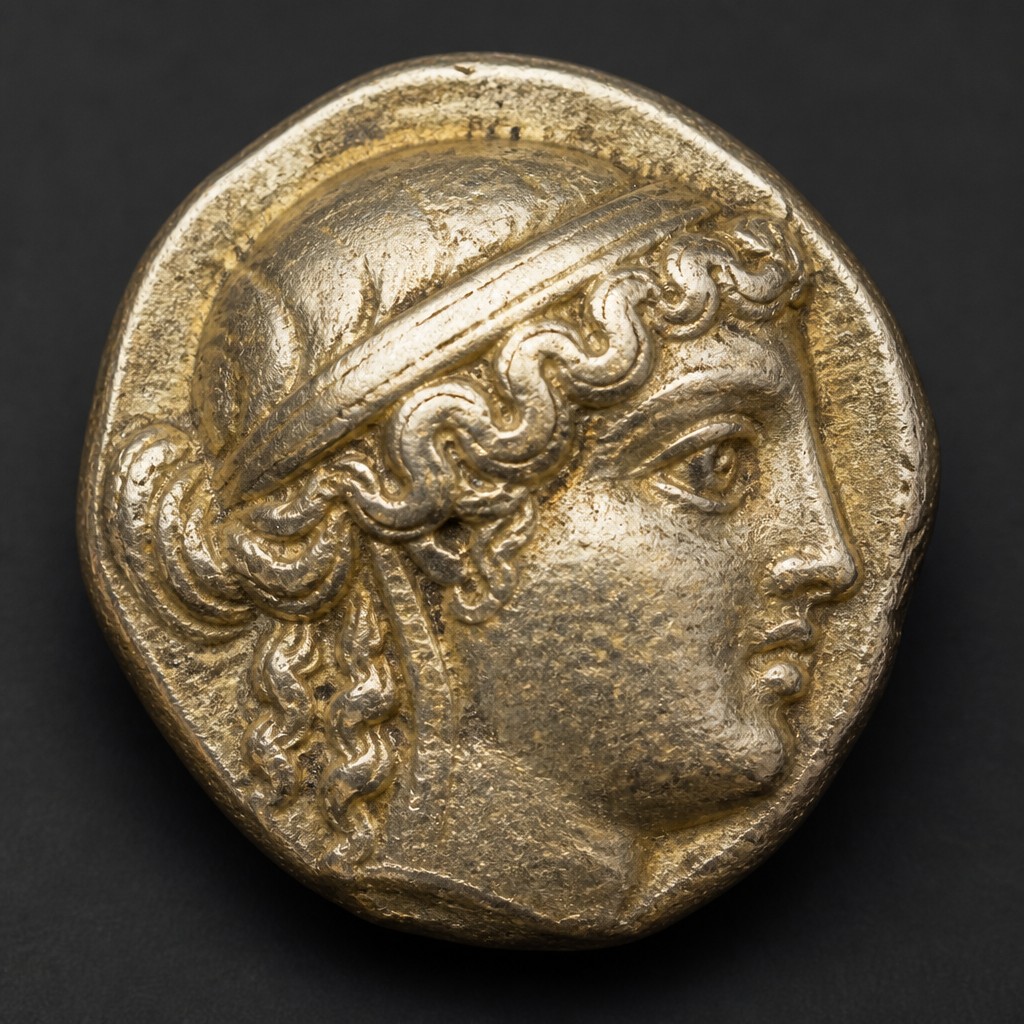
Lampsakos Electrum Stater
An electrum stater from Lampsakos on the Hellespont, another important early precious-metal trade coinage of Asia Minor, often featuring a winged horse or janiform head.
Ancient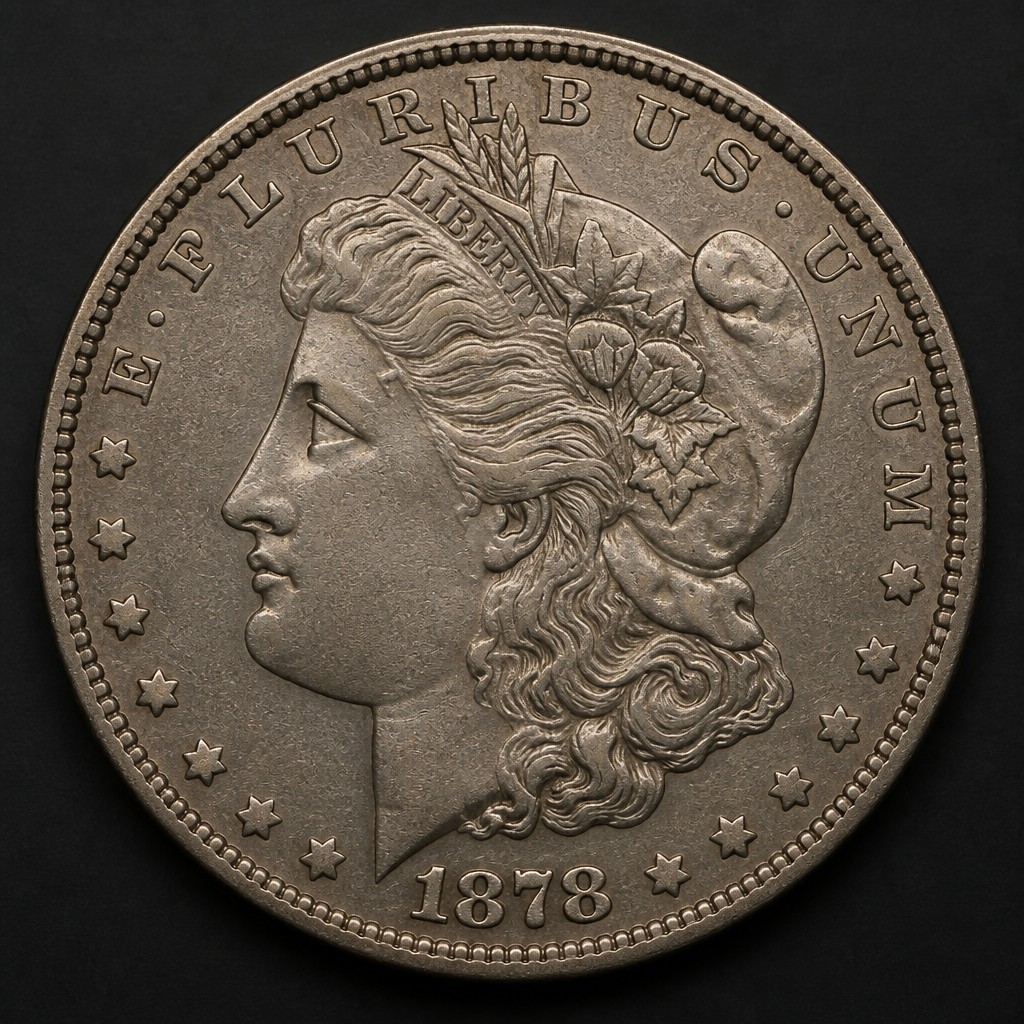
GSA Morgan Dollar
Morgan silver dollars, mostly from Carson City, sold by the U.S. General Services Administration in the 1970s in distinctive hard plastic holders with a black or brown outer box.
United States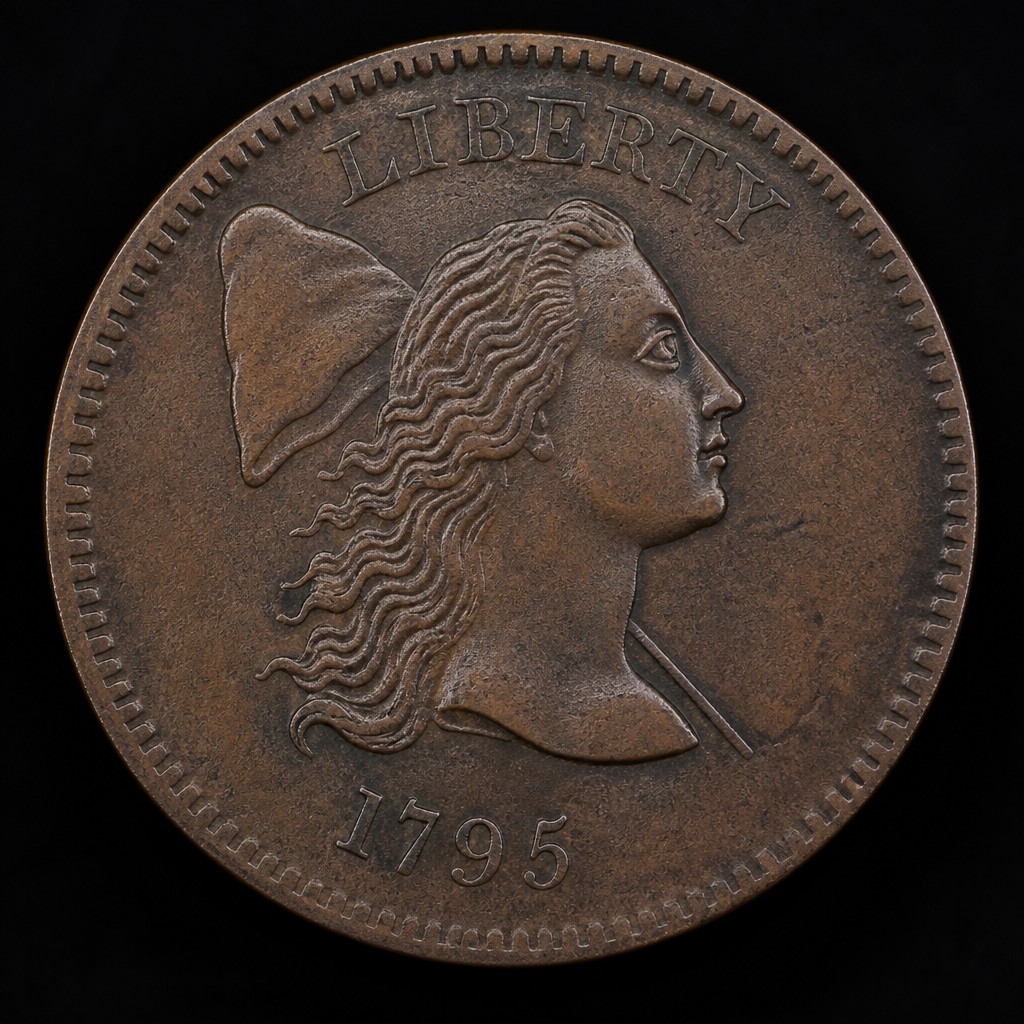
1795 Liberty Cap Large Cent
An early United States large cent from 1795 featuring the Liberty Cap design, struck as America's young Mint worked out production and metal-supply challenges.
United States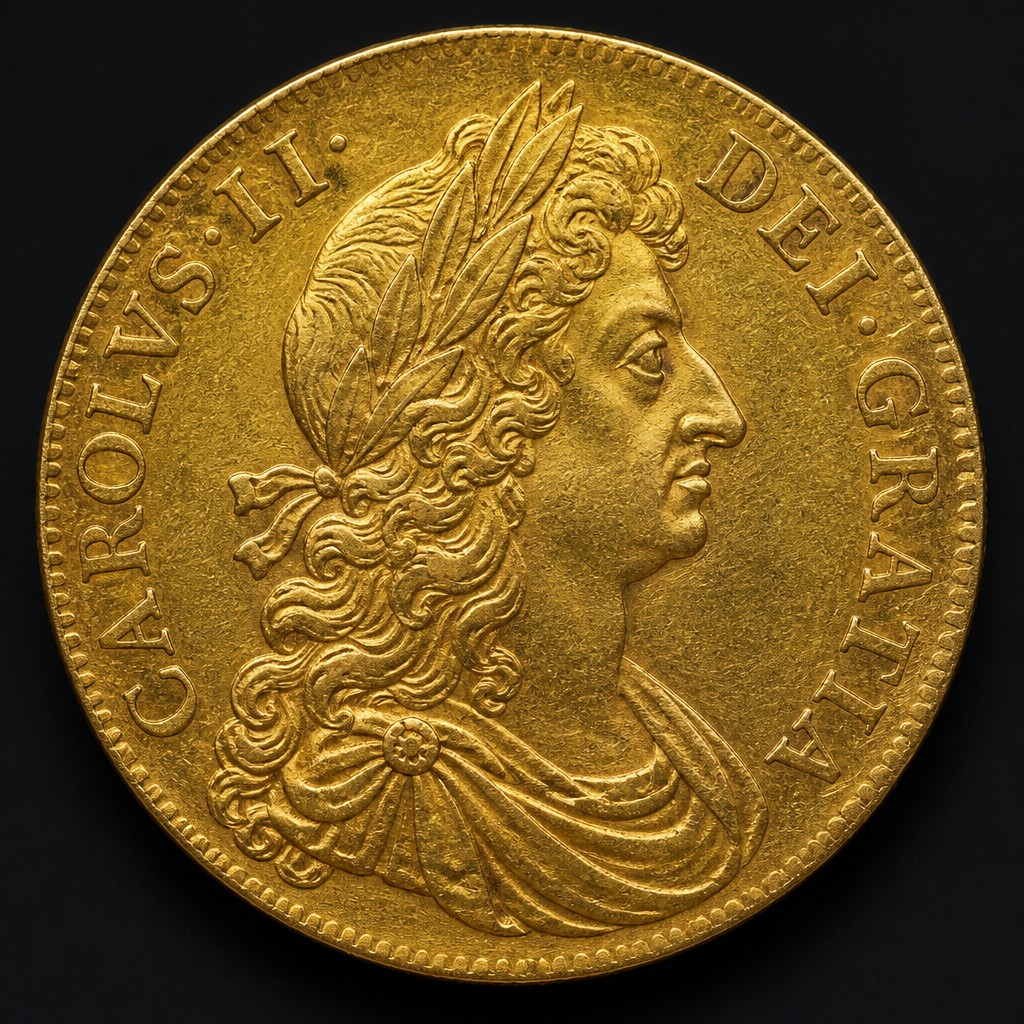
British Gold Guinea
Struck from 1663 to 1814 and named for the West African gold used in its earliest issues, the guinea was Britain's leading gold coin and gave its name to a unit of value still referenced today.
British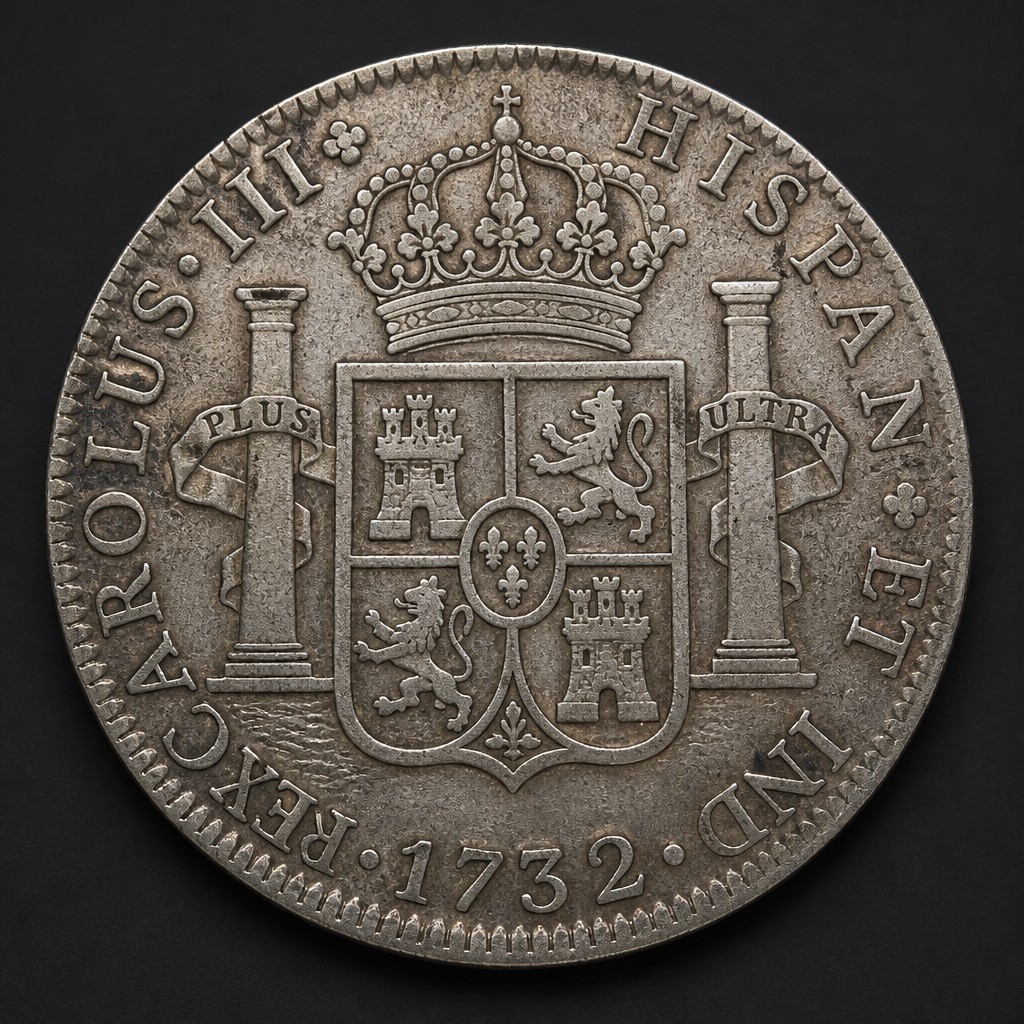
Mexican 8 Reales Pillar Dollar
Minted in colonial Mexico City from 1732 to the early 1770s, the pillar dollar's crowned globes and Pillars of Hercules design made it one of the most widely trusted silver trade coins in the world.
Latin American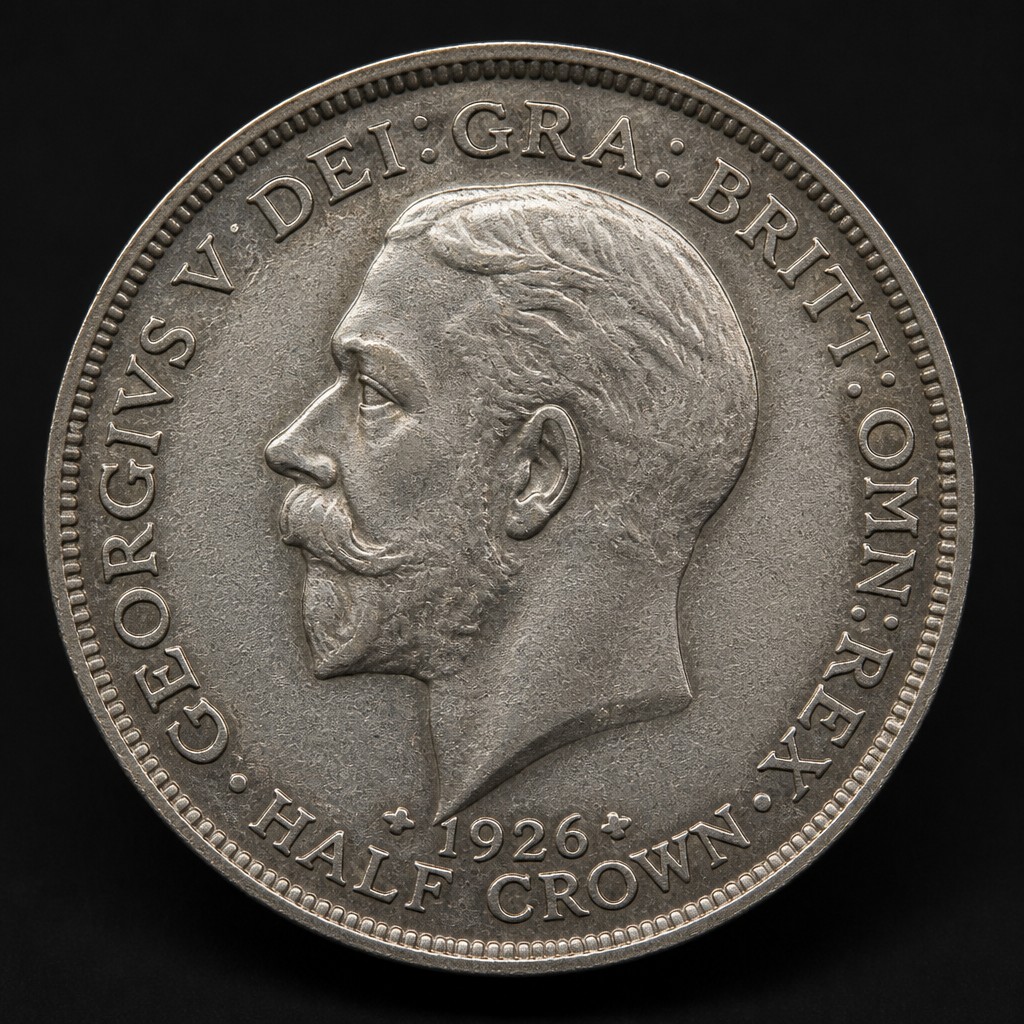
Half Crown
A long-lived British coin worth one-eighth of a pound, struck from the Tudor era until decimalisation in 1970, valued today mainly for its portraits and design variety.
British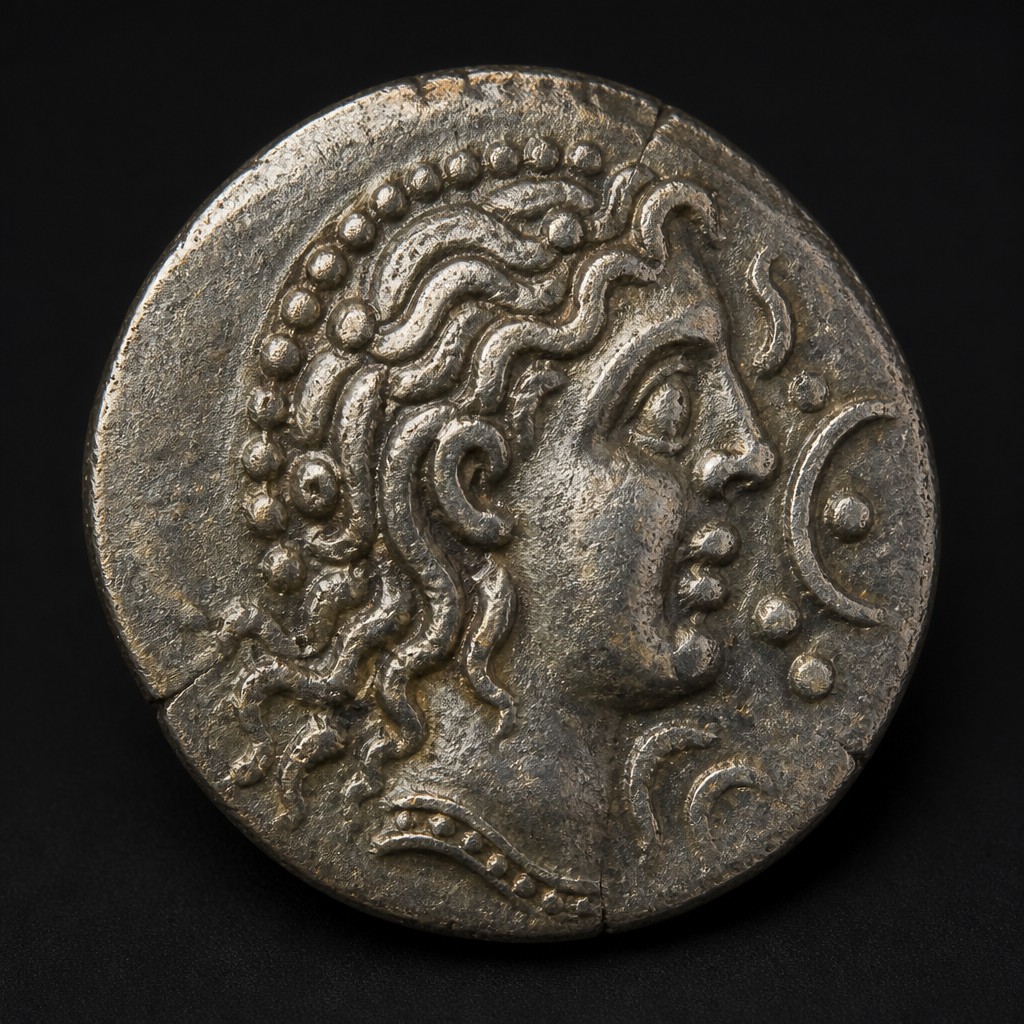
Armorican Billon Stater
A debased silver-alloy stater struck by Celtic tribes of Armorica (modern Brittany), showing wildly abstracted horse and head designs derived from Greek prototypes.
Ancient
Half Crown Gold
A small gold coin worth half a gold crown, struck from the reign of Henry VIII through the English Civil War, distinct from the far more familiar silver half crown that circulated for centuries afterward.
British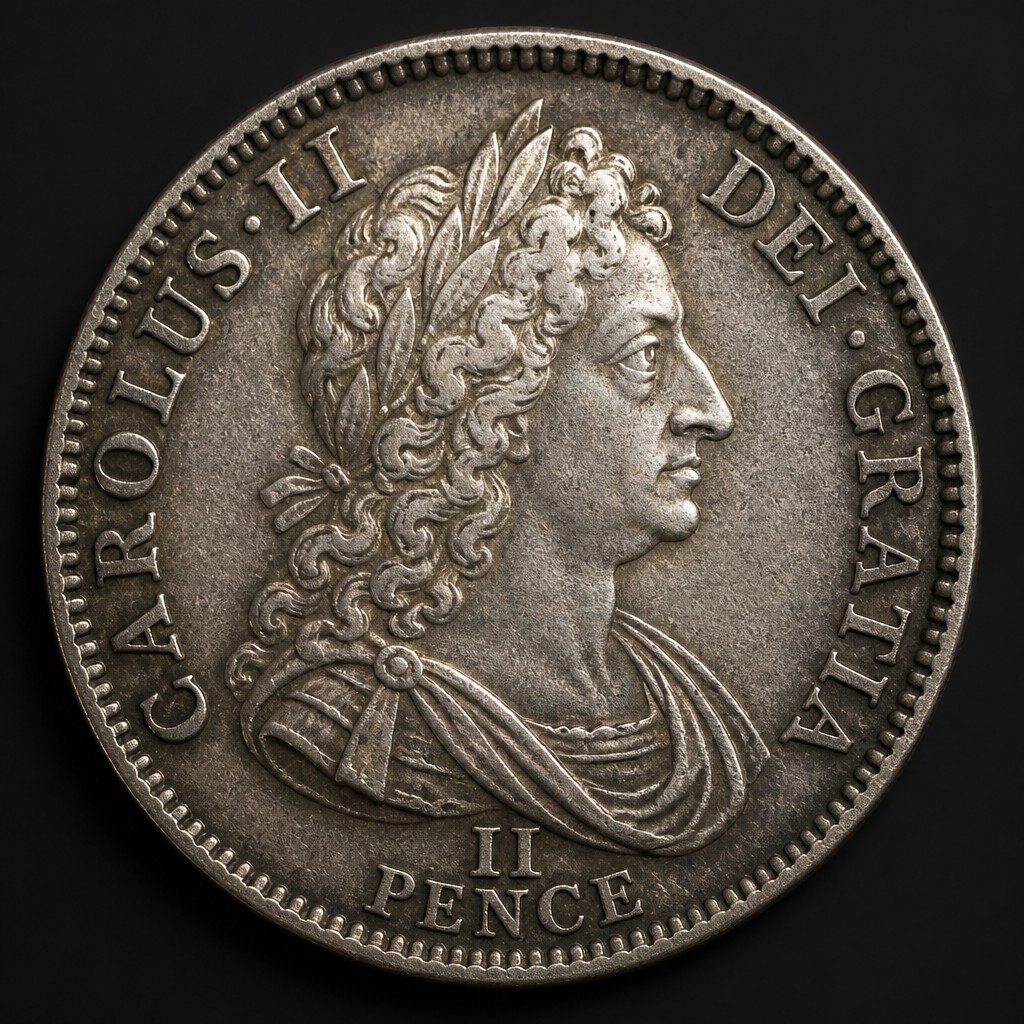
Maundy Twopence
A small silver twopence struck each year as part of the Royal Maundy set, historically descended from the medieval silver half groat and still distributed in the annual royal alms ceremony.
British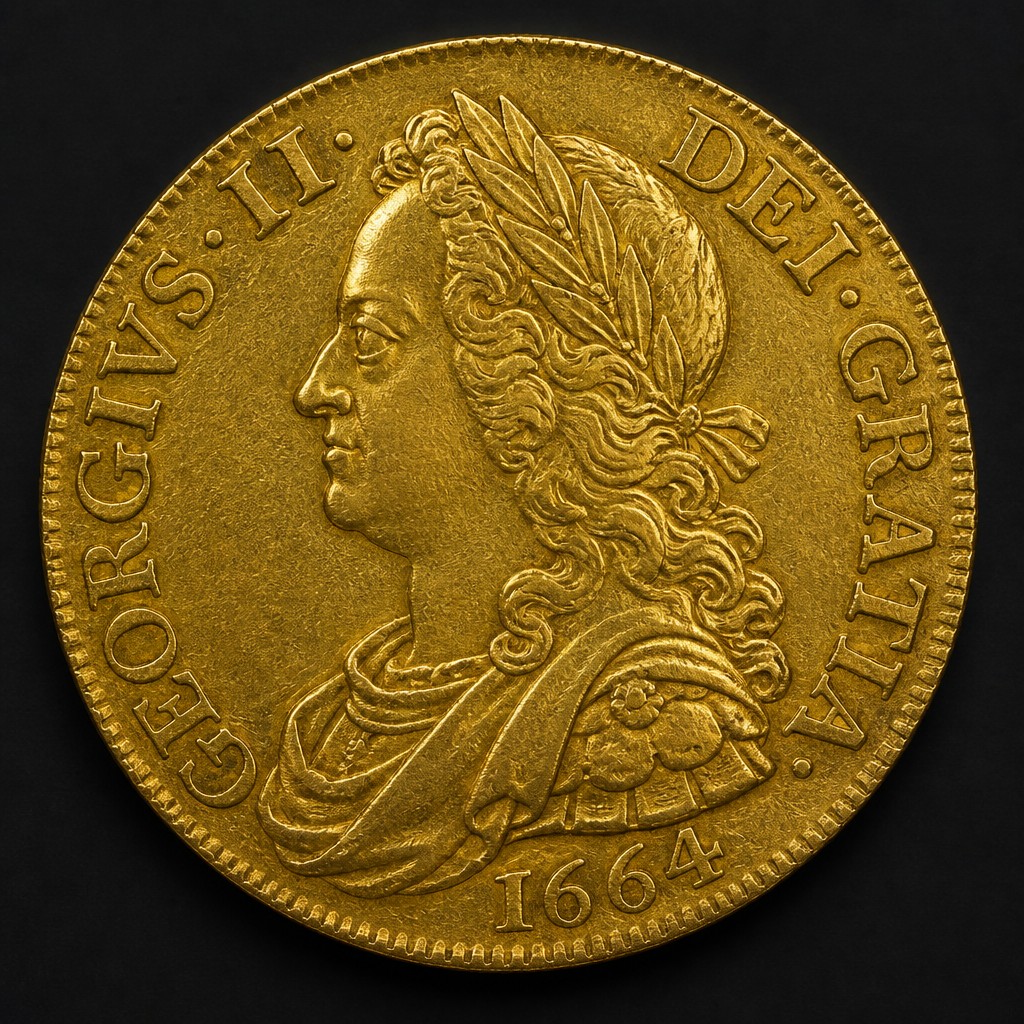
Two Guinea (Double Guinea)
A substantial gold coin worth two guineas, struck intermittently from the reign of Charles II through George II as part of England and Great Britain's early guinea coinage system.
British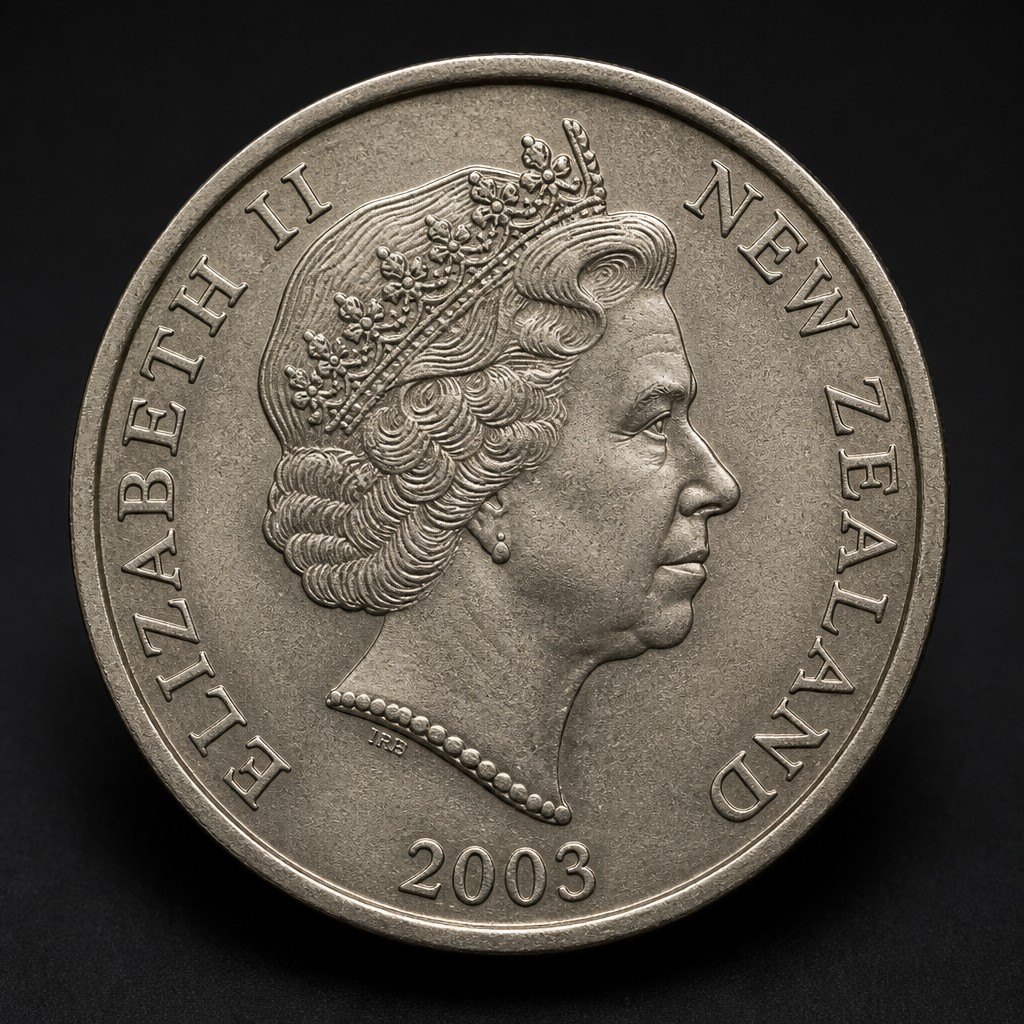
New Zealand Lord of the Rings Coins (2003)
New Zealand issued legal-tender coins featuring characters and scenes from Peter Jackson's Lord of the Rings film trilogy, celebrating the films' production in the country with both a circulating dollar and premium collector coins.
Commemorative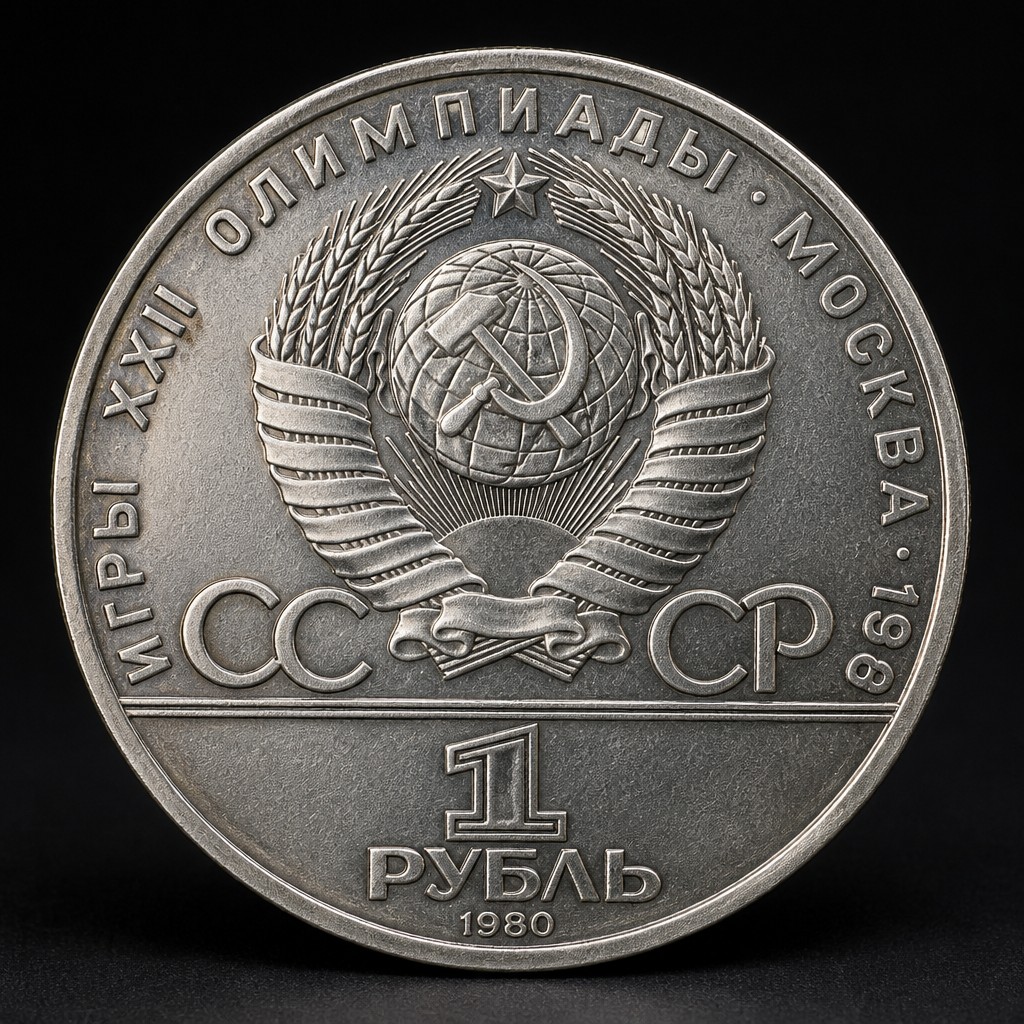
1980 Moscow Olympics Silver Rouble
The Soviet Union struck an extensive multi-denomination coin program from 1977 to 1980 celebrating the Moscow Summer Olympics, including widely collected silver 1 rouble coins.
Commemorative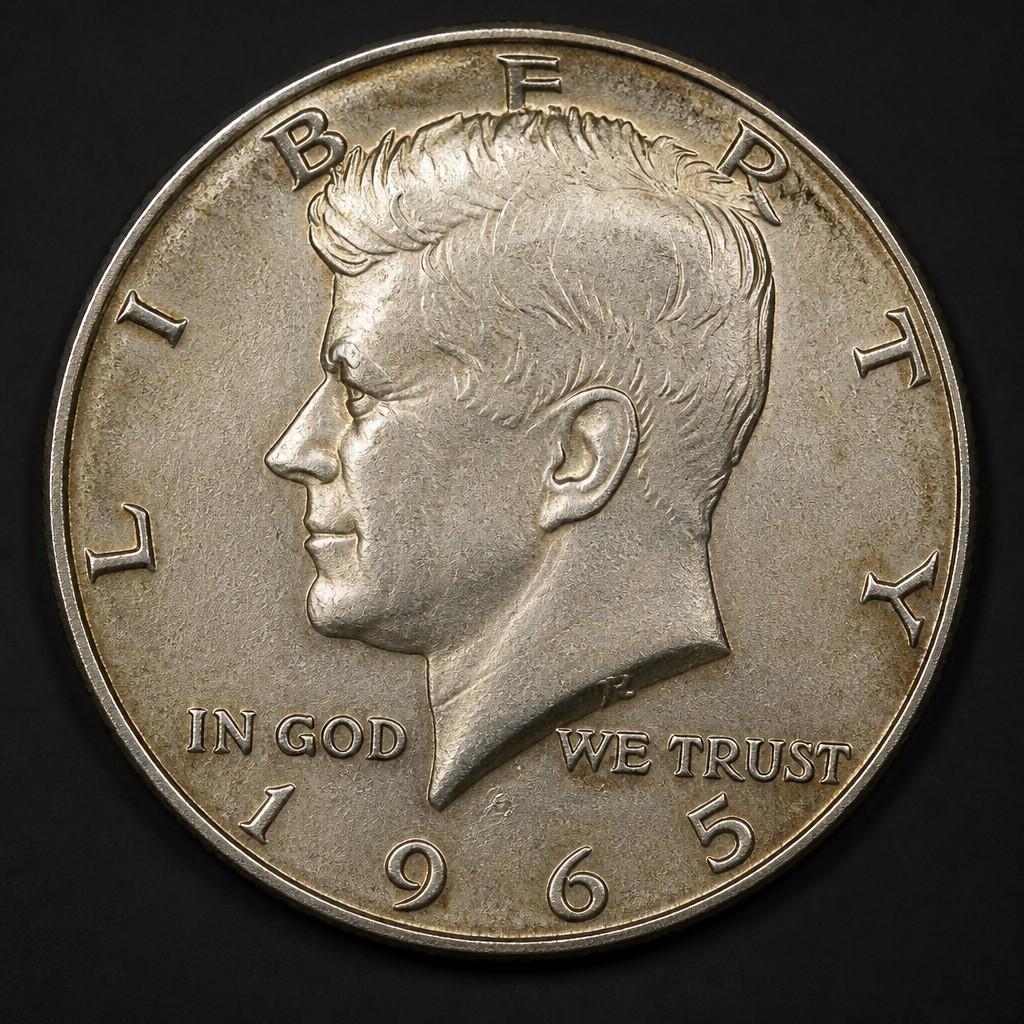
1965 Kennedy Half Dollar (40% silver)
A transitional Kennedy half dollar struck with reduced 40% silver content after the Coinage Act of 1965 eliminated silver from dimes and quarters, honoring the assassinated president.
United States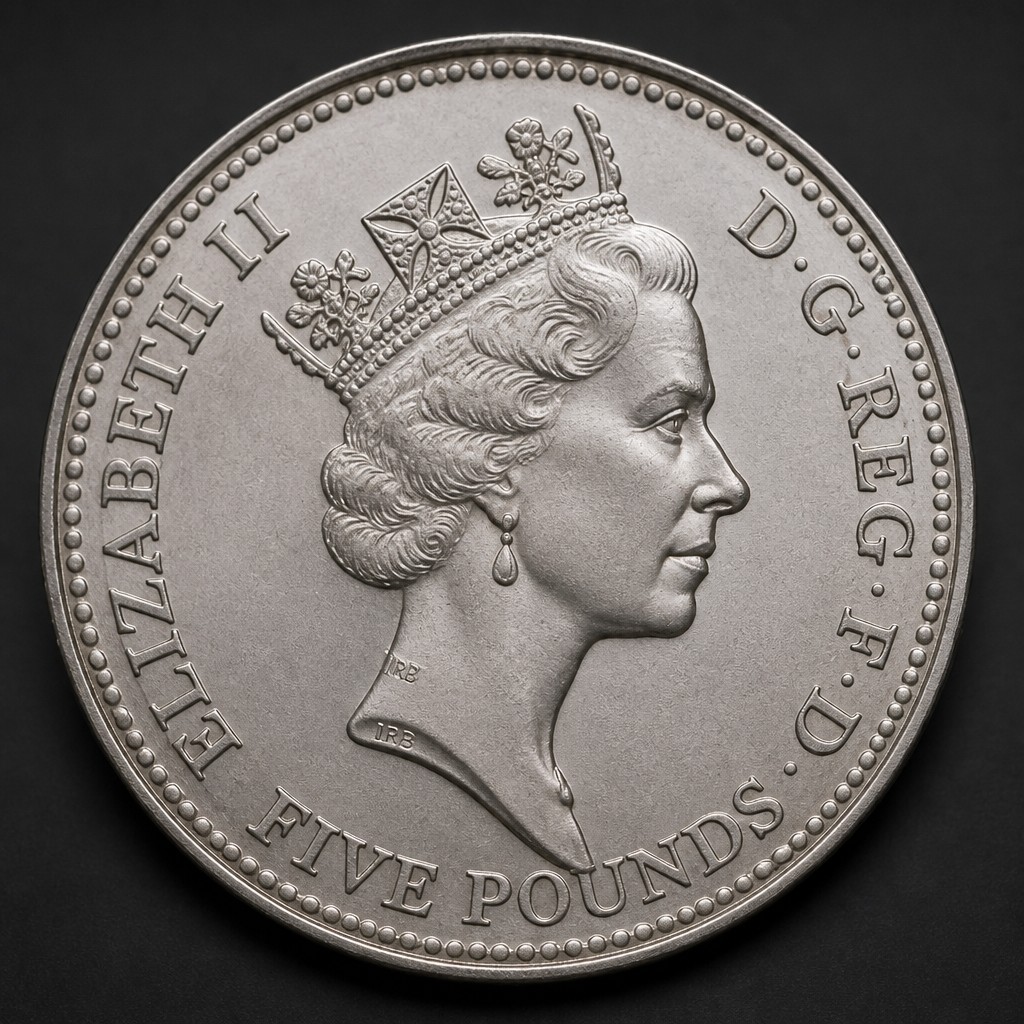
Royal Mint £5 Crown Commemorative
The modern British £5 coin descends from the historic crown and is issued almost exclusively for commemorative purposes, marking royal events, anniversaries, and national milestones.
Commemorative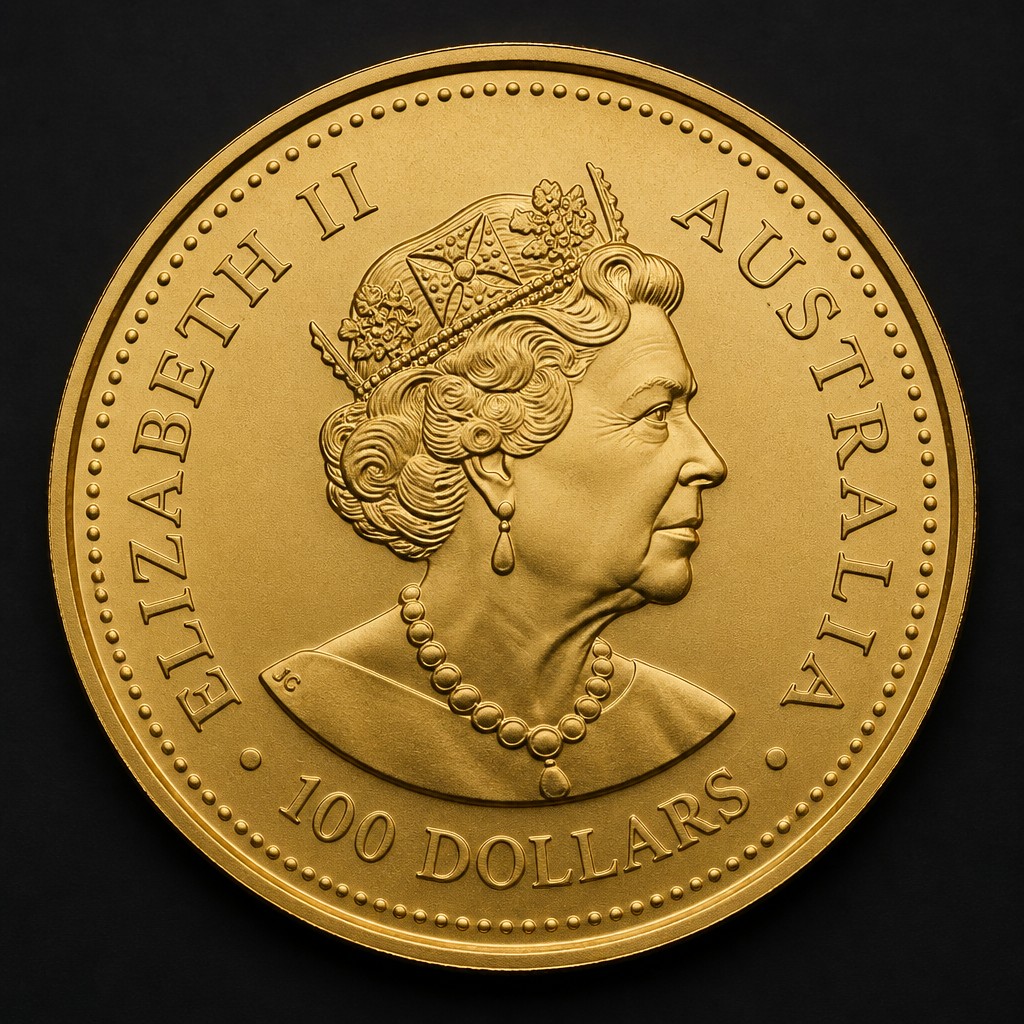
Australian Lunar Series (Perth Mint)
Modern Australian bullion and collector coin series from the Perth Mint featuring a different Chinese zodiac animal each year, popular worldwide with precious metal collectors.
Bullion
Argentine Peso Moneda Nacional (Patacón)
Argentina's long-standing peso moneda nacional coinage, informally nicknamed the patacón, formed the backbone of the country's currency from the 1880s well into the twentieth century.
Latin American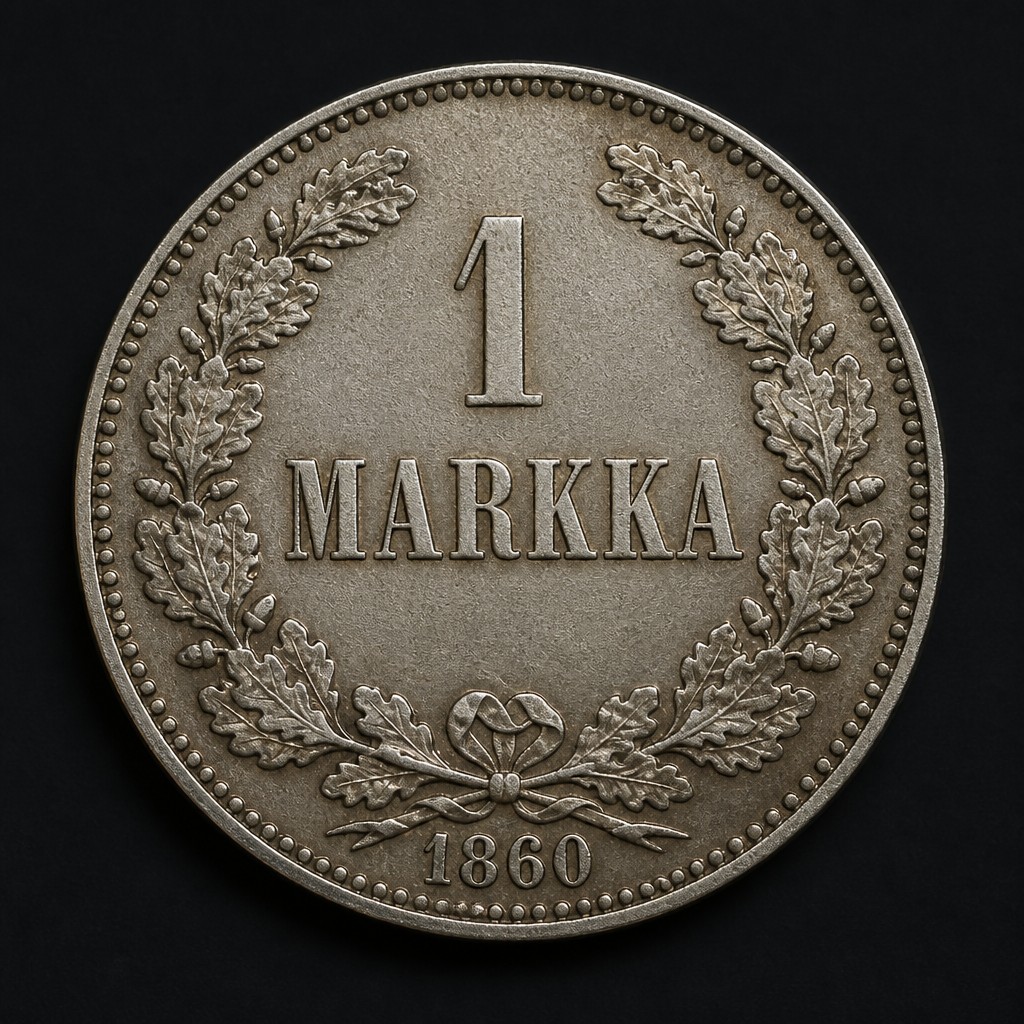
Finnish Markka
Finland's national currency from the era of Russian imperial rule until the adoption of the euro, issued in a range of coin denominations reflecting the country's changing political history.
European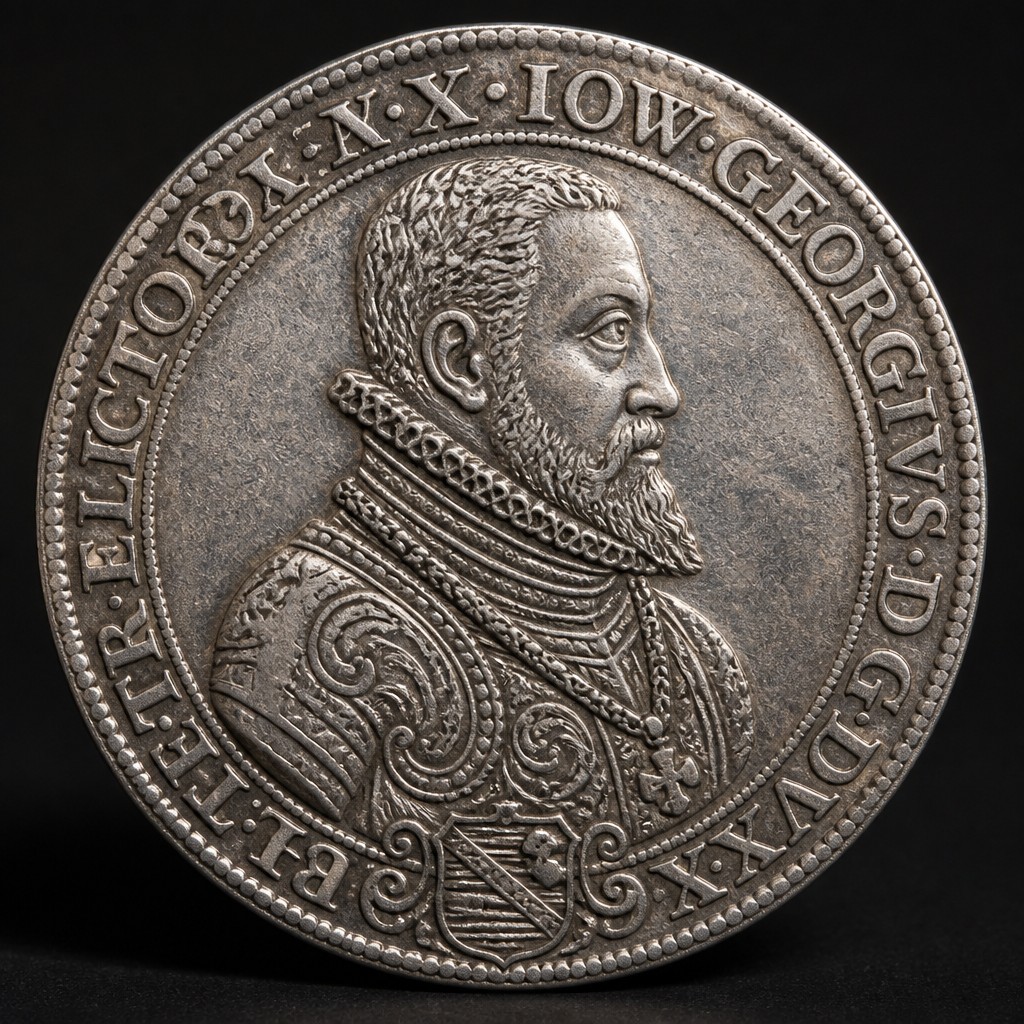
Saxony Thaler
Saxony was one of the earliest and most prolific issuers of thalers, with the electorate and later kingdom producing large silver coins from the 16th century until German unification.
European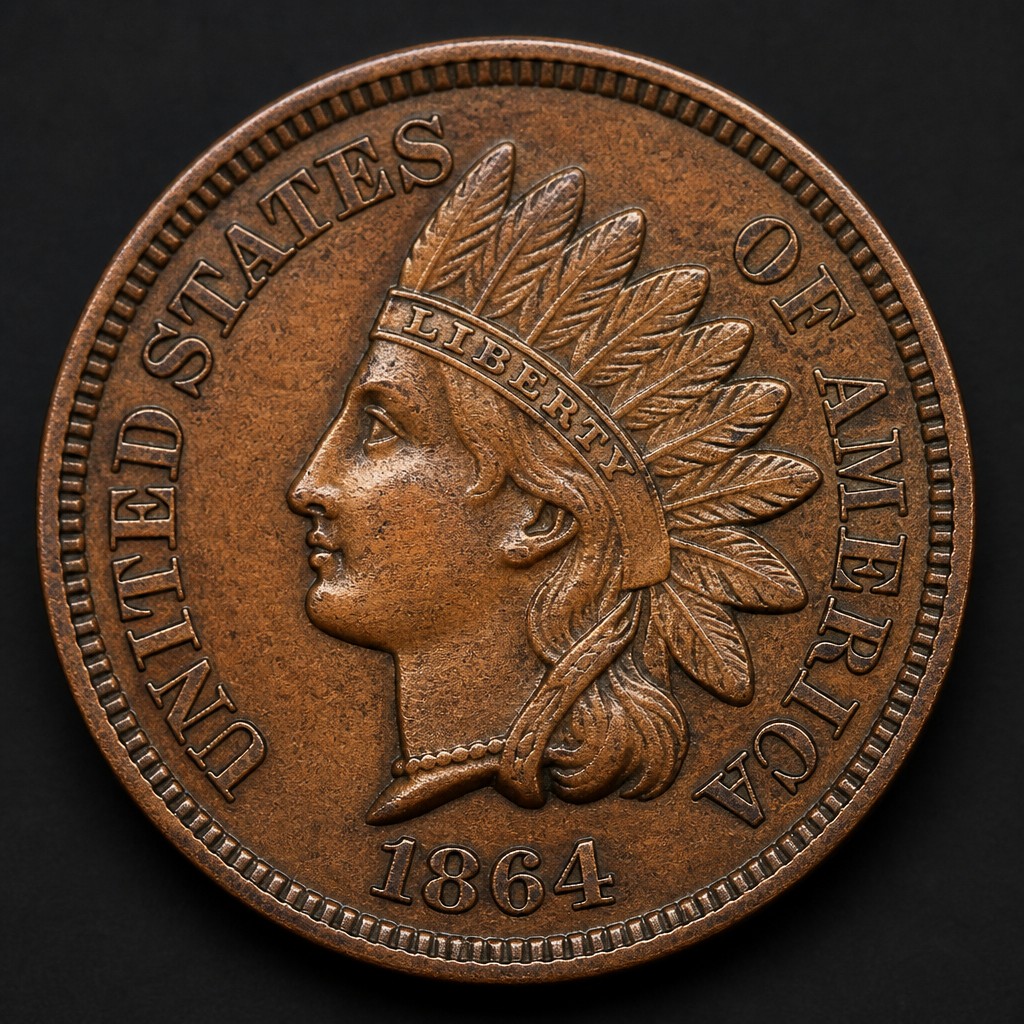
Bronze Indian Head Cent
The bronze-alloy Indian Head cent struck from 1864 through 1909, replacing the earlier copper-nickel version and serving as the last cent design before Lincoln's portrait appeared in 1909.
United States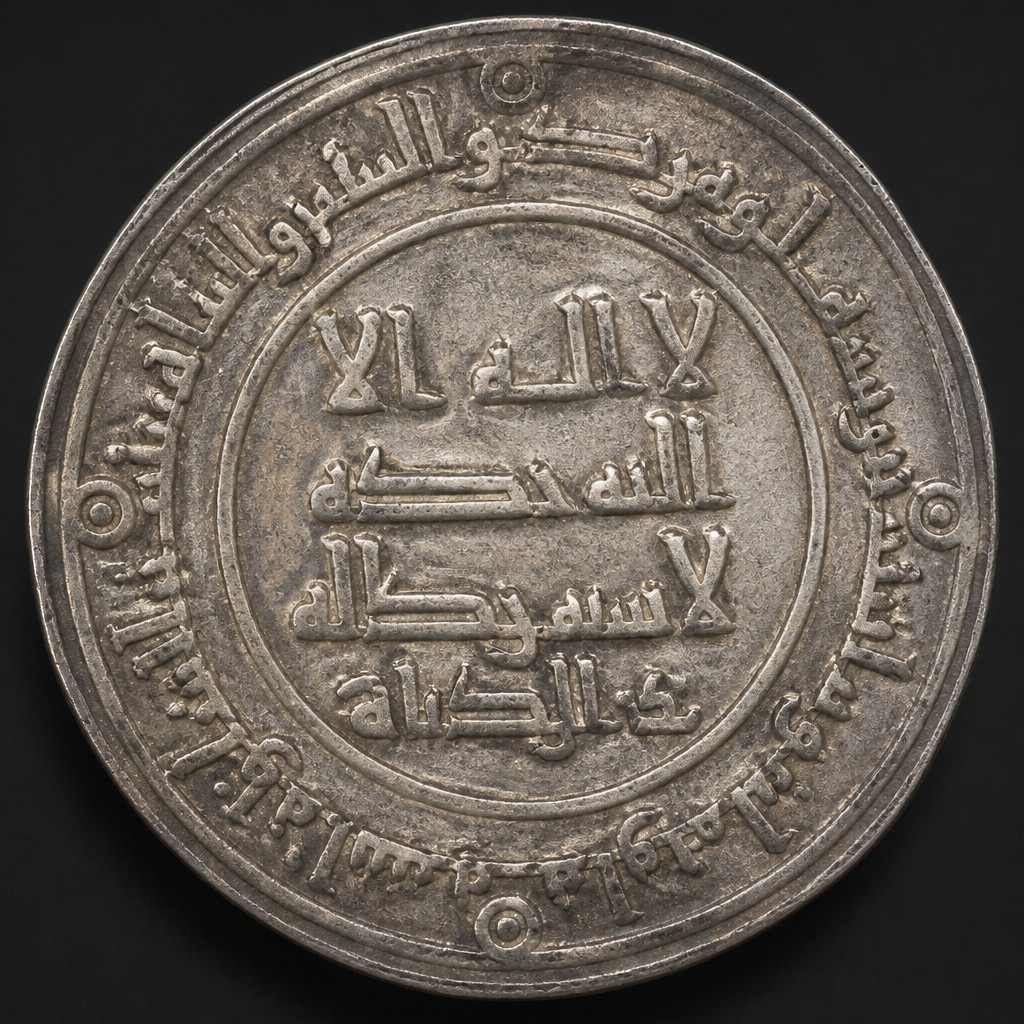
Islamic Silver Dirham (Abbasid)
The standard silver coin of the Abbasid Caliphate, continuing the text-only Kufic script tradition and widely used across a vast medieval trade network stretching from Europe to Central Asia.
Ancient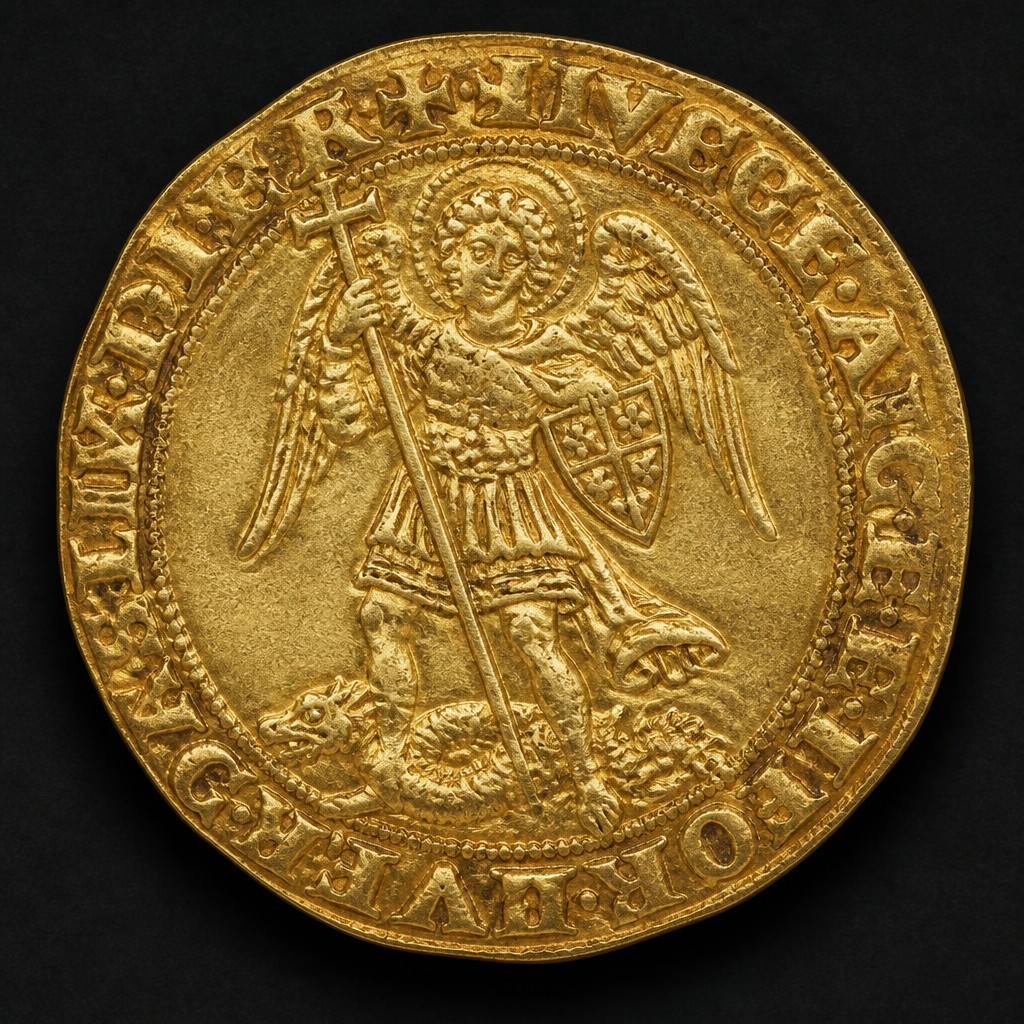
Half Angel (Angelet)
A small English gold coin worth half the value of the Angel, sharing its famous design of the Archangel Michael slaying a dragon, issued across several reigns from Edward IV to James I.
British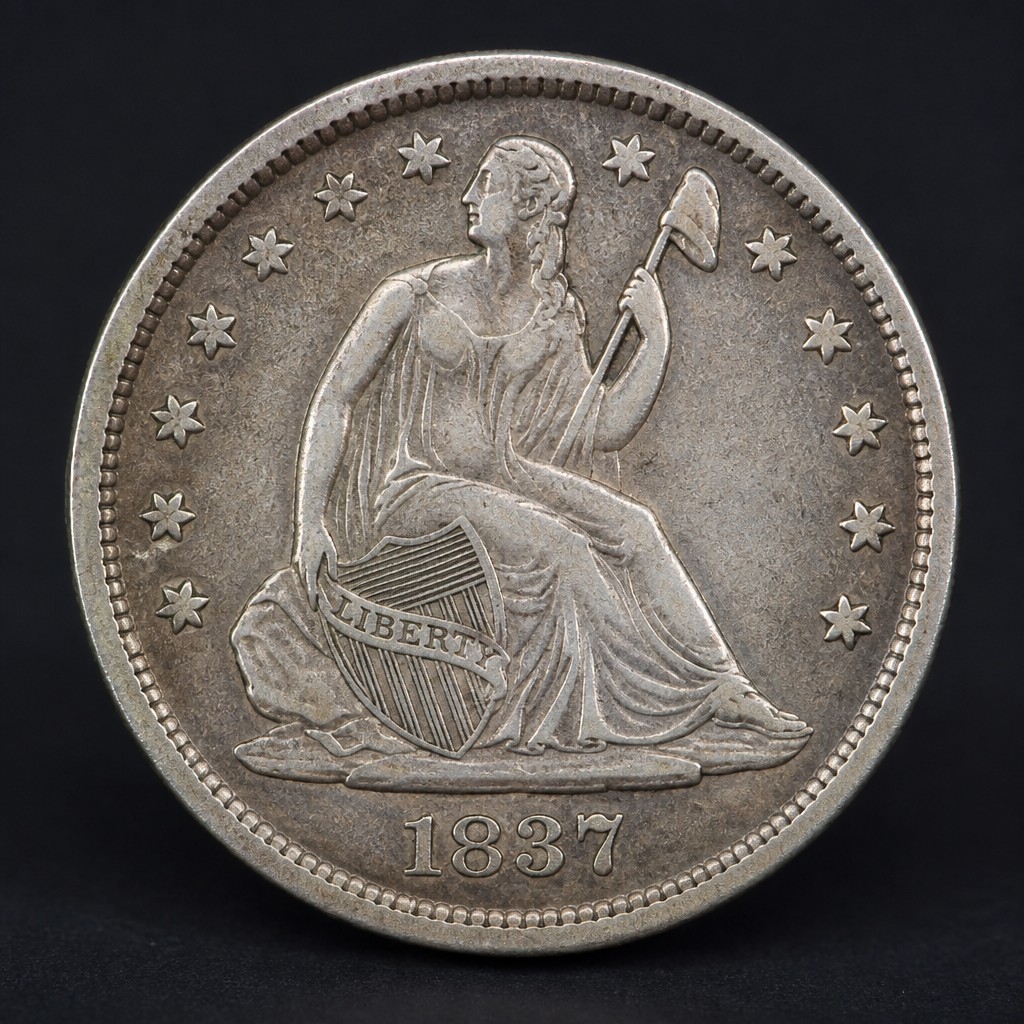
Seated Liberty Half Dime
The final United States half dime series, struck from 1837 to 1873, features Christian Gobrecht's seated Liberty design before the denomination was replaced by the copper-nickel Shield Nickel.
United States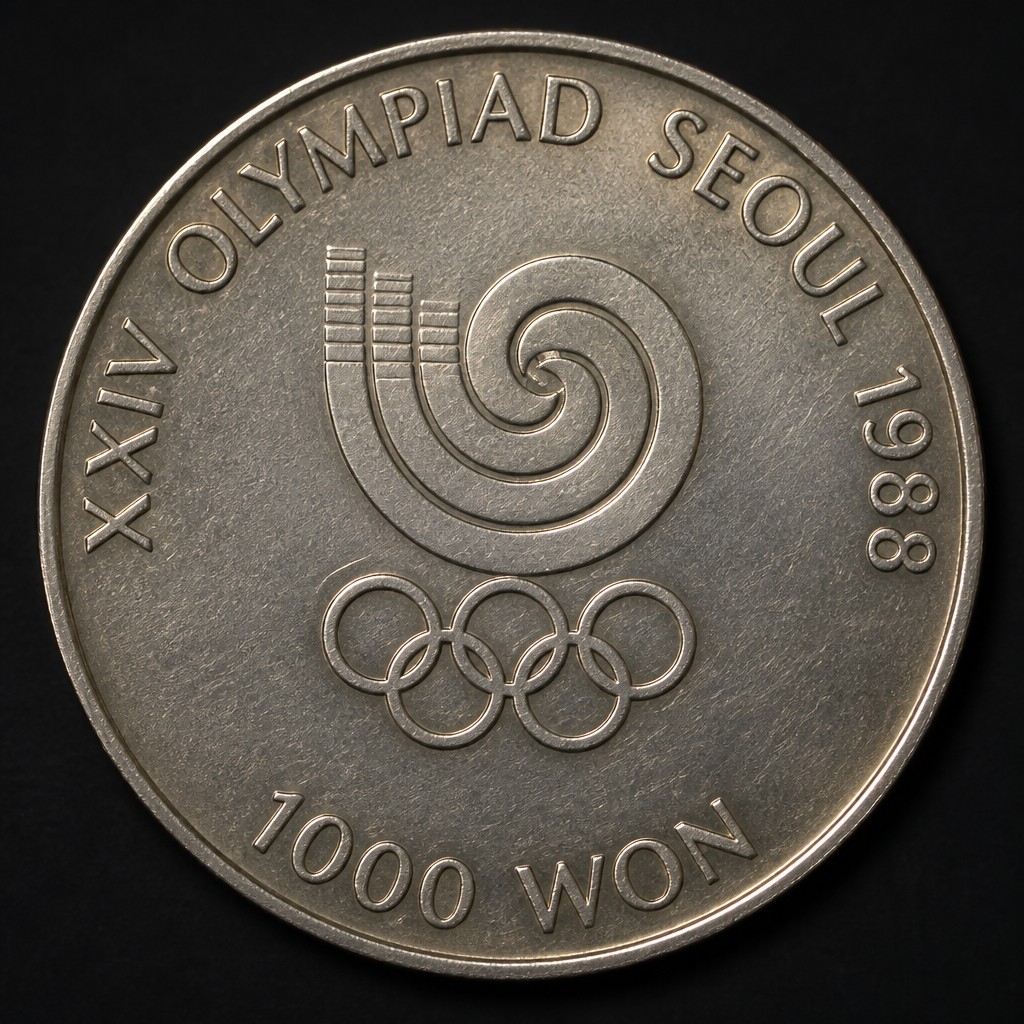
1988 Seoul Olympics Coins
South Korea issued a multi-metal coin program for the 1988 Seoul Summer Olympics, ranging from circulating cupronickel coins to gold and silver collector pieces featuring mascots and sporting themes.
Commemorative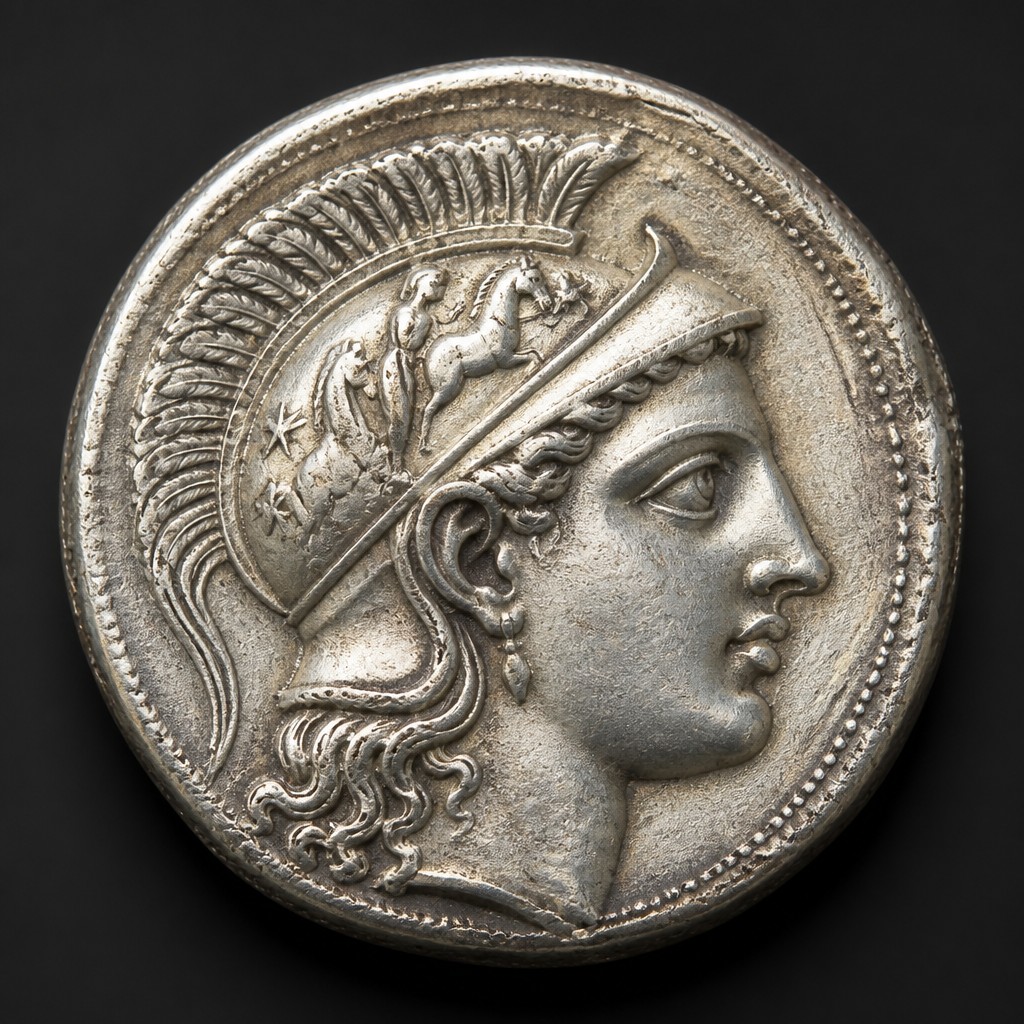
Syracuse Decadrachm
A large, exquisitely engraved silver coin from the Greek city of Syracuse, celebrated as one of the finest achievements of ancient Greek numismatic art, featuring the nymph Arethusa and a victorious chariot.
Ancient