
Coin Encyclopedia
Search and identify coins from around the world — with country, denomination, metal, mint, history, and how to tell them apart.
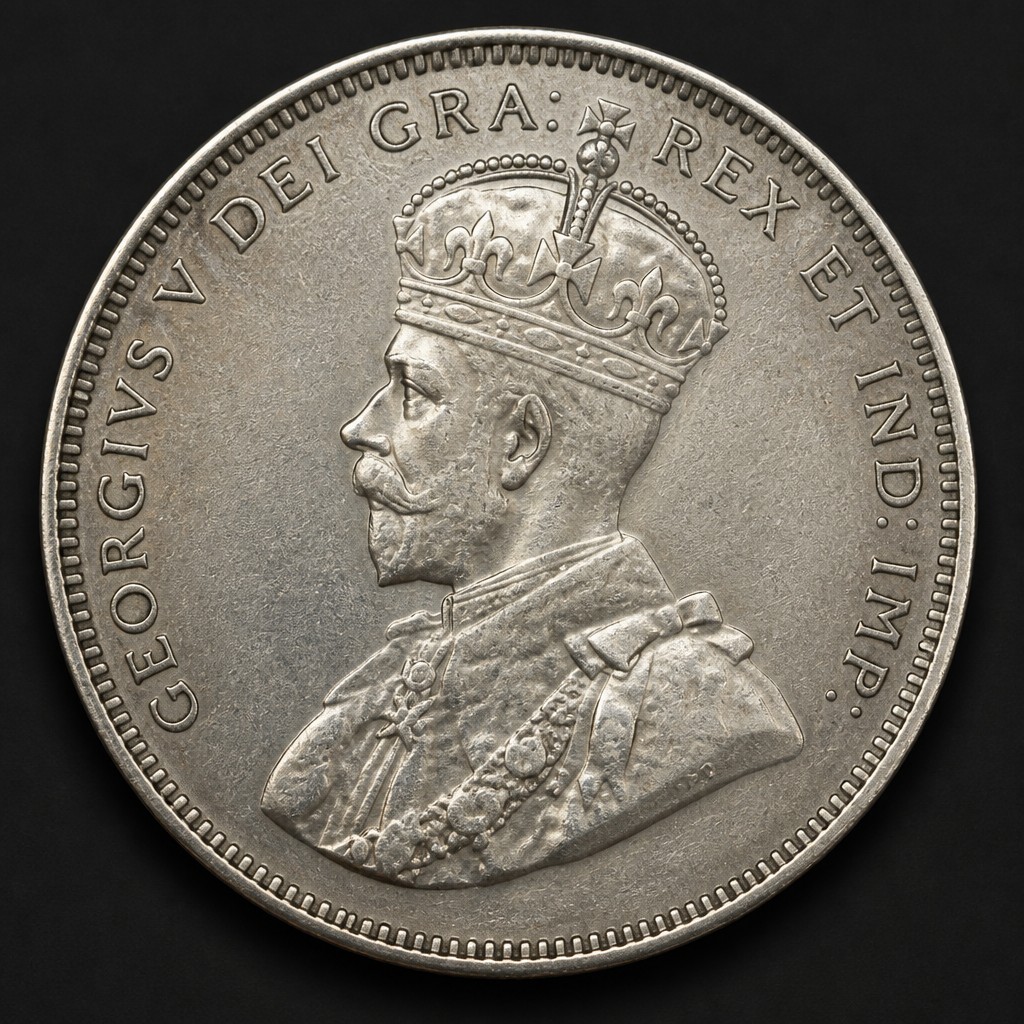
1936 Voyageur Silver Dollar
The first regular-issue (non-commemorative) Canadian silver dollar, continuing the Voyageur canoe design introduced the previous year for George V's Silver Jubilee.
Canadian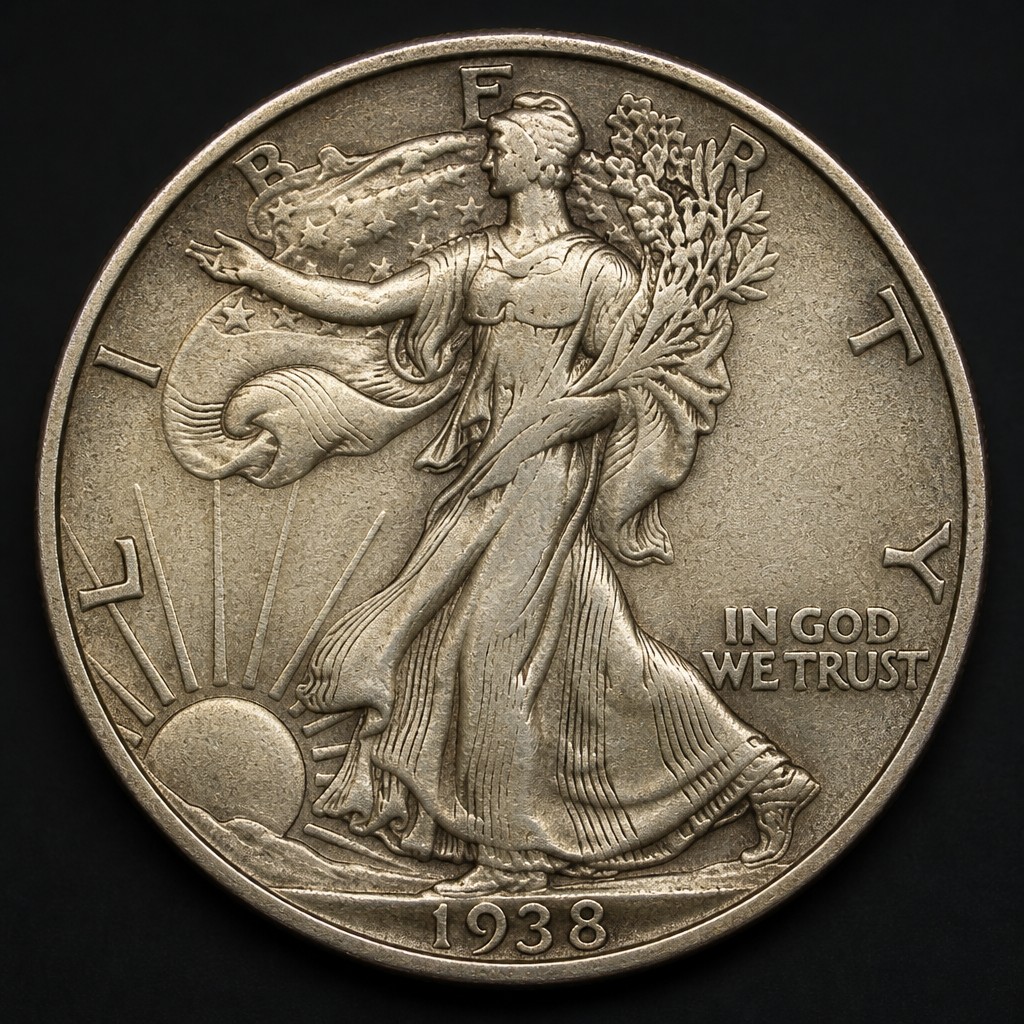
1938-D Walking Liberty Half Dollar
A low-mintage Denver issue widely regarded as the key date of the later Walking Liberty half dollar run, second in scarcity only to the 1921 dates.
United States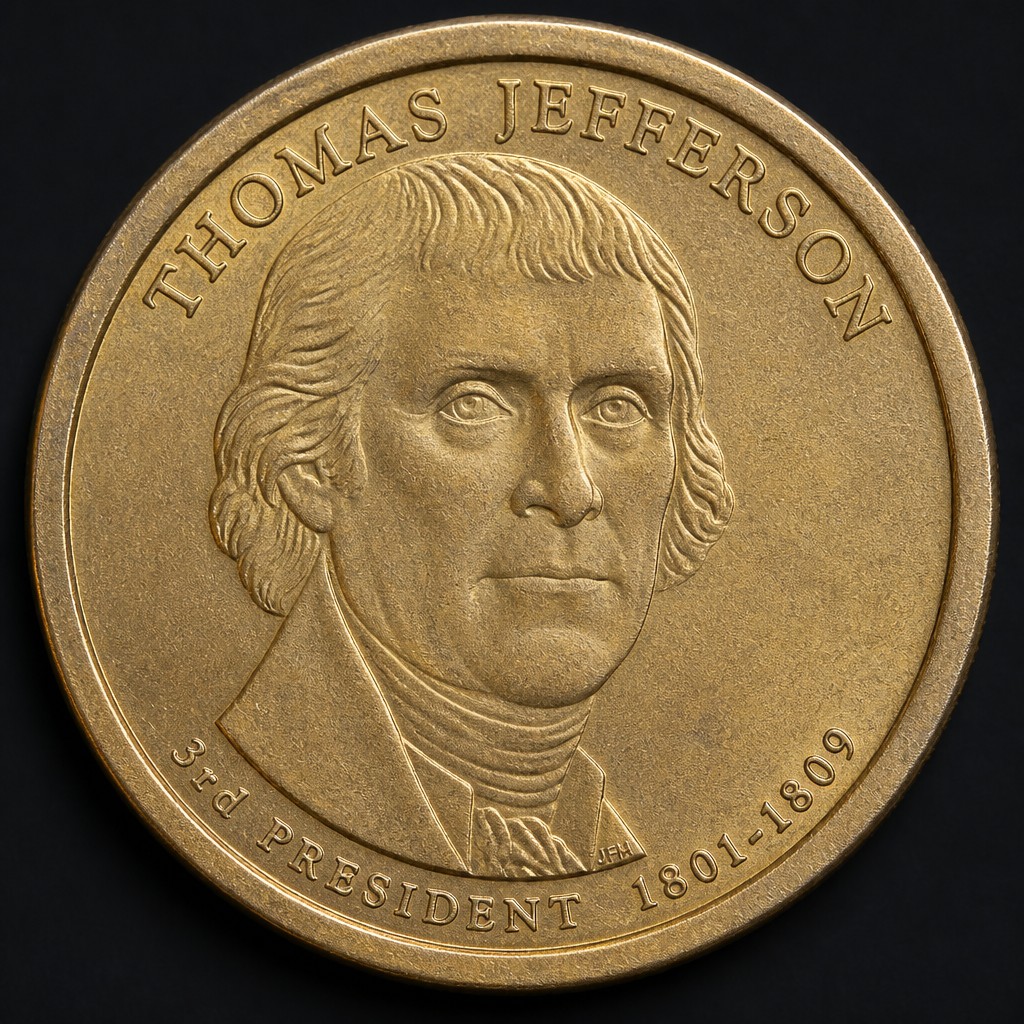
Presidential Dollar - Thomas Jefferson
The third coin in the Presidential Dollar series, honoring Thomas Jefferson, sharing the same edge-lettering format and Statue of Liberty reverse as the earliest issues in the program.
United States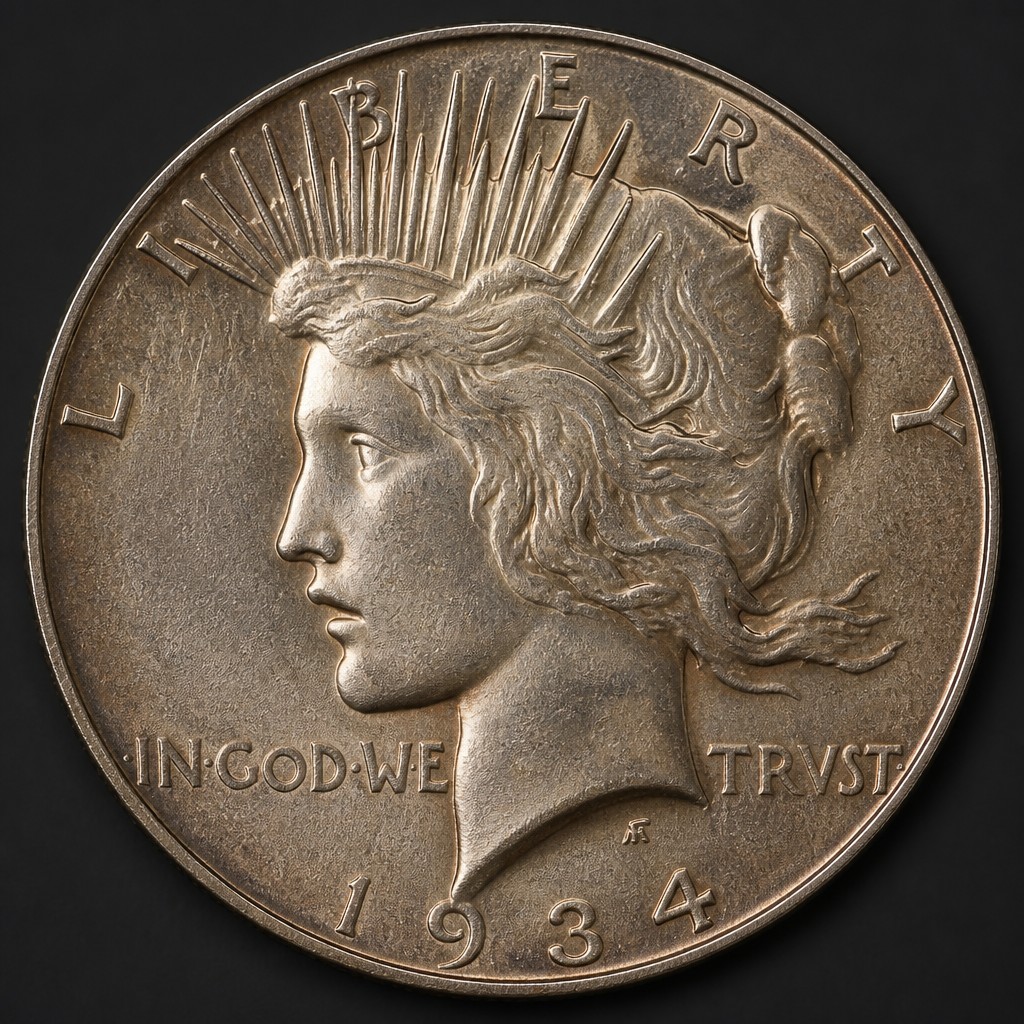
1934 Peace Dollar
A Depression-era Peace Dollar issue struck at three mints, with the low-mintage 1934-S standing out as a semi-key date prized by collectors.
United States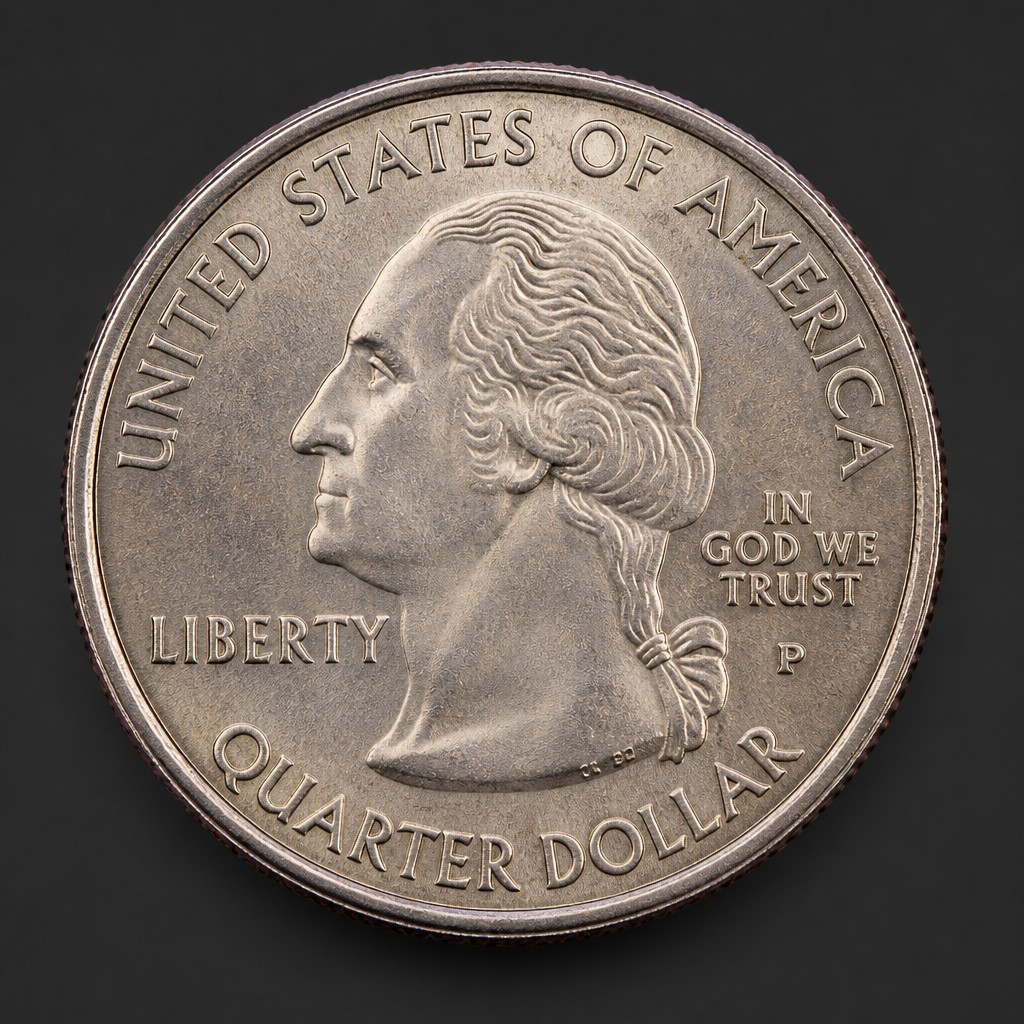
US State Quarters Series
A landmark US Mint program issuing a new quarter reverse design for each of the 50 states in the order they joined the Union, sparking widespread collecting interest nationwide.
United States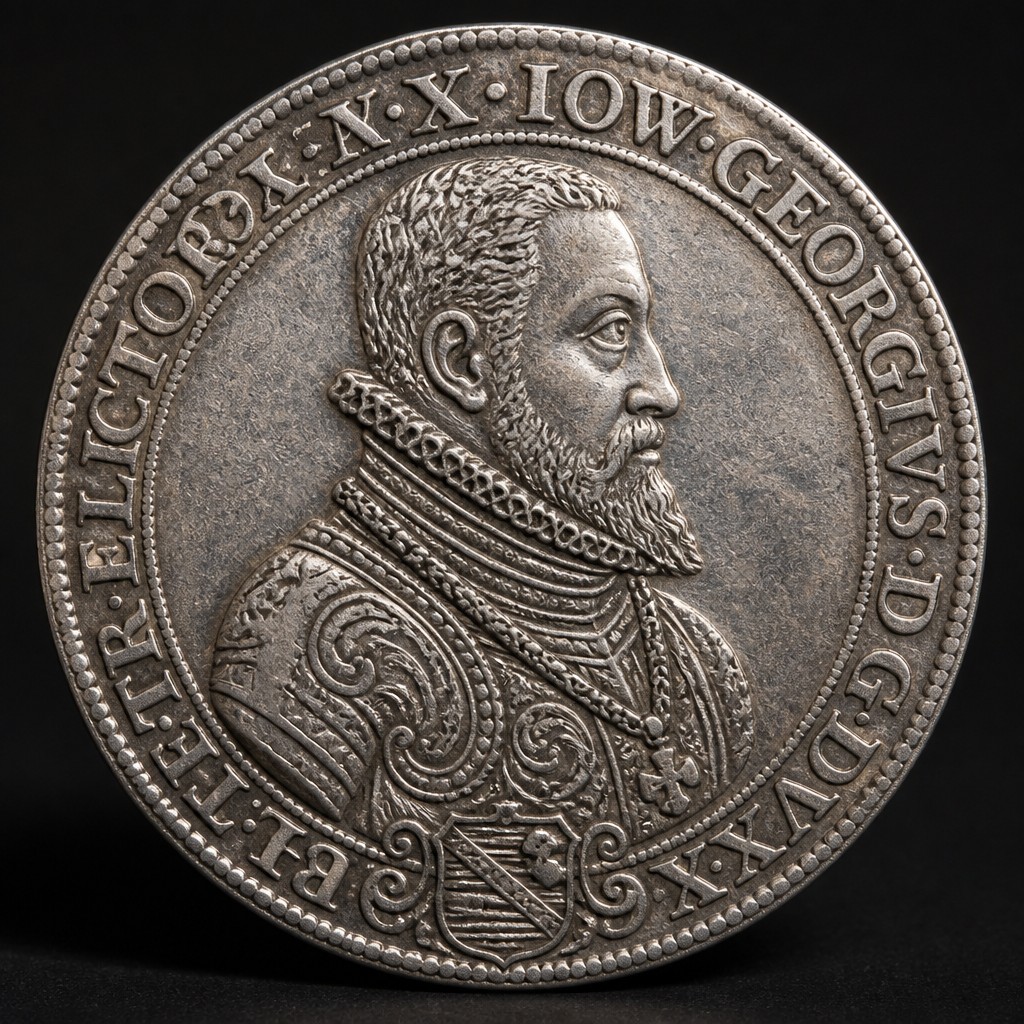
Saxony Thaler
Saxony was one of the earliest and most prolific issuers of thalers, with the electorate and later kingdom producing large silver coins from the 16th century until German unification.
European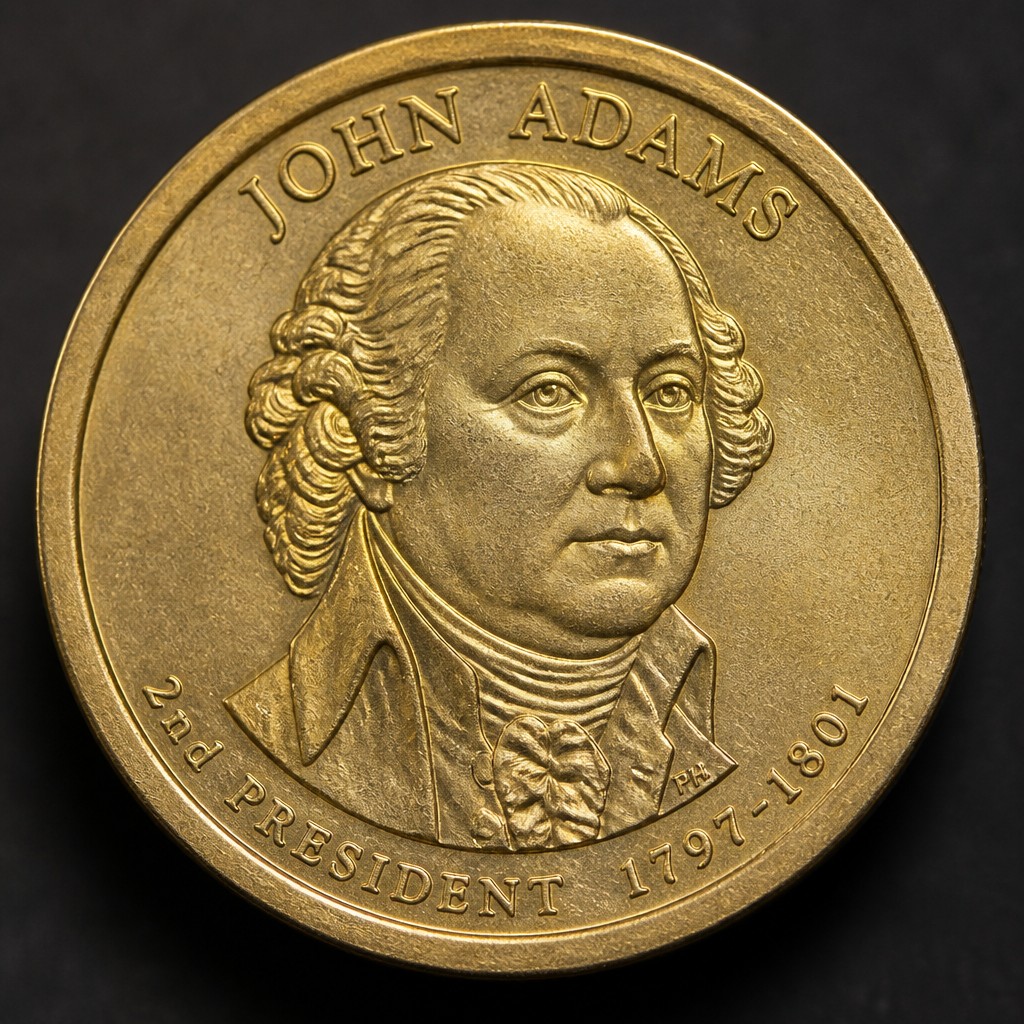
Presidential Dollar - John Adams
The second coin in the U.S. Presidential Dollar series, honoring John Adams, also affected by a notable doubled and missing edge-lettering error alongside the Washington issue.
United States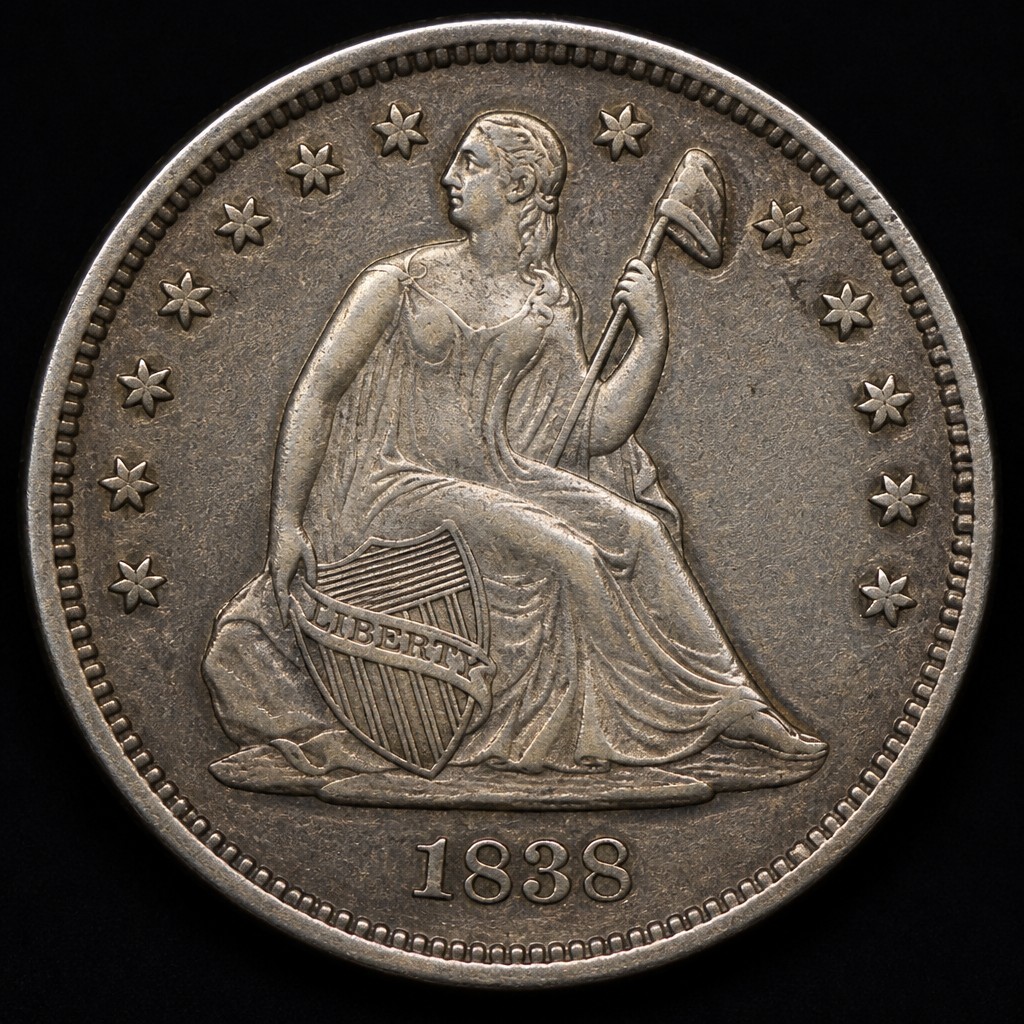
1838 Seated Liberty Quarter (No Drapery)
The first-year Seated Liberty quarter, the 1838 No Drapery issue introduced Christian Gobrecht's new design before a drapery fold was added at Liberty's elbow in 1840.
United States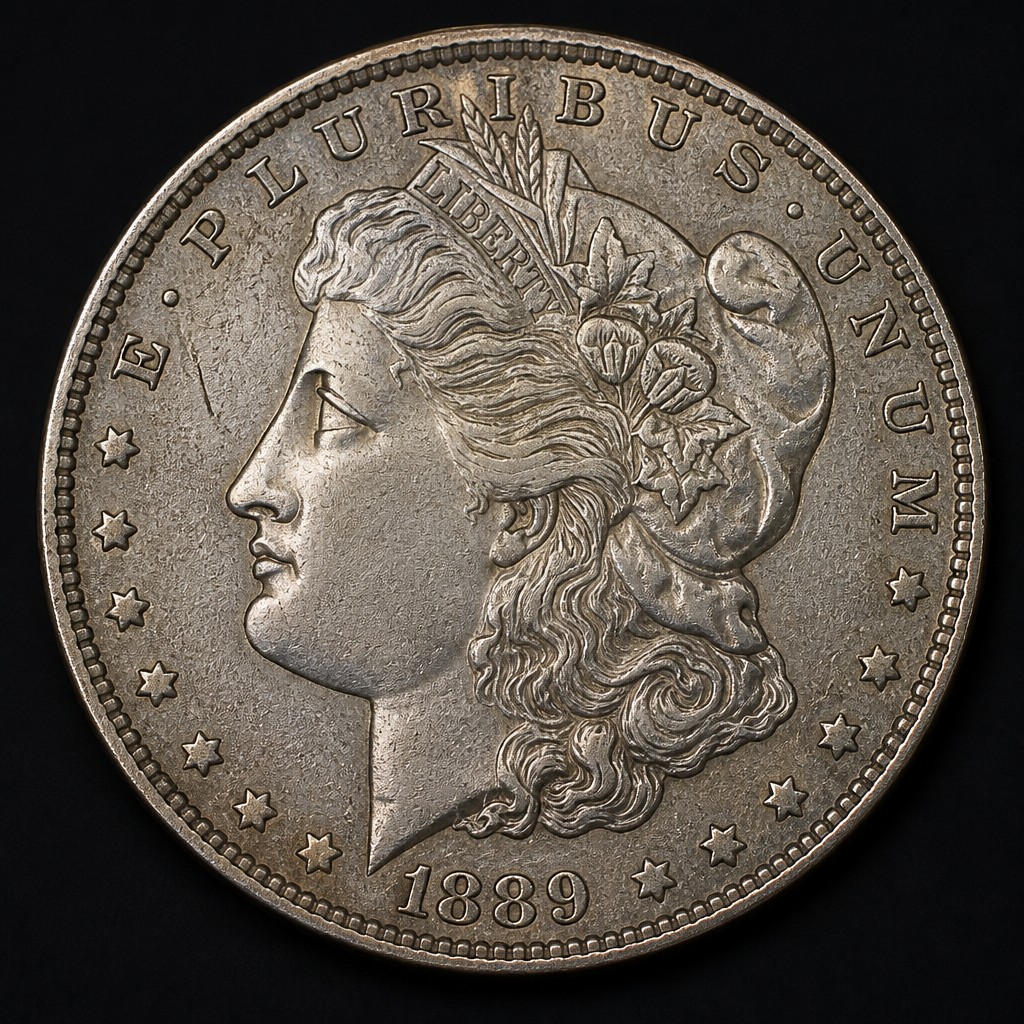
1889-CC Morgan Dollar
A major key date among Carson City Morgan dollars, with a low mintage of roughly 350,000 coins, making it one of the toughest CC-mint issues to find.
United States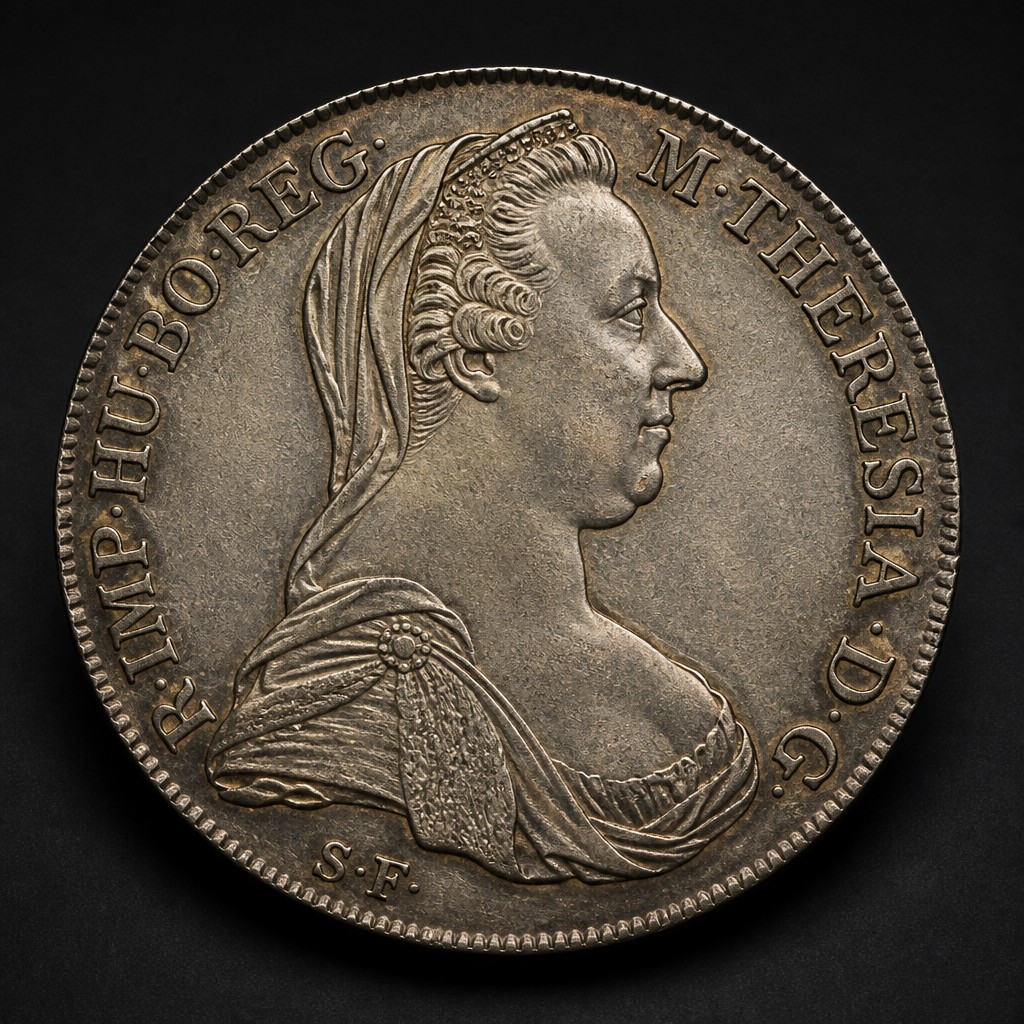
Maria Theresa Thaler
An Austrian silver trade coin dated 1780 that has been restruck continuously for over two centuries, remaining a trusted currency across parts of Africa and the Middle East long after its original issue.
European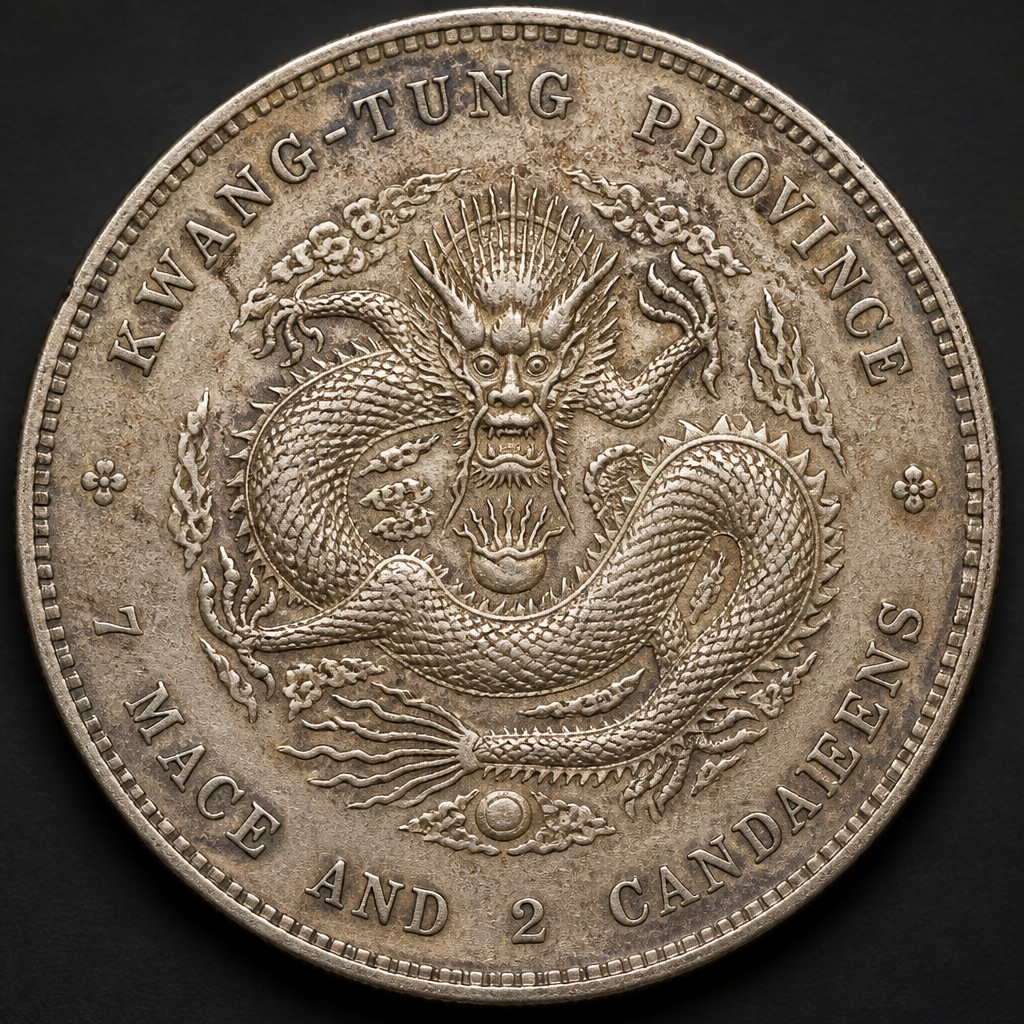
Chinese Silver Dragon Dollar (Kwangtung Province)
One of China's earliest machine-struck silver dollars, produced by Kwangtung province in the late Qing dynasty with an imperial dragon design, a pioneering issue other provinces soon imitated.
Asian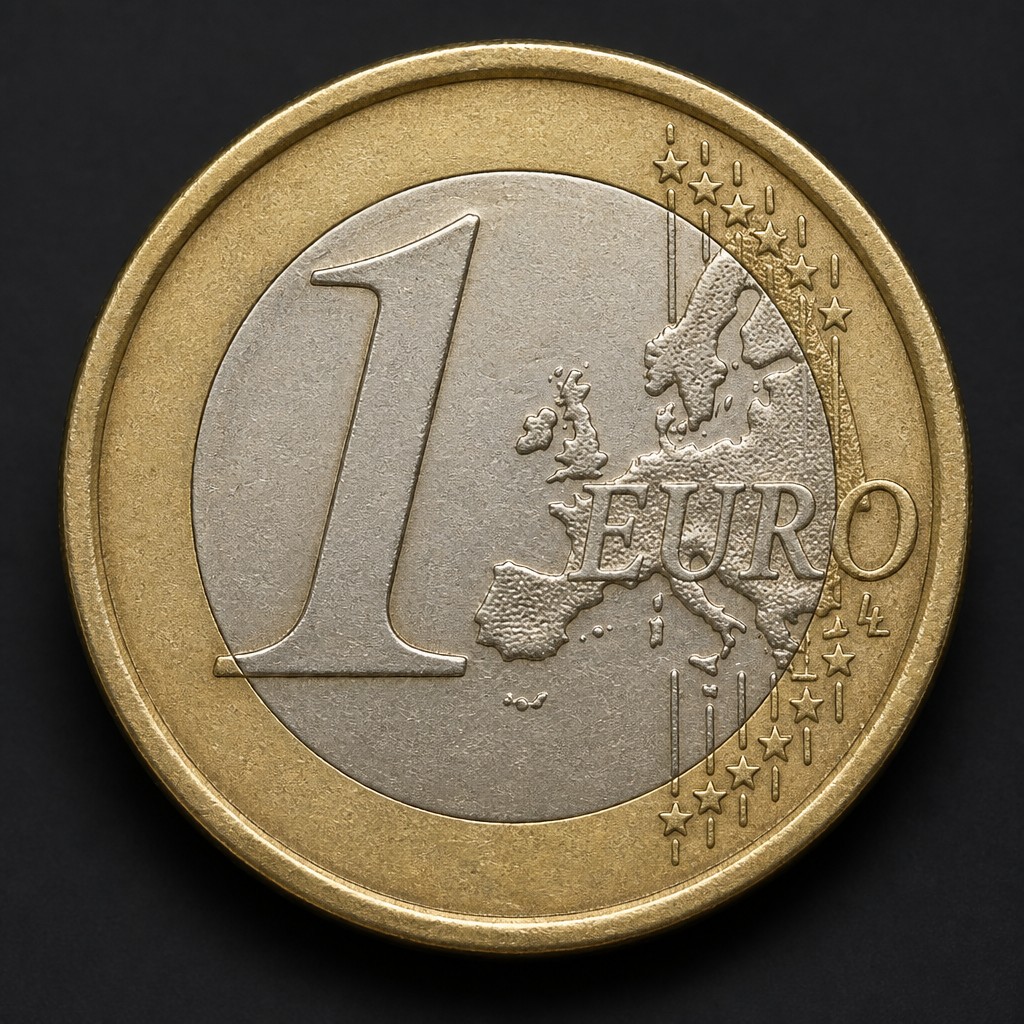
1 Euro Coin
The standard circulating one-euro coin used across the Eurozone since 2002, bimetallic with a gold-colored center and silver-colored ring, and a national obverse that varies by issuing country.
European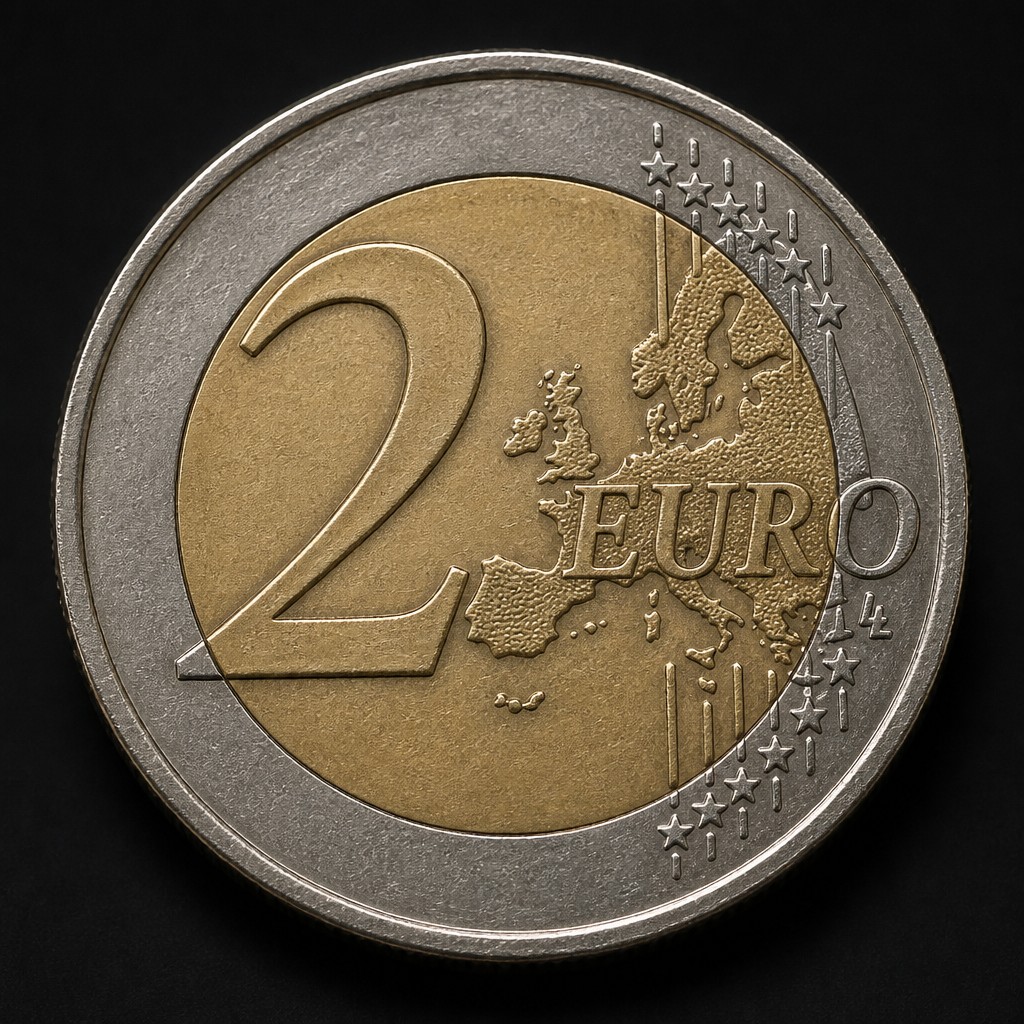
2 Euro Coin
The highest-denomination circulating euro coin, with a silver-colored center inside a gold-colored ring, widely used by member states to issue popular commemorative designs collected across Europe.
European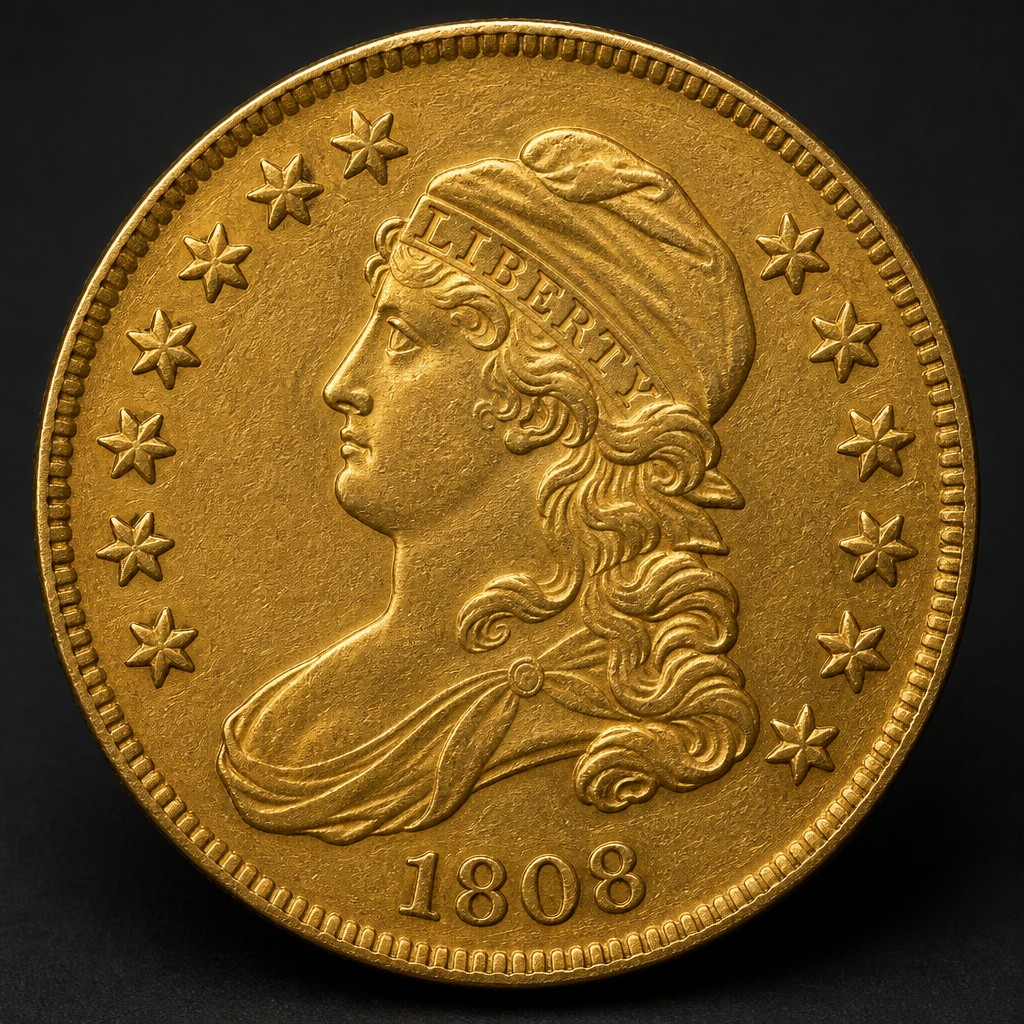
Capped Bust Quarter Eagle
An umbrella term for the earliest U.S. $2.50 gold coins (1796-1834), whose Liberty-in-a-cap portrait evolved through several sub-types, including the famous single-year 1808 issue.
United States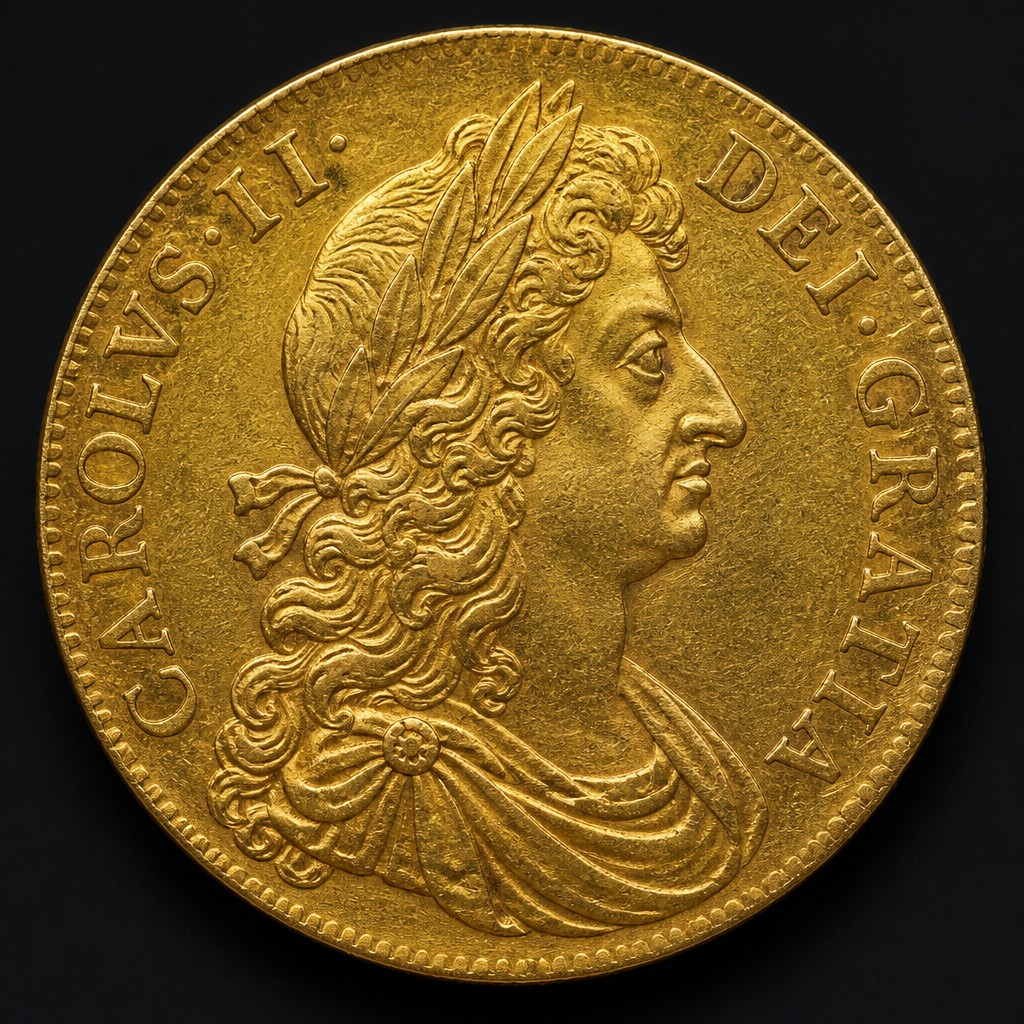
British Gold Guinea
Struck from 1663 to 1814 and named for the West African gold used in its earliest issues, the guinea was Britain's leading gold coin and gave its name to a unit of value still referenced today.
British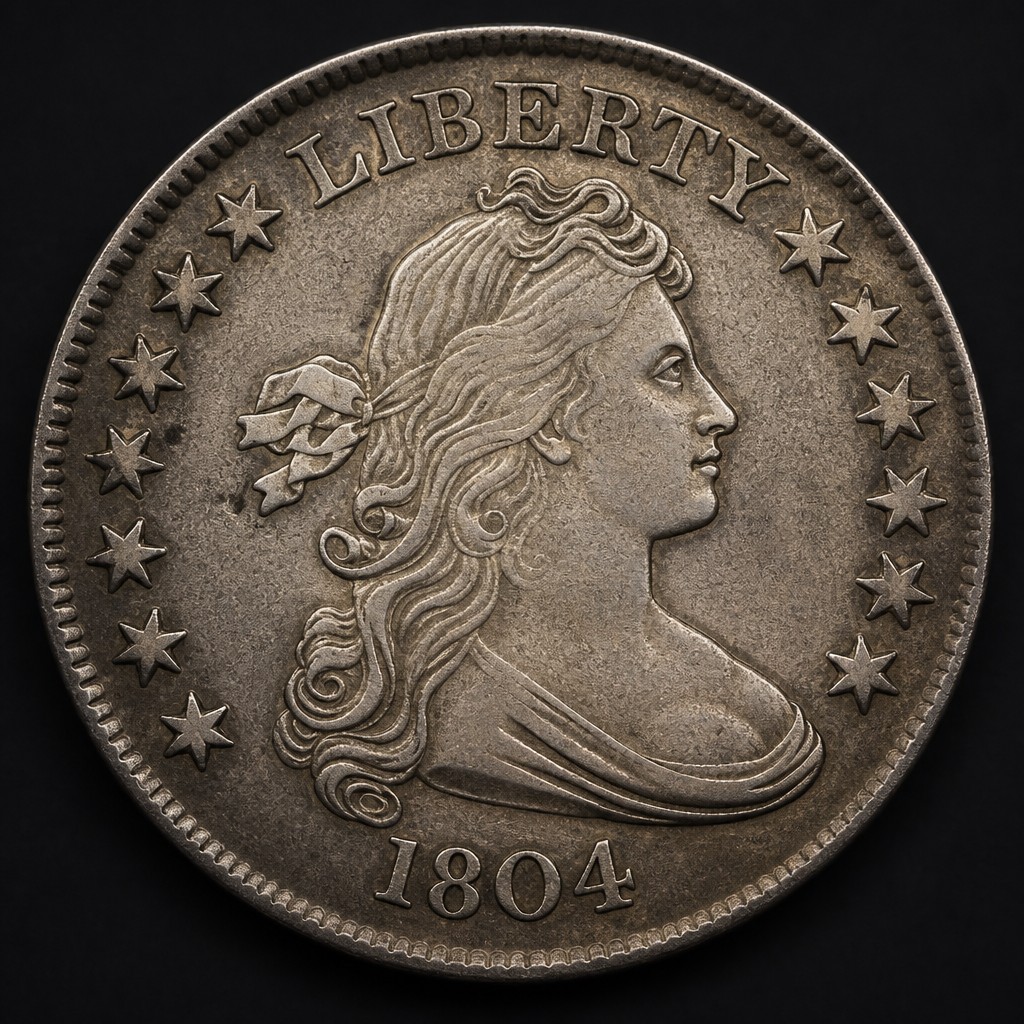
1804 Draped Bust Quarter
The key date of the short Draped Bust, Heraldic Eagle quarter series, the 1804 issue had a very small original mintage and ranks among the rarest and most valuable early United States quarters in any condition.
United States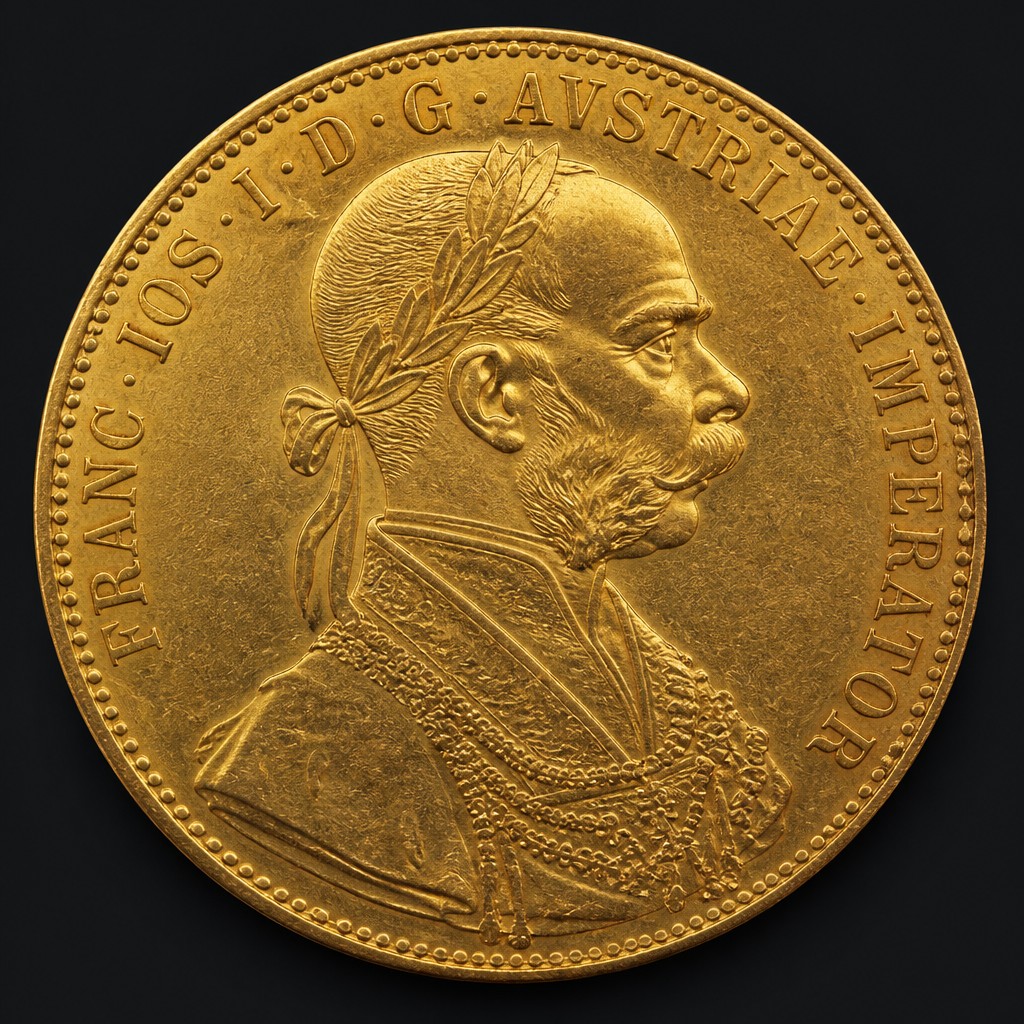
Austrian Gold Ducat
A traditional high-purity Austrian gold trade coin with centuries of history, still struck today by the Austrian Mint as an official restrike permanently dated 1915.
European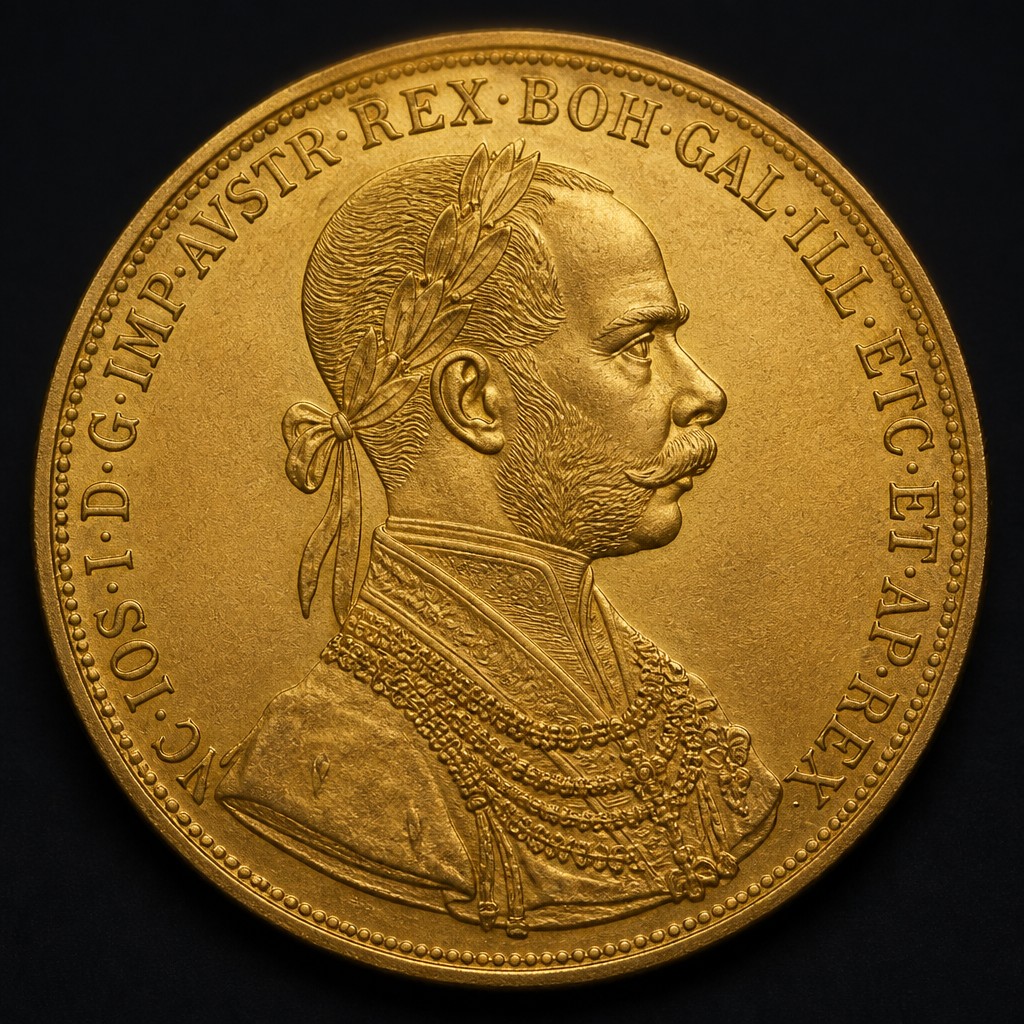
Austrian 100 Corona Gold
A large gold coin of Austria-Hungary bearing Emperor Franz Joseph I, popular today as a bullion and collector piece thanks to its restrike program.
European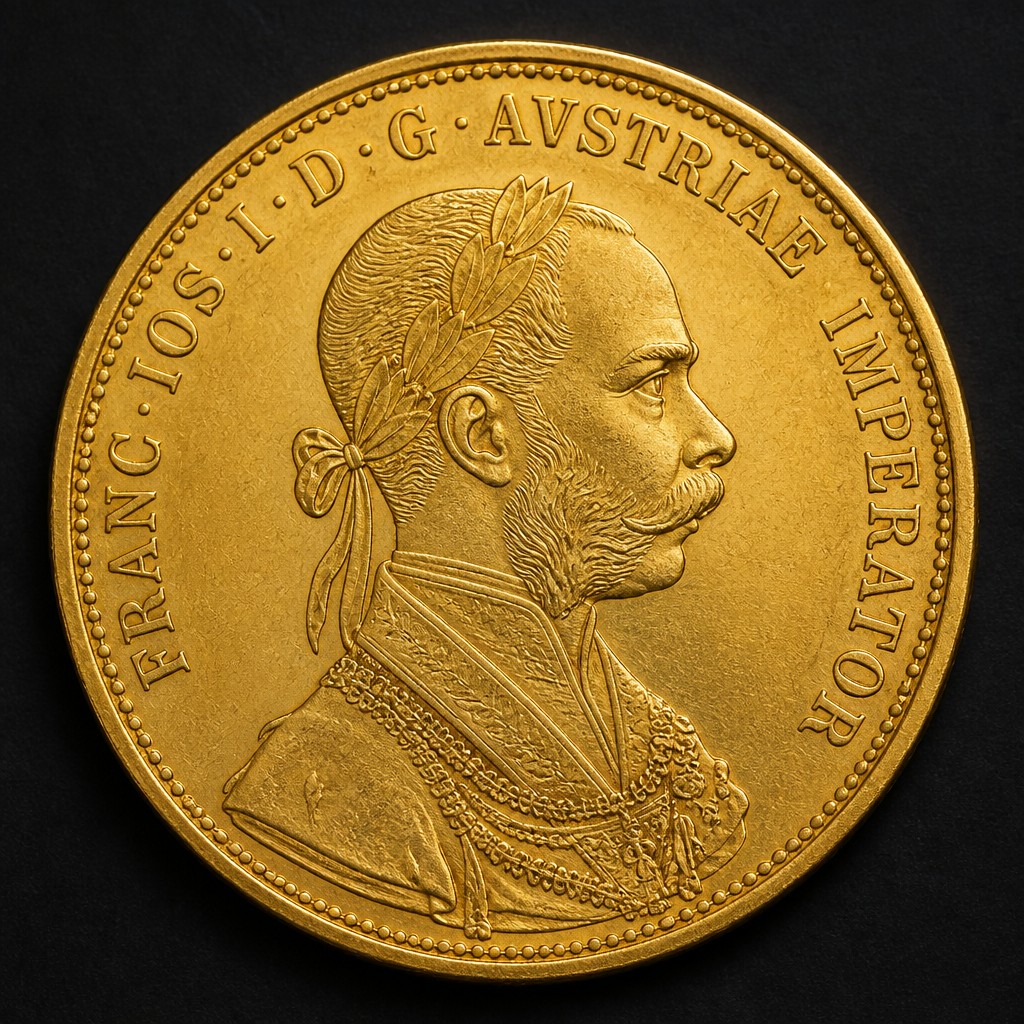
Austrian 20 Corona Gold
A compact gold coin of the Austro-Hungarian Empire depicting Emperor Franz Joseph I, widely available today as an accessible historic gold piece.
European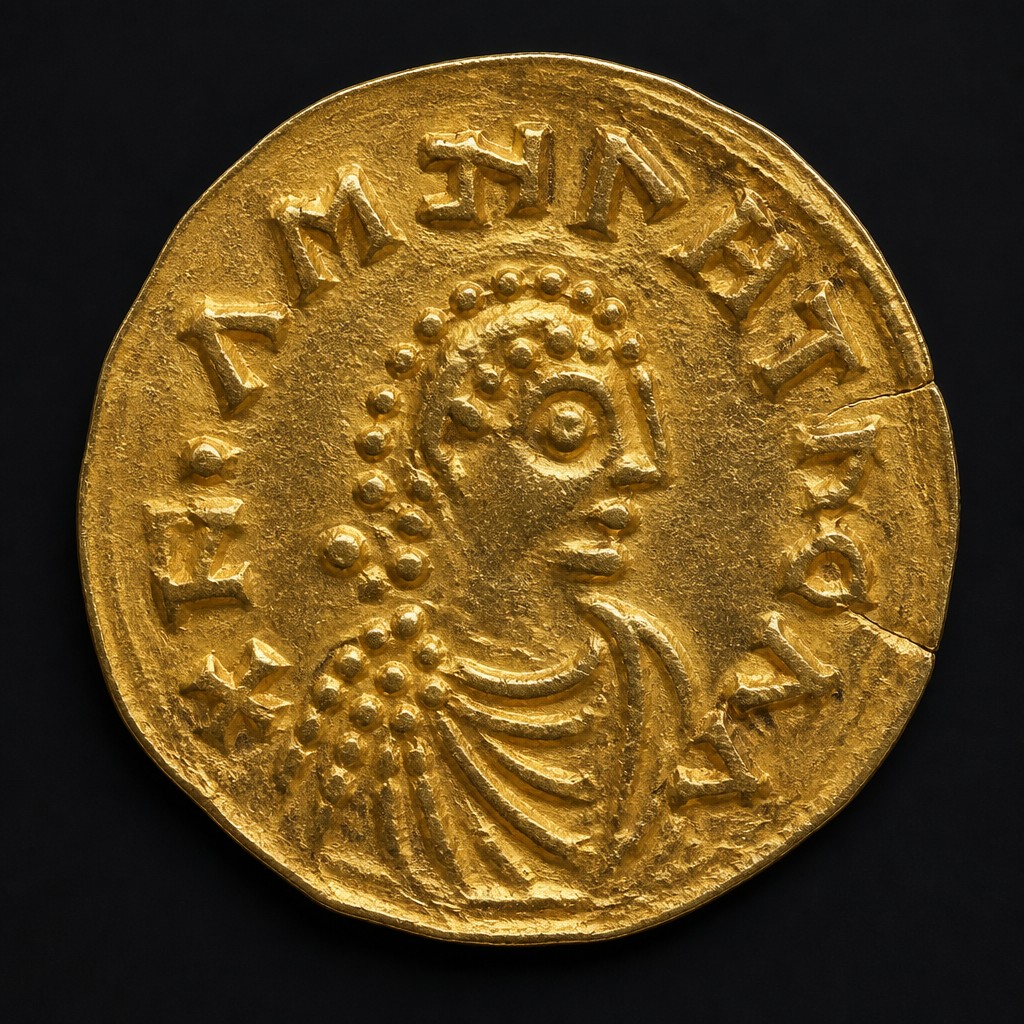
Merovingian Gold Tremissis
A small gold coin of the Merovingian Frankish kingdom, worth one-third of a solidus, often naming the local moneyer who struck it rather than the reigning king.
European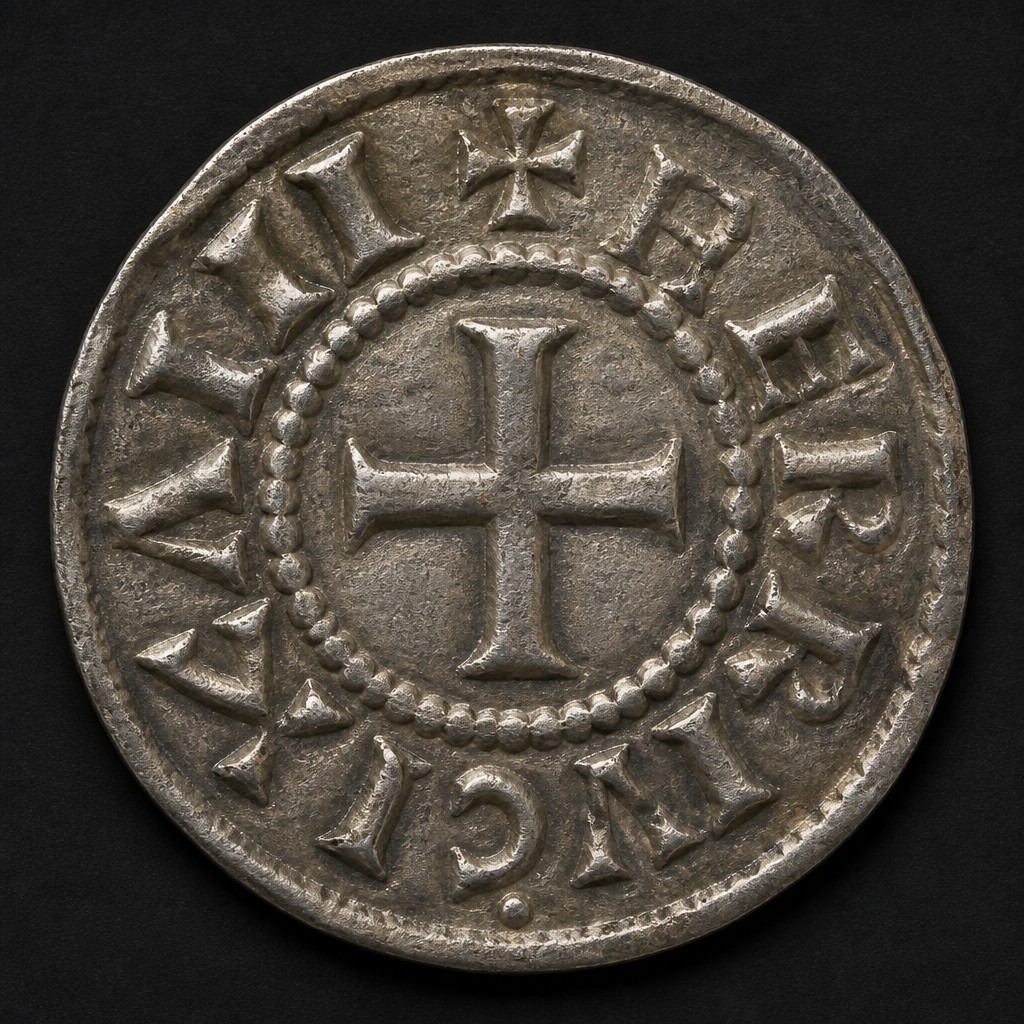
Carolingian Silver Denier (Charlemagne)
Standardized silver penny introduced under Charlemagne's monetary reform, forming the template for medieval European currency for centuries afterward.
European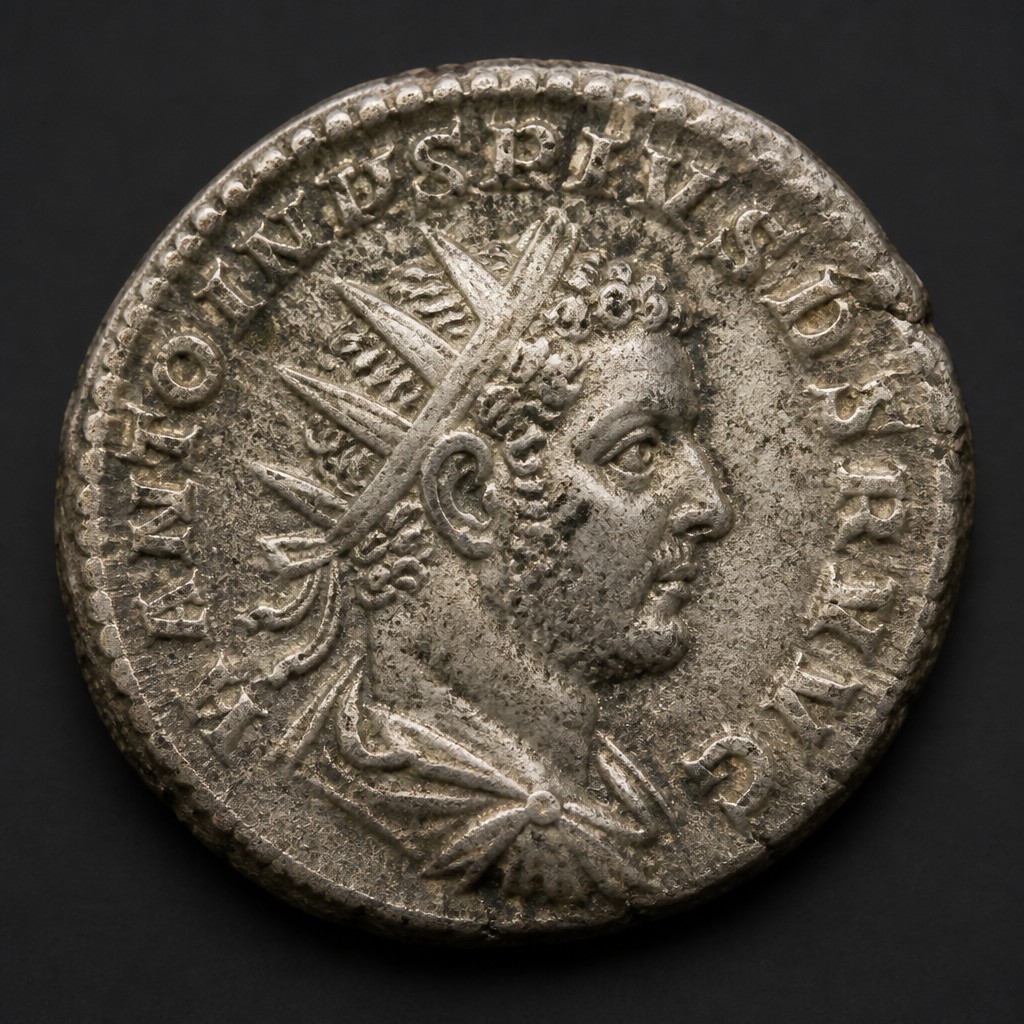
Caracalla Antoninianus
The first antoninianus coins, introduced by Caracalla in 215 AD as a debased double-denarius identified by the emperor's radiate crown.
Ancient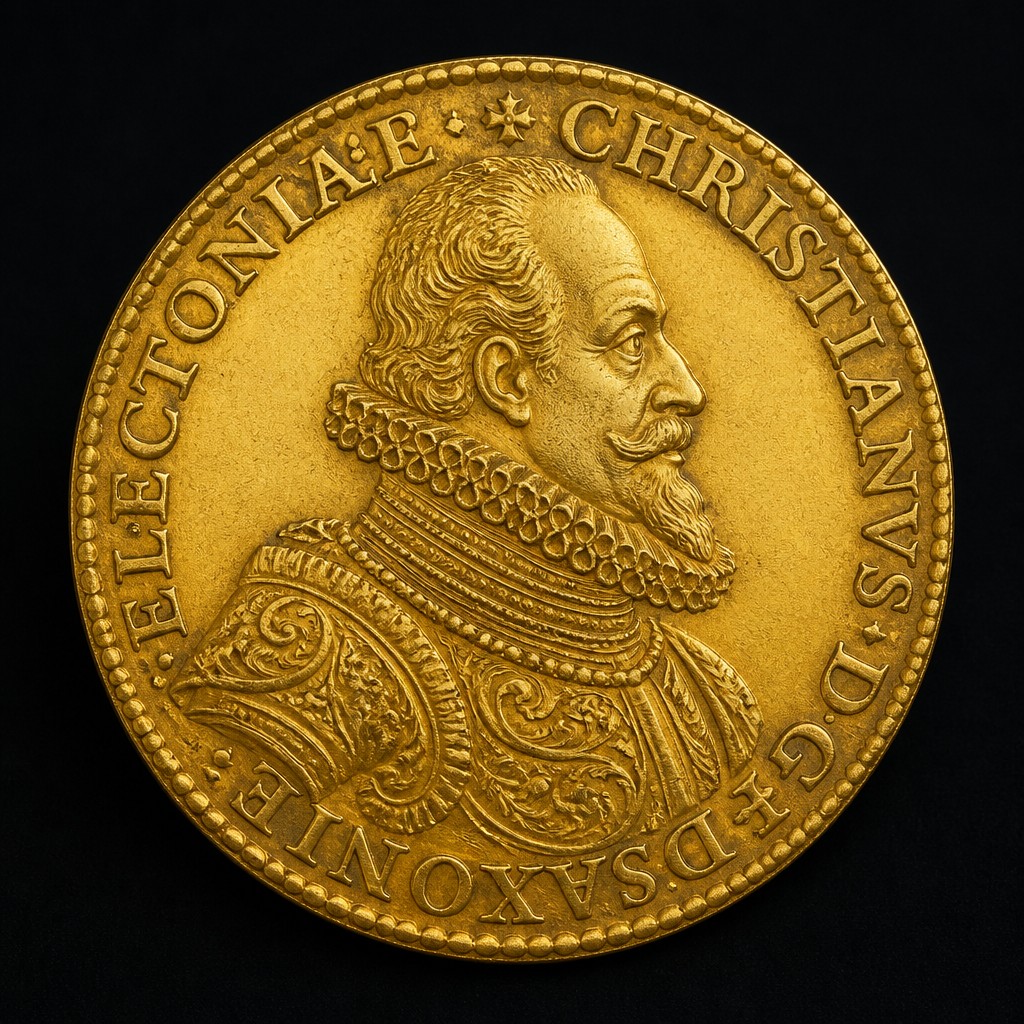
German Saxony Ducat
A high-purity gold trade coin struck for centuries by the rulers of Saxony, one of the most important German states before national unification.
European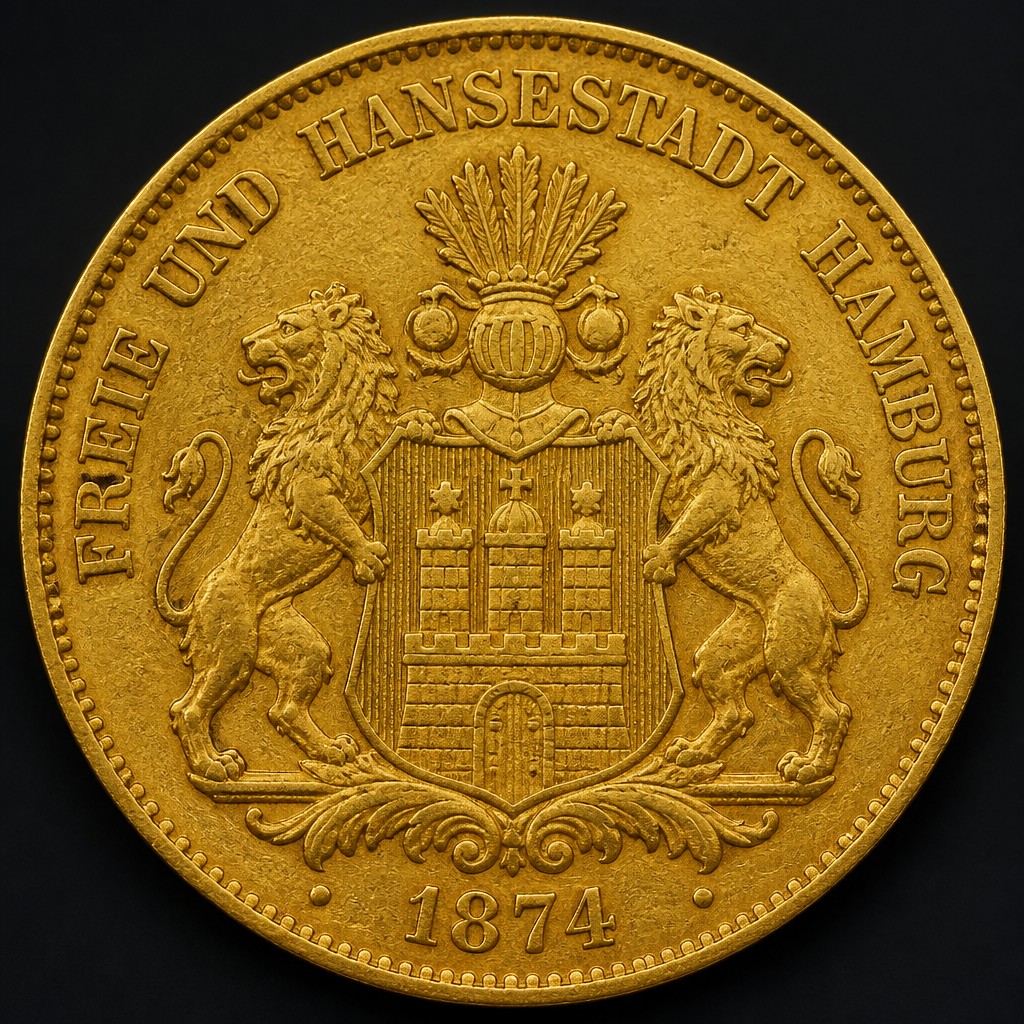
German Hamburg Ducat
A small, exceptionally high-purity gold trade coin struck for centuries by the free city of Hamburg, prized for its consistent fineness and long production history.
European