
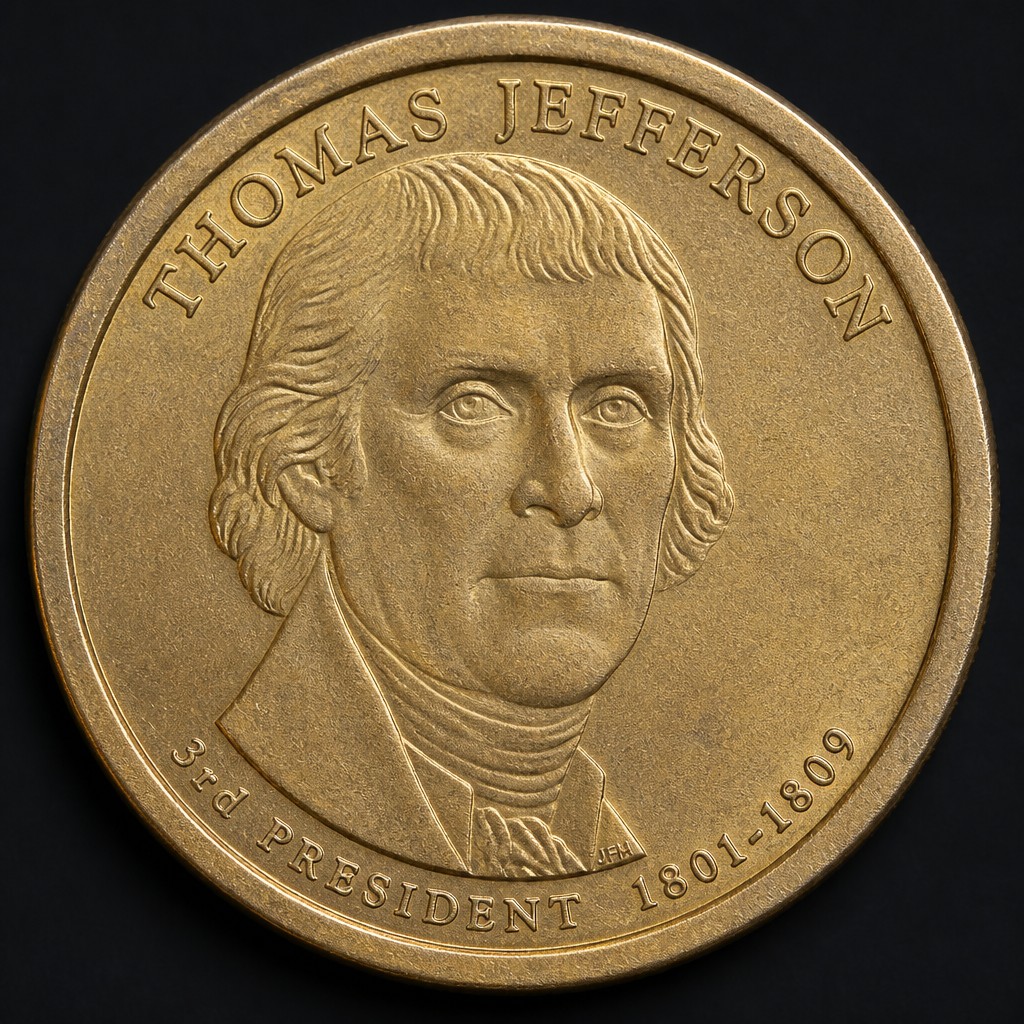
Presidential Dollar - Thomas Jefferson
The third coin in the Presidential Dollar series, honoring Thomas Jefferson, sharing the same edge-lettering format and Statue of Liberty reverse as the earliest issues in the program.
- Country
- United States
- Denomination
- One Dollar
- Metal
- Manganese Brass Clad (copper core)
Got a coin like this?
Identify any coin from a photo, free.
Overview
The Thomas Jefferson Presidential Dollar, released in 2007, is the third coin in the Mint's Presidential $1 Coin Program, continuing the chronological tribute to former U.S. presidents. Jefferson, the primary author of the Declaration of Independence and the third president, is depicted on the obverse, while the reverse carries the common Statue of Liberty design used for the series' earliest issues.
Like its Washington and Adams predecessors, the Jefferson dollar is part of a series notable for its innovative use of incused edge lettering and for a handful of production errors discovered shortly after release, adding an extra layer of interest for variety collectors beyond the coin's historical subject matter.
History & Background
Thomas Jefferson served as the third President of the United States from 1801 to 1809, and his likeness appeared on the third coin released under the 2007 Presidential Dollar program, following the chronological order established by law. Jefferson was already a familiar figure on U.S. coinage from his long-running appearance on the Jefferson nickel, making this dollar coin a natural extension of his numismatic presence.
As the third release in the series' debut year, the Jefferson dollar benefited from some production refinements the Mint made after encountering the edge-lettering issues on the earlier Washington and Adams coins, though isolated error examples still exist. Its release continued to build public awareness of the new Presidential Dollar program and its distinctive edge-inscription feature.
The coin's design and production followed the same general process used throughout the 2007 lineup, with the Mint continuing to refine minting techniques as the series progressed through its first year and beyond.
How to Identify
The obverse portrays Thomas Jefferson along with his name and years in office, 1801-1809. The reverse features the Statue of Liberty design common to the first several Presidential Dollar issues, with UNITED STATES OF AMERICA and the $1 denomination.
As with all coins in the series, the date, mint mark, and mottos E PLURIBUS UNUM and IN GOD WE TRUST are incused on the edge rather than on the coin's obverse or reverse faces. The coin has the same golden manganese brass clad composition and 26.5mm diameter used throughout the Presidential Dollar program.
Collectors should check the edge lettering for clarity and completeness, since, although less common than on the Washington issue, missing or doubled edge lettering error coins exist for the Jefferson dollar as well.
Value & Collectibility
Standard Jefferson Presidential Dollars are common and generally valued near face value or with a small collector premium in circulated to uncirculated grades. Edge-lettering error examples, while less frequently encountered than the Washington errors, can command a meaningful premium when authenticated, particularly in higher grades.
Overall, this issue is considered an accessible, affordable part of a complete Presidential Dollar set, with value driven mainly by condition and the presence of any confirmed mint errors rather than by base rarity.
Frequently asked questions
When did Thomas Jefferson serve as president?
Thomas Jefferson served as the third U.S. president from 1801 to 1809.
Does the Jefferson dollar have edge-lettering errors like the Washington dollar?
Error examples exist but are less common than the well-known Washington 'Godless Dollar' errors.
What other U.S. coin features Thomas Jefferson?
Jefferson has long appeared on the circulating five-cent piece, commonly called the Jefferson nickel.
Is the Jefferson Presidential Dollar rare?
No, it was struck in substantial numbers and is common; most examples are valued near face value unless they carry a verified error.
Other coins you may enjoy
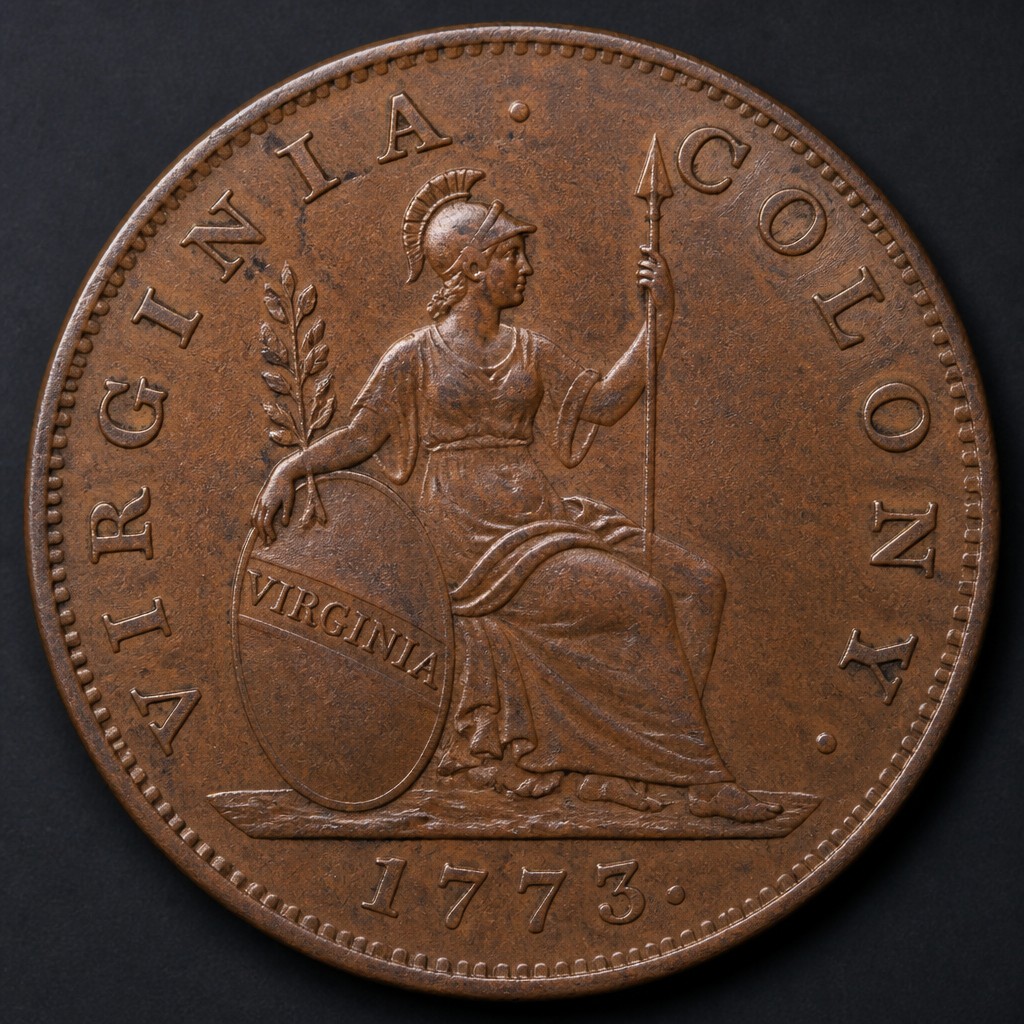
Virginia Halfpenny
1773
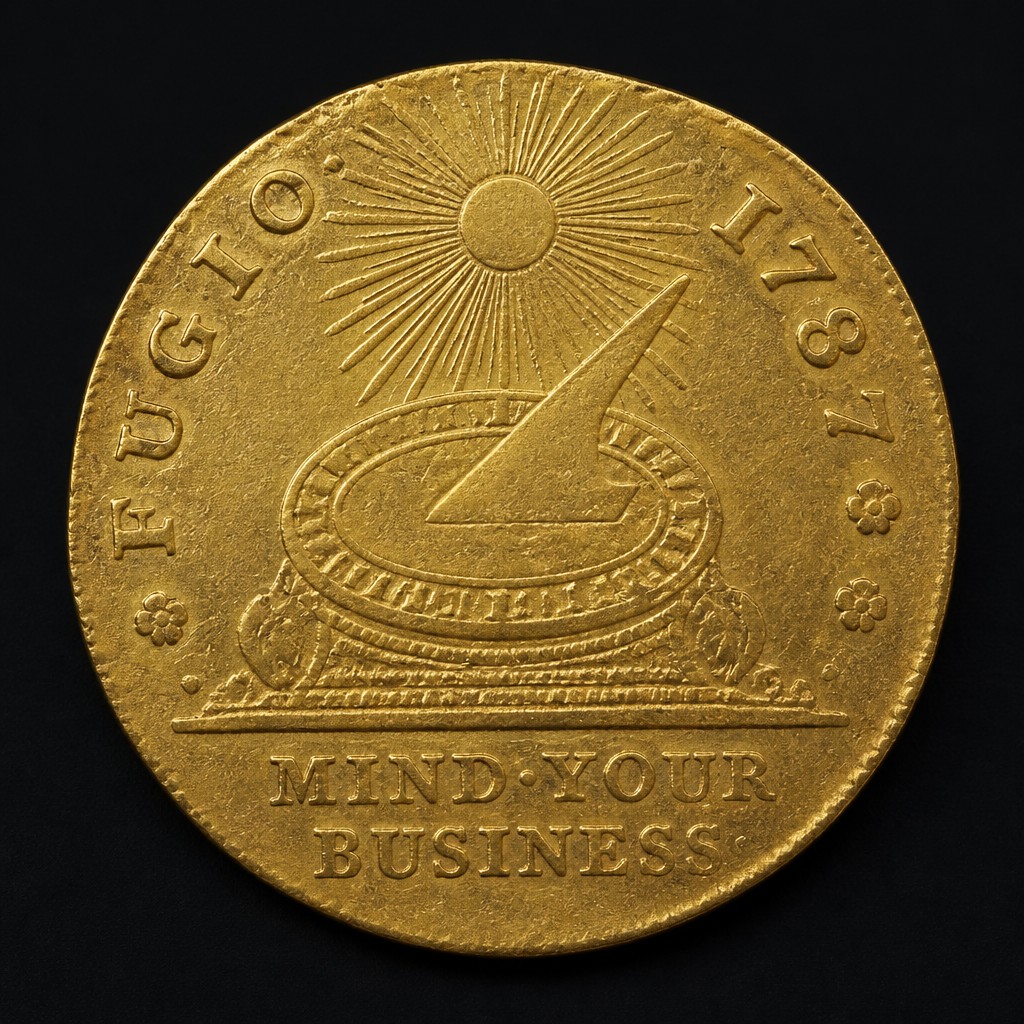
Brasher Doubloon
1787
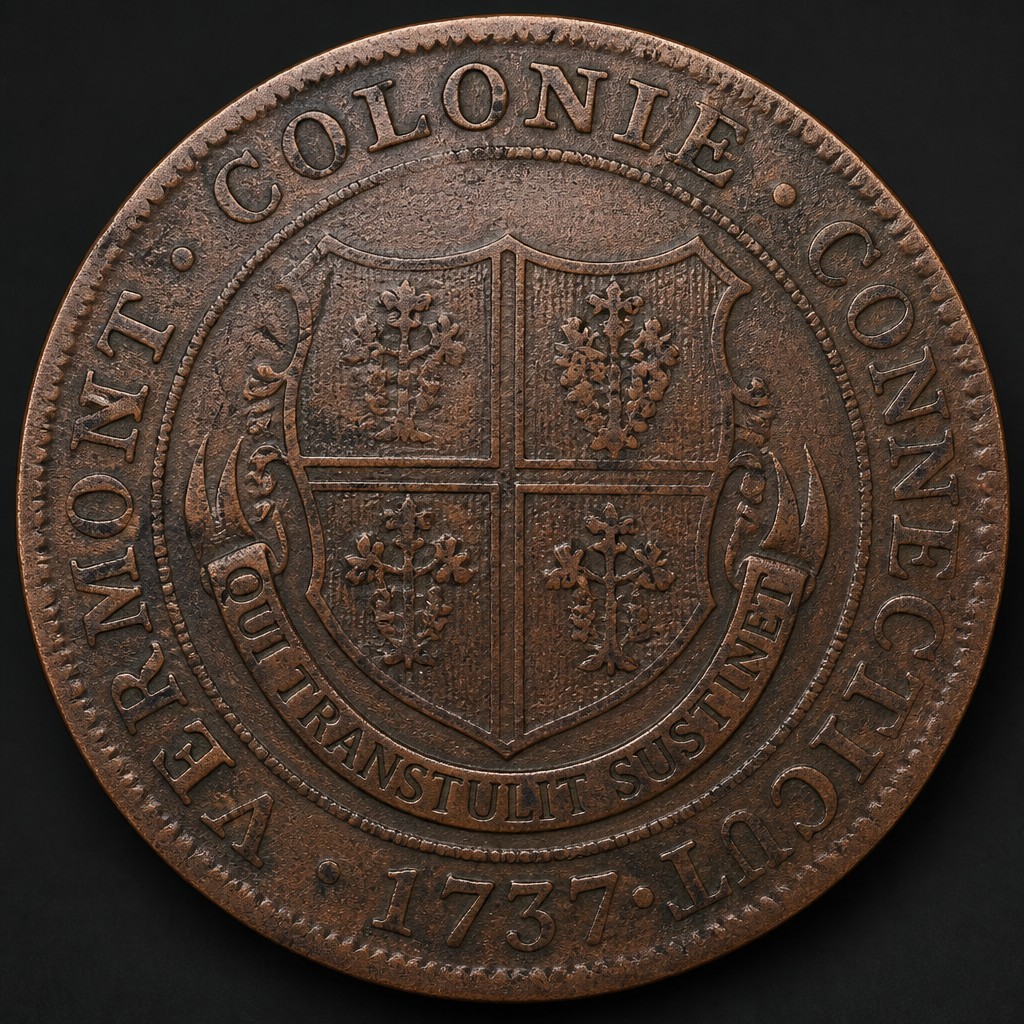
Higley Copper
1737–1739
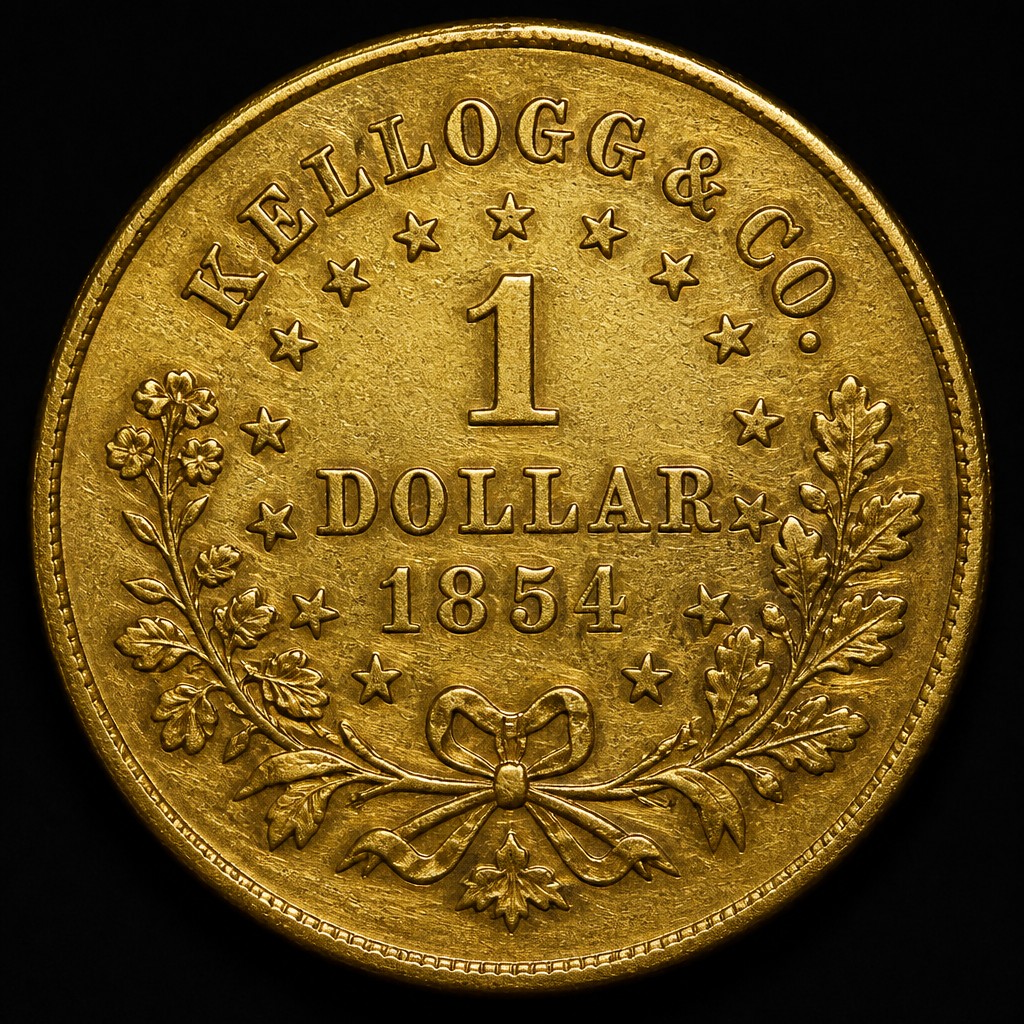
Kellogg & Co. Gold Piece
1854–1855
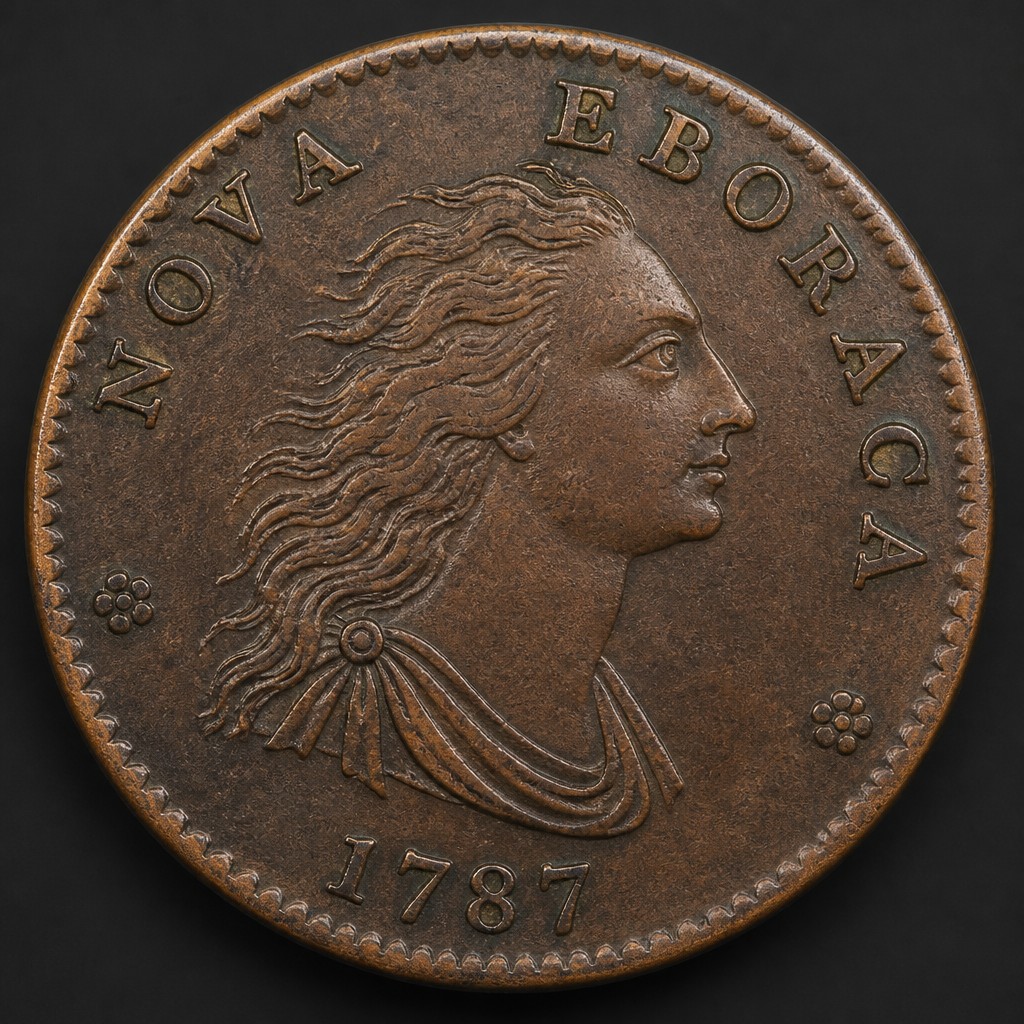
Nova Eborac Copper
1787
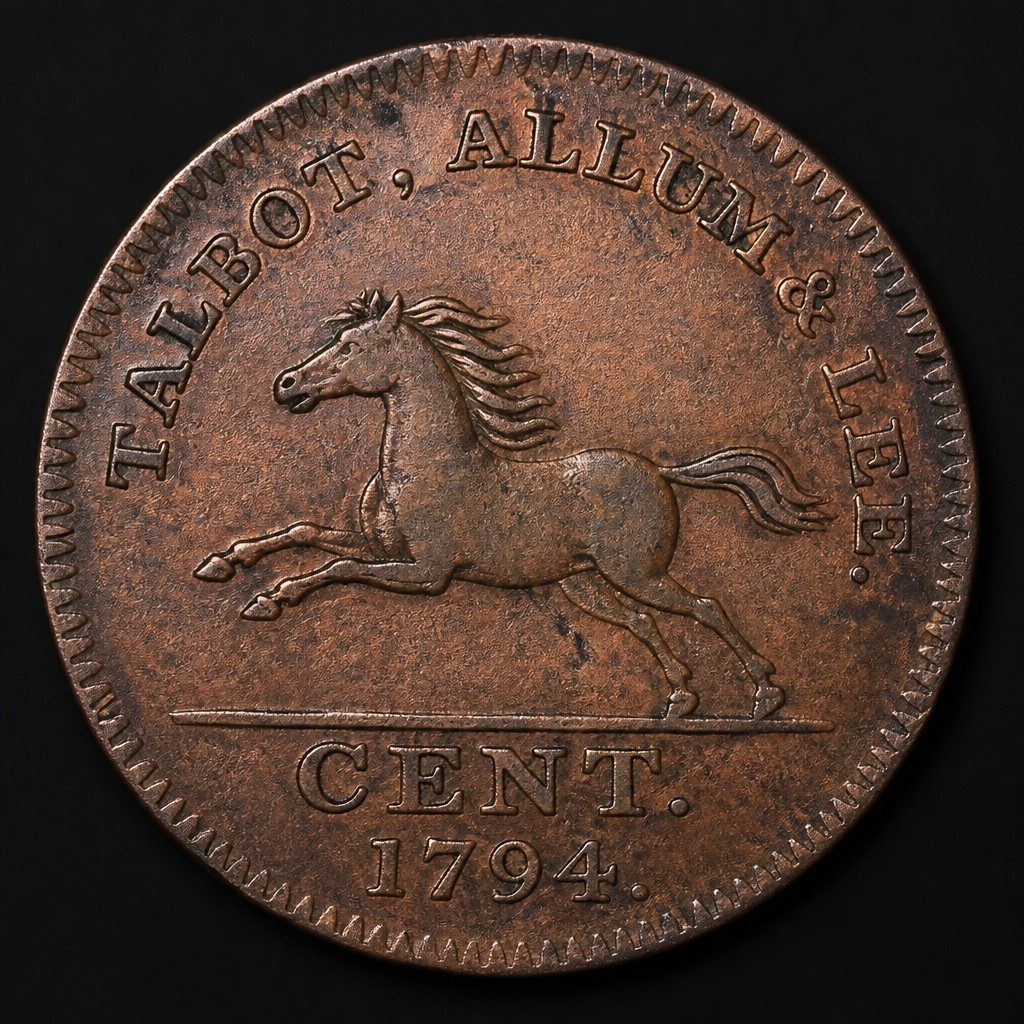
Talbot, Allum & Lee Cent
1794–1795
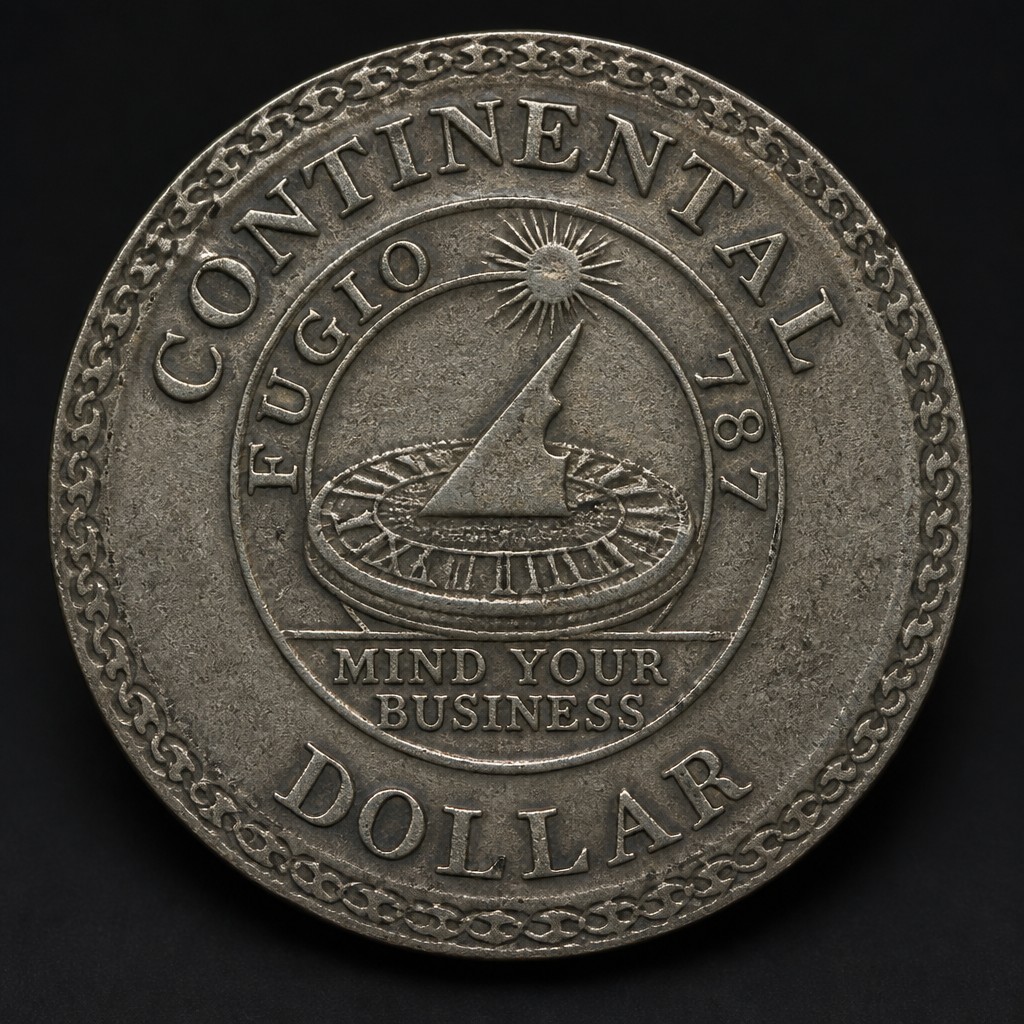
Continental Dollar
1776
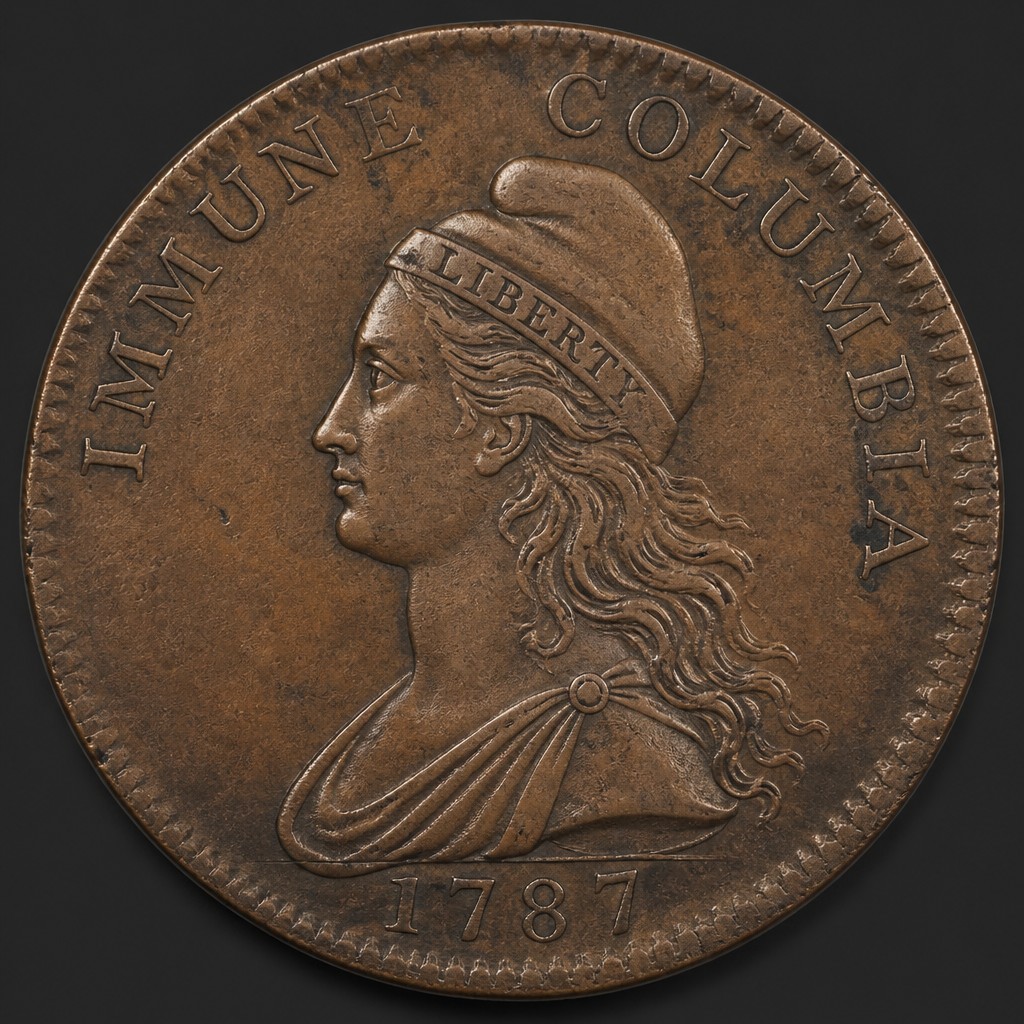
Immune Columbia Copper
circa 1785–1787
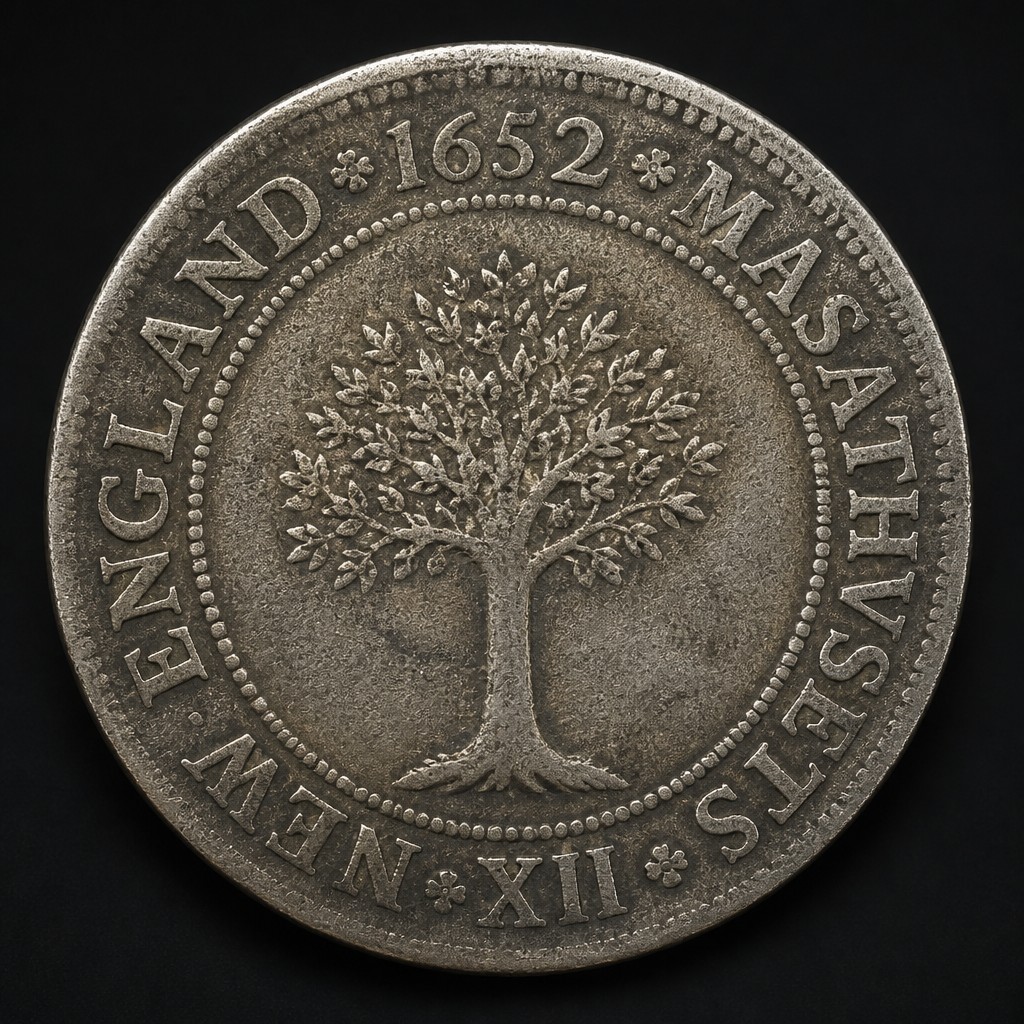
Massachusetts Oak Tree Shilling
Dated 1652, struck circa 1660–1667
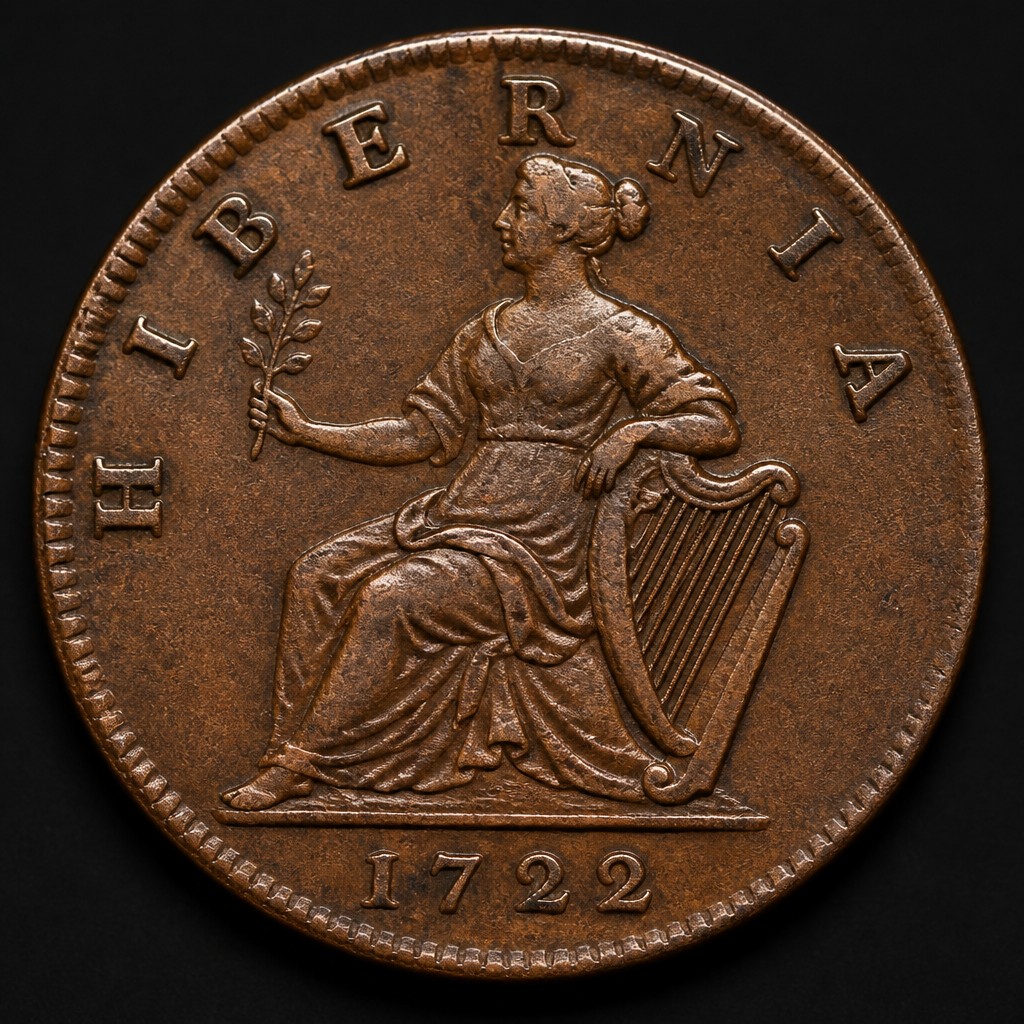
Wood's Hibernia Halfpenny
1722–1724
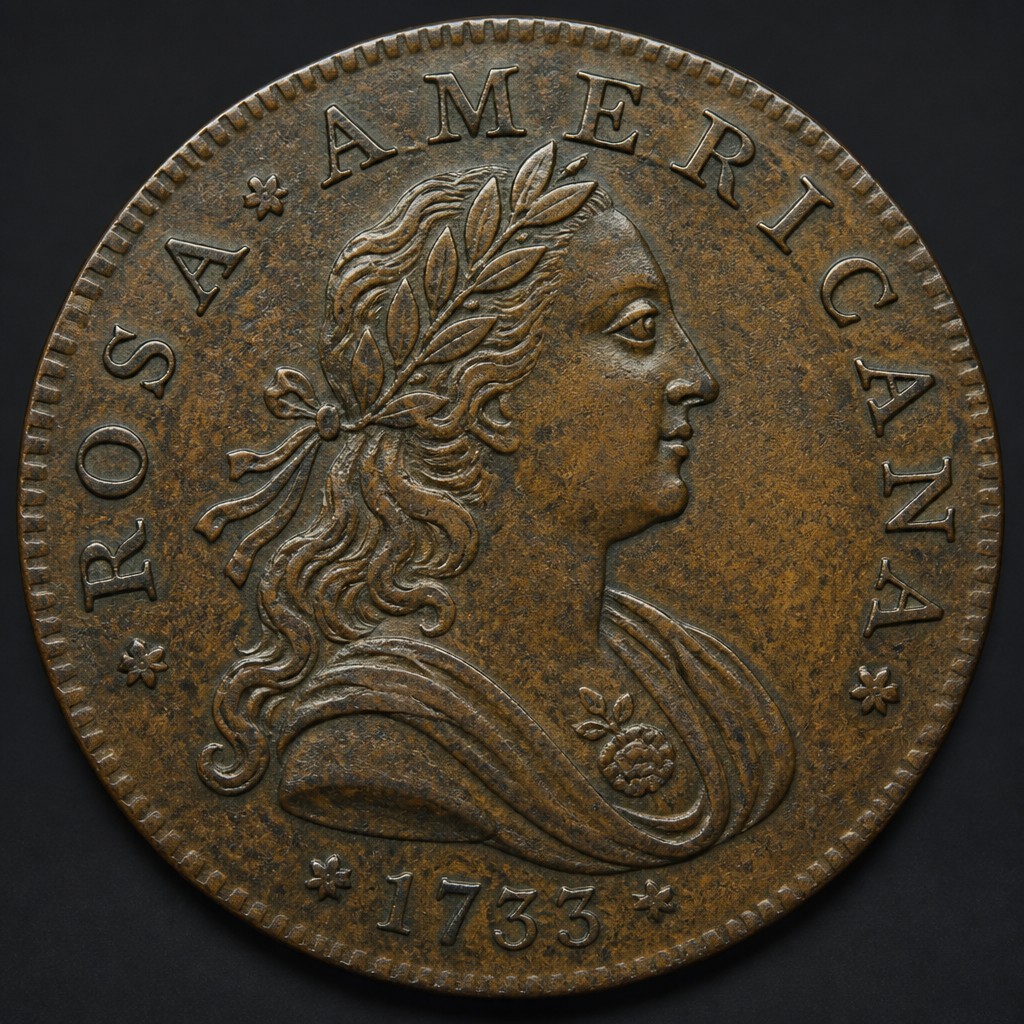
Rosa Americana Coinage
1722–1724 (with pattern issues dated 1733)
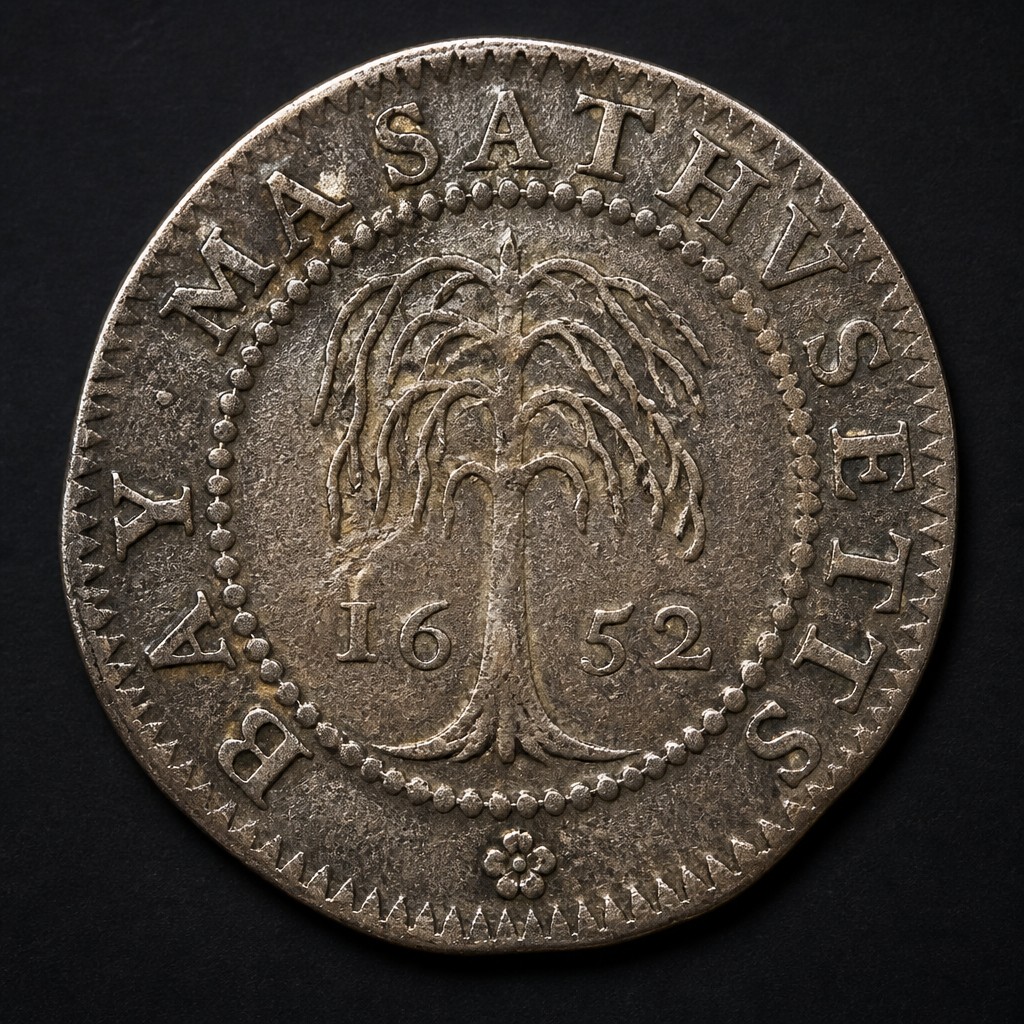
Massachusetts Willow Tree Shilling
Dated 1652, struck circa 1653–1660