
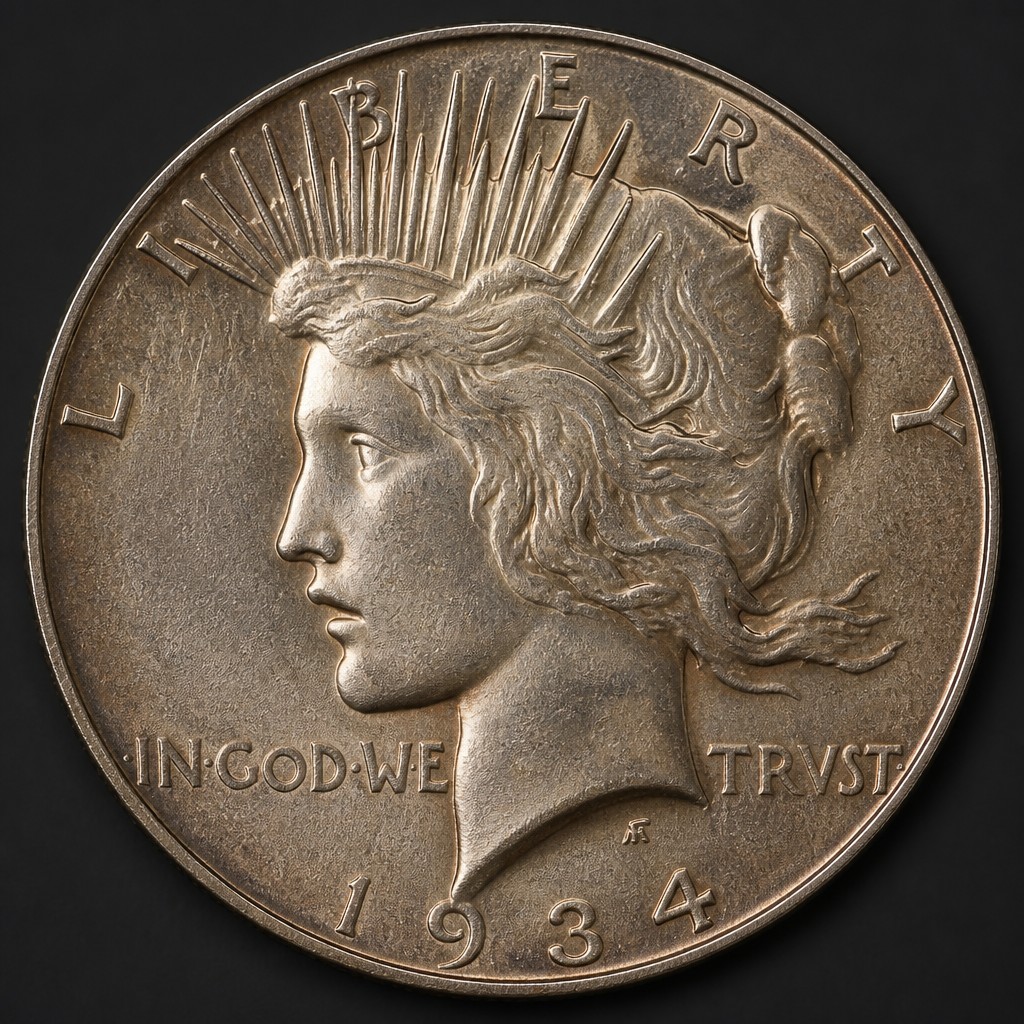
1934 Peace Dollar
A Depression-era Peace Dollar issue struck at three mints, with the low-mintage 1934-S standing out as a semi-key date prized by collectors.
- Country
- United States
- Denomination
- One Dollar
- Metal
- 90% Silver
Got a coin like this?
Identify any coin from a photo, free.
Overview
The 1934 Peace Dollar belongs to the final years of the Peace Dollar series, which commemorated the peace following World War I. Struck at Philadelphia, Denver, and San Francisco, the 1934 issues were produced during the Great Depression when demand for large silver dollars in commerce was limited, resulting in relatively modest mintages across all three mints.
Of the three, the San Francisco issue (1934-S) is the most celebrated, regarded as a semi-key date due to its comparatively low mintage and the fact that many were later melted, making high-grade survivors scarce and desirable.
History & Background
The Peace Dollar was introduced in 1921 to commemorate the peace treaties ending World War I, designed by Italian-American sculptor Anthony de Francisci after a public design competition. Production continued intermittently through 1928 and then resumed briefly from 1934 to 1935 before the series ended.
By 1934, silver dollars had limited use in day-to-day commerce, and many coins struck during this period sat in bank and Treasury vaults for decades. Large numbers of Peace Dollars, including some from 1934, were later melted under mid-20th-century silver melt programs, thinning out surviving populations relative to original mintage figures.
The series ended after 1935 as the country moved away from large silver dollar production until the Eisenhower Dollar decades later.
How to Identify
The obverse shows Liberty's head facing left wearing a radiate crown, with LIBERTY above and the date below. The reverse depicts a bald eagle at rest on a mountain crag, clutching an olive branch, with rays of sunlight rising behind it and the word PEACE inscribed below, along with UNITED STATES OF AMERICA and E PLURIBUS UNUM.
Mintmarks, when present, appear on the reverse below the word ONE, near the eagle's wing. Philadelphia strikes have no mintmark, while Denver coins show a D and San Francisco coins show an S. The coin is a large, heavy silver dollar with a reeded edge, distinguishable from the earlier Morgan Dollar by its Art Deco-style radiate crown and eagle-at-rest reverse rather than a wreathed, spread-wing eagle.
Collectors should watch for weak strikes common to the series, particularly on Liberty's hair and the eagle's leg feathers, which can affect grading.
Value & Collectibility
Common-date, circulated 1934 Peace Dollars from Philadelphia and Denver are generally affordable and trade close to their silver bullion value in lower grades, with premiums increasing in Mint State condition. The 1934-S is the standout of the trio, commanding significant premiums in higher Mint State grades due to its scarcity and the difficulty of finding well-struck, problem-free examples.
As with most Peace Dollars, values rise sharply for coins graded MS64 and above, since well-preserved, sharply struck pieces are disproportionately scarce compared to the overall surviving population.
Frequently asked questions
Which 1934 Peace Dollar is the key date?
The 1934-S from San Francisco is considered the semi-key of the trio, valuable especially in higher Mint State grades.
What does the Peace Dollar commemorate?
It commemorates the peace following World War I, chosen through a public design competition in 1921.
How do I find the mintmark on a 1934 Peace Dollar?
Look on the reverse below the word ONE, near the eagle's wing, for a D (Denver) or S (San Francisco); no mark means Philadelphia.
What is the silver content of a 1934 Peace Dollar?
It is struck in 90% silver, the same standard used for most U.S. silver coinage of the era.
Other coins you may enjoy
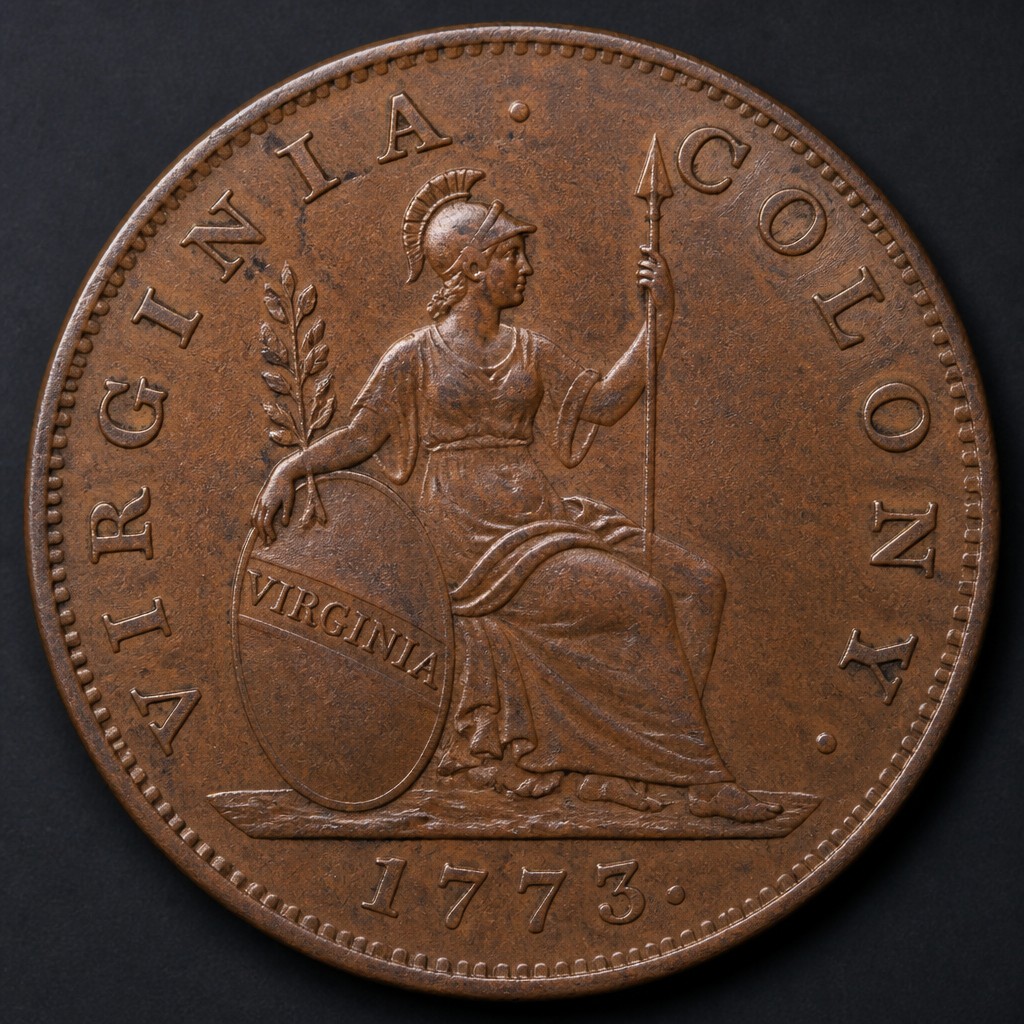
Virginia Halfpenny
1773
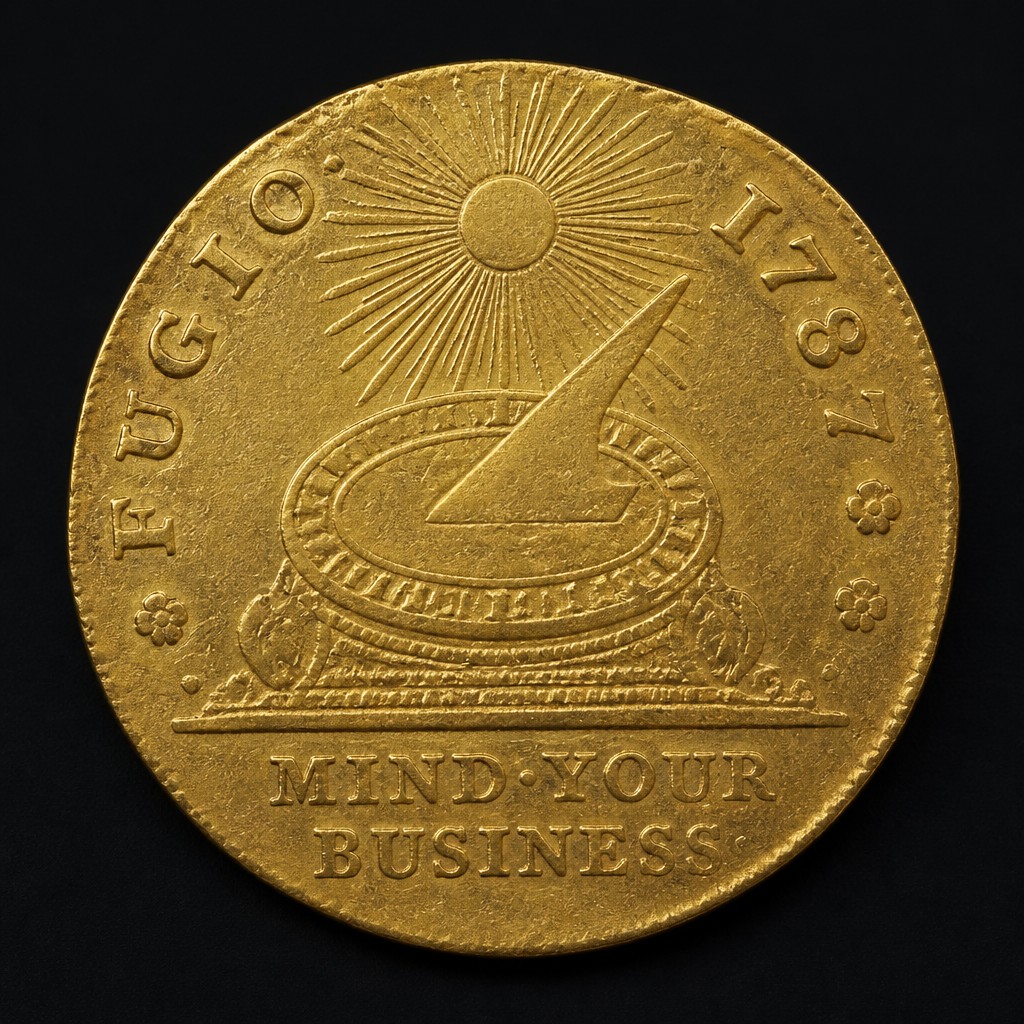
Brasher Doubloon
1787
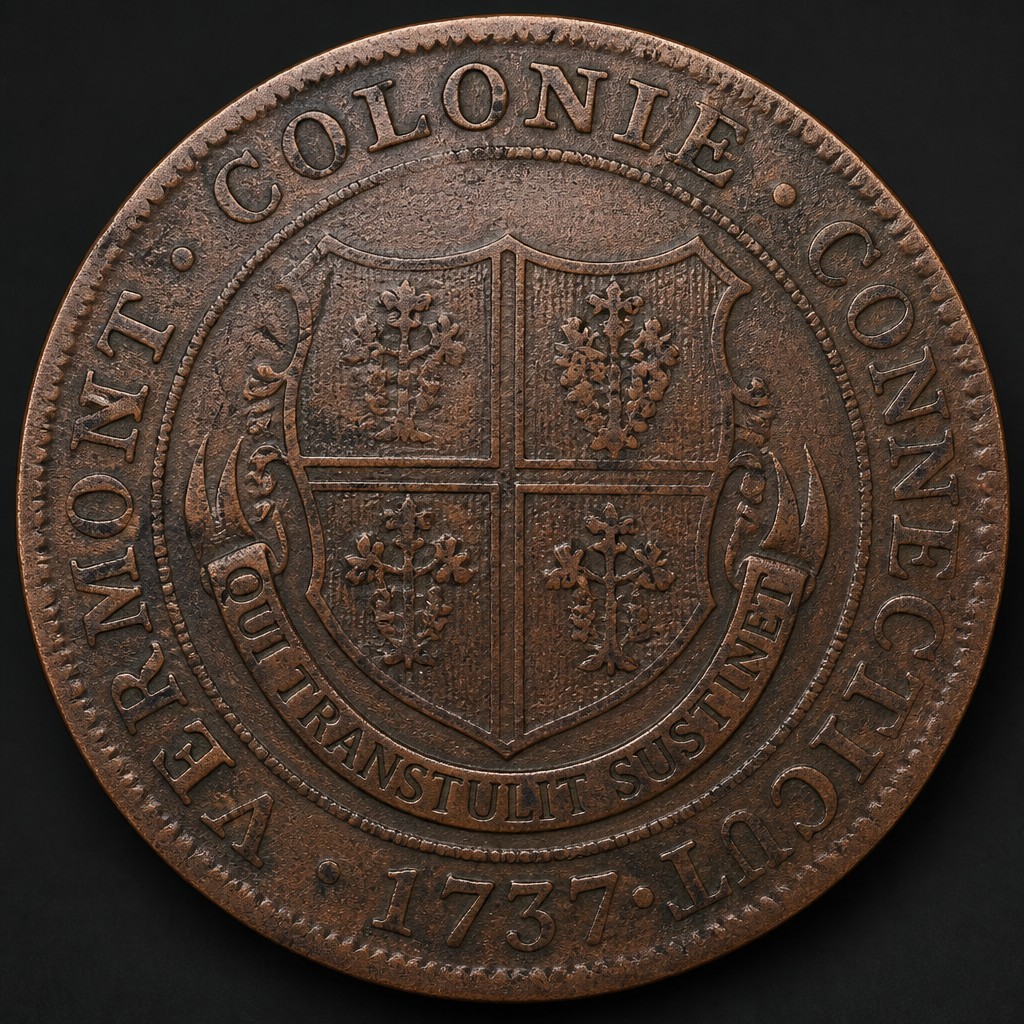
Higley Copper
1737–1739
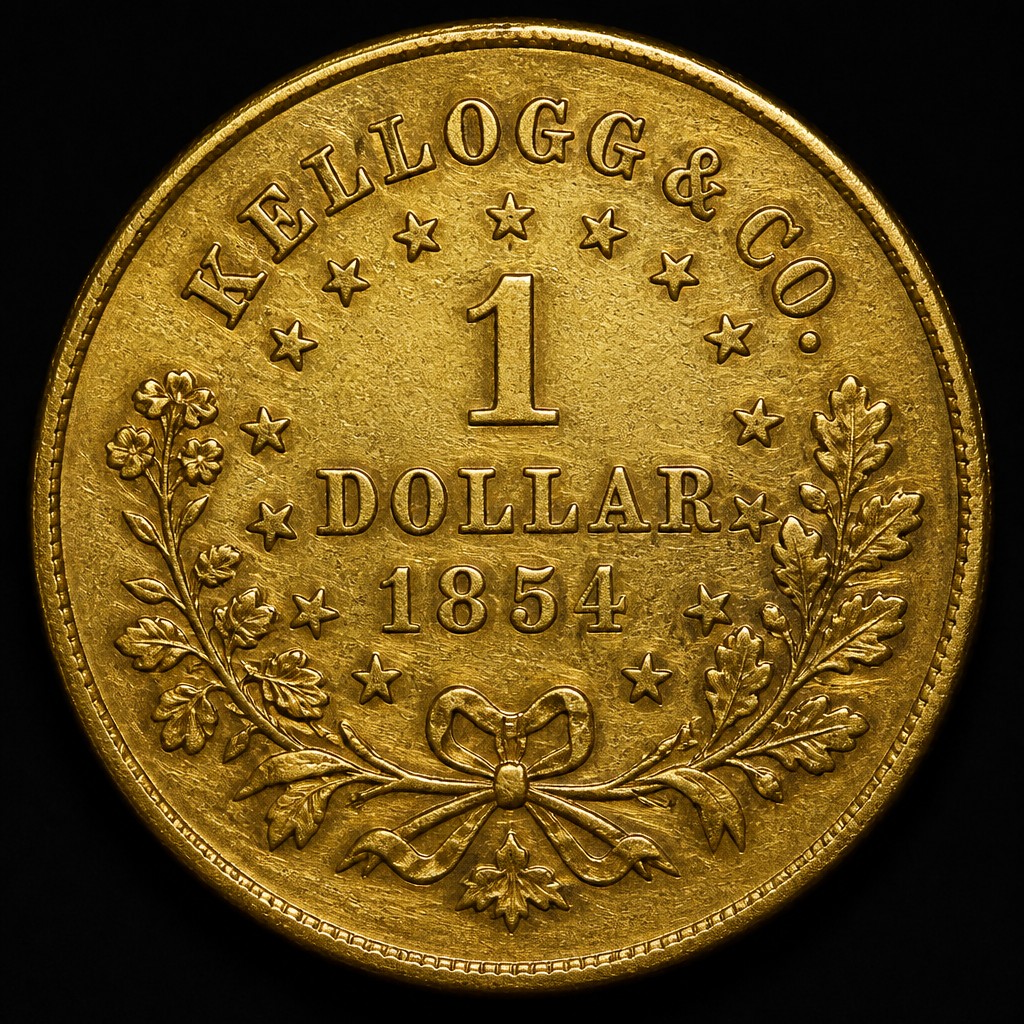
Kellogg & Co. Gold Piece
1854–1855
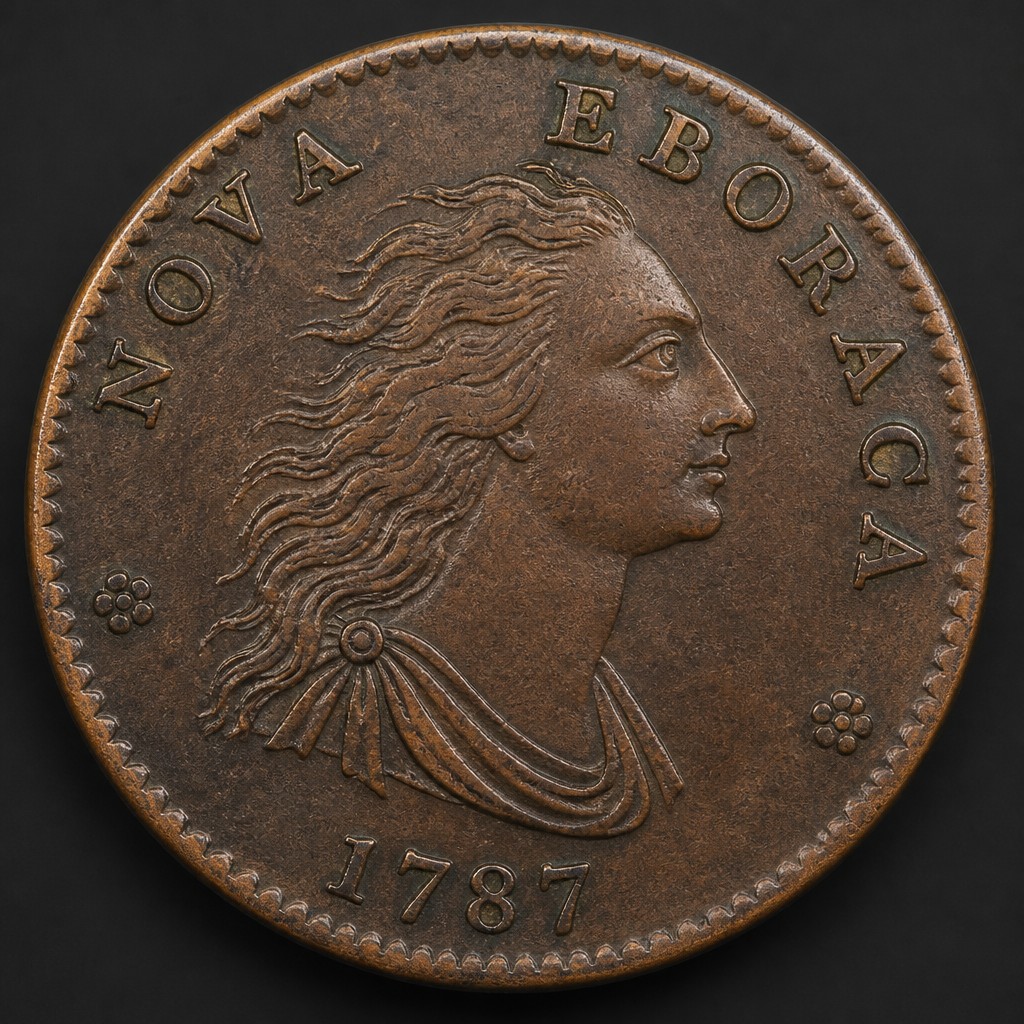
Nova Eborac Copper
1787
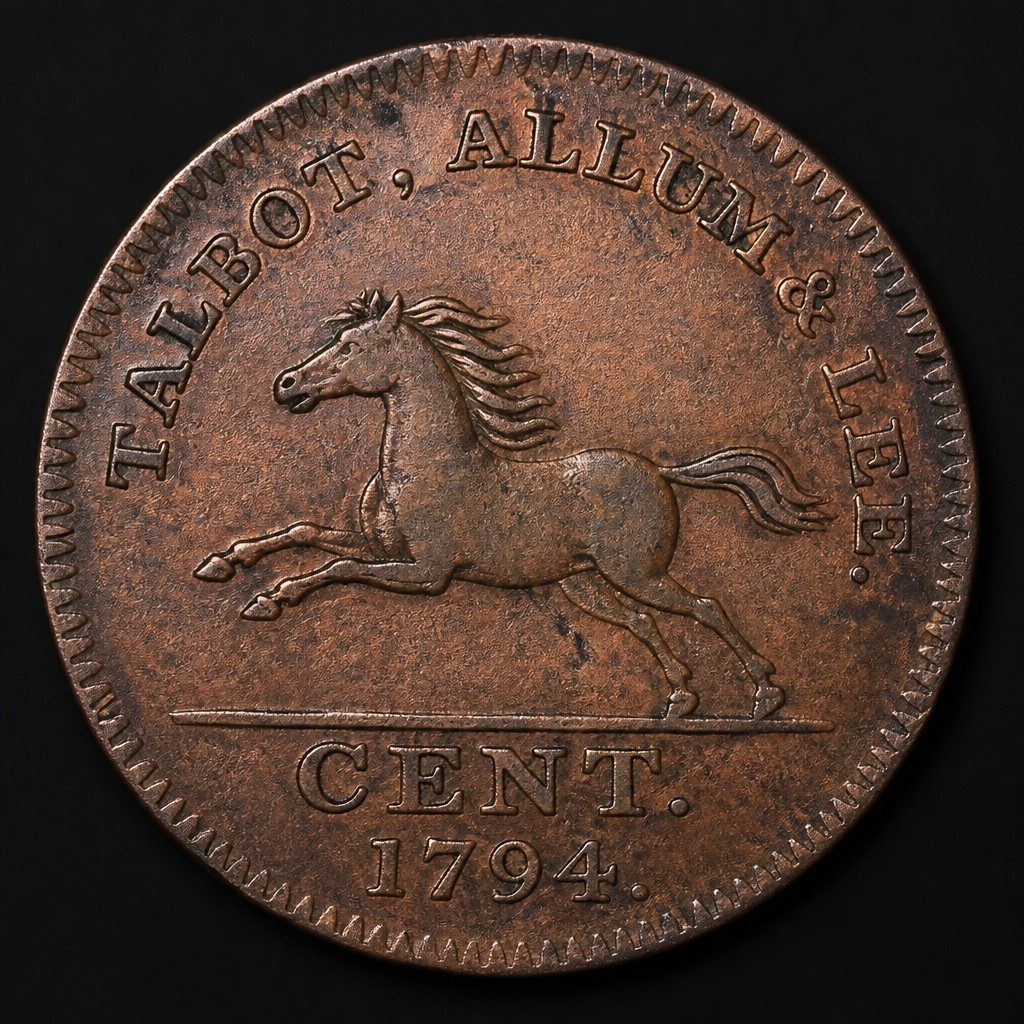
Talbot, Allum & Lee Cent
1794–1795
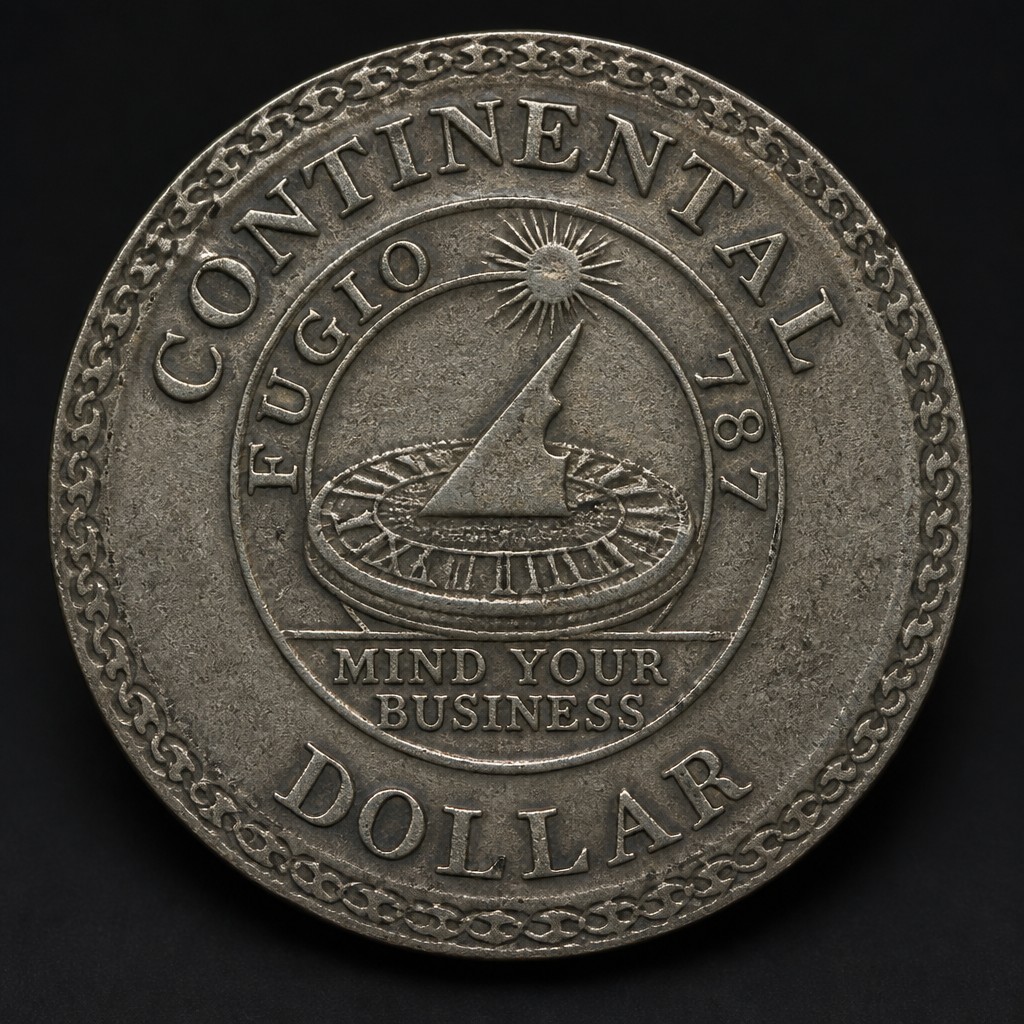
Continental Dollar
1776
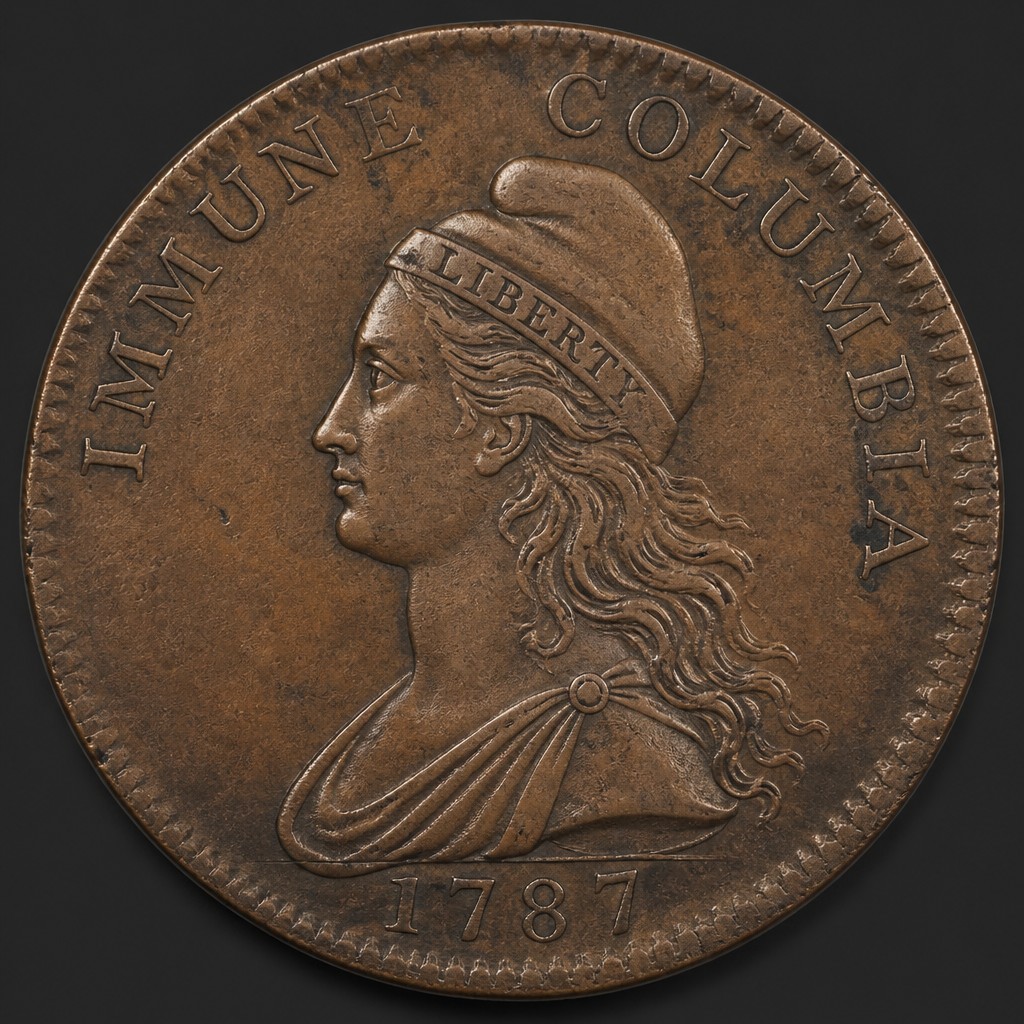
Immune Columbia Copper
circa 1785–1787
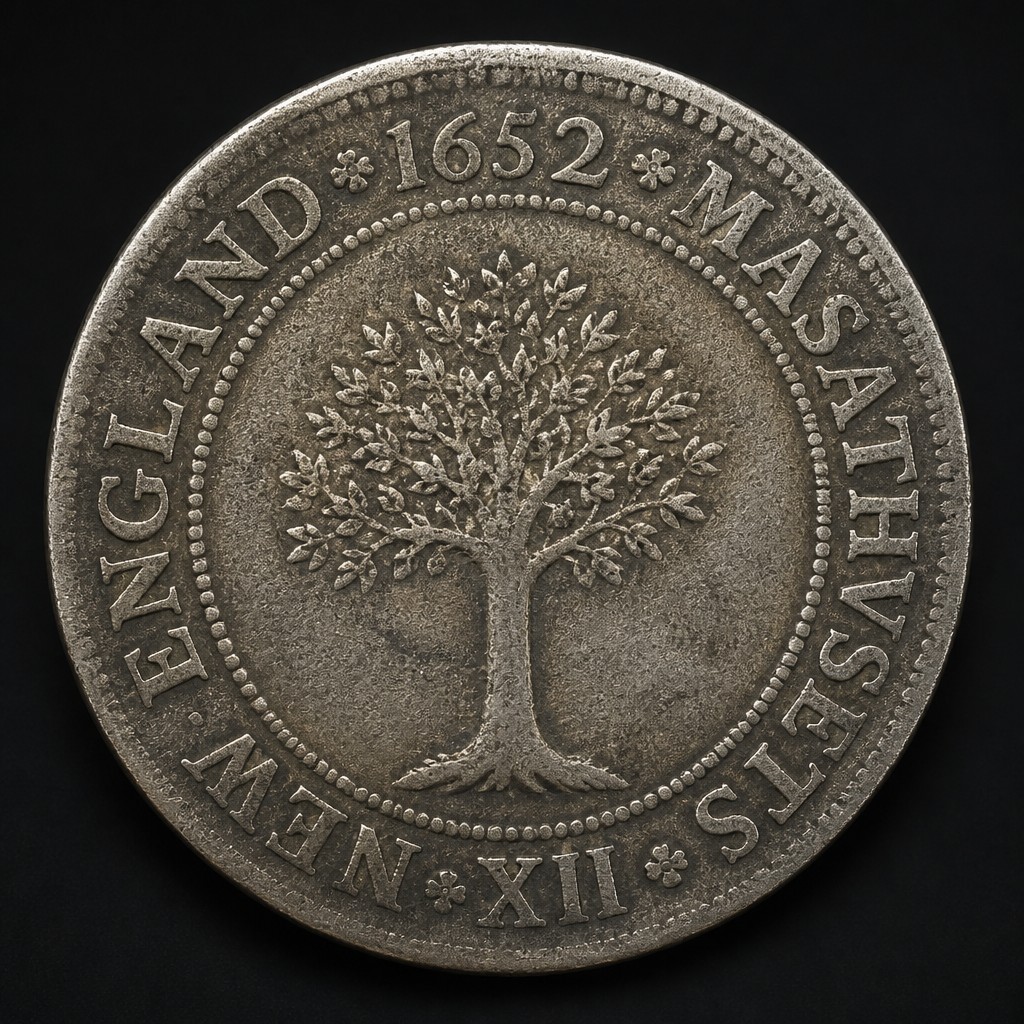
Massachusetts Oak Tree Shilling
Dated 1652, struck circa 1660–1667
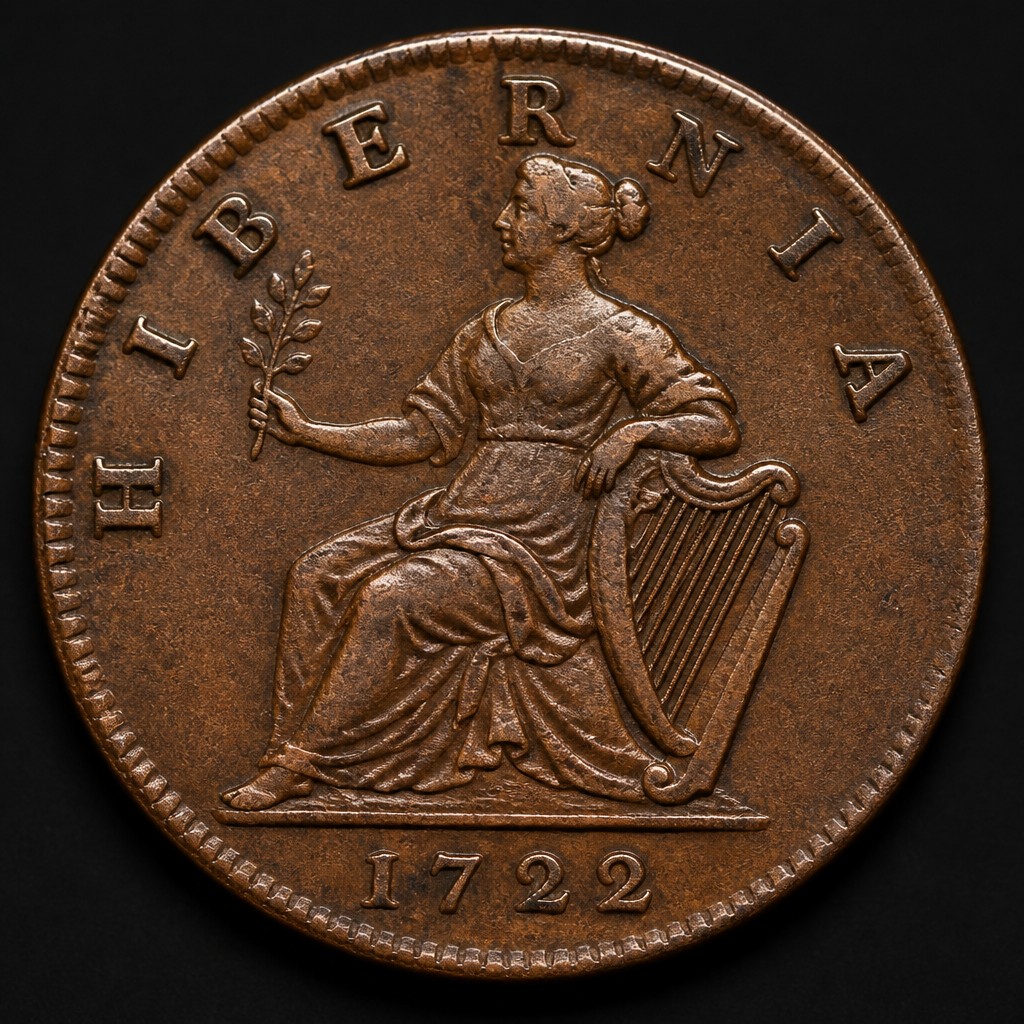
Wood's Hibernia Halfpenny
1722–1724
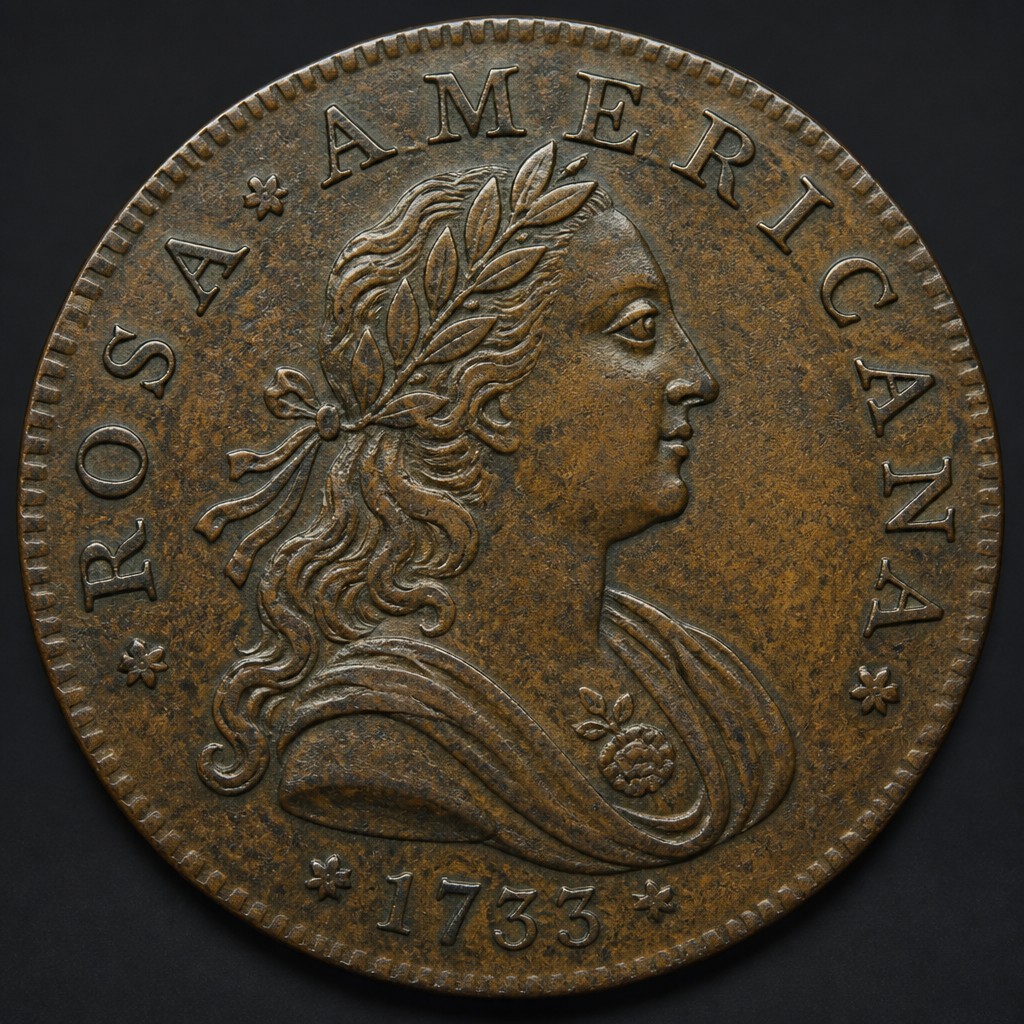
Rosa Americana Coinage
1722–1724 (with pattern issues dated 1733)
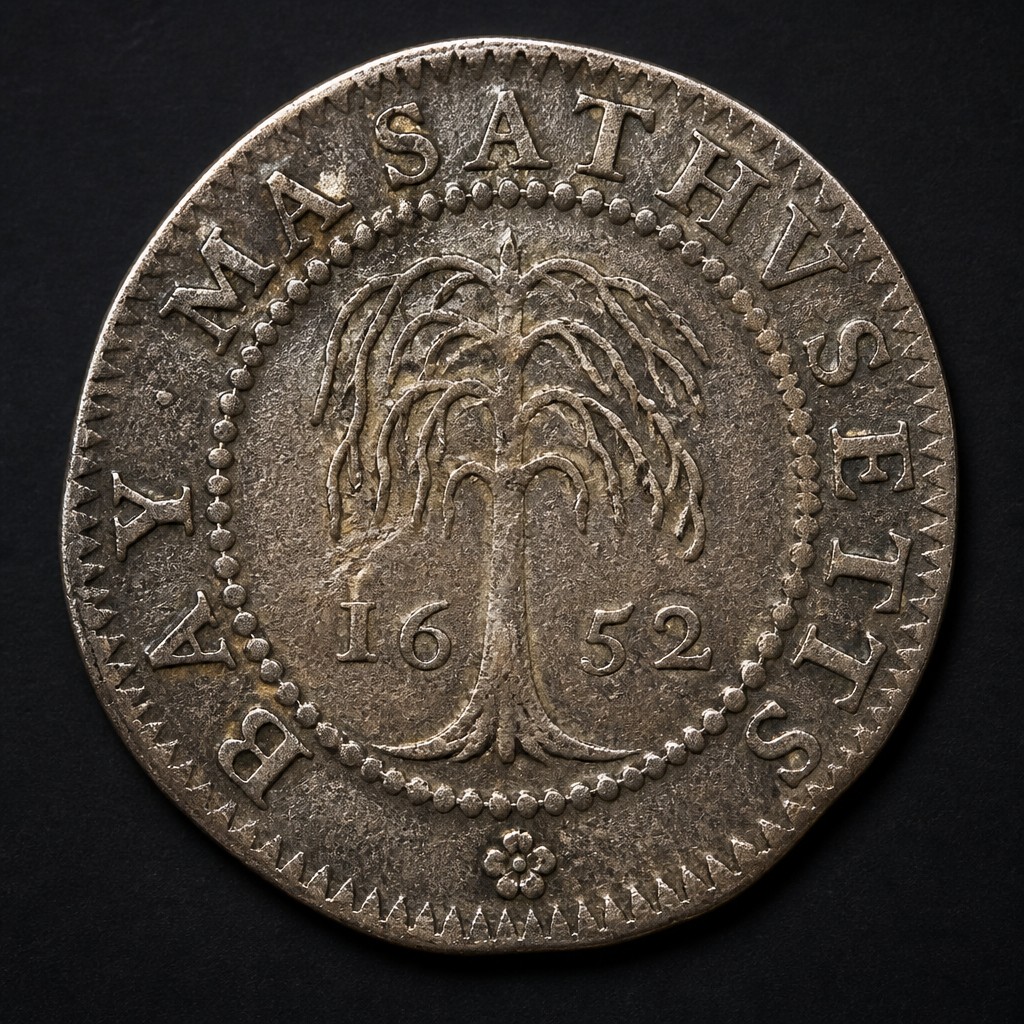
Massachusetts Willow Tree Shilling
Dated 1652, struck circa 1653–1660