
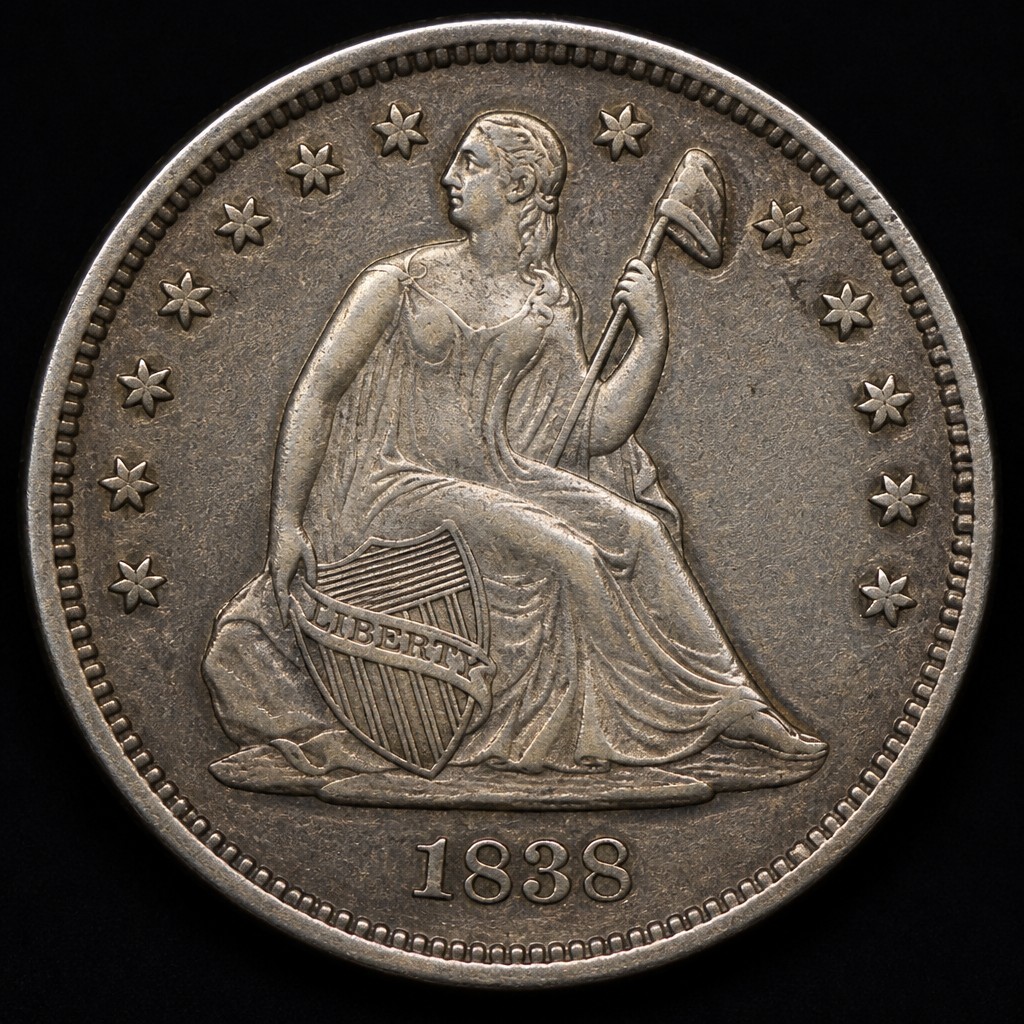
1838 Seated Liberty Quarter (No Drapery)
The first-year Seated Liberty quarter, the 1838 No Drapery issue introduced Christian Gobrecht's new design before a drapery fold was added at Liberty's elbow in 1840.
- Country
- United States
- Denomination
- Quarter Dollar
- Metal
- 90% Silver, 10% Copper
Got a coin like this?
Identify any coin from a photo, free.
Overview
The 1838 quarter introduced the Seated Liberty design to the denomination, replacing the Capped Bust type that had been used since 1815. "No Drapery" refers to the earliest dies of this design (used from 1838 through part of 1840), which lack the fold of drapery beneath Liberty's left elbow that was added to strengthen that area of the die afterward.
As a first-year type coin within a design used across United States silver coinage for over half a century, the 1838 No Drapery quarter is a popular target for type collectors, standing at the start of a design family that would run, with modifications, all the way to 1891.
History & Background
The Seated Liberty motif, generally credited to engraver Christian Gobrecht based on a composition by artist Thomas Sully, was introduced across U.S. silver coinage beginning with the dime and half dime in the mid-1830s. The quarter dollar adopted the design in 1838, replacing the Capped Bust type used since 1815.
The new design depicted Liberty seated on a rock, holding a shield inscribed LIBERTY in one hand and a liberty cap on a pole in the other, a neoclassical composition drawing on earlier allegorical imagery such as Britannia. Early dies for the quarter, as with the half dollar and dime, initially lacked drapery folds below Liberty's elbow, a detail added around 1840 to reduce die wear in that area.
The 1838 quarter also debuted the abbreviation "QUARTER DOL." on the reverse, replacing the earlier "25 C." denomination mark used on Capped Bust and Draped Bust quarters.
How to Identify
The obverse shows Liberty seated on a rock facing left, holding a shield inscribed LIBERTY in her right hand and a pole topped by a liberty cap in her left, with thirteen stars around the border and the date 1838 below. On No Drapery examples, the area beneath Liberty's left elbow is smooth, without the fold of drapery added in later years.
The reverse depicts an eagle with a shield on its breast, an olive branch and arrows held in its talons, UNITED STATES OF AMERICA around the border, and QUARTER DOL. below the eagle. There is no motto on the reverse, as "IN GOD WE TRUST" was not added until 1866.
The coin is struck in the standardized silver alloy adopted by the Mint Act of 1837 (90% silver, 10% copper) and has a diameter of about 24.3mm, smaller than the earlier Capped Bust quarter. As 1838 was struck only at Philadelphia, there is no mintmark.
Value & Collectibility
The 1838 No Drapery quarter, as a first-year type coin, enjoys strong demand from type and date collectors alike. Its mintage for the year was modest by later standards, and worn, circulated examples remain reasonably available and affordable, typically in the low-to-mid hundreds of dollars.
Well-preserved, sharply struck mint-state examples are considerably scarcer and command a significant premium, reflecting the coin's importance as the debut issue of a design used for more than fifty years.
Frequently asked questions
What does "No Drapery" mean on this quarter?
It refers to the earliest Seated Liberty dies (1838 to part of 1840), which lack the fold of drapery fabric beneath Liberty's elbow that was added to later dies.
Why is 1838 significant for the quarter series?
It is the first year the Seated Liberty design was used on the quarter dollar, replacing the earlier Capped Bust type.
Does the 1838 quarter have a motto?
No, "IN GOD WE TRUST" was not added to the quarter's reverse until 1866.
Was the 1838 quarter struck anywhere besides Philadelphia?
No, all 1838 quarters were struck at the Philadelphia Mint, which used no mintmark.
Other coins you may enjoy
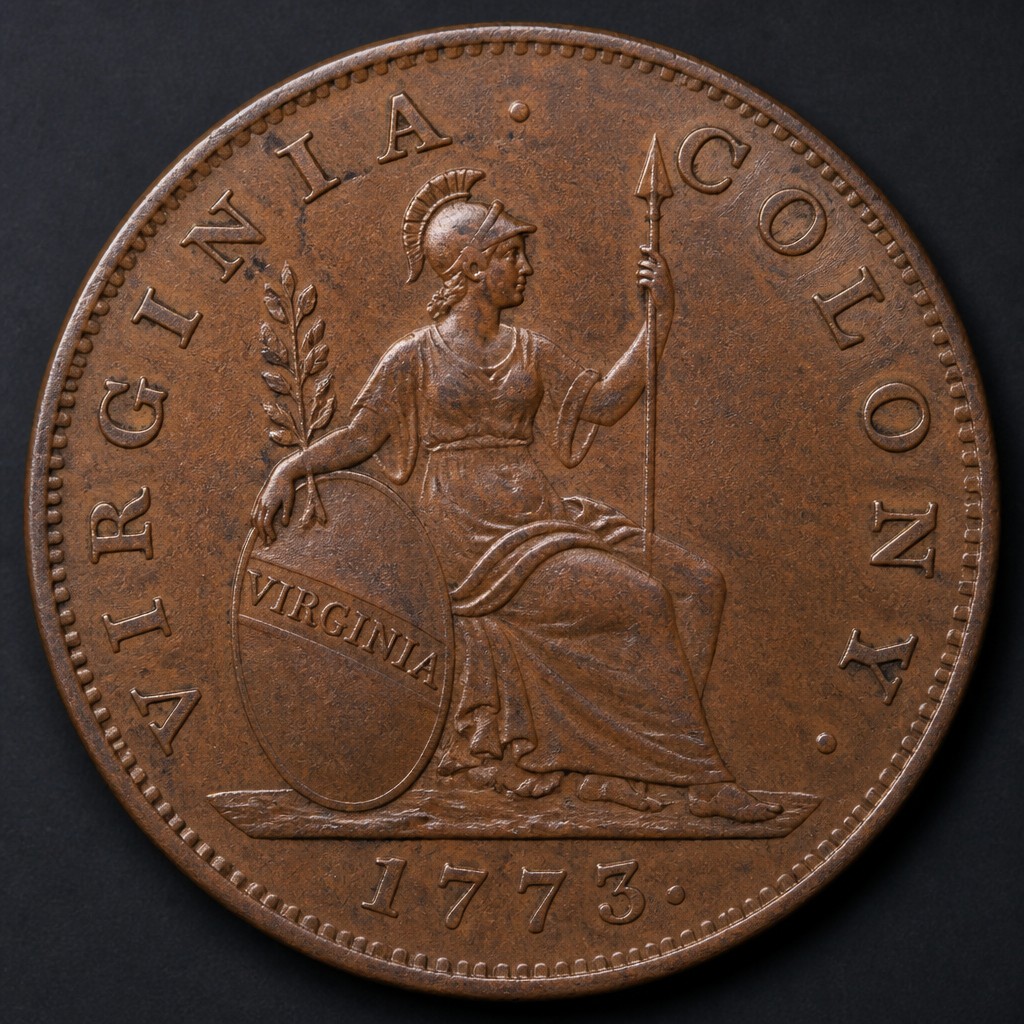
Virginia Halfpenny
1773
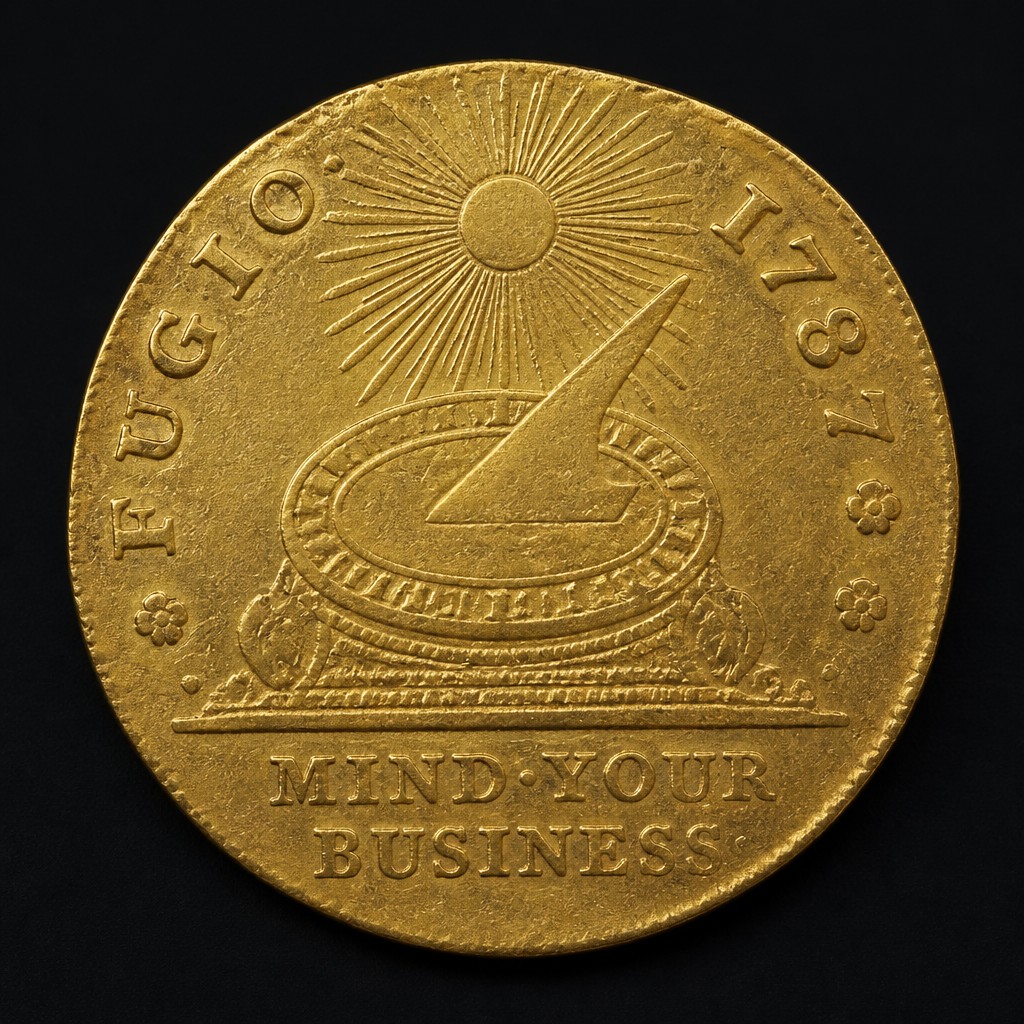
Brasher Doubloon
1787
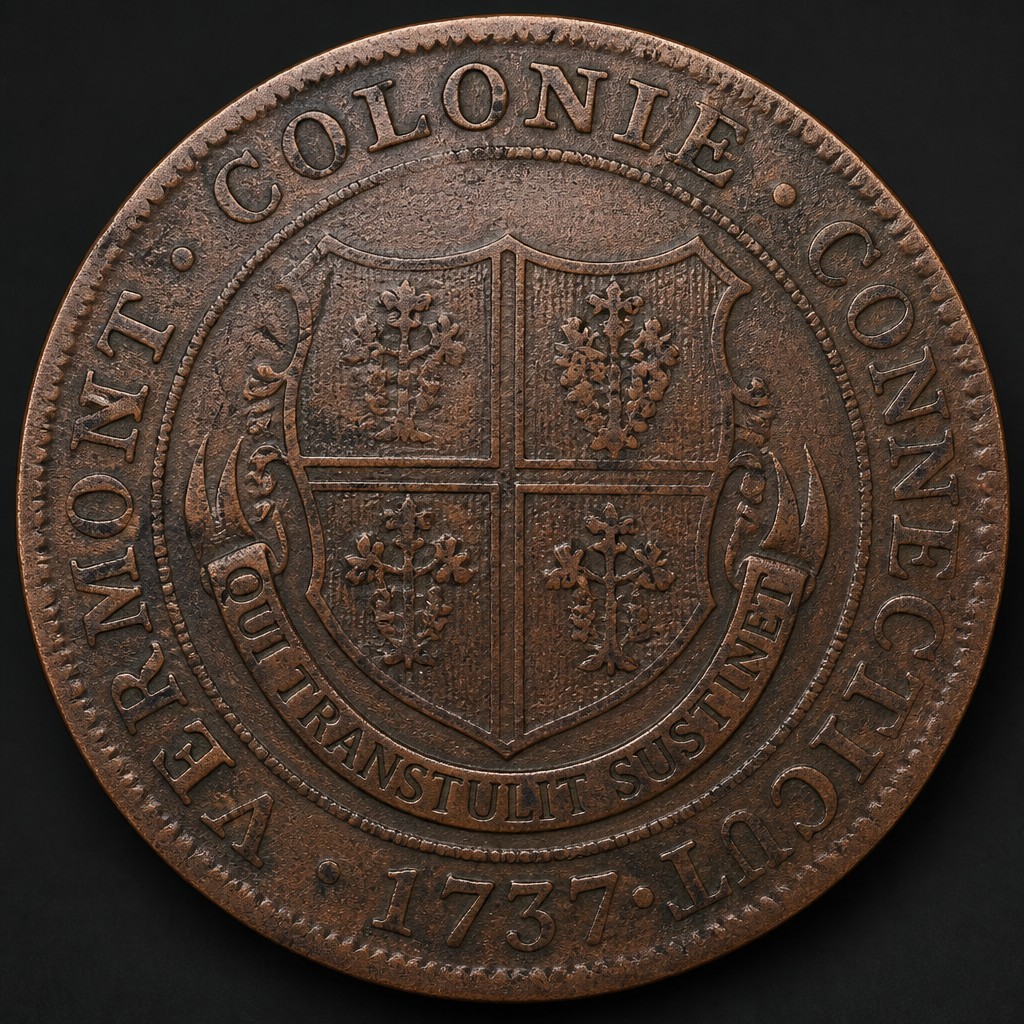
Higley Copper
1737–1739
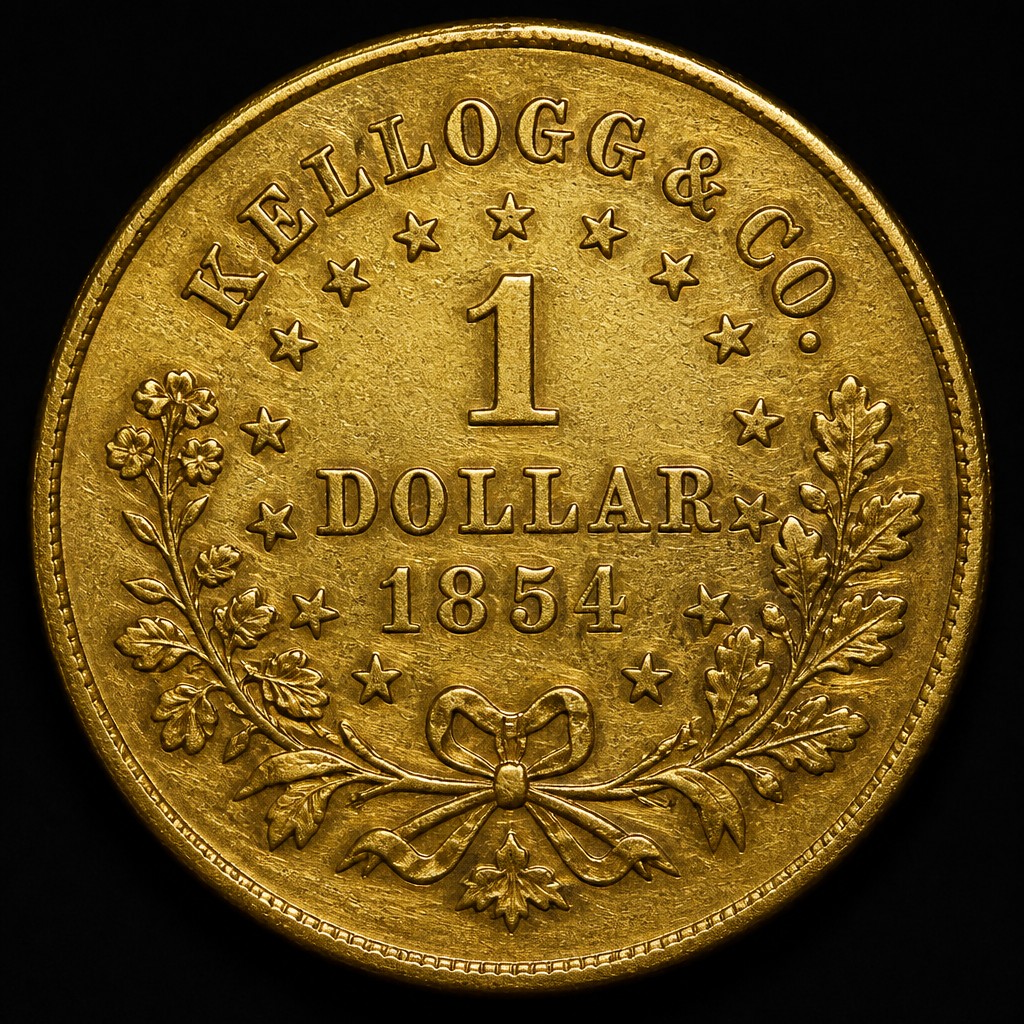
Kellogg & Co. Gold Piece
1854–1855
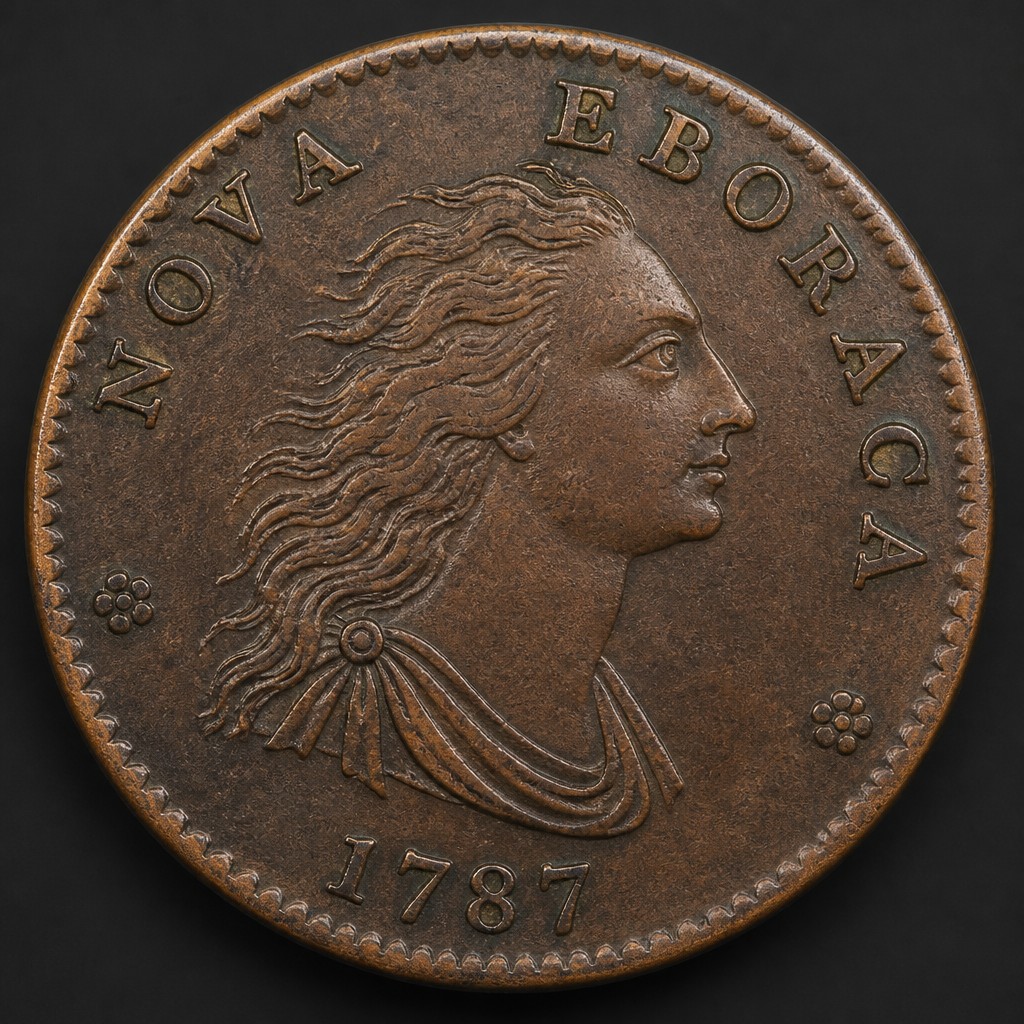
Nova Eborac Copper
1787
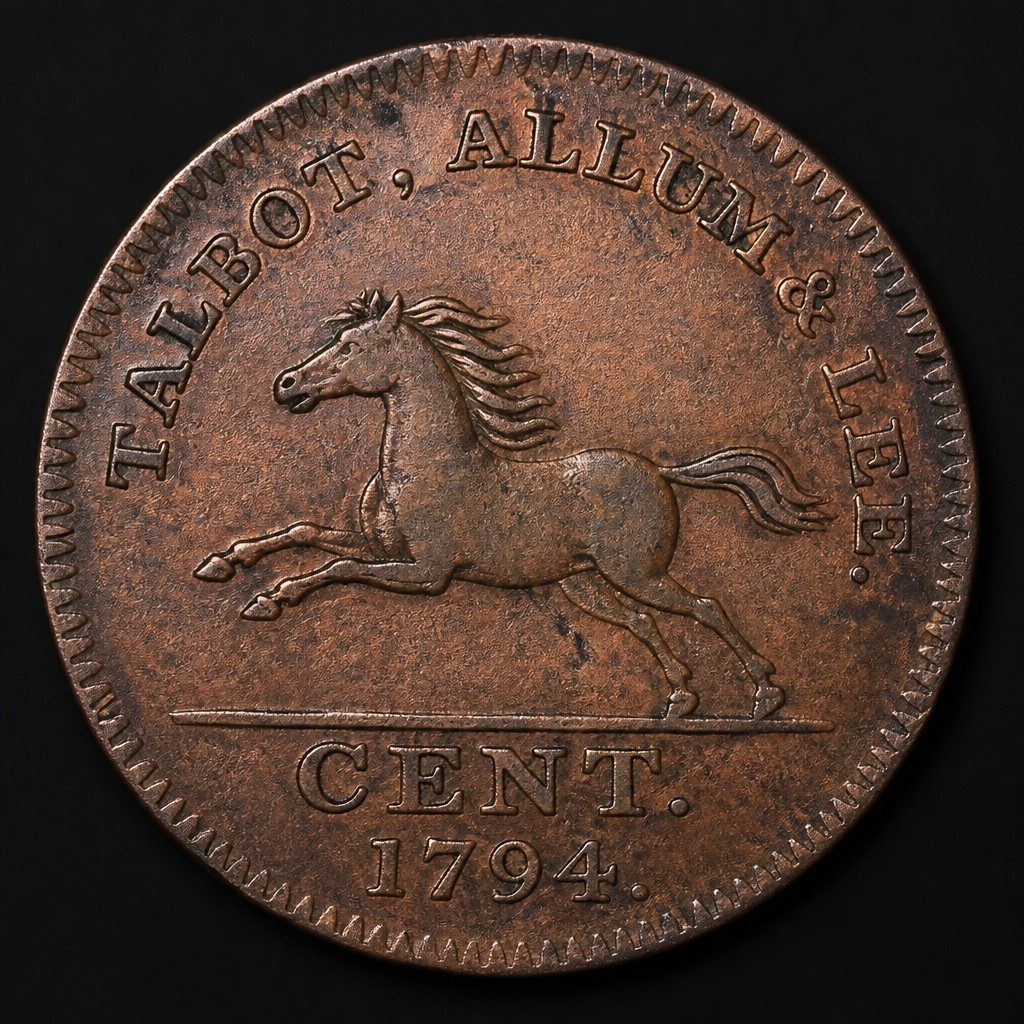
Talbot, Allum & Lee Cent
1794–1795
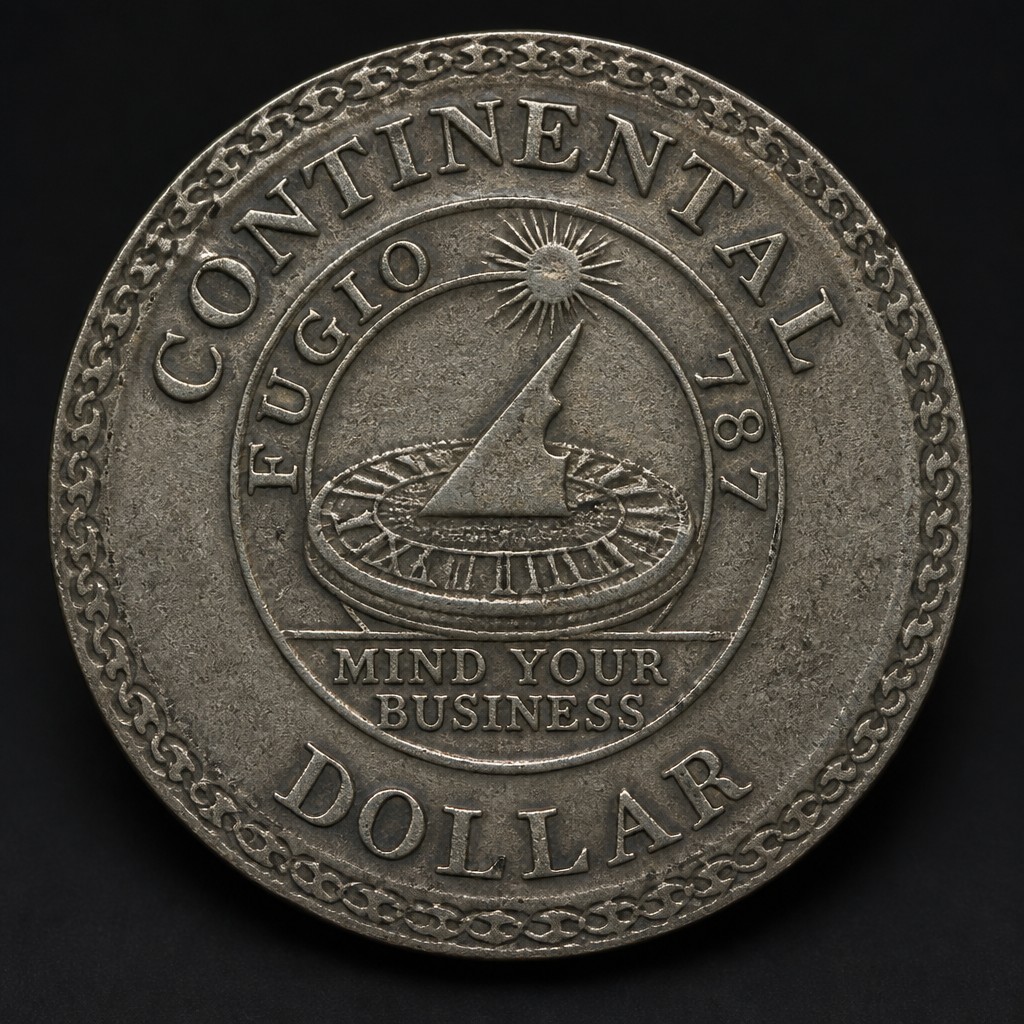
Continental Dollar
1776
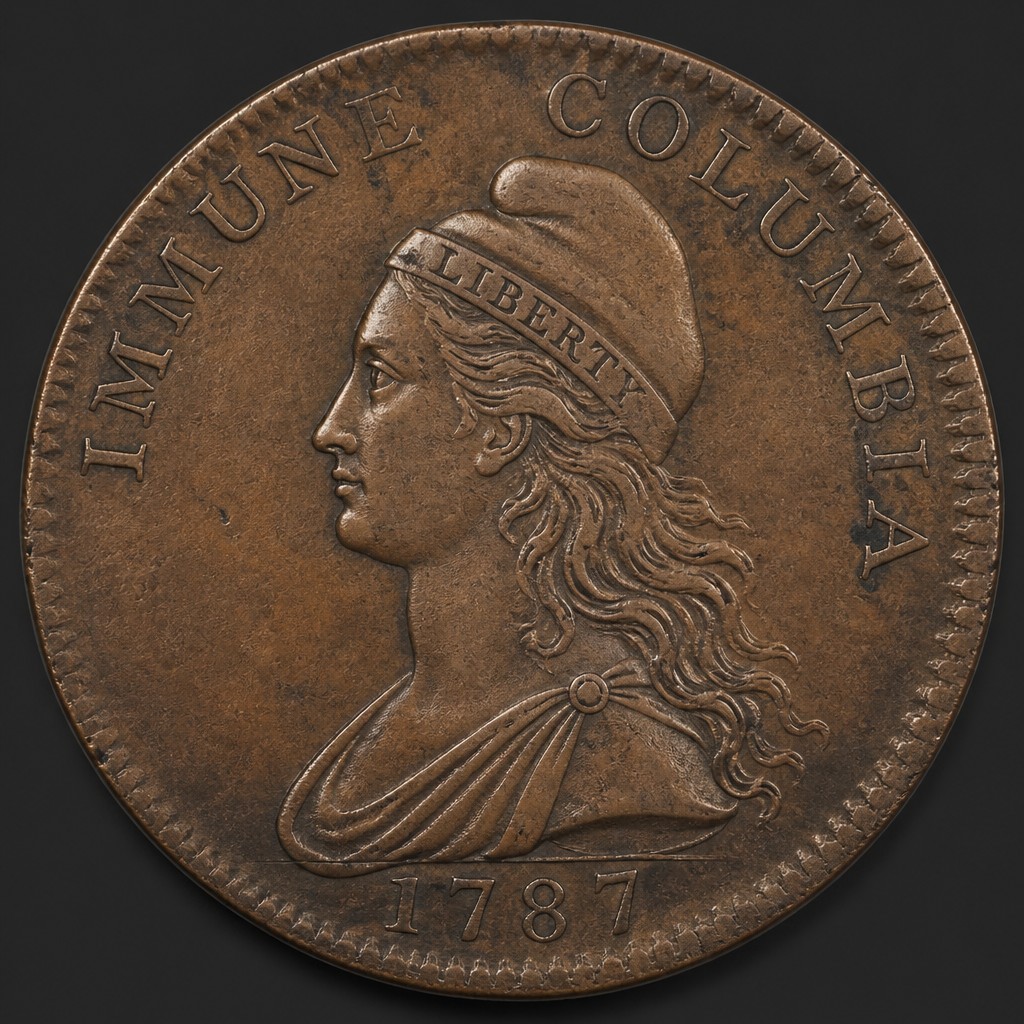
Immune Columbia Copper
circa 1785–1787
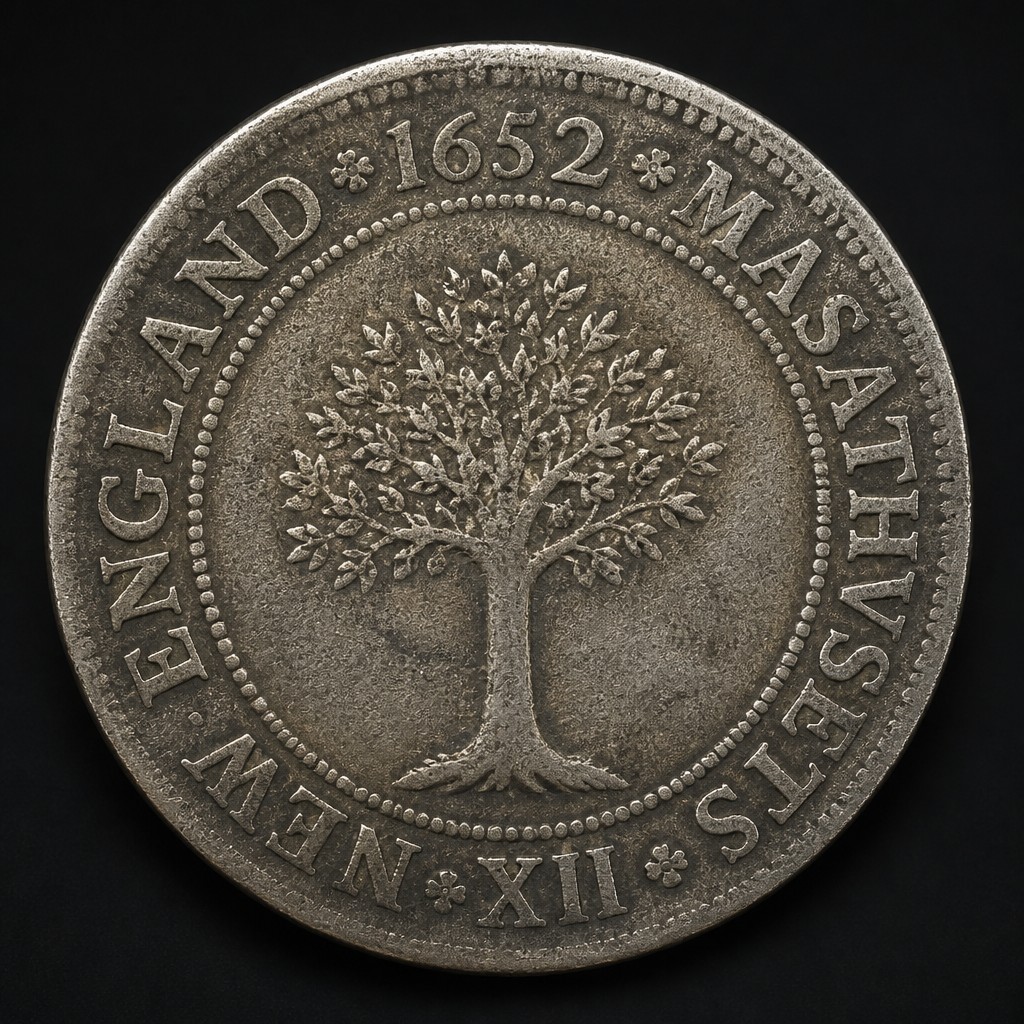
Massachusetts Oak Tree Shilling
Dated 1652, struck circa 1660–1667
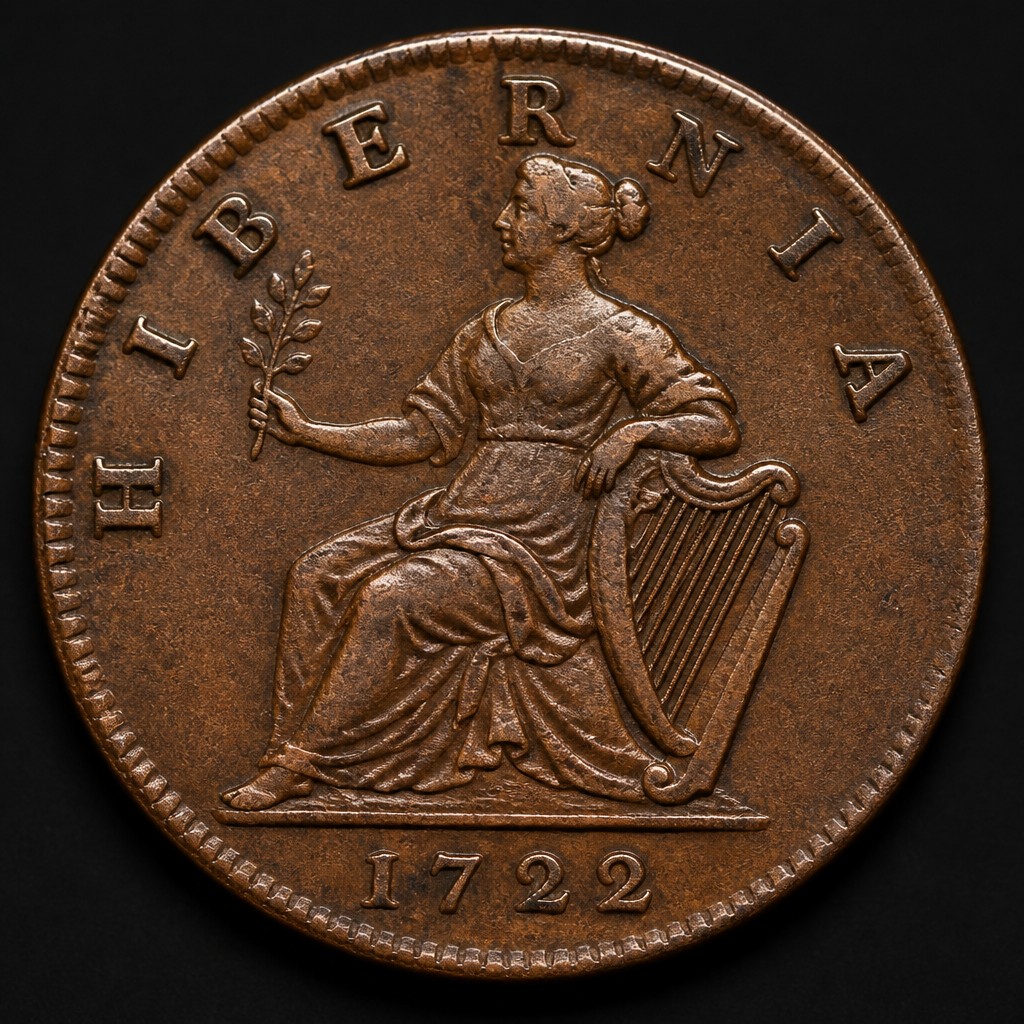
Wood's Hibernia Halfpenny
1722–1724
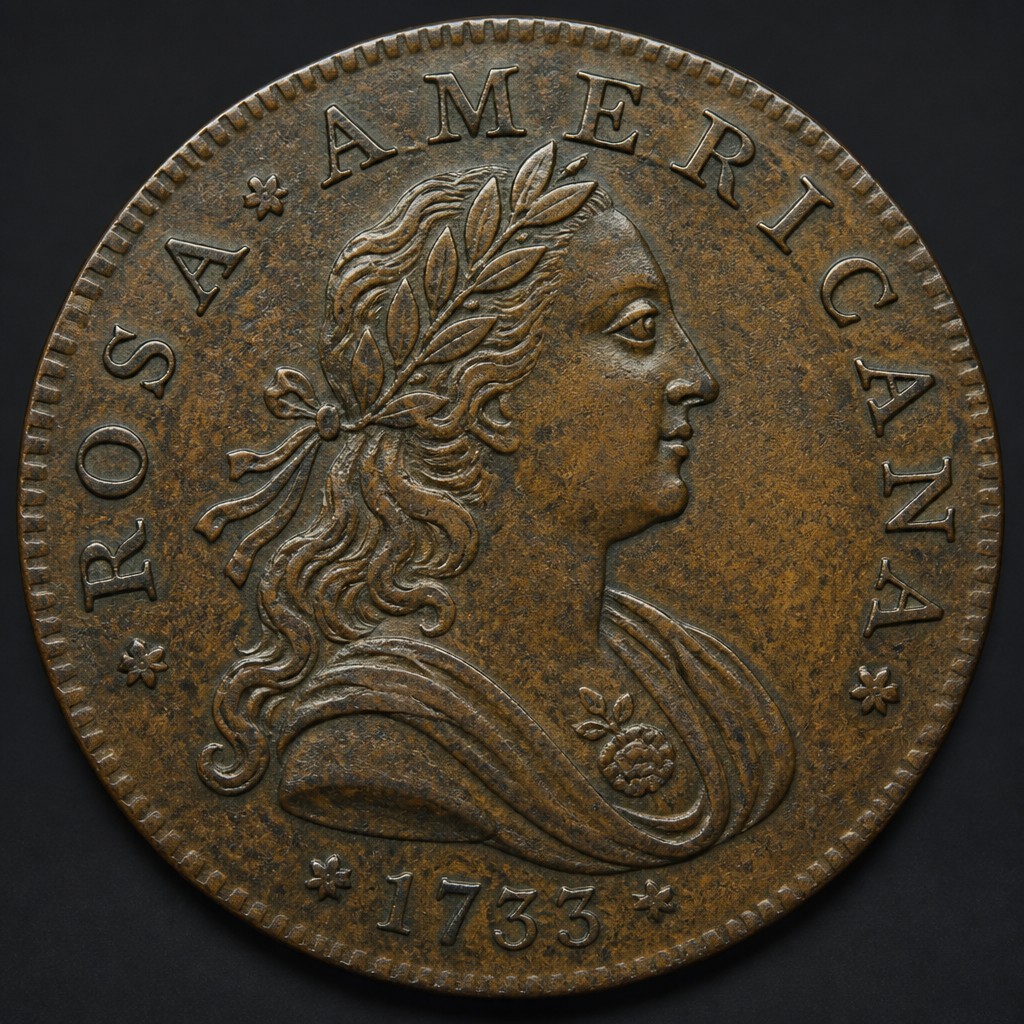
Rosa Americana Coinage
1722–1724 (with pattern issues dated 1733)
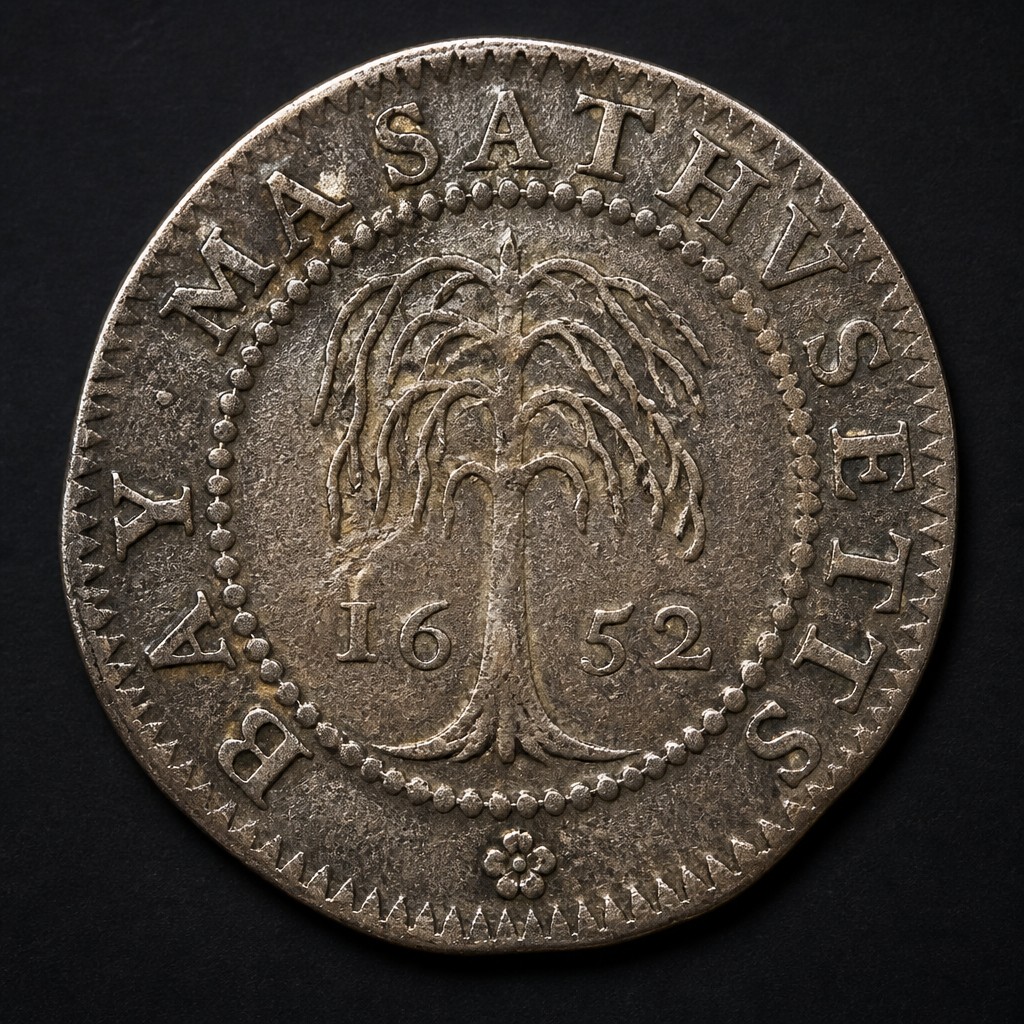
Massachusetts Willow Tree Shilling
Dated 1652, struck circa 1653–1660