
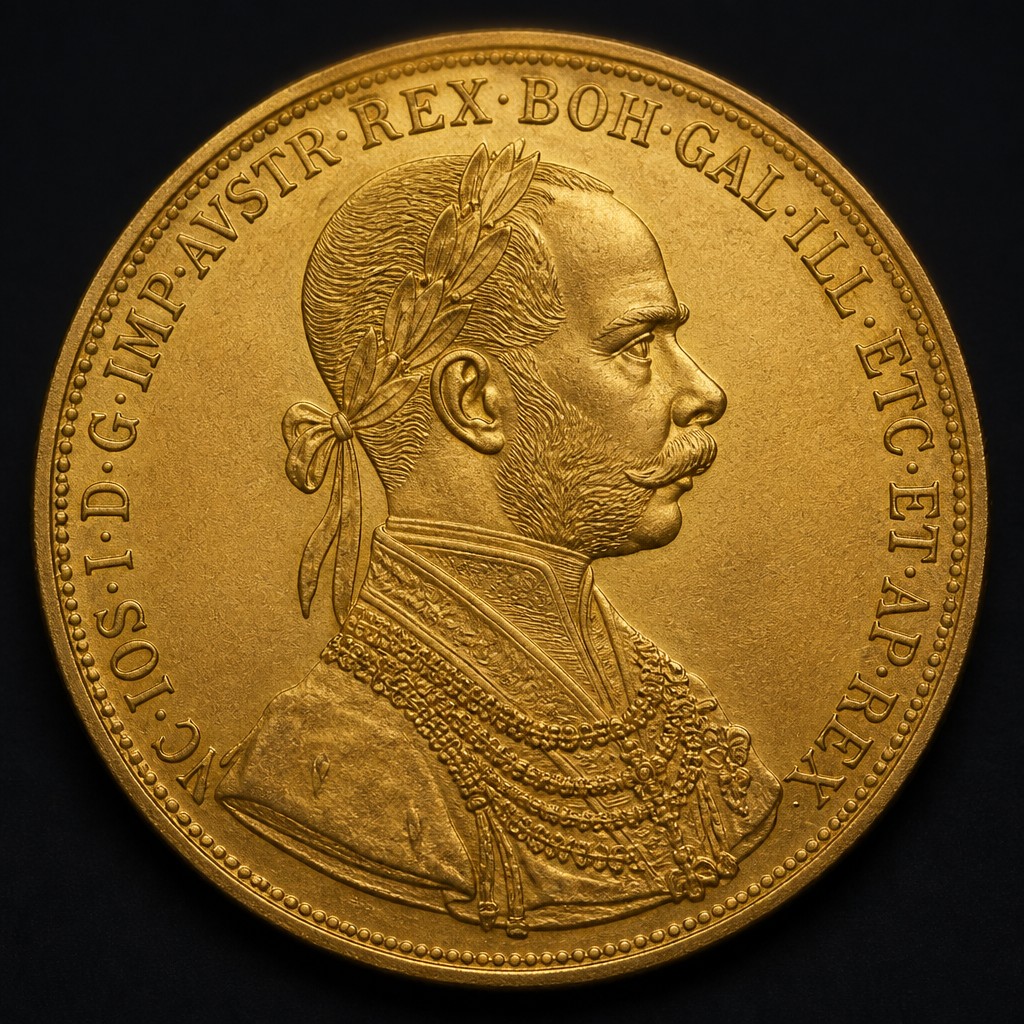
Austrian 100 Corona Gold
A large gold coin of Austria-Hungary bearing Emperor Franz Joseph I, popular today as a bullion and collector piece thanks to its restrike program.
- Country
- Austria-Hungary
- Denomination
- 100 Corona
- Metal
- Gold (.900 fine)
Got a coin like this?
Identify any coin from a photo, free.
Overview
The Austrian 100 Corona is a substantial gold coin issued under Emperor Franz Joseph I, part of the corona/krone gold coinage introduced to celebrate his 60th jubilee on the throne. At roughly 33.9 grams total weight and 0.9802 troy ounces of pure gold, it is one of the larger classic European gold issues still widely available today.
The coin's popularity endures because the Austrian Mint continued striking the 1915 date long after the fall of the Empire, making genuine, mint-fresh examples affordable and plentiful. This makes the 100 Corona a favorite entry point into historical gold coin collecting and gold accumulation.
History & Background
The corona (krone) system replaced the older Austro-Hungarian gulden/florin currency in 1892, and gold 100 Corona and 20 Corona pieces were struck to commemorate Franz Joseph's 1908 diamond jubilee of 60 years' reign. The design was created by mint engravers working from official court portraiture of the aging emperor.
After World War I ended the Habsburg monarchy in 1918, the coin's face value became irrelevant, but its gold content kept demand alive. The Austrian Mint (Münze Österreich) resumed striking the 1915-dated 100 Corona as an official restrike starting in the 1920s and continuing intermittently for decades, explicitly for the bullion and souvenir trade.
How to Identify
The obverse shows a right-facing bust of Franz Joseph I in profile, with the Latin legend naming him Emperor of Austria and Apostolic King of Hungary. The reverse displays the crowned Austro-Hungarian double-headed eagle holding orb and scepter, with the denomination and date below.
The coin measures about 37 mm in diameter, considerably larger than the 20 Corona. Edge lettering reads a Latin motto. Because virtually all surviving pieces carry the 1915 date, mint marks are not used to distinguish original strikes from restrikes; instead, dealers rely on the coin's consistently sharp, uniform strike quality, a hallmark of the long-running official restrike series.
Collectors should not confuse the 100 Corona with the smaller 20 Corona or with other gold corona-denominated coins from the same series, which share the same portrait style but differ significantly in size and weight.
Value & Collectibility
Because virtually all 100 Coronas in the market are 1915-dated restrikes struck in large numbers over many decades, value tracks closely with the spot price of gold rather than numismatic rarity. Circulated original pre-1915 dates are scarcer and can carry a modest premium, but most buyers encounter the common restrike.
Condition matters little since restrikes are typically found in uncirculated or near-uncirculated condition. Typical retail prices run from the gold melt value up to a modest premium of roughly 5-10% over spot, making it a straightforward bullion-plus-history purchase rather than a rarity play.
Frequently asked questions
Is the Austrian 100 Corona rare?
No. The 1915-dated version was restruck officially for decades and is common; genuine pre-1915 dated originals are scarcer.
How much gold does it contain?
It contains 0.9802 troy ounces of pure gold within a coin weighing about 33.87 grams at .900 fineness.
Are restrikes considered fake?
No, they are legally authorized official restrikes by the Austrian Mint, not counterfeits, though they are not original 1915 production.
What's the difference between the 100 and 20 Corona?
They share the same portrait and legends but the 100 Corona is significantly larger and contains roughly five times the gold weight of the 20 Corona.
Other coins you may enjoy
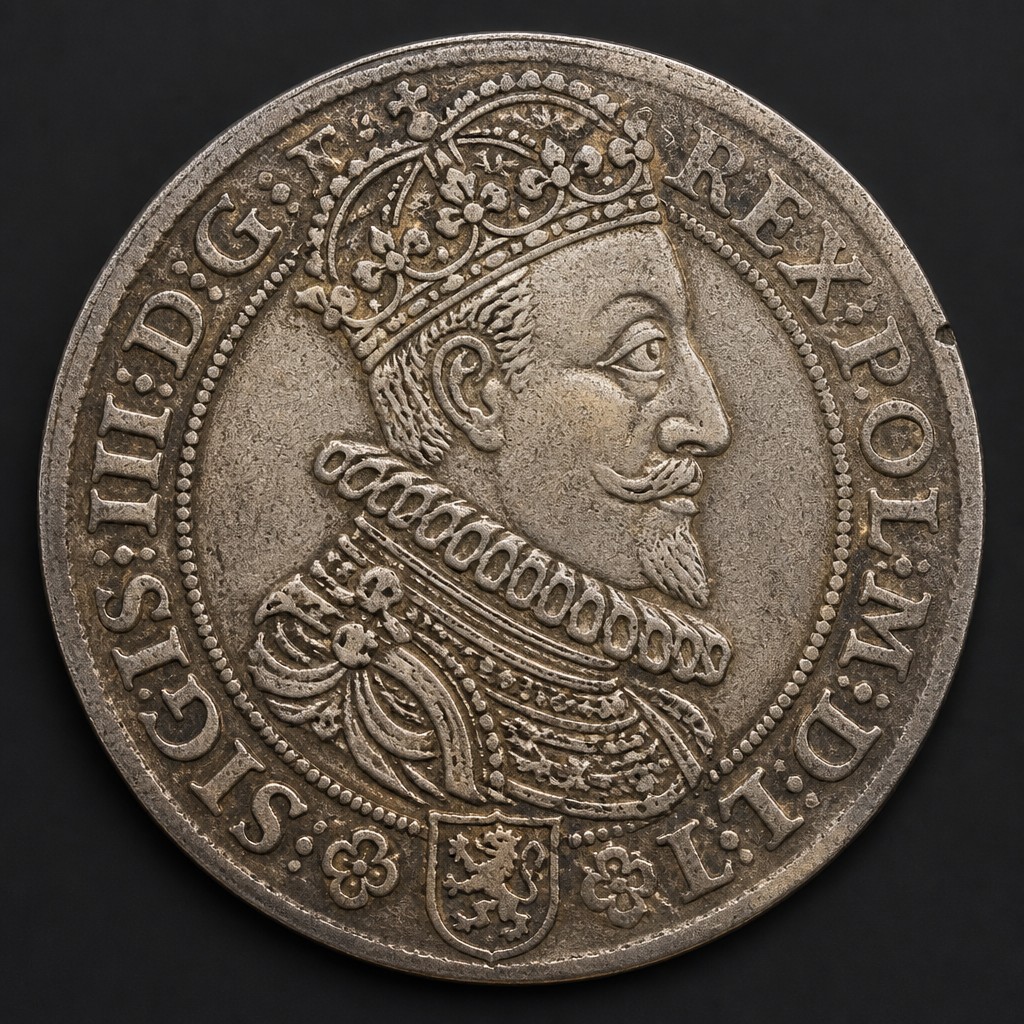
Polish-Lithuanian Thaler
circa 16th–18th century
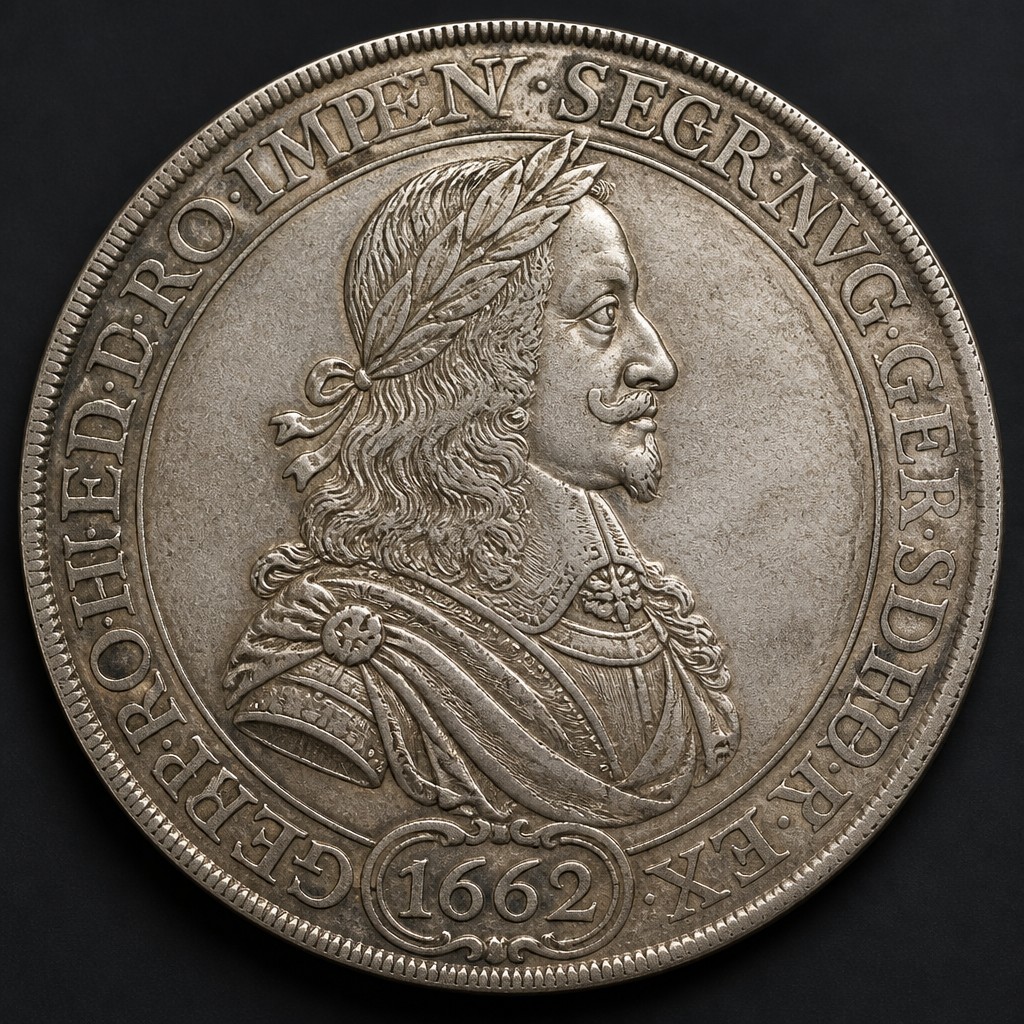
Reichsthaler
circa 1566–early 19th century
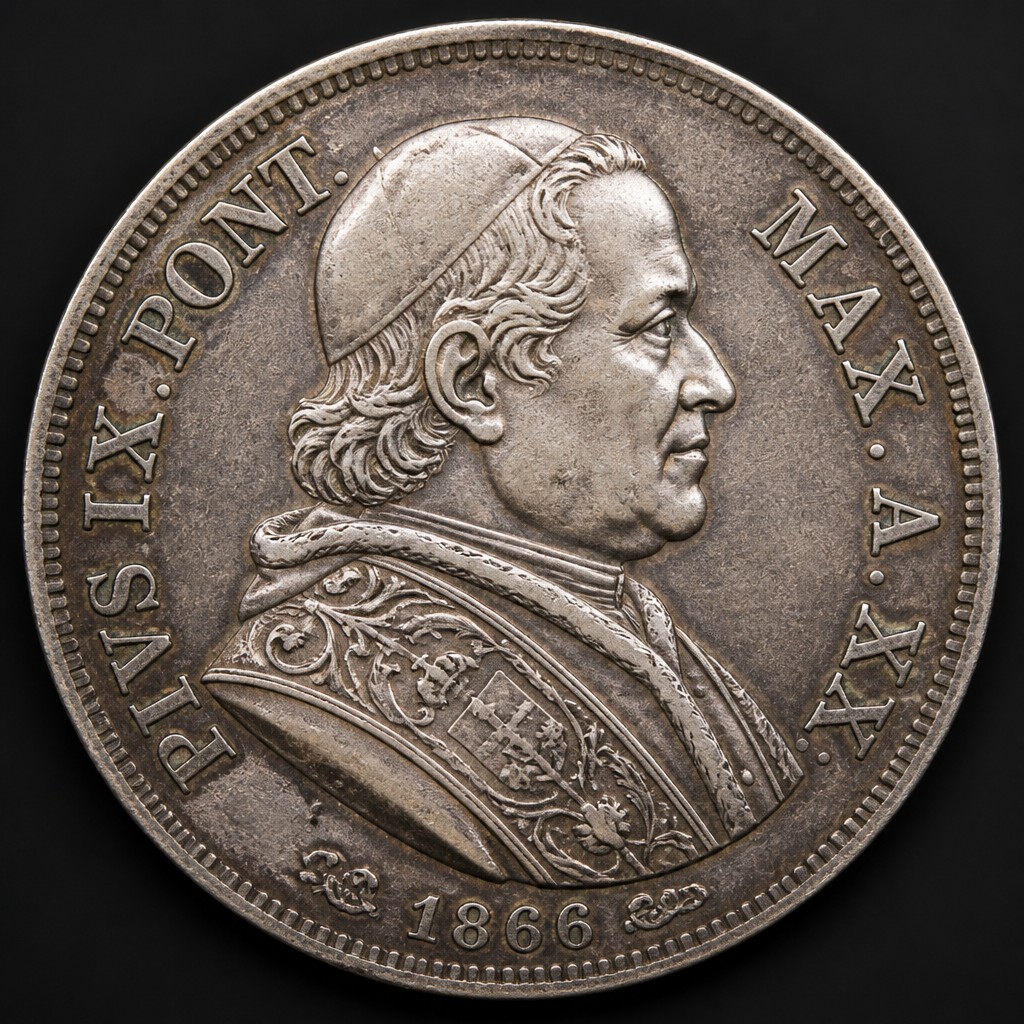
Papal States Scudo
16th century–1866
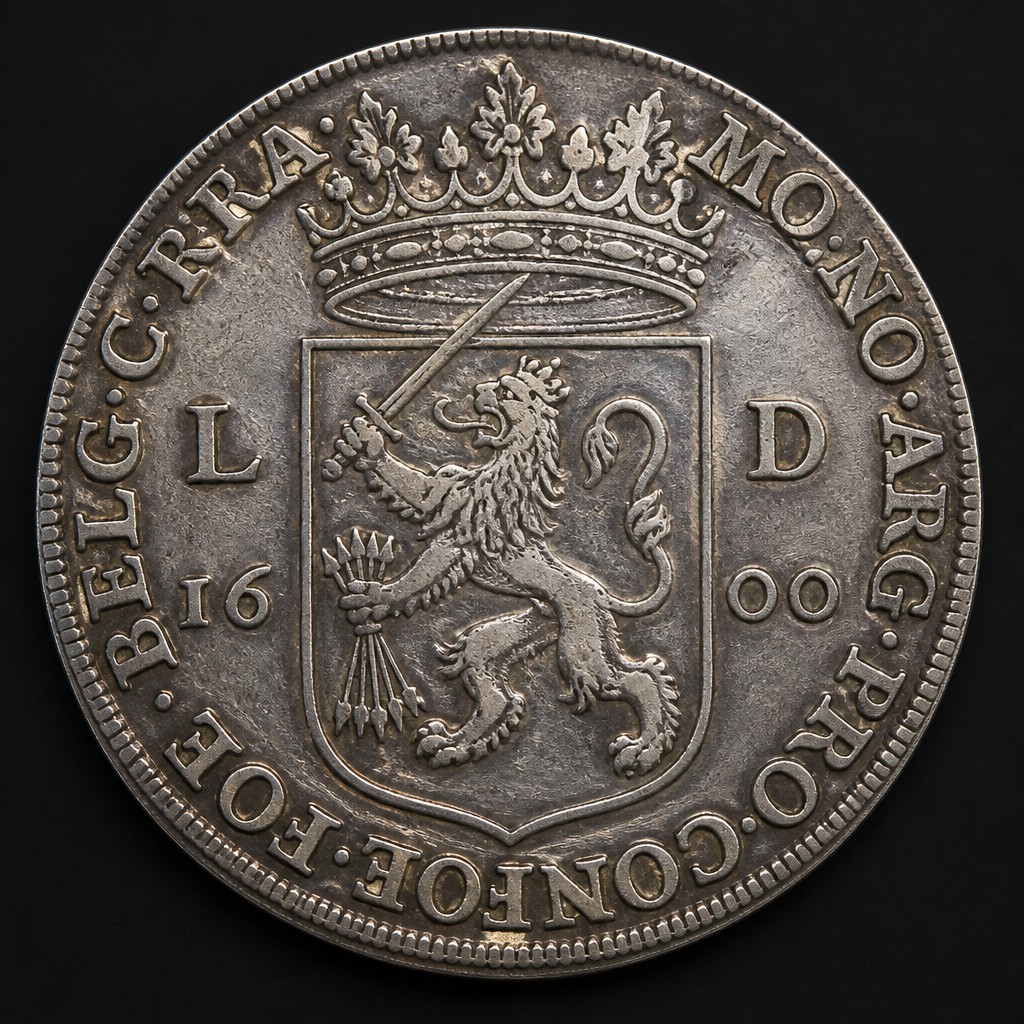
Netherlands Lion Daalder (Leeuwendaalder)
1575–1713
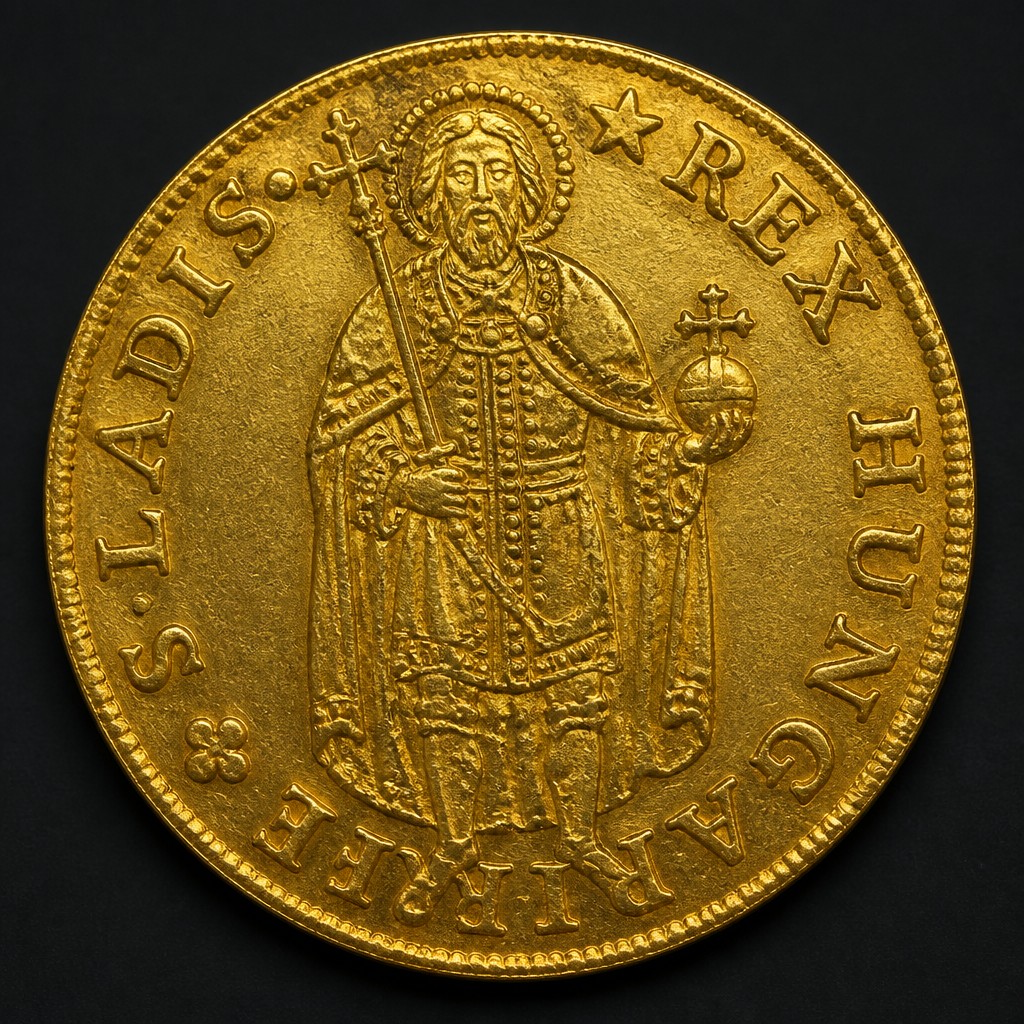
Hungarian Ducat
c. 1325–1918
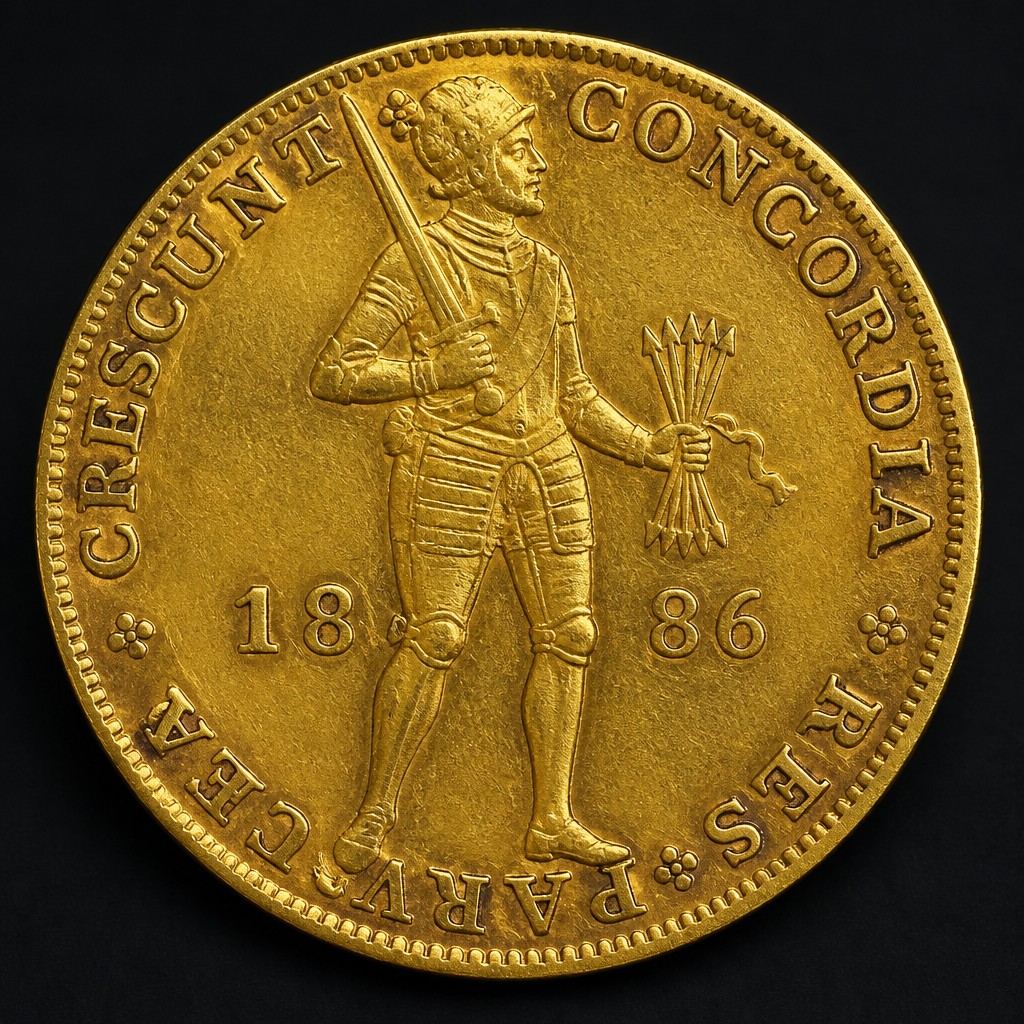
Dutch Ducat
c. 1586–present (classic type standardized after 1817)
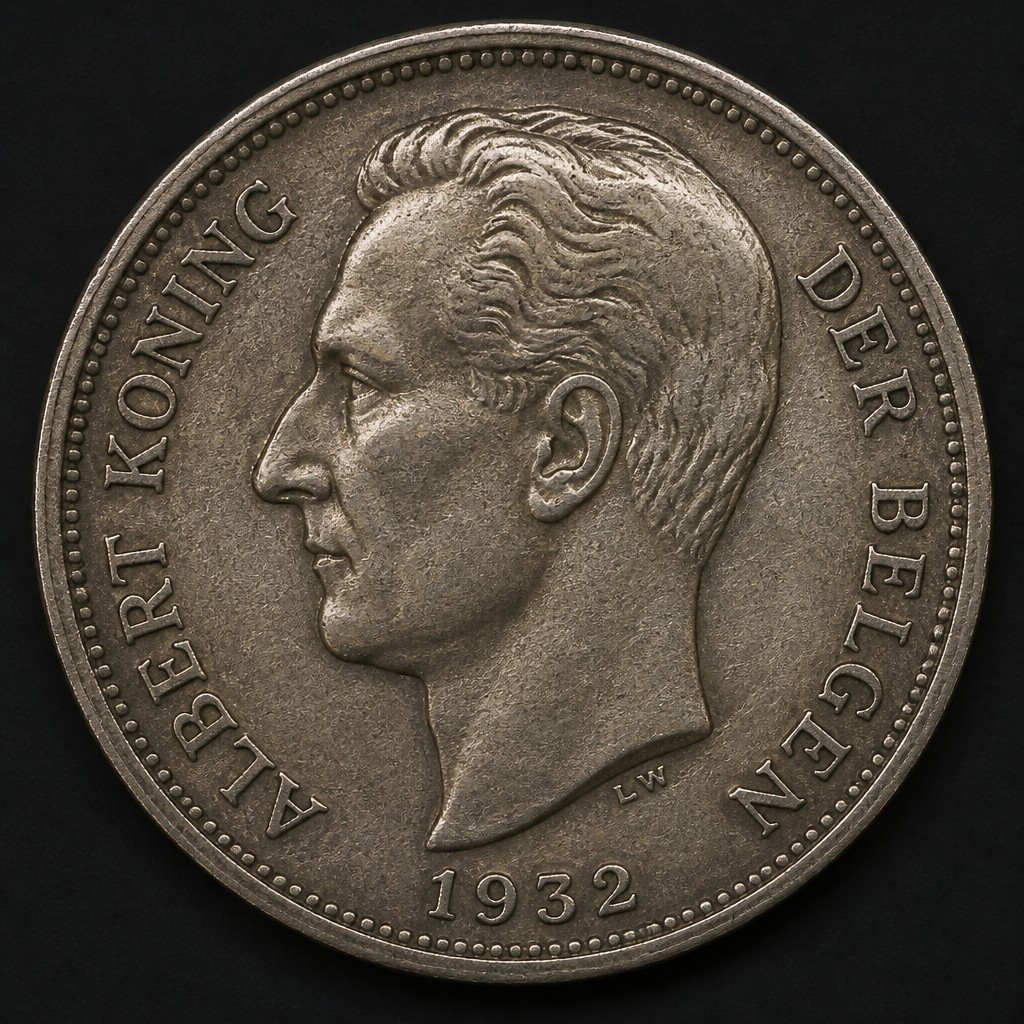
Belgian Franc
1832–2002
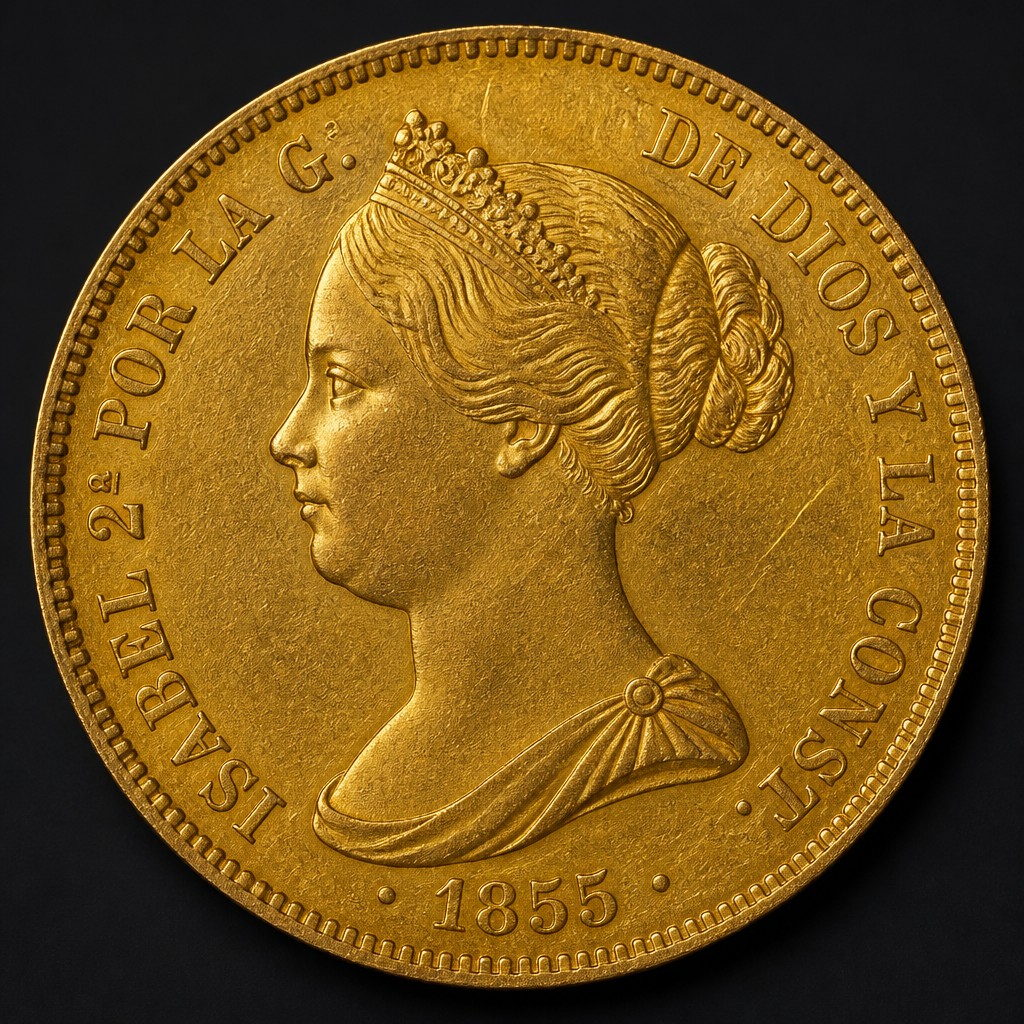
Spanish 100 Reales Gold (Isabel II)
1850s–1868
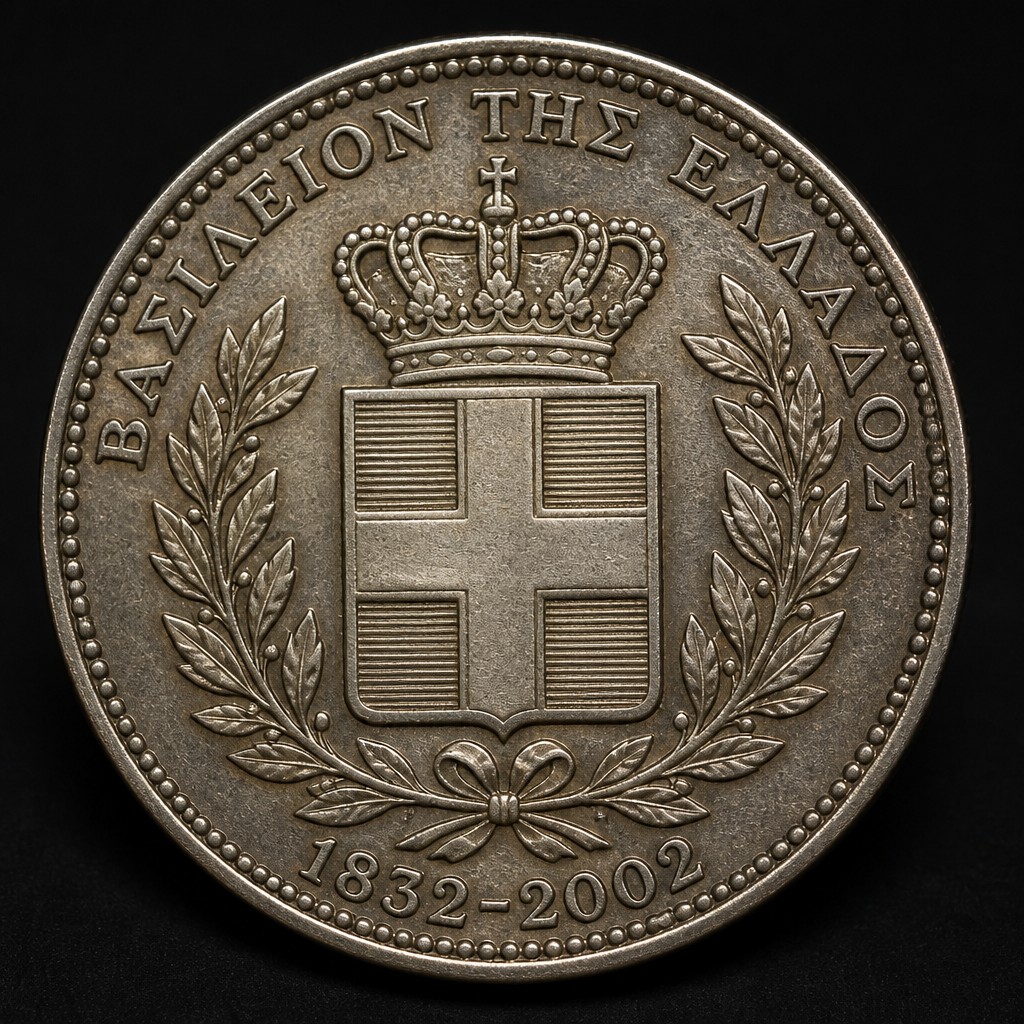
Greek Drachma
1832–2002
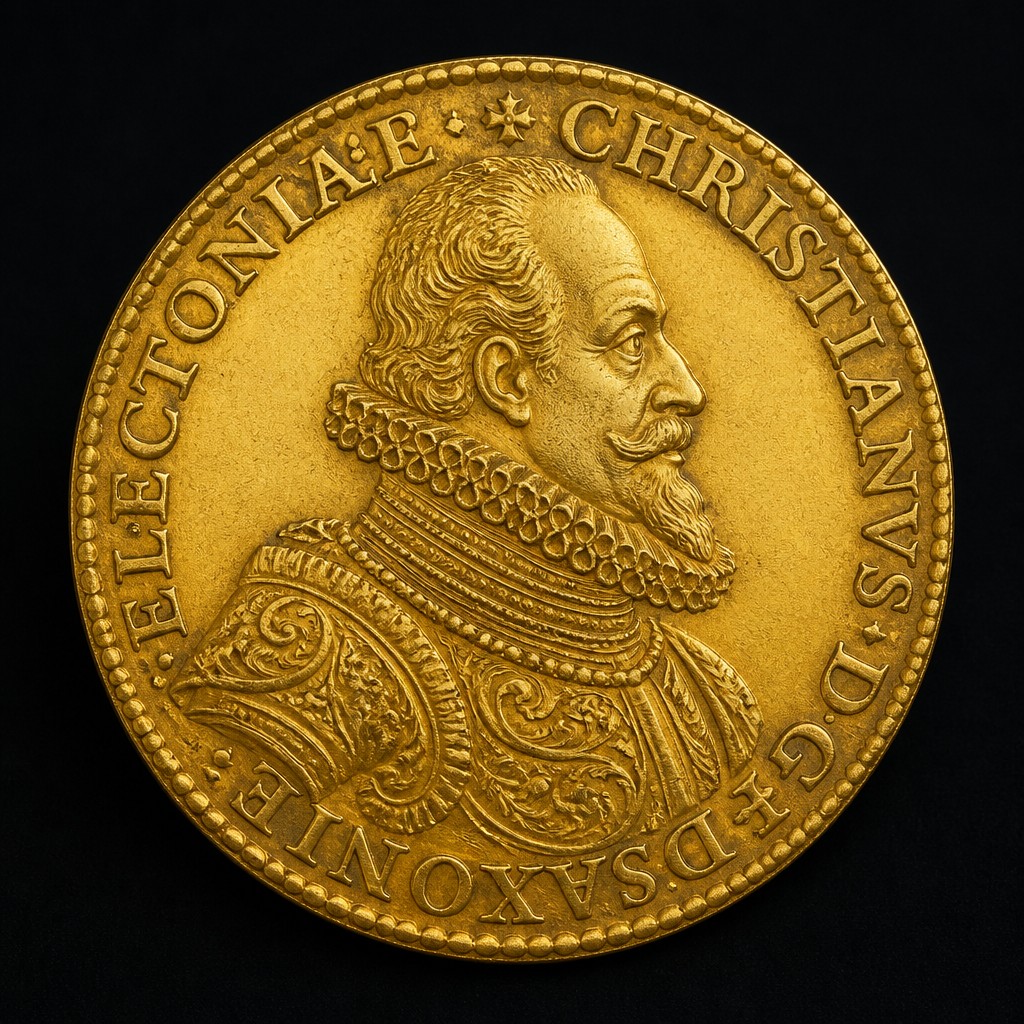
German Saxony Ducat
16th century–19th century
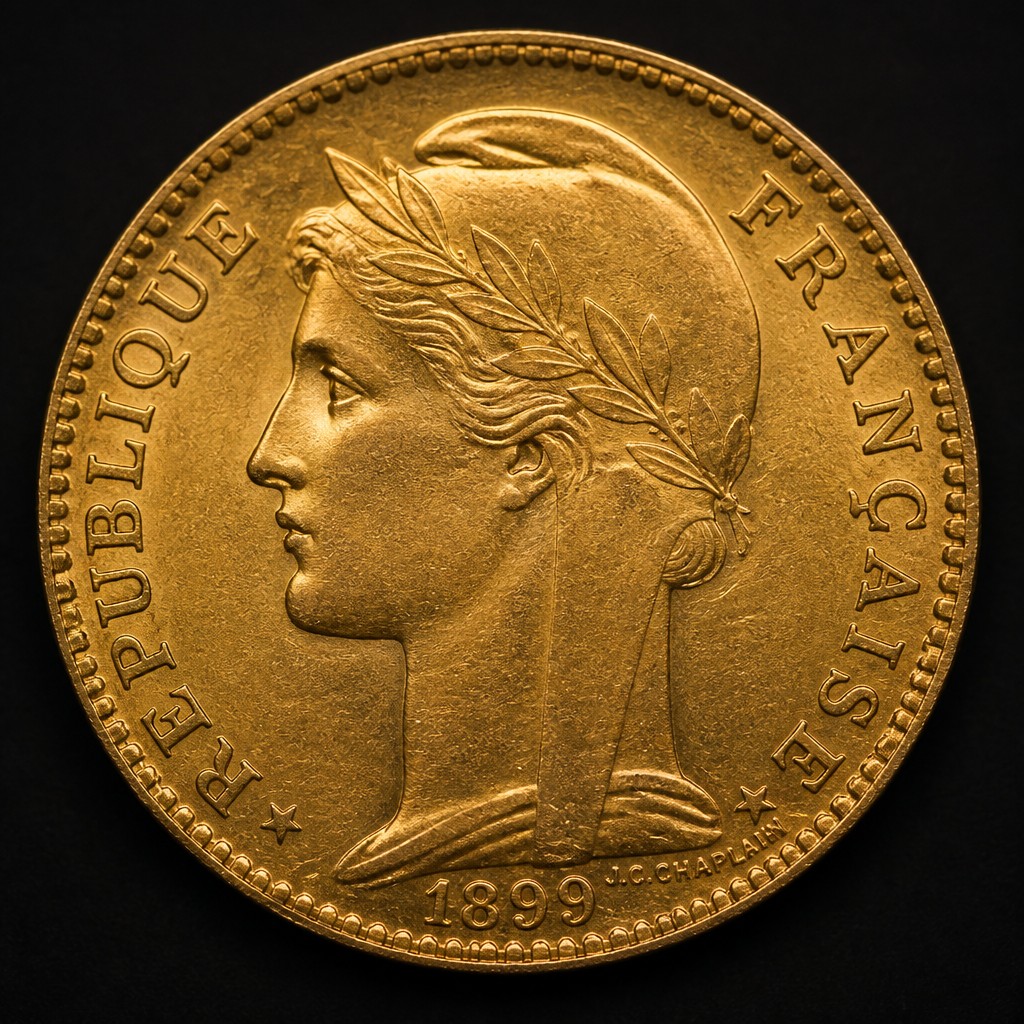
French 10 Francs Gold (Napoleon Rooster)
1899–1914
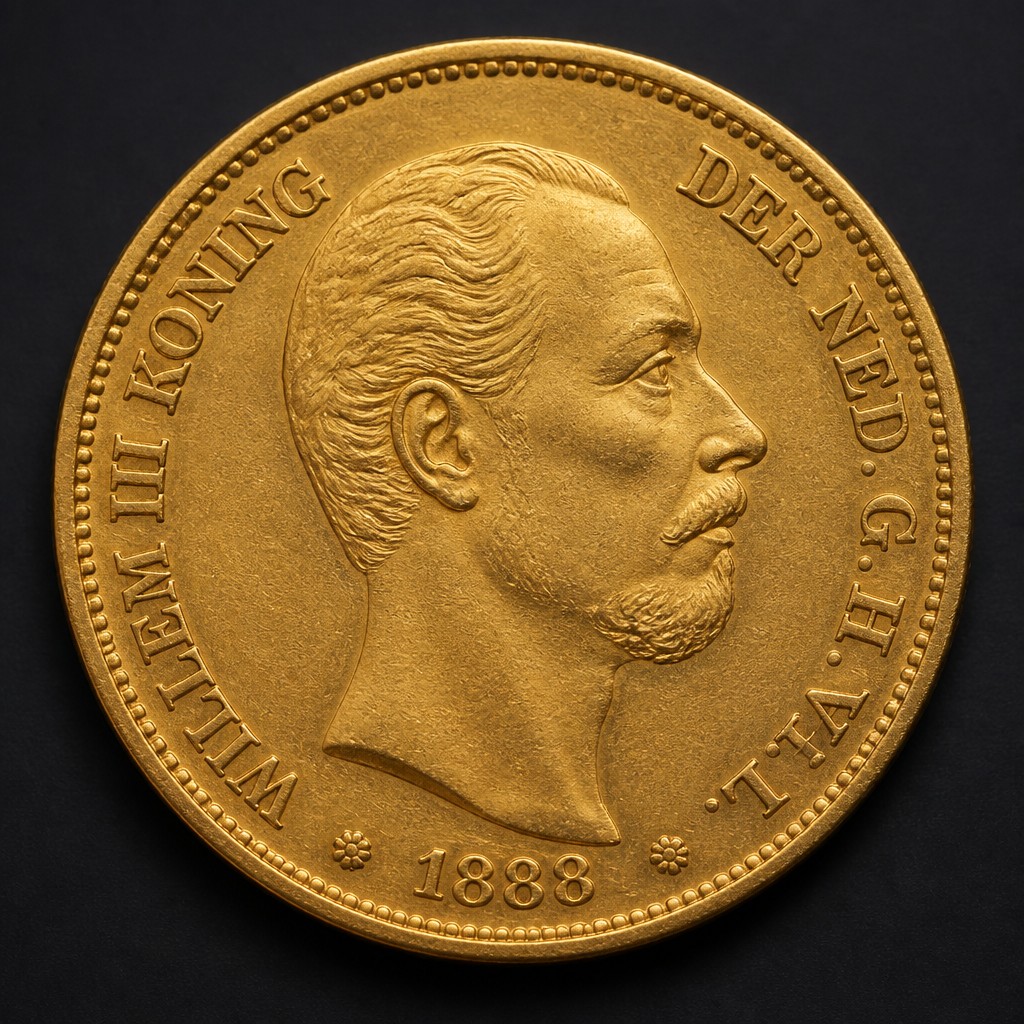
Netherlands 5 Gulden Gold
1826–1912 (intermittent)