
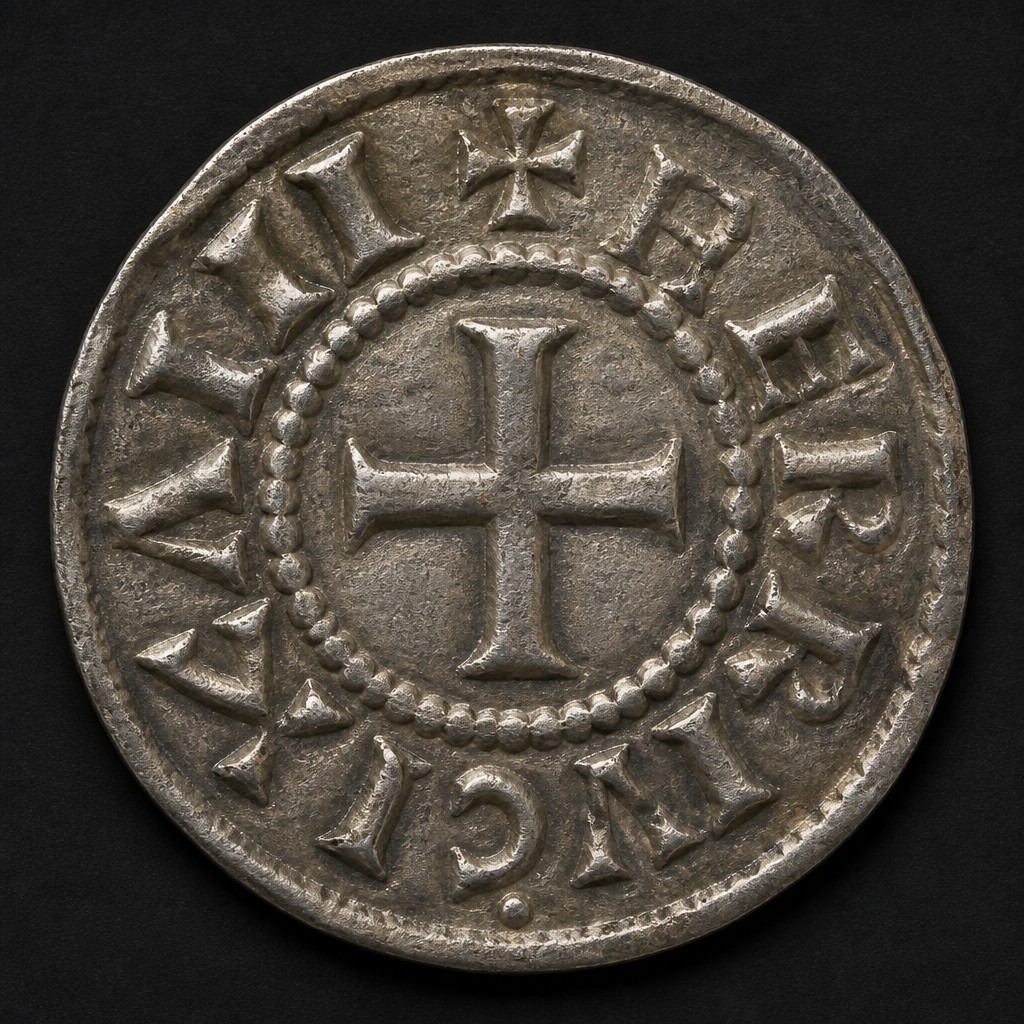
Carolingian Silver Denier (Charlemagne)
Standardized silver penny introduced under Charlemagne's monetary reform, forming the template for medieval European currency for centuries afterward.
- Country
- Carolingian Empire (Francia)
- Denomination
- Denier (denarius)
- Metal
- Silver
Got a coin like this?
Identify any coin from a photo, free.
Overview
The Carolingian denier struck under Charlemagne was a landmark coin in European monetary history, establishing a standardized silver penny that became the model for national coinages across medieval Europe. It replaced the lighter, less consistent deniers of earlier Merovingian and early Carolingian rulers.
Charlemagne's monetary reform, generally dated to around 793–794 AD, fixed the silver denier as the base unit of a new system: 12 deniers to a solidus (shilling) and 240 deniers to a librae (pound) of silver, a structure that persisted in various European currencies for over a thousand years, including the British pound-shilling-pence system used until 1971.
The reform reflected Charlemagne's broader efforts to unify and administer his vast empire, and the resulting coinage circulated widely across Francia, Germany, and Italy, underpinning trade throughout the Carolingian realm.
History & Background
Charlemagne (r. 768–814, crowned Holy Roman Emperor in 800) inherited a fragmented and inconsistent Frankish coinage from his Merovingian and early Carolingian predecessors. As part of his broader program of administrative and religious reform, he overhauled the currency around 793–794 AD, introducing a heavier, more consistent silver denier.
The new coinage was struck at numerous mints across the empire, from the Frankish heartland to Italy and parts of Germany, under royal authority rather than the semi-independent local minting that had characterized earlier Merovingian coinage. This centralization was itself a statement of imperial authority.
The denier system Charlemagne established outlived his empire by centuries, forming the conceptual basis for the French denier, English penny, Italian denaro, and other medieval European silver currencies, making this reform one of the most consequential in the history of Western coinage.
How to Identify
Early types feature a royal monogram spelling out KAROLVS (Charlemagne's Latin name) on one side, often within a circular or cruciform arrangement of letters, with a legend such as CARLVS REX FR (Charles, King of the Franks) around the border. Later in the reign, some issues introduced a more portrait-like bust.
The reverse commonly displays a simple cross, or on later issues a stylized temple design (associated with the legend Christiana religio, "Christian religion"), along with the name of the mint city where the coin was struck.
The coins are thin, hammered silver pieces typically around 20mm in diameter, deliberately heavier than earlier Merovingian deniers as part of the reform's standardization. Because Charlemagne's name and title were widely imitated well into the ninth and tenth centuries by his successors and other rulers, precise attribution to Charlemagne himself relies on stylistic and mint details distinguishing his issues from those of Louis the Pious or later Carolingians.
Value & Collectibility
Genuine deniers of Charlemagne are historically significant and command solid demand among collectors of medieval European coinage, with prices generally ranging from a few hundred to well over a thousand dollars depending on mint, legibility, and condition. Common mints and worn examples are more affordable, while sharply struck coins from rarer mints are prized.
Because the monogram type was imitated for generations after Charlemagne's death, correct attribution to his actual reign versus a later Carolingian ruler significantly affects value and requires careful die and style comparison.
As one of the most historically important coin types in the transition from ancient to medieval Europe, well-documented and clearly attributed examples of Charlemagne's own coinage are especially sought after by collectors focused on foundational moments in monetary history.
Frequently asked questions
What made Charlemagne's monetary reform significant?
It standardized the silver denier and established the pound-shilling-penny structure that underpinned European currencies for over a thousand years.
What does the KAROLVS monogram mean?
It is a stylized arrangement of letters spelling Charlemagne's Latin name, Karolus, used as his royal identifying mark on coinage.
Are all KAROLVS-monogram coins from Charlemagne's own reign?
No, the monogram type was imitated by later Carolingian rulers, so careful stylistic attribution is needed to confirm a coin dates to Charlemagne himself.
What metal were Carolingian deniers made from?
They were struck in silver, generally of good fineness as part of Charlemagne's standardization effort.
Where were these coins minted?
They were struck at numerous mints spread across the Carolingian Empire, including sites in Francia, Germany, and Italy.
Other coins you may enjoy
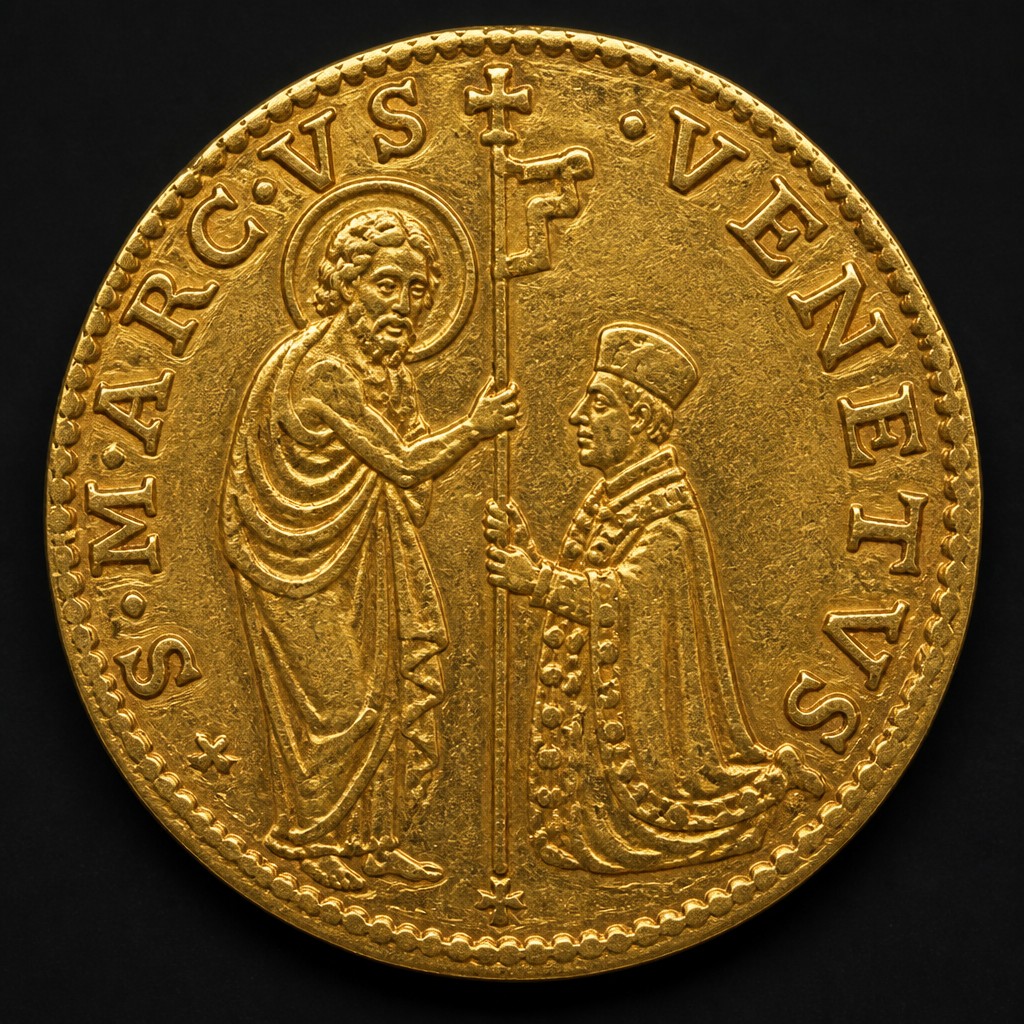
Venetian Ducat
1284–1797
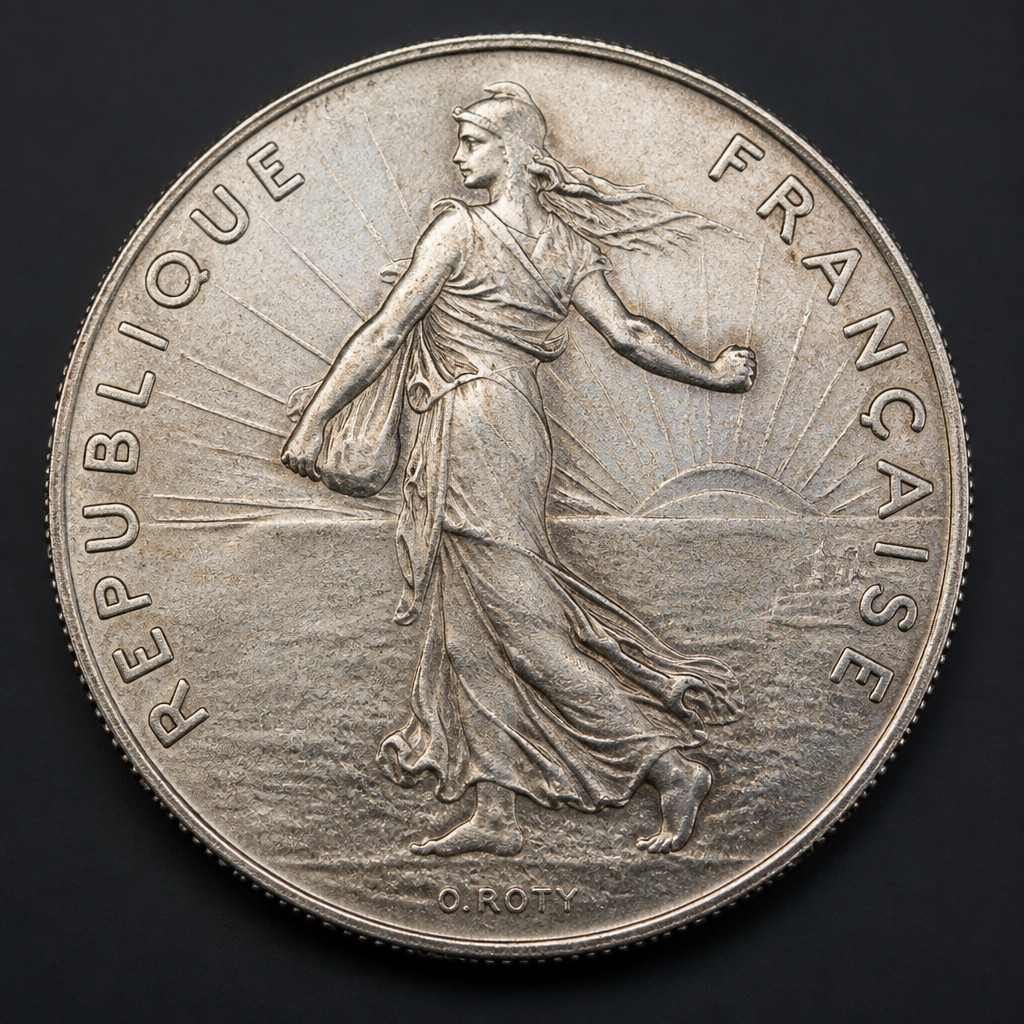
French 100 Francs Silver
1980s–2001 (pre-euro era)
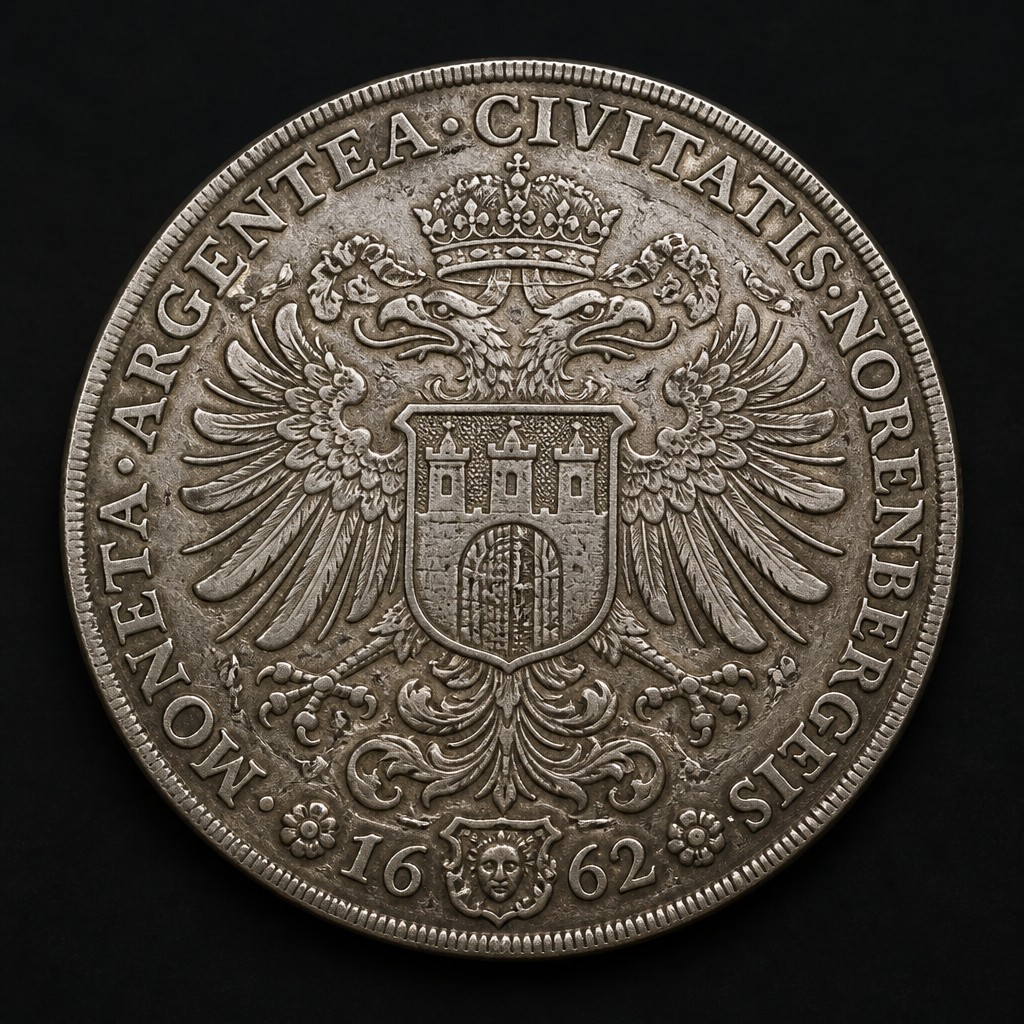
Nuremberg Thaler
16th–18th century
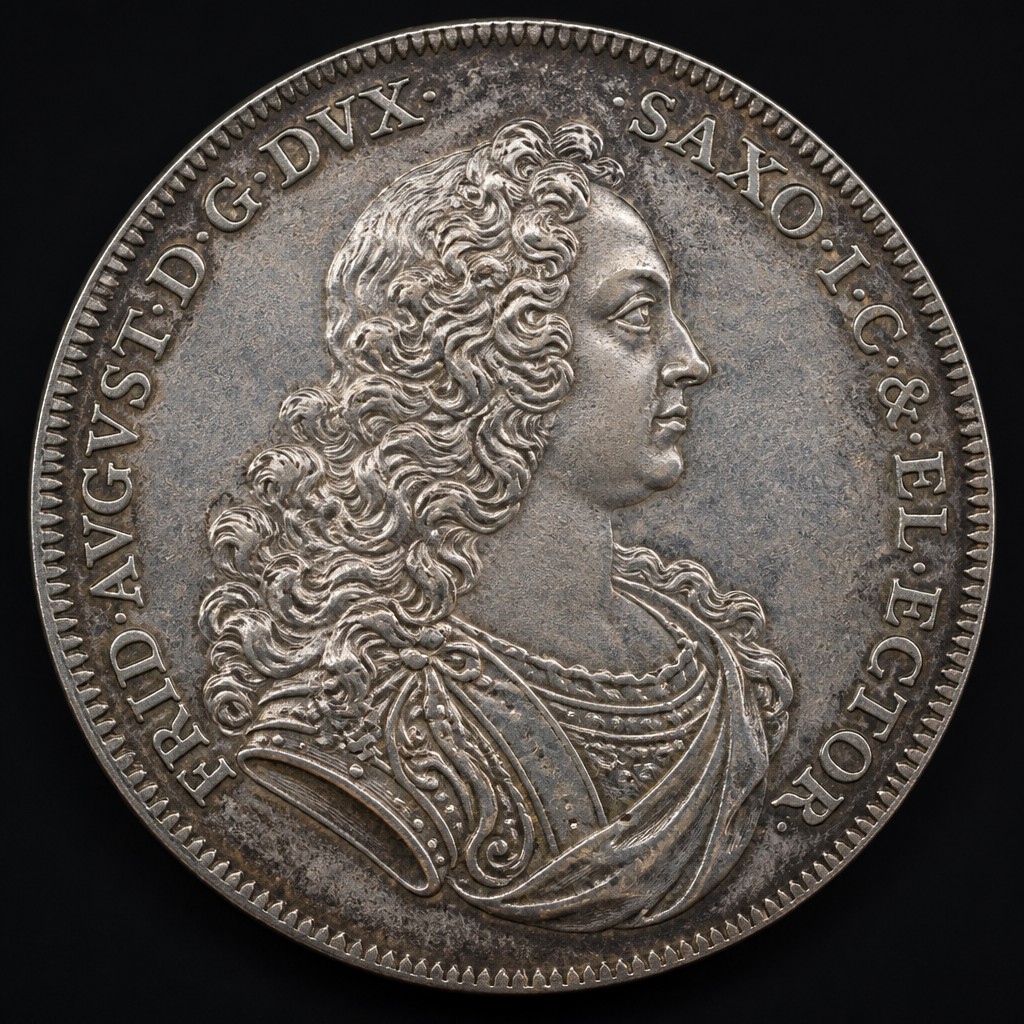
Saxon Speciestaler
17th–19th century
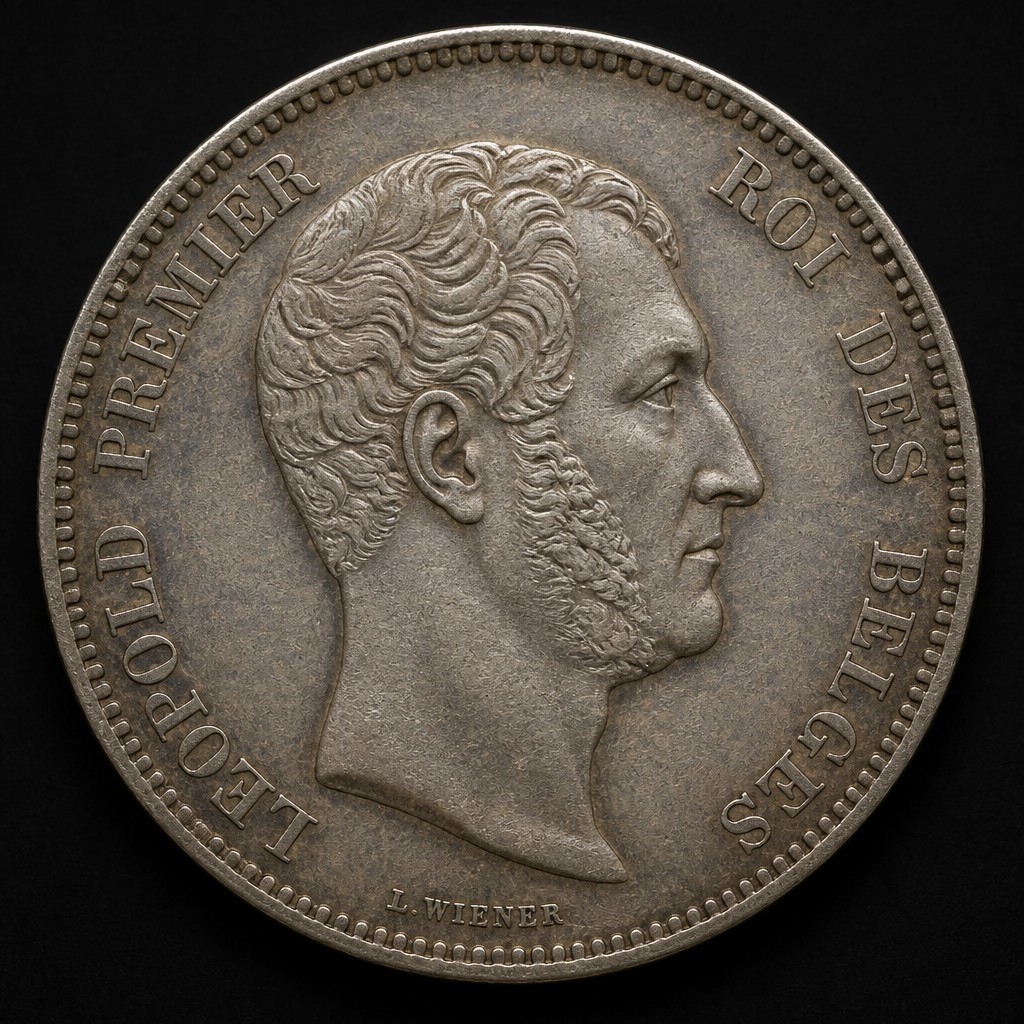
Belgian 5 Francs
1832–1876 (large silver type); later reduced-size and later-metal issues into the 20th century
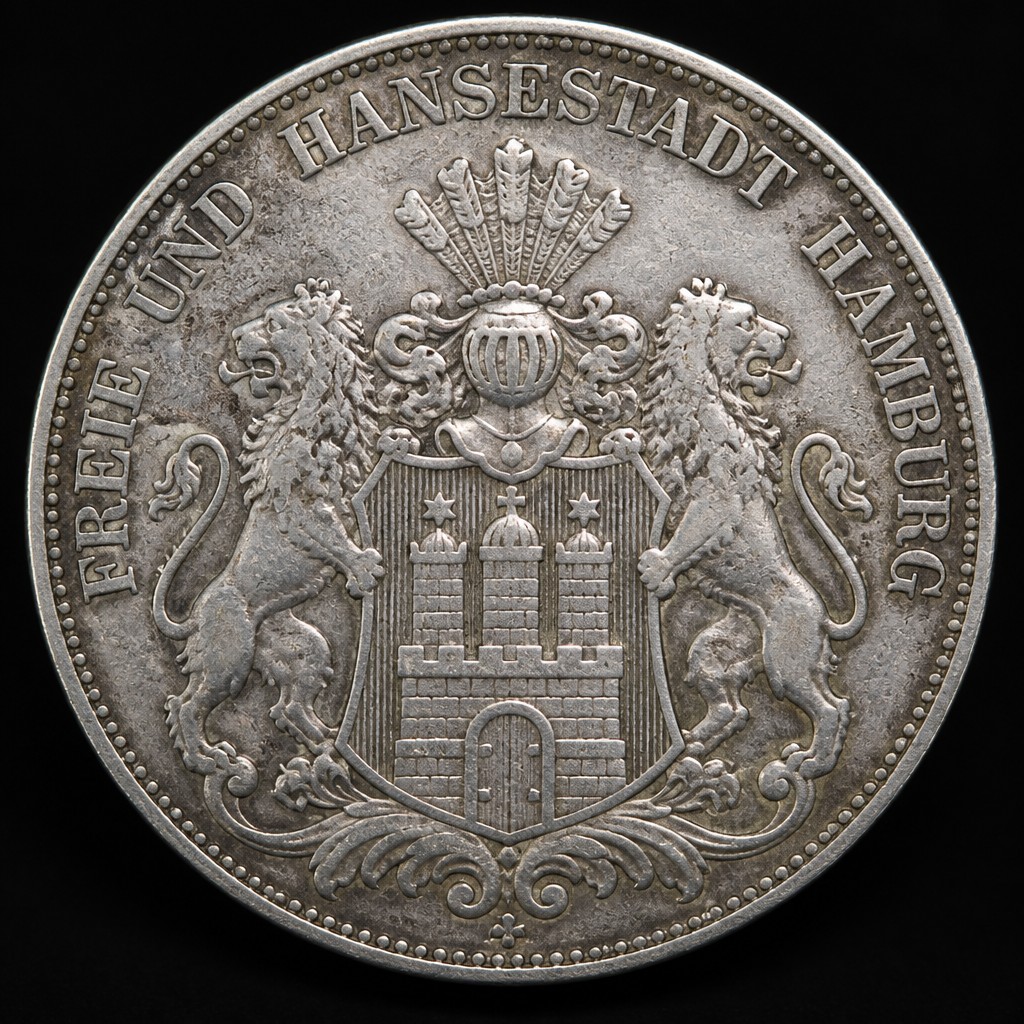
Hamburg Thaler
17th century–1871
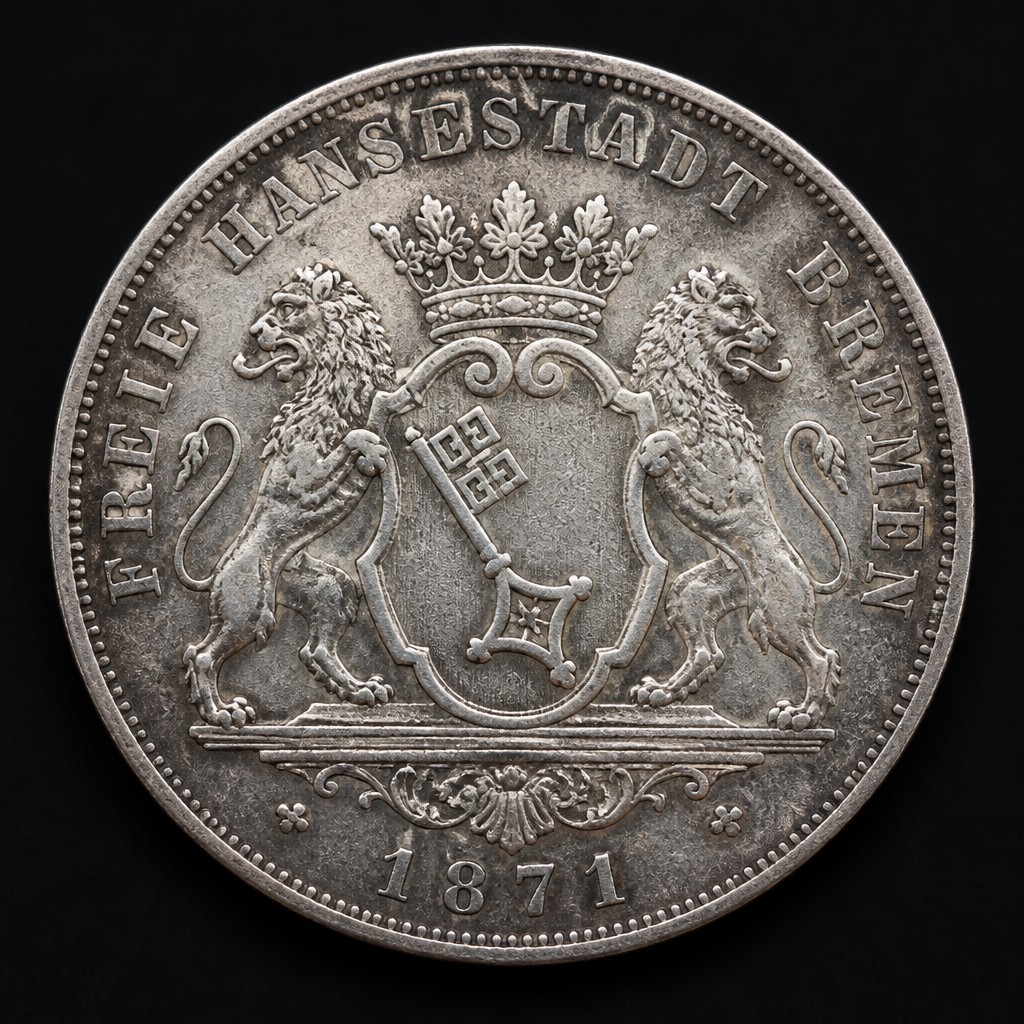
Bremen Thaler
17th century–1871
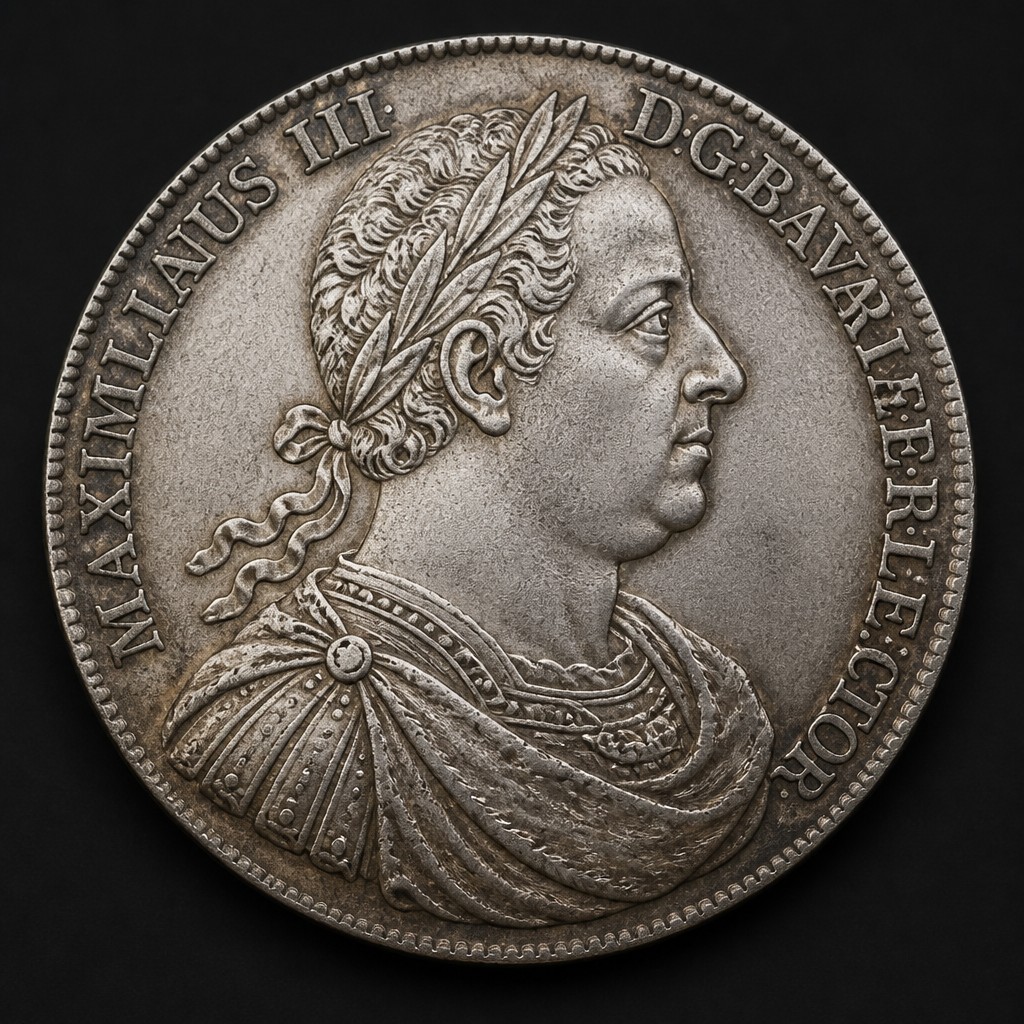
Bavaria Thaler
Circa 1620s-1871
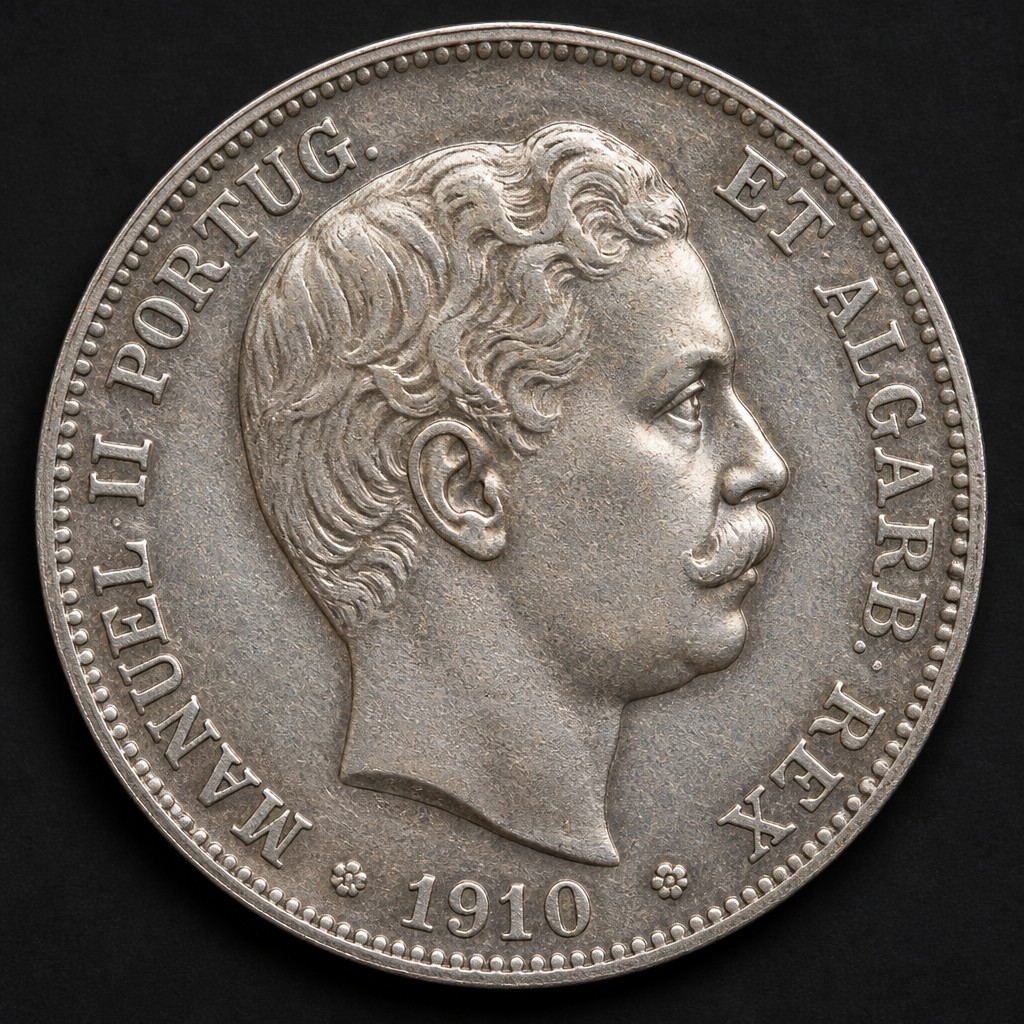
Portuguese 1000 Reis
19th century–1910 (Kingdom period)
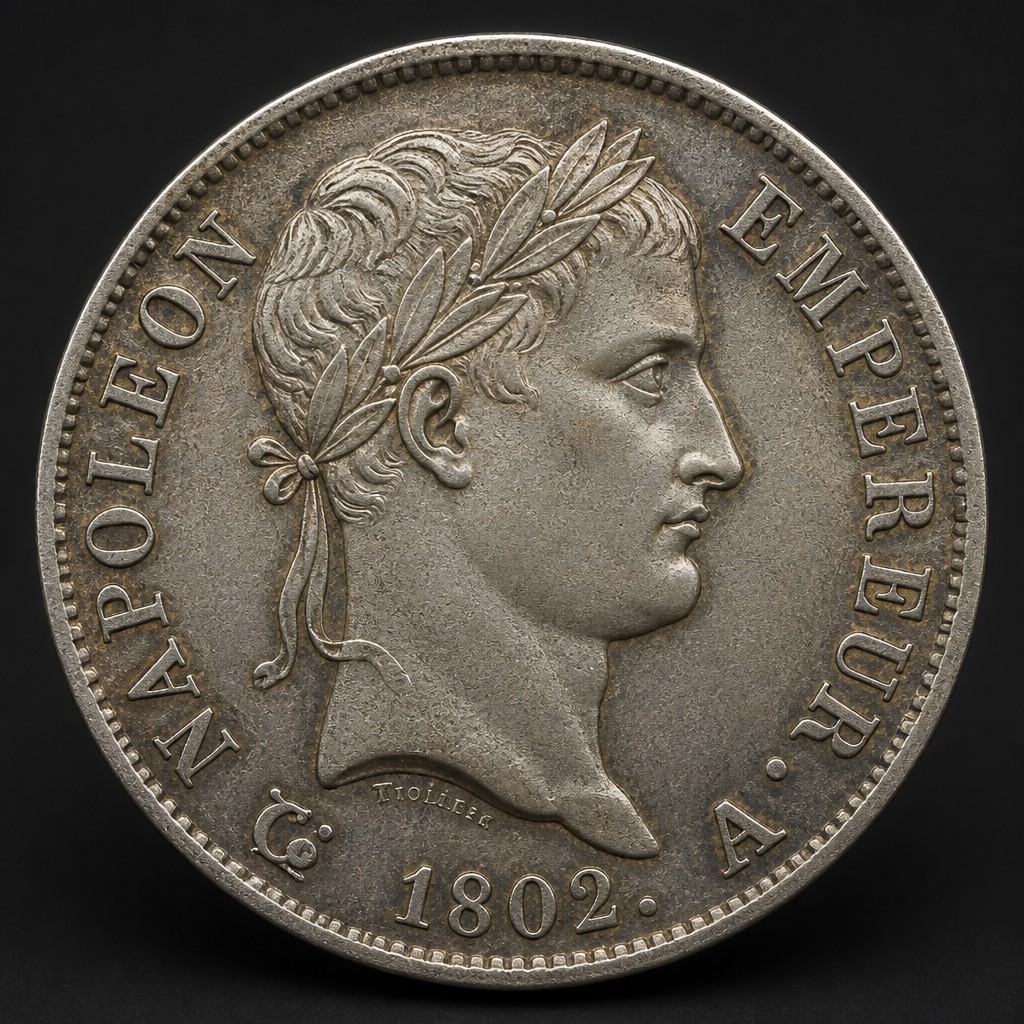
French 5 Francs "Napoleon"
1802–1815
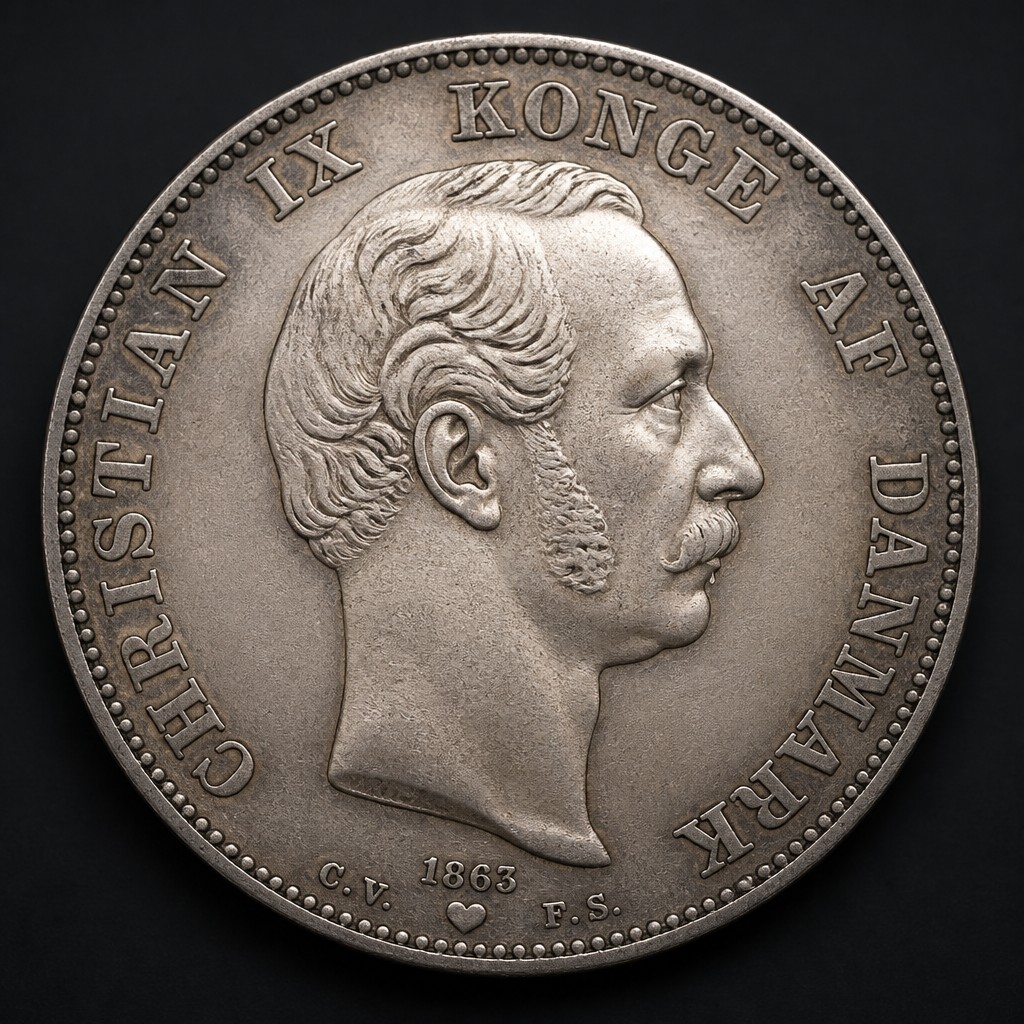
Danish 2 Rigsdaler
19th century (until 1873 currency reform)
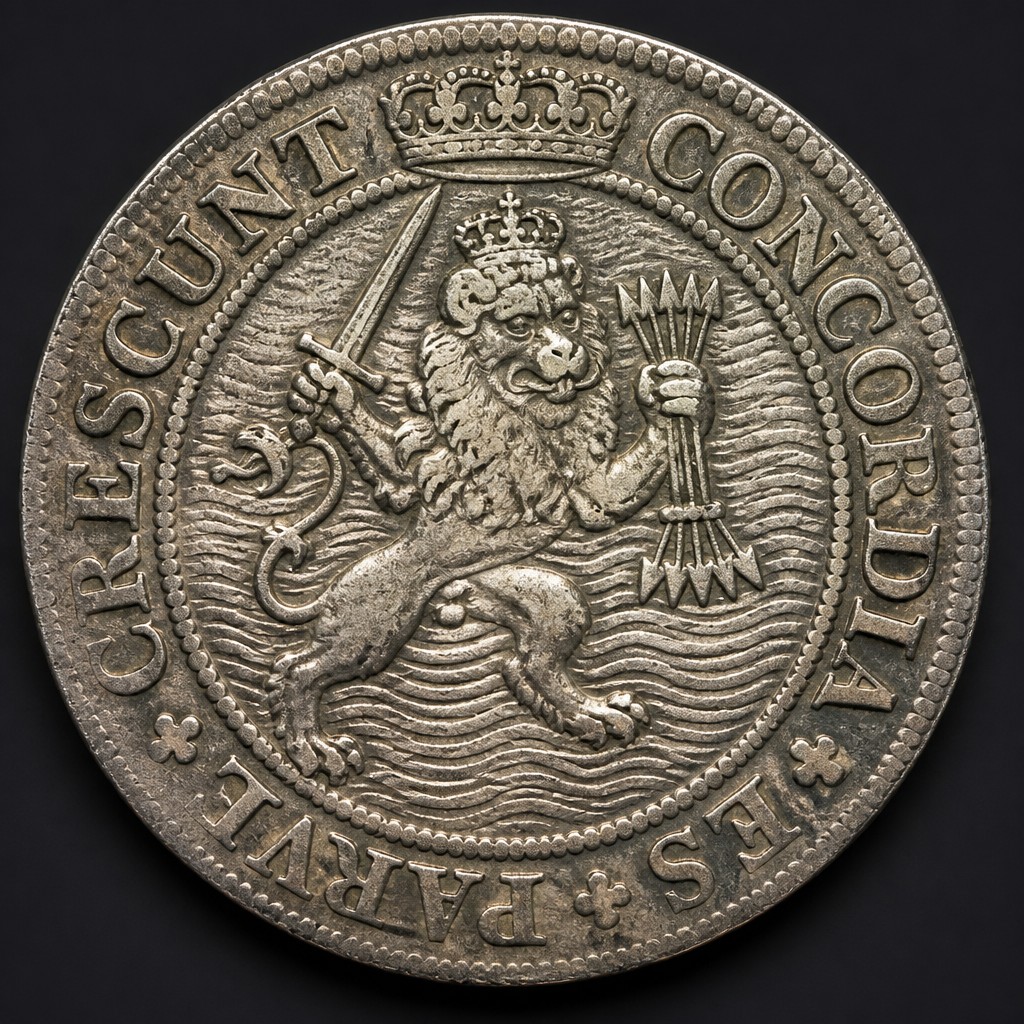
Dutch Lion Daalder (Leeuwendaalder)
c. 1575–1713