
Coin Encyclopedia
Search and identify coins from around the world — with country, denomination, metal, mint, history, and how to tell them apart.
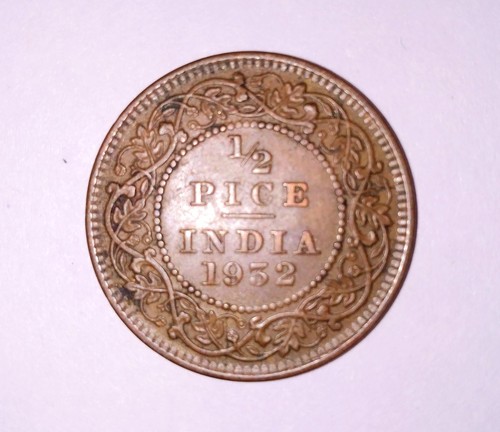
India Half Pice
A small copper half pice from India carrying a crowned obverse with the word INDIA; the pice is a sub-unit of the old pre-decimal Indian coinage system.
Modern India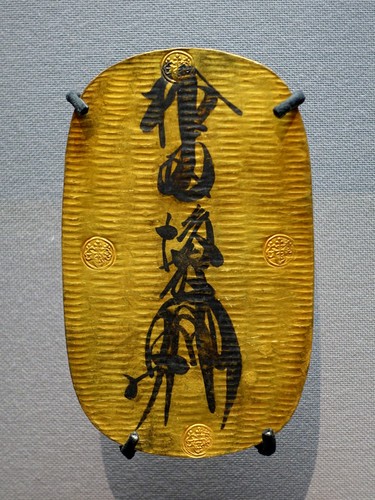
Keicho Koban
A thin oval Japanese gold coin worth one ryo, its surface covered in fine parallel striations with stamped cartouches and Goto mint marks.
Historic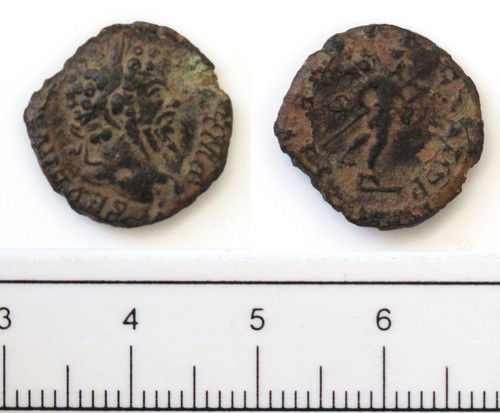
Denarius of Septimius Severus
Silver denarius of the Roman emperor Septimius Severus (193–211 AD), showing his laureate head and a standing reverse figure.
Ancient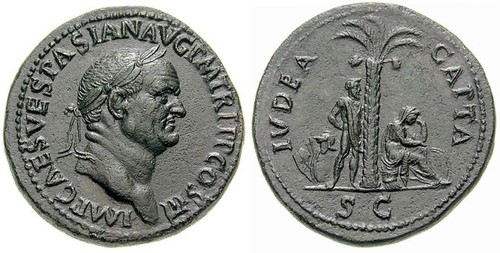
Sestertius of Vespasian (Iudaea Capta)
Large Roman bronze sestertius of Vespasian (AD 70–71) marking the conquest of Judaea, with a palm tree and mourning captives on the reverse.
Ancient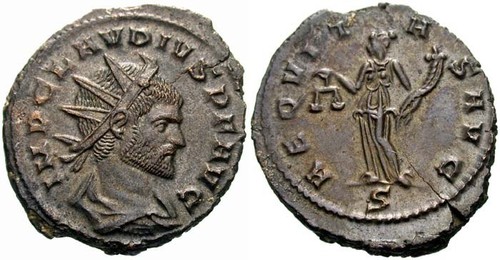
Antoninianus of Claudius II
A billon antoninianus of the Roman emperor Claudius II Gothicus (268–270 AD), showing his radiate bust on one side and a standing deity on the other.
Ancient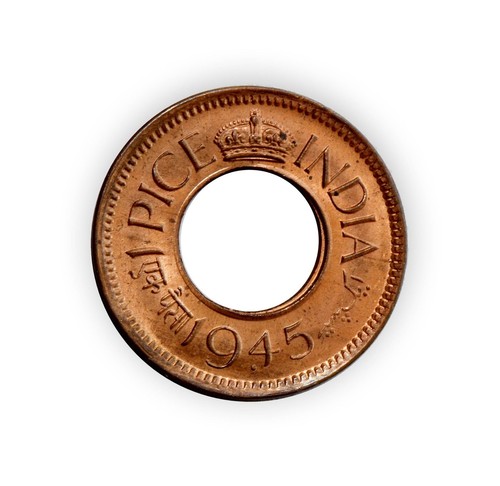
British India One Pice
A small holed copper-bronze One Pice of British India under George VI, dated 1945, its obverse crowned and lettered INDIA and PICE around a central hole.
British India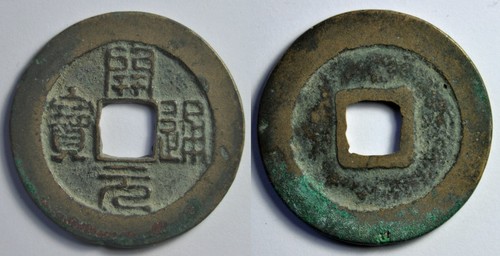
Kai Yuan Tong Bao
A Tang-dynasty Chinese bronze cash coin with the four seal-script characters Kai Yuan Tong Bao around a central square hole.
Cash Coin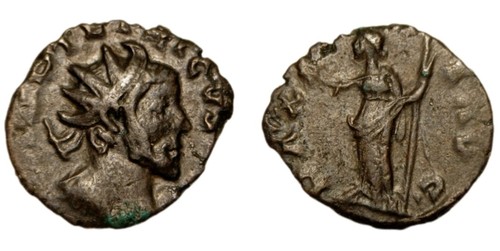
Antoninianus of Tetricus I
A billon antoninianus of the Gallic emperor Tetricus I (270–273 AD), showing his radiate portrait and a standing figure of Pax on the reverse.
Ancient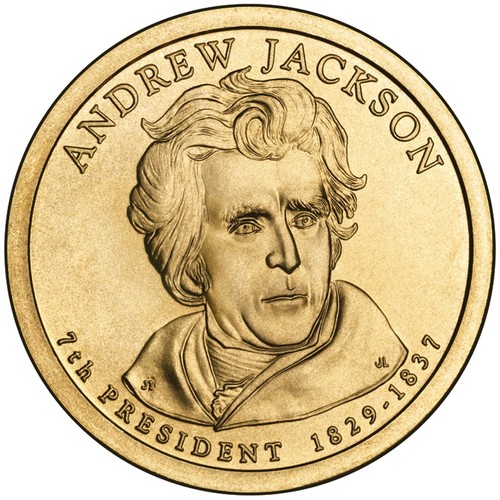
Andrew Jackson Presidential Dollar
2008 U.S. golden dollar honoring Andrew Jackson, the seventh president; part of the Presidential $1 Coin Program with edge-lettered inscriptions.
United States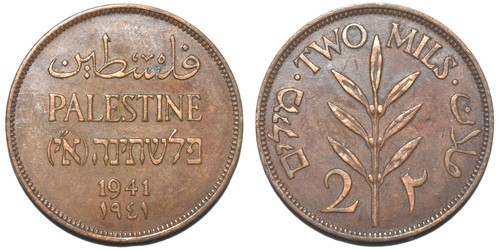
Palestine 2 Mils
A small bronze coin of British Mandate Palestine, inscribed PALESTINE in English, Arabic and Hebrew, with an olive sprig above the TWO MILS value.
World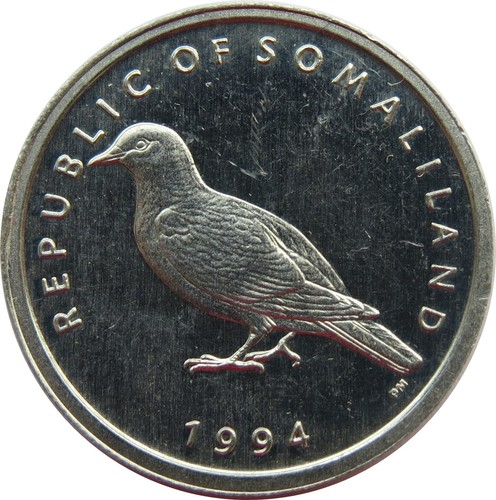
Somaliland 1 Shilling
An early circulation coin of the self-declared Republic of Somaliland, its reverse showing a dove above the country's name and the value.
World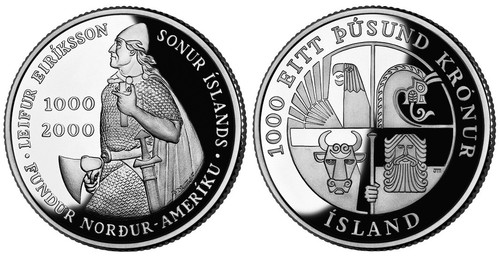
Leif Erikson Commemorative 1000 Króna
Icelandic silver commemorative dated 2000, marking the millennium of Leif Erikson's voyage and the Norse discovery of North America.
Commemorative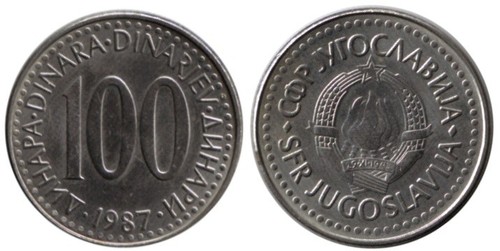
100 Dinara
A copper-nickel 100 Dinara circulation coin of socialist Yugoslavia dated 1987, with a big numeral 100 on one face and the Yugoslav state emblem on the other.
Modern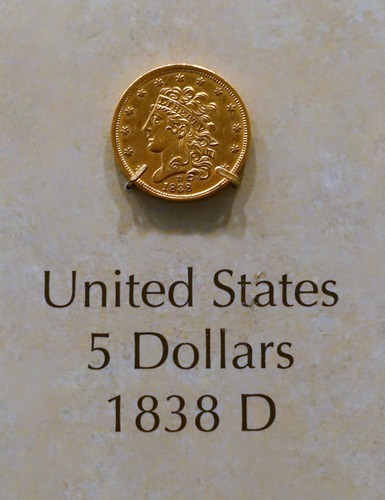
Liberty Head Half Eagle
United States $5 gold coin with a left-facing Liberty head ringed by stars and a spread-winged eagle reverse; the pictured piece is dated 1838.
United States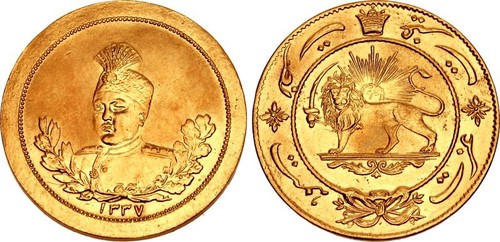
Qajar 5 Tomans Commemorative
A late Qajar gold 5 Tomans of Persia showing Ahmad Shah Qajar in a laurel wreath and the national Lion emblem, dated 1299.
Persia / Iran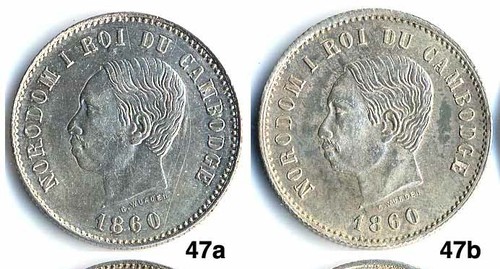
Cambodia Two Francs
A crown-sized Cambodian Two Francs of King Norodom I, its obverse a royal profile and DEUX FRANCS reverse over a crowned coat of arms; dated 1860 but long restruck.
Southeast Asia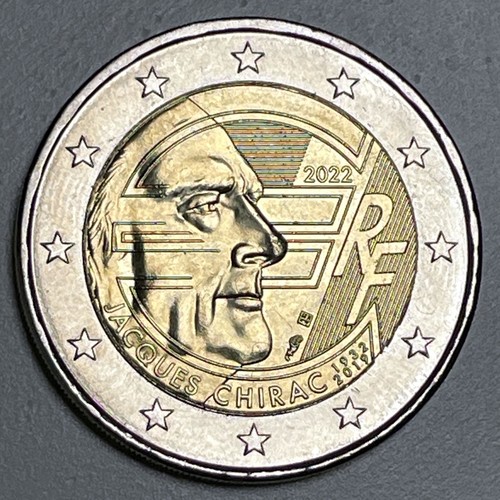
France 2 Euro Jacques Chirac Commemorative
France's 2022 bi-metallic €2 commemorative honouring former president Jacques Chirac, showing his right-facing profile paired with the standard euro reverse.
Commemorative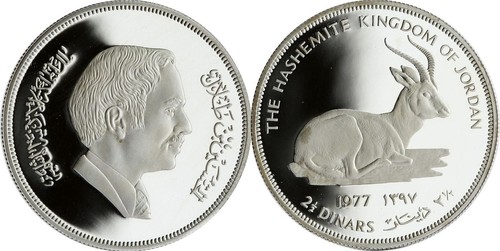
Jordanian 2½ Dinars
A crown-sized 1977 silver commemorative of the Hashemite Kingdom of Jordan, pairing King Hussein's portrait with a standing gazelle from the wildlife-conservation coin theme.
World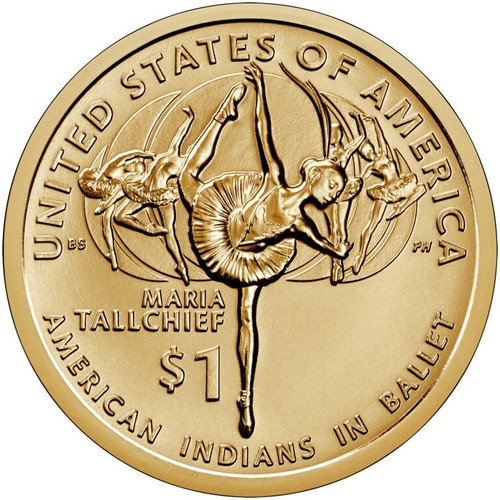
Native American Dollar - Tallchief
2023 Native American $1 Coin whose reverse honors Maria Tallchief and the five Osage ballerinas, struck in golden manganese brass.
Dollar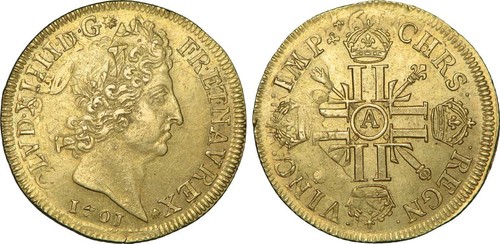
Double Louis d'Or
A large gold coin of Louis XIV dated 1701: the king's laureate profile and 'LUDOVICUS MAGNUS' obverse, an ornate cross of arms reverse.
Royal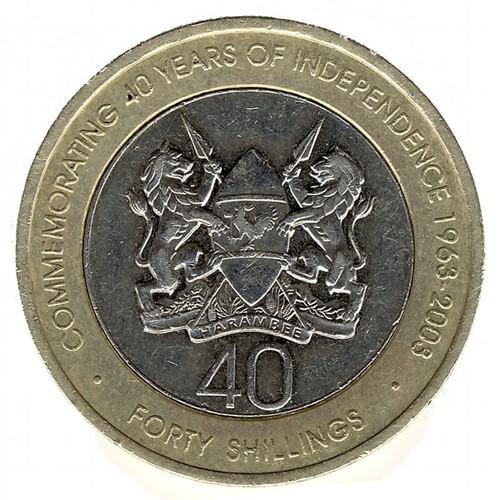
Kenya 40 Shillings
A bimetallic Kenyan commemorative coin denominated 40 shillings, pairing a presidential portrait with the national coat of arms.
World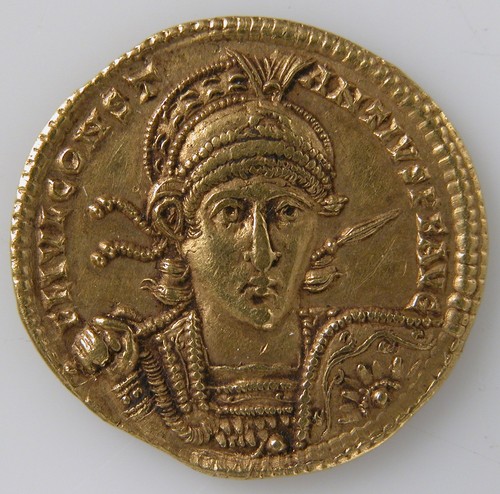
Solidus of Constantius II
Late Roman gold solidus of Emperor Constantius II (337-361 AD), showing his diademed bust facing right paired with a seated-figure reverse.
Ancient Coins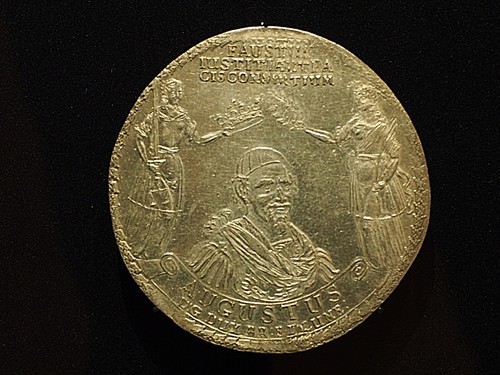
Schaummünze 4 Thaler
A silver Schaummünze struck to a 4-Thaler weight, dated 1666, with elaborate heraldic and figural imagery referencing August der Jüngere.
Medal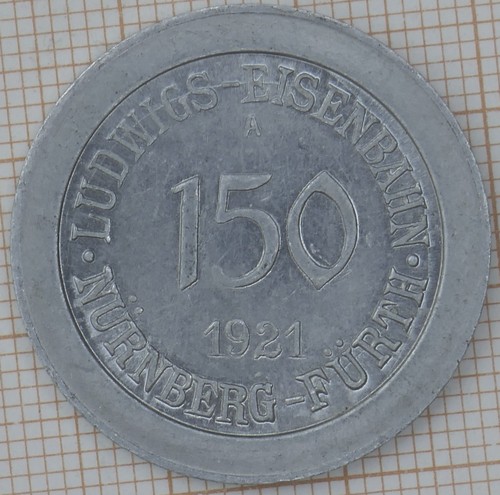
Ludwigs-Eisenbahn Nürnberg-Fürth 150 Pfennig
A 1921 German emergency-money 150 Pfennig piece from Nürnberg-Fürth, struck in zinc-iron and showing an ornamental Kunstbrunnen fountain monument.
Token/notgeld