
Coin Encyclopedia
Search and identify coins from around the world — with country, denomination, metal, mint, history, and how to tell them apart.
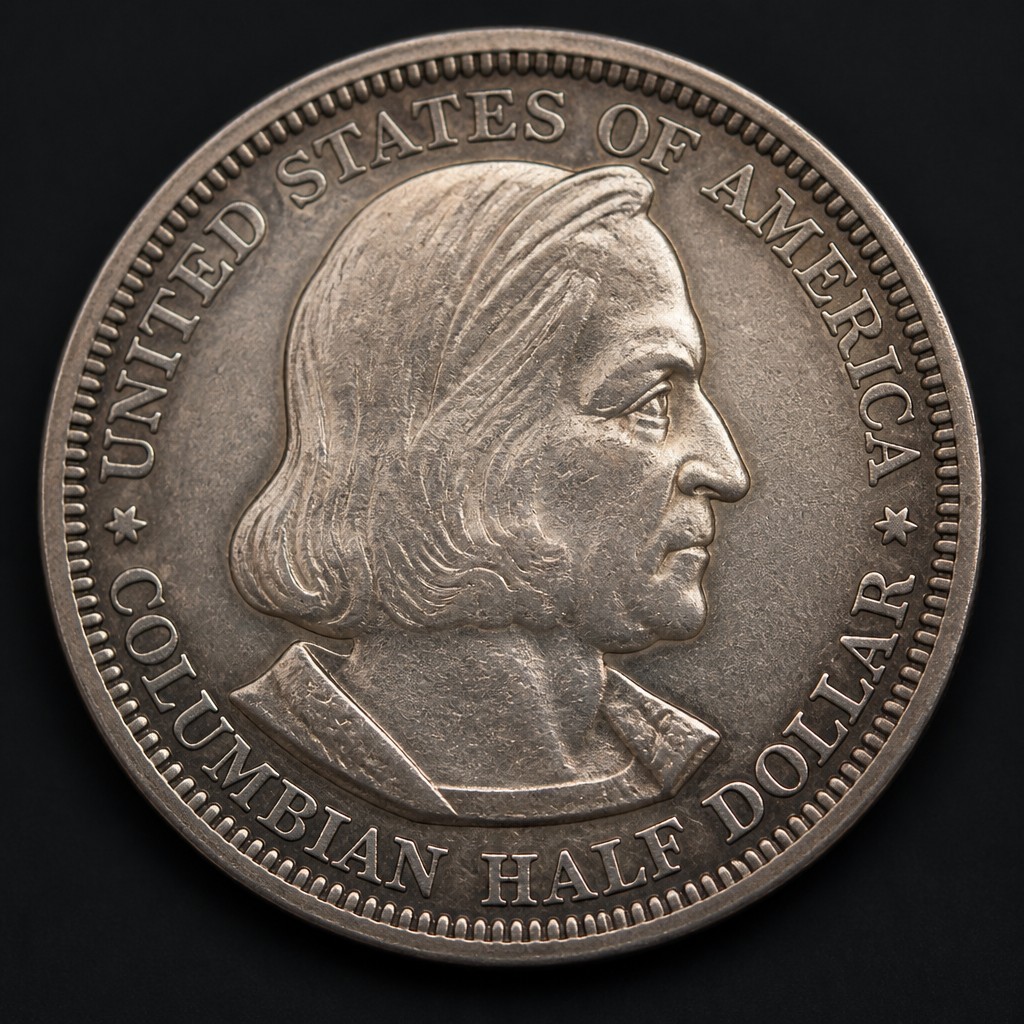
Columbian Exposition Half Dollar
The first United States commemorative coin, struck in 1892 and 1893 to mark the 400th anniversary of Columbus's voyage and fund the World's Columbian Exposition.
Commemorative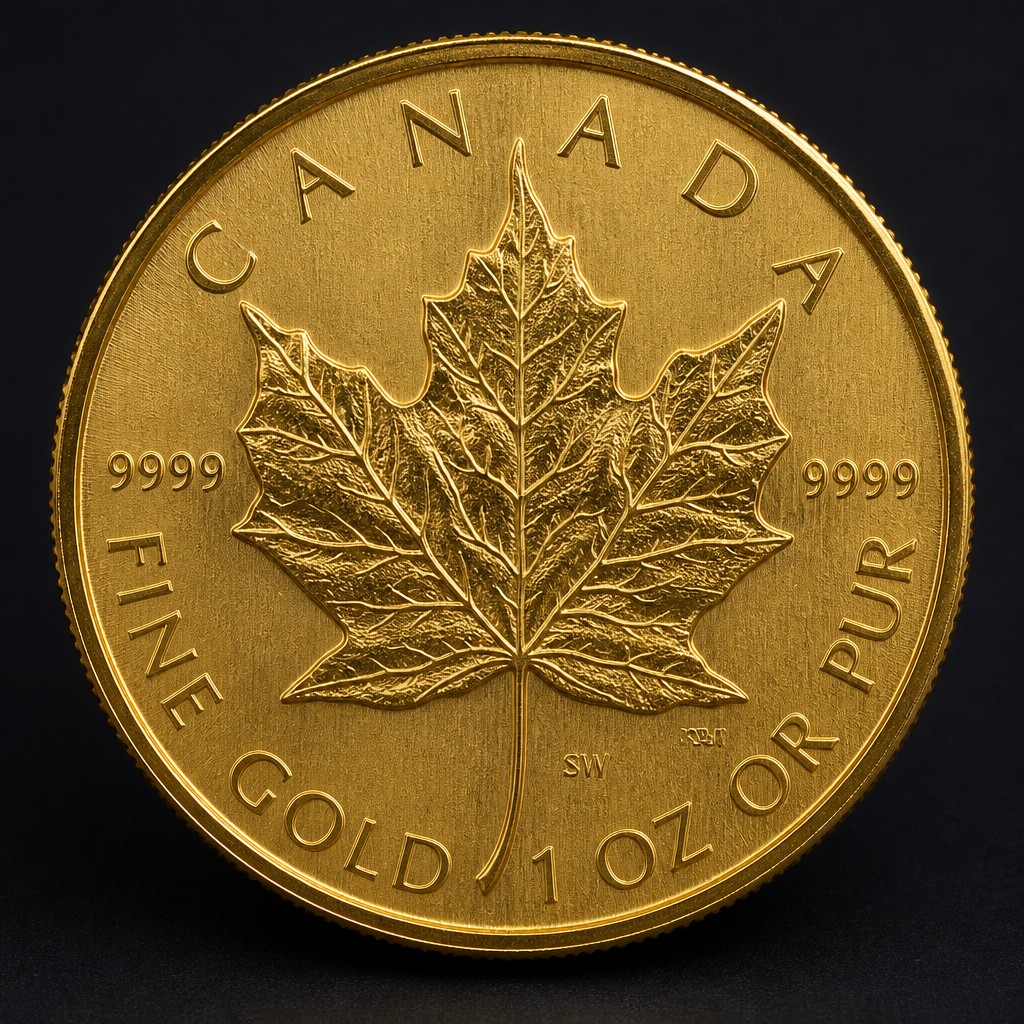
Canadian Maple Leaf (Gold)
Introduced in 1979, the Canadian Gold Maple Leaf was one of the first .9999 pure gold bullion coins in the world and remains a benchmark product of the Royal Canadian Mint.
Bullion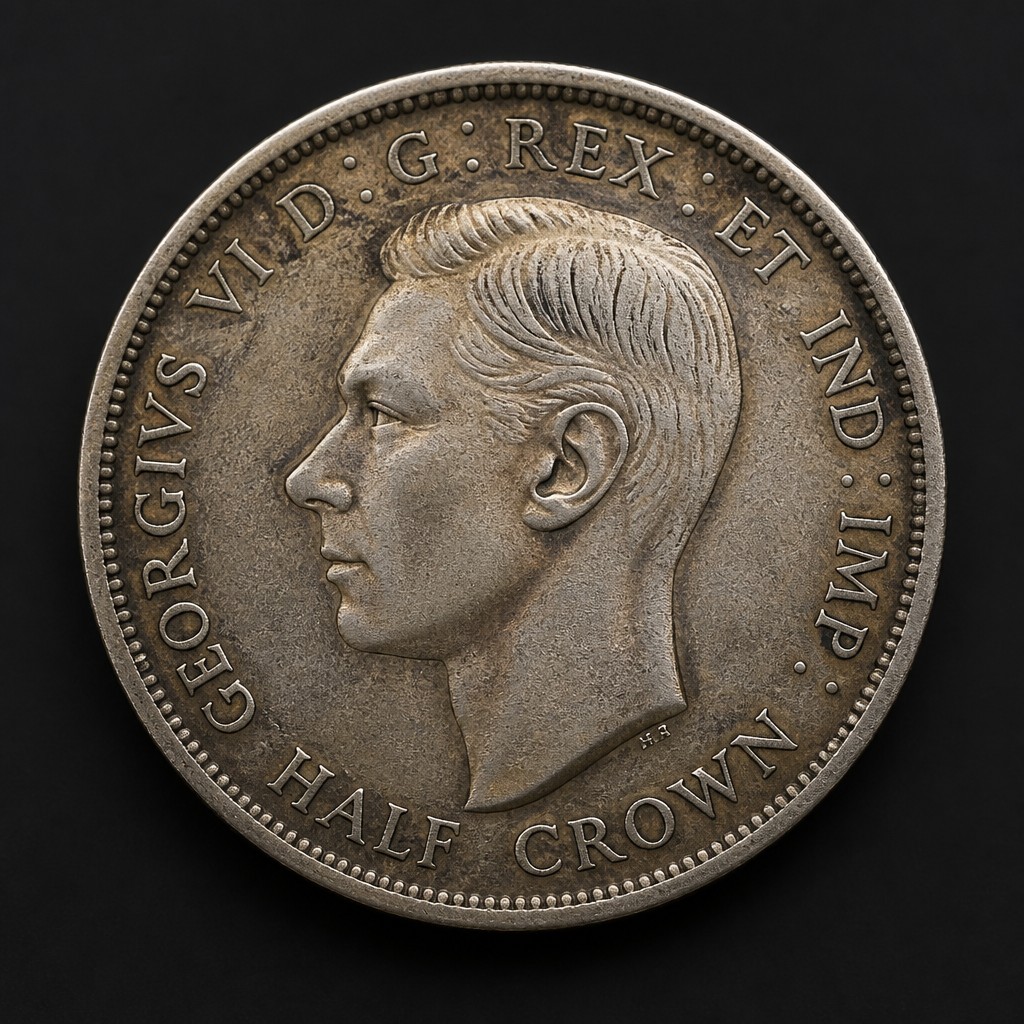
New Zealand Half Crown (pre-decimal)
The largest denomination in New Zealand's regular pre-decimal coin series, featuring the national coat of arms, circulated from 1933 until decimalization in 1967.
Africa & Oceania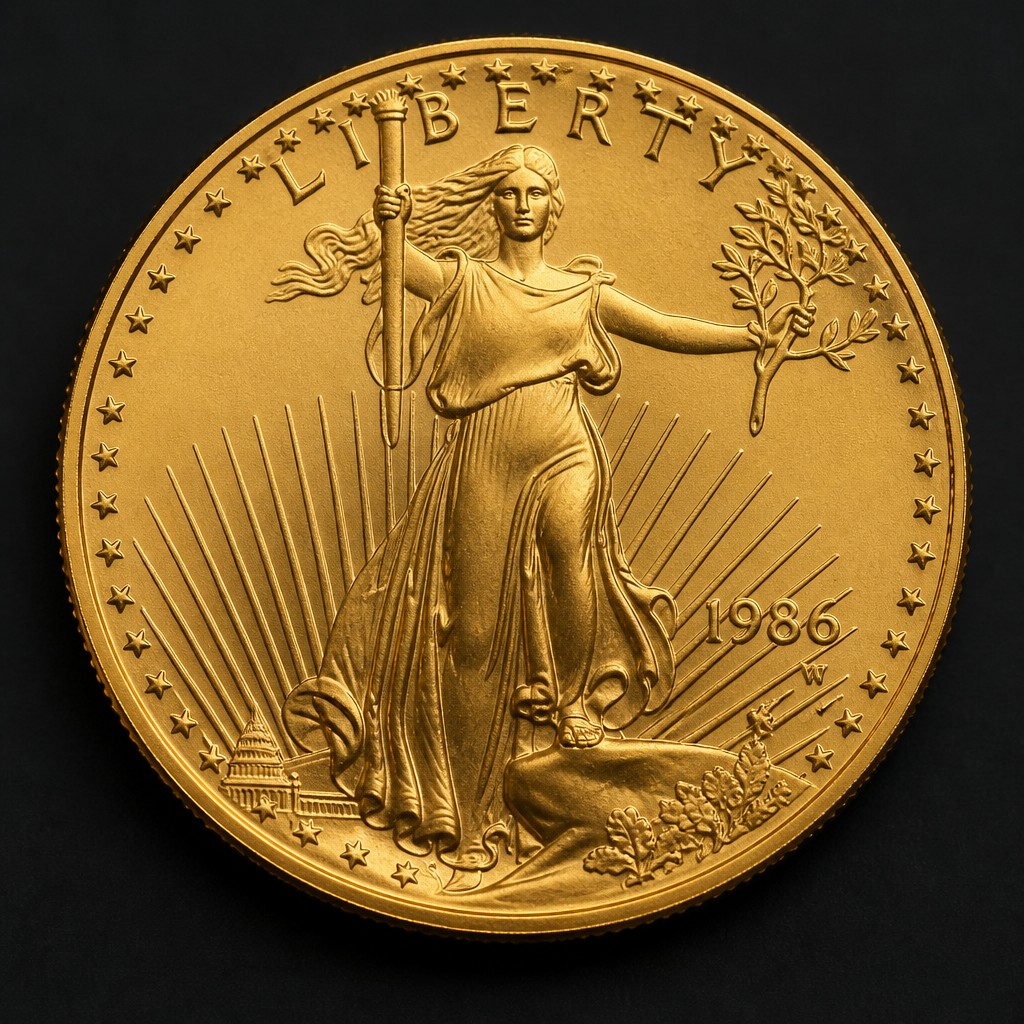
American Gold Eagle
The official U.S. gold bullion coin series since 1986, pairing Augustus Saint-Gaudens' famous Liberty design with a family-of-eagles reverse, issued in four sizes.
Bullion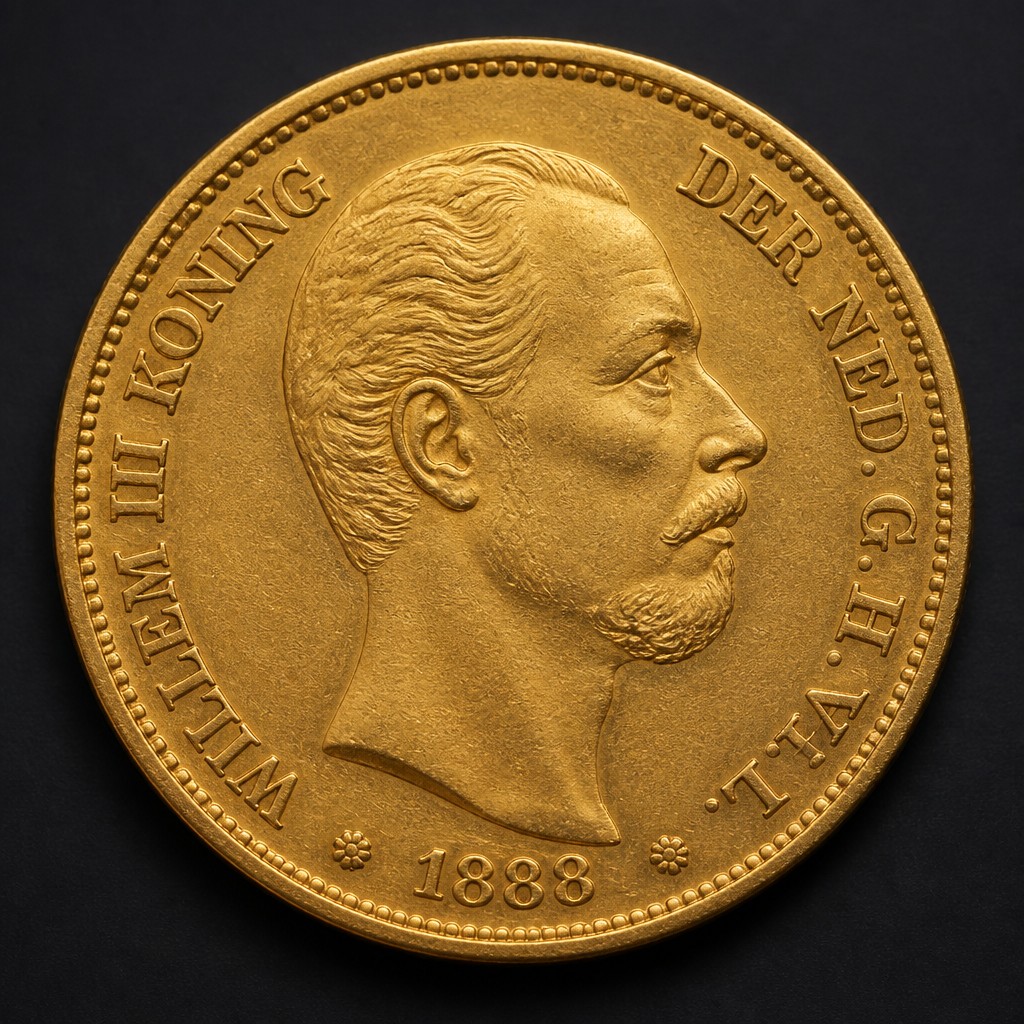
Netherlands 5 Gulden Gold
A gold 5 gulden coin struck intermittently by the Kingdom of the Netherlands, first under King William I in the 1820s and later as a rare 1912 commemorative under Queen Wilhelmina.
European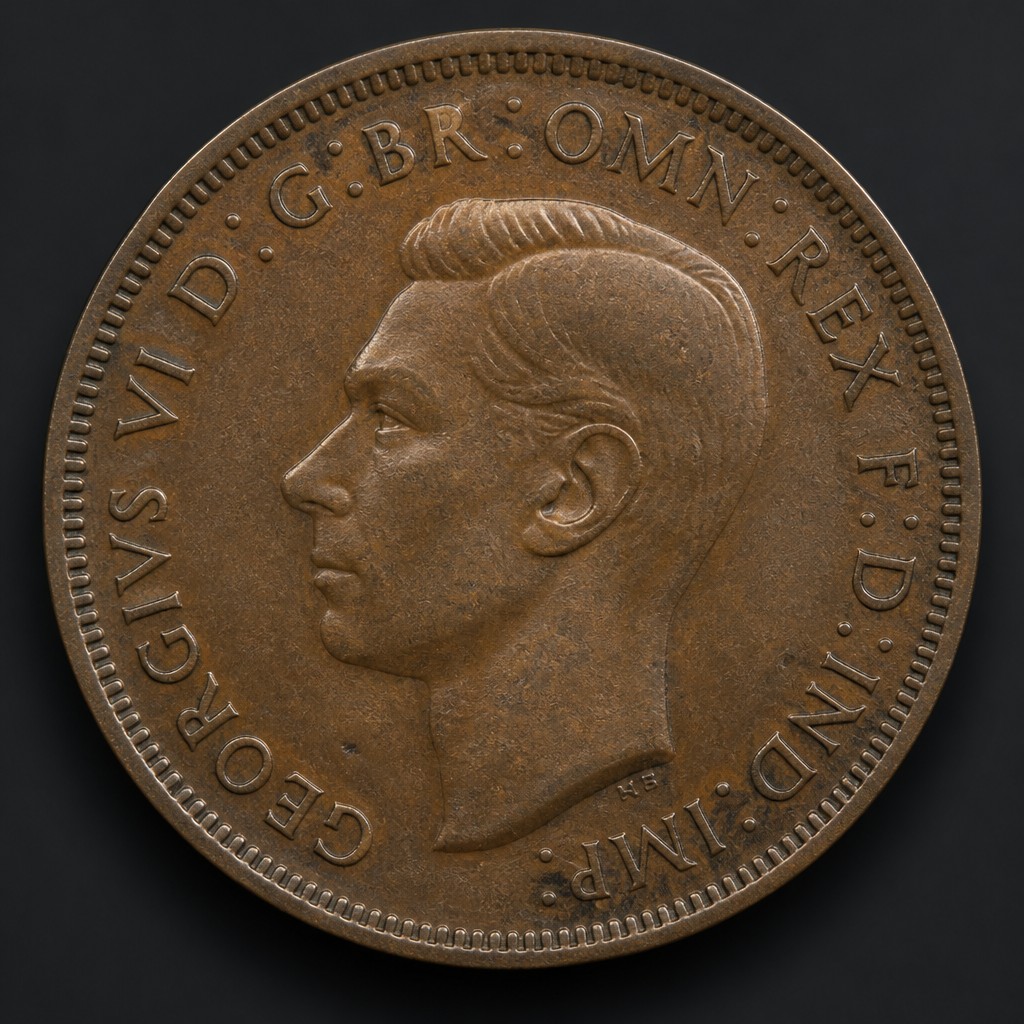
New Zealand Penny (KGVI)
New Zealand bronze penny struck under King George VI, notable for its reverse featuring the native tuatara reptile, part of the country's distinctive 1933-launched coin series.
Africa & Oceania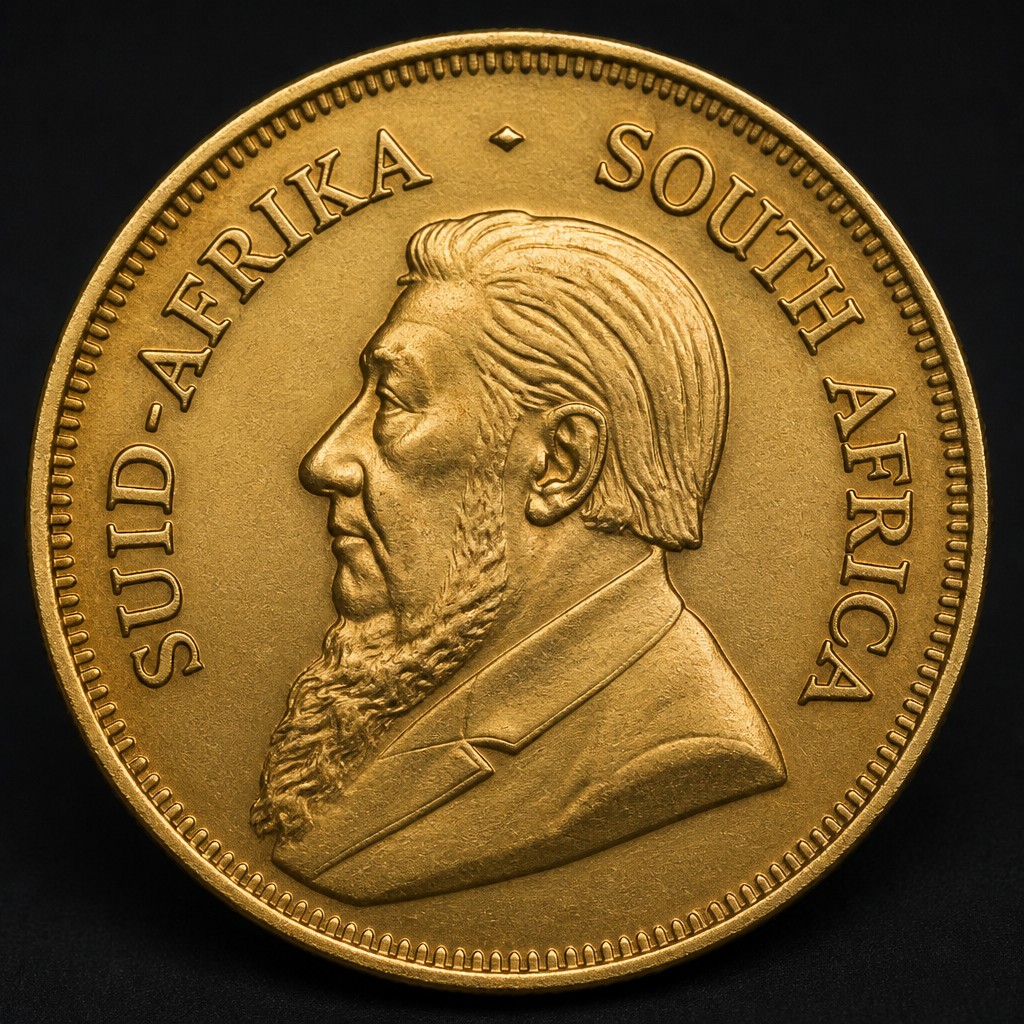
South African Krugerrand
The world's first modern gold bullion coin for private investment, introduced in 1967 featuring President Paul Kruger and a springbok antelope, sparking the global gold-coin bullion market.
Bullion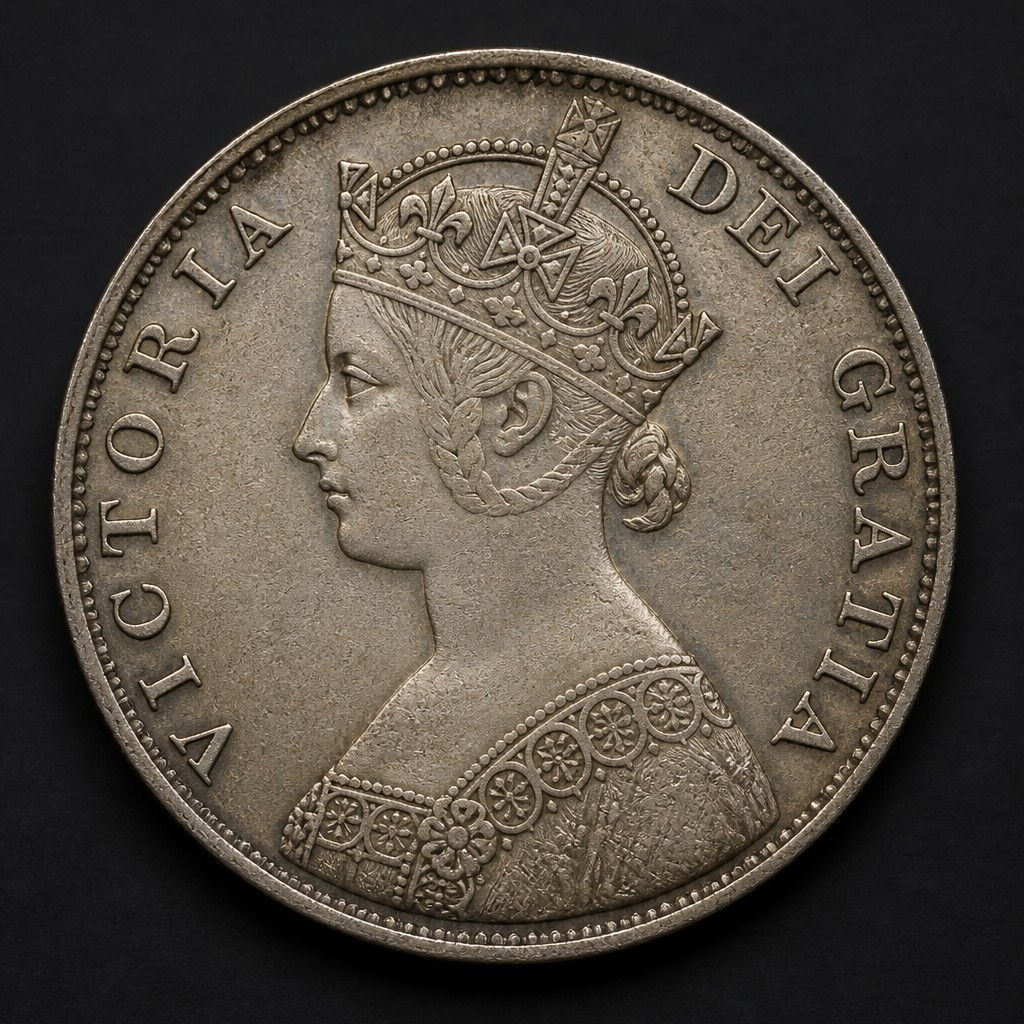
Groat (Fourpence)
A historic English silver coin worth four pence, first struck under Edward I in 1279 and periodically revived, later surviving mainly as a Maundy Money denomination.
British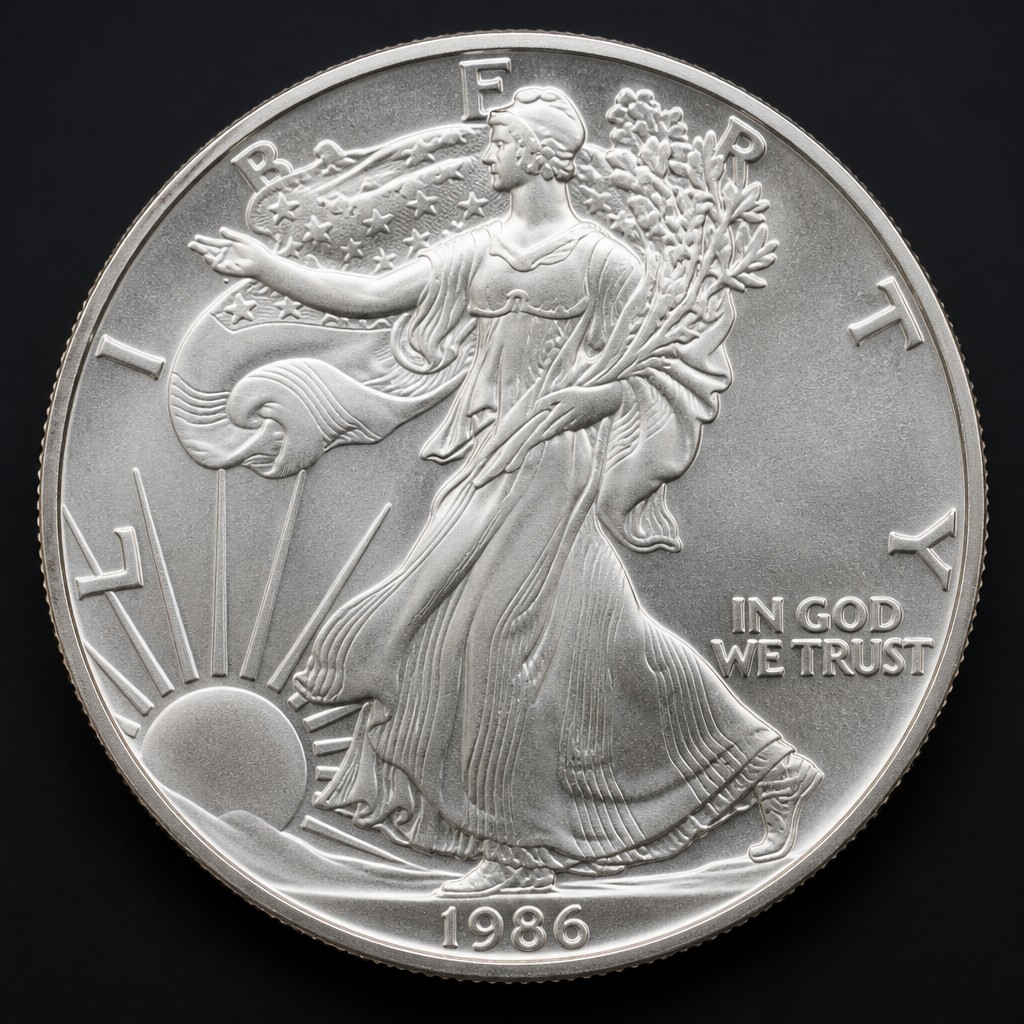
American Silver Eagle
The official one-ounce silver bullion coin of the United States, first struck in 1986, pairing Adolph Weinman's Walking Liberty design with a modern heraldic eagle.
Bullion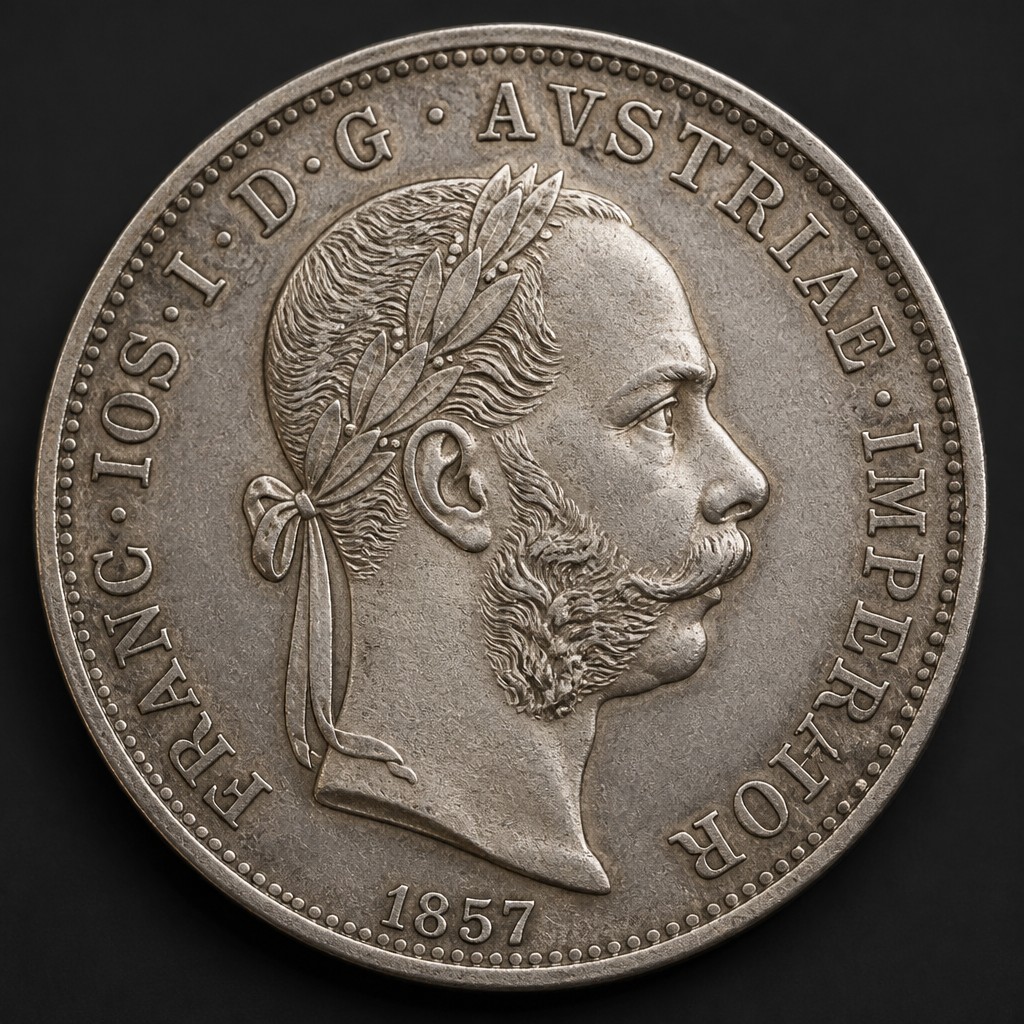
Austrian Florin (Gulden)
The main silver coin of Austria-Hungary in the second half of the 19th century, used until the krone replaced it in the 1892 monetary reform.
European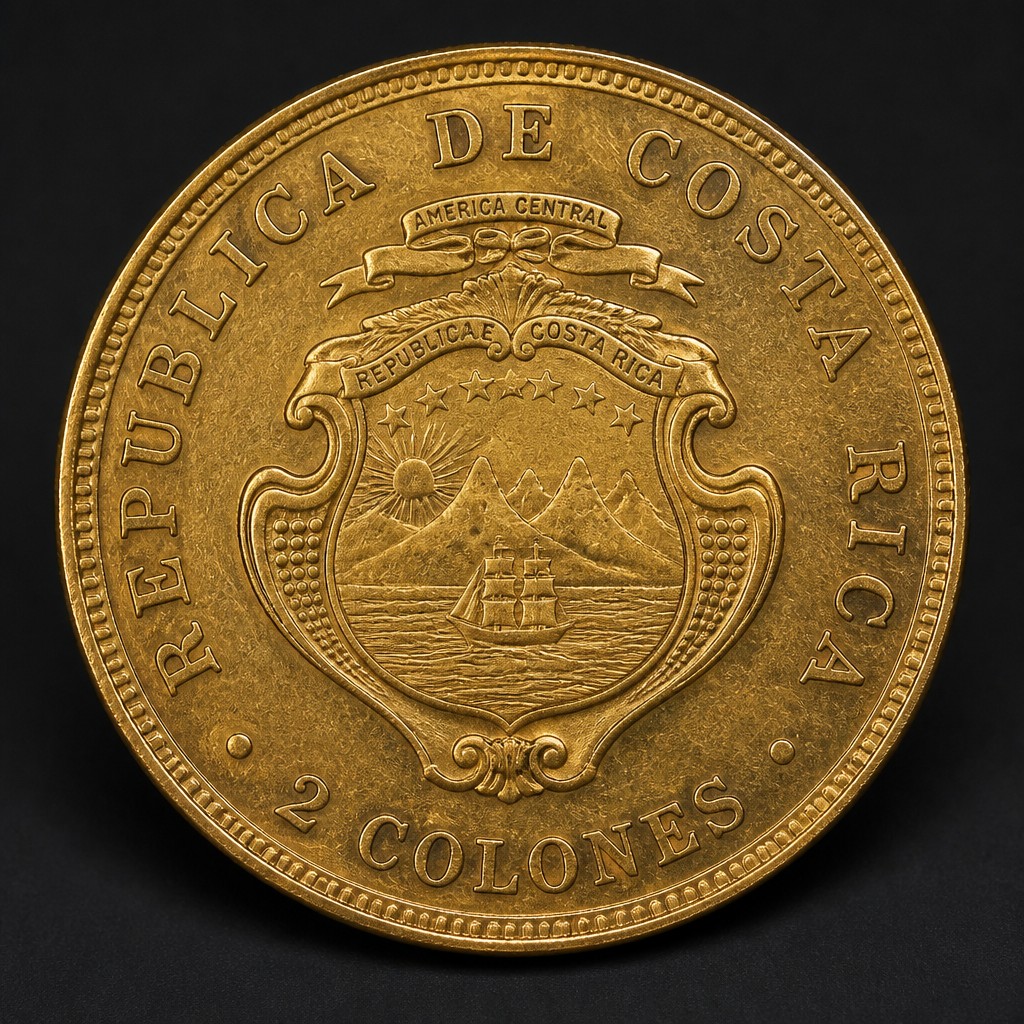
Costa Rica 2 Colones Gold
A small gold denomination from Costa Rica's early colon-era coinage, part of a family of gold coins (2, 5, 10, and 20 colones) struck around the turn of the twentieth century.
Latin American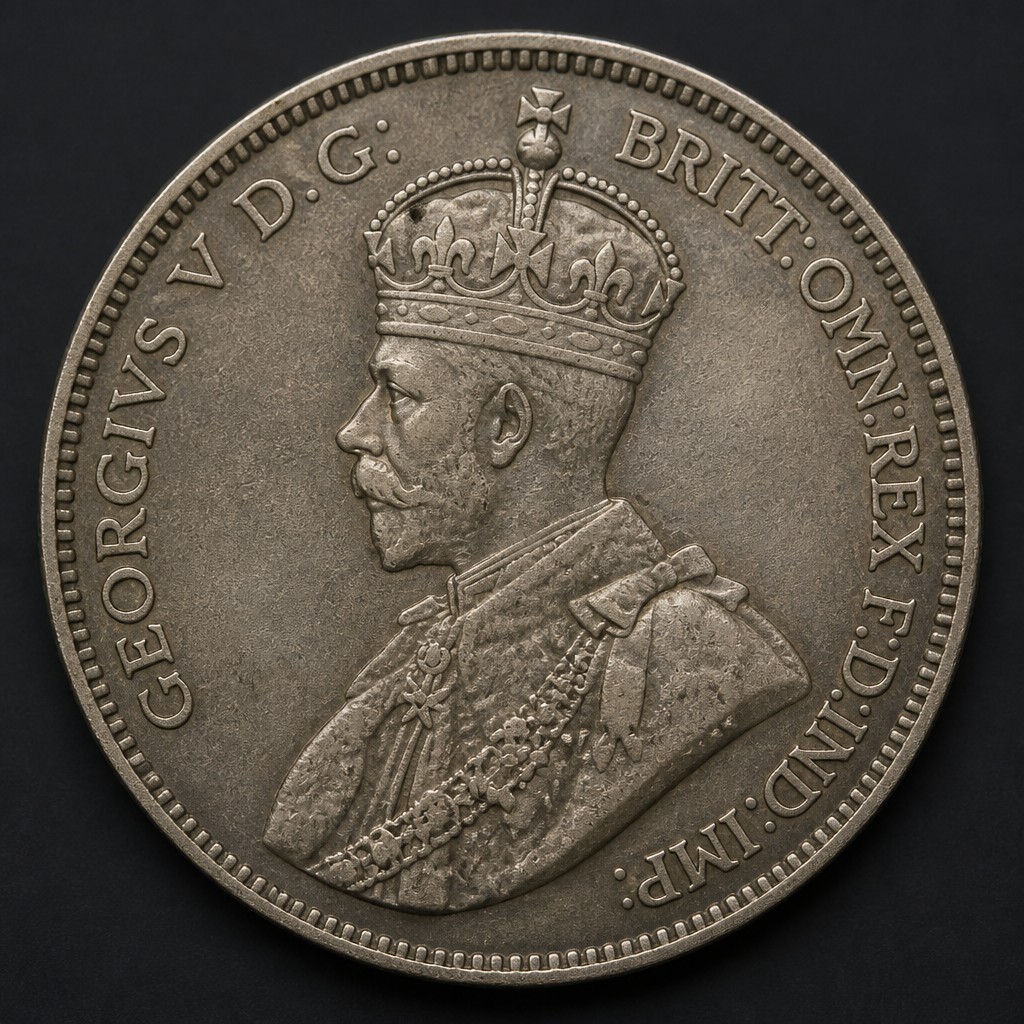
Australian Florin (pre-decimal)
Pre-decimal Australian silver florin worth two shillings, minted from 1910 until decimalization replaced it with the 20-cent coin in 1966.
Africa & Oceania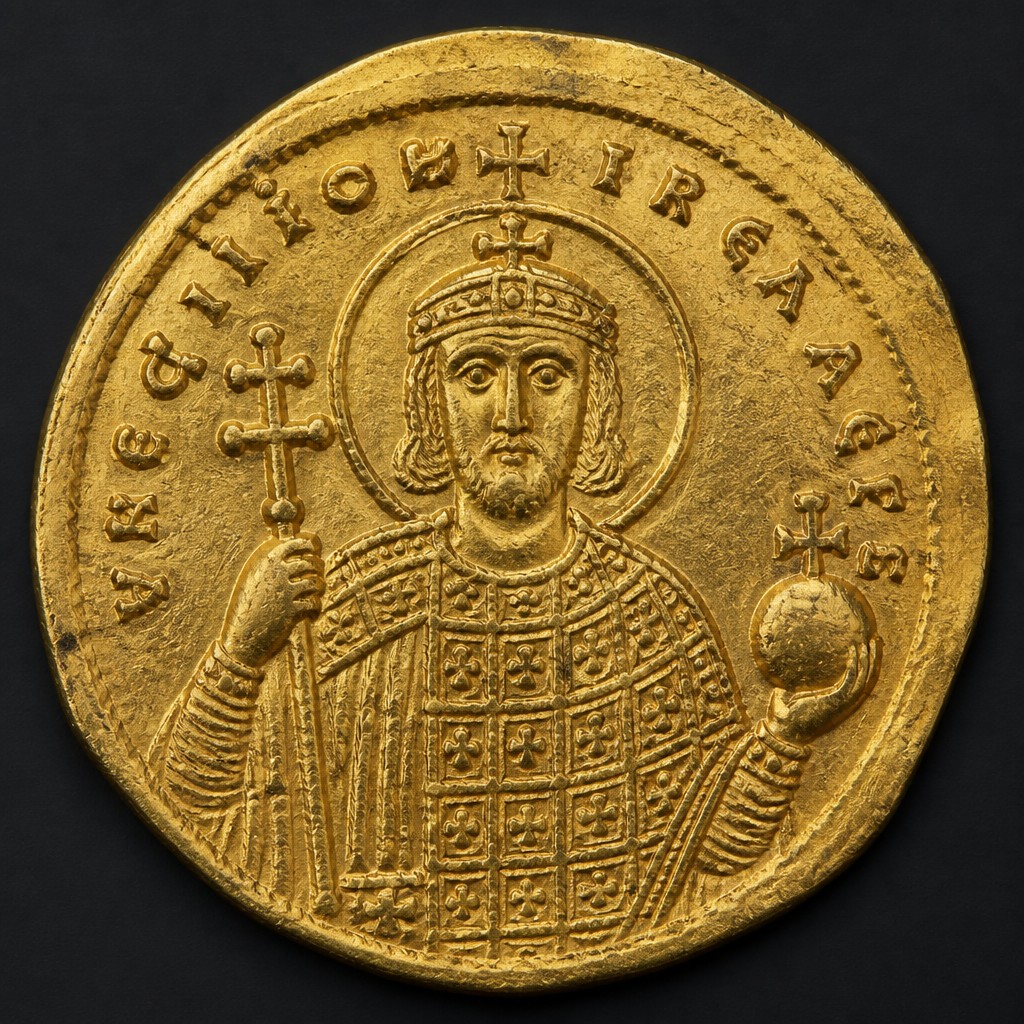
Byzantine Gold Histamenon Nomisma
A distinctive concave (cup-shaped) Byzantine gold coin introduced in the 10th century as the full-weight companion to the flat tetarteron nomisma.
Ancient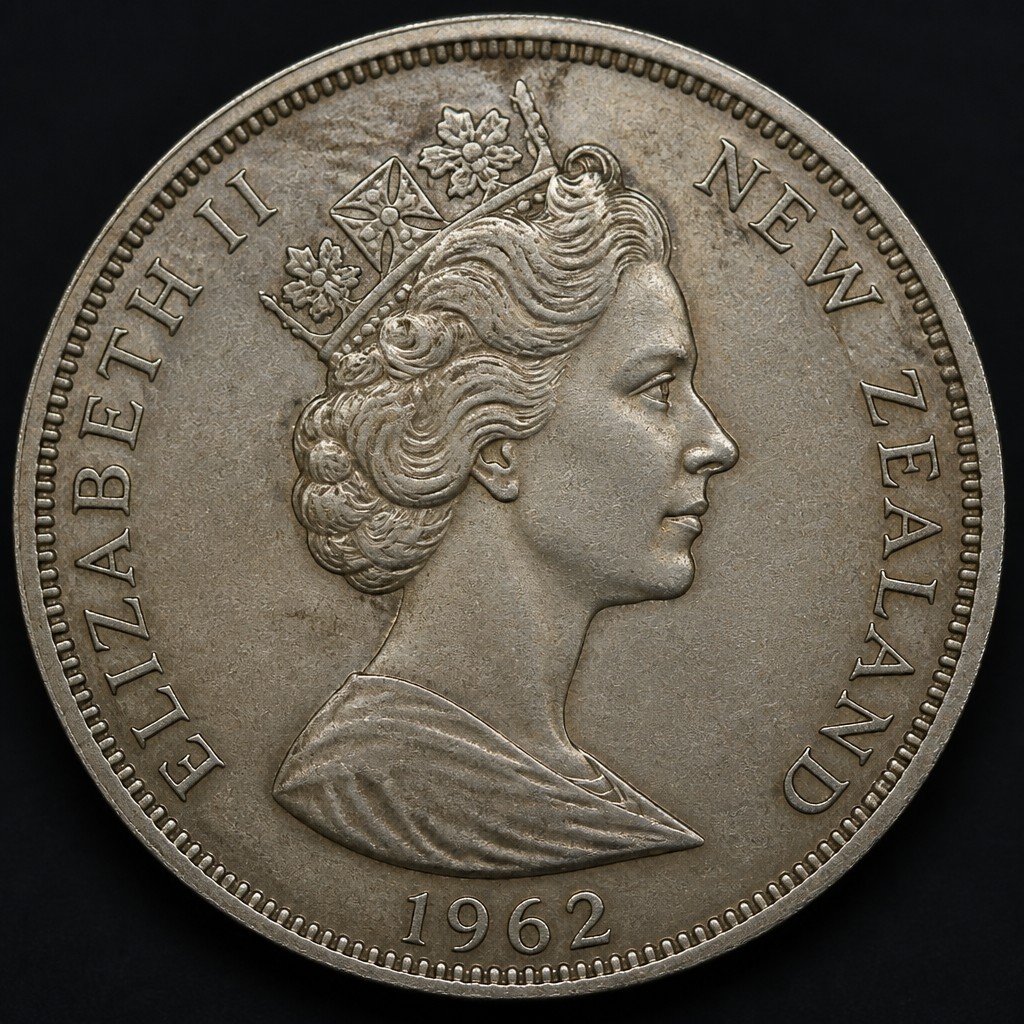
New Zealand Florin (pre-decimal)
New Zealand's pre-decimal florin, famous for its kiwi-bird reverse design, circulated from 1933 until decimalization replaced it with the 20-cent coin in 1967.
Africa & Oceania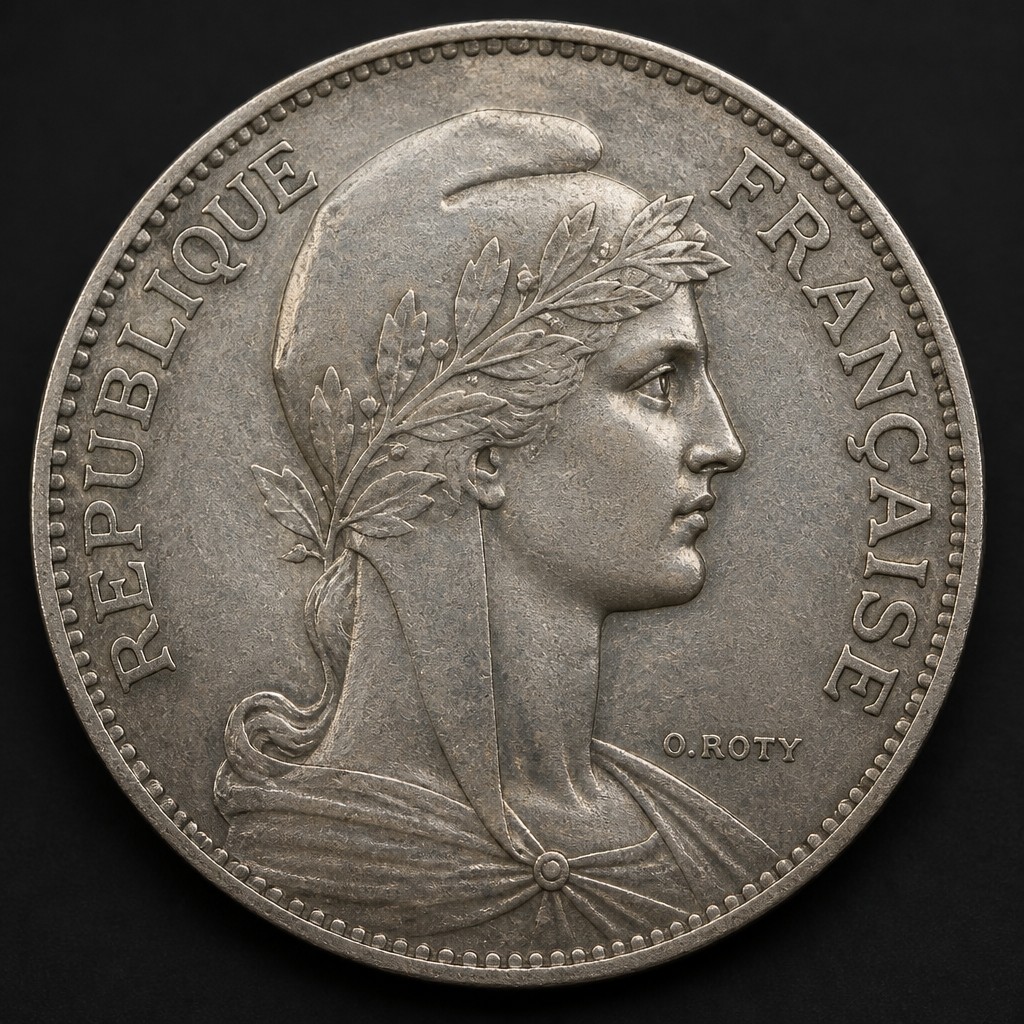
French Franc Germinal
Not a single coin but the bimetallic monetary standard fixed by Napoleon's 1803 law, defining the franc's silver and gold content for over a century.
European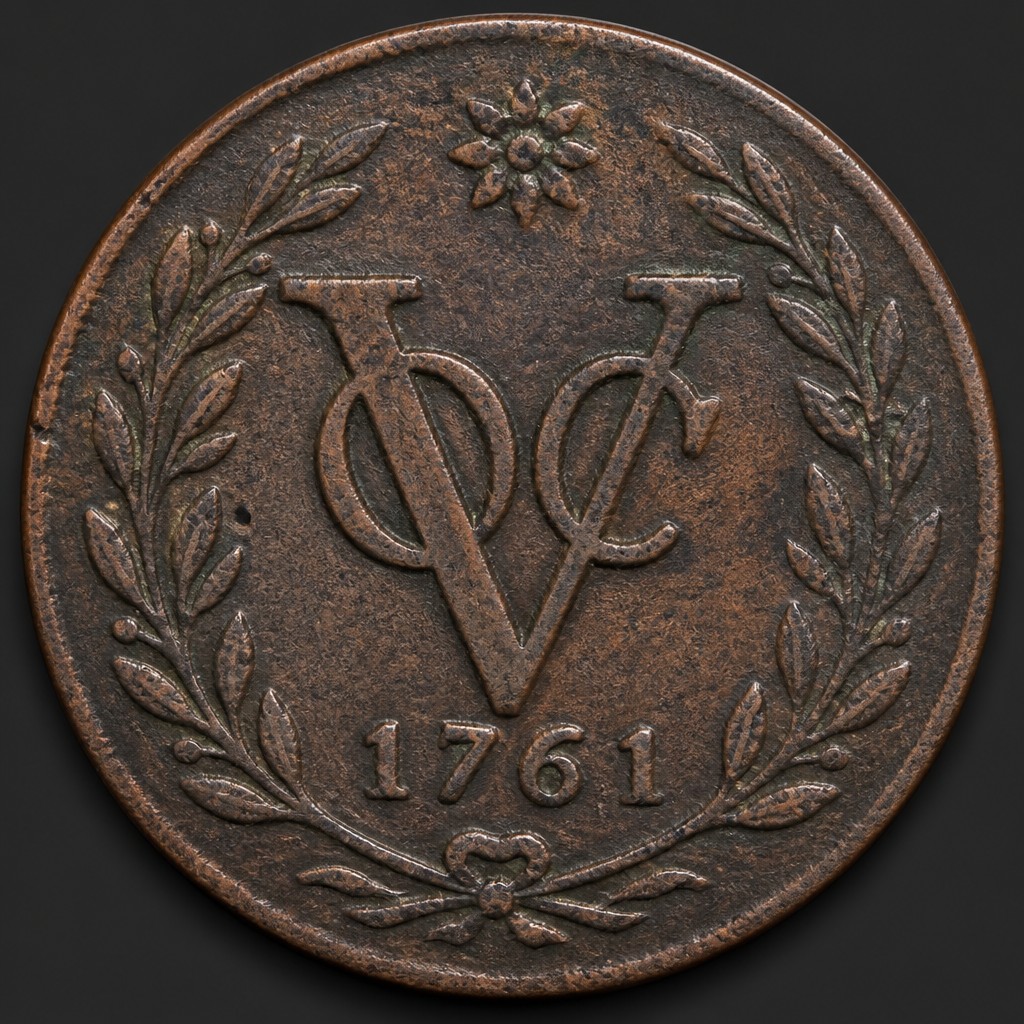
Netherlands East Indies VOC Duit
Copper coin struck by the Dutch East India Company (VOC) for circulation in its Asian trading territories, a common relic of 18th-century colonial commerce.
Asian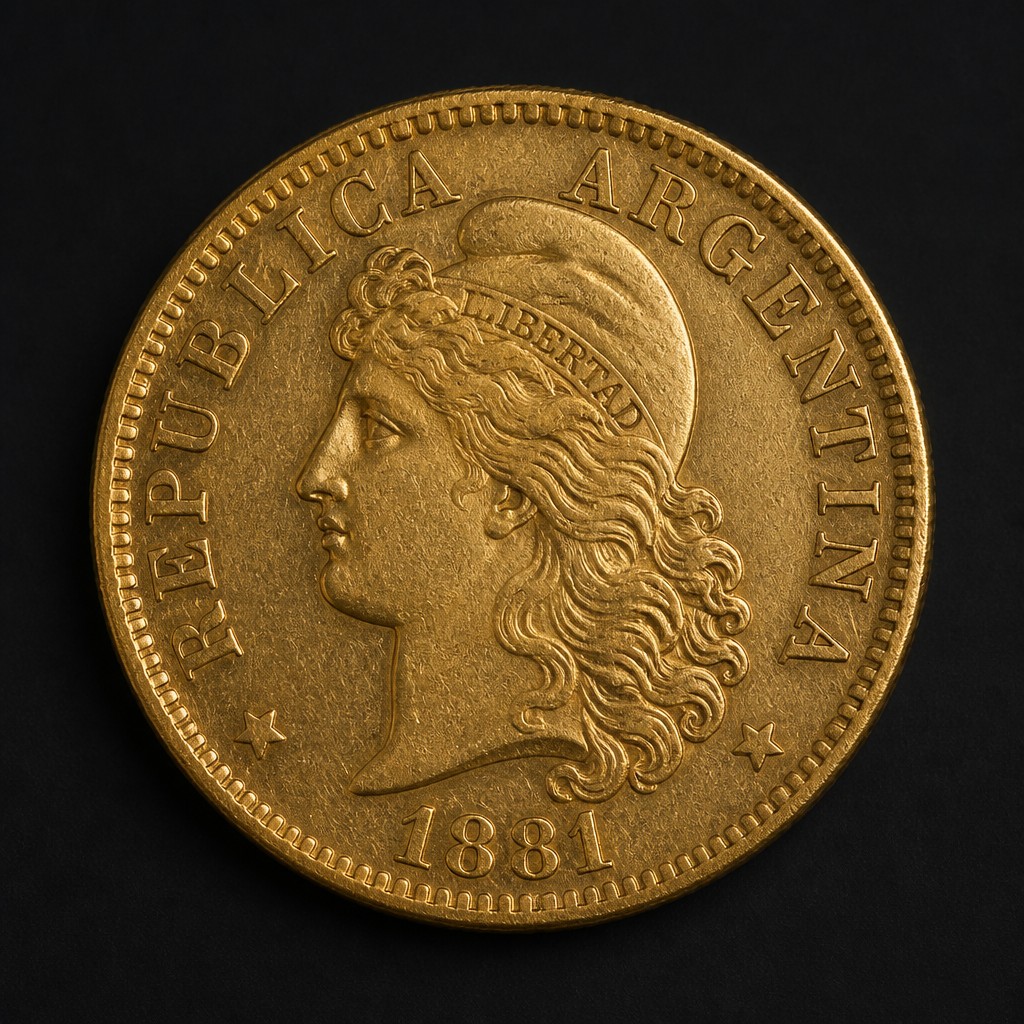
Argentine Argentino Gold (5 Pesos)
Argentina's principal 19th-century gold coin, worth 5 pesos oro and called an "Argentino," struck to Latin Monetary Union weight standards for use in international trade.
Latin American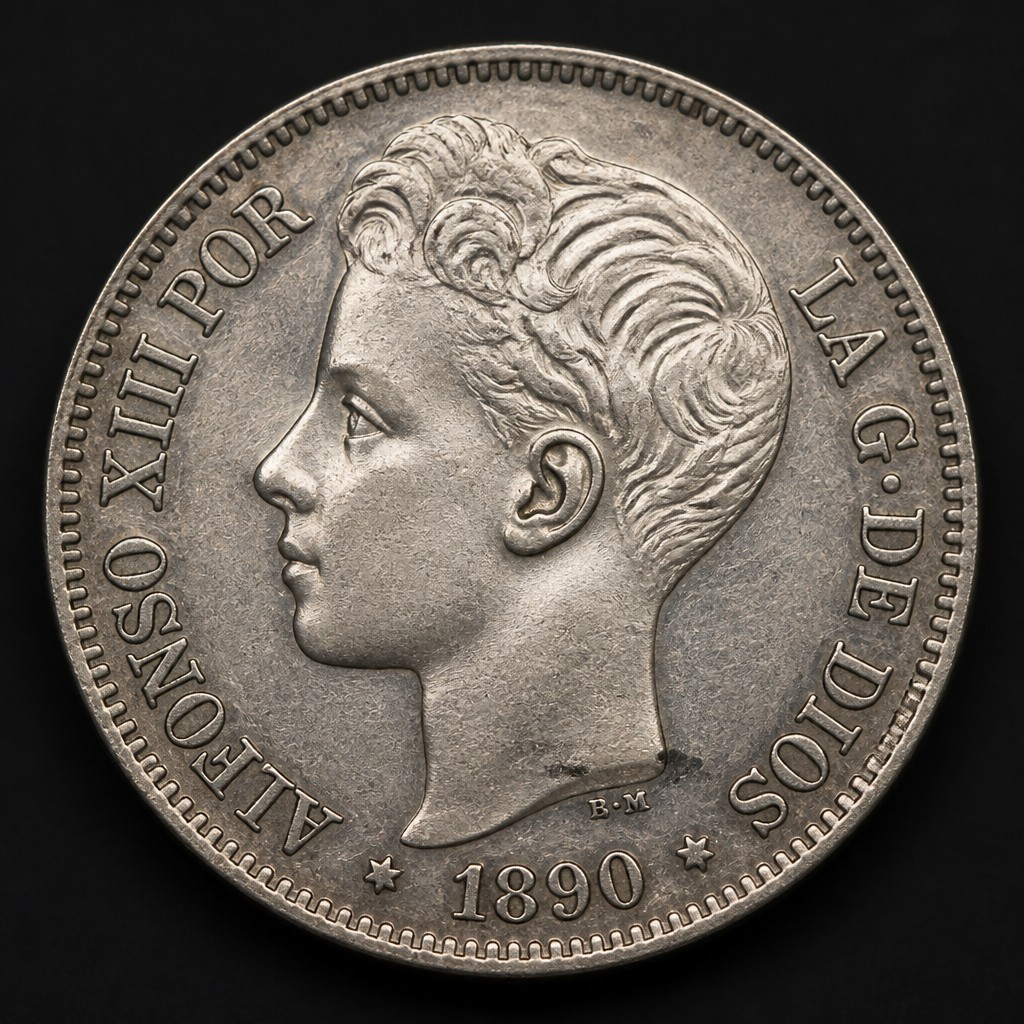
Spanish 5 Pesetas Silver (Duro)
Spain's classic large silver crown coin, popularly nicknamed the 'duro,' issued under several monarchs and a provisional republic in the late 19th century.
European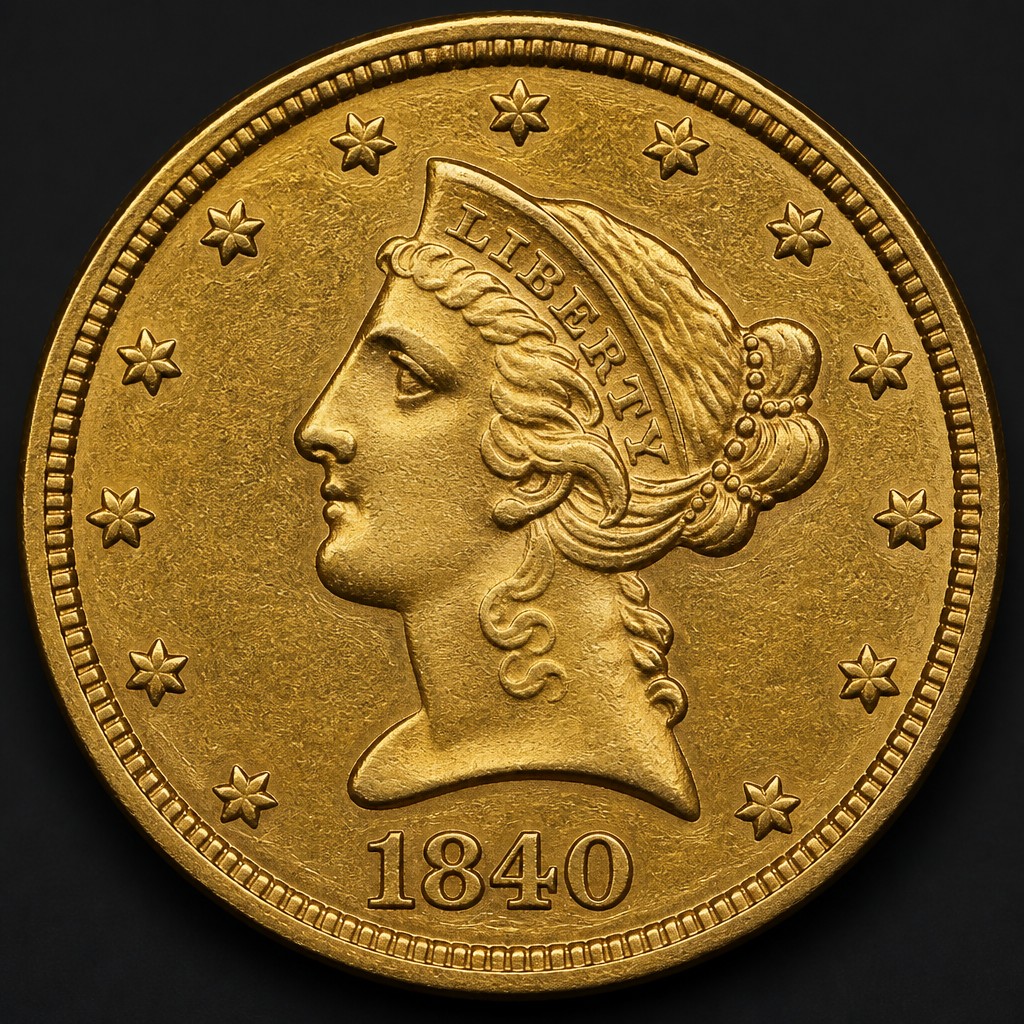
Liberty Head Quarter Eagle ($2.50)
A small 19th-century gold coin featuring Christian Gobrecht's Coronet Head design, minted across many branch facilities during America's gold rush era.
United States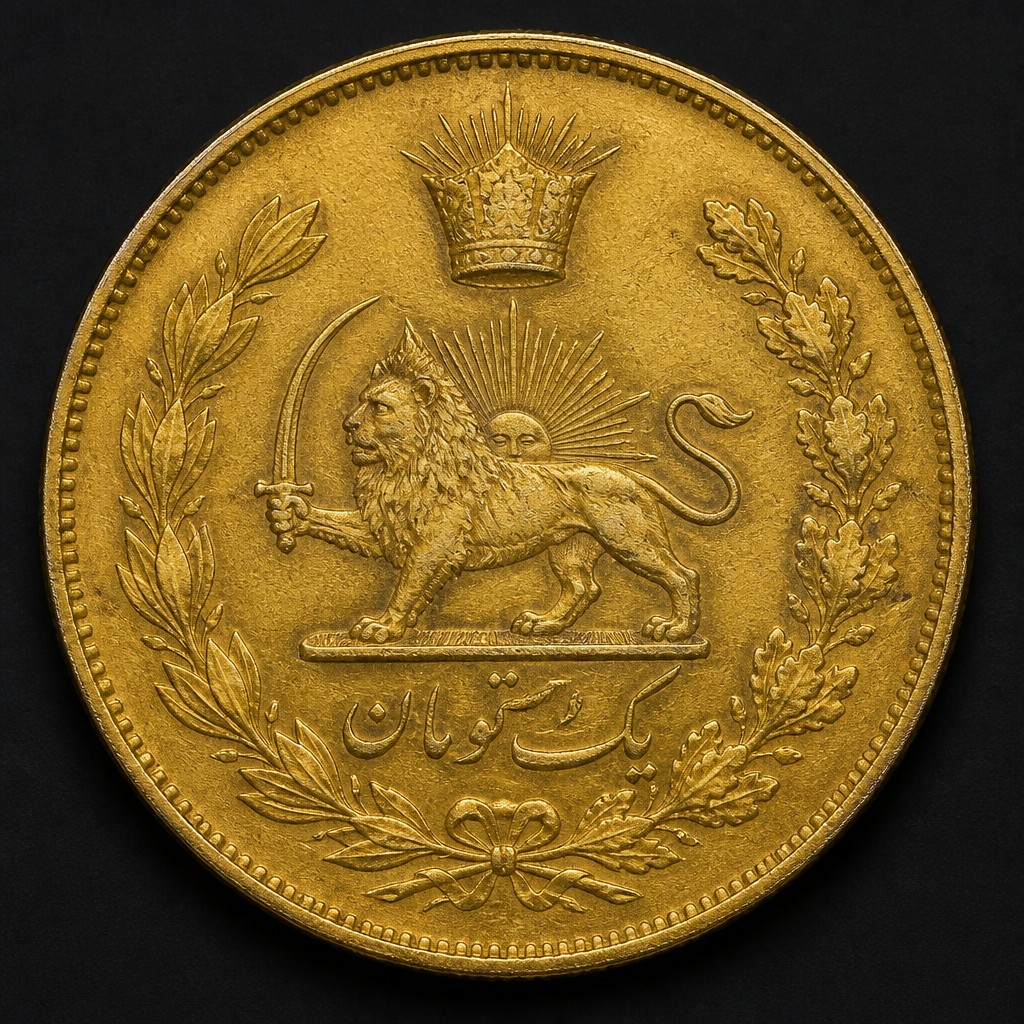
Persian Gold Toman (Qajar)
The principal gold coin of Qajar Persia, valued at ten silver kran, struck under a succession of shahs from the late 18th century until the dynasty's end in 1925.
Asian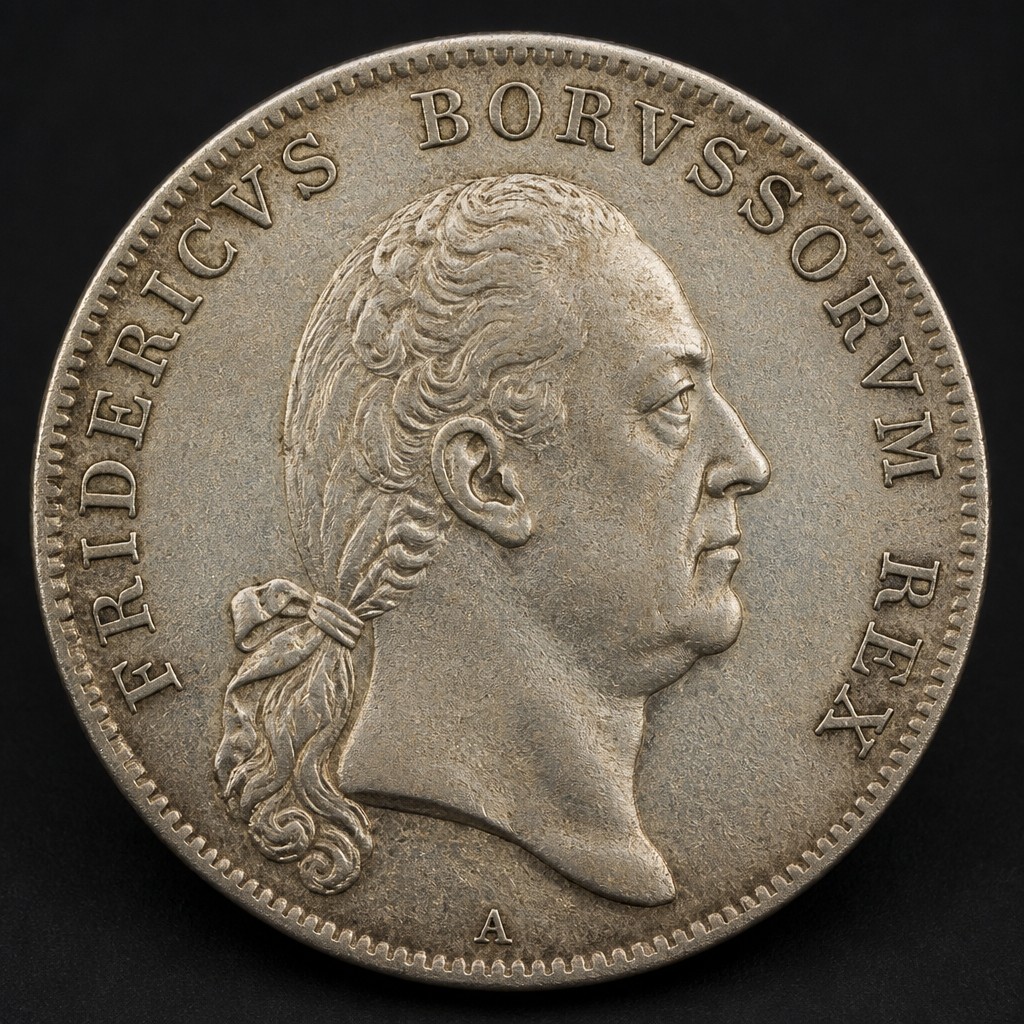
Prussian Thaler
The Prussian Thaler was the leading silver coin of the powerful Kingdom of Prussia, circulating from the mid-18th century until German unification replaced it with the mark in 1871–1873.
European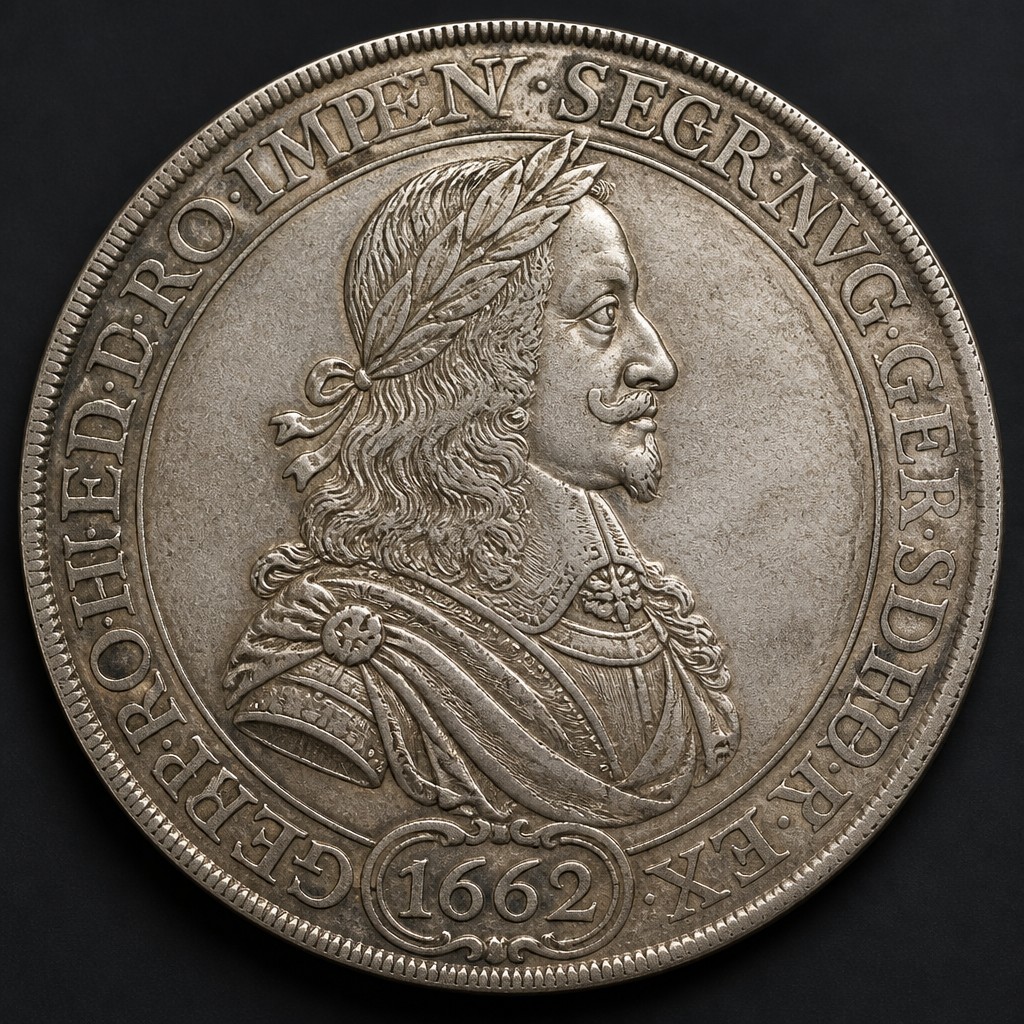
Reichsthaler
The standard large silver coin of the Holy Roman Empire and its constituent German states from the 16th century onward, whose name is the direct linguistic ancestor of the word 'dollar.'
European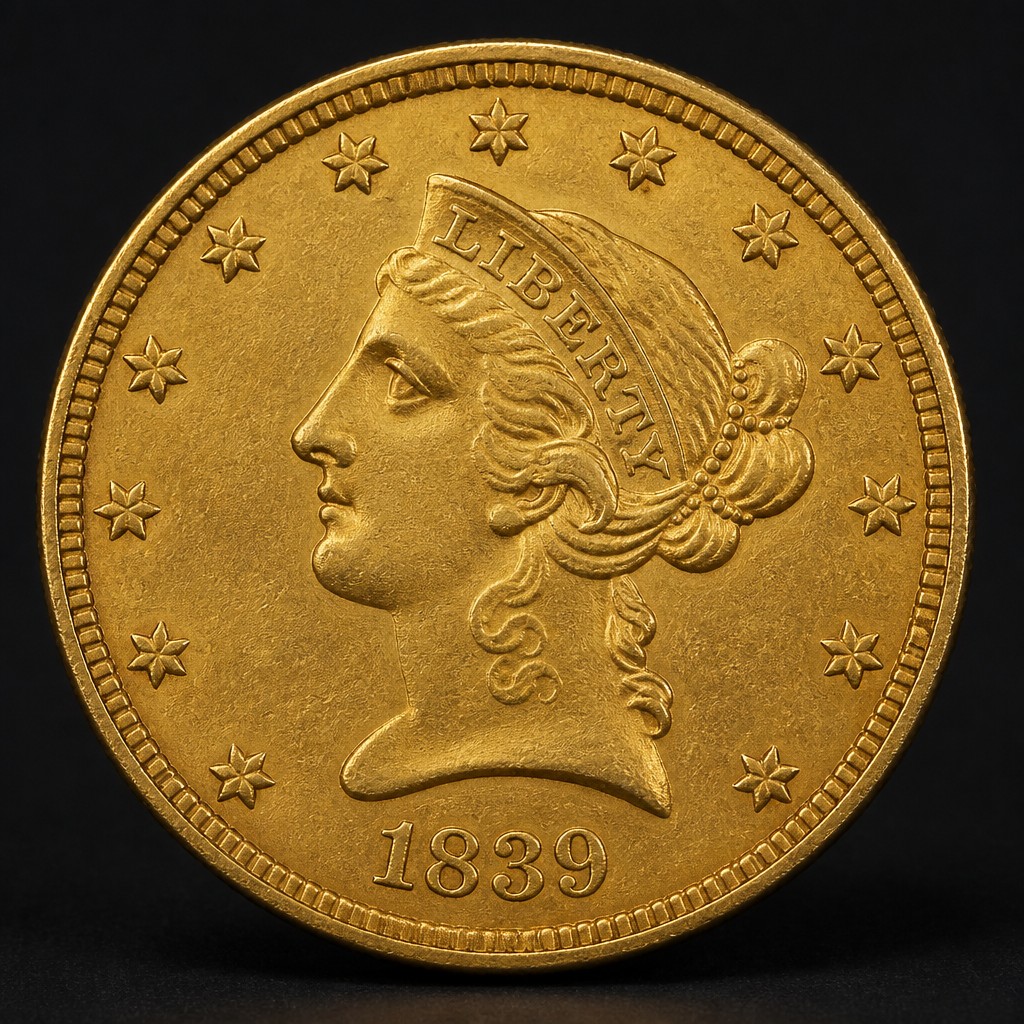
Liberty Head Half Eagle ($5)
A widely produced 19th-century gold five-dollar coin bearing Christian Gobrecht's Coronet Head design, struck across nearly every major American branch mint of the era.
United States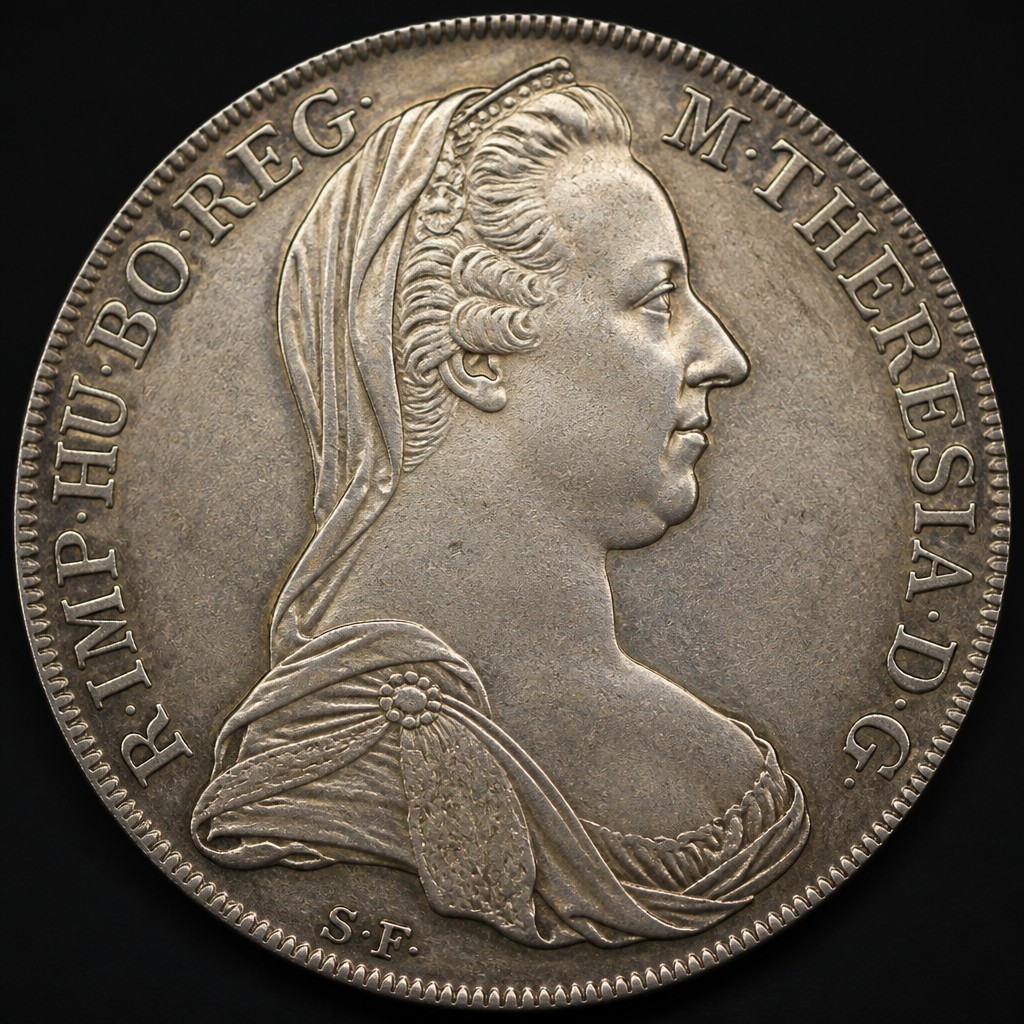
Austrian Levantine Thaler (Maria Theresa Thaler)
A famous silver trade coin bearing the portrait of Empress Maria Theresa, perpetually dated 1780 and restruck for centuries as a trusted trade currency across the Middle East, Arabia, and East Africa.
European