
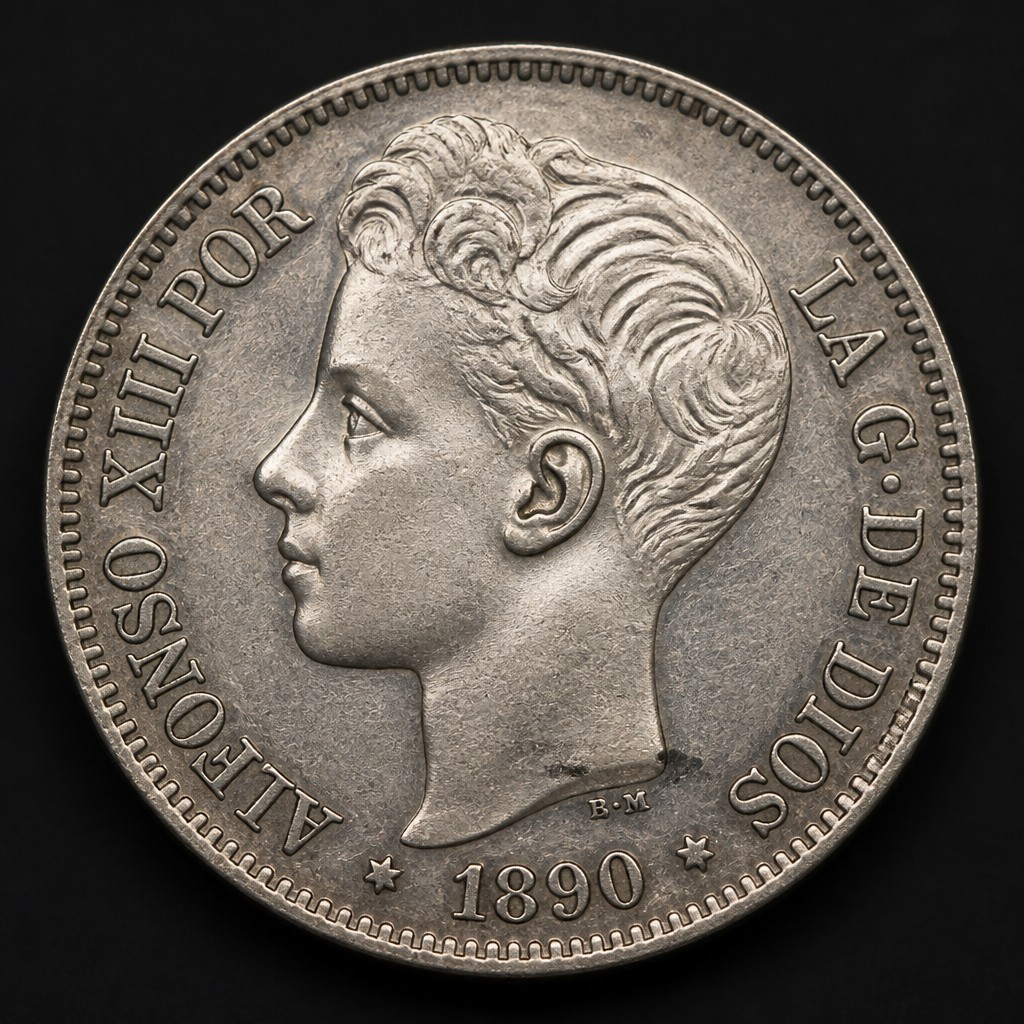
Spanish 5 Pesetas Silver (Duro)
Spain's classic large silver crown coin, popularly nicknamed the 'duro,' issued under several monarchs and a provisional republic in the late 19th century.
- Country
- Spain
- Denomination
- 5 Pesetas
- Metal
- Silver (.900 fine)
Got a coin like this?
Identify any coin from a photo, free.
Overview
The 5 Pesetas silver coin, universally nicknamed the "duro" in everyday Spanish usage, was Spain's principal large silver coin following the country's adoption of the peseta as its national currency in 1868. The nickname persisted in Spanish popular culture as a colloquial term for five pesetas long after the coin itself stopped circulating.
Collectors value the duro series for its variety of portraits spanning the turbulent political period of late 19th-century Spain, including the Provisional Government, the First Republic, King Alfonso XII, and the child-king Alfonso XIII, making it a compact way to collect a cross-section of Spanish political history.
History & Background
Spain adopted the peseta as its national currency in 1868 amid the political upheaval following the overthrow of Queen Isabella II, and the 5 Pesetas silver coin quickly became the country's standard large silver piece, valued at one duro. Various governments issued their own 5 Pesetas types in quick succession: the Provisional Government, the brief First Spanish Republic (1873-1874), and then the restored Bourbon monarchy under Alfonso XII from 1874.
After Alfonso XII's death, coinage continued in the name of his posthumous son and successor Alfonso XIII, first as a young child (giving rise to the famous "baby bust" portrait types nicknamed "Pelon" for his bald-looking child's head) and later as a young man. Silver 5 Pesetas production tapered off in the early 1900s as Spain, like much of Europe, moved toward smaller-denomination or non-precious-metal circulating coinage.
How to Identify
Obverse designs vary by era: the Provisional Government and First Republic issues typically show an allegorical seated or standing female figure representing Spain, while the Alfonso XII and Alfonso XIII issues show a portrait bust of the respective king, including the well-known "baby head" bust of the young Alfonso XIII. The reverse generally displays the Spanish coat of arms within a wreath, with the denomination and date.
The coin is a large silver crown, approximately 37 mm in diameter and 25 grams in weight at .900 fineness, making it comparable in size to other major European 5-unit silver coins of the era such as the French 5 Francs or Italian 5 Lire. Mint marks and assayer initials from the Madrid mint appear on the edge or in small print within the design.
Collectors distinguish individual duro types primarily by the ruling government or monarch depicted and the specific date, since the political turnover of the era produced several visually distinct types within a fairly short span of years.
Value & Collectibility
Values vary widely depending on the specific type, date, and condition, with certain dates from the First Republic and early Alfonso XII/XIII period being notably scarcer and more valuable than common dates. Some key dates within the series are recognized among specialists as genuinely rare and can command significant premiums.
Common-date duros in circulated condition are generally affordable and trade close to silver melt value with a modest numismatic premium, while choice uncirculated examples or rare dates can be worth substantially more. As with most 19th-century European silver, condition and specific date are the primary determinants of value within this popular series.
Frequently asked questions
Why is the 5 Pesetas coin called a 'duro'?
Duro became the everyday Spanish nickname for the 5 pesetas denomination, a colloquial usage that persisted in Spanish speech long after the physical coin left circulation.
What is the 'Pelon' bust?
It's the collector nickname for the portrait of young Alfonso XIII as a child, whose short haircut on the coin gave it a bald-looking appearance, hence 'pelon' (roughly 'baldy').
Which governments issued 5 Pesetas coins?
The Provisional Government, the First Spanish Republic, and the restored Bourbon monarchy under Alfonso XII and Alfonso XIII all issued their own 5 Pesetas types between 1869 and the early 1900s.
Are all duros valuable?
No, common dates in worn condition are generally affordable, though certain scarce dates and higher grades can be considerably more valuable.
Other coins you may enjoy
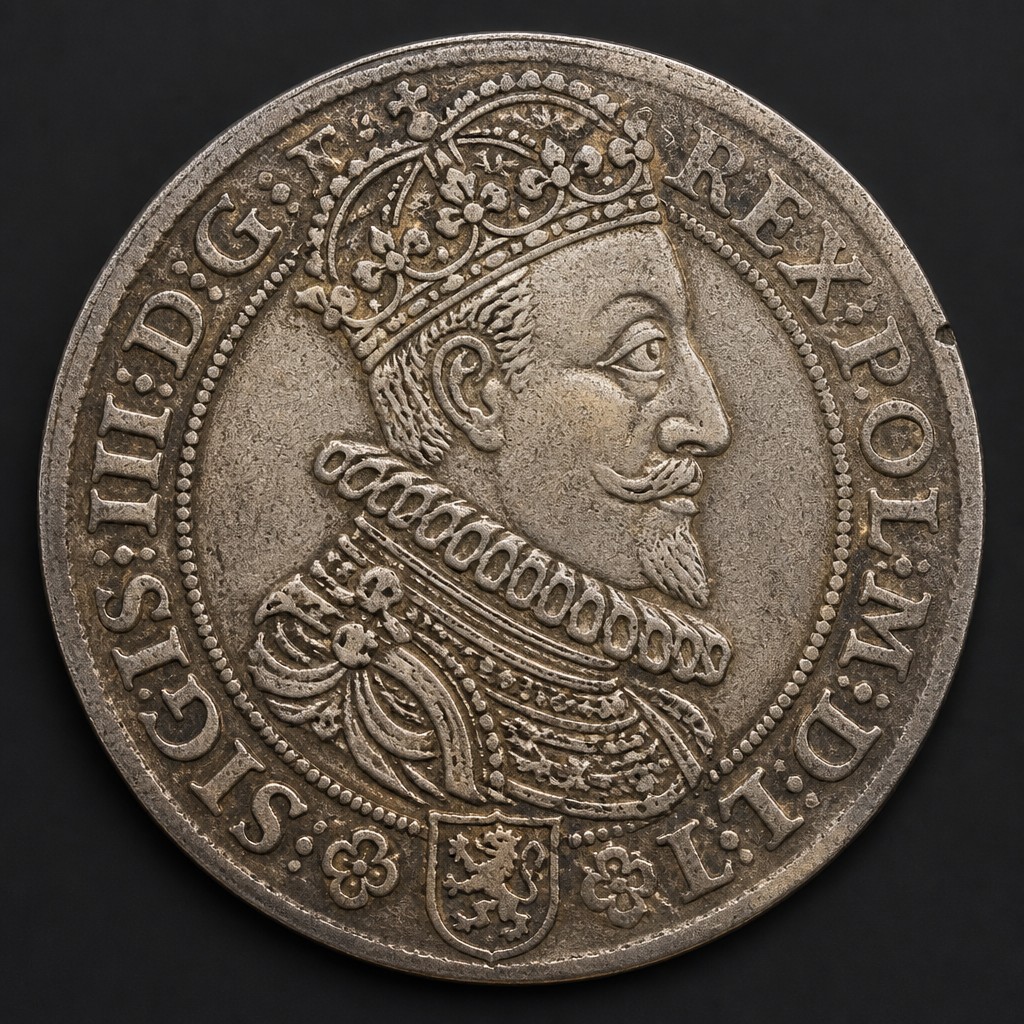
Polish-Lithuanian Thaler
circa 16th–18th century
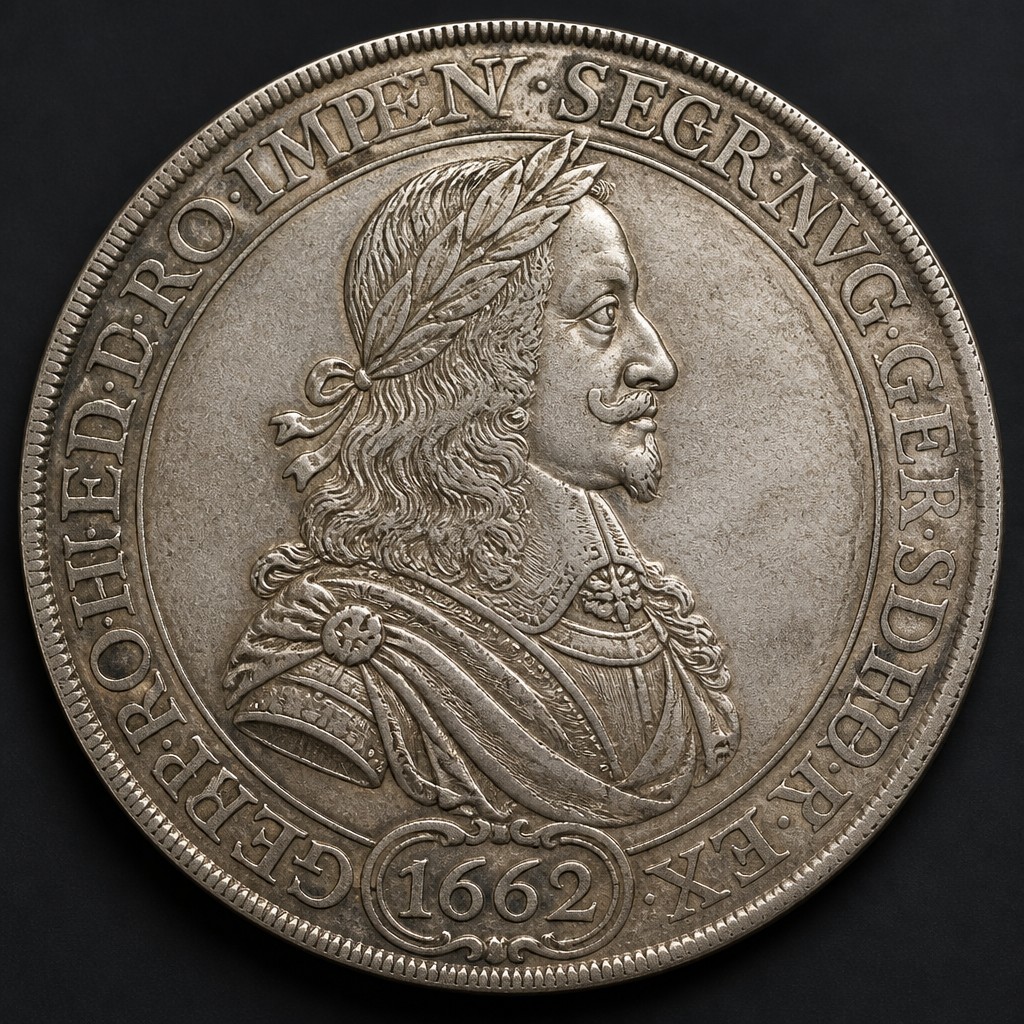
Reichsthaler
circa 1566–early 19th century
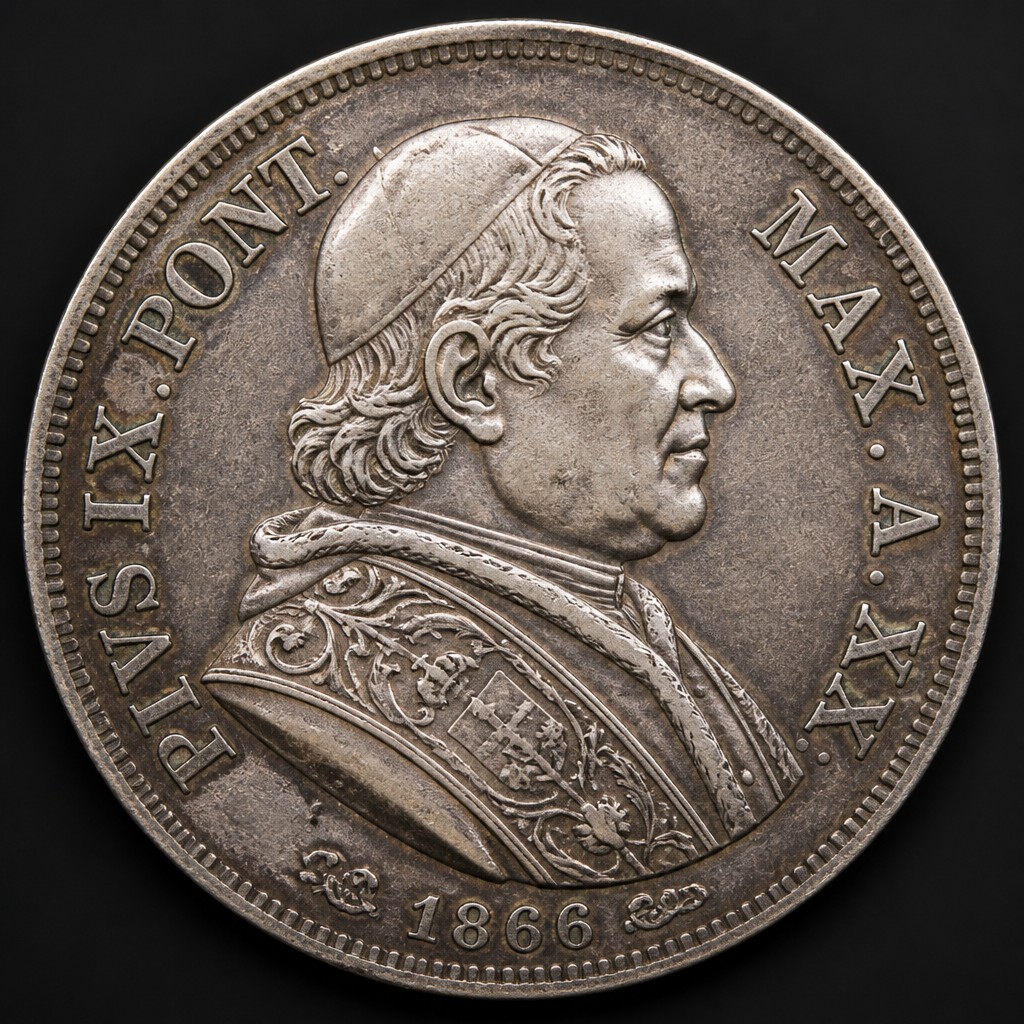
Papal States Scudo
16th century–1866
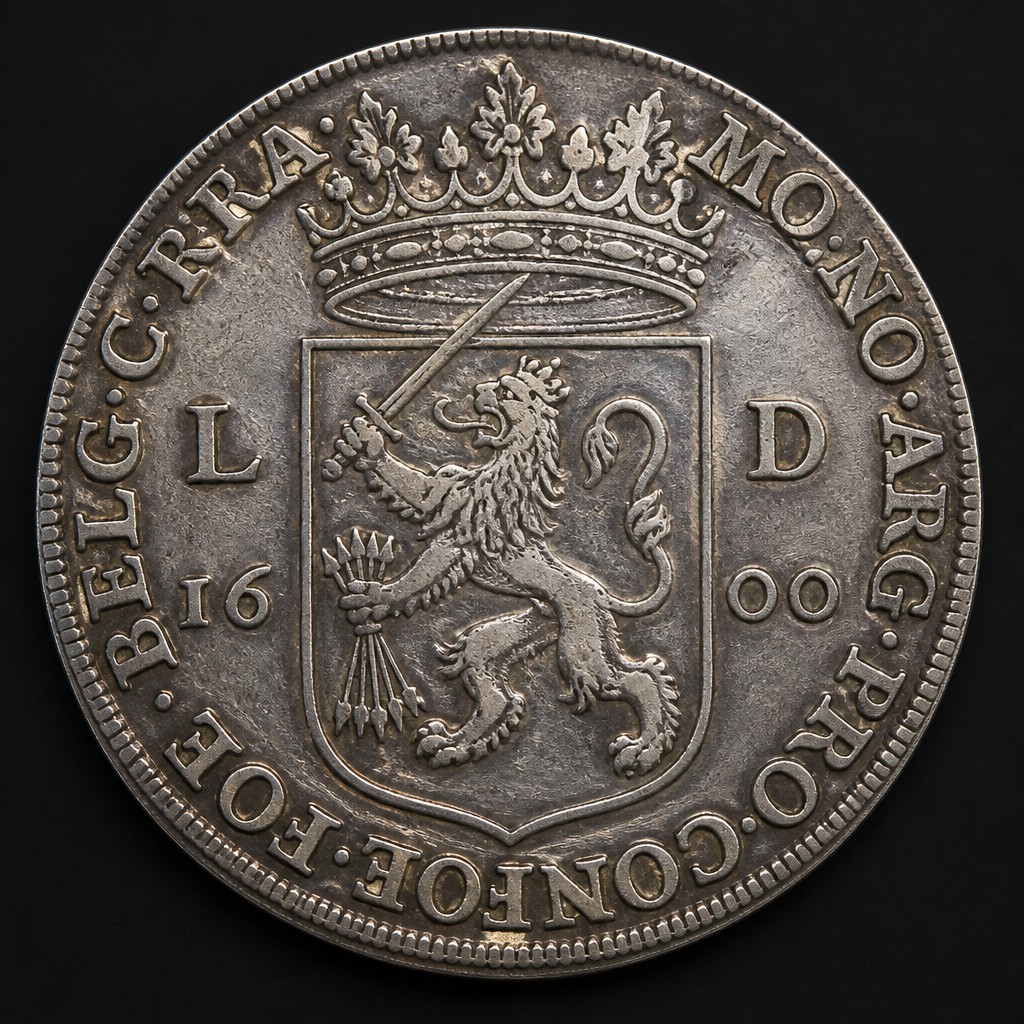
Netherlands Lion Daalder (Leeuwendaalder)
1575–1713
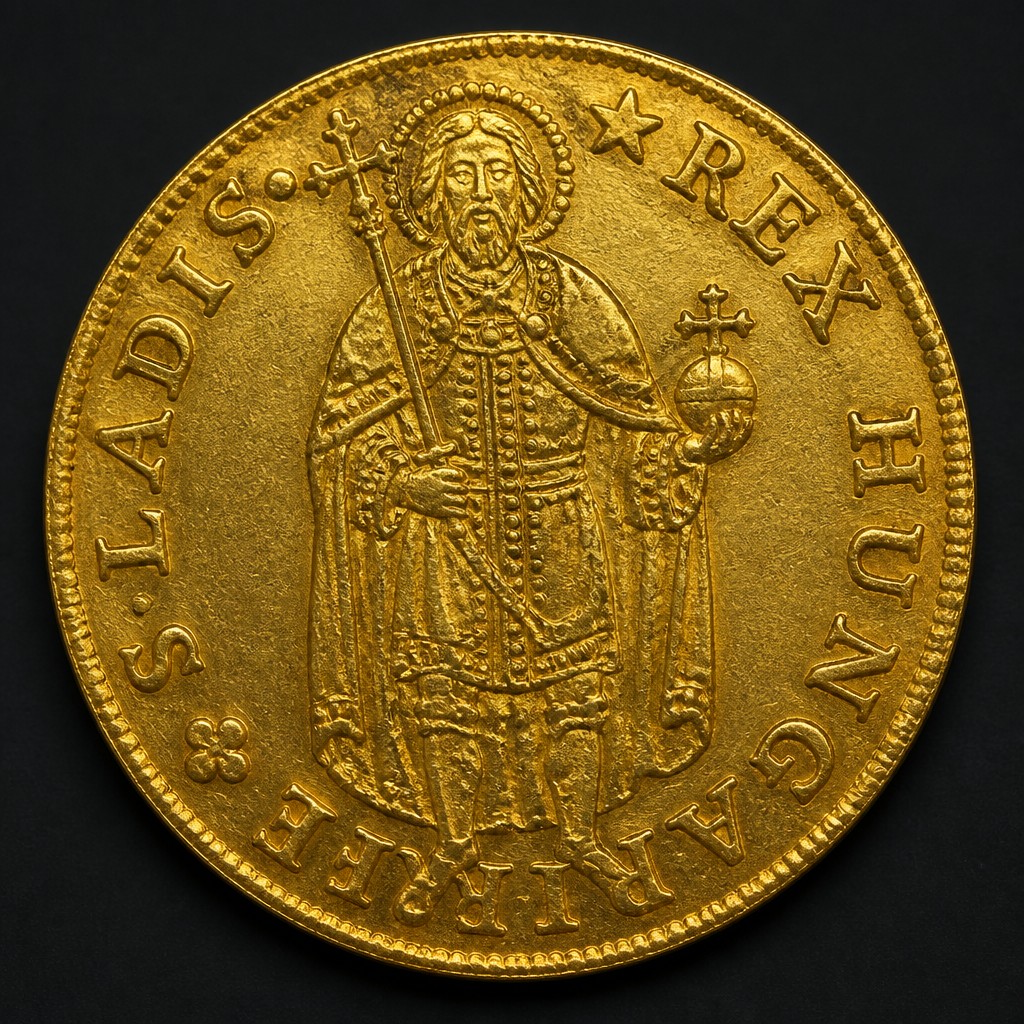
Hungarian Ducat
c. 1325–1918
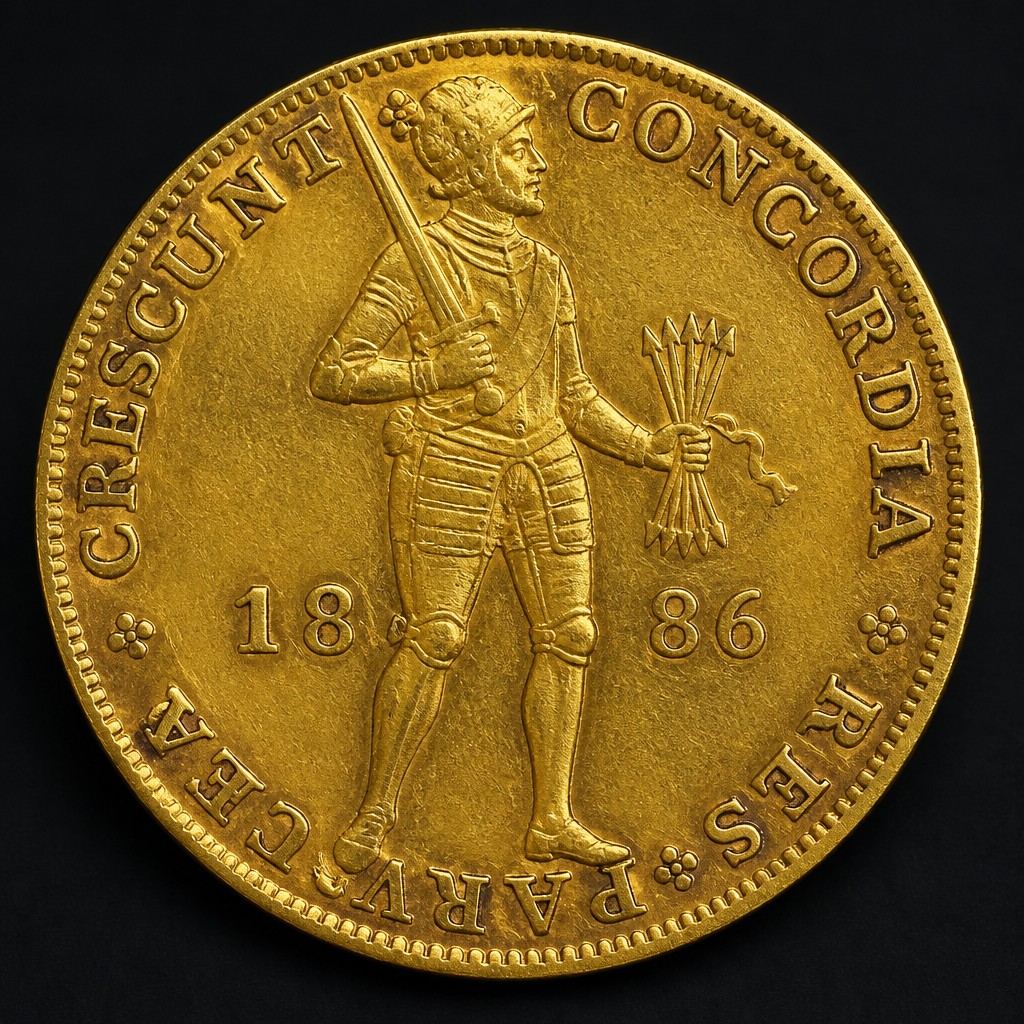
Dutch Ducat
c. 1586–present (classic type standardized after 1817)
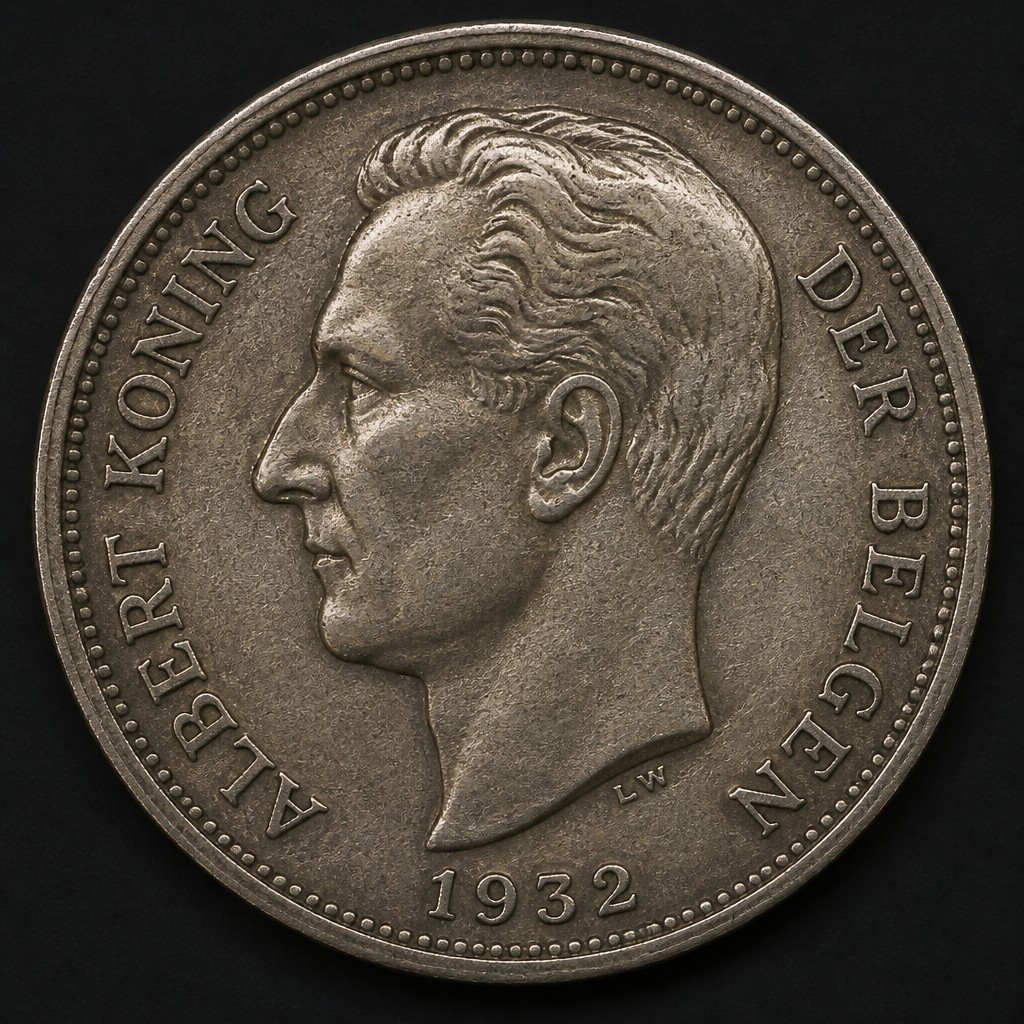
Belgian Franc
1832–2002
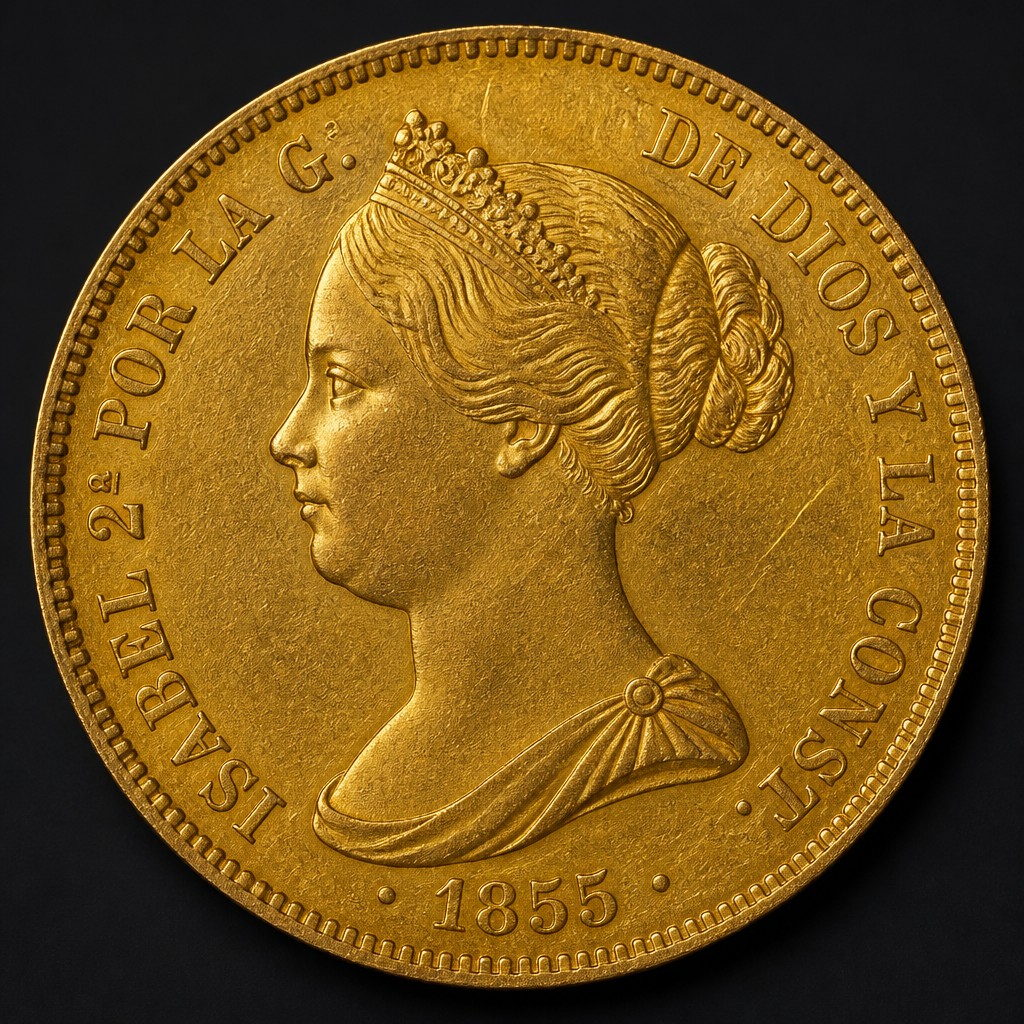
Spanish 100 Reales Gold (Isabel II)
1850s–1868
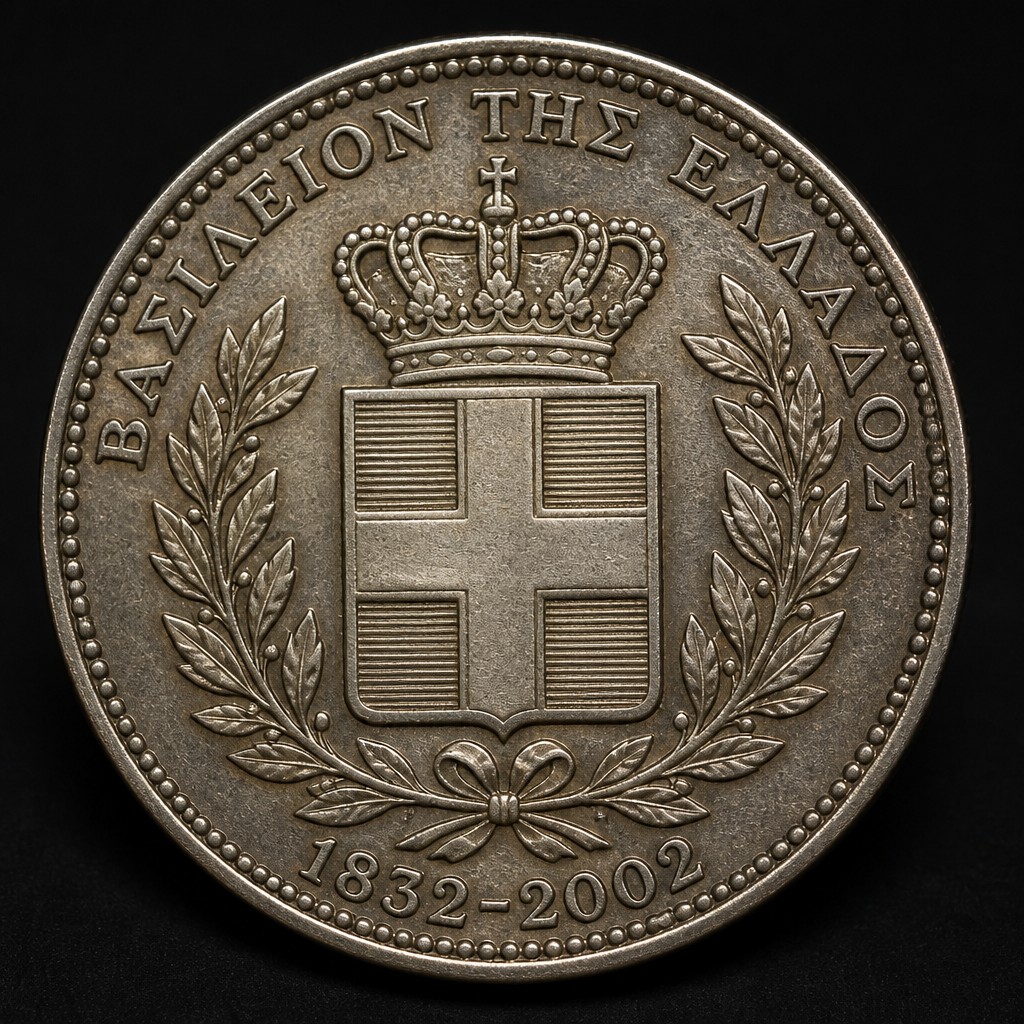
Greek Drachma
1832–2002
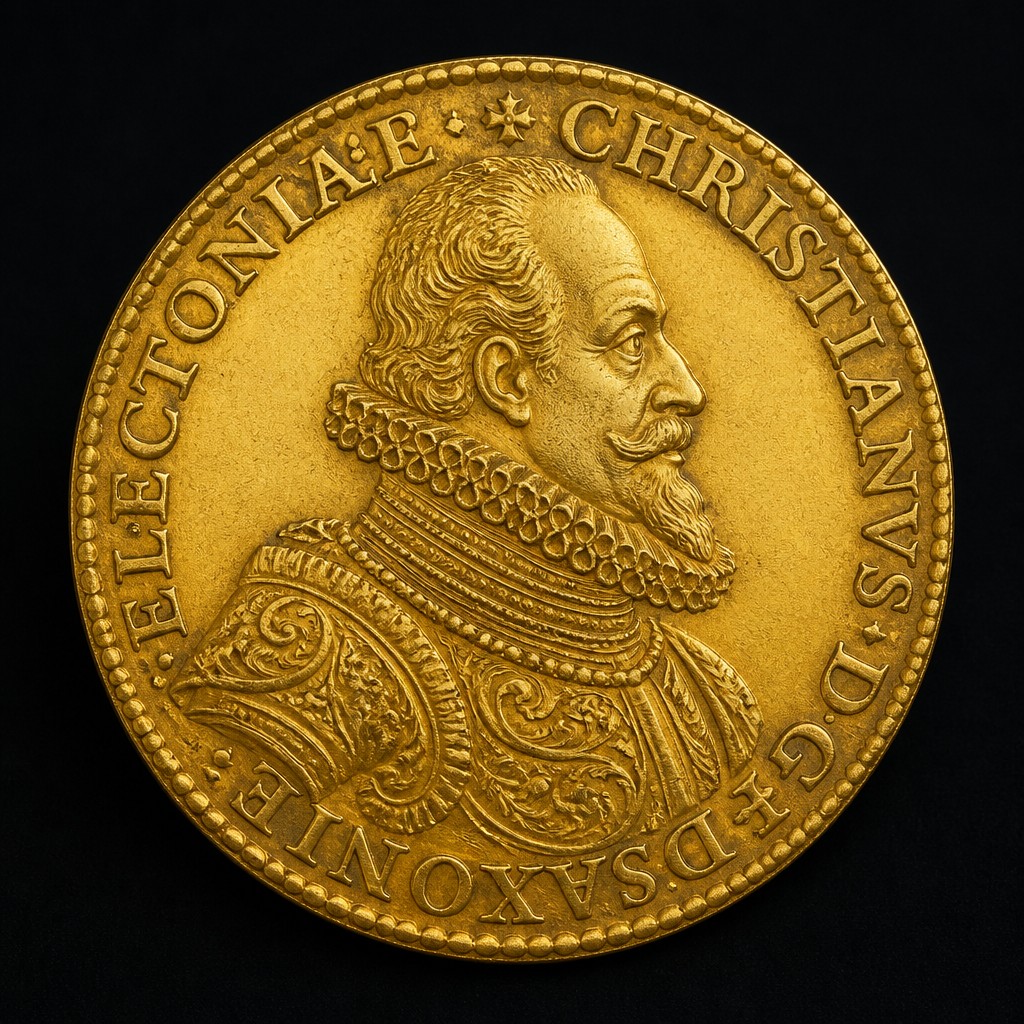
German Saxony Ducat
16th century–19th century
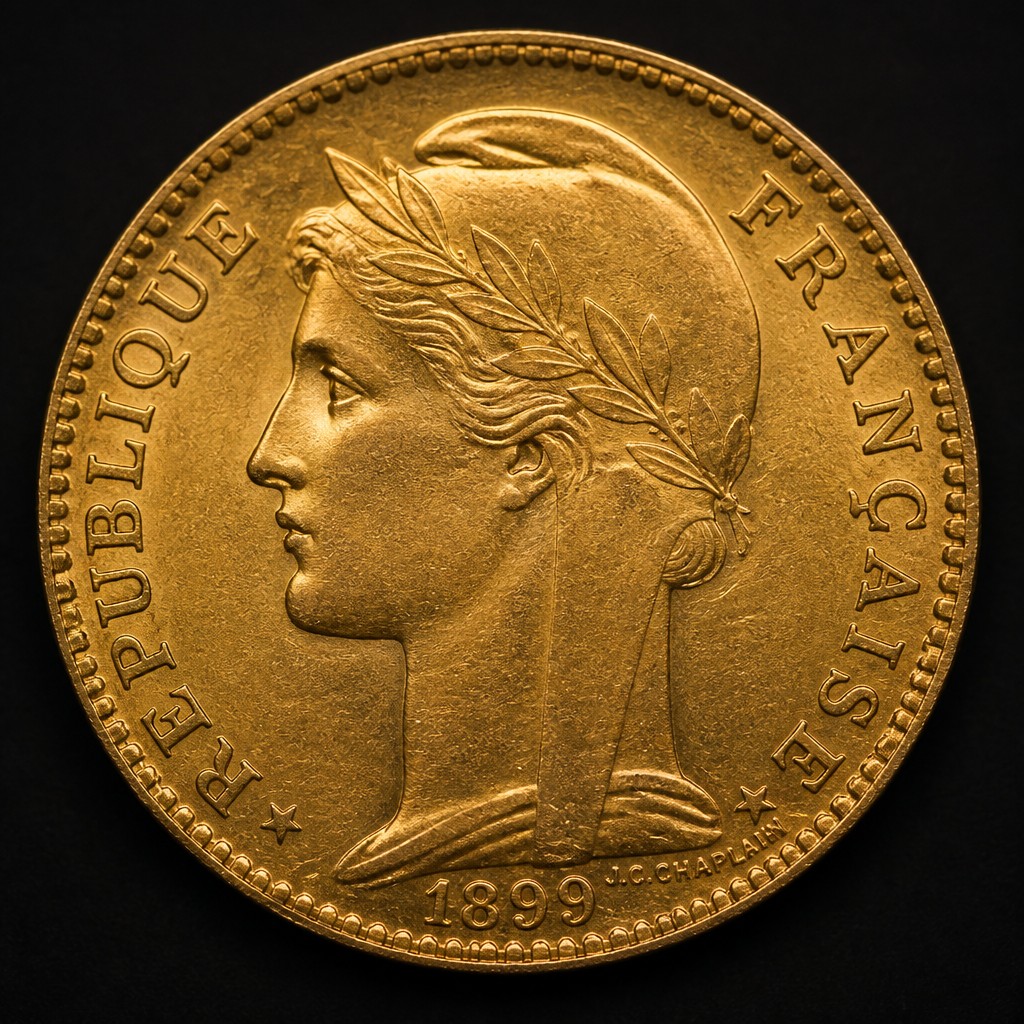
French 10 Francs Gold (Napoleon Rooster)
1899–1914
Netherlands 5 Gulden Gold
1826–1912 (intermittent)