
Coin Encyclopedia
Search and identify coins from around the world — with country, denomination, metal, mint, history, and how to tell them apart.
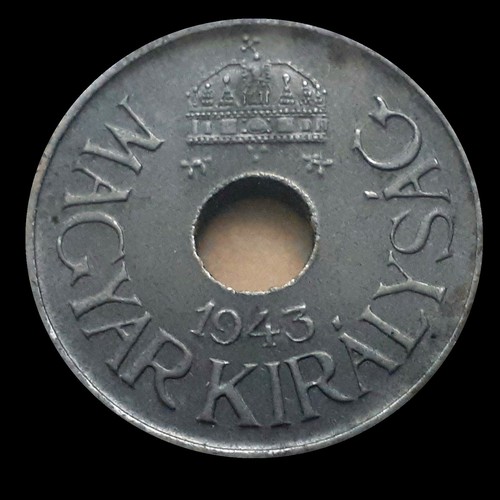
20 Fillér
An early 20th-century Hungarian 20 fillér, a small base-metal coin showing the crowned Hungarian coat of arms and the FILLÉR minor denomination.
Modern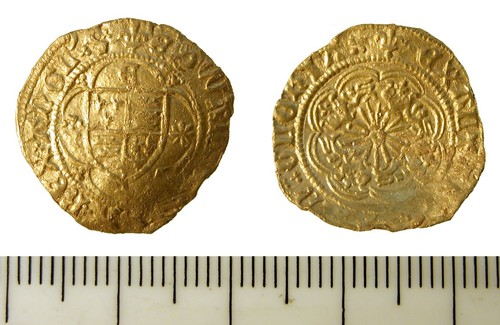
Edward IV Quarter Ryal
Small English medieval gold coin of Edward IV, bearing the crowned royal arms and an ornate radiate cross with a rose-on-sun at its center.
Medieval Coins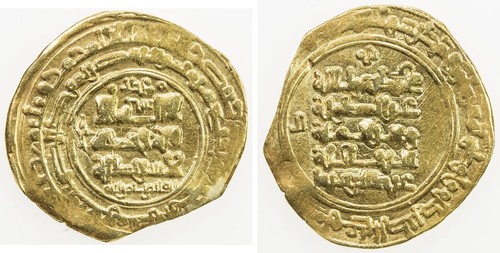
Ghaznavid Dinar
Gold dinar of the Ghaznavid dynasty (c. 10th–11th century), an epigraphic Islamic coin struck at Ghazna and allied mints in Afghanistan.
Medieval Islamic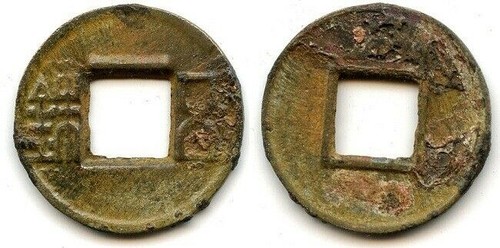
Wu Zhu Cash
A round Han-dynasty bronze cash coin with a central square hole and two seal-script characters, Wu Zhu, naming its weight of five zhu.
Cash Coin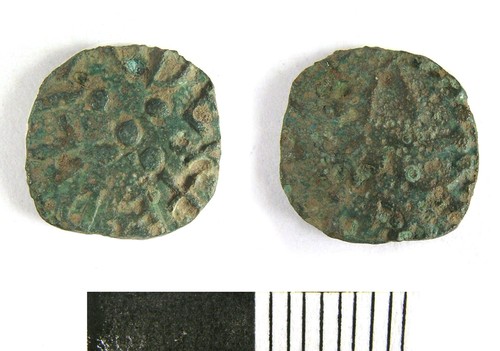
Anglo-Saxon Styca
A tiny base-metal coin of the Anglo-Saxon kingdom of Northumbria, struck in the 8th-9th century with a head and inscription on one side and a cross on the other.
Medieval Coins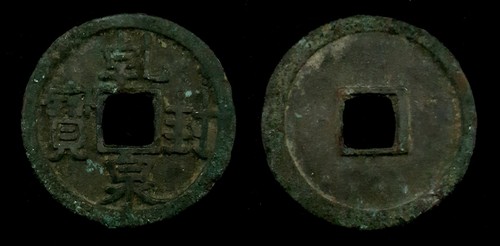
Qian Feng Quan Bao
A round bronze Tang cash coin with a square center hole, cast under Emperor Gaozong in the short-lived Qianfeng era and worth ten ordinary cash.
Cash Coin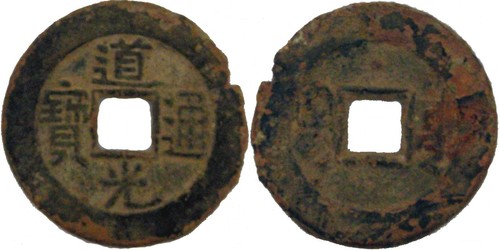
Daoguang Tongbao
A round Chinese bronze cash coin with a square center hole, cast under the Qing emperor Daoguang; this example bears the Bao Quan mint mark.
Cash Coin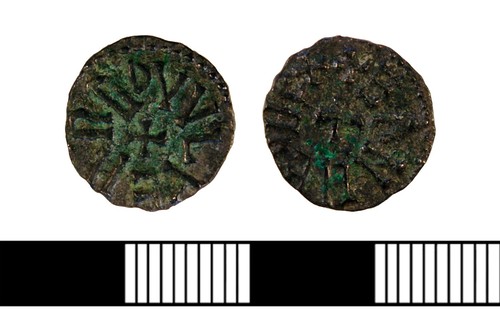
Styca of Eanred
Small base-metal coin of King Eanred of Northumbria, with a cross and legend on one face and a central symbolic motif on the other.
Medieval Coins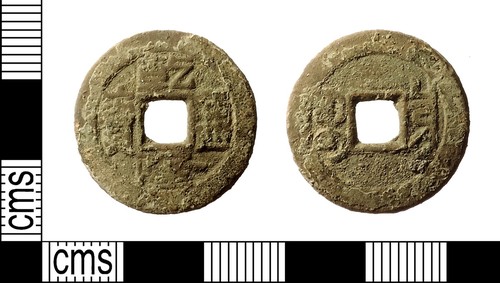
Ban Liang
A round bronze cash coin with a square central hole and two seal-script characters reading Ban Liang, from early imperial China.
Ancient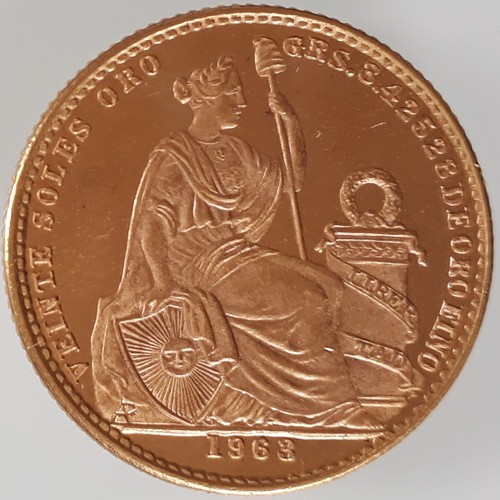
20 Soles de Oro
A Peruvian gold 20 soles de oro showing a seated Liberty with crown, torch and radiant sun, part of Peru's mid-20th-century gold coinage.
Circulation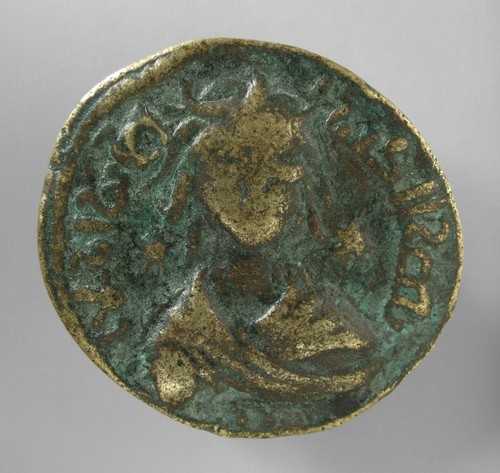
Artuqid Bronze Dirham
A 12th-century bronze coin of the Artuqid Turkmen dynasty, struck with Arabic inscriptions inside ornamental borders across eastern Anatolia.
Medieval Islamic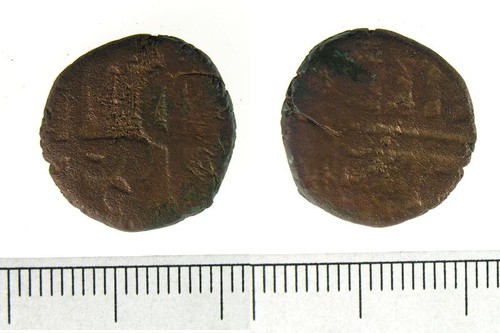
Indian Paisa
A hand-struck copper paisa from early 19th-century India, its legends worn smooth by age and circulation. A humble base-metal coin of everyday commerce.
Princely & Presidency States
Qianlong Tongbao (An Nam)
A bronze round cash coin with a square center hole bearing the four characters Qianlong Tongbao, cast in An Nam (Vietnam) in the imitative Chinese style.
Cash Coin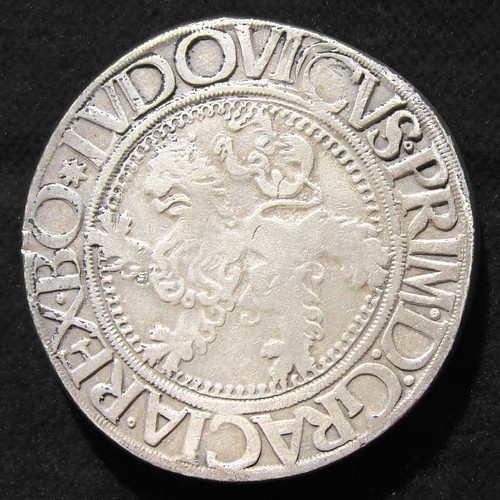
Joachimsthaler (Thaler)
A large early-16th-century Bohemian silver thaler from Joachimsthal, dated 1525; the coin whose name gave rise to the words 'thaler' and 'dollar'.
Early Modern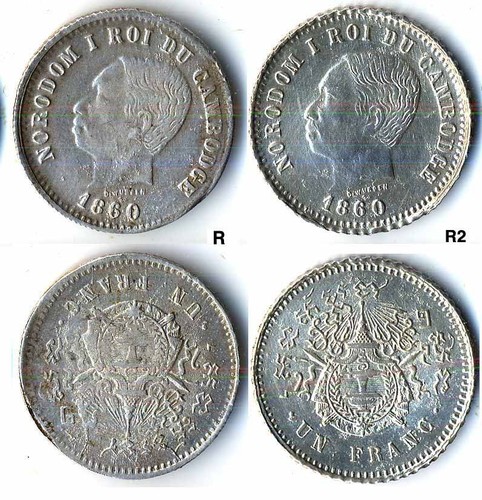
Cambodia One Franc
A mid-20th-century one-franc coin of the Kingdom of Cambodia, its obverse bearing a royal Norodom profile and its reverse a heraldic coat of arms.
Southeast Asia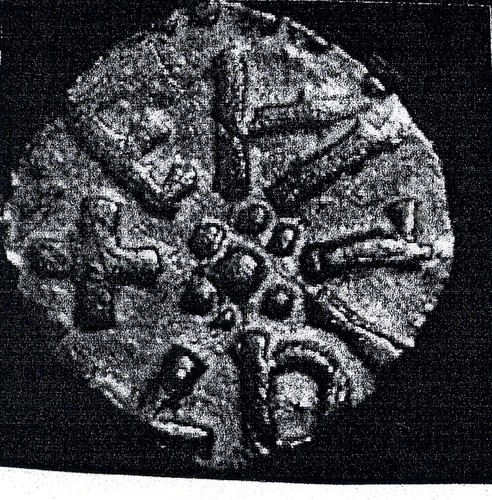
Styca of Aethelred
Small base-metal coin of the Anglo-Saxon kingdom of Northumbria, naming King Aethelred, with a central device and legend on one face and a cross on the other.
Medieval Coins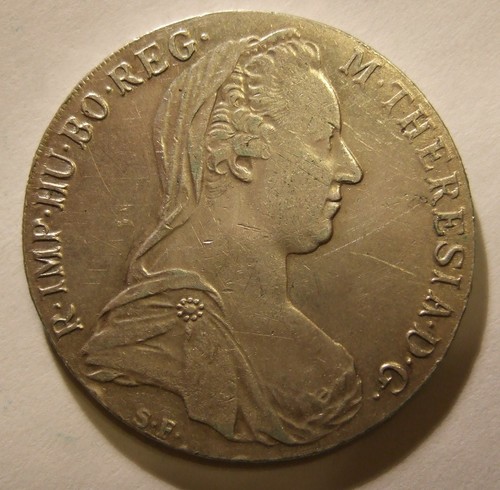
Maria Theresa Thaler
A large silver Austrian trade coin bearing the bust of Empress Maria Theresa, famously frozen at the date 1780 and restruck for centuries.
World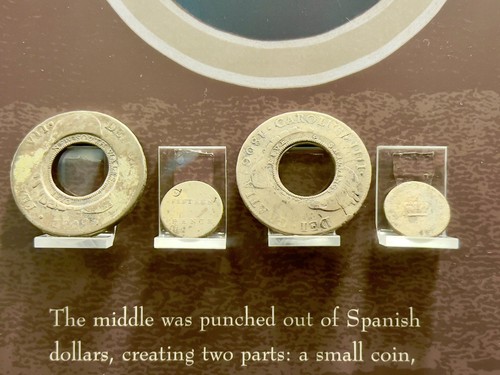
Holey Dollar
Australia's first struck coin: a Spanish silver dollar with its centre punched out, counterstamped NEW SOUTH WALES 1813 and revalued at five shillings.
Australian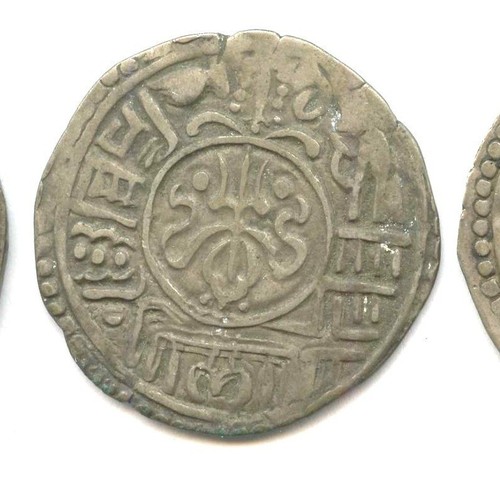
Tibetan Tangka
A silver tangka, the standard coin of old Tibet, its faces filled with Tibetan script and Buddhist ornamental motifs, struck from the late 18th into the 19th century.
Himalayan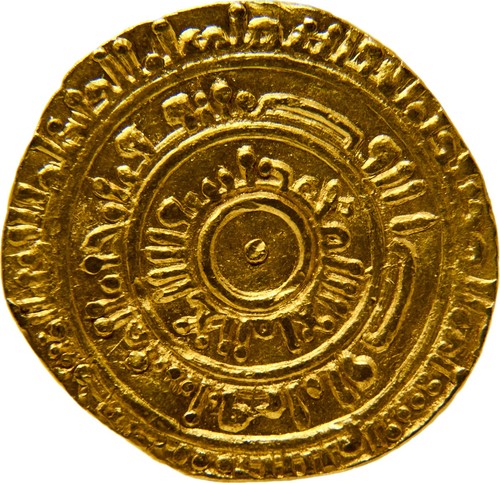
Fatimid Dinar of Imam Nizar
An 11th-century Fatimid gold dinar with concentric circular Kufic inscriptions naming the ruler and Shi'a invocations, a hallmark of Fatimid coinage.
Islamic (Medieval)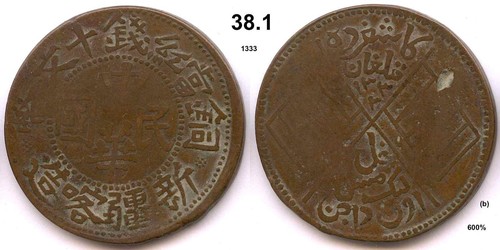
Aksu Mint 10 Cash
A struck copper 10 cash coin from the Aksu mint in Xinjiang, with Chinese characters and a denomination mark in a circular layout, without a central hole.
Cash Coin