
Coin Encyclopedia
Search and identify coins from around the world — with country, denomination, metal, mint, history, and how to tell them apart.
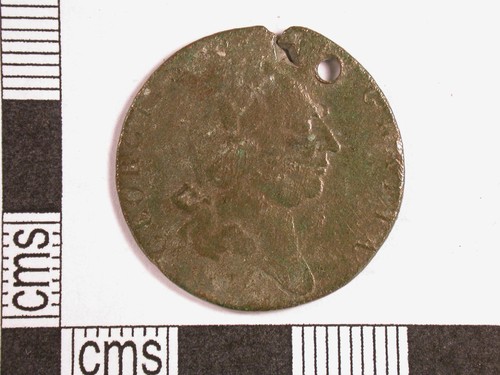
Guinea Counter (Imitation)
A brass or bronze gaming counter made to imitate a George III guinea, showing a faint male profile and a shield reverse; a token, not money.
Token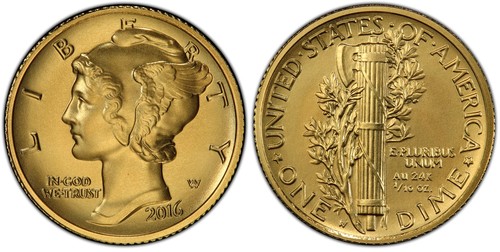
Mercury Dime Centennial Gold
A 2016-W gold collector coin marking the centennial of the 1916 Mercury dime, struck in 1/10 oz of 24-karat gold at West Point.
Dime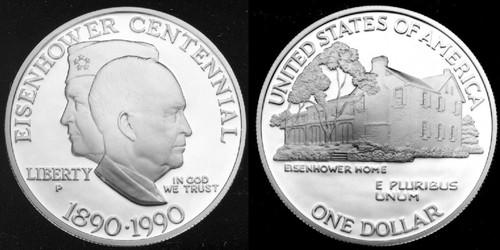
Eisenhower Centennial Dollar
A 1990 U.S. commemorative silver dollar marking 100 years since Dwight D. Eisenhower's birth, with his left-facing profile and his Gettysburg home on the reverse.
Dollar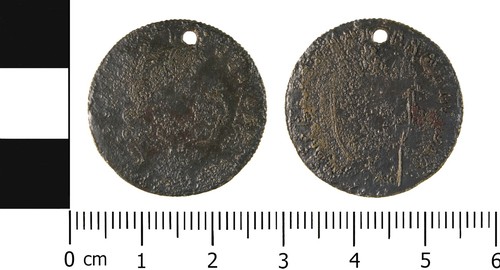
Imitation Guinea Gaming Piece
A brass or bronze token imitating a George III spade guinea, made for card games and gaming tables rather than as legal-tender money.
British Isles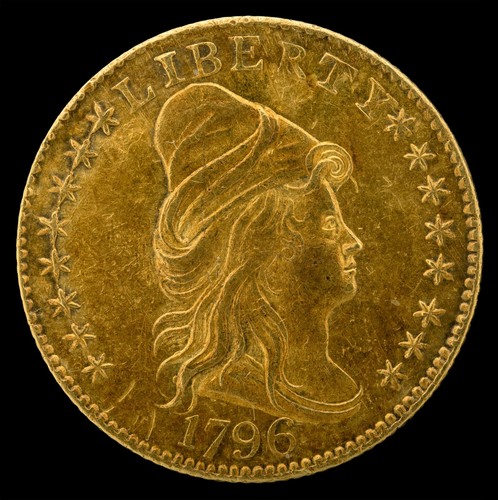
Turban Head Quarter Eagle
First U.S. $2.50 gold coin (1796), designed by Robert Scot; Liberty in a soft cap facing right with a heraldic eagle reverse. Extremely rare.
United States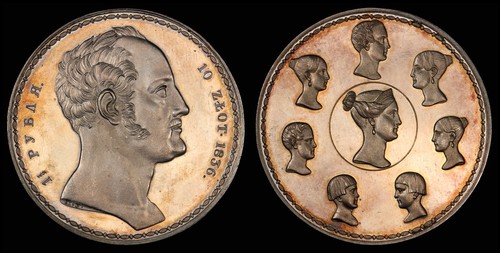
1½ Roubles
A large silver crown of Tsar Nicholas I, dual-valued at 1½ Roubles and 10 Zlotych for Russia and Congress Poland, with an eagle bearing many shields.
Modern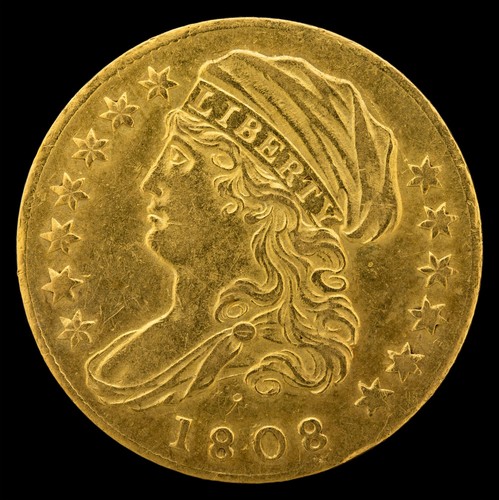
Capped Bust Quarter Eagle
A one-year U.S. gold $2.50 piece struck only in 1808, with John Reich's capped Liberty obverse and a heraldic eagle reverse. A classic rarity.
Quarter Eagle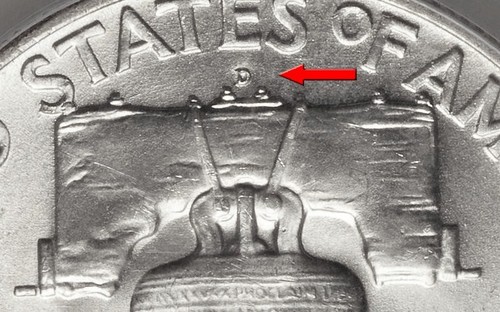
Franklin Half Dollar
U.S. 90% silver fifty-cent piece struck 1948–1963, with Benjamin Franklin's profile and a Liberty Bell reverse flanked by a small eagle.
Half Dollar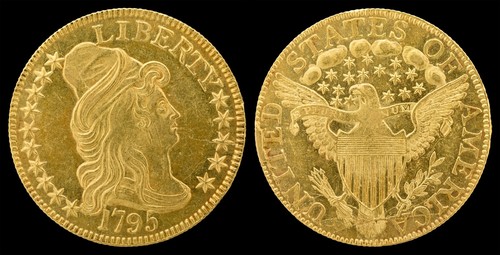
Turban Head Half Eagle
First U.S. gold $5 coin, 1795: Liberty in a soft cap facing right, with a heraldic shield-breasted eagle reverse struck in 22-karat gold.
Half Eagle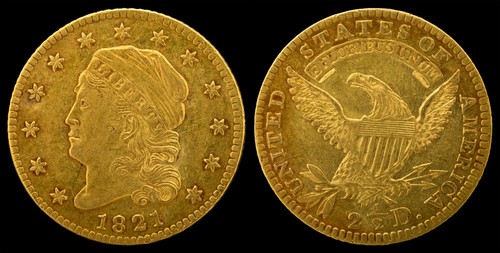
Capped Head Quarter Eagle
A rare early U.S. $2.50 gold coin struck 1821–1834, showing a left-facing capped Liberty head amid stars and a heraldic eagle with shield and E PLURIBUS UNUM.
United States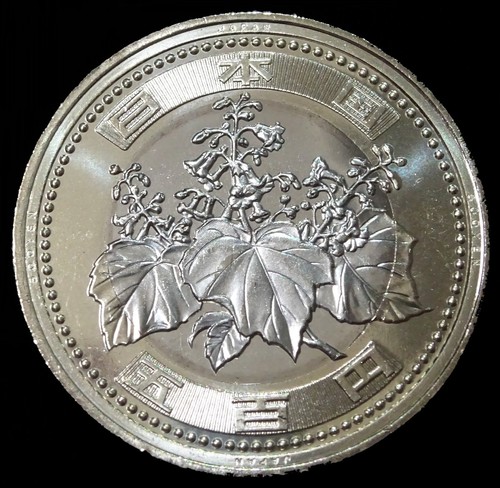
500 Yen Bicolor Clad
Japan's large two-tone 500 yen circulation coin, with a floral blossom design and pearl-like beading on one face and bold value numerals on the other.
Circulation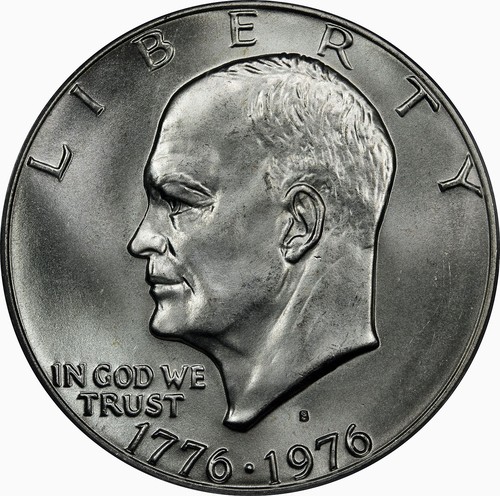
Eisenhower Dollar Bicentennial
U.S. one-dollar coin for the 1976 Bicentennial, with Eisenhower's profile and a special Liberty Bell superimposed on the Moon reverse.
Dollar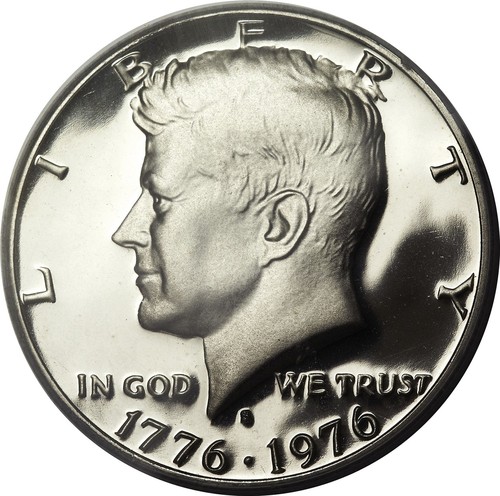
Kennedy Half Dollar Bicentennial
U.S. fifty-cent piece issued for the 1976 Bicentennial, pairing the Kennedy portrait with a Liberty Bell reverse and the dual date 1776-1976.
Half Dollar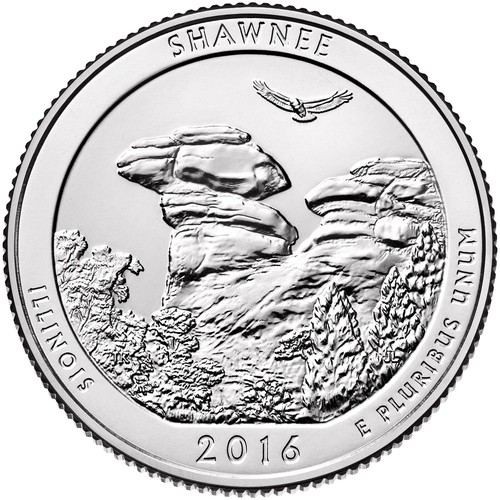
Shawnee Quarter
2016 U.S. America the Beautiful quarter honoring Shawnee National Forest in Illinois, showing the rock formations at Garden of the Gods.
Quarter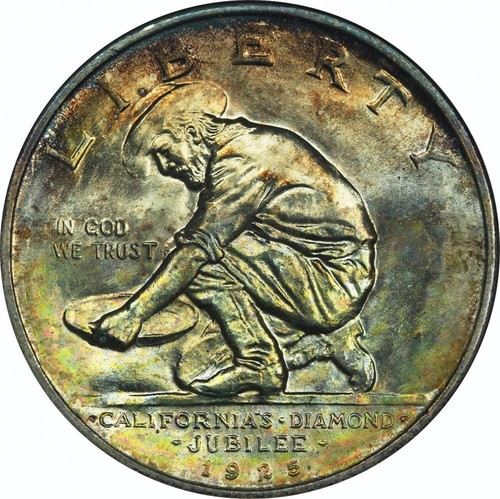
California Diamond Jubilee Half Dollar
A 1925 U.S. silver commemorative half dollar marking California's 75th year of statehood, designed by Jo Mora with a gold miner and a grizzly bear.
Classic Commemorative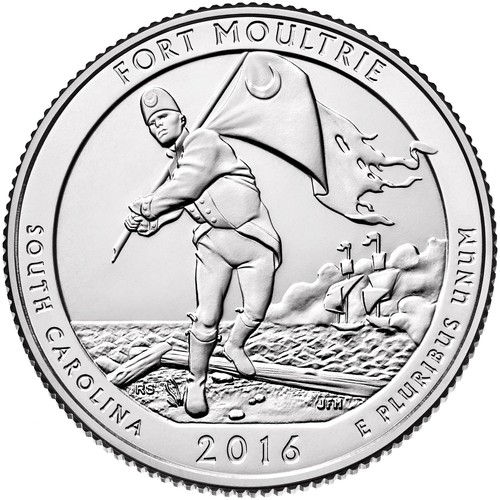
Fort Moultrie Quarter
2016 U.S. copper-nickel clad 25-cent piece, the final America the Beautiful quarter, showing a Continental soldier with a flag defending Fort Moultrie, South Carolina.
Quarter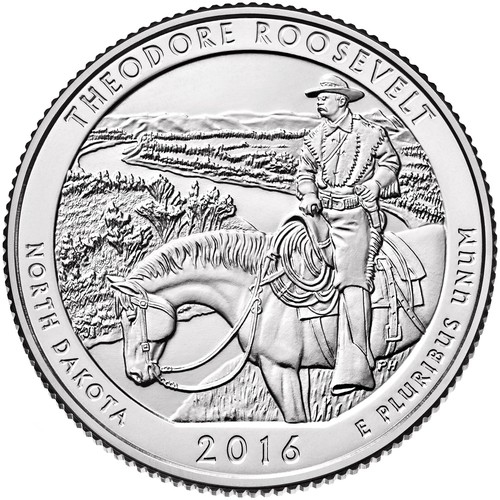
Theodore Roosevelt Quarter
U.S. 25-cent America the Beautiful quarter for 2016, showing a young Theodore Roosevelt on horseback with the inscription THEODORE ROOSEVELT / NORTH DAKOTA.
Quarter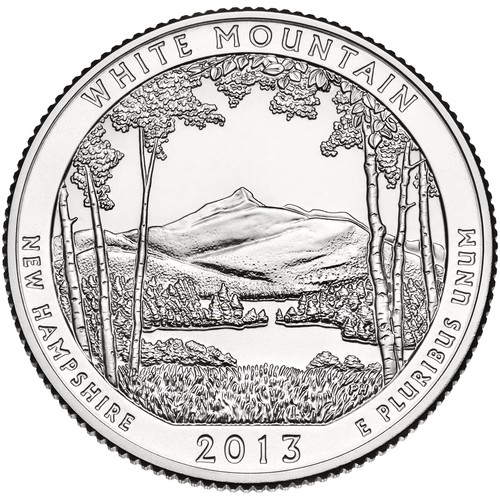
White Mountain Quarter
2013 America the Beautiful quarter for White Mountain National Forest (NH), showing Mount Chocorua and birch trees over Chocorua Lake.
Quarter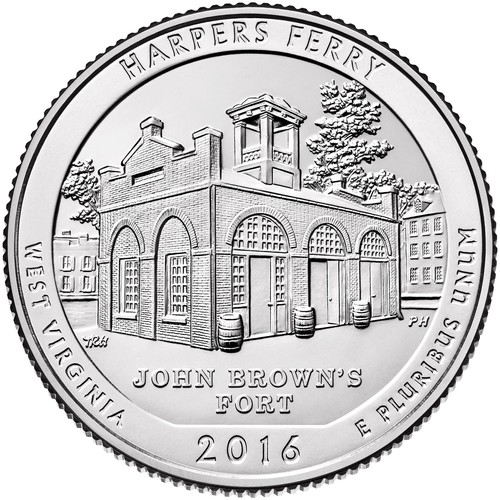
Harpers Ferry Quarter
U.S. 25-cent coin from the 2016 America the Beautiful series, showing John Brown's Fort at Harpers Ferry National Historical Park, West Virginia.
Quarter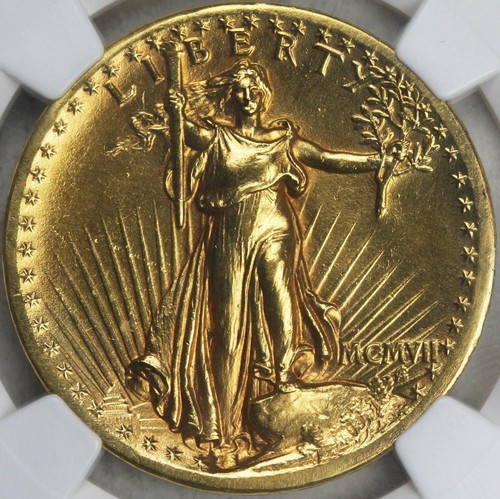
Saint-Gaudens Double Eagle
United States $20 gold coin (1907–1933) designed by Augustus Saint-Gaudens, showing a striding Liberty with torch and olive branch before a radiant sun.
Gold Type Coin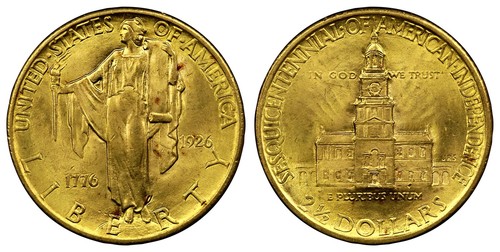
Sesquicentennial of American Independence Quarter Eagle
A 1926 U.S. commemorative $2.50 gold coin marking 150 years of American independence, with Liberty holding a torch and scroll and Independence Hall on the reverse.
Classic Commemorative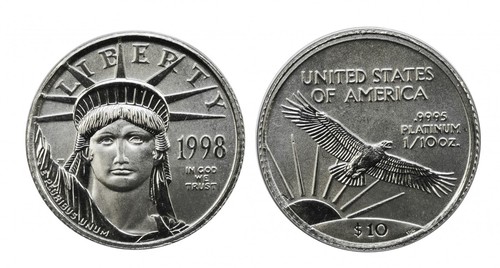
American Platinum Eagle
The United States' official platinum bullion coin, struck in .9995 fine platinum with a Statue of Liberty obverse; this is the 1998 one-tenth-ounce $10 issue.
Bullion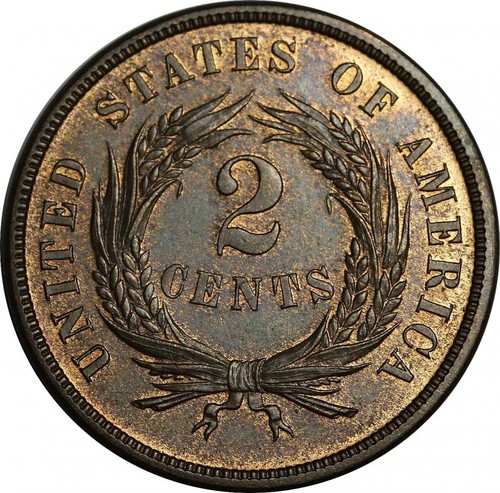
Two Cent Piece
America's only two-cent coin, struck in bronze from 1864 to 1873, and the first U.S. coin to carry the motto "IN GOD WE TRUST."
Two Cent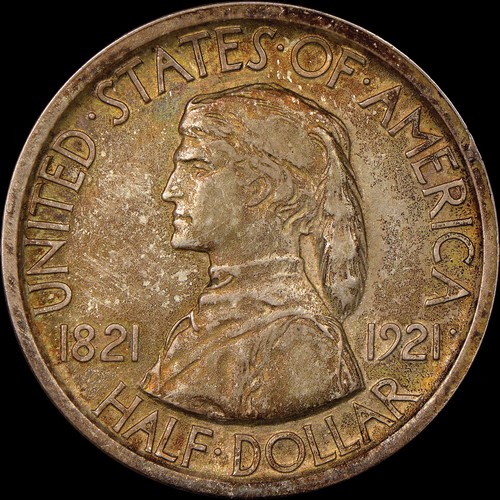
Missouri Centennial Half Dollar
A 1921 U.S. silver commemorative half dollar marking 100 years of Missouri statehood, with a coonskin-capped frontiersman facing left and a frontier-scene reverse.
Classic Commemorative