
Coin Encyclopedia
Search and identify coins from around the world — with country, denomination, metal, mint, history, and how to tell them apart.
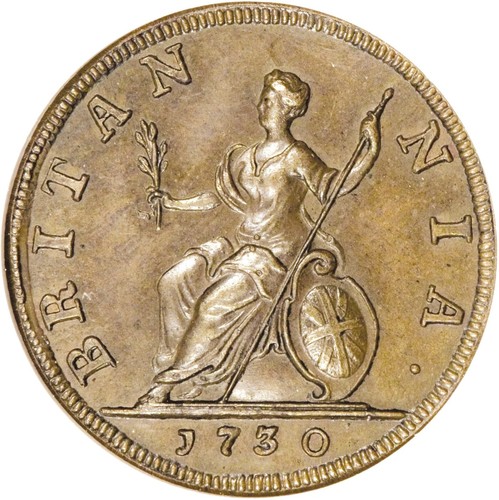
British Farthing
Small copper farthing of King George II, with his laureate bust facing left and a seated Britannia on the reverse; struck in the 1730s.
British Isles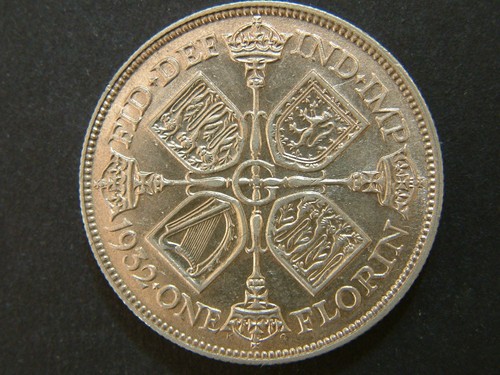
British Florin
A Victorian silver two-shilling florin with a crowned, veiled Victoria and a heraldic crowned-shields reverse; the pictured coin is dated 1890.
World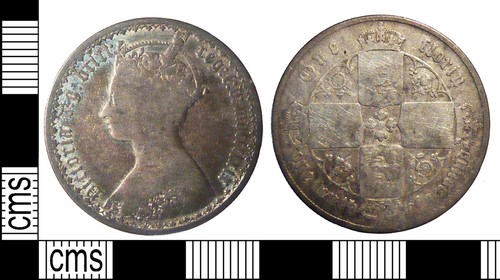
Gothic Florin
A silver two-shilling florin of Queen Victoria in the medieval-revival Gothic style, with an ornate crowned cruciform shield reverse dated 1869.
Milled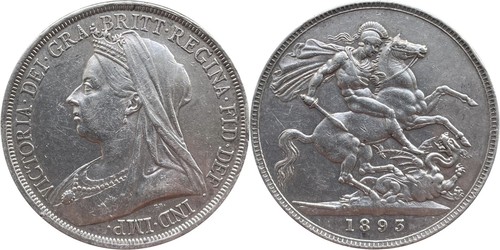
Victorian Crown
Large Victorian silver crown showing Queen Victoria's veiled "Old Head" portrait and Pistrucci's Saint George slaying the dragon, dated 1893.
World Coins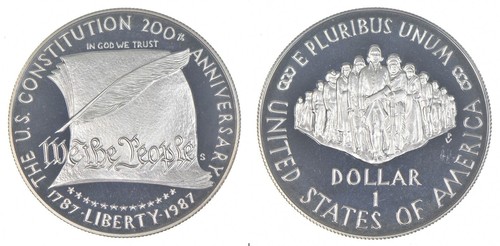
U.S. Constitution Bicentennial Silver Dollar
A 1987 U.S. Mint 90% silver commemorative dollar marking the 200th anniversary of the Constitution, with a quill-pen obverse.
Modern Commemorative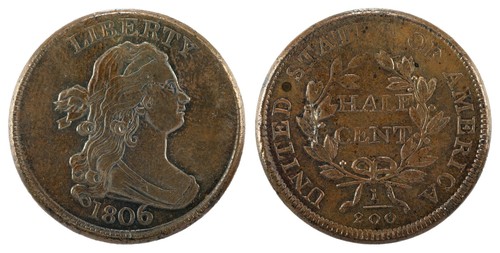
Draped Bust Half Cent
An early U.S. copper half cent showing draped Liberty with flowing hair; the smallest denomination the Mint ever struck, made 1800–1808.
Half Cent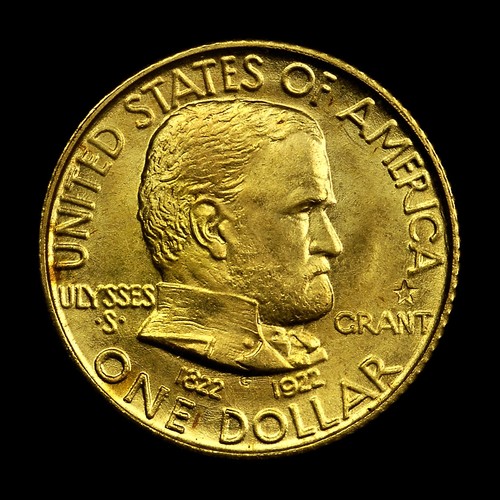
Grant Memorial Gold Dollar
A tiny 1922 U.S. gold dollar honoring Ulysses S. Grant's birth centennial, issued in 'star' and 'no star' varieties from the Philadelphia Mint.
Classic Commemorative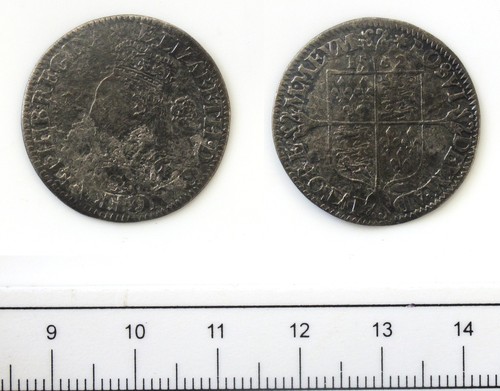
Sixpence of Elizabeth I
A hammered silver sixpence of Elizabeth I, showing the crowned, ruff-collared queen in profile and the royal shield, most bearing a date beside a mint mark.
Hammered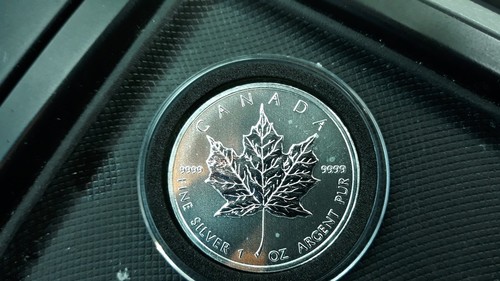
Canadian Silver Maple Leaf
Canada's flagship 1 oz silver bullion coin, struck in .9999 fine silver by the Royal Canadian Mint with a single sugar-maple leaf design.
Bullion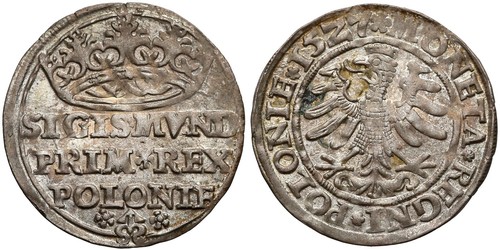
Grosz Koronny
A silver Crown grosz of the Kingdom of Poland, dated 1527, with a royal crown above a shield on one side and the Polish Eagle on the other.
Early Modern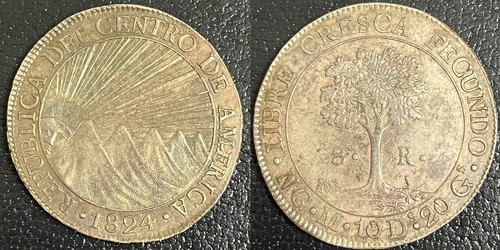
Central American Republic 8 Reales
A silver 8 reales of the Central American Republic, showing a rayed sun rising over mountains on one side and a tree on the other, dated 1824.
Circulation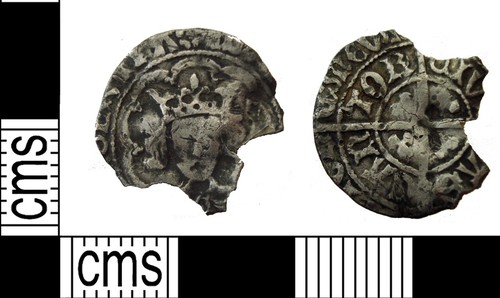
Edward IV Half Groat
Hammered silver half groat (twopence) of Edward IV, with a crowned royal bust and a long-cross reverse, struck at English mints between 1461 and 1483.
Medieval Coins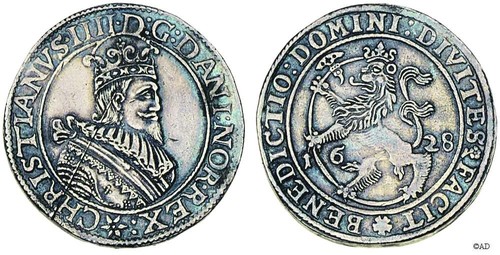
Speciedaler
Large early-modern Norwegian silver crown of the Dano-Norwegian kingdom, showing a crowned royal bust and the Norwegian lion shield, dated 1628.
Early Modern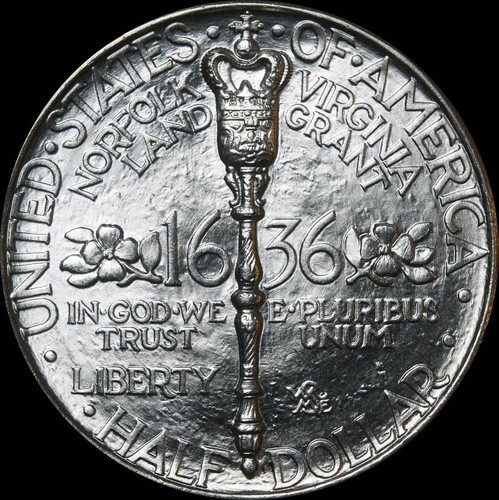
Norfolk Bicentennial Half Dollar
A 1936 U.S. silver half dollar honoring Norfolk, Virginia, with the city's Royal Mace on the reverse and dates 1636-1936; a low-mintage classic commemorative.
Classic Commemorative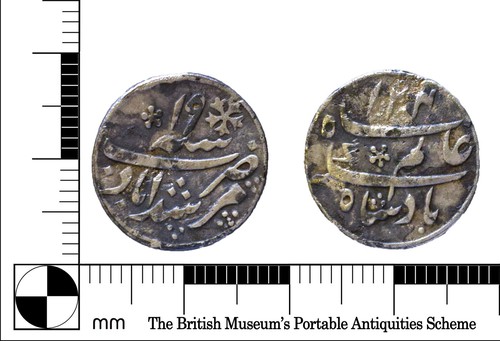
Mughal Islamic Rupee
A hand-struck silver rupee of the Mughal Empire, filled edge to edge with Persian and Arabic script naming the emperor, mint, and regnal year.
Islamic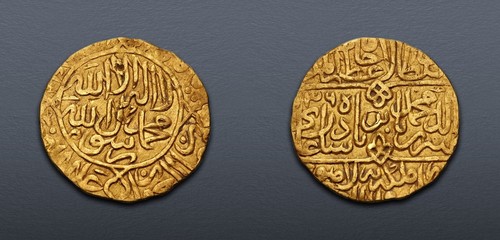
Mithqal (Tilla) of Babur
A hand-struck gold mithqal (tilla) of Babur, founder of the Mughal Empire, carrying his ruler titles in Persian and the mint-and-date on the reverse.
Mughal India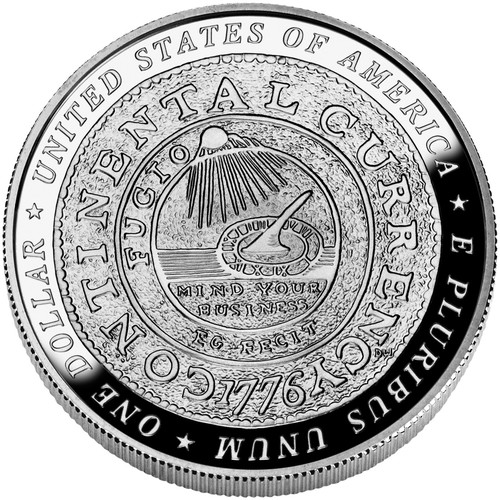
Benjamin Franklin Founding Father Commemorative Silver Dollar
A 2006 U.S. commemorative silver dollar honoring Benjamin Franklin, showing him flying his kite in the electricity experiment, with a 'MIND YOUR BUSINESS' reverse.
Dollar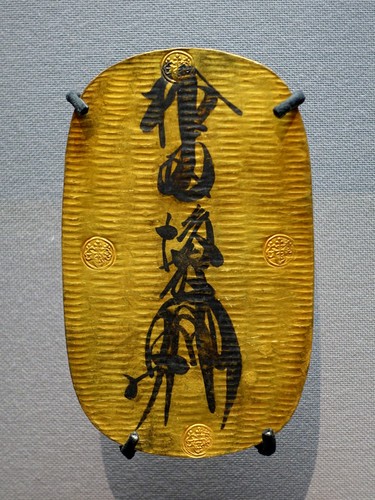
Keicho Koban
A thin oval Japanese gold coin worth one ryo, its surface covered in fine parallel striations with stamped cartouches and Goto mint marks.
Historic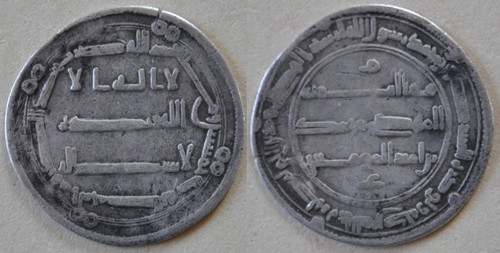
Dirham of Caliph al-Mansur
An Abbasid silver dirham dated AH 150 (767 CE), from the reign of Caliph al-Mansur, bearing purely Arabic religious inscriptions and a named mint.
Islamic (Medieval)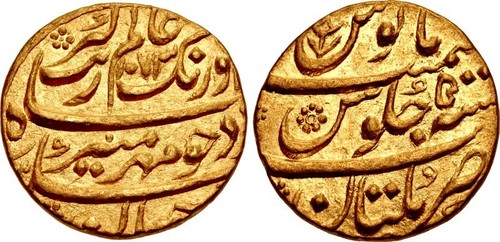
Gold Mohur of Aurangzeb
A hand-struck gold mohur of Mughal emperor Aurangzeb Alamgir, bearing Persian couplets and a mint name such as Multan.
Mughal India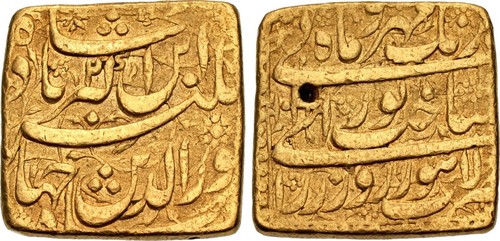
Gold Square Mohur of Jahangir
A square gold mohur of the Mughal emperor Jahangir, bearing Persian calligraphy, the Lahore mint, and regnal-year dating.
Mughal India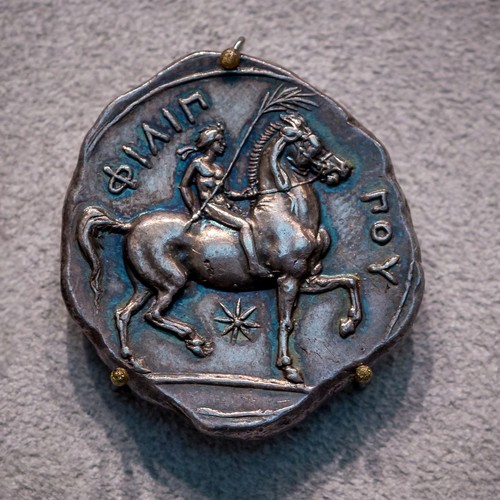
Philip II Tetradrachm
A large silver coin of the Macedonian kingdom showing the laureate head of Zeus and a youthful horseman, struck under and after Philip II.
Ancient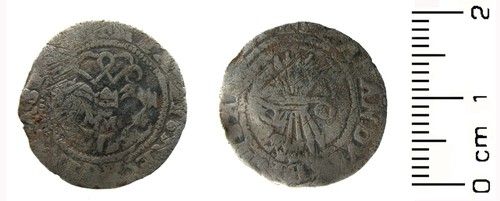
Real (Medieval)
A medieval Spanish silver real carrying the heraldic arms of the Iberian kingdoms — a lion for León paired with a castle or cross design.
Medieval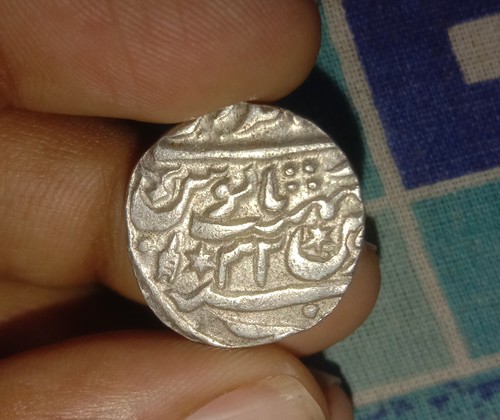
Silver Rupee of Bharatpur State
Silver rupee of the Jat princely state of Bharatpur, struck at the Mahe Indrapur mint in the name of the Mughal emperor Akbar II.
Asian