
Coin Encyclopedia
Search and identify coins from around the world — with country, denomination, metal, mint, history, and how to tell them apart.
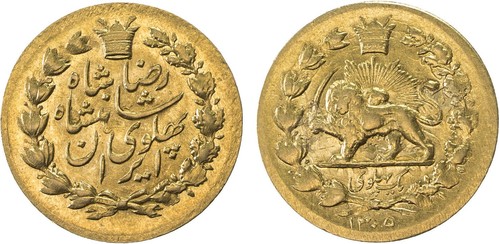
1 Pahlavi Gold Coin
A gold coin of Pahlavi-era Iran, with Persian text and a crowned royal emblem on one side and the Lion and Sun within laurel wreaths on the other.
Persia / Iran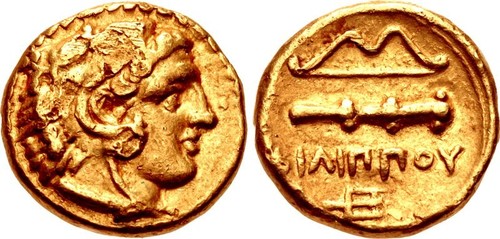
Alexander the Great Gold Quarter Stater
A small gold fraction of the Alexander the Great coinage, showing the head of Heracles and an eagle perched on a thunderbolt, the attributes of Zeus.
Ancient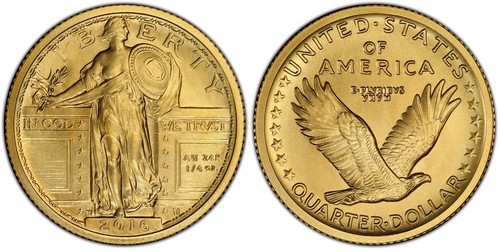
Standing Liberty Quarter Centennial Gold
A 2016 U.S. quarter-dollar struck in 1/4 oz of .9999 fine gold, reviving Hermon MacNeil's Standing Liberty design for its 100th anniversary.
Quarter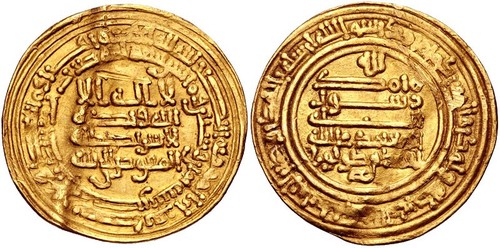
Gold Dinar of Ahmad ibn Tulun
A late-9th-century Islamic gold dinar of the Tulunid ruler Ahmad ibn Tulun, its faces filled with concentric Arabic inscriptions and dated AH 268 (881–882 CE).
Islamic (Medieval)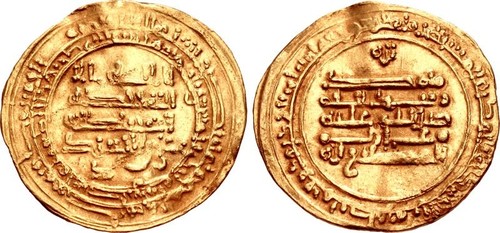
Gold Dinar of Abu'l-Hasan Ali
A high-purity Islamic gold dinar dated AH 351 (961-962 CE) in the name of the Ikhshidid ruler Abu'l-Hasan Ali, struck in fully calligraphic Kufic script.
Islamic (Medieval)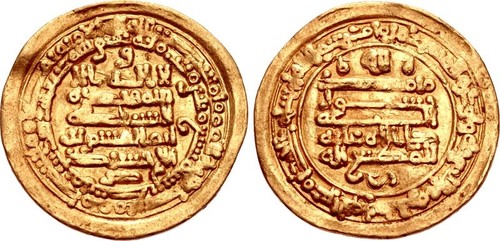
Gold Dinar of Abu'l-Qasim Unujur
An Ikhshidid gold dinar of Abu'l-Qasim Unujur, dated AH 337, with purely calligraphic Arabic legends inside ornamental borders on both faces.
Islamic (Medieval)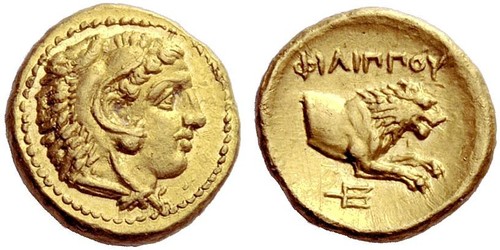
Philip II Gold Half Stater
Gold half stater of Philip II of Macedon, c. 359-336 BC, showing the head of Heracles and an eagle perched on a thunderbolt.
Ancient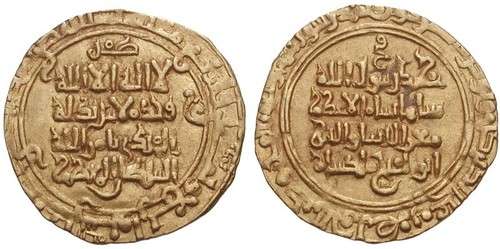
Gold Dinar of Malik Shah I
A hand-struck Seljuk gold dinar naming Malik Shah I (r. 1072–1092), covered in Arabic inscriptions with the ruler's titles and genealogy and an ornamental cartouche.
Islamic (Medieval)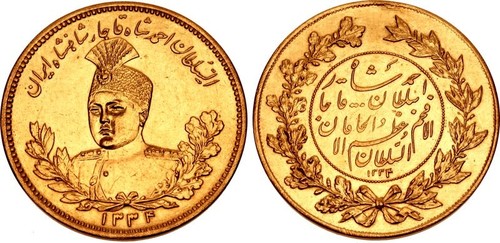
Gold Toman of Ahmad Shah Qajar
A Qajar-era gold toman bearing the portrait bust and tall headdress of Ahmad Shah, with Persian legends, date and mint, and a wreathed calligraphic reverse.
Persia / Iran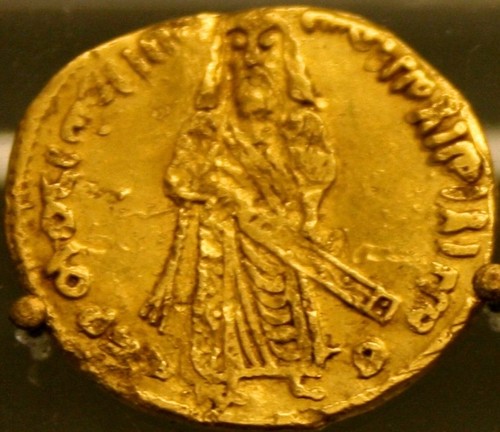
Gold Dinar of Abd al-Malik
An early Umayyad gold dinar of Caliph Abd al-Malik, the 'Standing Caliph' type, bearing a robed standing figure and Arabic religious inscriptions.
Islamic (Medieval)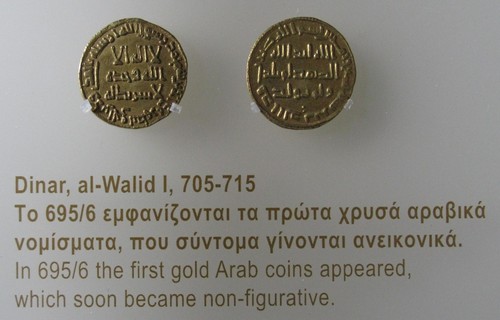
Gold Dinar of Al-Walid I
An early Islamic gold dinar struck under the Umayyad caliph al-Walid I (705-715 CE), bearing only Arabic Kufic inscriptions and no images on either face.
Islamic (Medieval)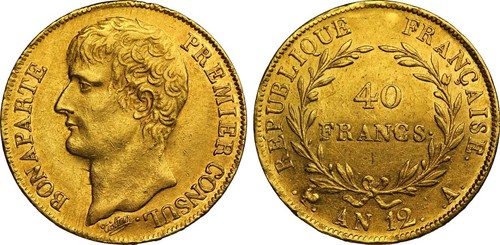
French 40 Francs Gold (Napoleon I)
A large early French gold coin showing Napoleon Bonaparte's left-facing profile and a wreathed reverse, struck in the opening years of his rule.
Bullion/gold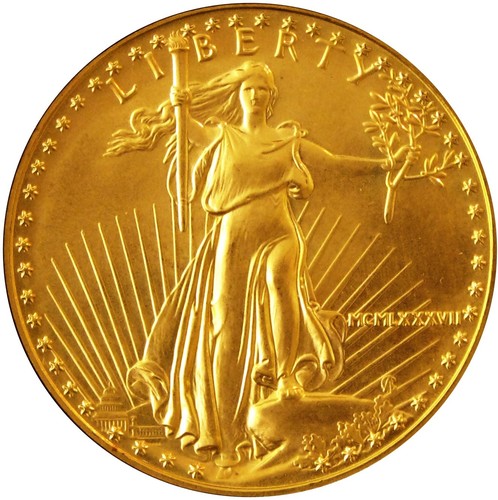
U.S. Gold Five Dollar (Half Eagle)
Modern U.S. $5 gold coin: Saint-Gaudens striding Liberty with torch on the obverse and a soaring eagle reverse; this piece is dated 1987.
Us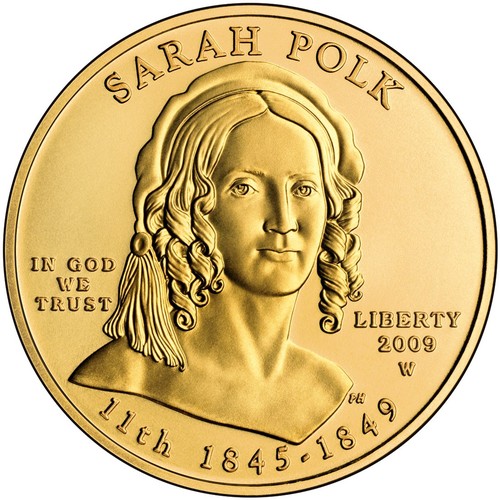
First Spouse Gold Coin (Alice Paul)
A 2012 half-ounce 24-karat gold coin from the U.S. Mint's First Spouse series honoring suffragist Alice Paul and the woman-suffrage movement.
Commemorative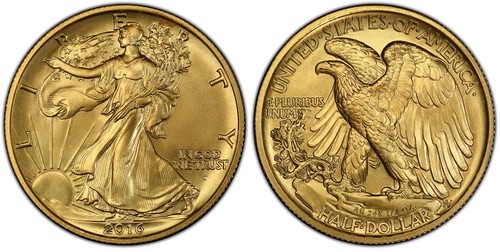
Walking Liberty Half Dollar Centennial Gold
A 2016-W gold collector coin marking the centennial of the 1916 Walking Liberty half dollar, struck in 1/2 oz of 24-karat gold at West Point.
Half Dollar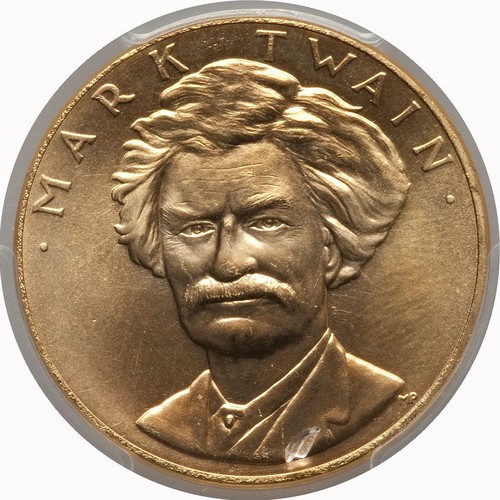
American Arts Commemorative Series Gold Medallion
A U.S. Treasury gold bullion medallion series (1980–1984) honoring American artists; the photographed 1981 one-ounce piece features author Mark Twain.
Bullion Medallion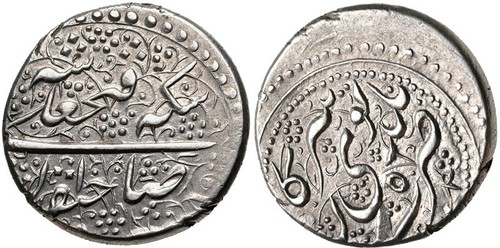
Gold Toman of Fath-Ali Shah Qajar
A hand-struck Qajar gold toman of Fath-Ali Shah dated AH 1226–1227 (1811–1812), covered in ornate Persian calligraphy with no portrait or figural imagery.
Persia / Iran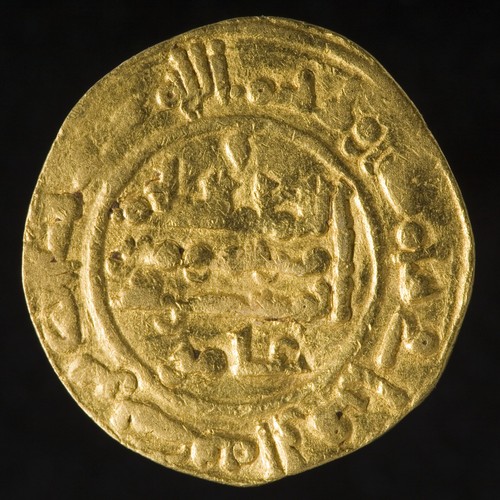
Islamic Gold Dinar (LACMA M.2006.143.8)
A medieval Islamic gold dinar in the LACMA collection, struck with purely calligraphic Arabic legends and a decorative border — the classic imageless coin of the caliphates.
Islamic (Medieval)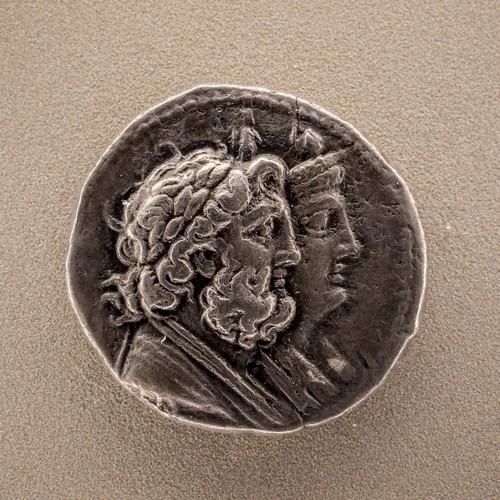
Gold Tetradrachm of Ptolemy II and Arsinoe II
Ptolemaic gold of Egypt, c. 260-240 BC, with paired busts of Ptolemy II and Arsinoe II on one side and Ptolemy I and Berenike I on the other.
Ancient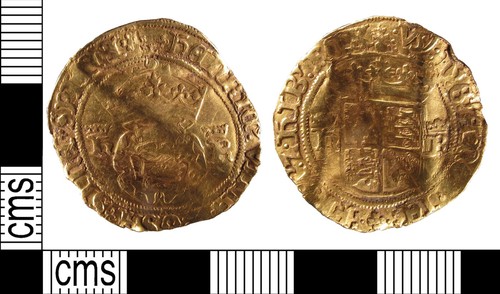
Gold Crown of Henry VIII (Third Coinage)
A hammered Tudor gold crown of five shillings struck during Henry VIII's Third Coinage, the debased issue that earned him the nickname "Old Coppernose."
Hammered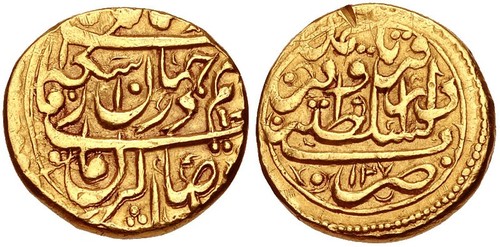
Gold Toman of Agha Mohammad Khan Qajar
A gold toman of Agha Mohammad Khan, founder of the Qajar dynasty, struck at Qazvin in AH 1206–1207 (1792–1793), covered in Persian calligraphy with no portrait.
Persia / Iran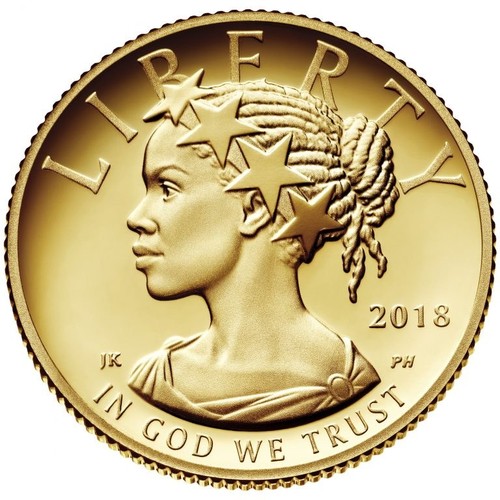
American Liberty High Relief Gold Coin
A modern one-ounce, .9999 fine gold $100 coin from the US Mint's American Liberty series, struck in dramatic high relief with a contemporary Liberty and eagle design.
Bullion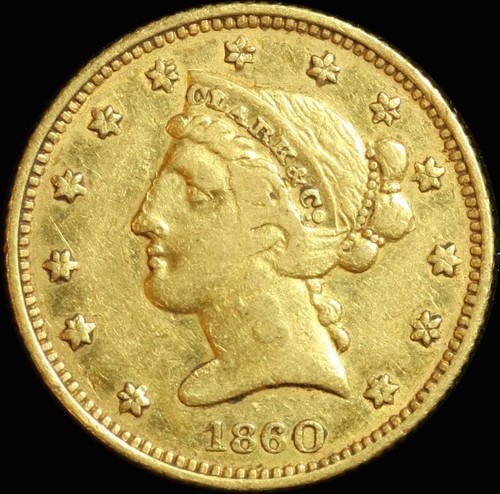
Clark & Co Territorial Gold Half Eagle
An 1860 privately struck $5 gold piece from Clark, Gruber & Co. of Denver, coined from Pikes Peak gold during the Colorado gold rush.
Half Eagle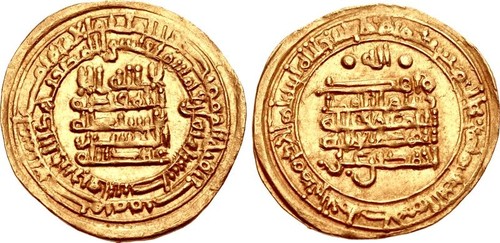
Gold Dinar of Abu'l-Fawaris Ahmad (Buyid)
A hand-struck gold dinar of the Iranian Buyid dynasty, naming the emir Abu'l-Fawaris Ahmad and dated AH 358, covered entirely in Kufic Arabic with no imagery.
Islamic (Medieval)