
Coin Encyclopedia
Search and identify coins from around the world — with country, denomination, metal, mint, history, and how to tell them apart.
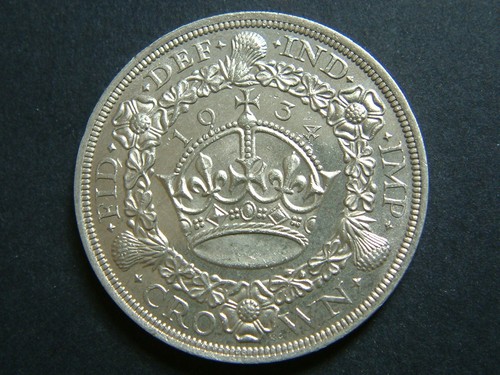
British Crown
A large George V silver crown of the 1927–1936 'wreath' type, showing the king's profile and a royal crown framed by an ornamental wreath.
British Isles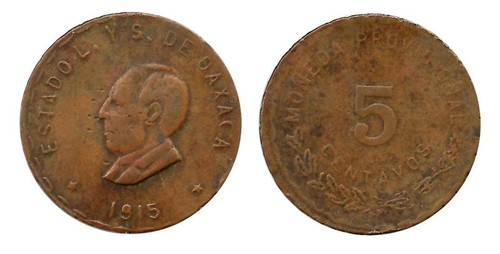
Oaxaca 5 Centavos
A copper 5-centavos struck by the sovereign State of Oaxaca during the Mexican Revolution, with a profile bust on the obverse and the numeral 5 in a wreath on the reverse.
Revolutionary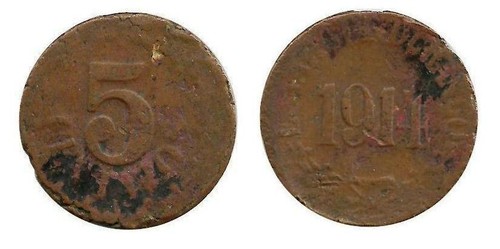
Durango 5 Centavos
A copper 5 centavos struck in the State of Durango during the Mexican Revolution, showing a large numeral 5 and the Mexican national eagle, dated 1914.
Revolutionary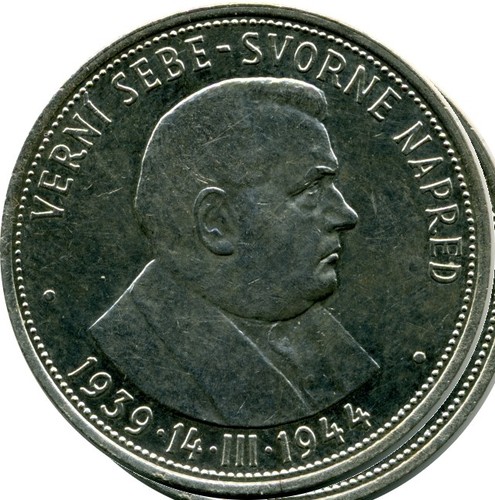
50 Korun
A 1944 silver 50 korun of the wartime Slovak State, showing the profile of Jozef Tiso and a shield with a double cross, struck for the state's fifth anniversary.
Modern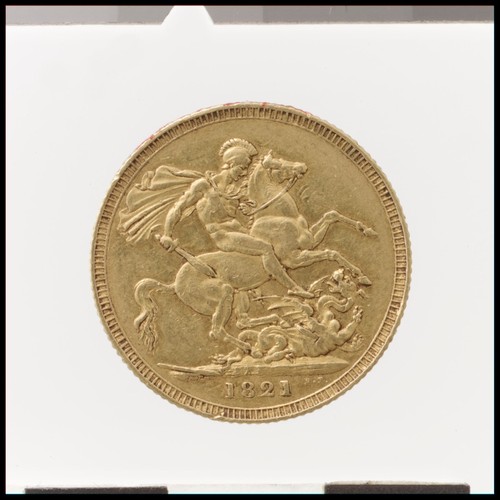
Sovereign of George IV
A milled gold sovereign of Great Britain struck under George IV, with the king's laureate head and Pistrucci's St George slaying the dragon reverse, dated 1821.
Milled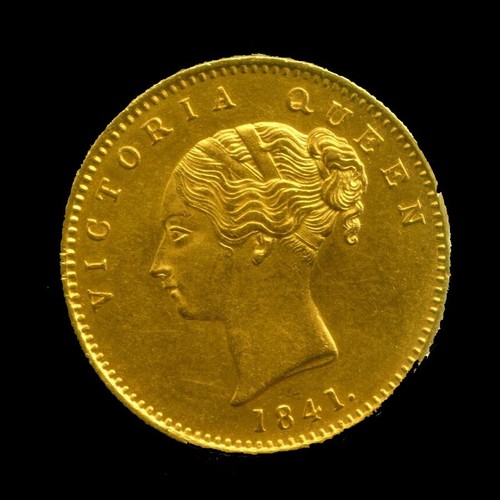
East India Company One Mohur
A machine-struck gold mohur of the East India Company bearing the young Queen Victoria, with a left-facing bust and the legend 'VICTORIA QUEEN', dated 1841.
British India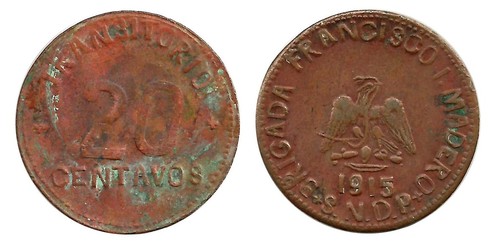
Puebla 20 Centavos
A copper 20 centavos struck in the State of Puebla during the Mexican Revolution, showing a profile bust and the numeral 20 with the national eagle, dated 1915.
Revolutionary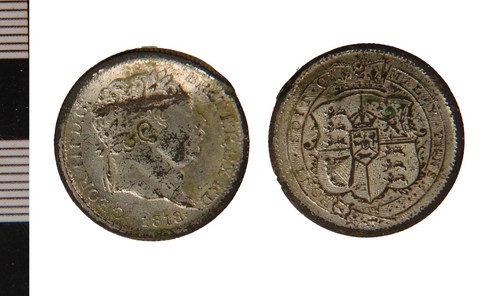
British Bank Token
Copper token of the late George III period bearing the king's left-facing bust and a quartered royal-arms reverse, dated 1819.
British Isles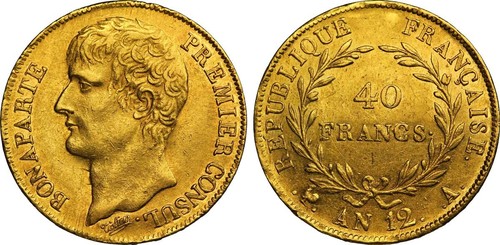
40 Francs Napoleon
A large early French gold 40 francs of Napoleon's Consulate, with the bare-headed BONAPARTE PREMIER CONSUL bust and a laurel-framed 40 FRANCS reverse dated 1804.
Bullion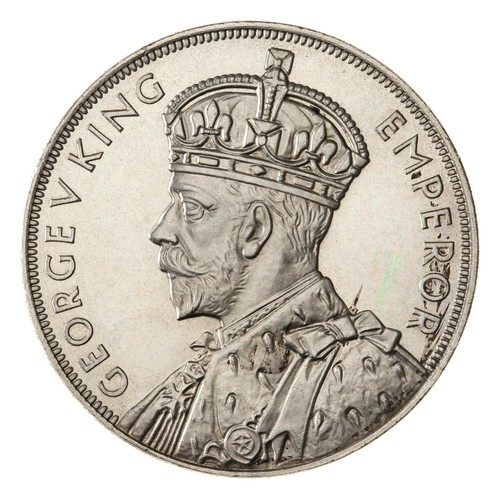
New Zealand Waitangi Crown
New Zealand's first and rarest crown, a 1935 silver five-shilling piece with a crowned George V obverse and the Treaty of Waitangi handshake reverse.
New Zealand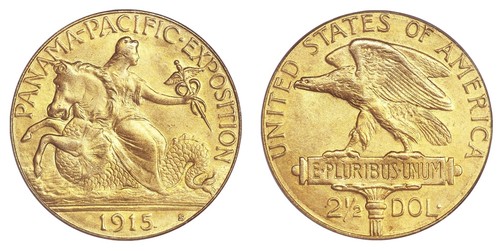
Panama-Pacific Exposition Quarter Eagle
A 1915 gold $2.50 commemorative for San Francisco's Panama-Pacific Exposition, showing Columbia astride a hippocamp and an eagle on the reverse.
Classic Commemorative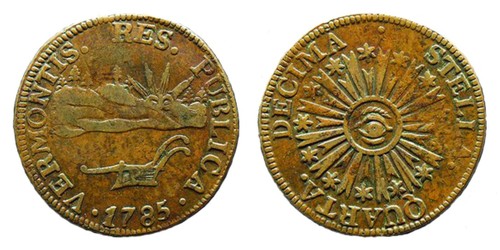
Río de la Plata Copper Real
A copper real of the Río de la Plata showing the Sol de Mayo sun and a PROVINCIAS legend, dated 1785 — a provincial-style piece from the Argentine region.
Colonial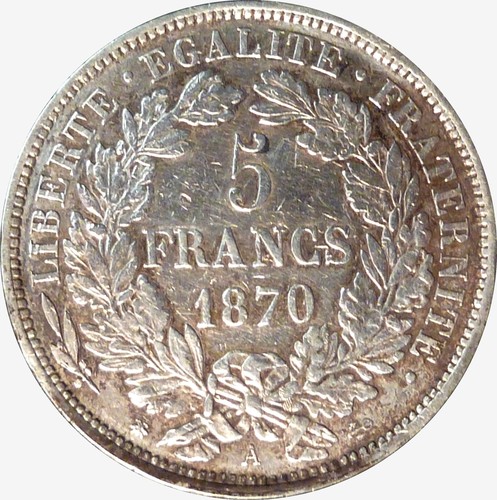
French Cérès 5 Francs
A large silver French 5 francs showing the head of Cérès, goddess of the harvest, wearing a liberty cap, with the republican motto LIBERTÉ ÉGALITÉ FRATERNITÉ.
Circulation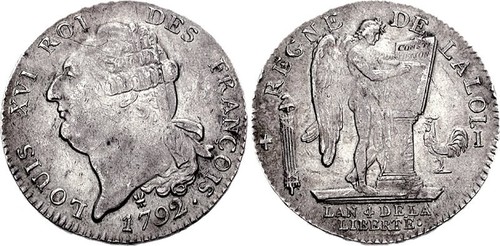
French Constitutional Ecu
A large 1792 French silver ecu of the constitutional monarchy, with a bust of Louis XVI and an allegorical figure of Liberty with fasces.
Revolutionary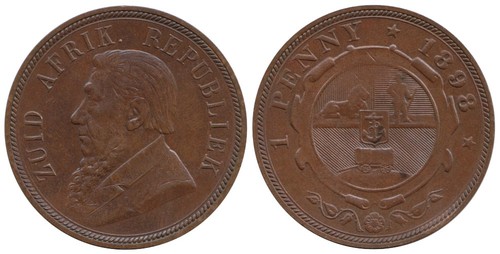
South African Republic Penny
An 1898 copper penny of the old South African Republic (Transvaal): President Paul Kruger's profile obverse, Transvaal coat of arms reverse.
Circulation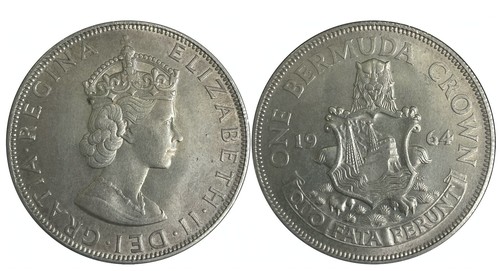
Bermuda Crown
Bermuda's 1959 silver Crown: Queen Elizabeth II in profile on the obverse, two sailing ships above the island group on the reverse.
Commemorative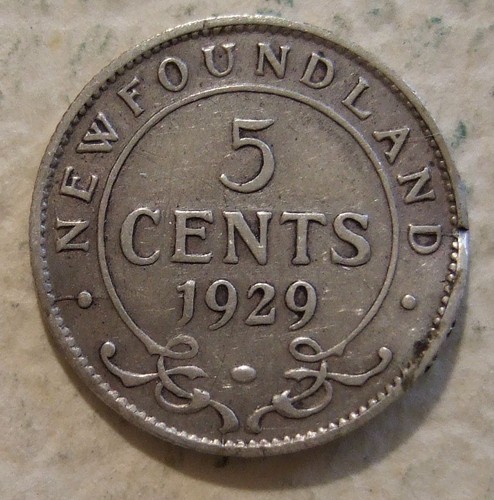
Newfoundland Five Cents
Tiny sterling-silver 5-cent piece of the Dominion of Newfoundland; the 1929 issue bears King George V and a crowned denomination reverse.
Canadian & Provincial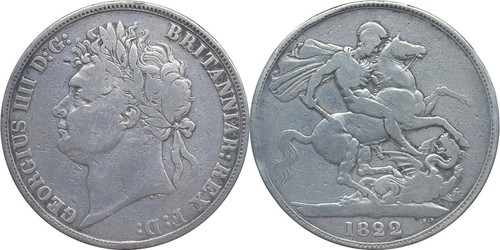
Crown of George IV
A milled silver crown of George IV, with a laureate head facing left and Pistrucci's St George and the dragon on the reverse; the photographed piece is dated 1822.
Milled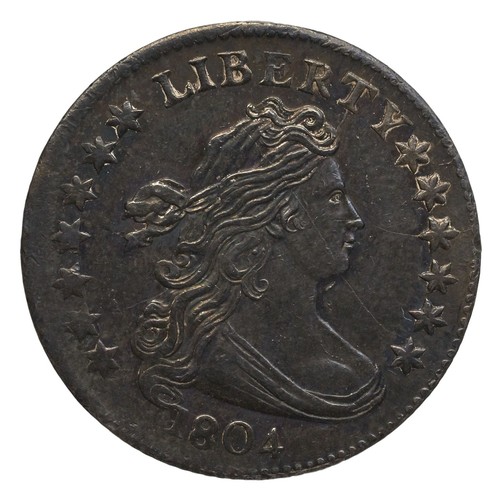
Draped Bust Dime
The first United States dime, struck in silver 1796–1807, with a draped Liberty and border stars on the obverse and an eagle on the reverse.
United States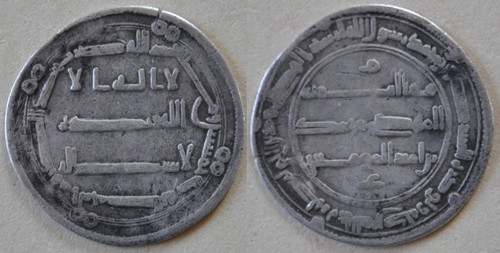
Dirham of Caliph al-Mansur
An Abbasid silver dirham dated AH 150 (767 CE), from the reign of Caliph al-Mansur, bearing purely Arabic religious inscriptions and a named mint.
Islamic (Medieval)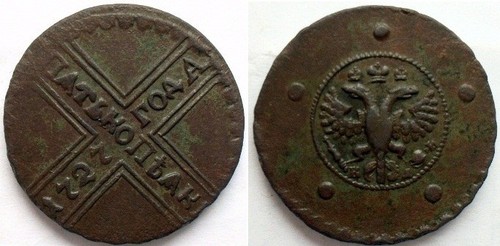
5 Kopecks (Catherine II)
Large copper 5 Kopecks of Catherine the Great, dated 1790 with the EM mint mark, showing a crowned monogram and the imperial double-headed eagle.
Early Modern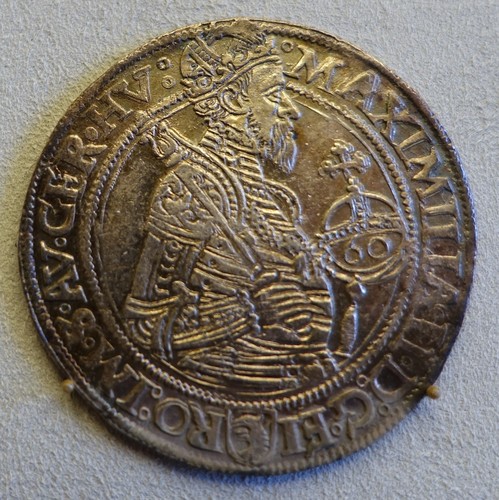
60 Kreuzer Guldiner
A gold 60 Kreuzer Guldiner of the Holy Roman Empire dated 1568, showing Emperor Maximilian II in plumed armor in right profile.
German States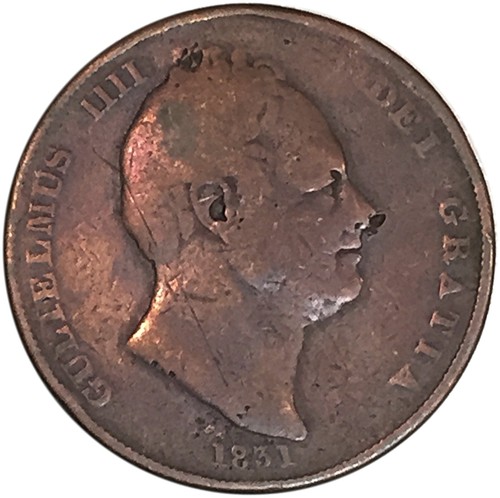
Penny of William IV
A large copper penny of King William IV, struck in the 1830s, with the king's right-facing head and the Latin legend GULIELMUS IIII D:G.
Milled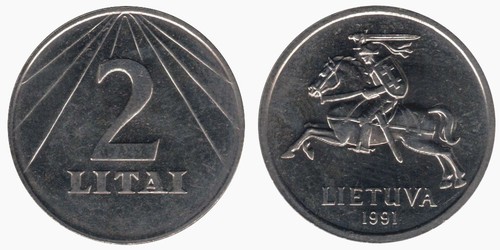
2 Litai
A white base-metal 2 litai of newly independent Lithuania, dated 1991, showing the value in a radiating sunburst on one side and the Vytis mounted knight on the other.
Modern