
Coin Encyclopedia
Search and identify coins from around the world — with country, denomination, metal, mint, history, and how to tell them apart.
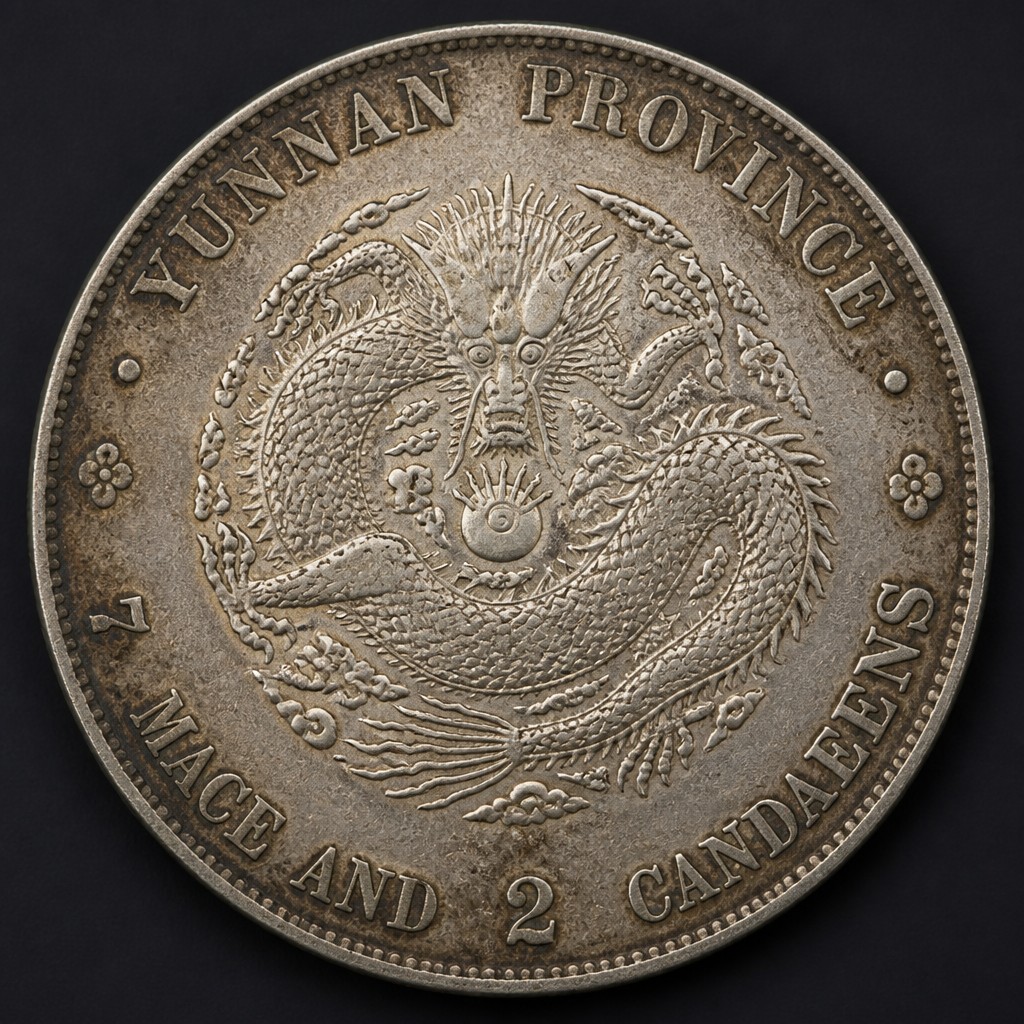
Chinese Yunnan Province Dragon Dollar
A silver dragon dollar struck by China's remote southwestern Yunnan province, notable for its distinctive coiled dragon design and unusually long production continuing well into the Republic era.
Asian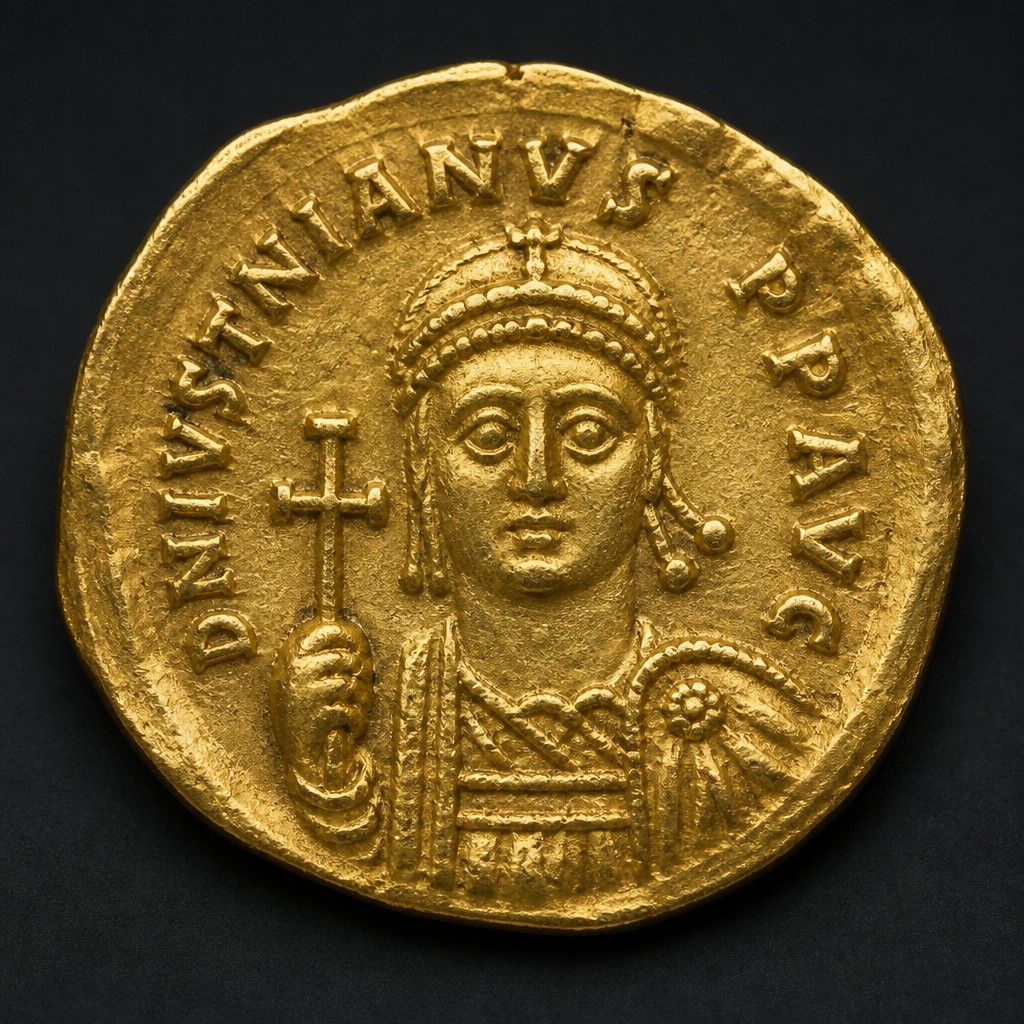
Byzantine Gold Tremissis
A small gold fractional coin worth one-third of a solidus, widely struck across the early Byzantine world and imitated by Germanic successor kingdoms in the former Western Roman Empire.
Ancient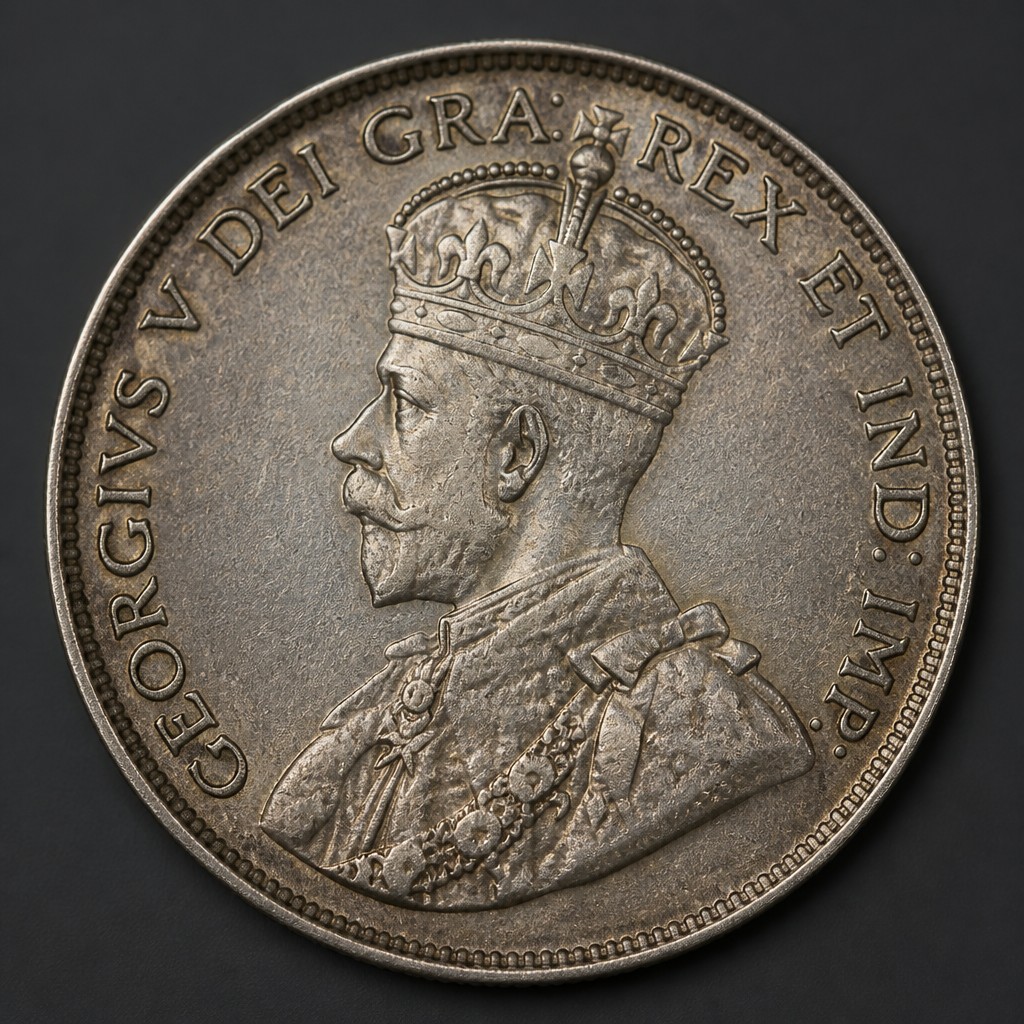
George V Five Cents (silver)
The last era of Canadian silver five-cent coins, struck under King George V until nickel replaced silver in 1922, including the legendary rarity of the 1921 date.
Canadian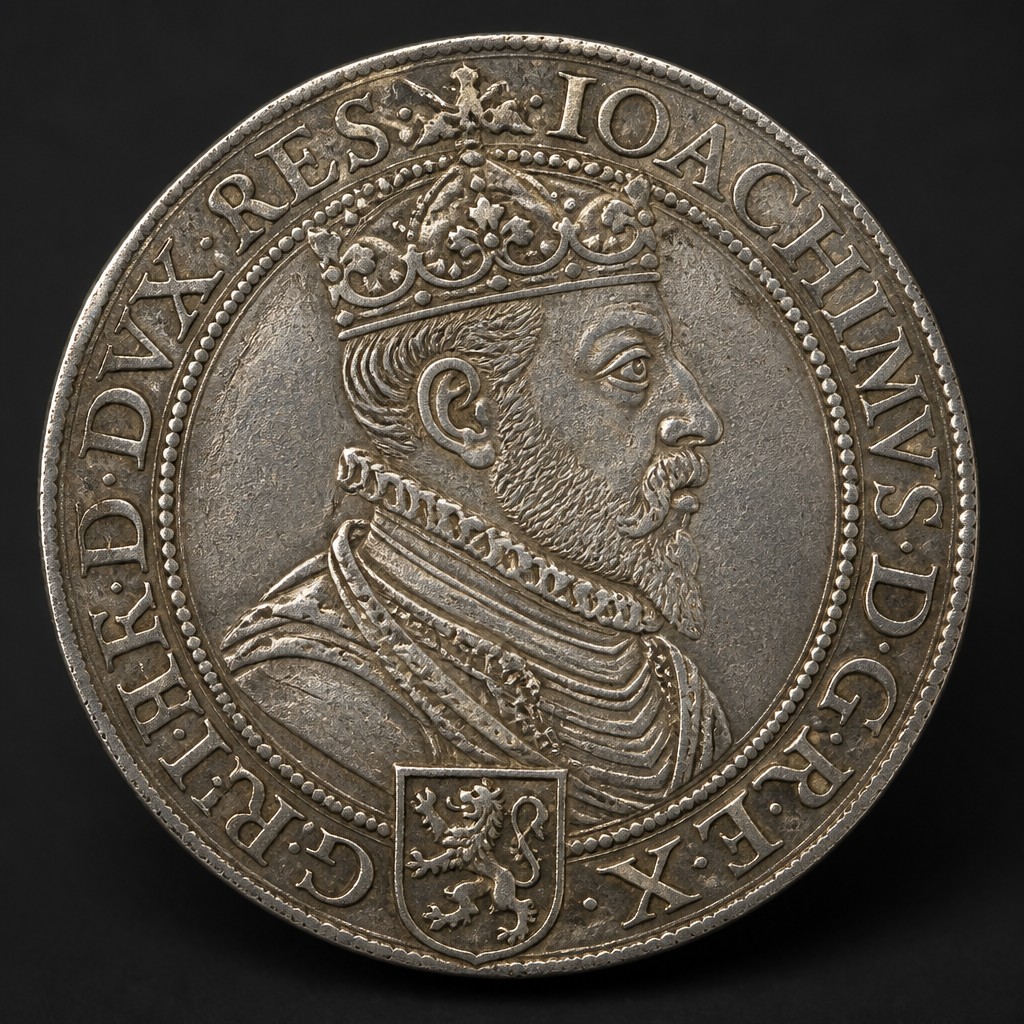
Joachimsthaler
Struck beginning in 1520 in the Bohemian silver-mining town of Joachimsthal, this large silver coin gave its name, shortened to 'thaler' and later 'dollar,' to countless currencies around the world.
European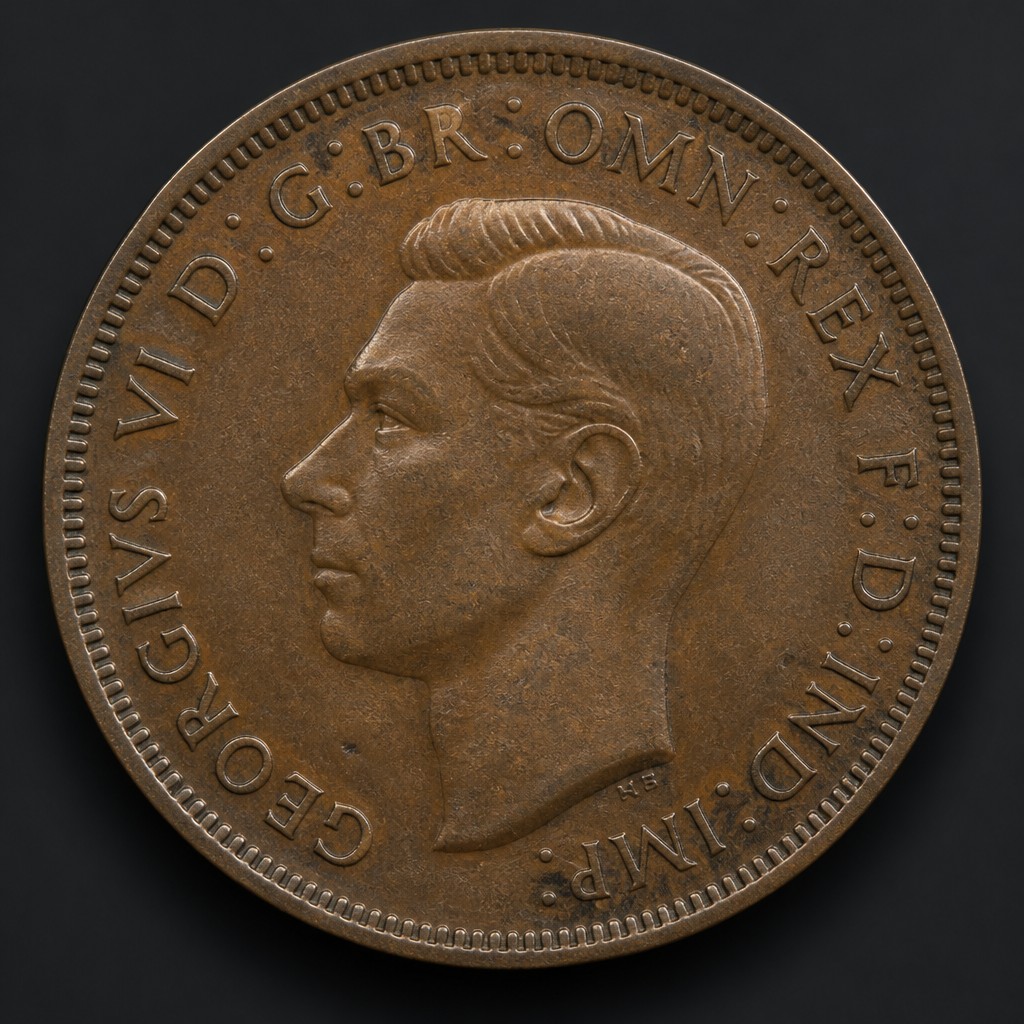
New Zealand Penny (KGVI)
New Zealand bronze penny struck under King George VI, notable for its reverse featuring the native tuatara reptile, part of the country's distinctive 1933-launched coin series.
Africa & Oceania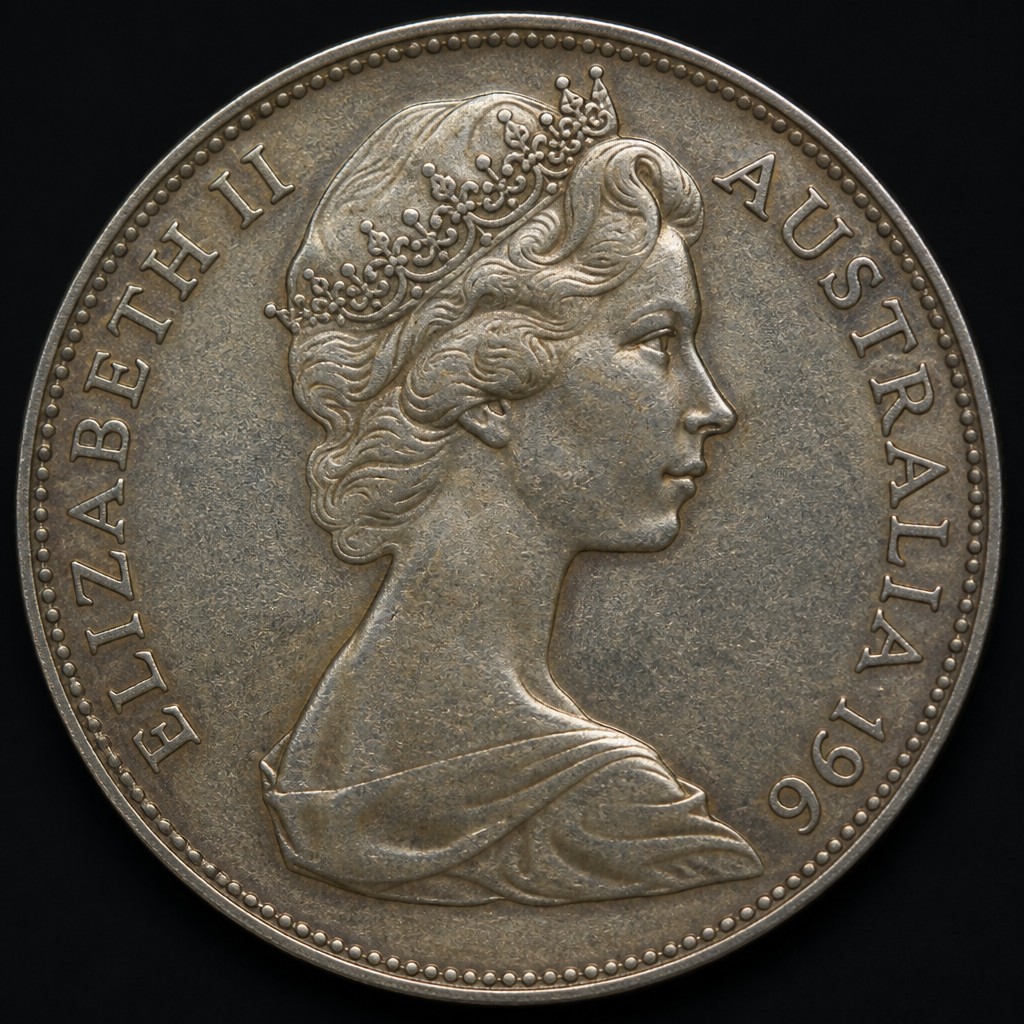
Australian 50 Cent (round 1966 silver)
Australia's original round 50-cent coin from the 1966 decimal changeover, struck in 80% silver and withdrawn the same year once its bullion value exceeded face value.
Africa & Oceania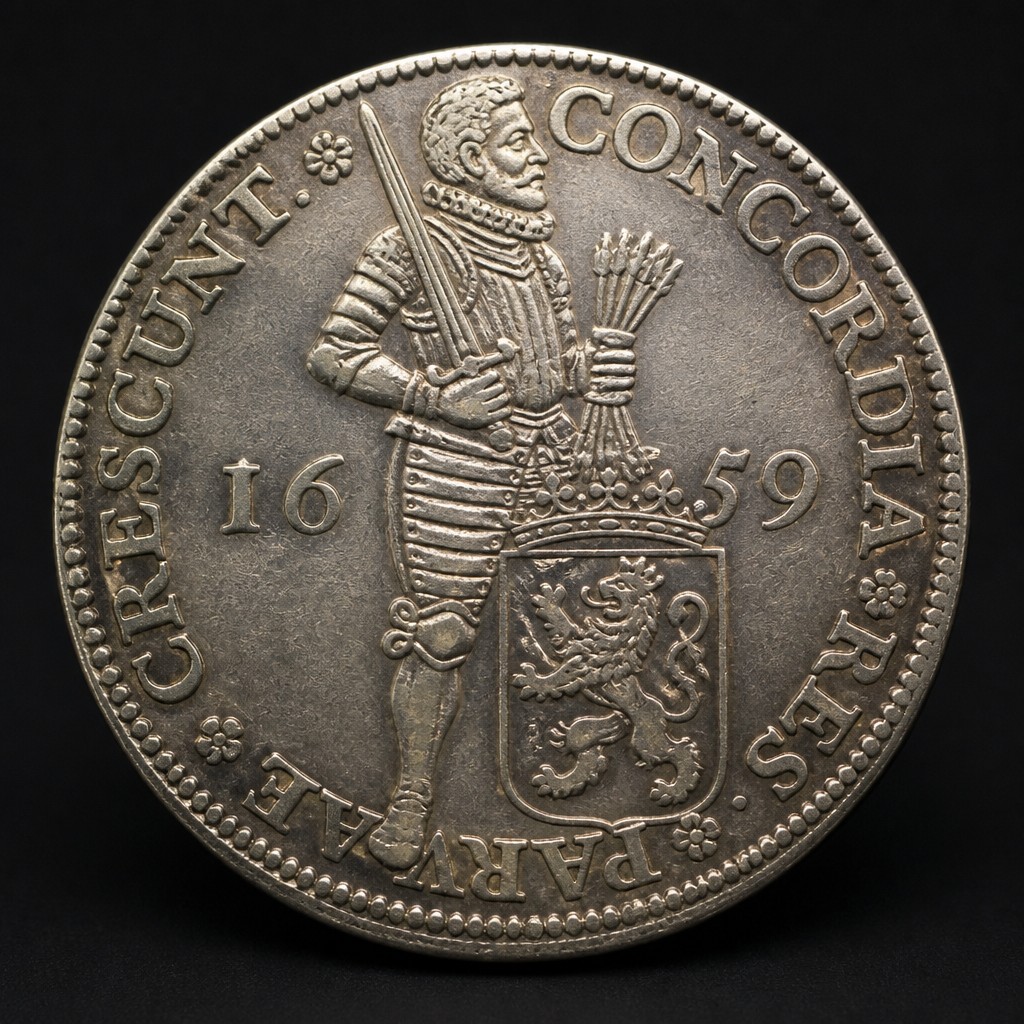
Dutch Silver Ducat
A historic Dutch trade silver coin first struck in 1659, depicting a standing knight, that has been minted continuously for centuries and remains a popular silver bullion and collector piece today.
European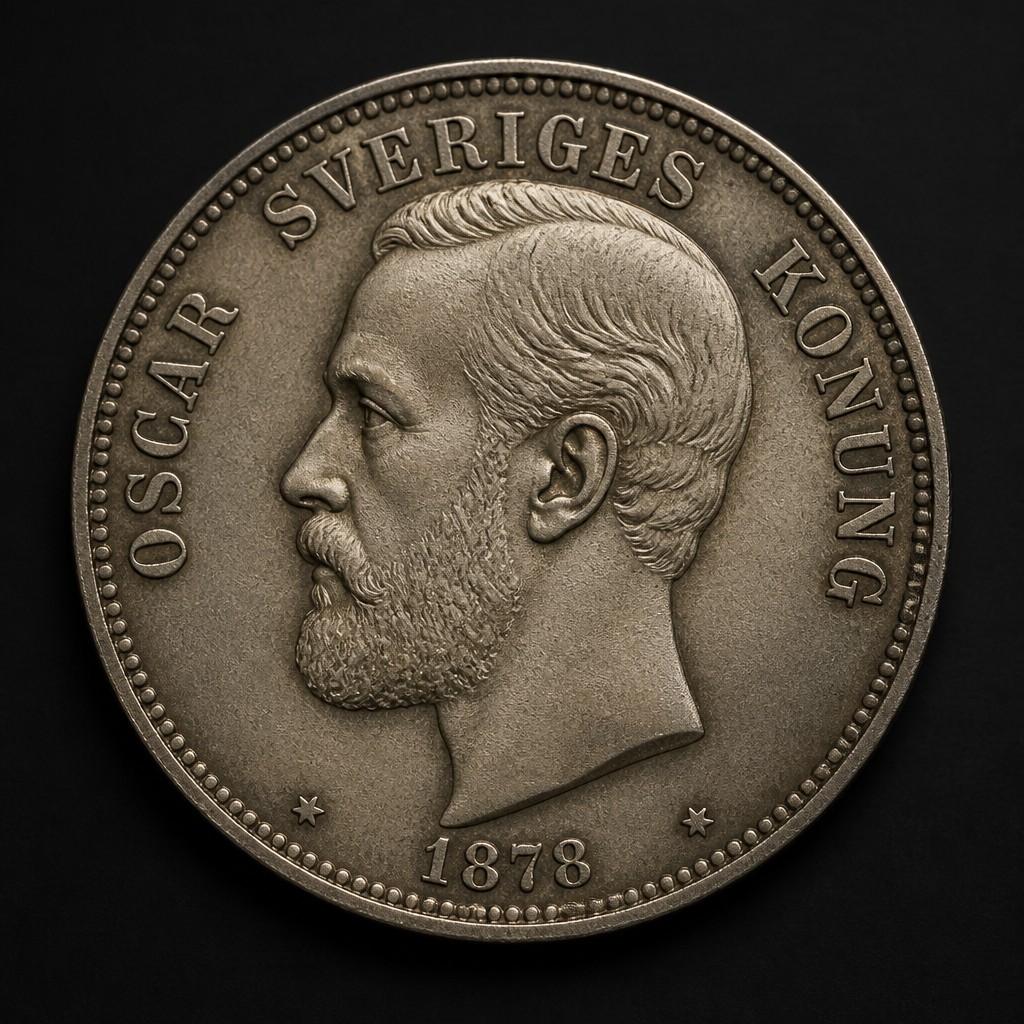
Swedish Krona
The krona has been Sweden's national currency since 1873, originally struck in silver as part of the Scandinavian Monetary Union and today issued in base metals bearing the reigning monarch's portrait.
European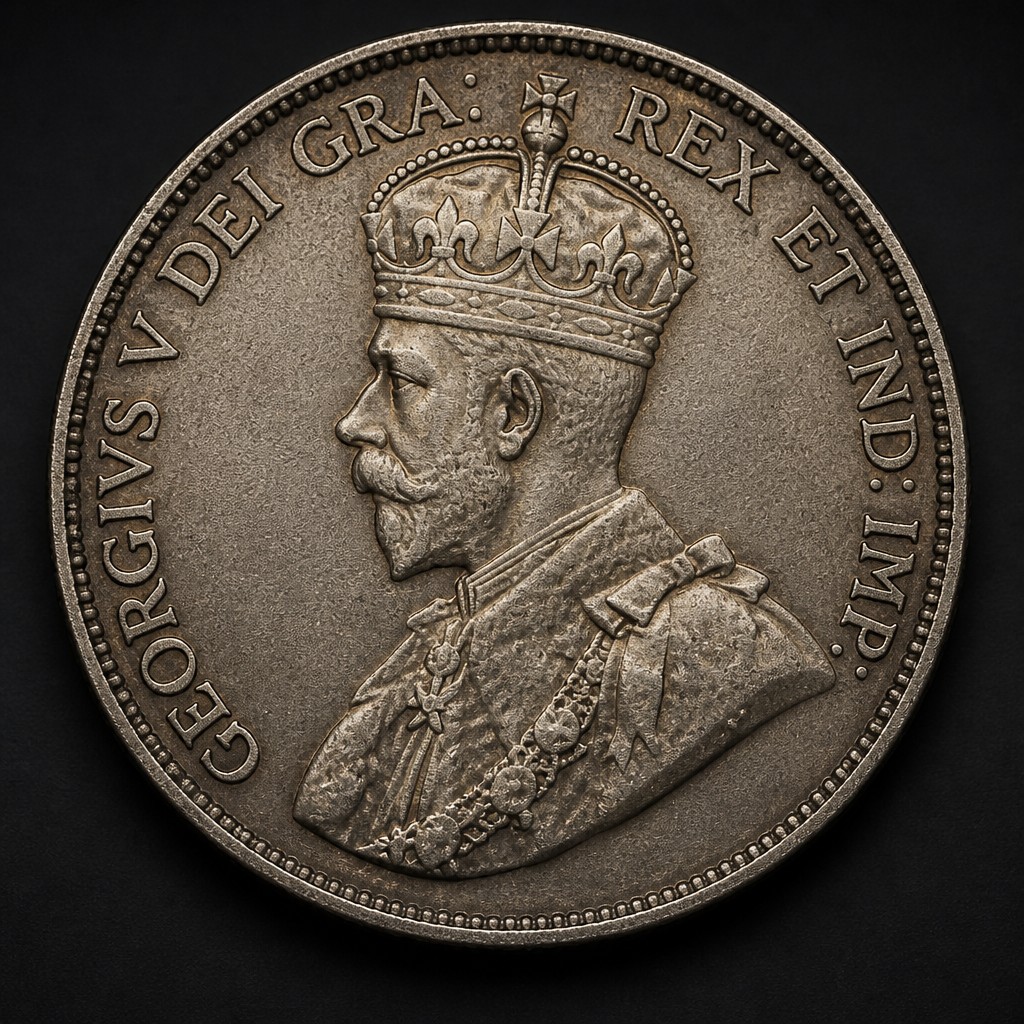
George V Twenty-Five Cents (silver)
Canada's silver twenty-five-cent coin struck under King George V, a series notable for its famous 1921 key date and a rare 1936 emergency dot variety.
Canadian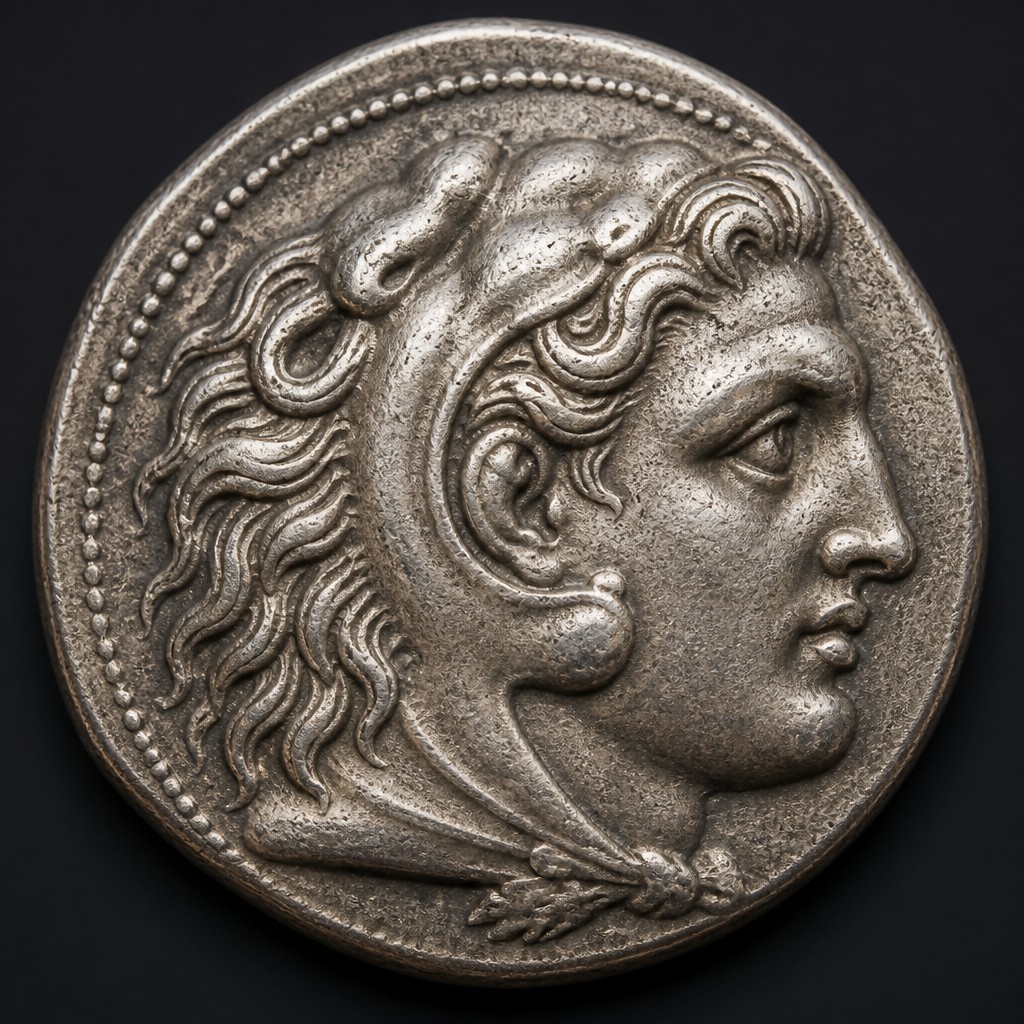
Alexander the Great Tetradrachm
The widely circulated silver coin of Alexander the Great, showing Herakles wearing a lion skin on the obverse and an enthroned Zeus on the reverse, struck across his empire and for generations after his death.
Ancient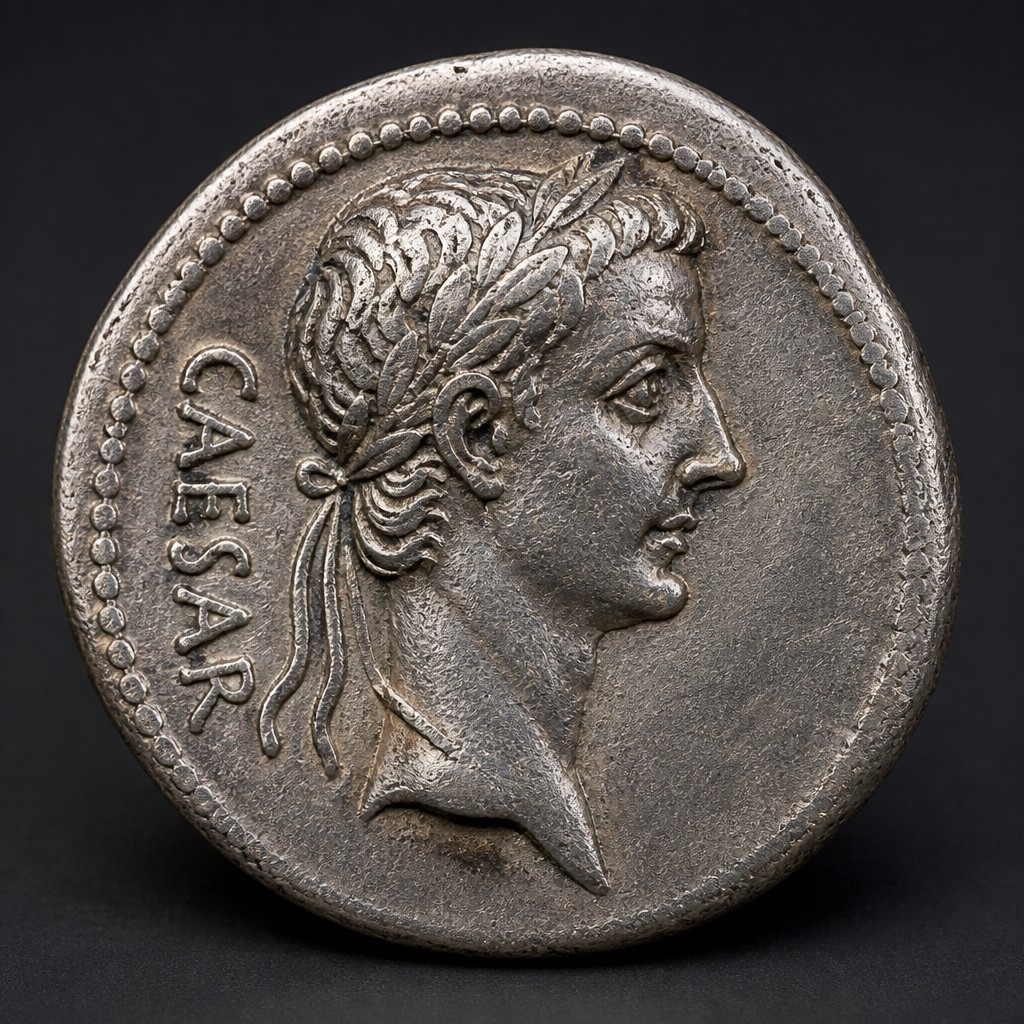
Julius Caesar Elephant Denarius
One of the most widely recognized ancient Roman coins, struck under Julius Caesar's authority and depicting an elephant trampling a serpent, likely a symbolic image tied to Caesar's political struggles.
Ancient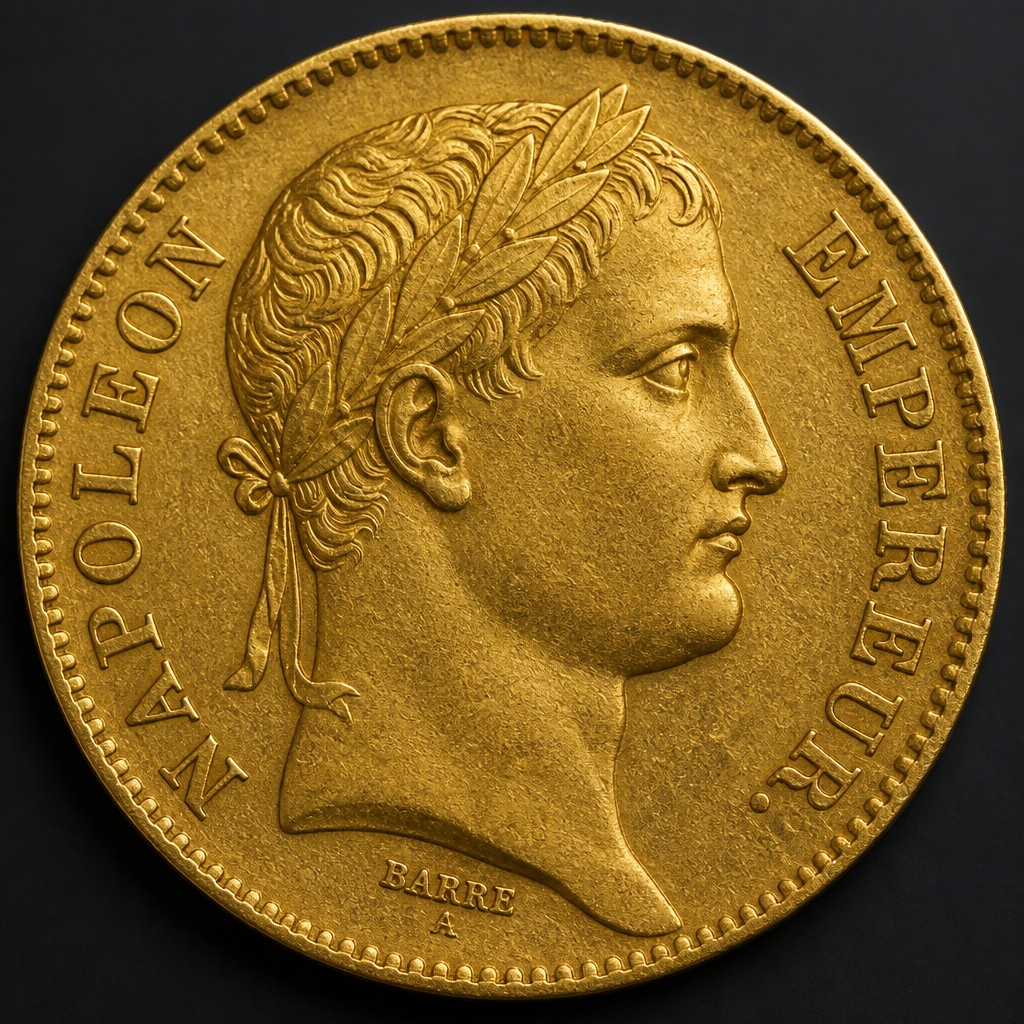
Napoleon 20 Franc Gold Coin
A historic French gold coin first struck under Napoleon Bonaparte in 1803, later issued under successive French governments and long used as a benchmark gold coin across Europe.
European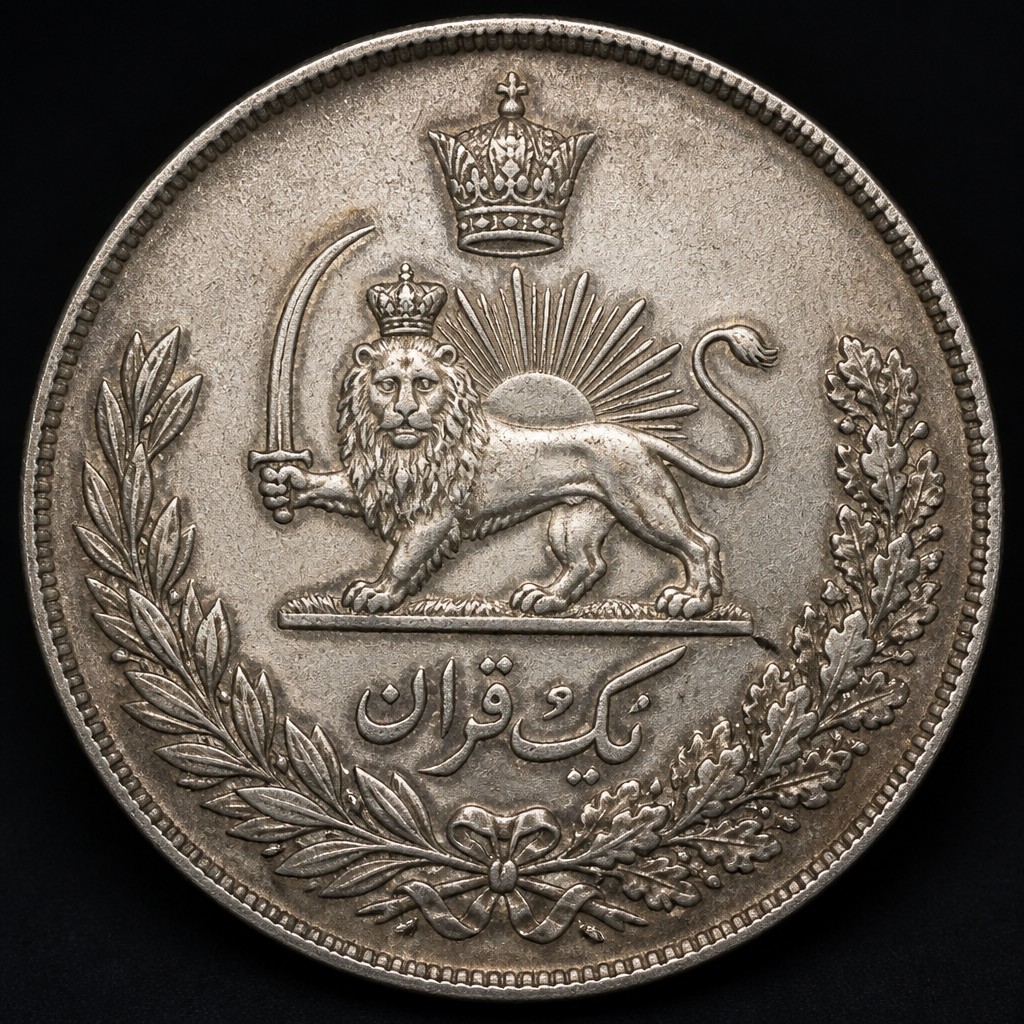
Persian Kran (Qajar silver)
The standard silver coin of Qajar Persia, worth one-tenth of a gold toman, widely struck under Naser al-Din Shah and later rulers and commonly seen with the lion-and-sun emblem.
Asian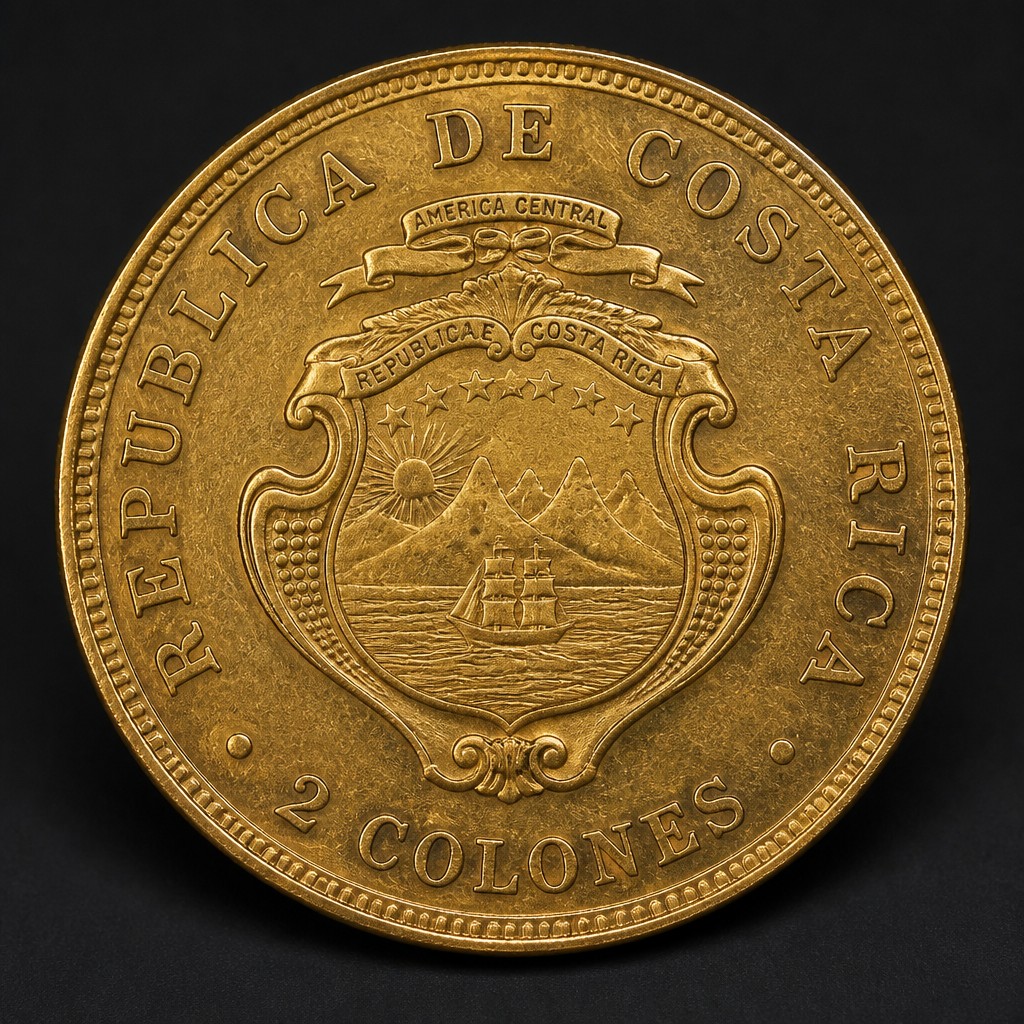
Costa Rica 2 Colones Gold
A small gold denomination from Costa Rica's early colon-era coinage, part of a family of gold coins (2, 5, 10, and 20 colones) struck around the turn of the twentieth century.
Latin American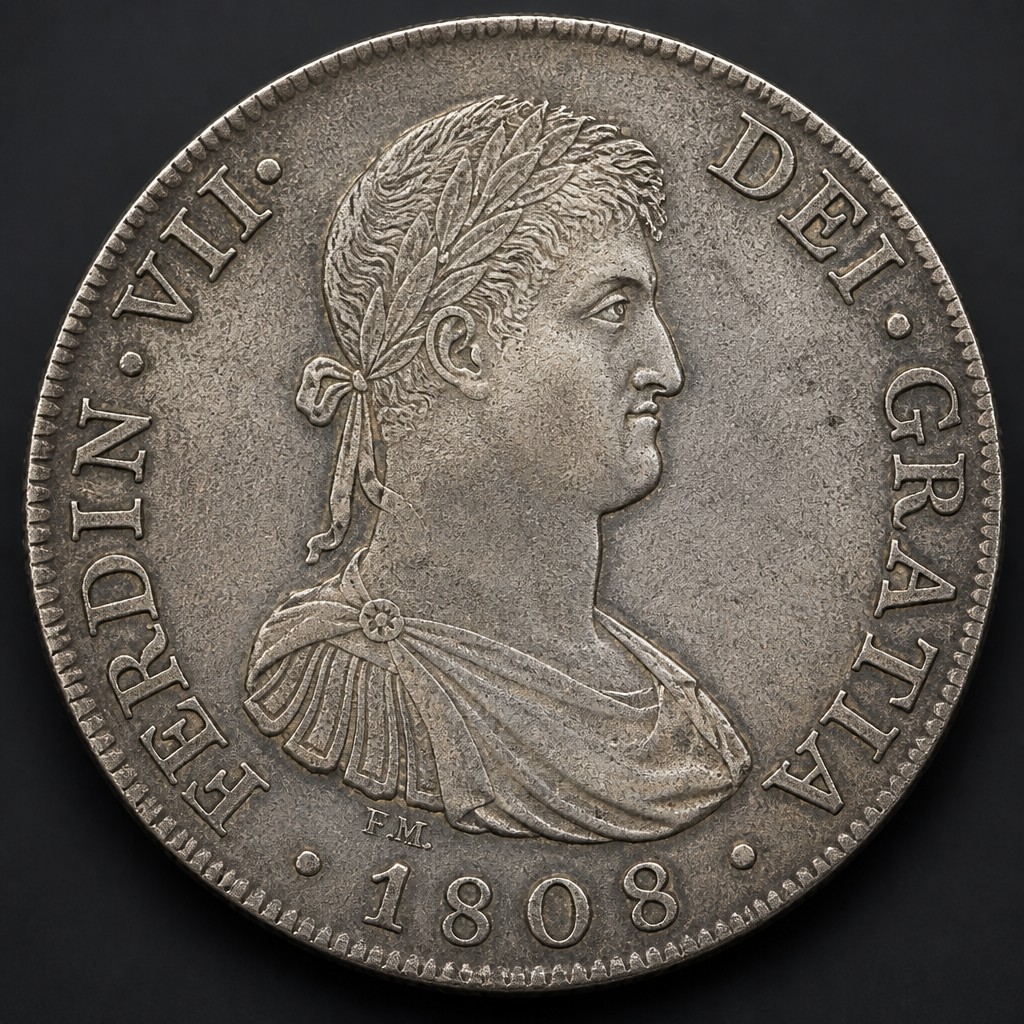
Spanish Colonial 8 Reales Ferdinand VII
A large silver 8 reales coin struck across Spain's American colonies bearing the portrait of King Ferdinand VII, widely circulated internationally and historically linked to the origin of the US dollar sign.
World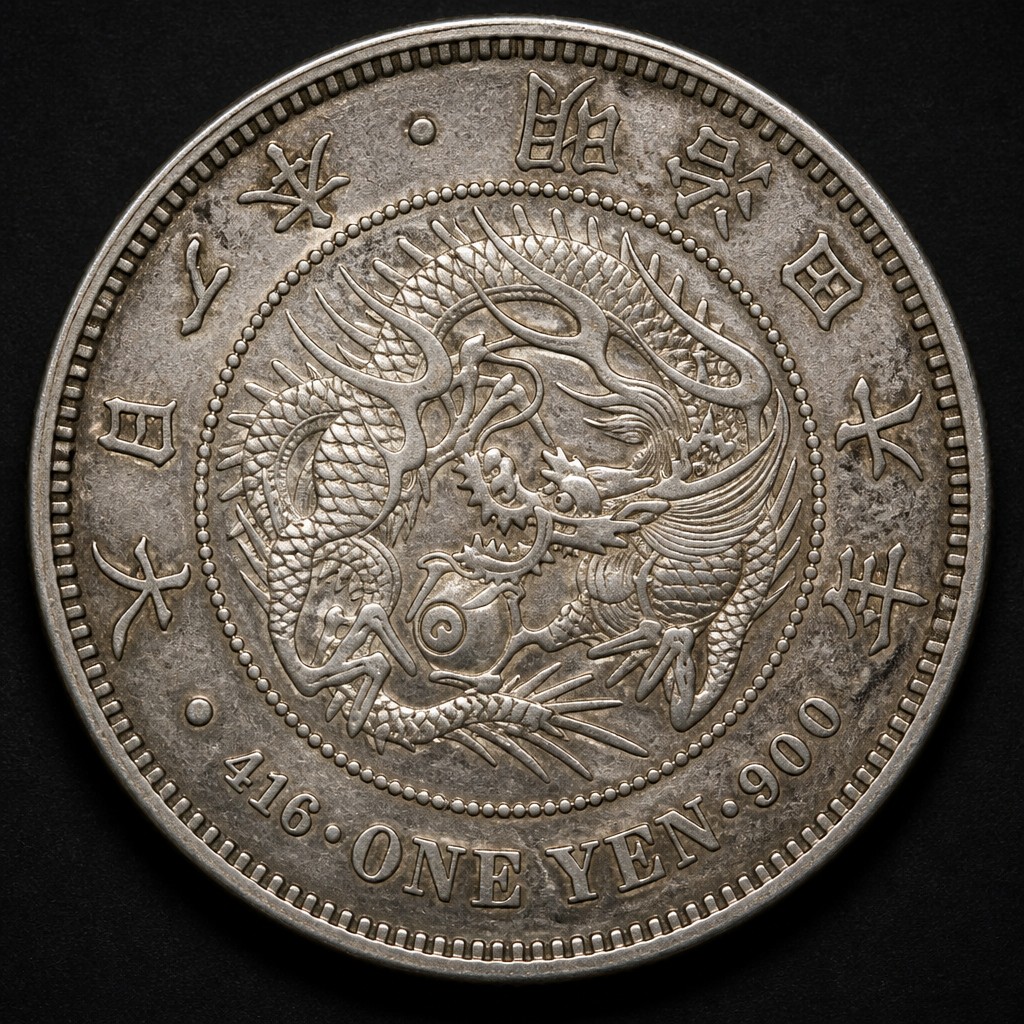
Japanese 1 Yen Silver 'Dragon' Trade Dollar
A Meiji-era Japanese silver yen featuring a coiled dragon, struck to standardize Japan's currency and, in a special trade dollar variant, to compete with Mexican and other silver dollars across East Asia.
Asian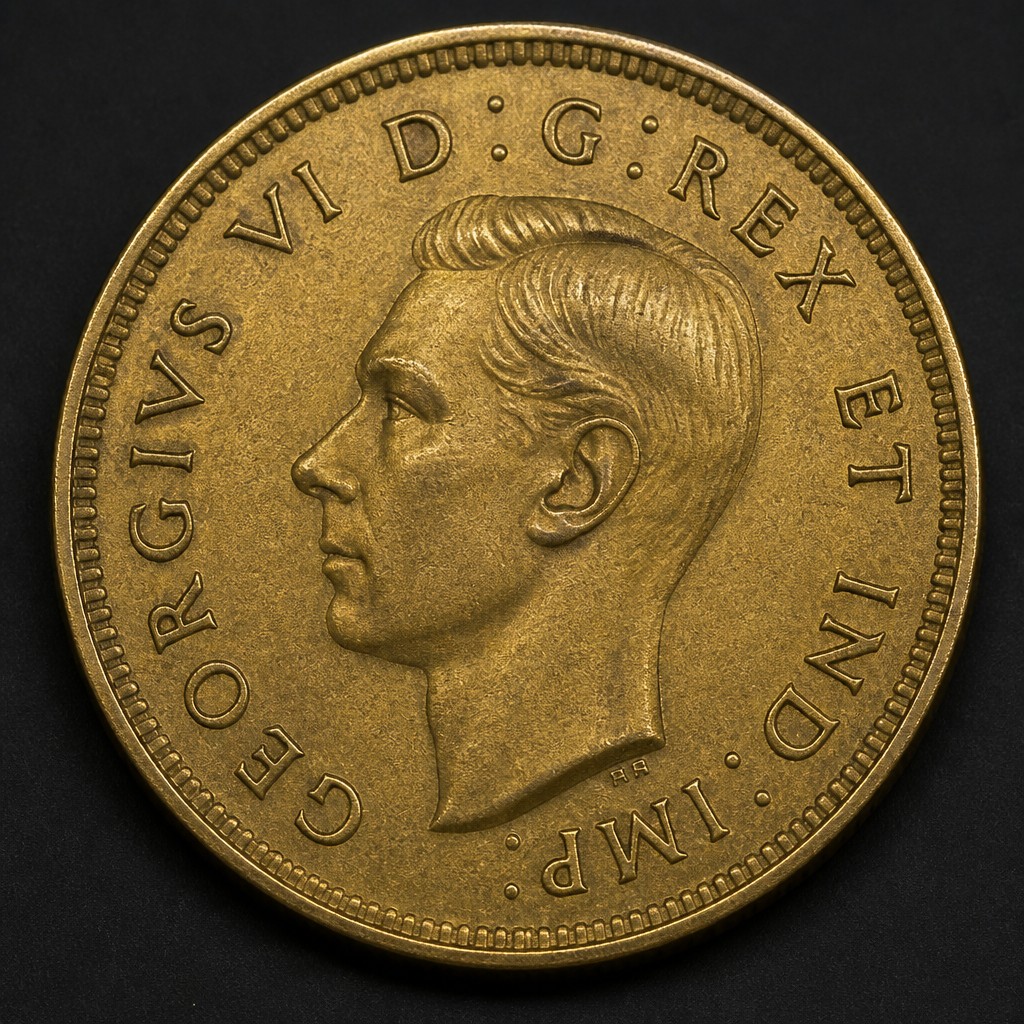
1943 'V' Victory Nickel (tombac)
A wartime Canadian five-cent coin struck in golden tombac with a bold V for Victory and a Morse code message around its edge, issued when nickel metal was diverted to the war effort.
Canadian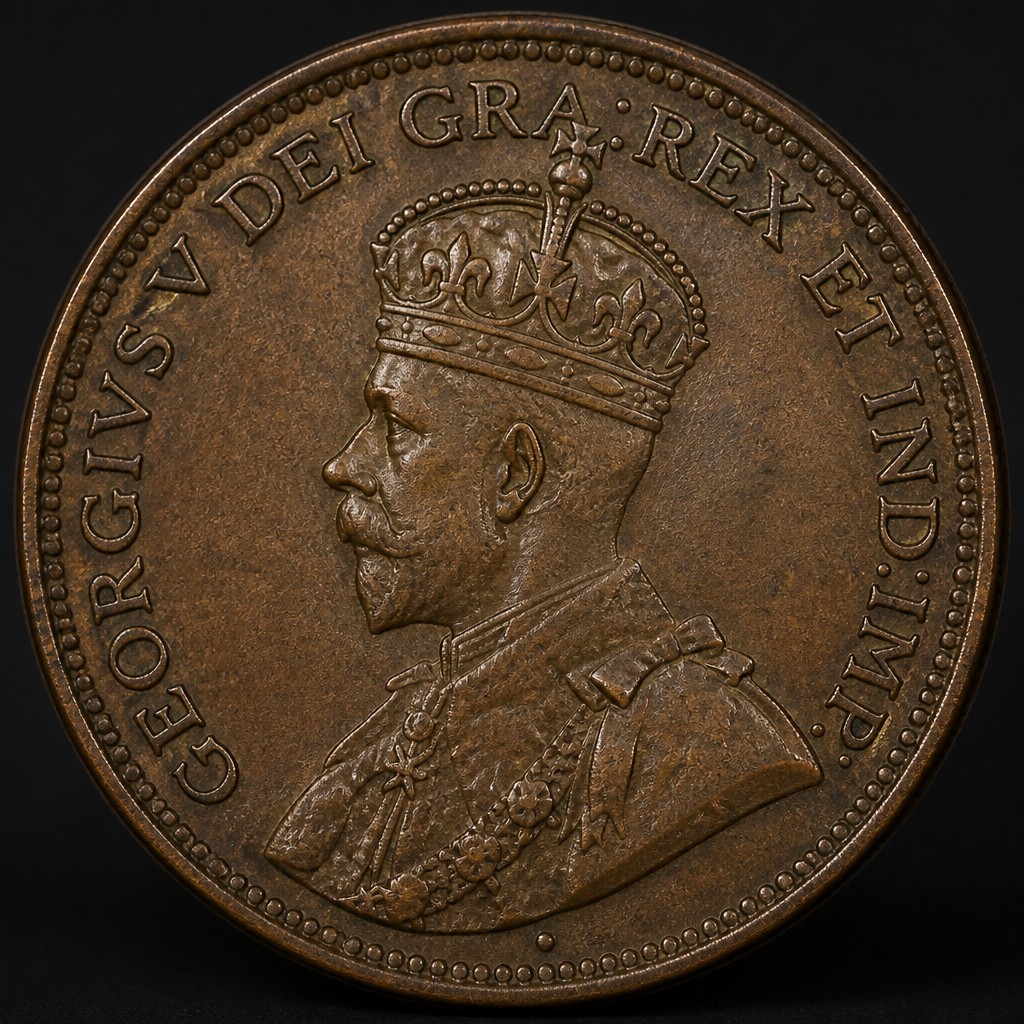
1936 Dot Cent
One of Canada's rarest coins: a 1936-dated cent quietly struck in 1937 with a tiny raised dot below the date after King Edward VIII's abdication delayed new George VI dies.
Canadian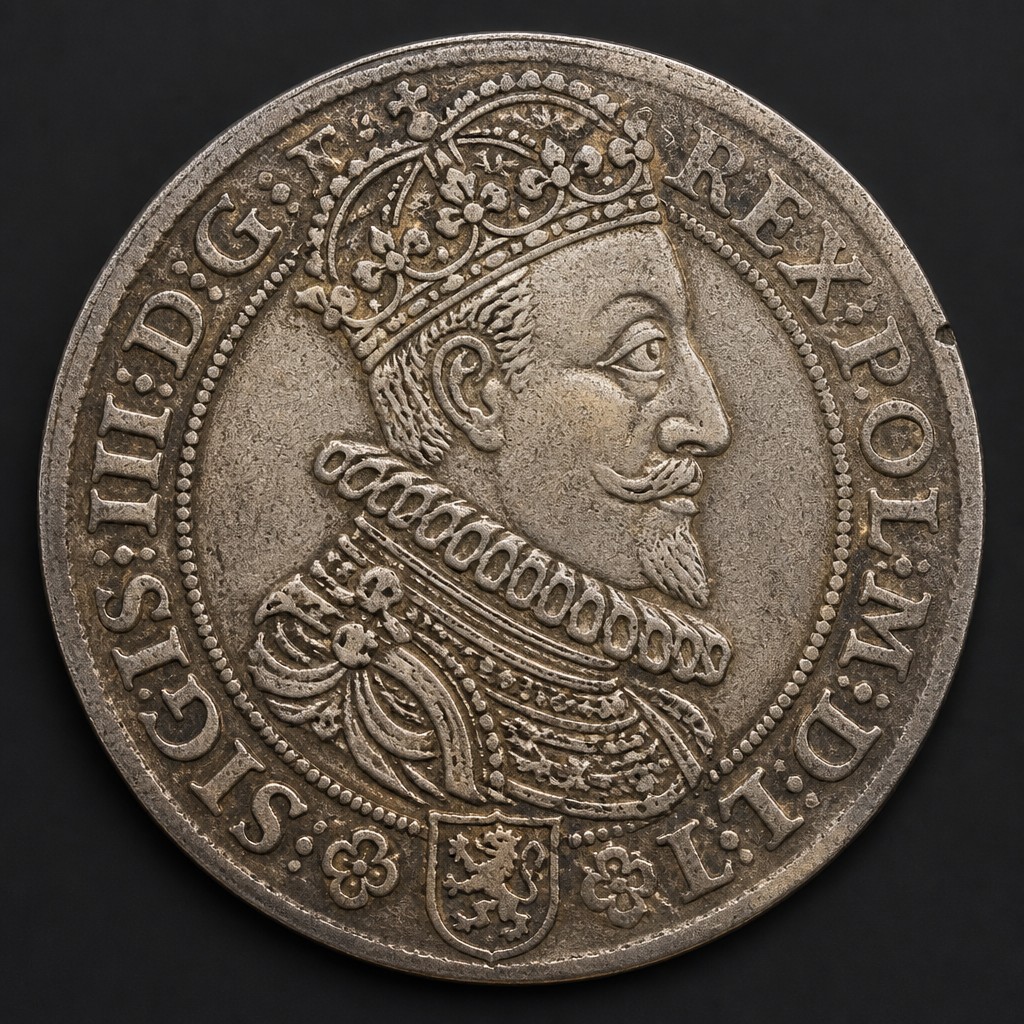
Polish-Lithuanian Thaler
The large silver trade coin of the Polish-Lithuanian Commonwealth, struck under successive kings from the 16th through 18th centuries, bearing royal portraits paired with the combined Polish eagle and Lithuanian Vytis arms.
European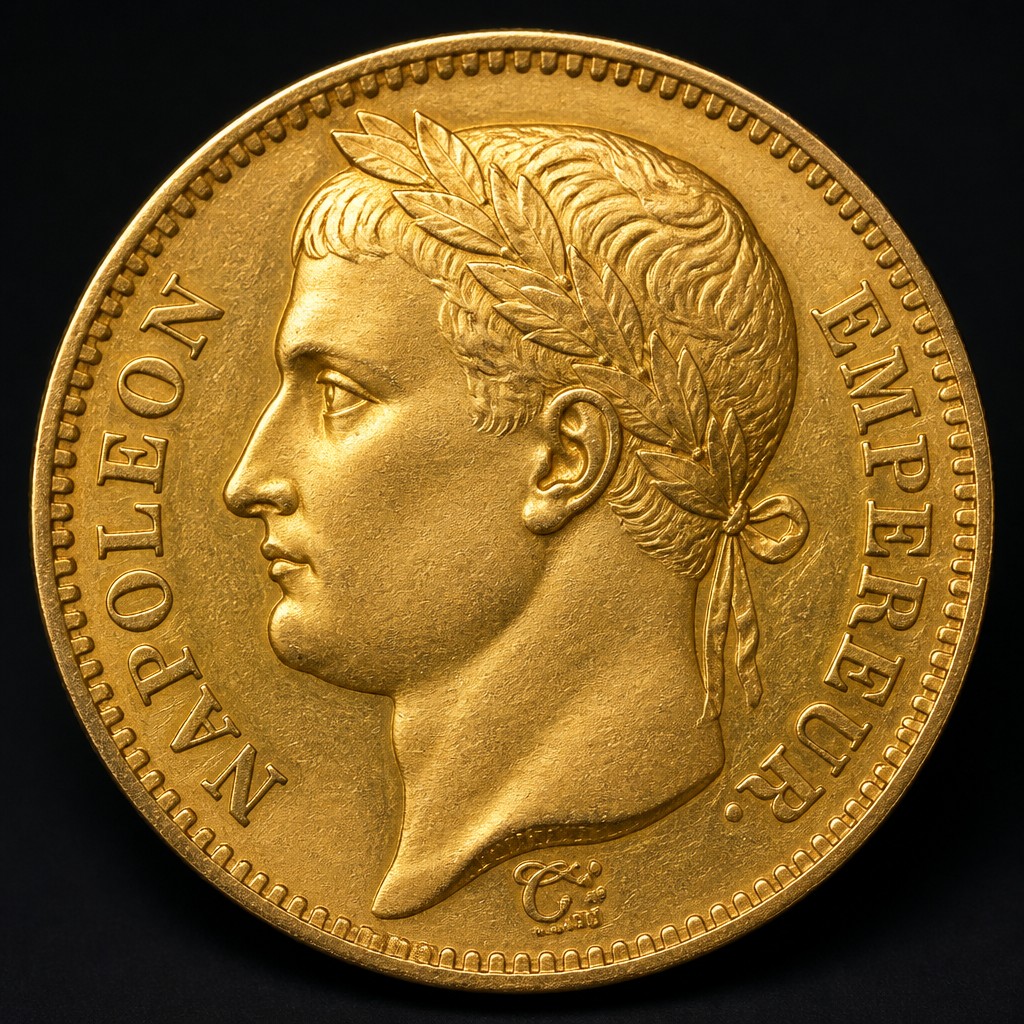
French Napoleon 20 Francs Gold
France's standard 19th-century gold coin, first struck under Napoleon I and continued under later rulers and the Republic, giving rise to the enduring nickname "Napoleon" for any 20-franc gold coin.
European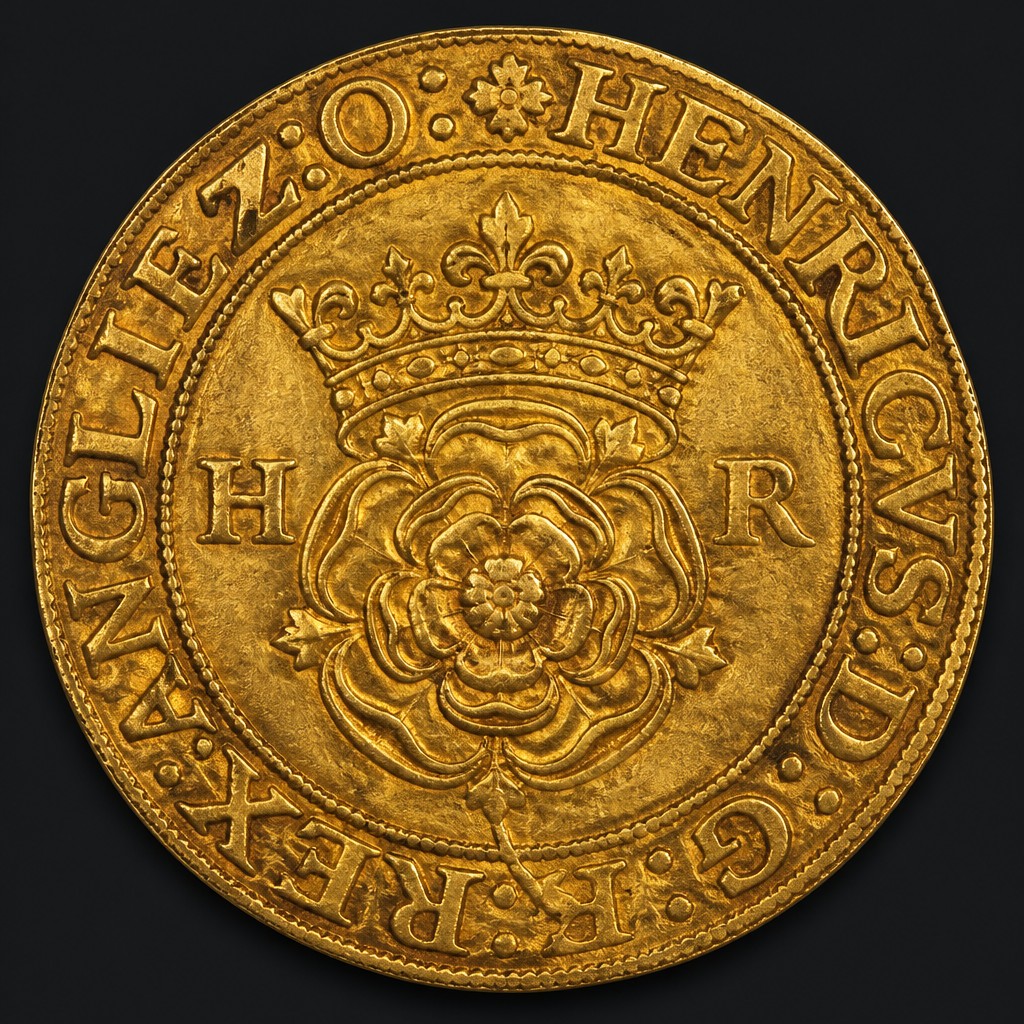
Crown of the Double Rose
A gold coin introduced by Henry VIII in 1526 as part of his coinage reform, named for the crowned Tudor double rose on its reverse.
British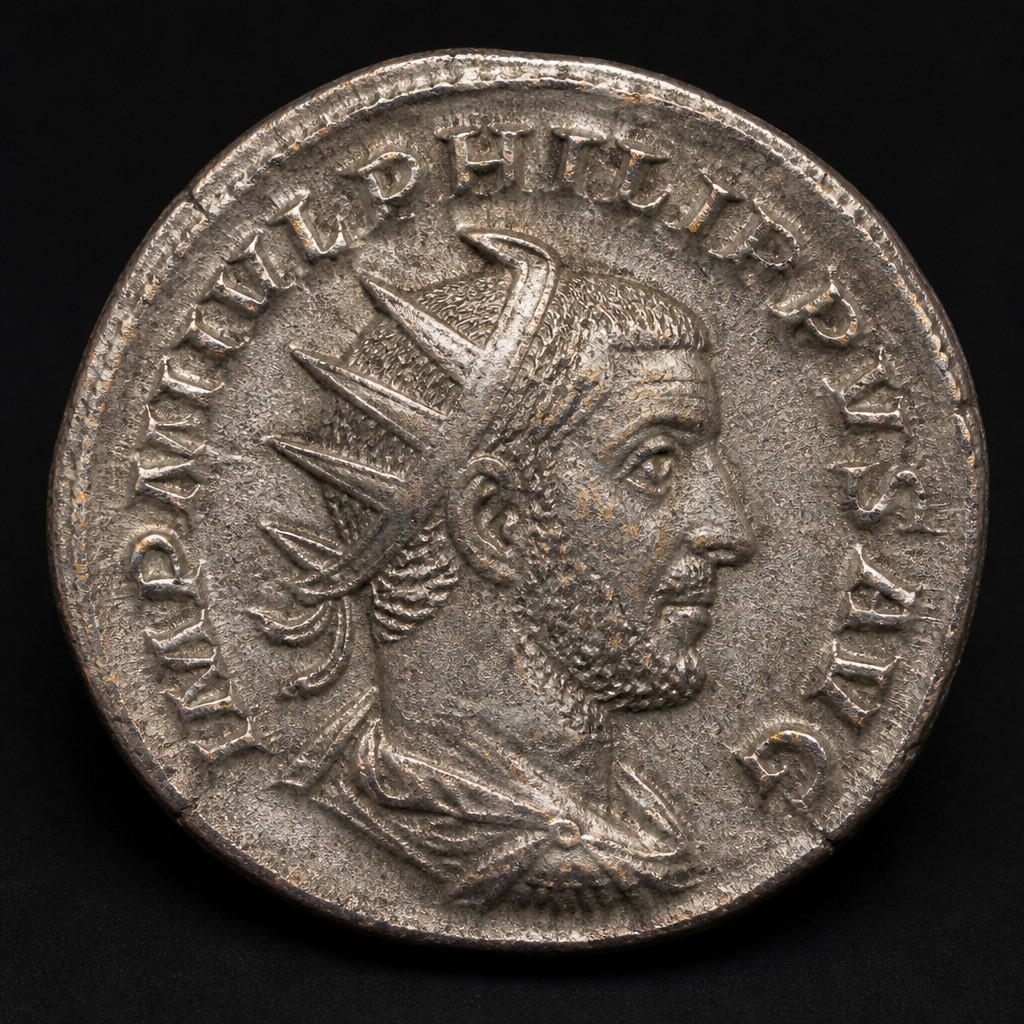
Philip the Arab Antoninianus
Radiate coin of Philip the Arab, notable for celebrating Rome's 1,000th anniversary in 248 AD with a memorable series of animal-themed 'Saecular Games' reverse types.
Ancient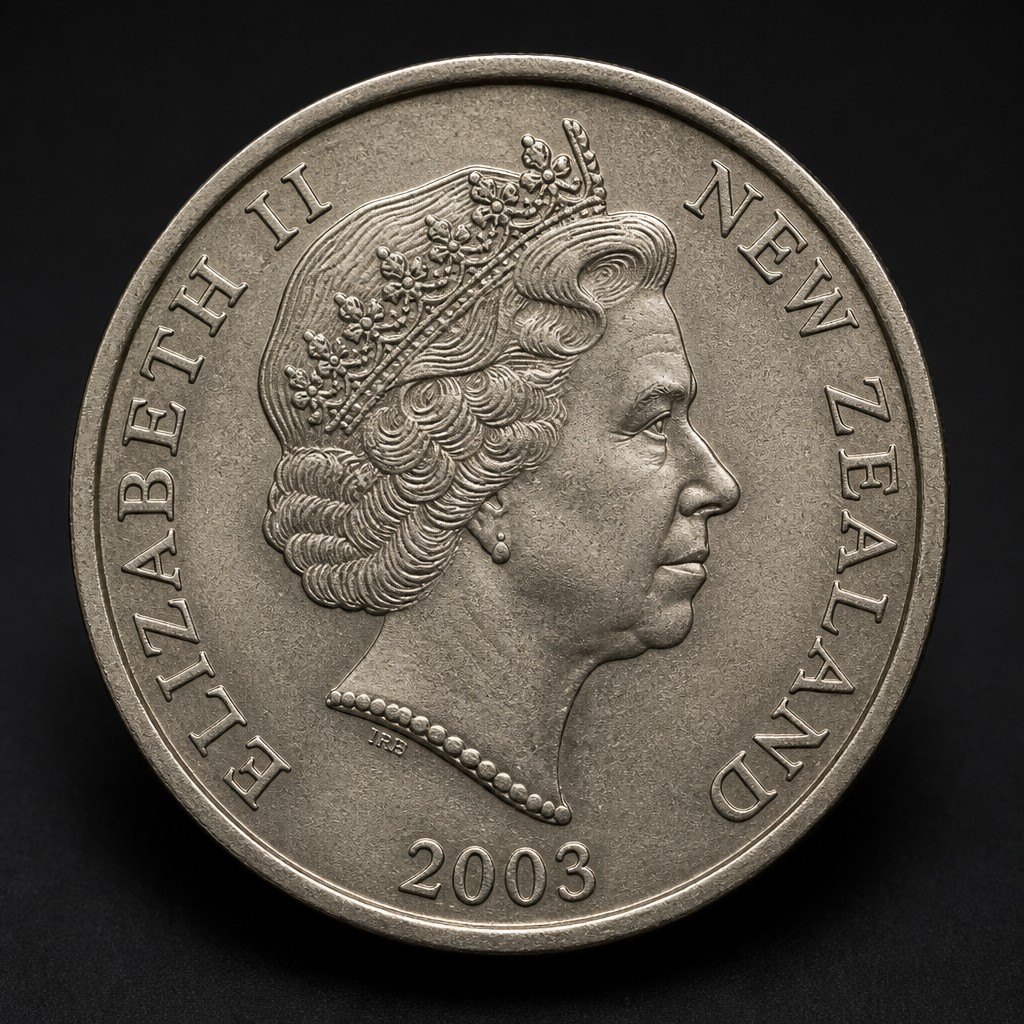
New Zealand Lord of the Rings Coins (2003)
New Zealand issued legal-tender coins featuring characters and scenes from Peter Jackson's Lord of the Rings film trilogy, celebrating the films' production in the country with both a circulating dollar and premium collector coins.
Commemorative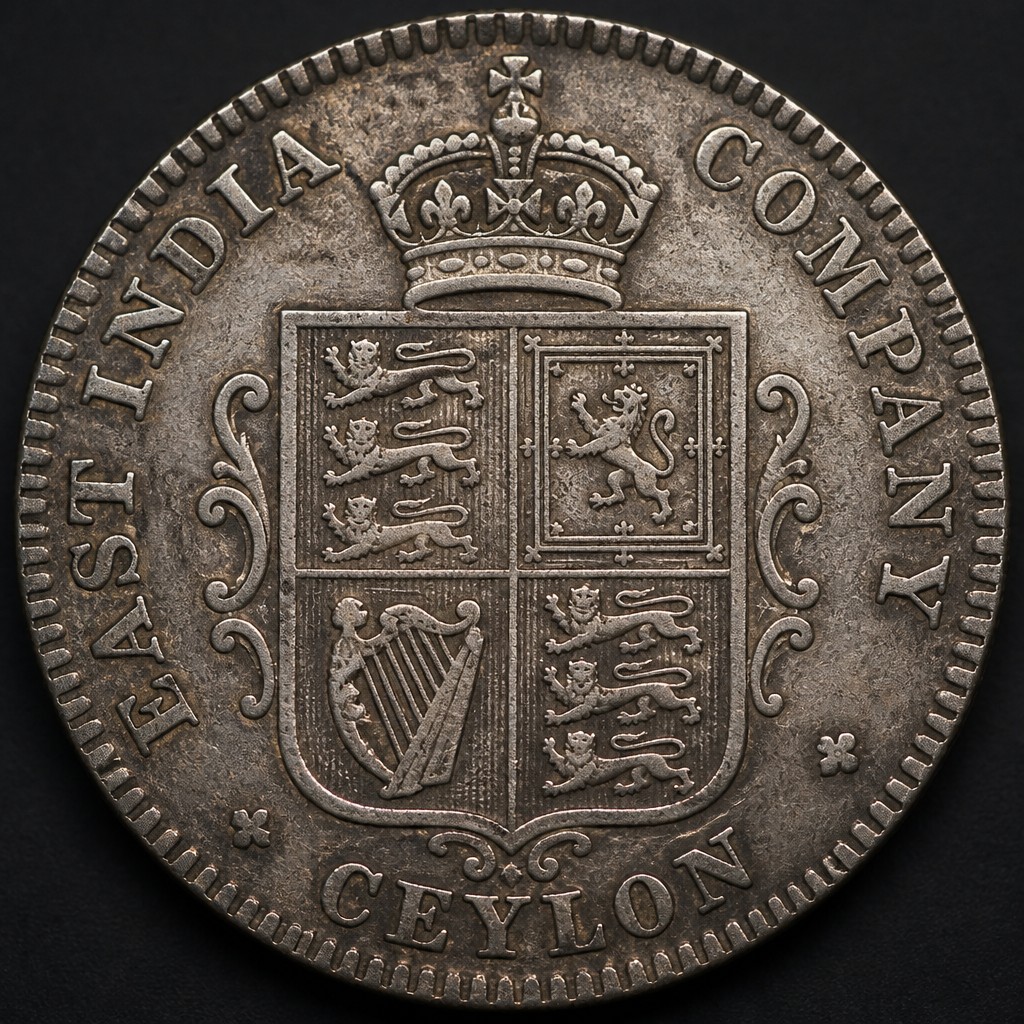
Ceylon (Sri Lanka) EIC Rixdollar
A colonial currency unit continued by the British East India Company administration in Ceylon, inherited from earlier Dutch VOC rule and featuring an elephant design.
Asian