
Coin Encyclopedia
Search and identify coins from around the world — with country, denomination, metal, mint, history, and how to tell them apart.
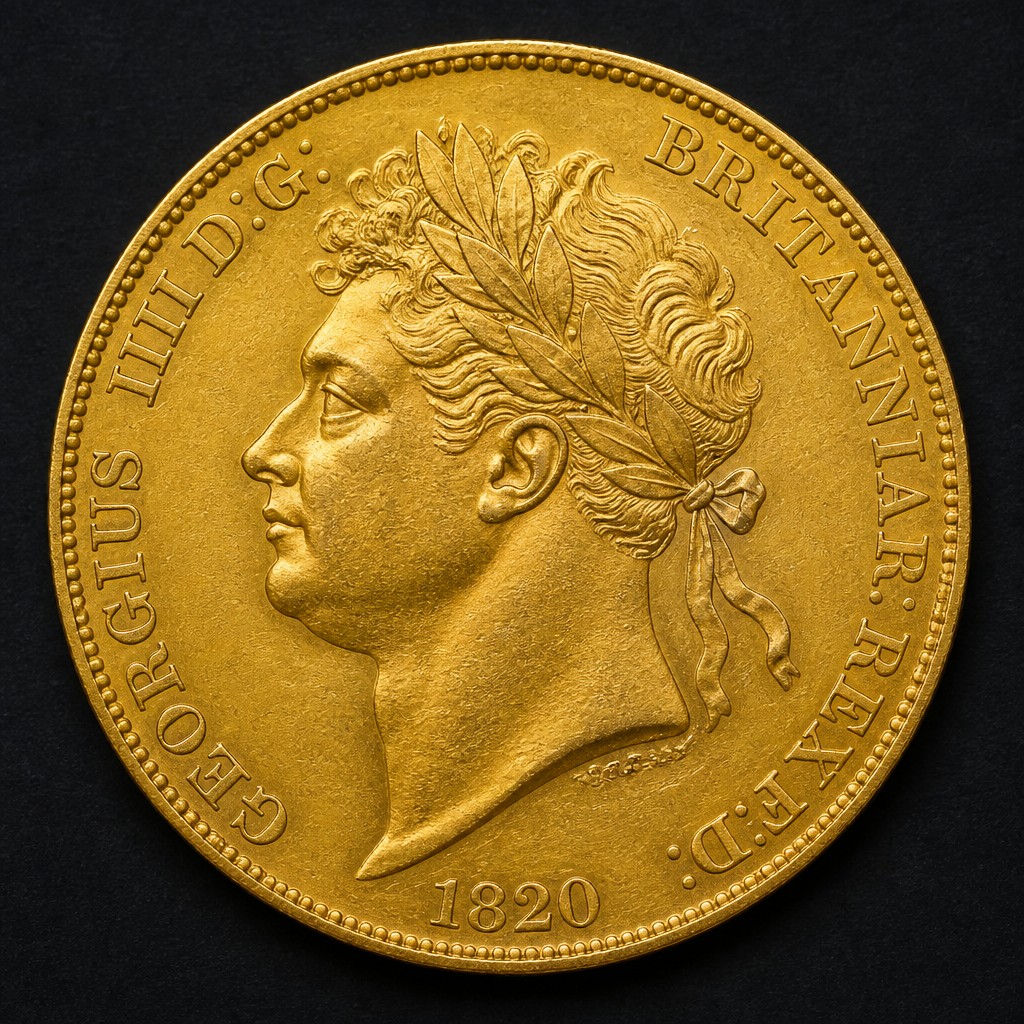
Five Pound Gold (Quintuple Sovereign)
The largest standard gold coin in the British sovereign family, worth five pounds and equal to five sovereigns, struck intermittently since 1820 for commemorative and collector purposes.
British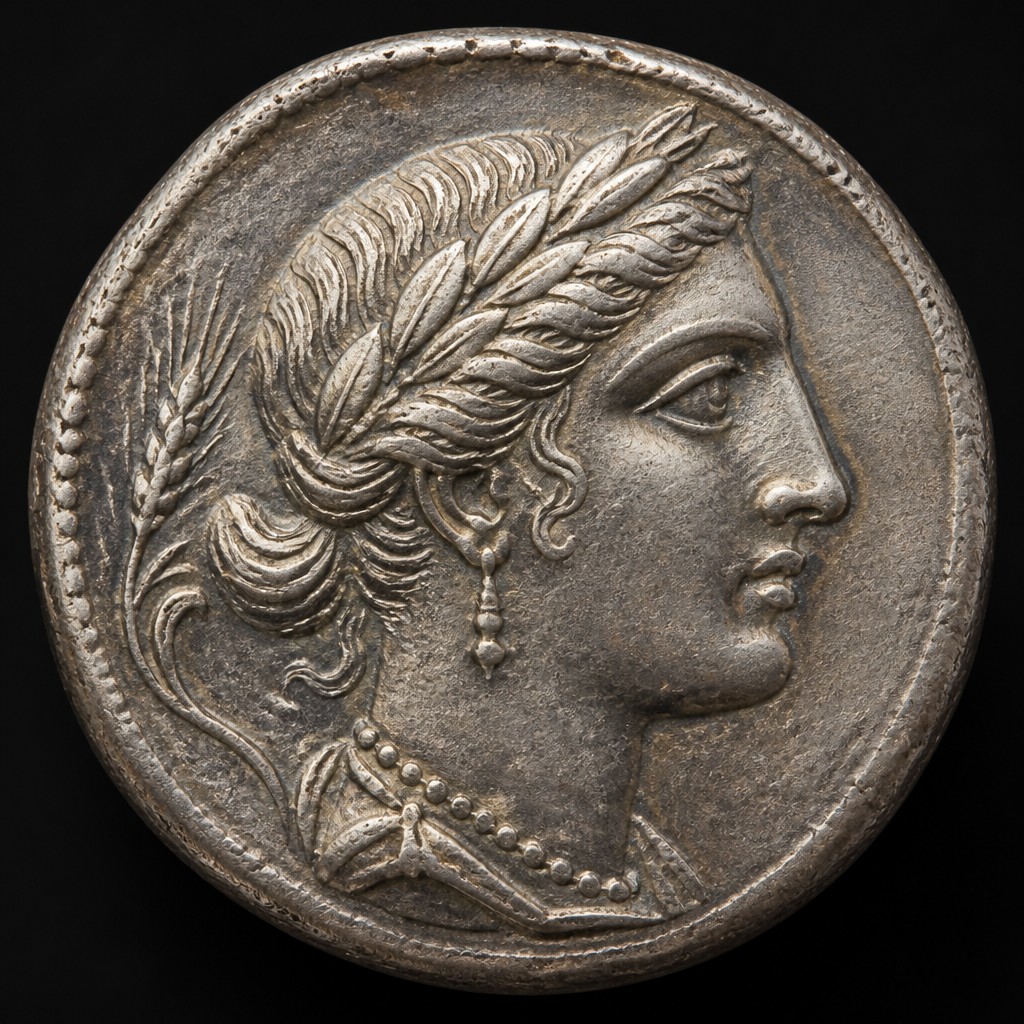
Panormus Siculo-Punic Tetradrachm
A silver tetradrachm struck at Panormus under Carthaginian control in Sicily, blending Greek artistic style with Punic legends, a hallmark of the distinctive Siculo-Punic coinage series.
Ancient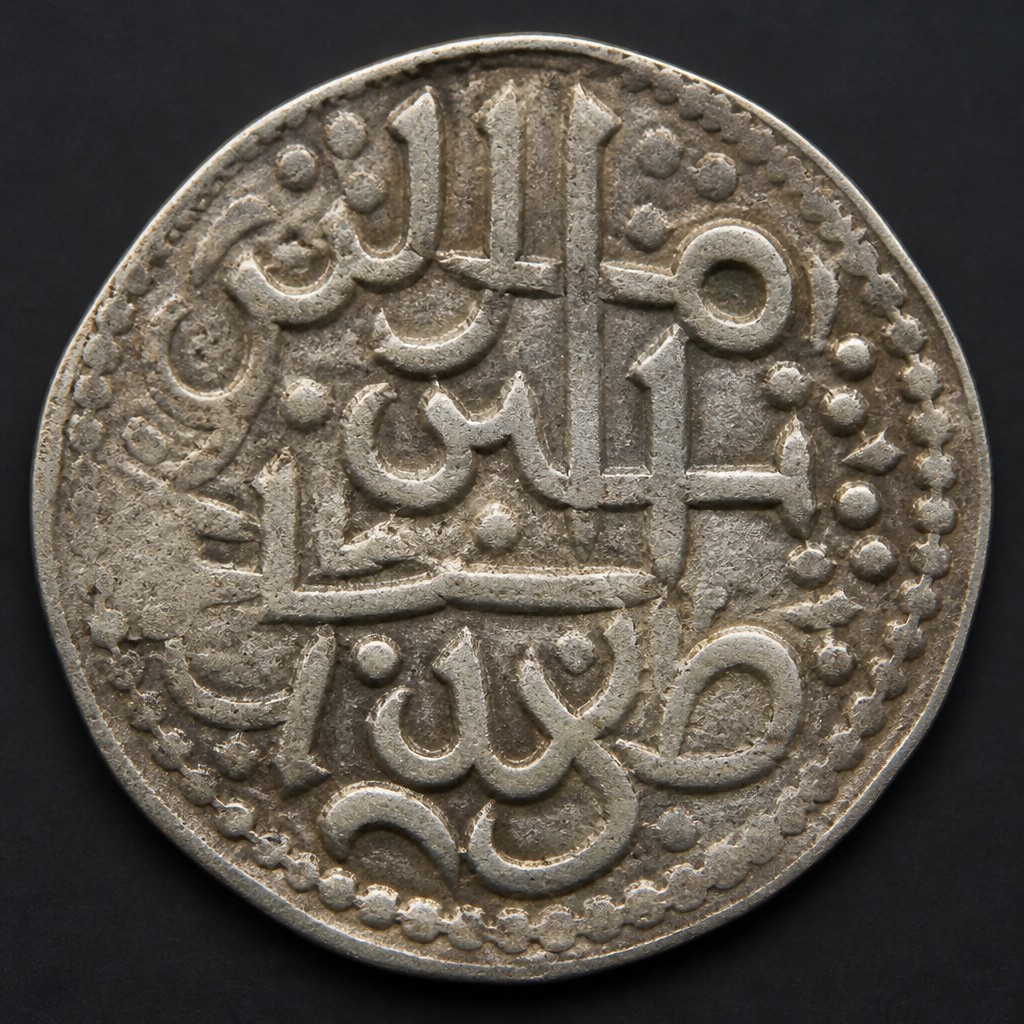
Ottoman Silver Akce
A tiny silver coin that served as the basic everyday currency unit of the Ottoman Empire for centuries, gradually shrinking in size and silver content as inflation took hold.
World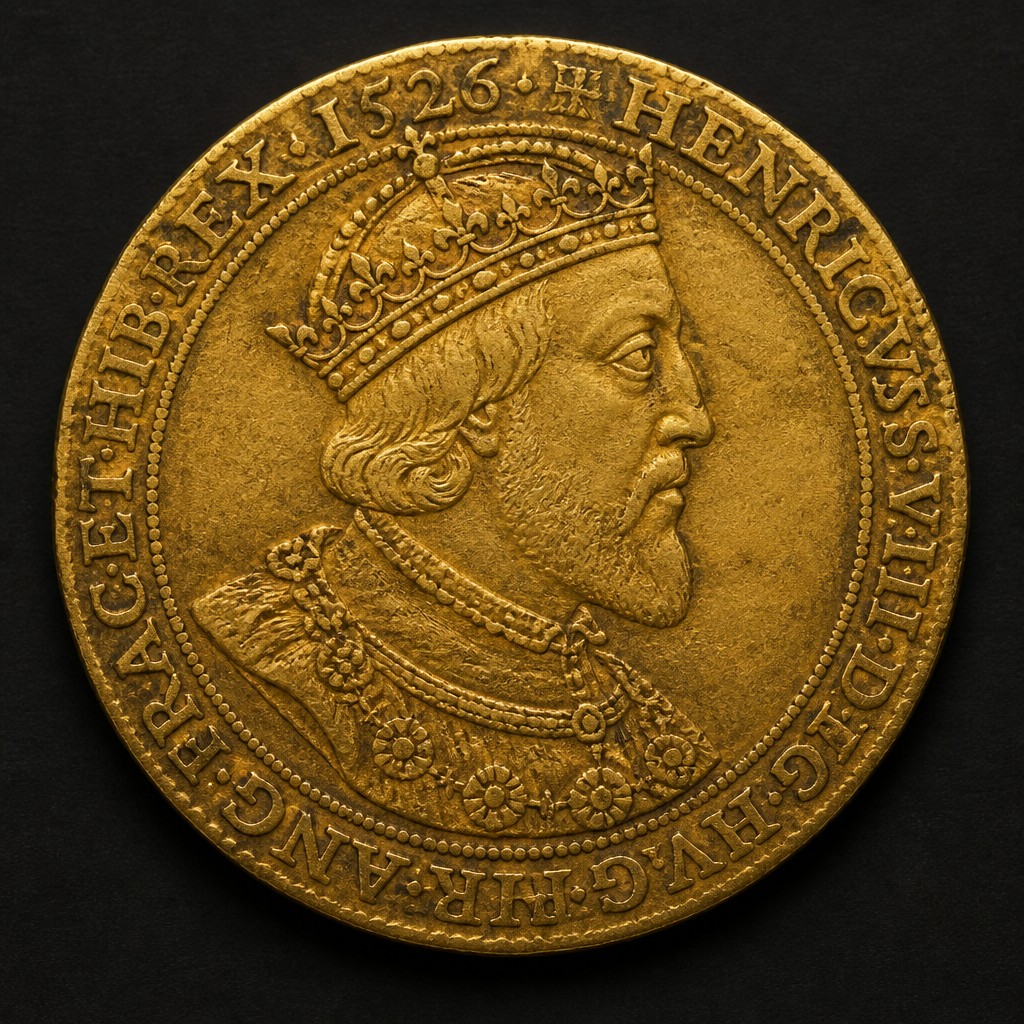
George Noble
A short-lived English gold coin of 1526 depicting St. George slaying the dragon, among the rarest coins of Henry VIII's reign.
British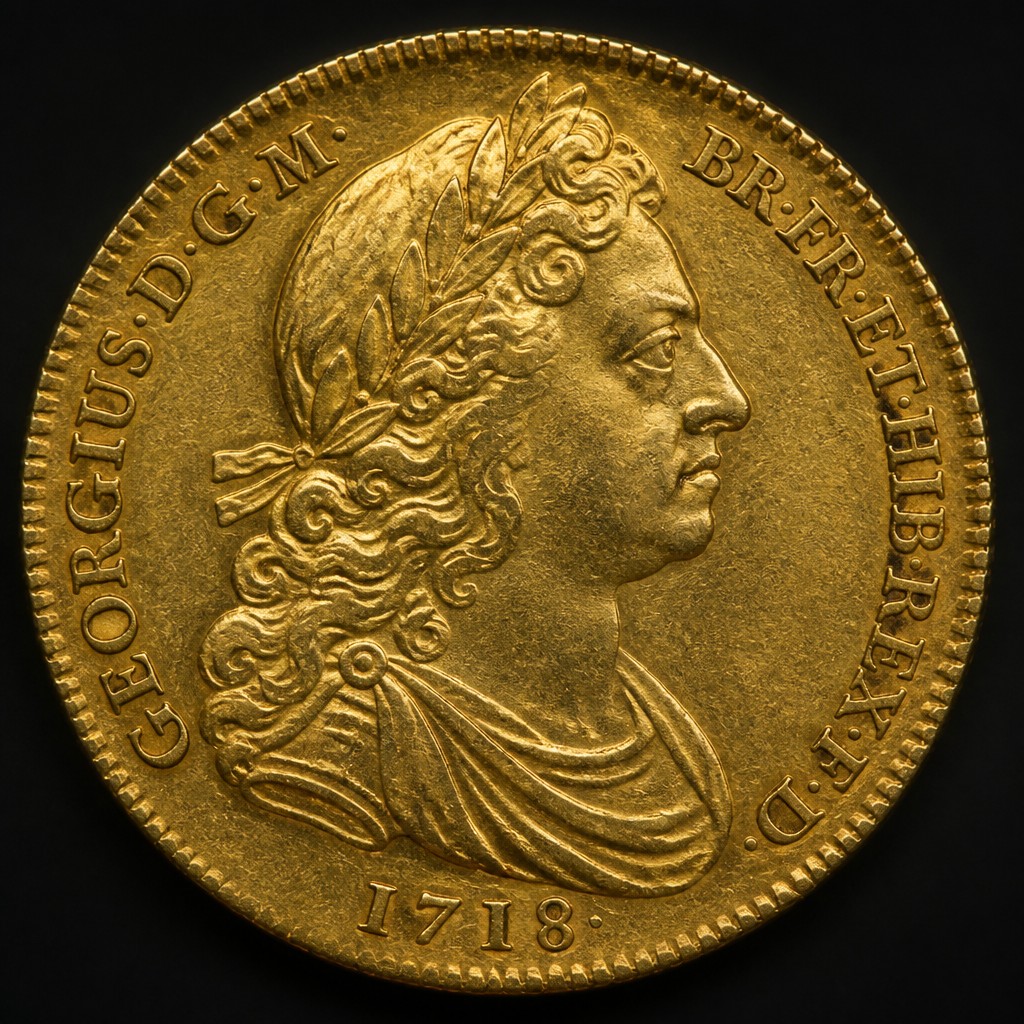
Quarter Guinea
A rarely issued small gold coin worth one-quarter of a guinea, struck only in 1718 under George I and again briefly in 1762 under George III.
British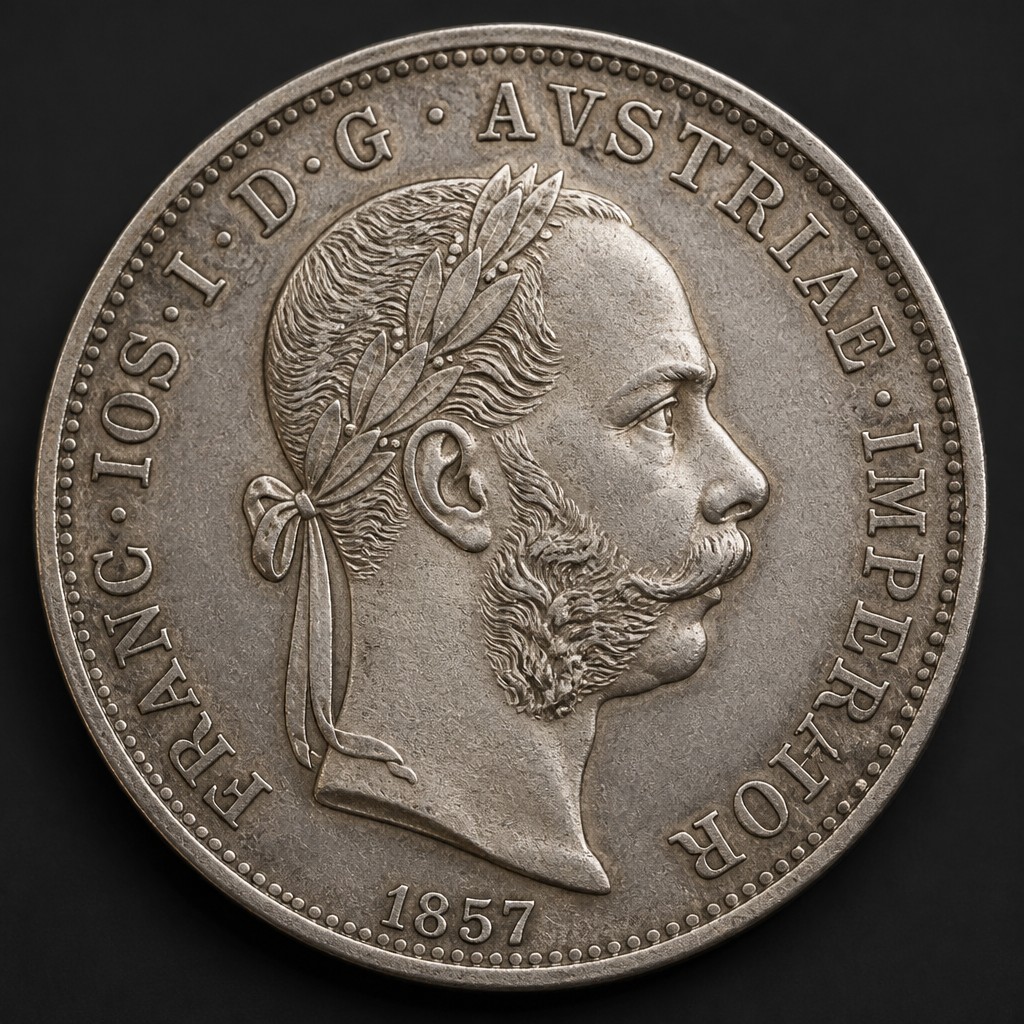
Austrian Florin (Gulden)
The main silver coin of Austria-Hungary in the second half of the 19th century, used until the krone replaced it in the 1892 monetary reform.
European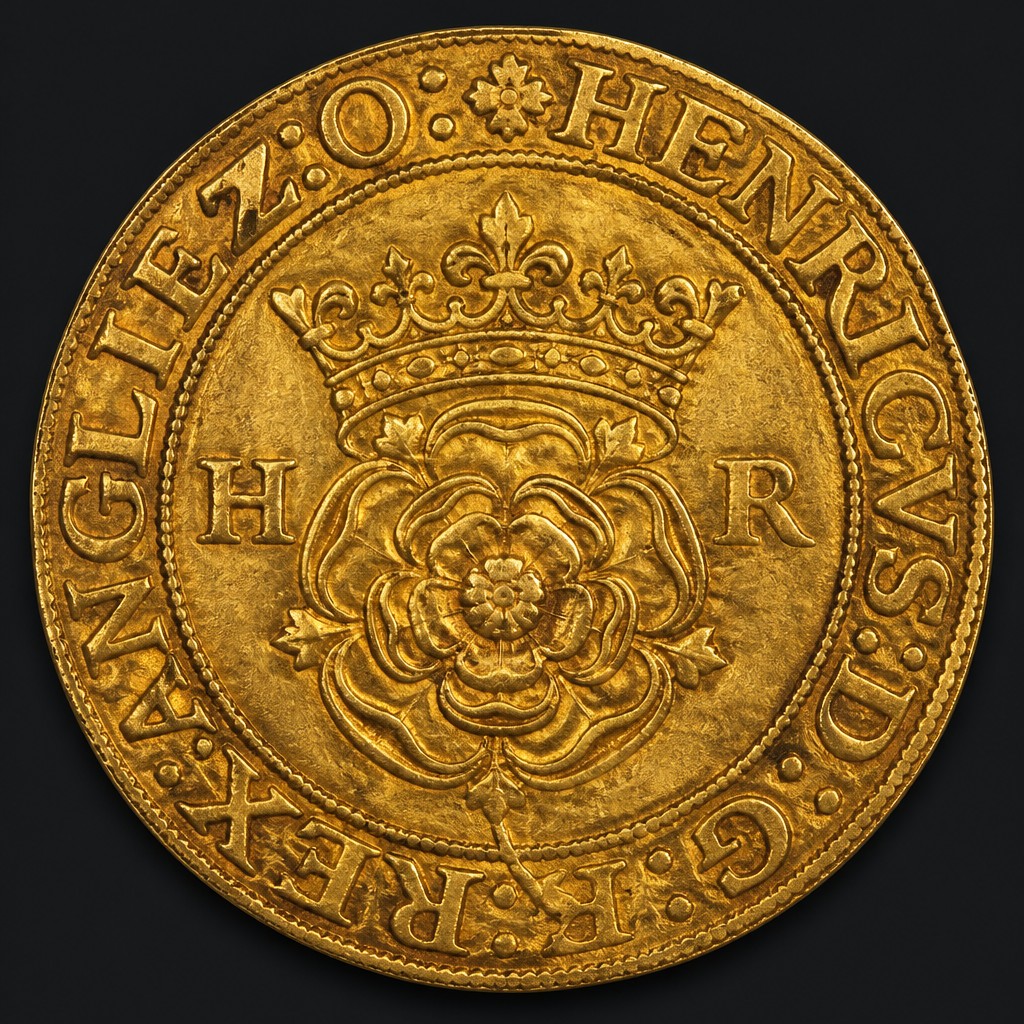
Crown of the Double Rose
A gold coin introduced by Henry VIII in 1526 as part of his coinage reform, named for the crowned Tudor double rose on its reverse.
British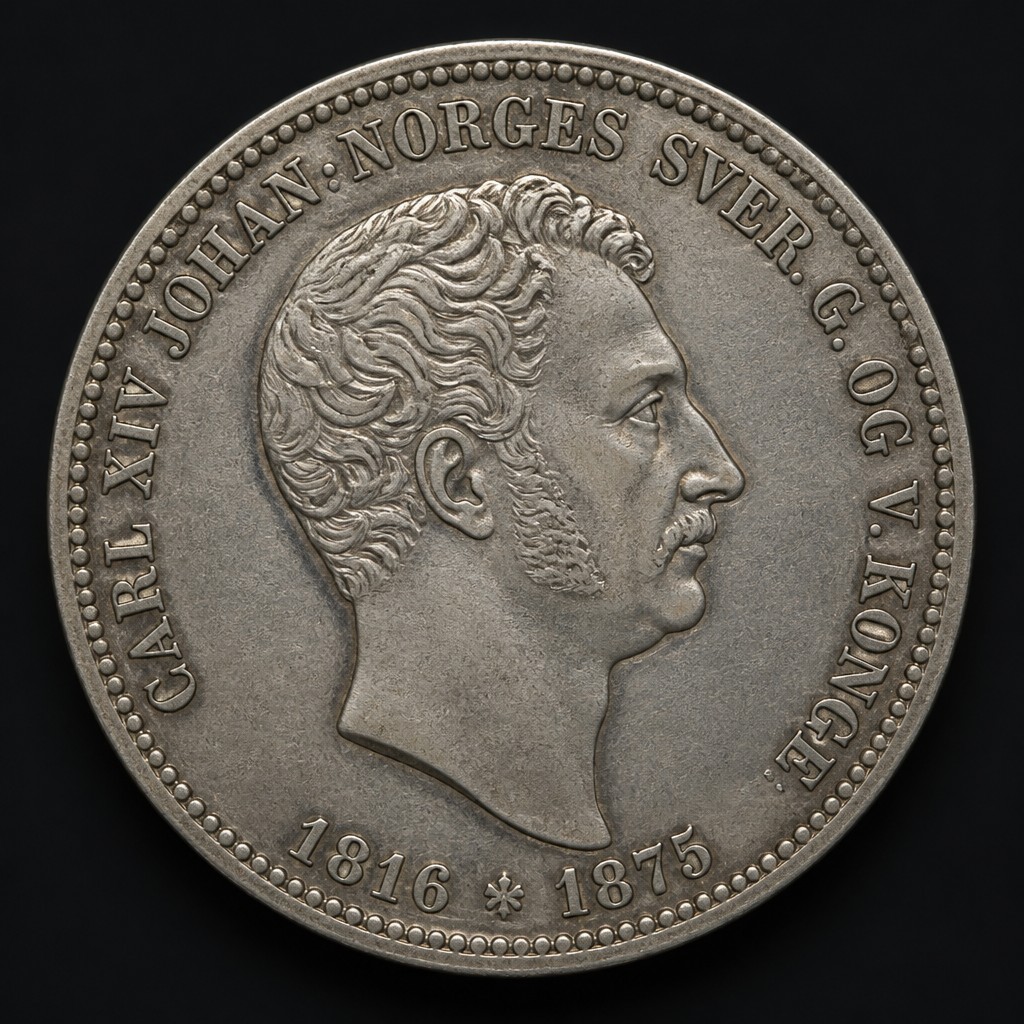
Norwegian Speciedaler
Norway's principal silver coin from the establishment of its independent currency in 1816 until the krone reform of the 1870s.
European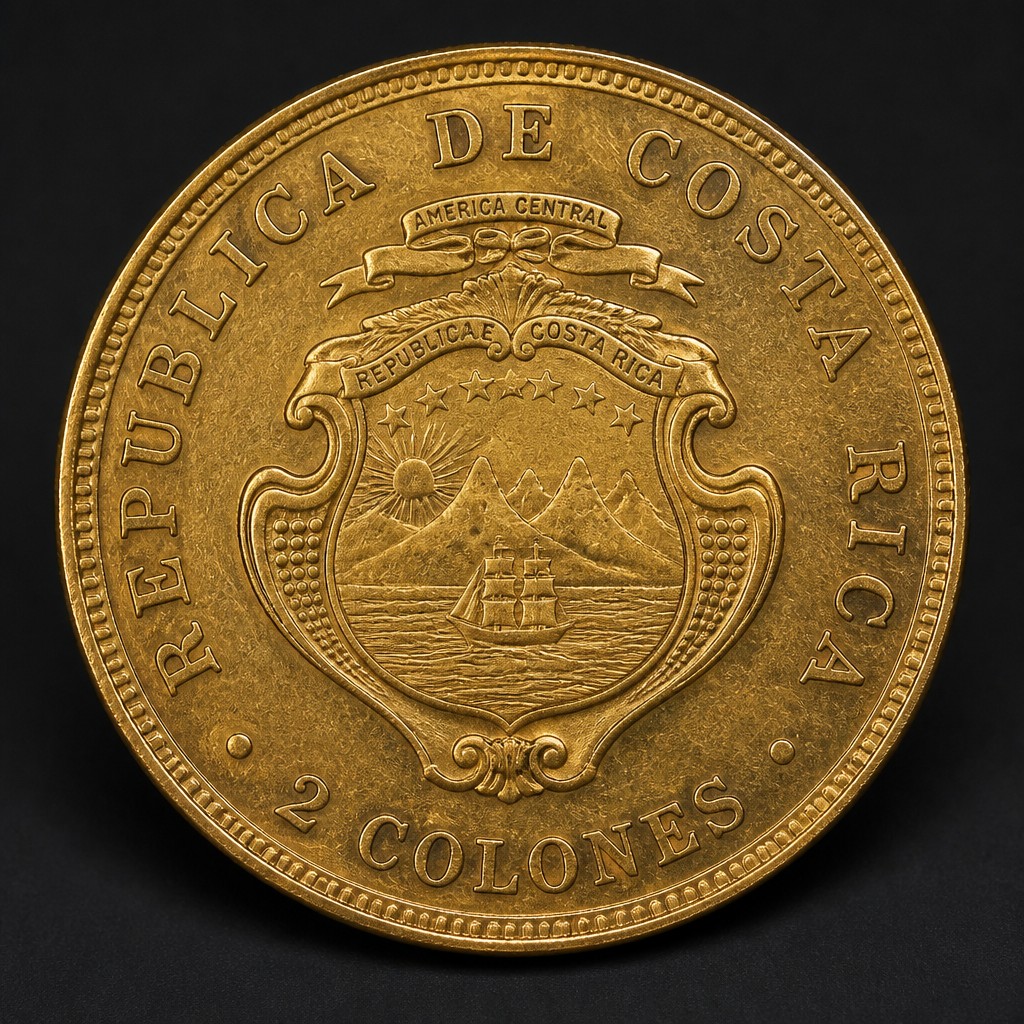
Costa Rica 2 Colones Gold
A small gold denomination from Costa Rica's early colon-era coinage, part of a family of gold coins (2, 5, 10, and 20 colones) struck around the turn of the twentieth century.
Latin American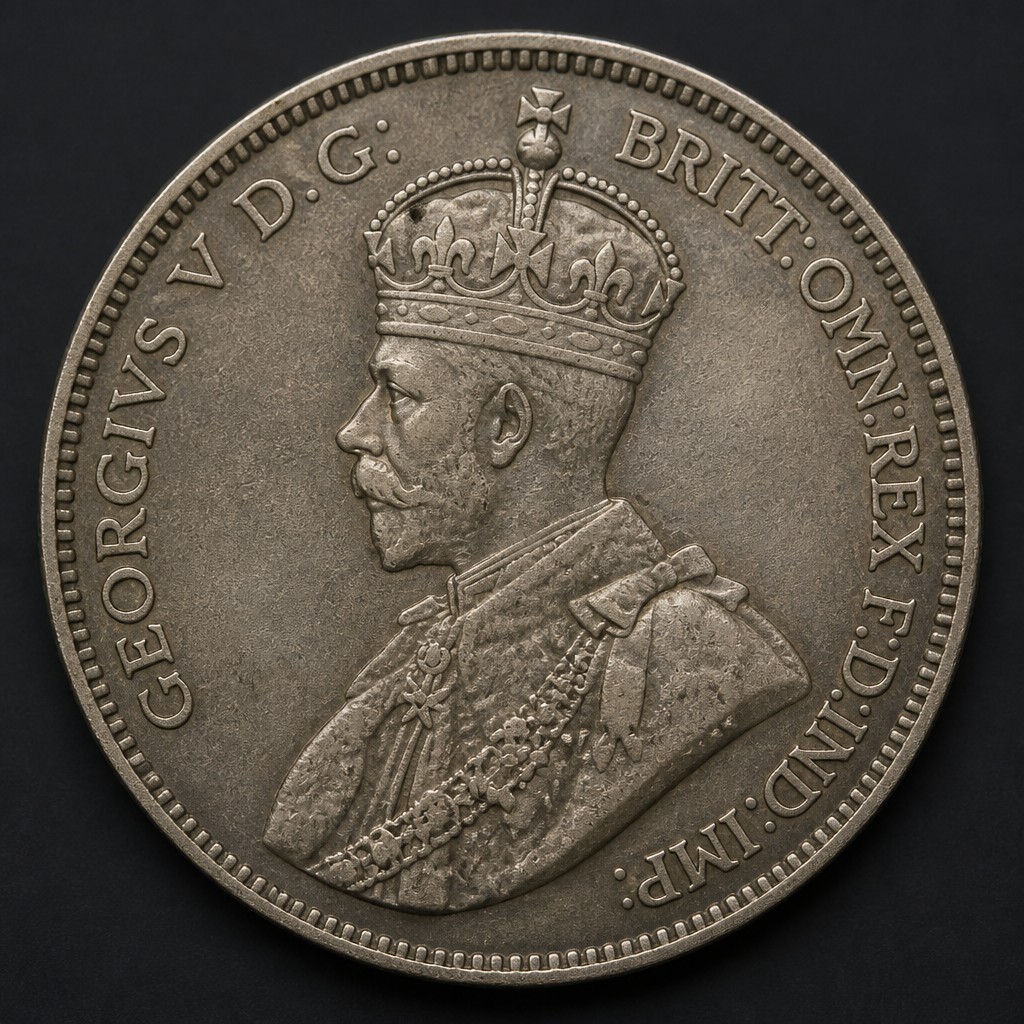
Australian Florin (pre-decimal)
Pre-decimal Australian silver florin worth two shillings, minted from 1910 until decimalization replaced it with the 20-cent coin in 1966.
Africa & Oceania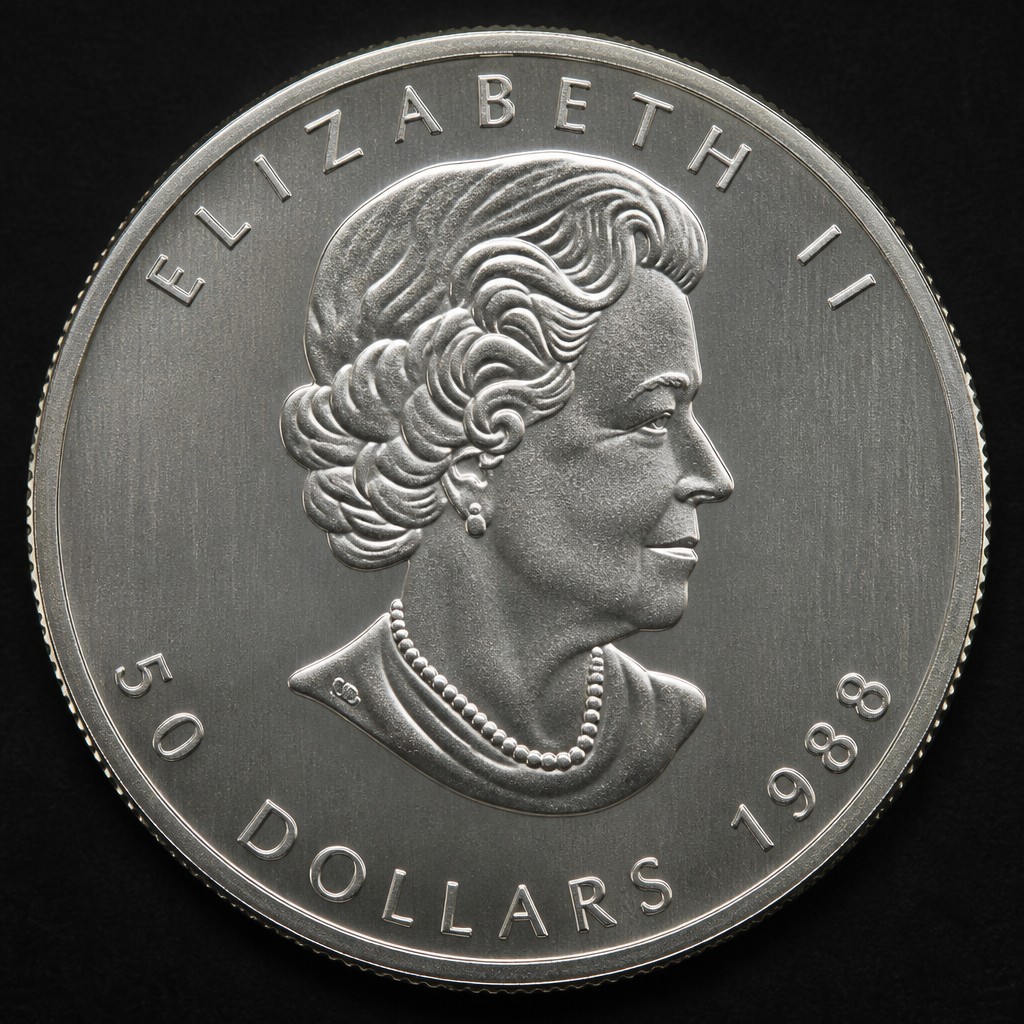
Canadian Platinum Maple Leaf
The Royal Canadian Mint's platinum bullion coin, launched in 1988 with the same maple leaf design used across Canada's precious metal coin lines.
Bullion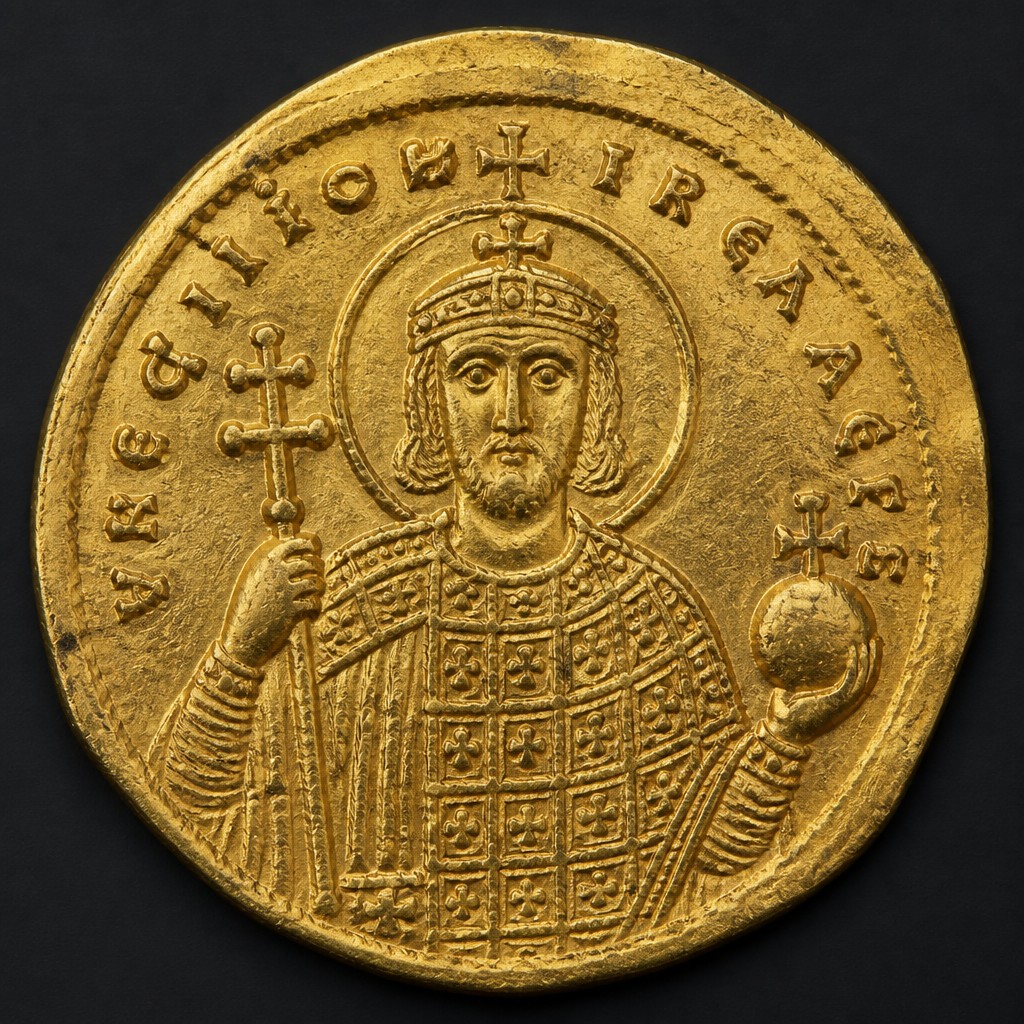
Byzantine Gold Histamenon Nomisma
A distinctive concave (cup-shaped) Byzantine gold coin introduced in the 10th century as the full-weight companion to the flat tetarteron nomisma.
Ancient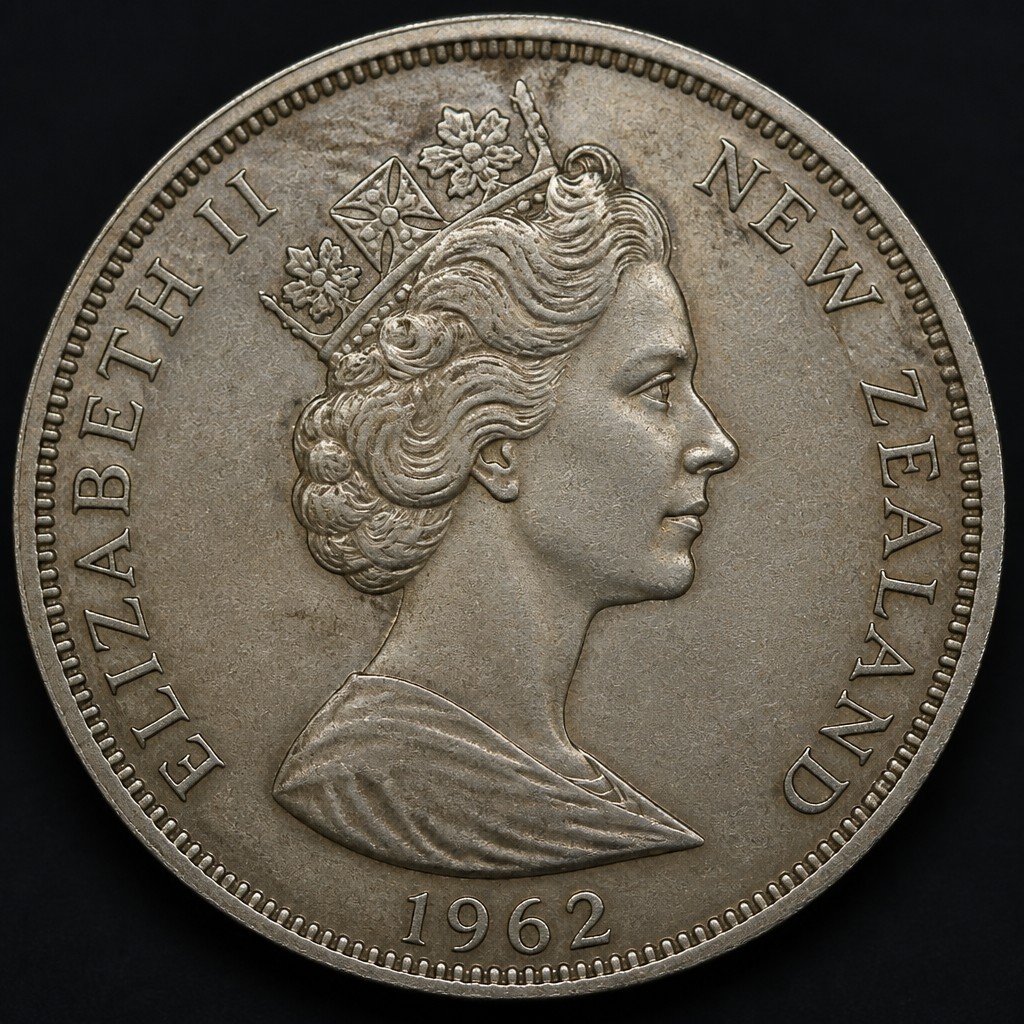
New Zealand Florin (pre-decimal)
New Zealand's pre-decimal florin, famous for its kiwi-bird reverse design, circulated from 1933 until decimalization replaced it with the 20-cent coin in 1967.
Africa & Oceania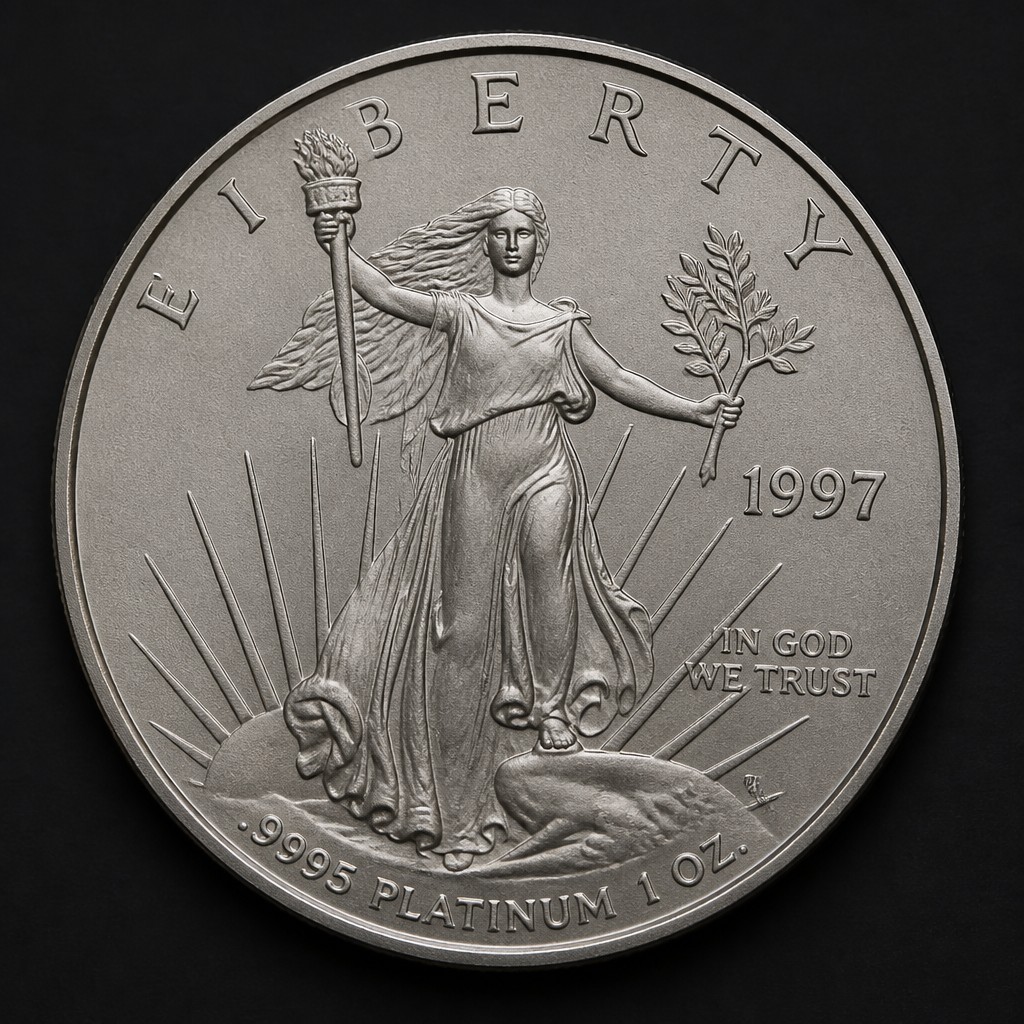
American Platinum Eagle
The United States Mint's official platinum bullion coin, issued since 1997 in four sizes, featuring the Statue of Liberty and a changing eagle reverse.
Bullion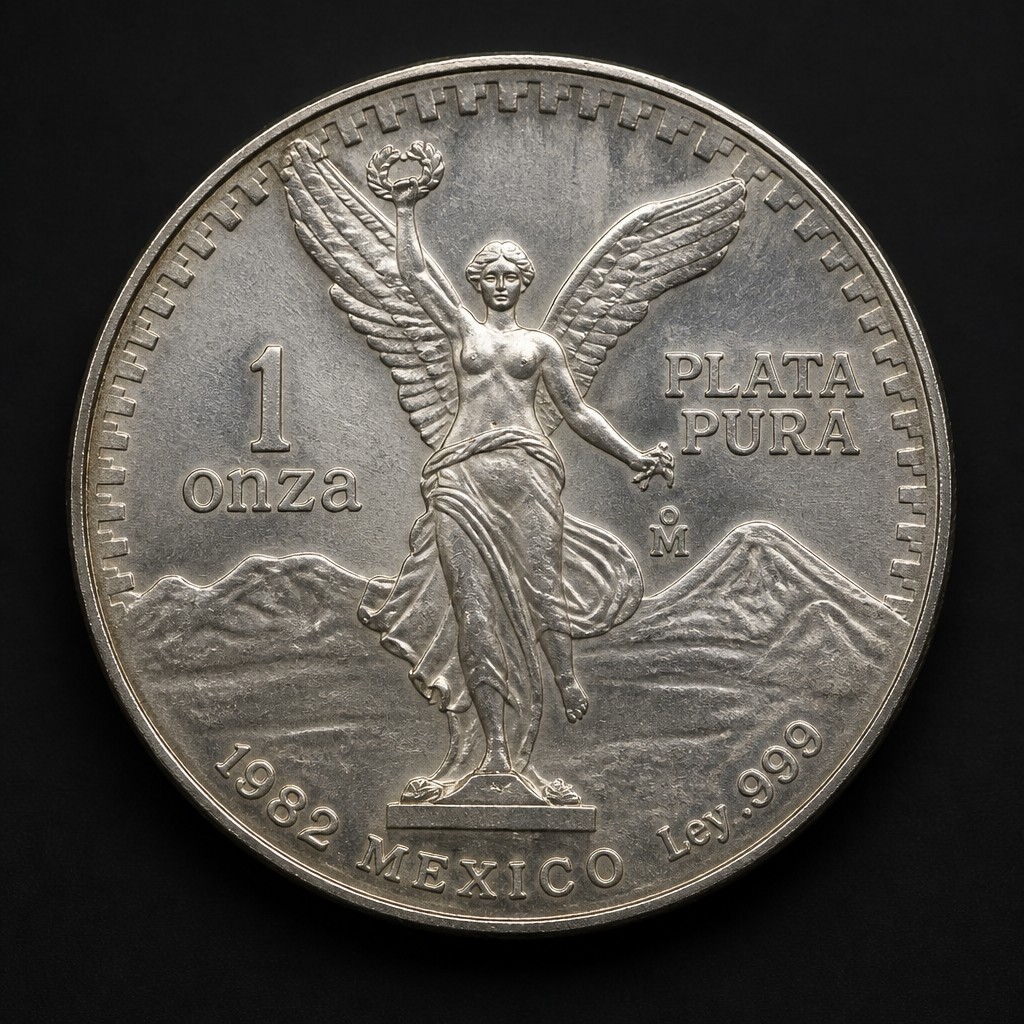
Mexican Silver Libertad
Mexico's widely collected silver bullion coin, sharing the Angel of Independence design with the Gold Libertad and issued in a range of weights since 1982.
Bullion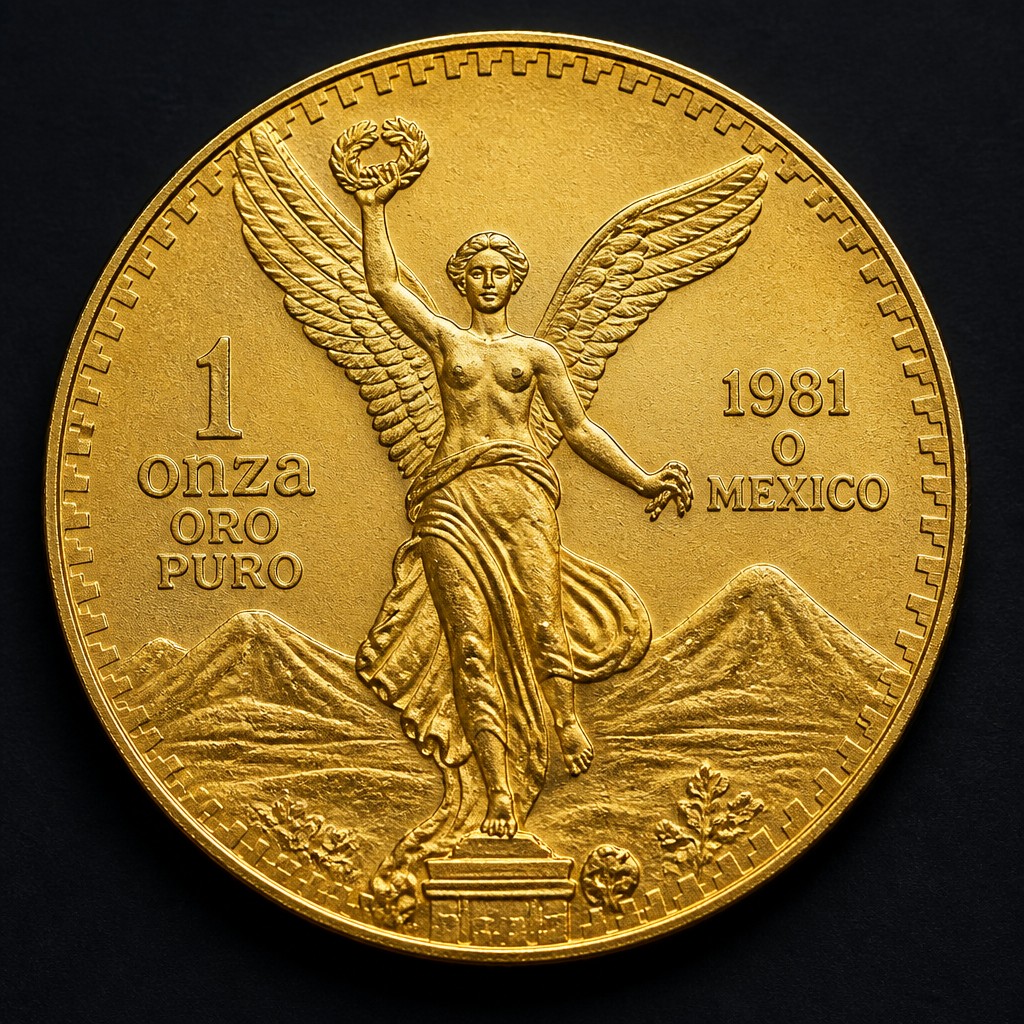
Mexican Gold Libertad
Mexico's premier gold bullion coin, featuring the iconic Angel of Independence, produced without a fixed monetary denomination since 1981.
Bullion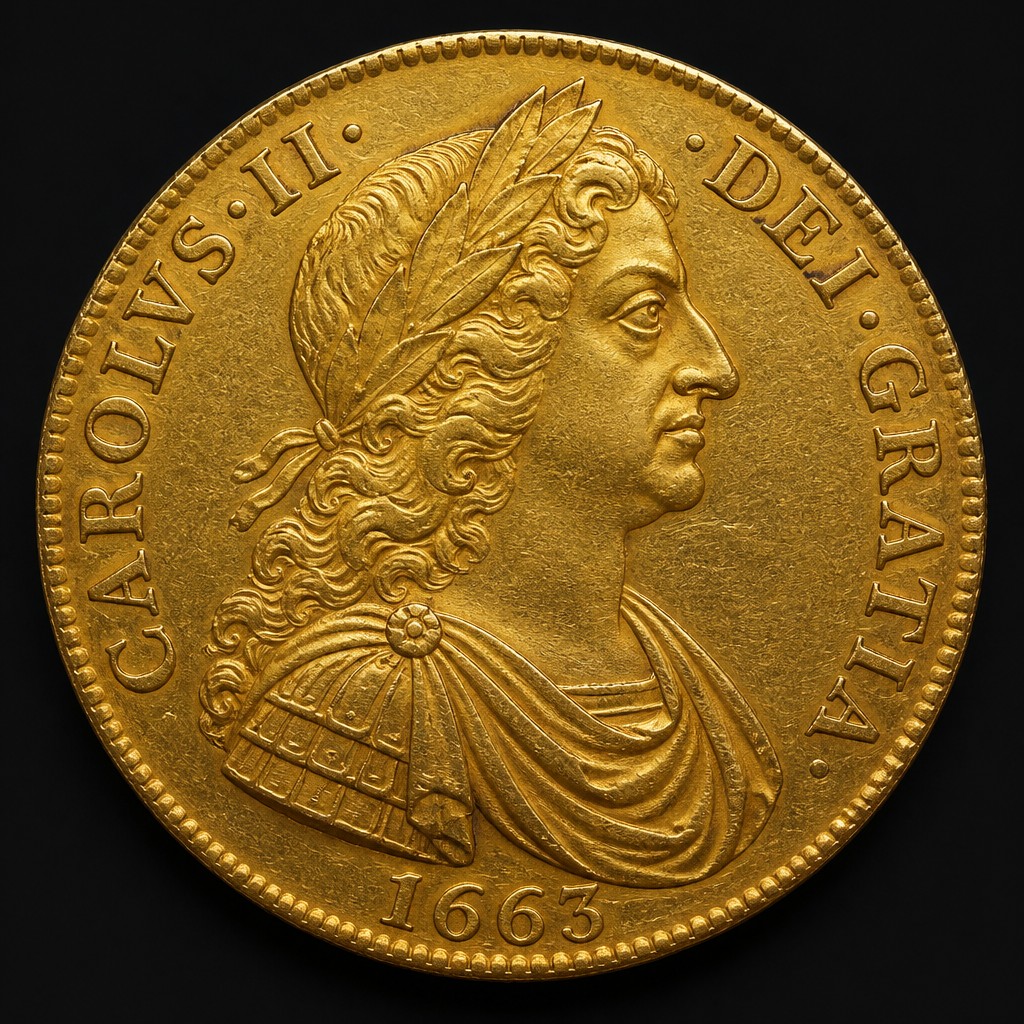
British Guinea
England's premier gold coin for over 150 years, named for the West African region that supplied much of its gold and eventually valued at 21 shillings.
British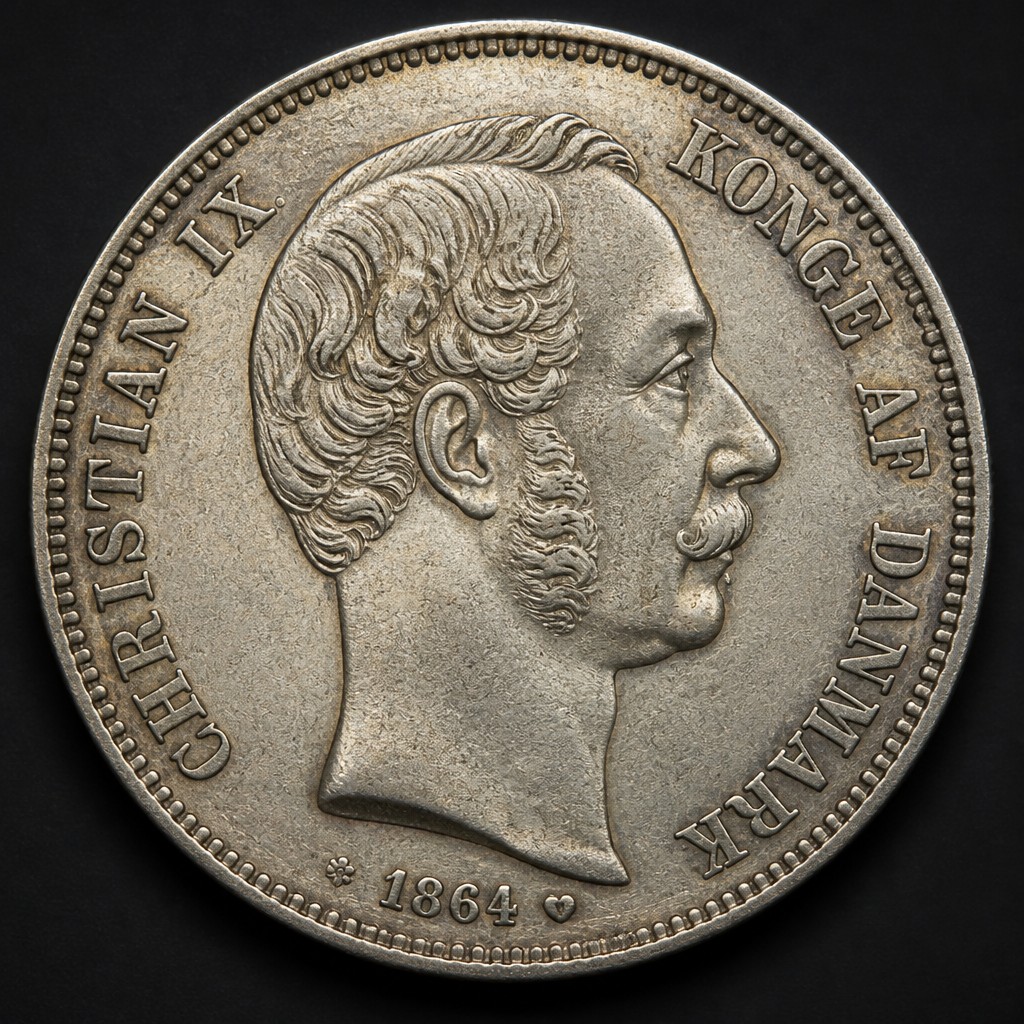
Danish Speciedaler
Denmark's large silver 'species dollar,' the principal high-value coin of the Danish monetary system before the krone replaced it in 1873–75.
European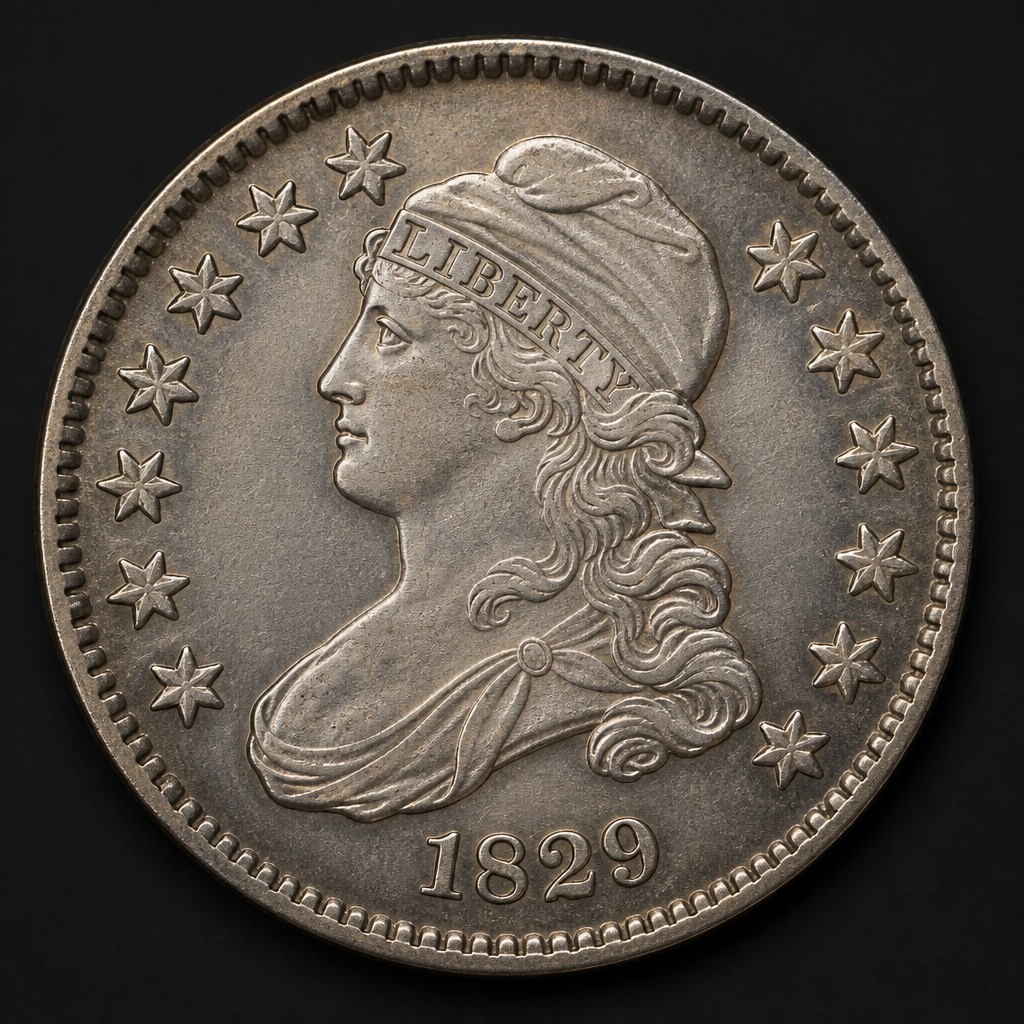
Capped Bust Half Dime
Struck between 1829 and 1837, the Capped Bust Half Dime brought a smaller, mechanically consistent version of the Capped Bust design to America's smallest silver coin.
United States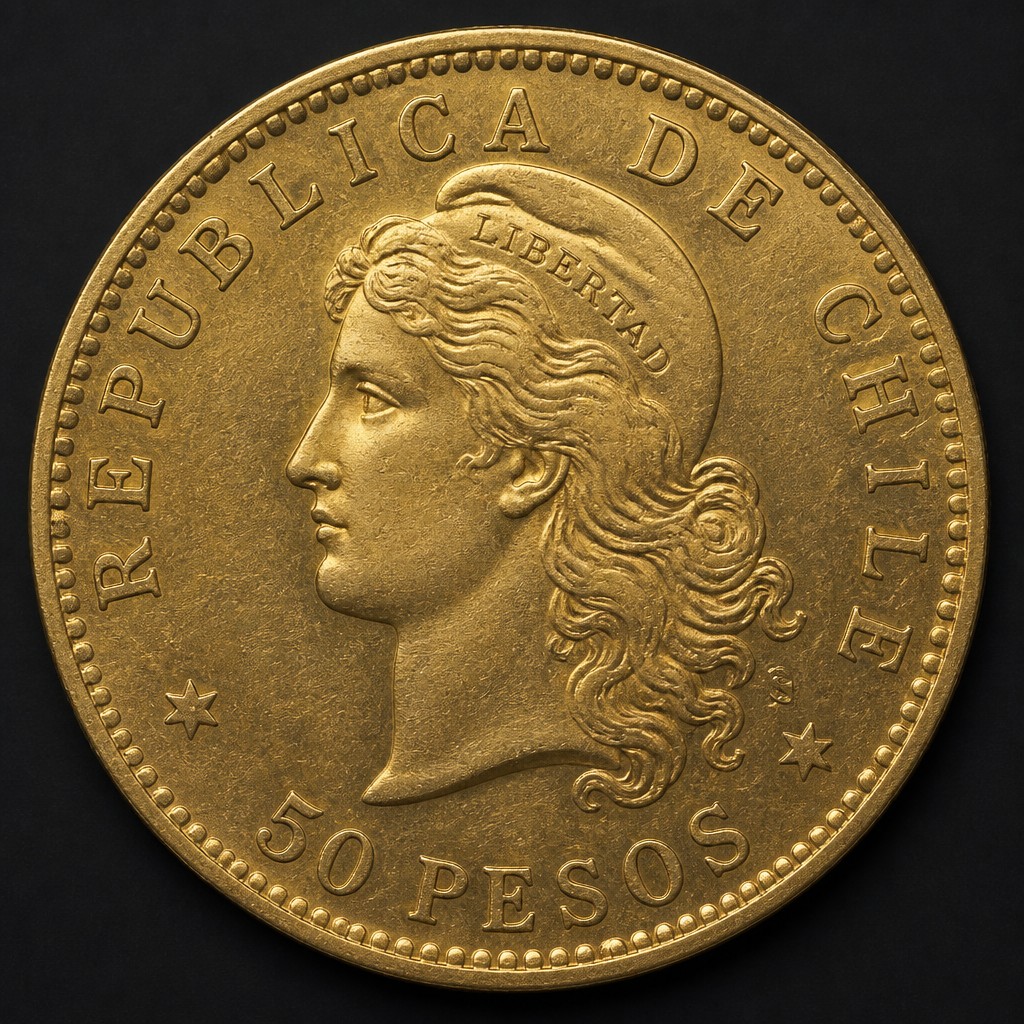
Chilean 50 Pesos Gold
A mid-sized Chilean gold coin issued as part of the 1926 gold standard reform, sharing the condor design theme with its larger and smaller companion denominations.
Latin American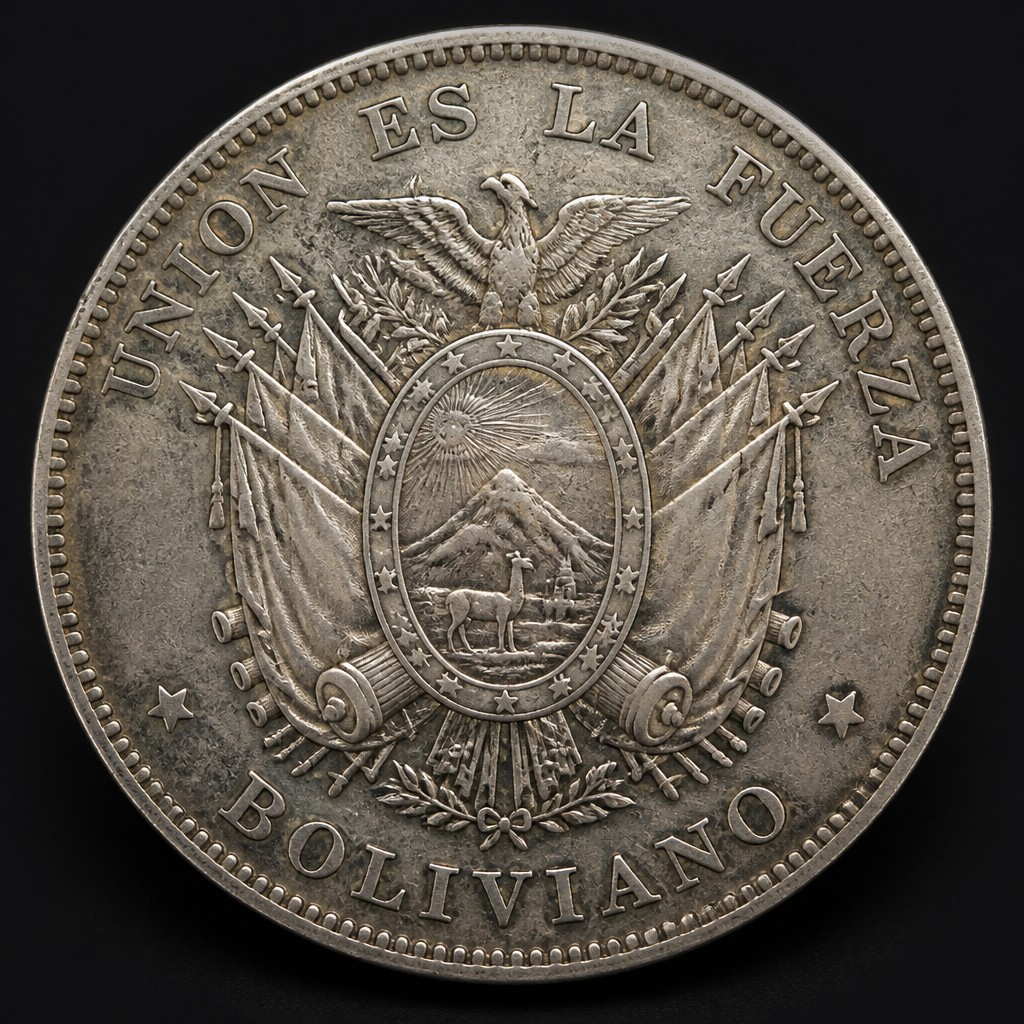
Bolivian Boliviano Silver
Bolivia's national currency unit, the boliviano, was introduced in the 1860s as a substantial silver coin and remains the country's monetary unit in modern, non-silver form.
Latin American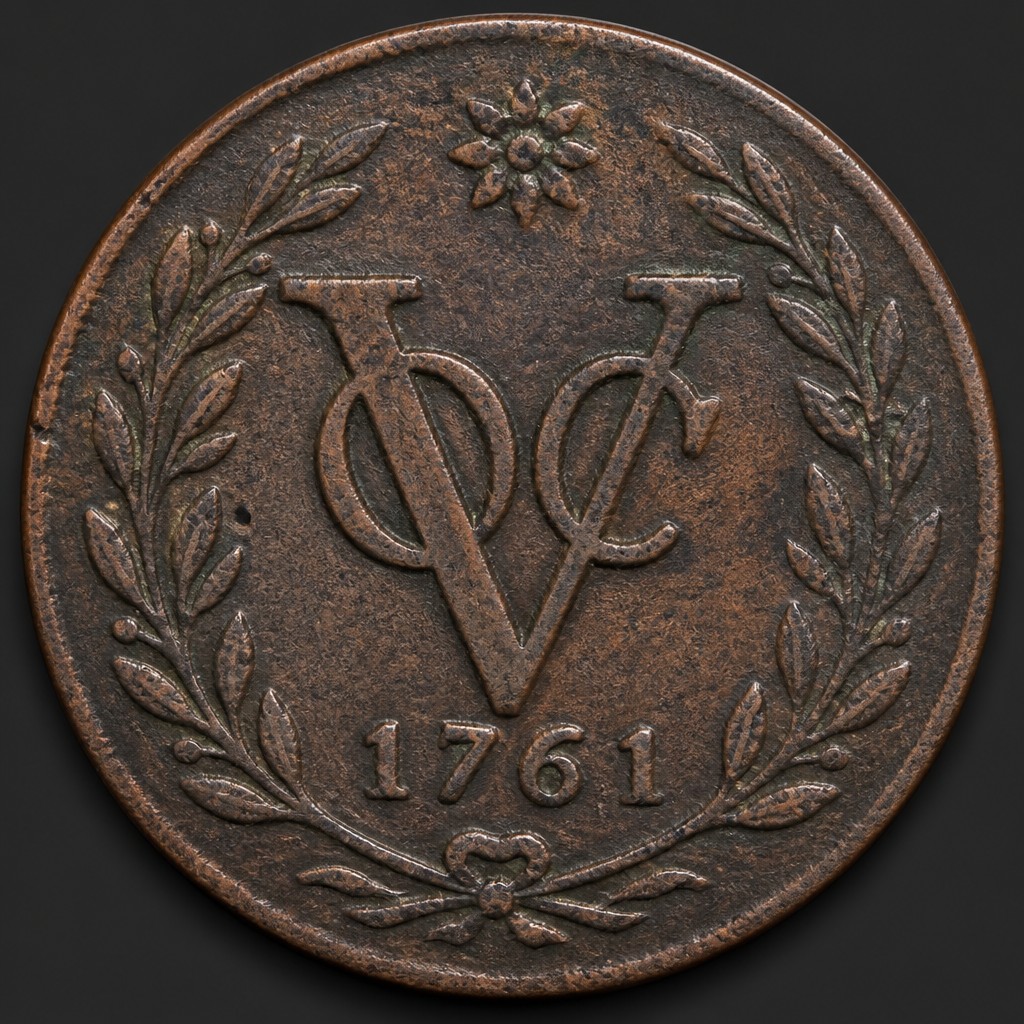
Netherlands East Indies VOC Duit
Copper coin struck by the Dutch East India Company (VOC) for circulation in its Asian trading territories, a common relic of 18th-century colonial commerce.
Asian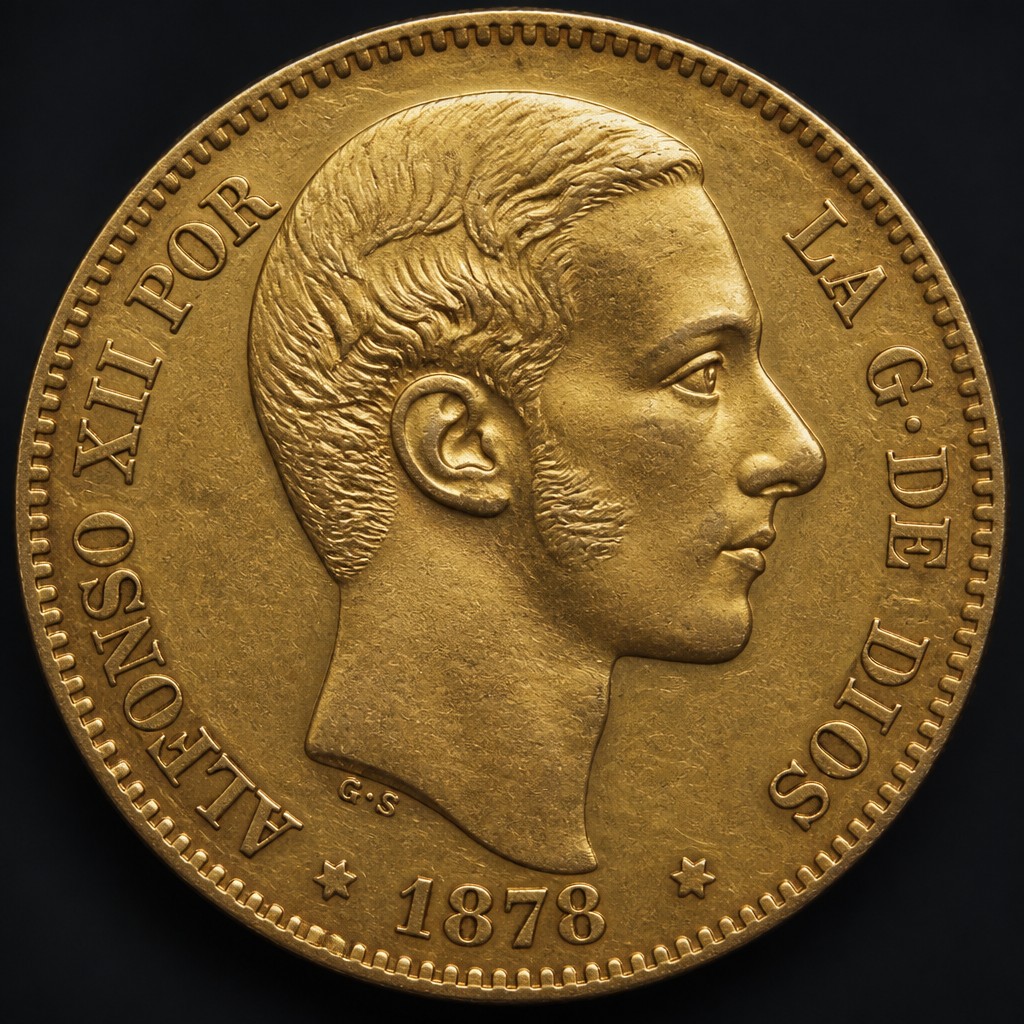
Spanish 20 Pesetas Gold (Alfonso XII)
Spain's standard gold coin of the Latin Monetary Union era, struck under King Alfonso XII following the restoration of the Spanish monarchy in the 1870s.
European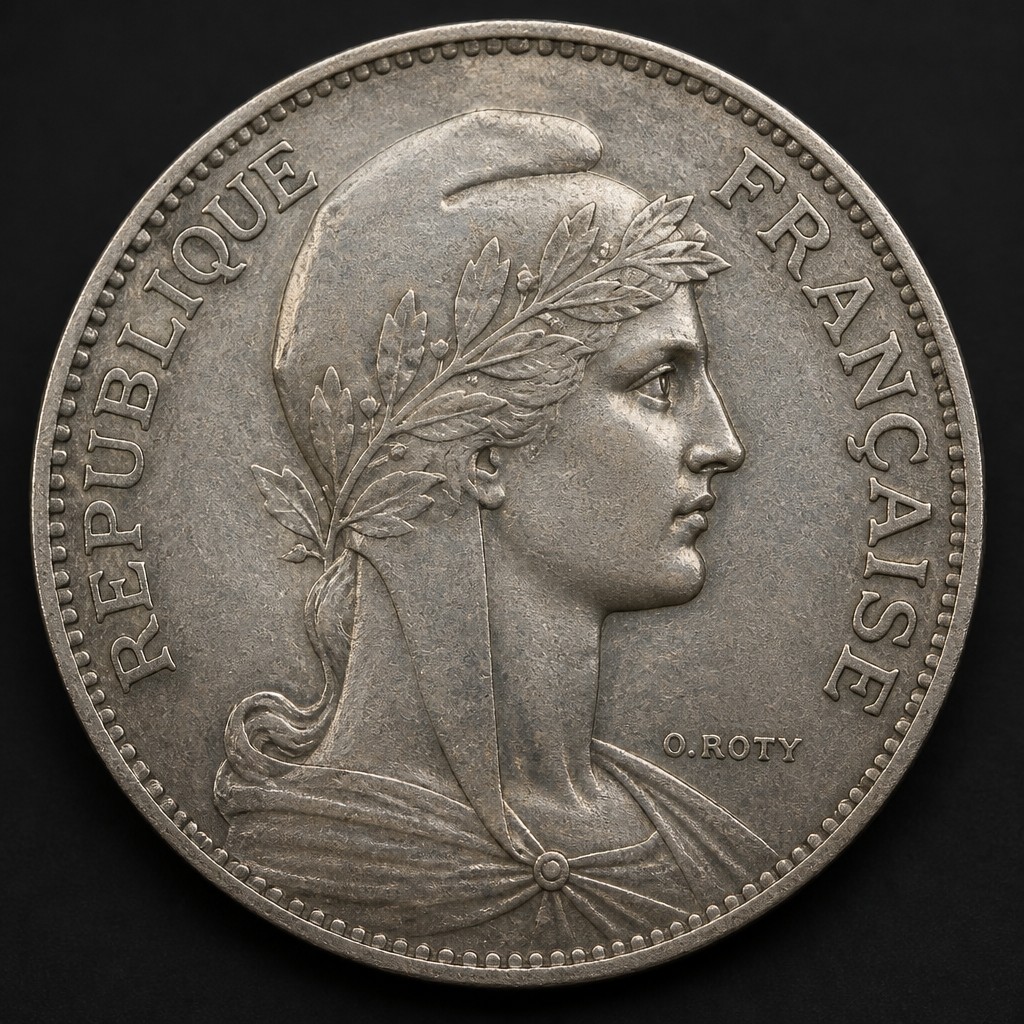
French Franc Germinal
Not a single coin but the bimetallic monetary standard fixed by Napoleon's 1803 law, defining the franc's silver and gold content for over a century.
European