
Coin Encyclopedia
Search and identify coins from around the world — with country, denomination, metal, mint, history, and how to tell them apart.
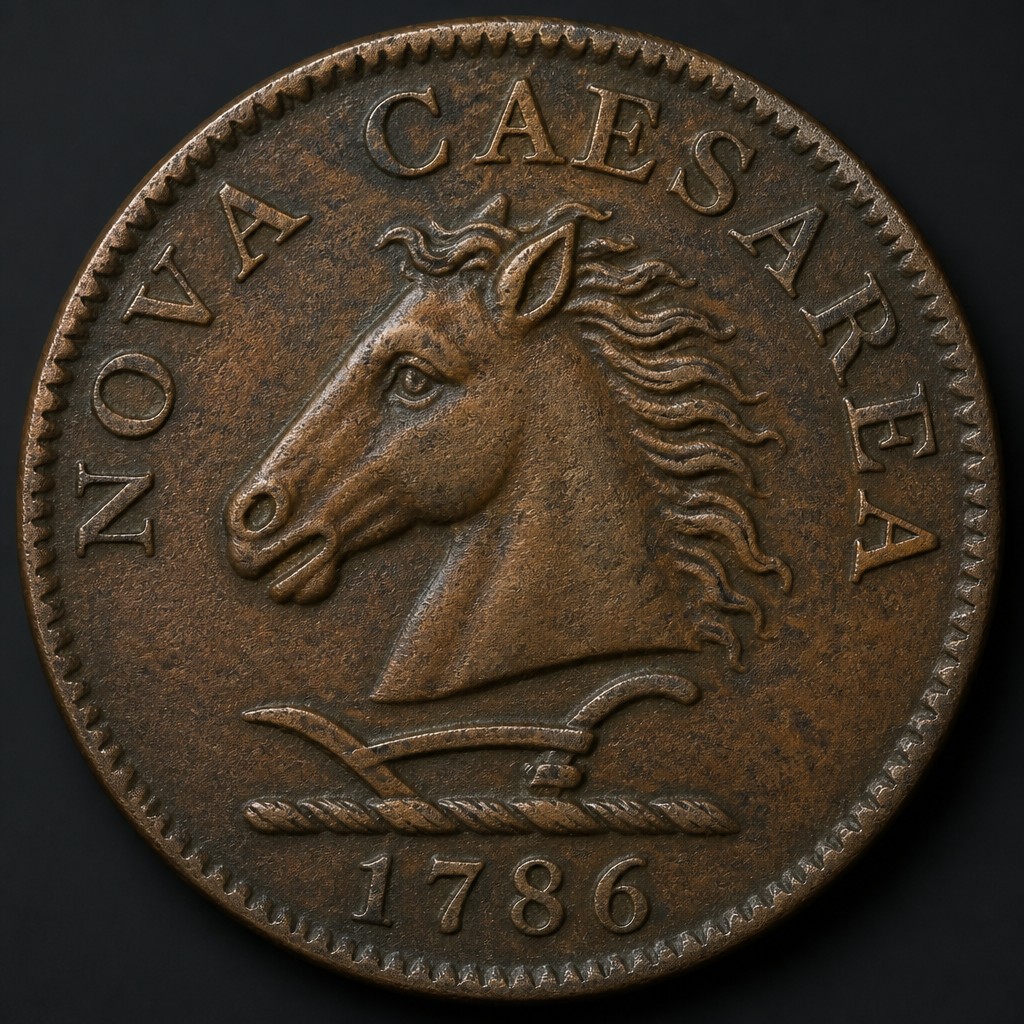
New Jersey Copper
State-authorized copper coinage struck for New Jersey in the late 1780s, famous for its horse-head-and-plow obverse and shield reverse design.
United States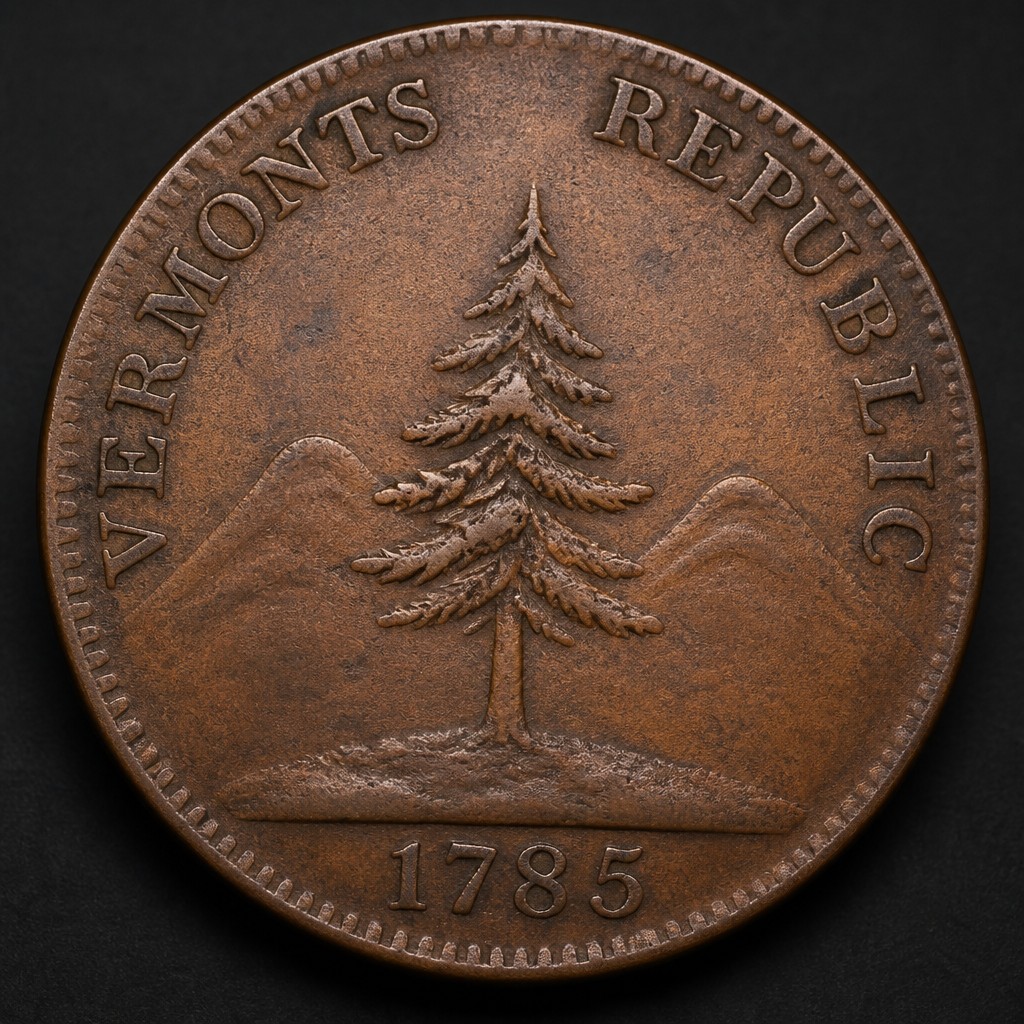
Vermont Copper
Copper coinage struck under authority of the independent Vermont Republic in the 1780s, featuring an early landscape design and later a Britannia-style type.
United States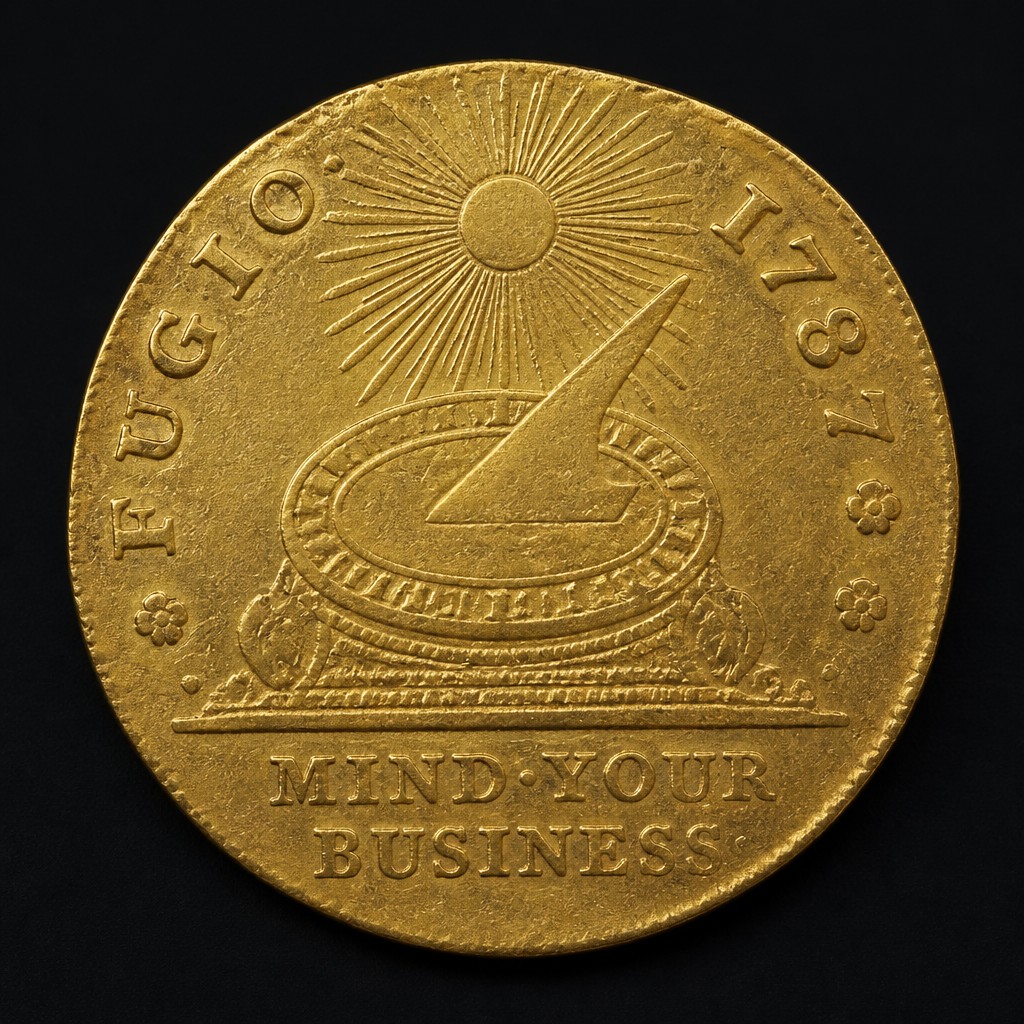
Brasher Doubloon
A famous privately struck gold coin made in 1787 by New York goldsmith Ephraim Brasher, a neighbor of George Washington, and one of the most valuable and celebrated coins in American numismatics.
United States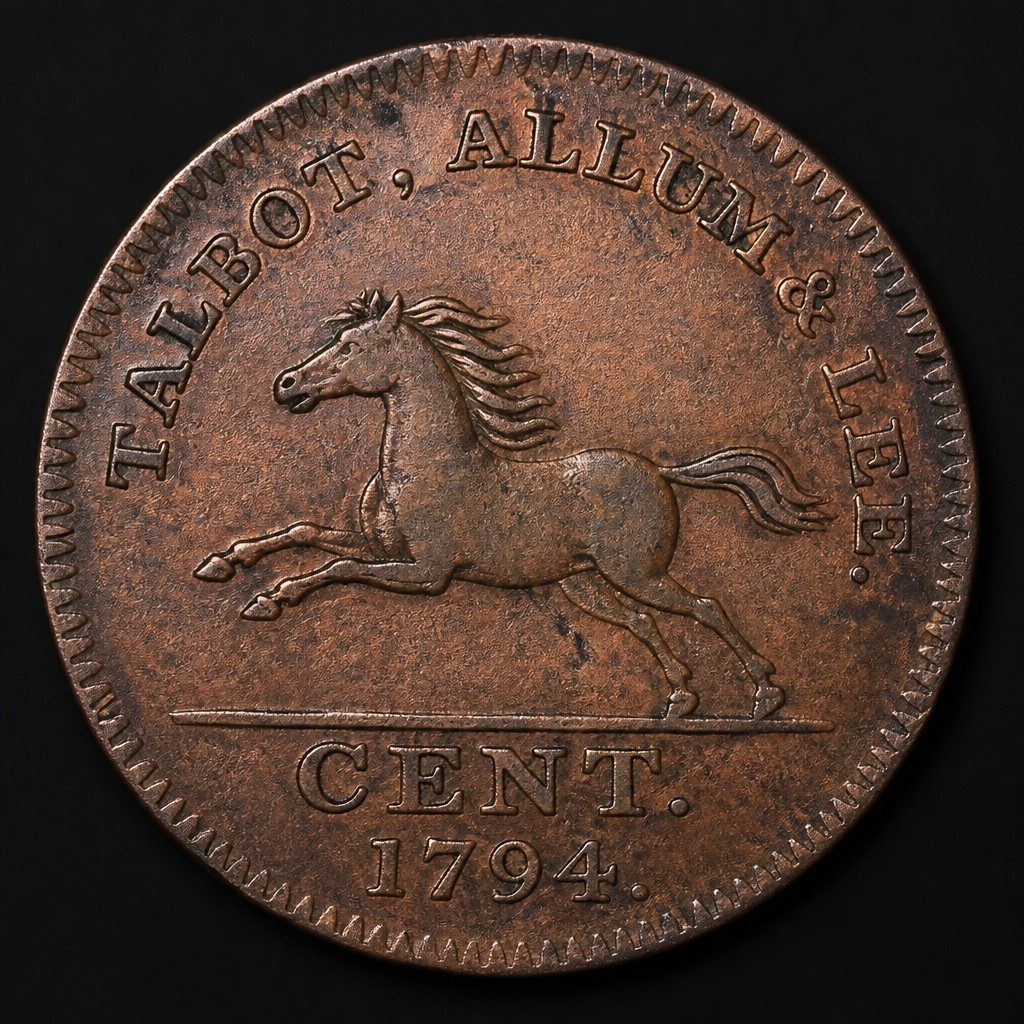
Talbot, Allum & Lee Cent
A merchant token issued by the New York trading firm Talbot, Allum & Lee to help ease the shortage of small change in the 1790s, featuring a sailing ship on the obverse.
United States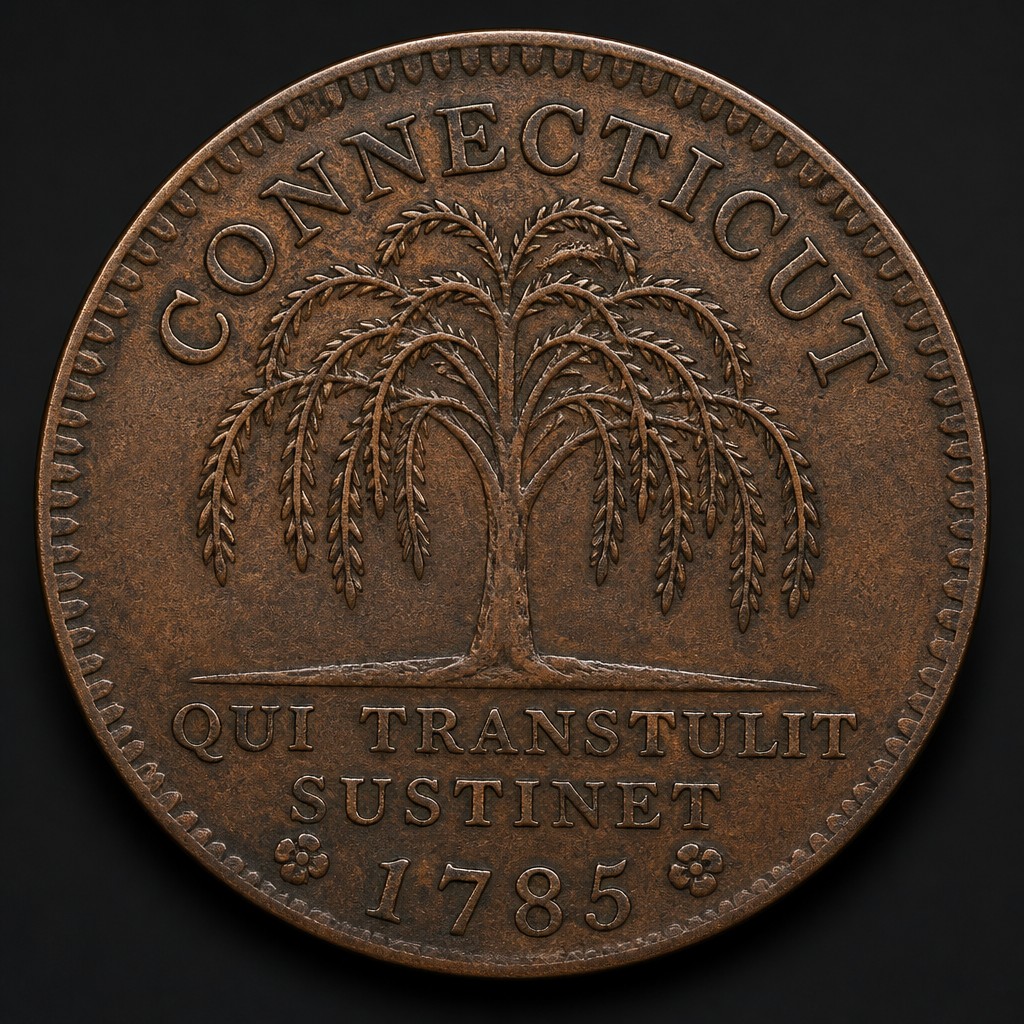
Connecticut Copper
State-authorized copper coinage struck for Connecticut in the mid-1780s, featuring a bust obverse and seated Liberty reverse across numerous die varieties.
United States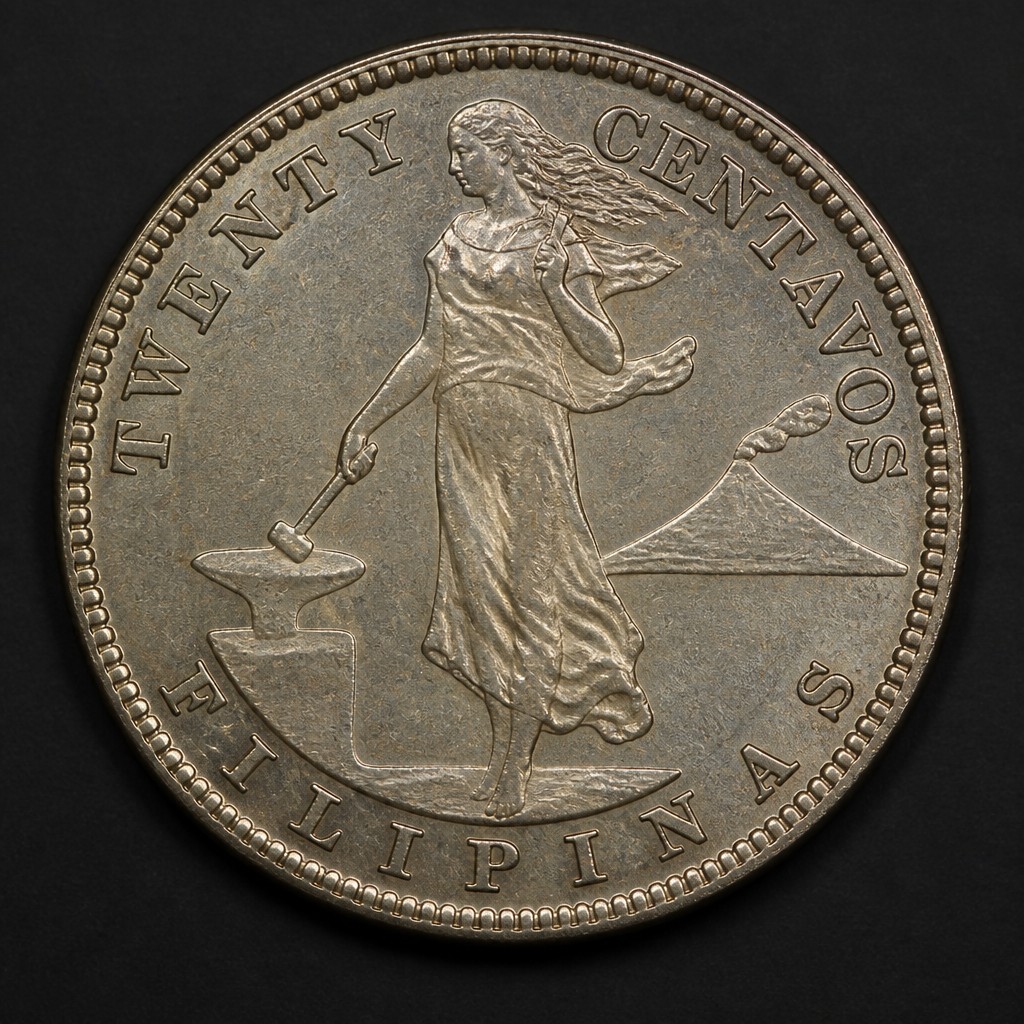
Philippine 20 Centavos (US-Philippines)
A small silver coin from the US administration of the Philippines, showing Liberty striking an anvil before Mount Mayon on the obverse and a heraldic eagle on the reverse.
Asian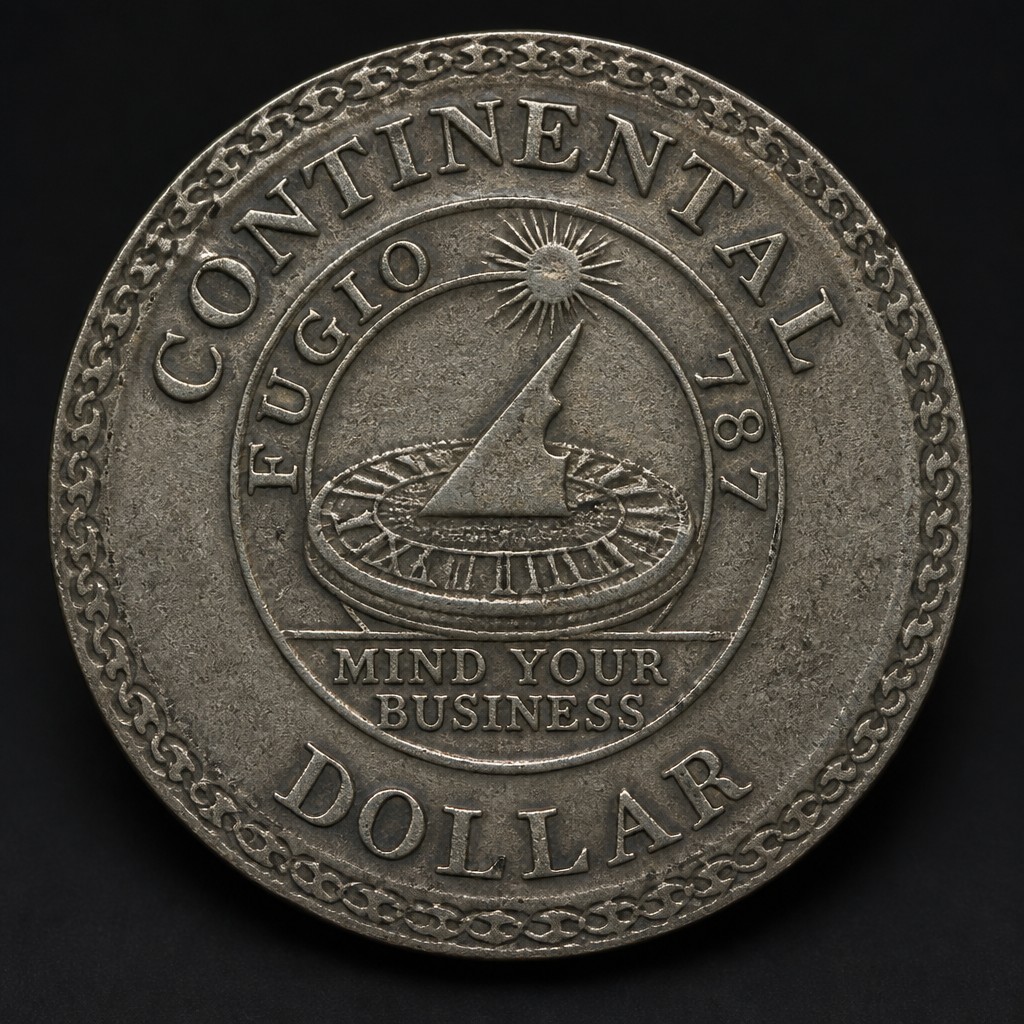
Continental Dollar
A large 1776-dated piece bearing a sundial, 'MIND YOUR BUSINESS,' and a thirteen-link chain, long debated as either an intended Continental Congress dollar or a contemporary satirical piece.
United States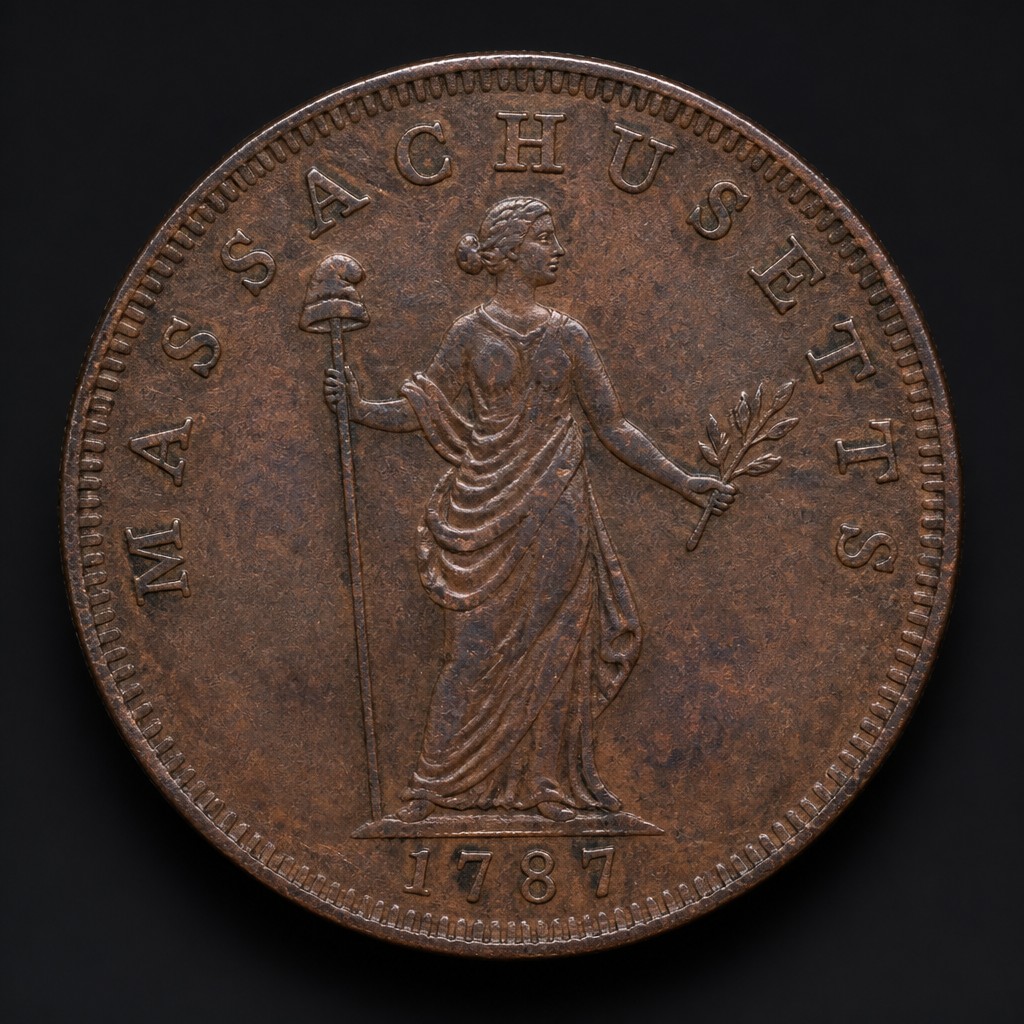
Massachusetts Cent (1787-1788)
State-issued copper coinage struck by the Commonwealth of Massachusetts in 1787 and 1788, notable as the first official U.S. coinage to use the denomination 'cent'.
United States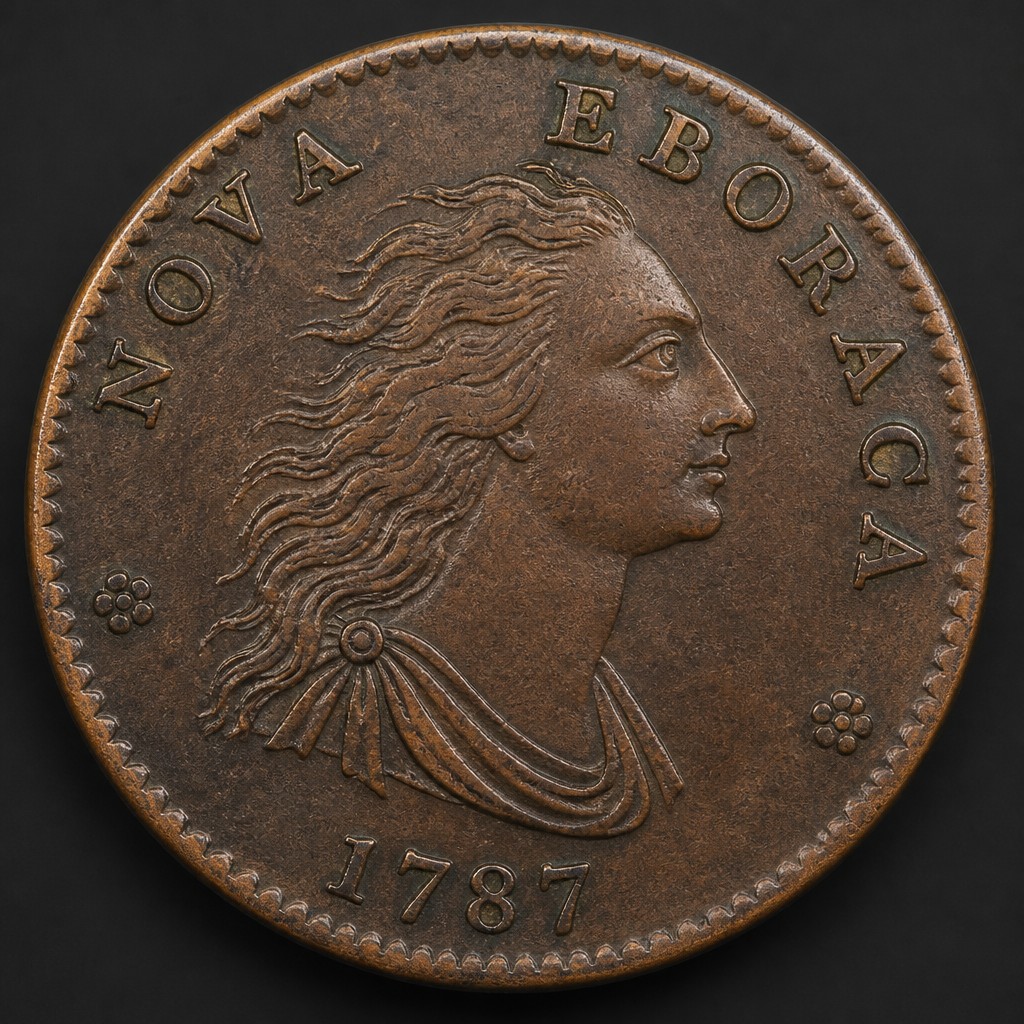
Nova Eborac Copper
A 1787-dated copper bearing the Latin name for New York, struck privately after the state failed to authorize its own copper coinage contract during the chaotic Confederation-era coin shortage.
United States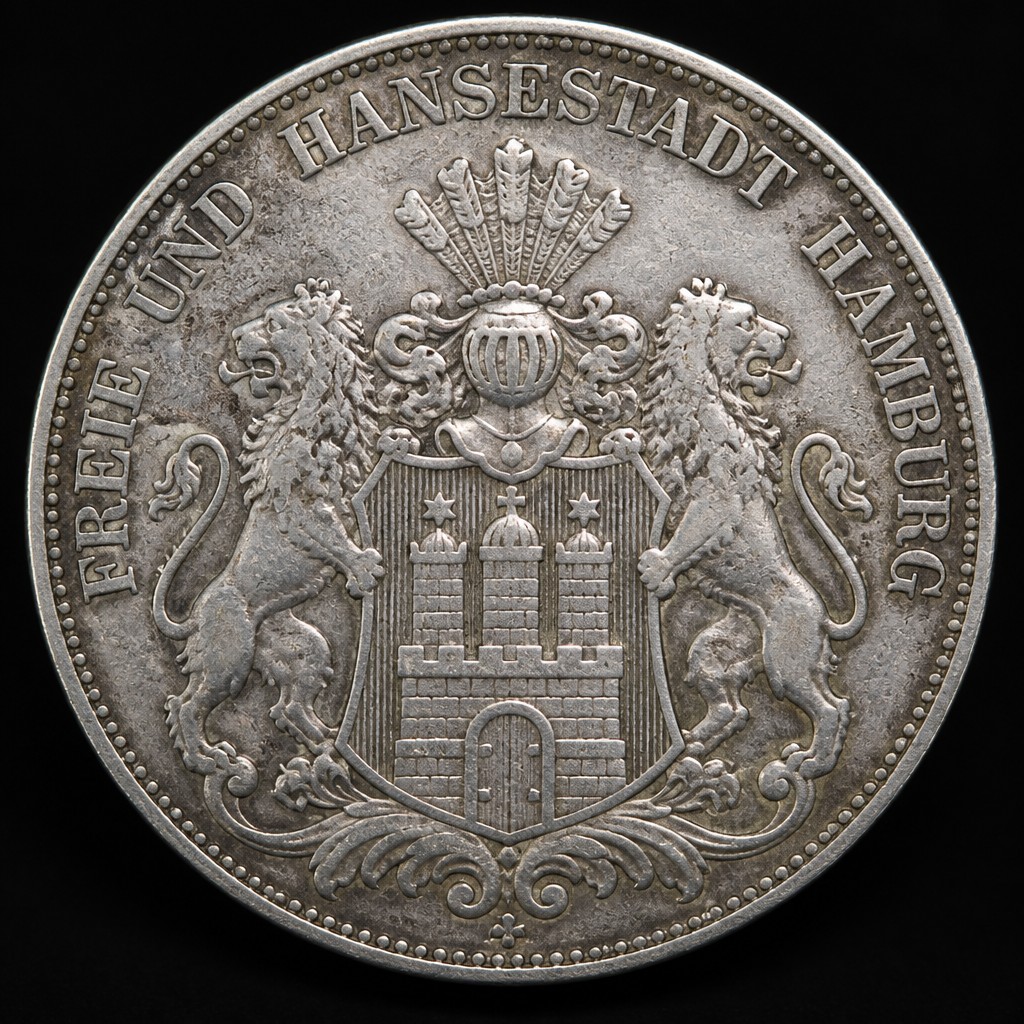
Hamburg Thaler
A silver thaler struck by the free city-state of Hamburg, bearing the city's iconic castle-and-towers coat of arms, reflecting Hamburg's status as a leading Hanseatic trading center.
European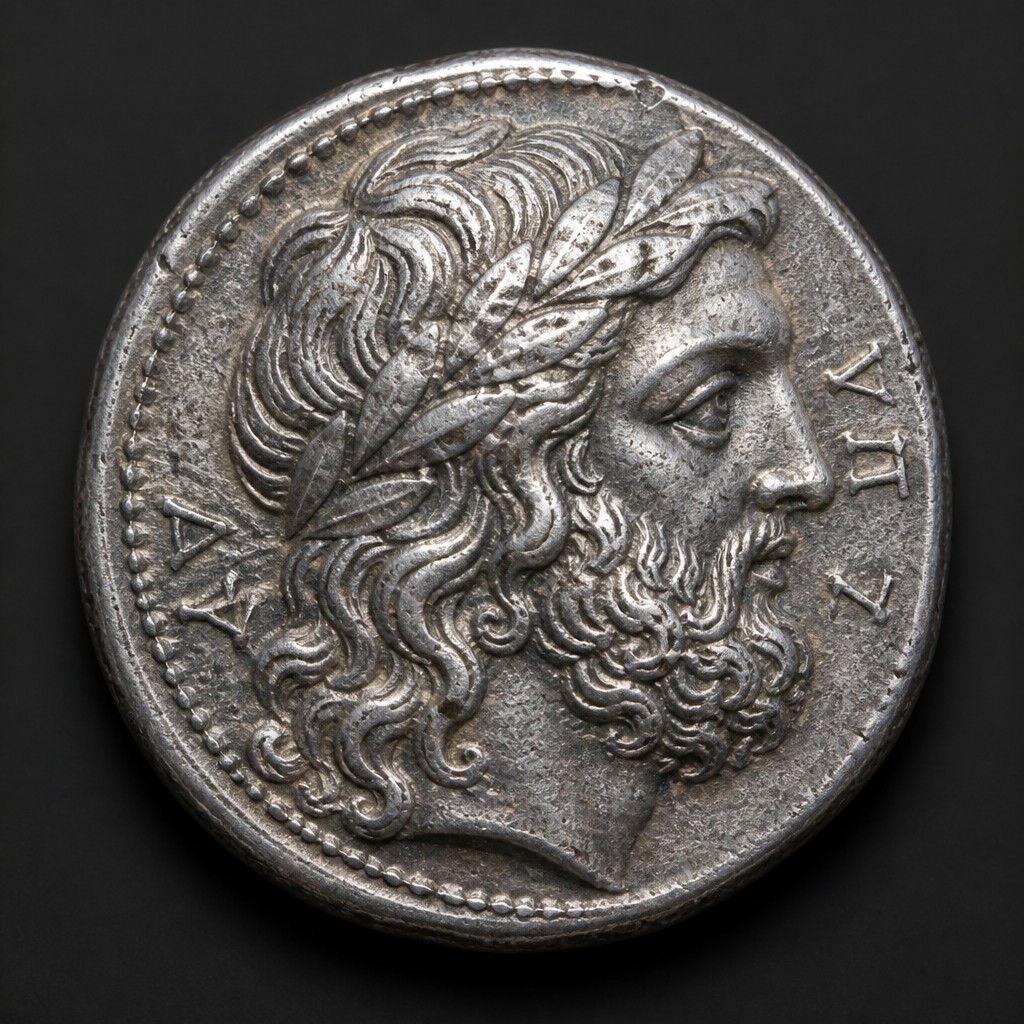
Elis Olympia Zeus Stater
A silver stater struck by the city-state of Elis, guardian of the sanctuary of Olympia, showing Zeus on the obverse and his sacred eagle on the reverse.
Ancient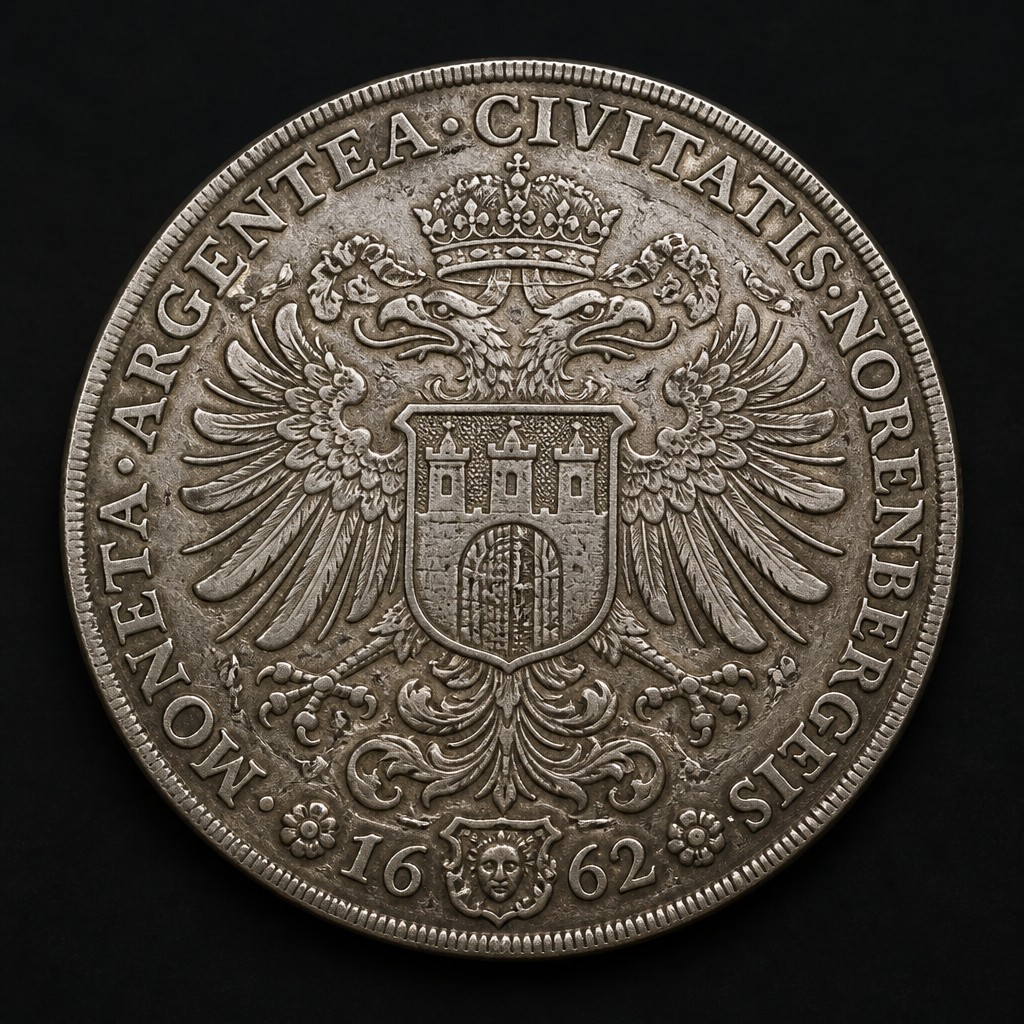
Nuremberg Thaler
Silver taler struck by the free imperial city of Nuremberg, often showing a detailed cityscape view rather than a ruler's portrait, reflecting its status as a self-governing trading city.
European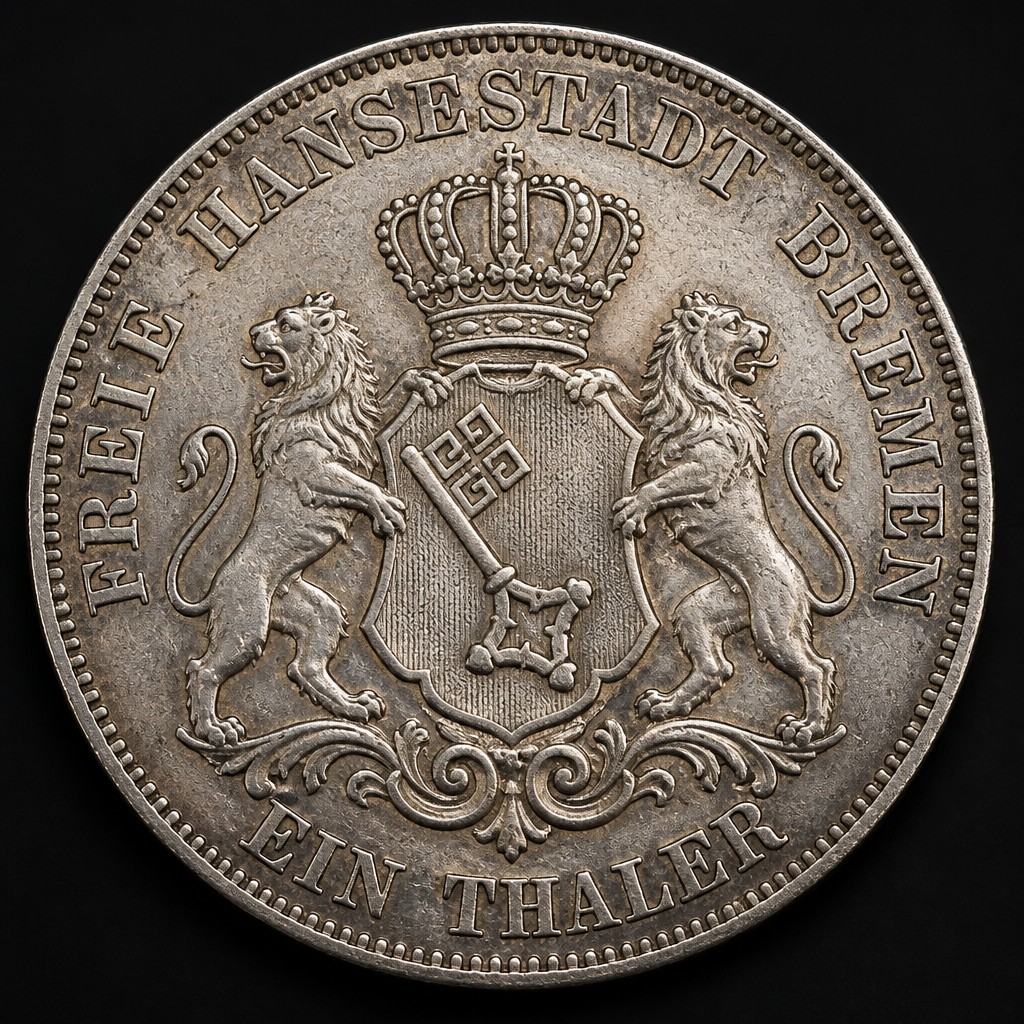
German Bremen Thaler
A silver thaler issued by the Free Hanseatic City of Bremen before German unification, featuring the city's heraldic key, part of the patchwork of pre-1871 German state and city coinages.
European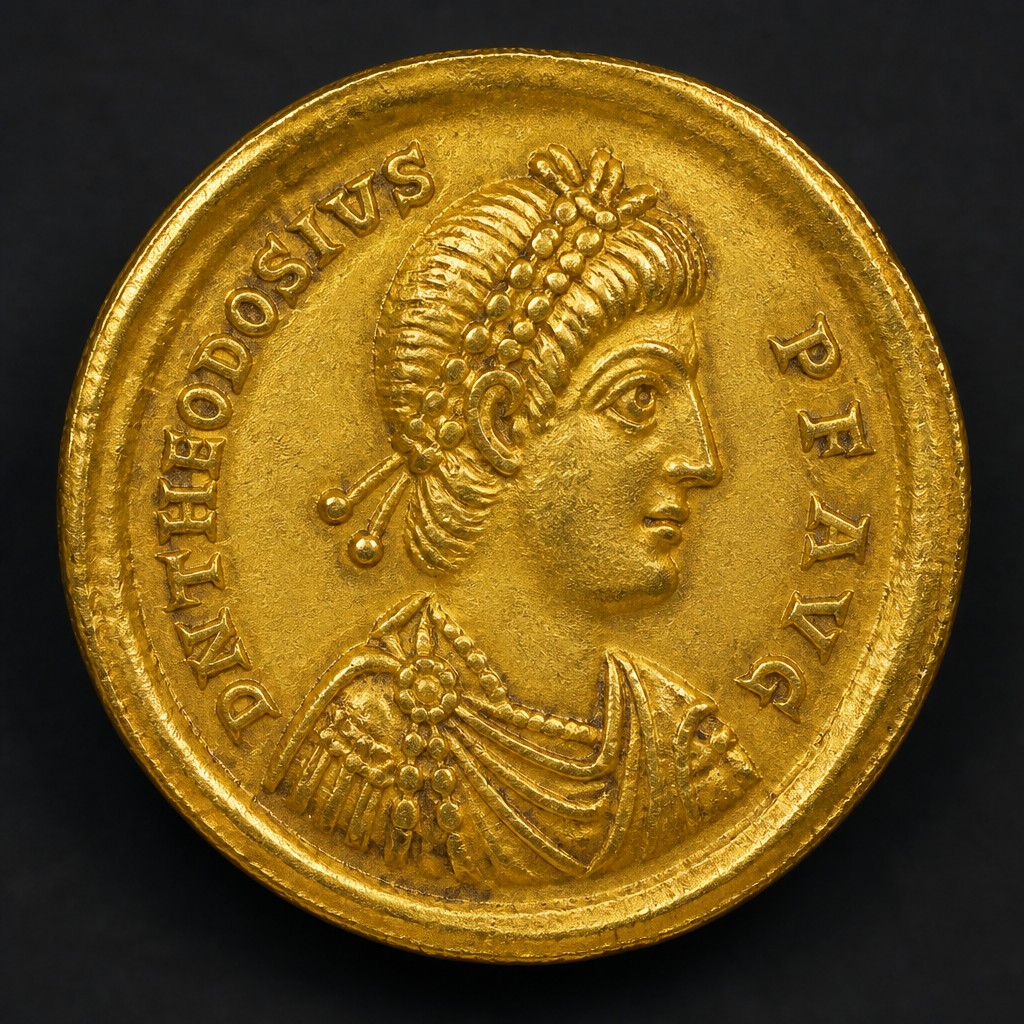
Theodosius I Solidus
A gold solidus of Theodosius I, the last emperor to rule a united Roman Empire and the ruler who made Nicene Christianity the state religion.
Ancient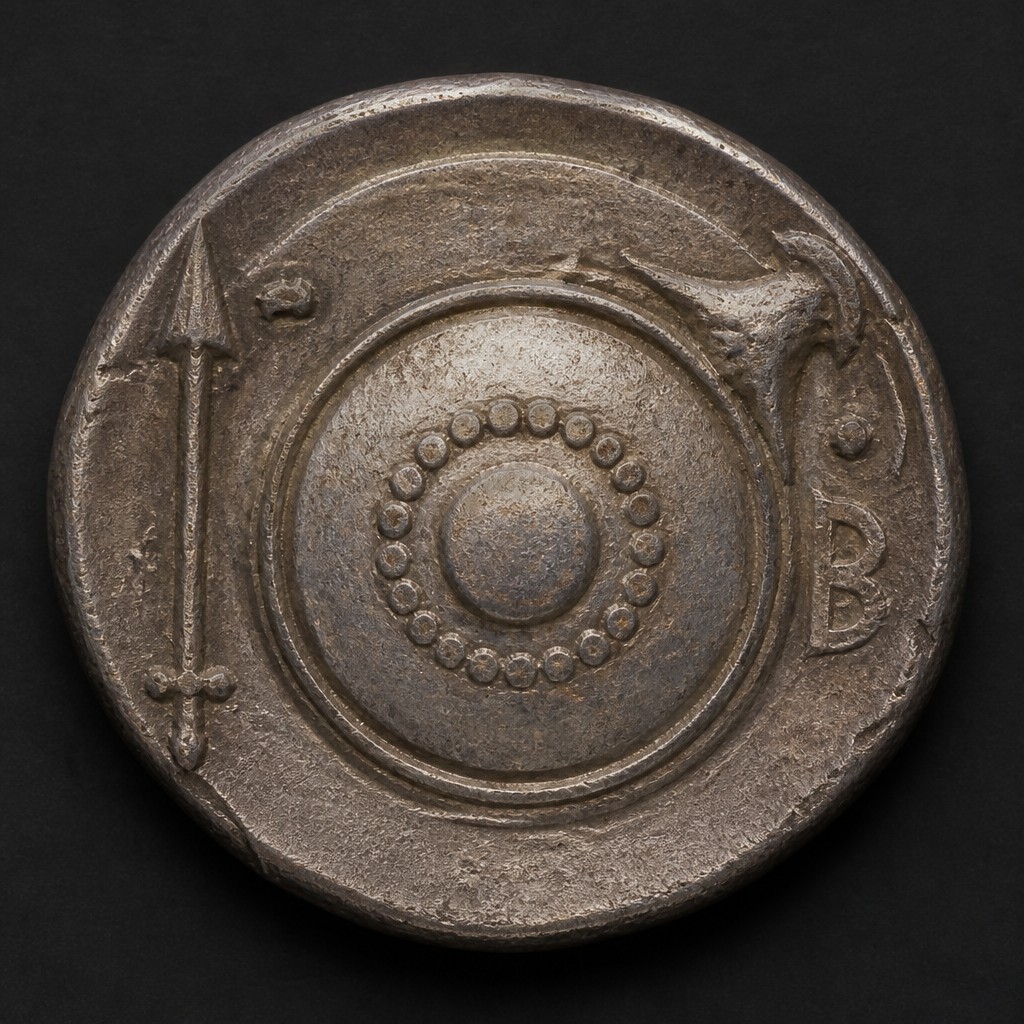
Thebes Boeotian Shield Stater
A silver stater from Boeotia bearing the distinctive figure-eight-shaped Boeotian shield, the common civic emblem struck by Thebes and its allied cities for centuries.
Ancient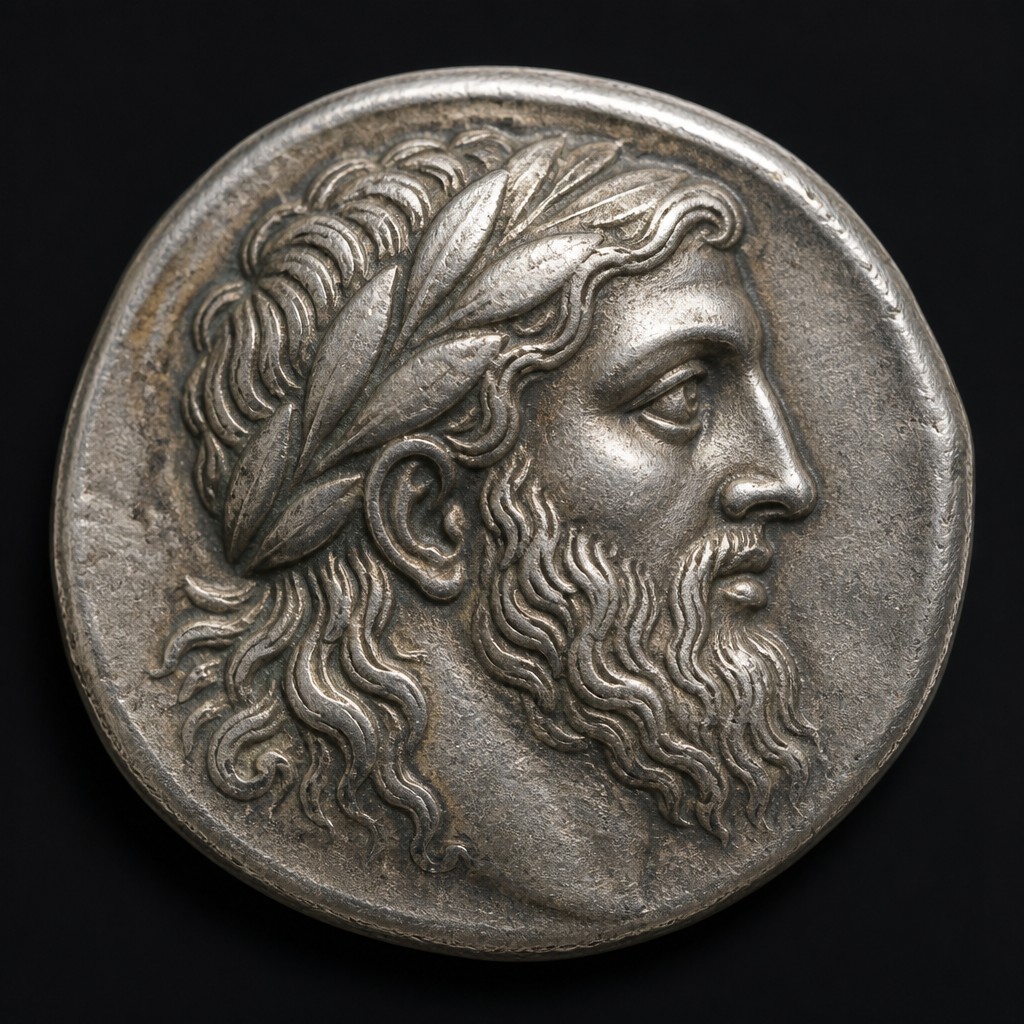
Poseidonia (Paestum) Poseidon Stater
An early Magna Graecia silver stater from Poseidonia showing the sea god Poseidon striding forward with a raised trident, named for and emblematic of the city itself.
Ancient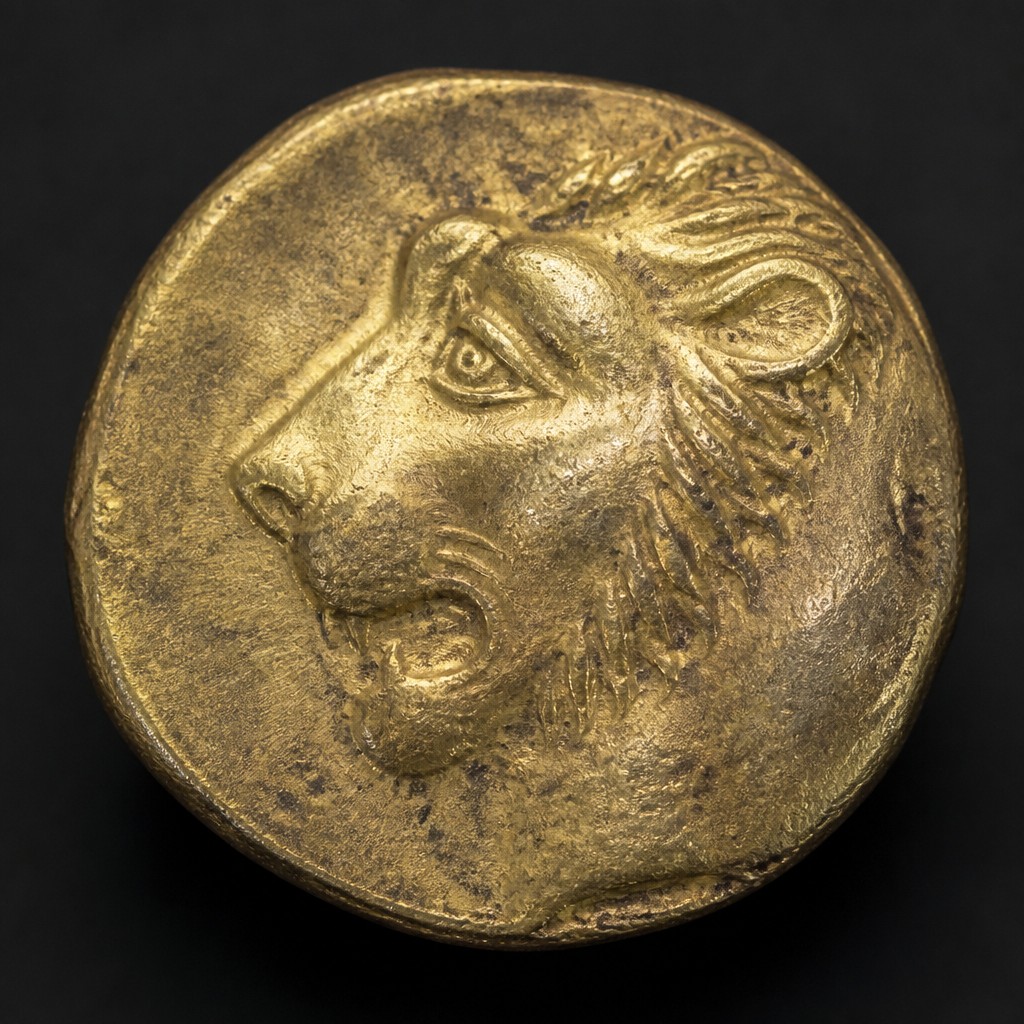
Cyzicus Electrum Stater
An electrum stater from the trading city of Cyzicus on the Sea of Marmara, part of one of the most important and long-lived precious-metal trade currencies of the ancient world.
Ancient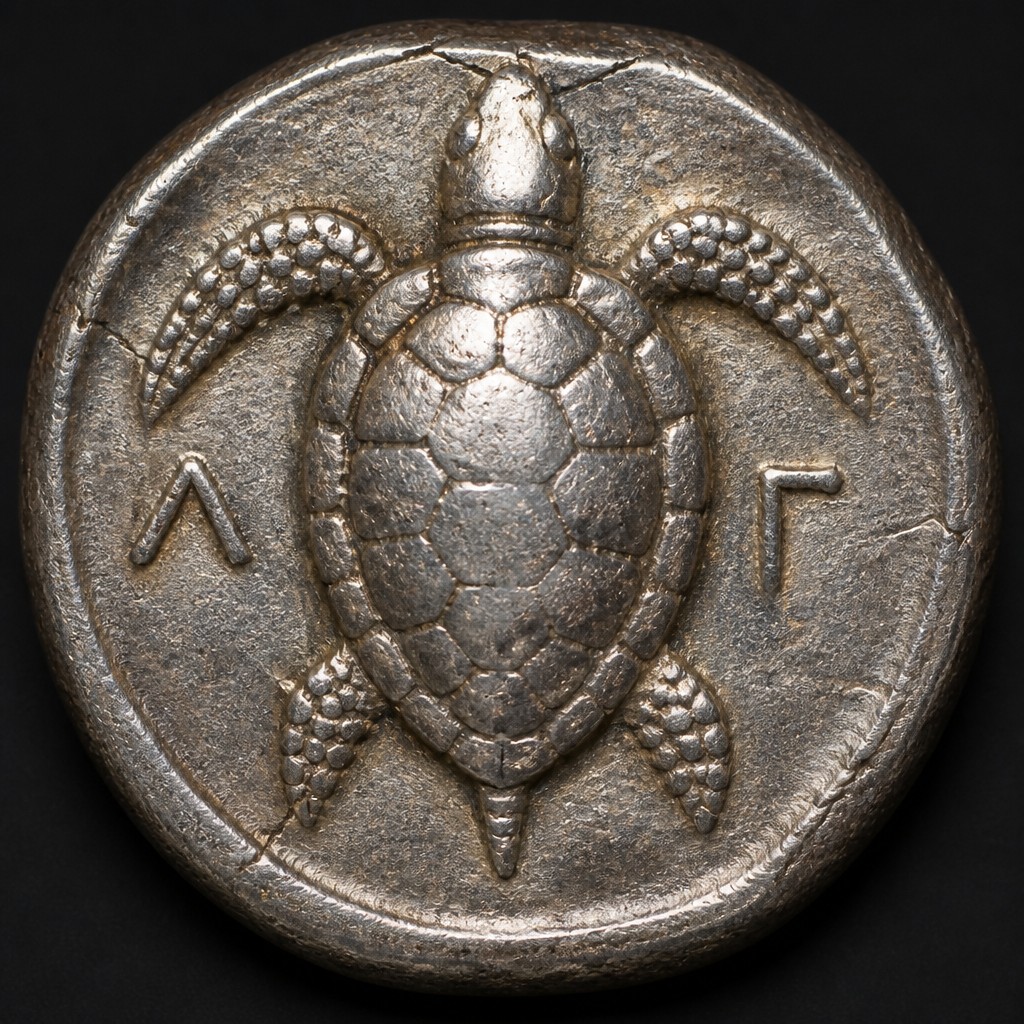
Aegina Sea Turtle Stater
One of the earliest widely circulated Greek silver coins, struck by the island city-state of Aegina, featuring a sea turtle and later a land tortoise, and nicknamed simply 'turtles' by ancient traders.
Ancient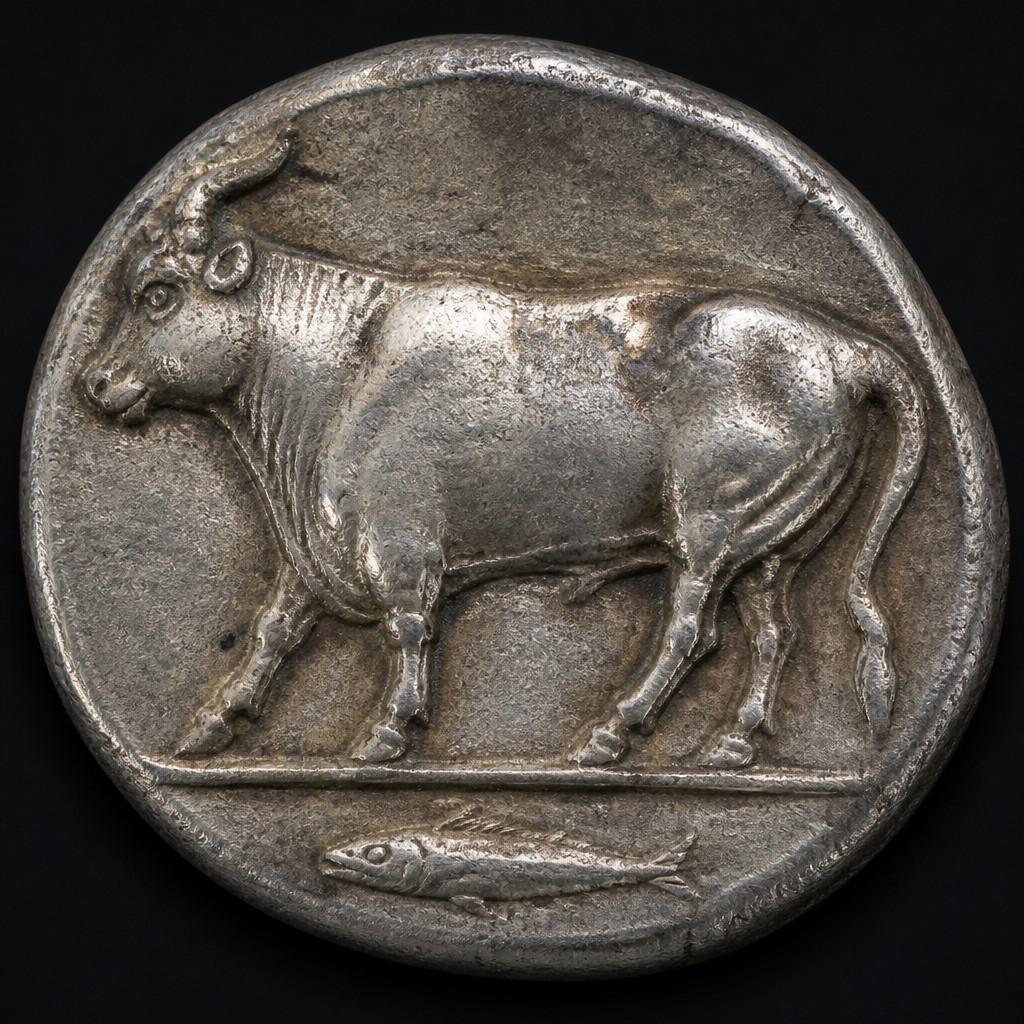
Sybaris Bull Stater
An archaic incuse-fabric silver stater from the legendarily wealthy city of Sybaris, showing a bull looking back over its shoulder, struck before the city's destruction in 510 BC.
Ancient