
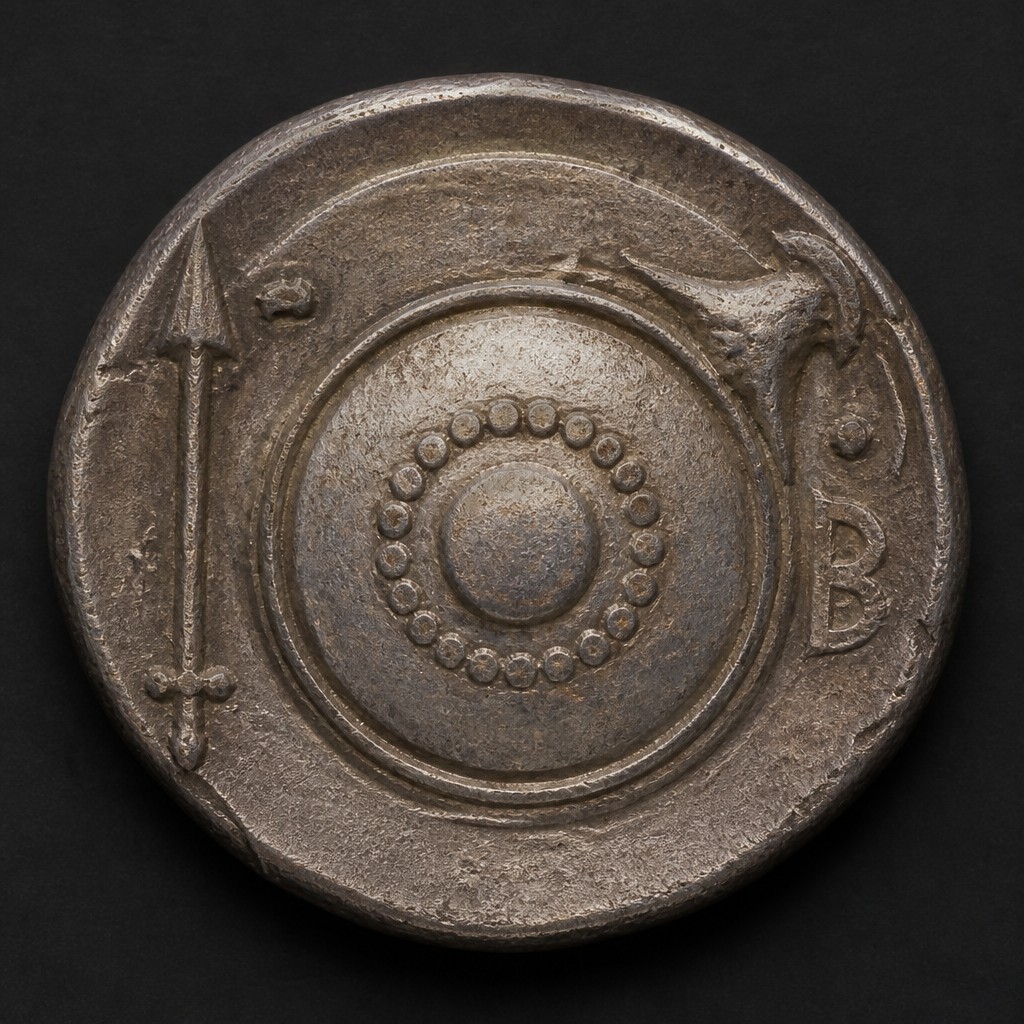
Thebes Boeotian Shield Stater
A silver stater from Boeotia bearing the distinctive figure-eight-shaped Boeotian shield, the common civic emblem struck by Thebes and its allied cities for centuries.
- Country
- Ancient Greece (Boeotia)
- Denomination
- Stater
- Metal
- Silver
Got a coin like this?
Identify any coin from a photo, free.
Overview
The Boeotian shield stater is the signature silver coinage of the region of Boeotia in central Greece, named for the distinctive concave, figure-eight-shaped shield that appears on nearly every issue. Thebes, the dominant city of the Boeotian confederacy, struck the largest and most influential series, though many other Boeotian towns issued their own variants using the same shield emblem paired with a city-specific reverse type or magistrate's initial.
Because the design remained remarkably consistent for roughly two centuries while only small reverse details and inscriptions changed, the series offers collectors an accessible way to explore ancient Greek federal coinage and civic identity within a single, affordable denomination.
History & Background
Boeotia was a league of city-states in central Greece dominated politically and militarily by Thebes, and the shared shield coinage reflects the federal character of the region: individual cities minted their own staters but used the common Boeotian shield as a unifying badge, much as a modern currency union might share a design element while allowing local variation. Thebes's coinage grew especially important after its rise to military prominence in the 4th century BC, when Theban silver circulated widely across the Greek world.
The coinage spans from the Archaic period through the Classical era, with individual issues attributable to specific magistrates or brief historical episodes, making the series a useful window into Boeotian political history alongside its numismatic interest.
How to Identify
The obverse of nearly every Boeotian shield stater shows the concave Boeotian shield viewed from the front, with its characteristic notched, hourglass outline. Reverse types vary by city and period: Theban issues most commonly show an amphora within an incuse square, sometimes accompanied by a magistrate's name or initial letter, while other Boeotian mints substitute their own local symbols.
The coins are typically struck in silver on a broad, thick flan, with no separate edge devices since ancient coins were hand-struck rather than machine-milled. Distinguishing the issuing city usually depends on the reverse device and any inscribed letters rather than the shared shield obverse.
Value & Collectibility
Boeotian shield staters are relatively available compared to many other ancient Greek series, and well-preserved, clearly struck examples can often be acquired for a modest sum, typically in the low hundreds of dollars, though exceptional strikes, rare magistrate names, or superior centering can raise prices considerably. As with most ancient coins, value is driven heavily by strike quality, centering, and surface preservation rather than rarity of type alone.
Frequently asked questions
What is the shield on the coin?
It represents the distinctive Boeotian shield, a concave, figure-eight-shaped shield used as the common emblem of the Boeotian league of cities.
Which city minted the most Boeotian shield staters?
Thebes, the leading city of the Boeotian confederacy, produced the largest and most historically significant series.
What appears on the reverse?
Most commonly an amphora within an incuse square, though the exact device and any inscribed letters vary by city and era.
Are these coins expensive?
Generally no — they are among the more affordable ancient Greek silver issues, though exceptional examples command higher prices.
How do I know which city struck a given example?
Reverse details, inscriptions, or magistrate initials often identify the issuing city, though many mints shared very similar shield obverses.
Other coins you may enjoy
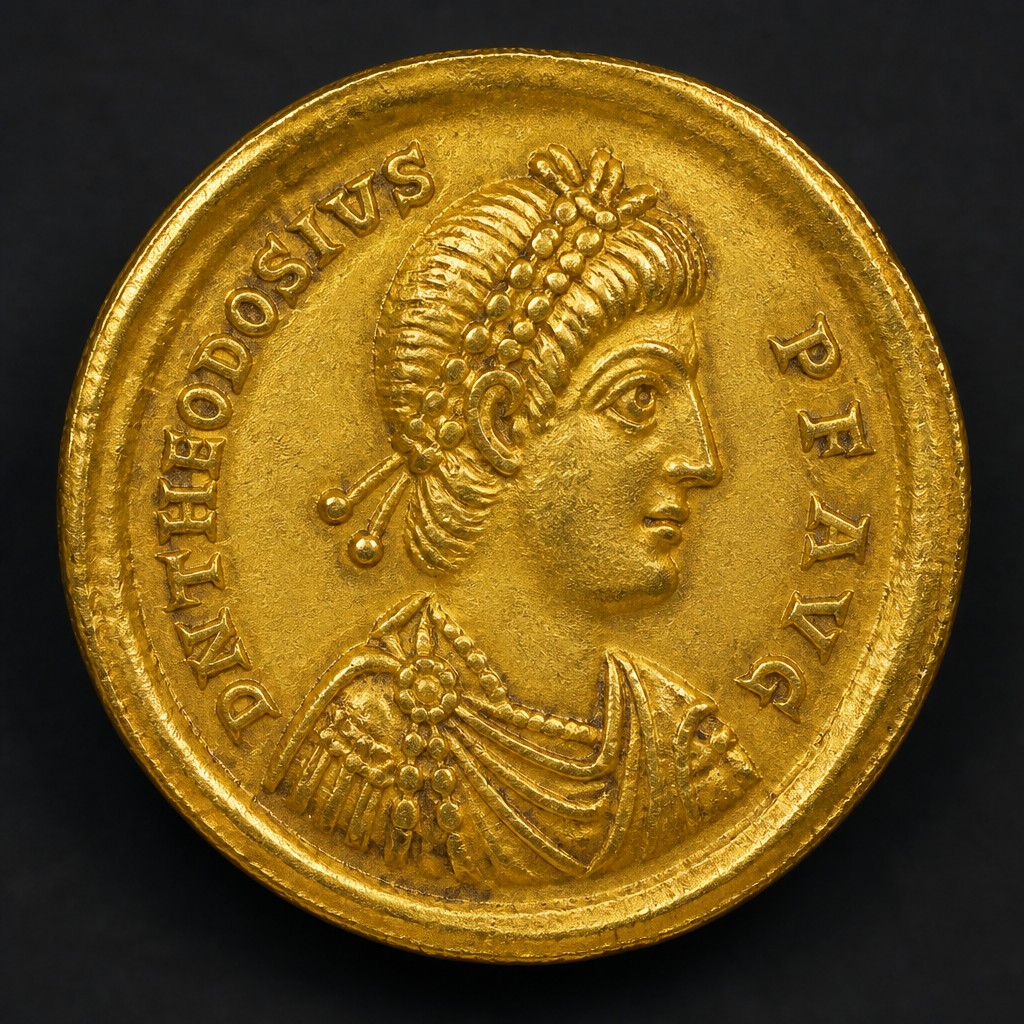
Theodosius I Solidus
379–395 AD
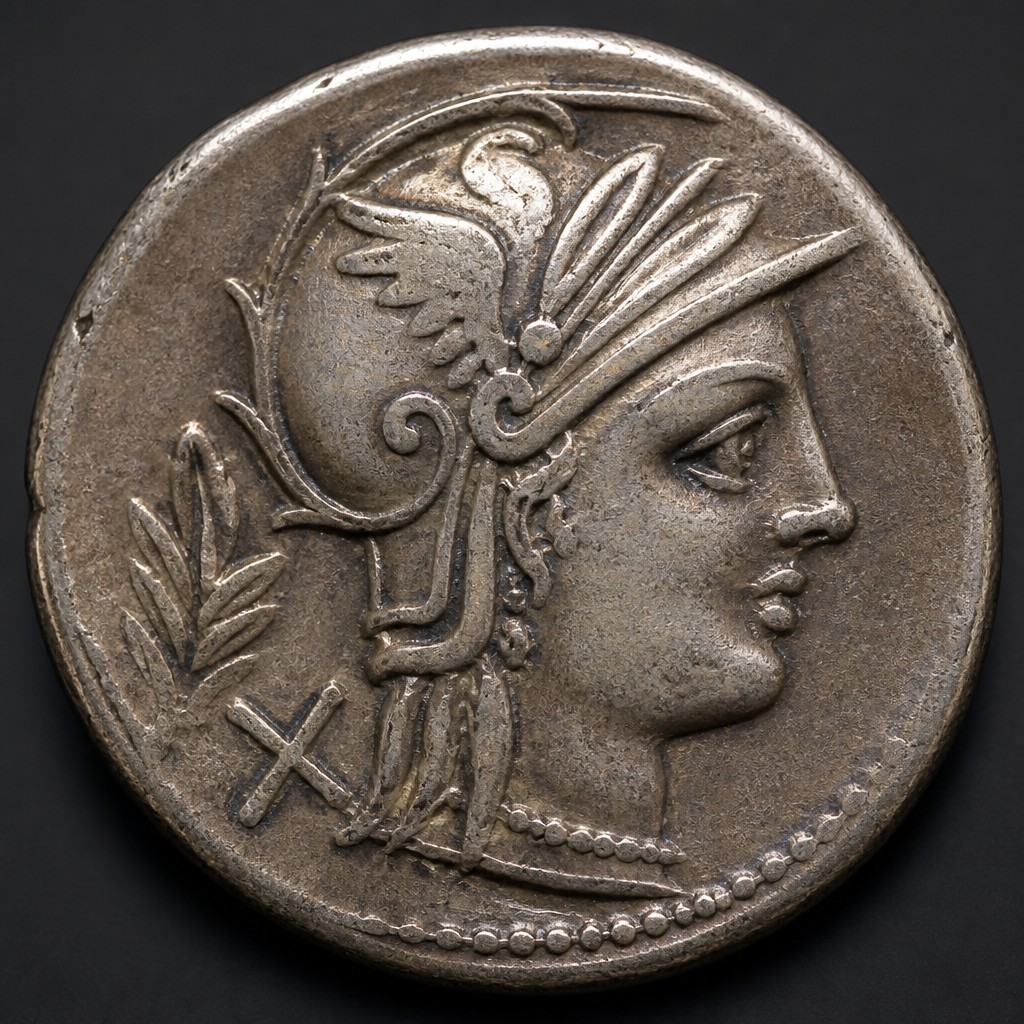
Republican Victoriatus
c. 211–170 BC
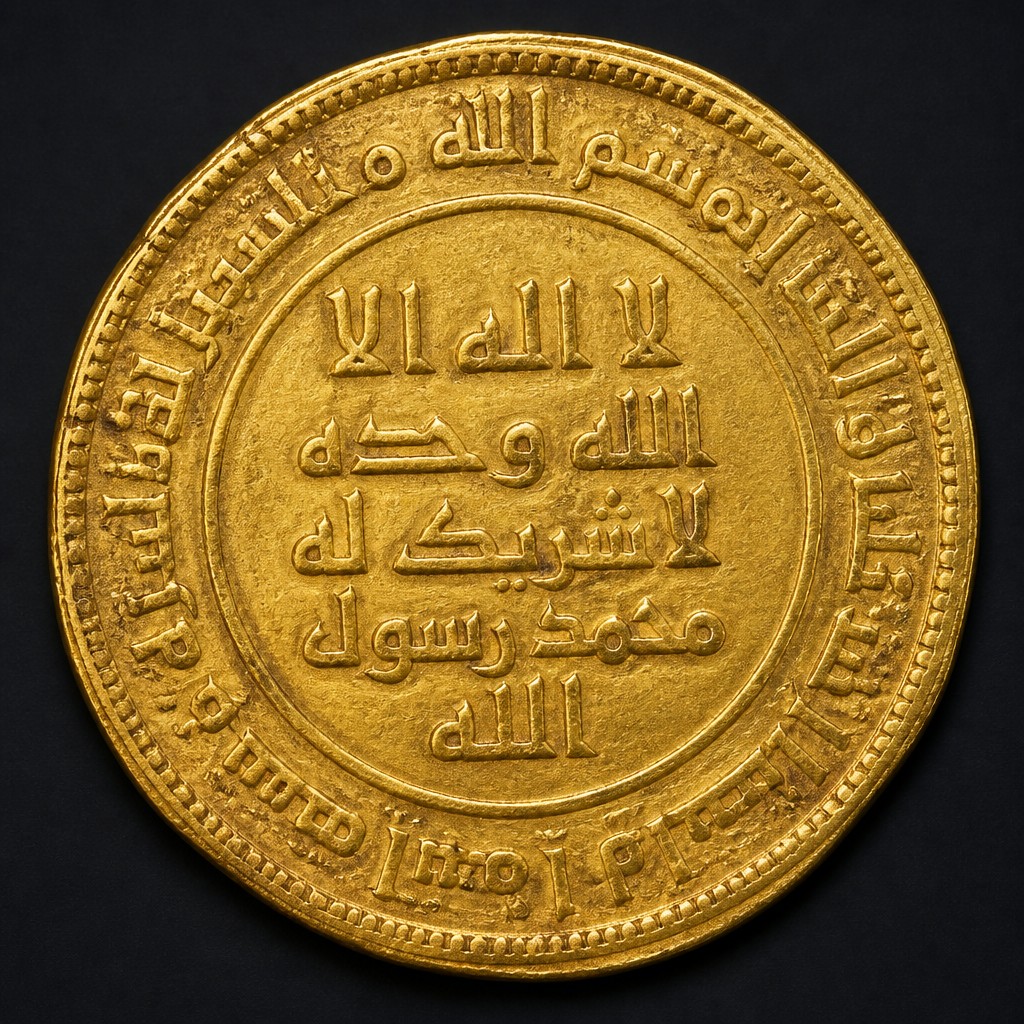
Islamic Gold Dinar (Umayyad)
c. 696–750 AD
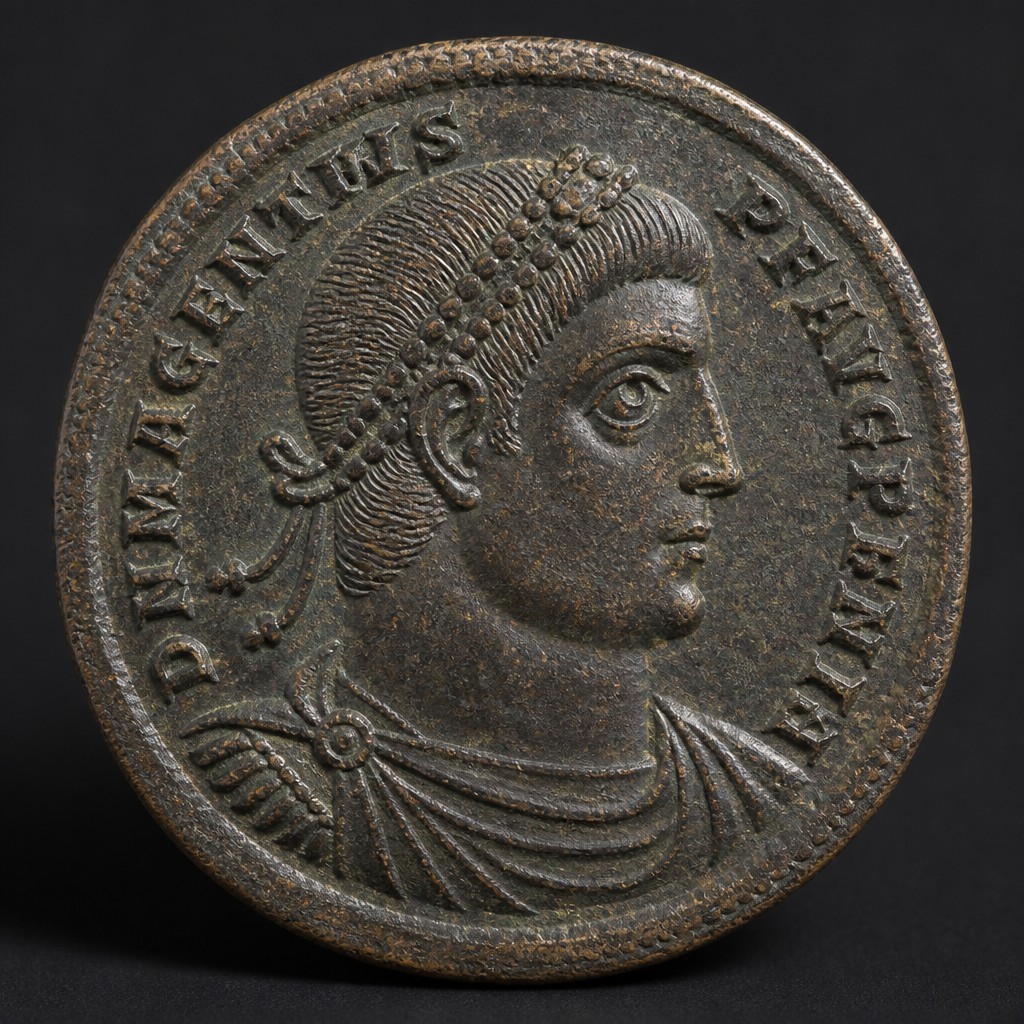
Magnentius Double Centenionalis
350–353 AD
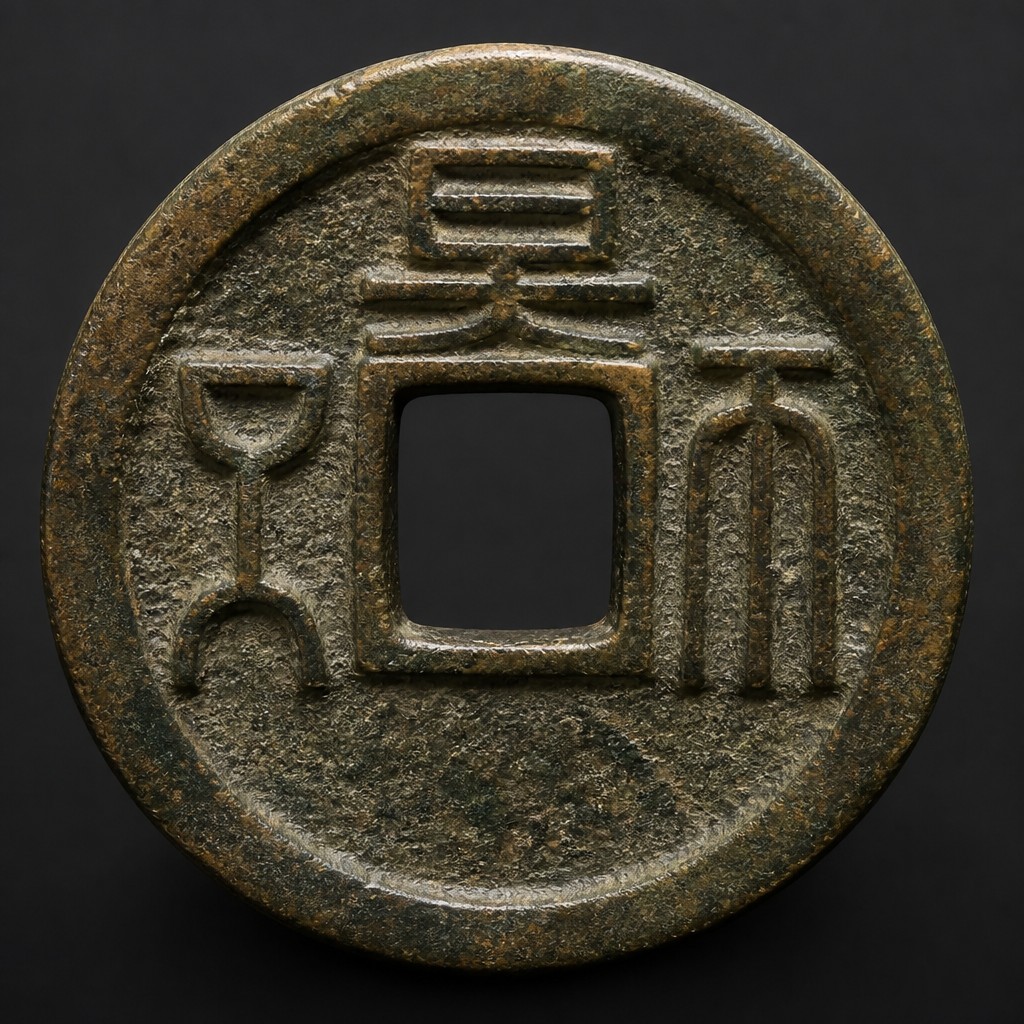
Chinese Wu Zhu Cash
118 BC – 618 AD
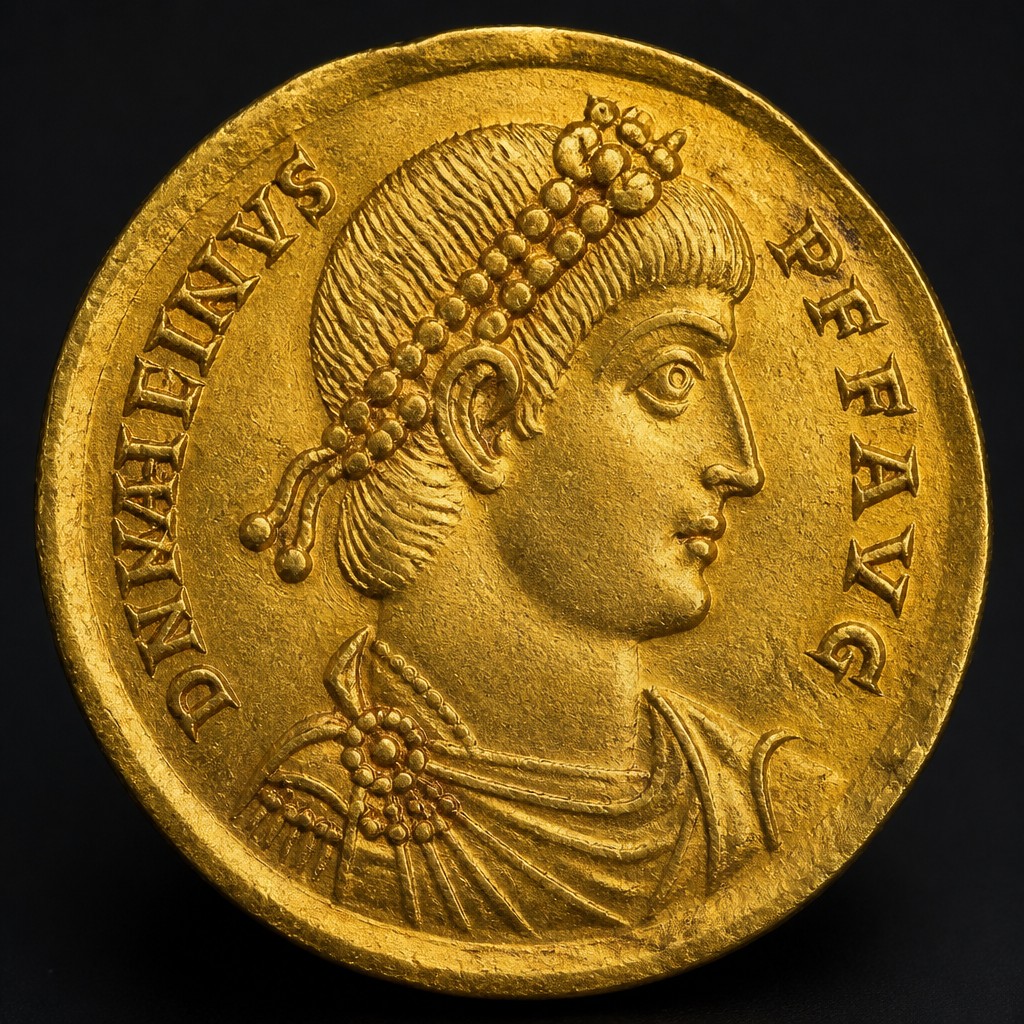
Valentinian I Solidus
364–375 AD
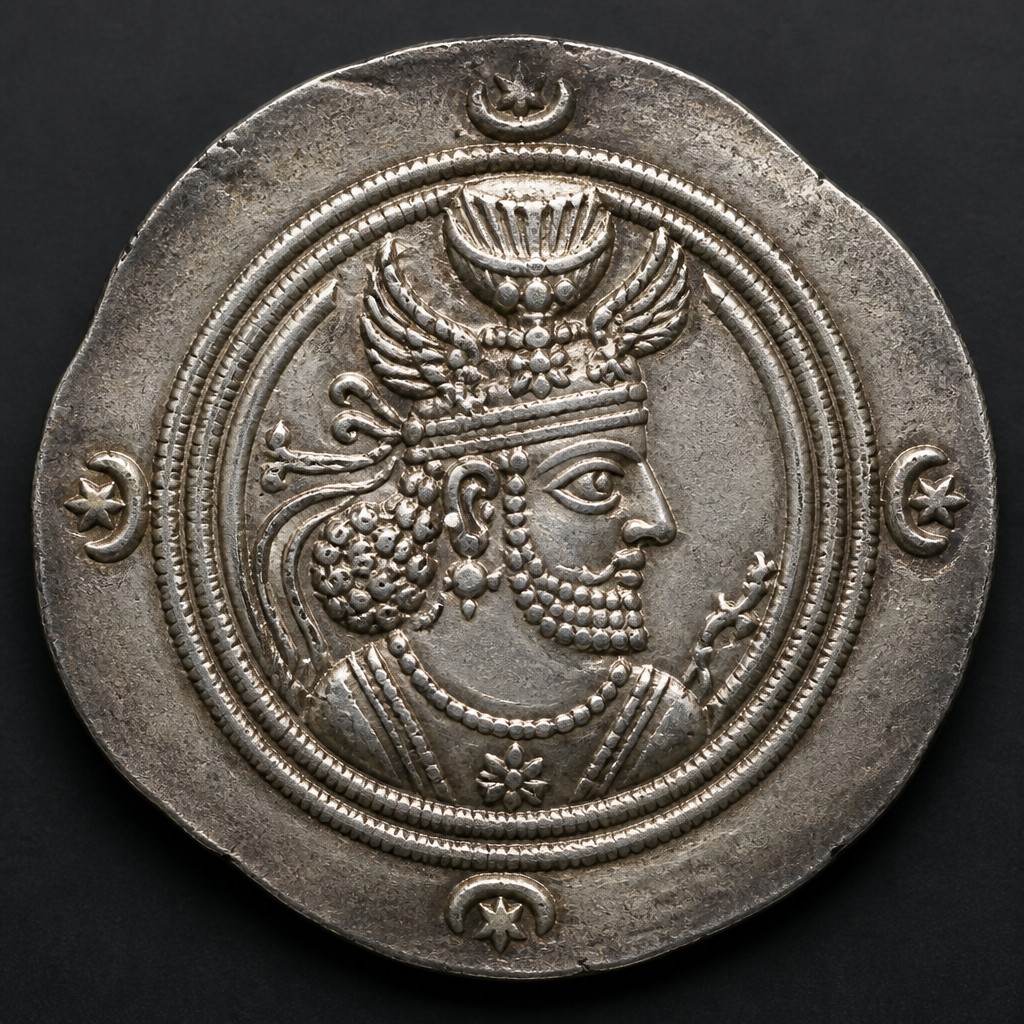
Sassanian Silver Drachm
c. 224–651 AD
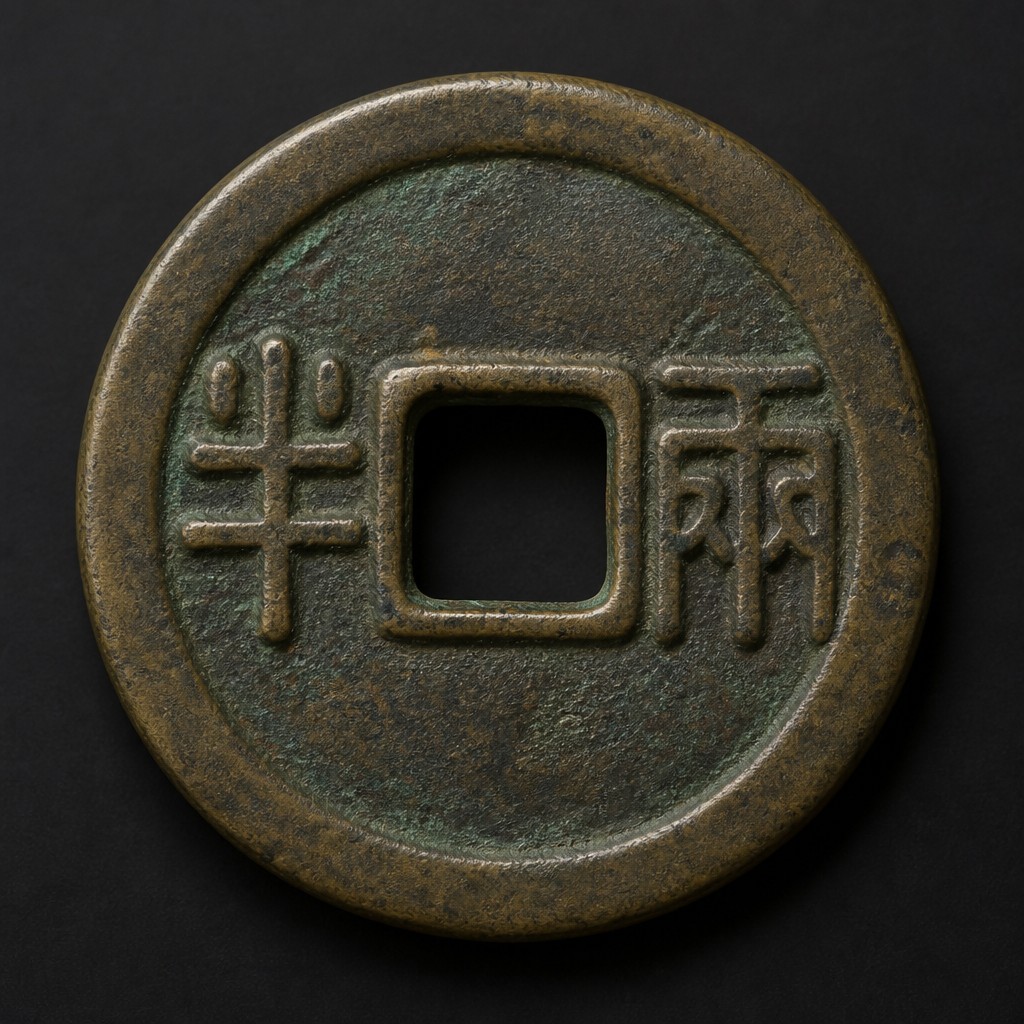
Chinese Ban Liang Cash
c. 221–118 BC
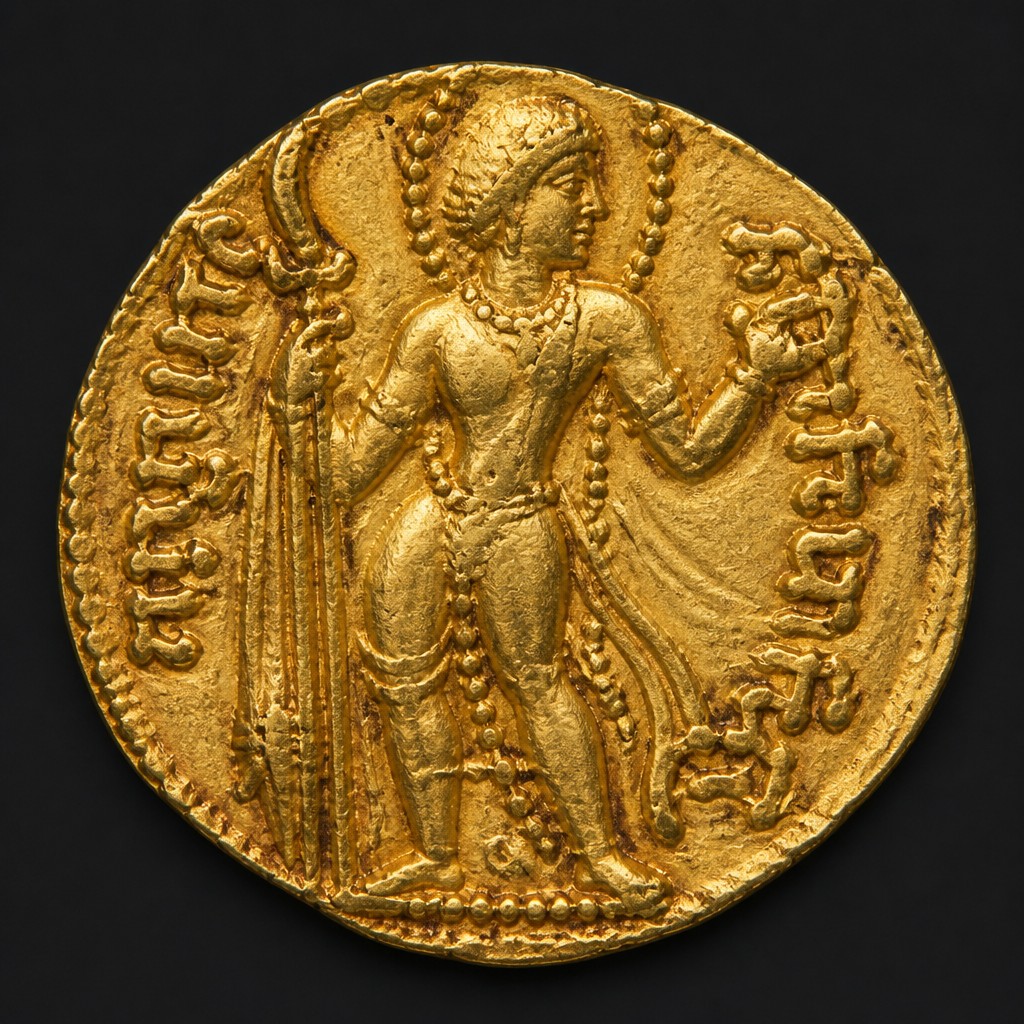
Gupta Empire Gold Dinar
c. 320–550 AD
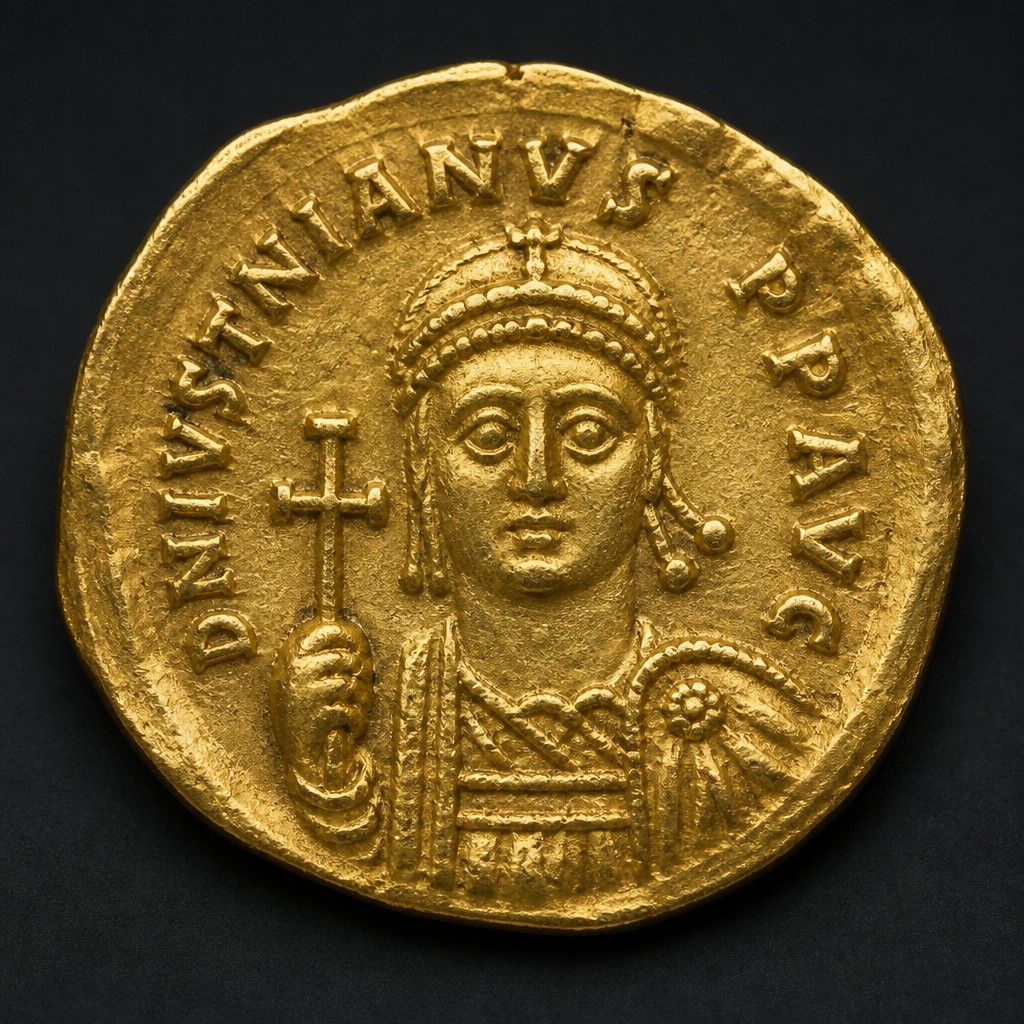
Byzantine Gold Tremissis
c. 4th–7th century AD
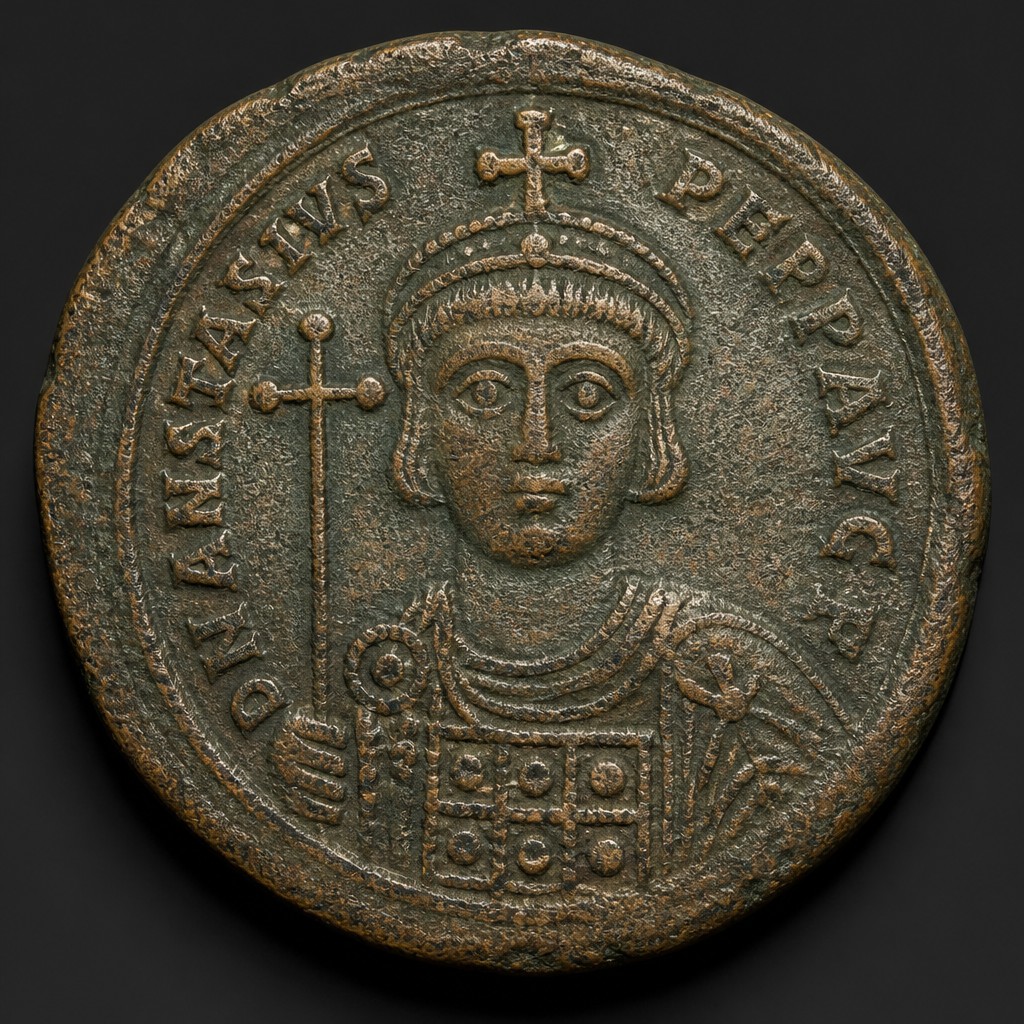
Byzantine Follis
498–c. 11th century AD
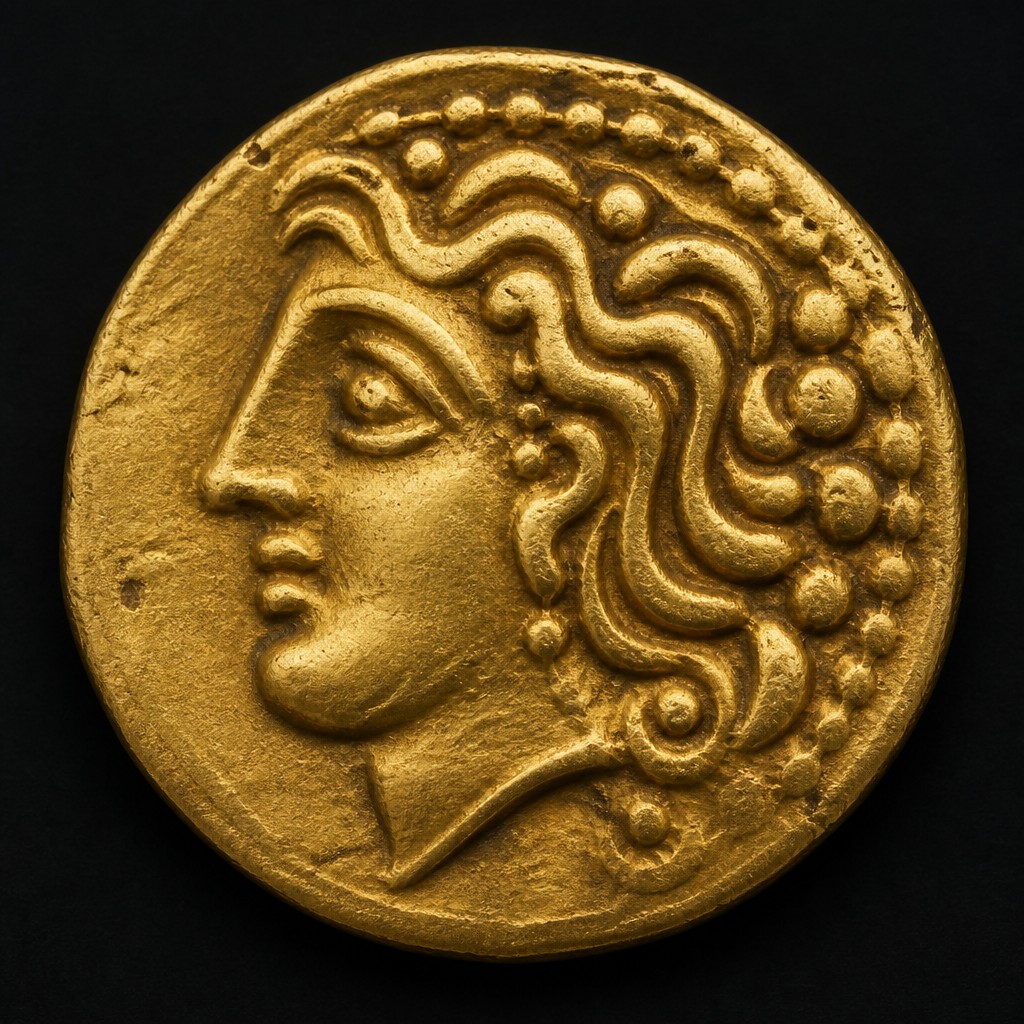
Celtic Gold Stater
c. 3rd century BC – 1st century AD