
Coin Encyclopedia
Search and identify coins from around the world — with country, denomination, metal, mint, history, and how to tell them apart.
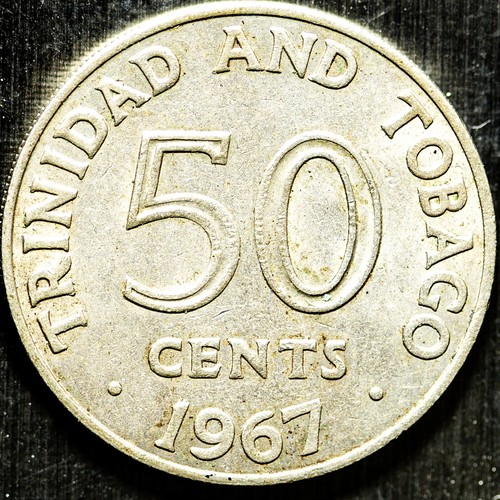
Trinidad and Tobago 50 Cents
A large copper-nickel Caribbean circulation coin; the 1967 example carries the national coat of arms and country name on the obverse and the 50-cent value on the reverse.
Circulation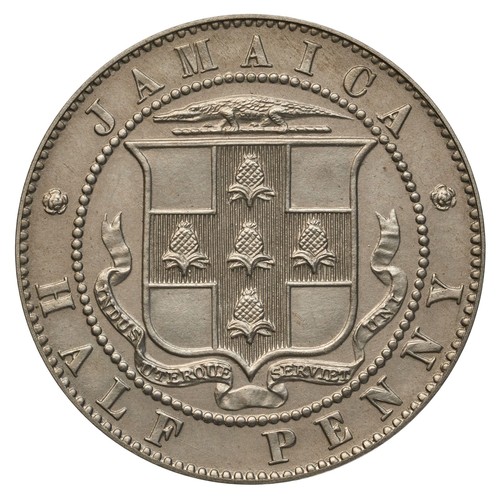
Bermuda Half Penny
A colonial-era copper-nickel half penny tied to Bermuda, showing a lion-crested coat of arms with pineapples and a Latin motto, dated 1909.
Colonial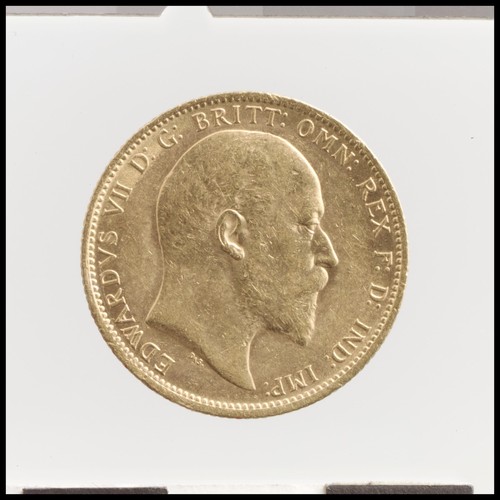
Gold Sovereign
The British gold sovereign: a one-pound gold coin. This 1817 George III example shows a laureate bust and a crowned heraldic shield of the royal arms.
World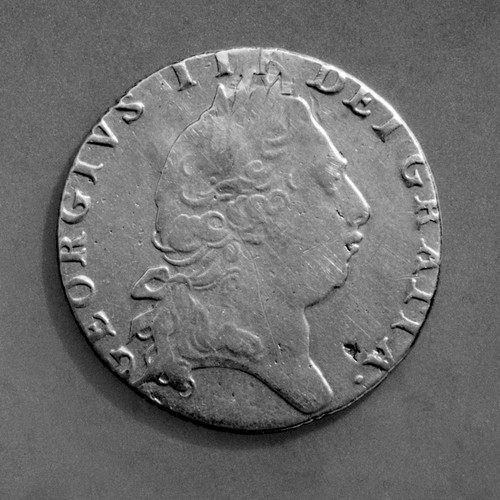
Spade Guinea
A late George III gold guinea named for the distinctive spade-shaped shield on its reverse, struck in England from 1787 into the early 1800s.
Milled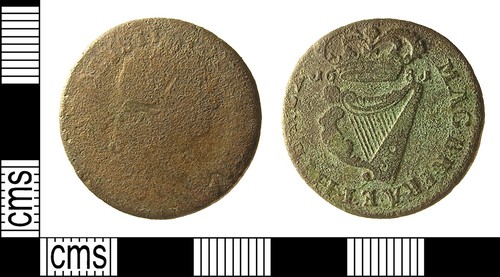
Irish Halfpenny of Charles II
A milled copper halfpenny struck for Ireland under Charles II, with his right-facing laureate bust and a crowned Irish harp on the reverse.
Milled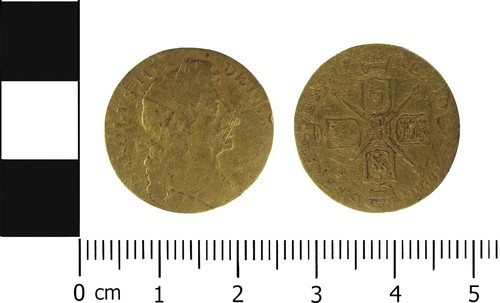
Charles II Half Guinea
A small milled gold coin of Charles II showing the king's laureate profile and a cruciform arrangement of crowned shields on the reverse.
Milled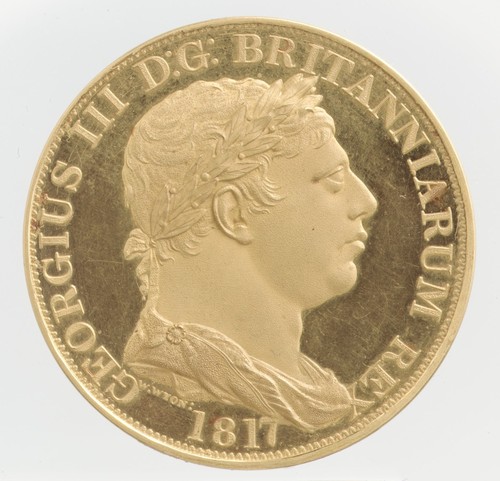
Crown of George III (Incorrupta)
A milled crown of George III dated 1817, named for its INCORRUPTA reverse legend, showing a laureate draped bust and crowned royal arms.
Milled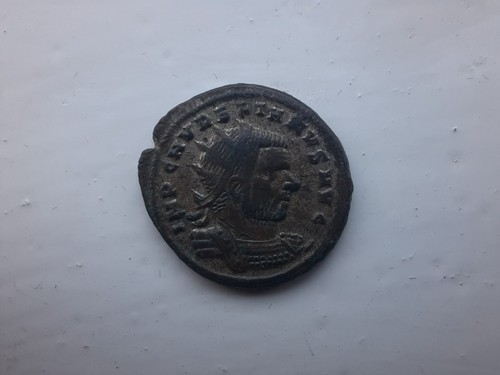
Antoninianus of Aurelian
Late Roman billon coin of Emperor Aurelian, showing his radiate-crowned bust and a standing deity or personification on the reverse.
Ancient Coins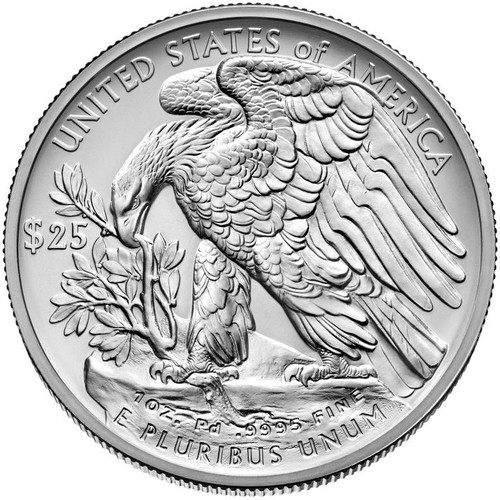
American Palladium Eagle
The U.S. Mint's one-ounce .9995 fine palladium bullion coin, launched in 2017 with classic Weinman Mercury dime and eagle designs.
Bullion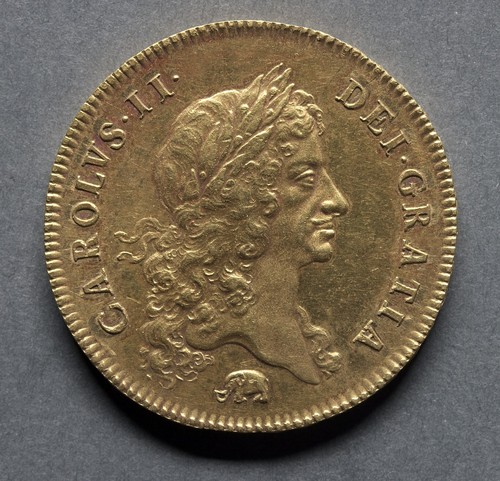
Charles II Five Guineas
The largest English gold coin of Charles II's reign, showing his laureate profile and a cruciform arrangement of crowned shields on the reverse.
Milled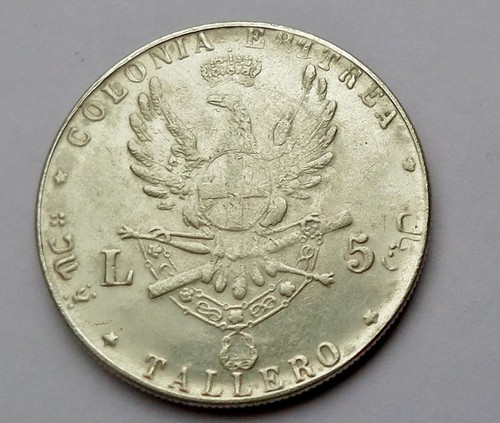
Eritrea 1 Tallero
A large silver trade dollar struck for Italian Eritrea under King Umberto I, carrying crowned heraldic arms and a Savoy eagle, dated 1891.
World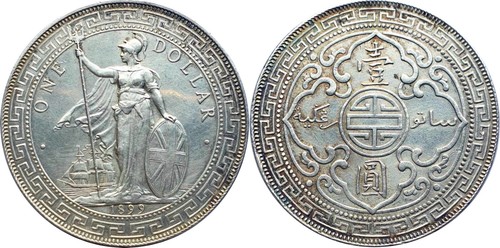
Hong Kong Trade Dollar
A large silver British Trade Dollar with standing Britannia on the obverse and a Chinese dragon reverse, made for commerce across the Far East.
Circulation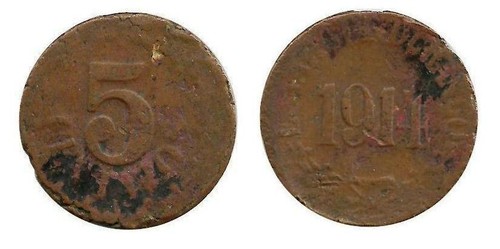
Durango 5 Centavos
A copper 5 centavos struck in the State of Durango during the Mexican Revolution, showing a large numeral 5 and the Mexican national eagle, dated 1914.
Revolutionary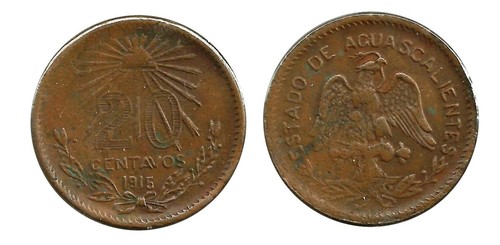
Aguascalientes 20 Centavos
A copper 20 centavos struck in Aguascalientes during the Mexican Revolution in 1915, showing the denomination on one side and a large numeral 20 with the national eagle on the other.
Revolutionary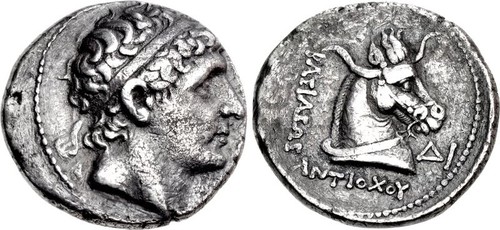
Tetradrachm of Antiochos I Soter
A large Seleucid-era silver coin of Antiochos I Soter, showing a helmeted bearded royal head and a standing elephant, a symbol of eastern military power.
Ancient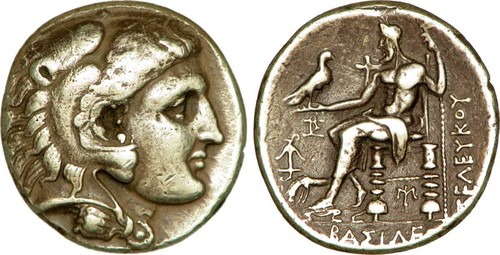
Seleucus I Nicator Tetradrachm
Large silver tetradrachm of Seleucus I Nicator, founder of the Seleucid Empire, showing a horned Alexander-type head and a mounted figure with a spear.
Ancient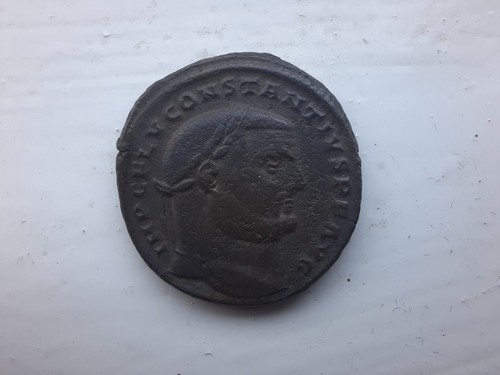
Follis of Constantius Chlorus
Large silvered-bronze follis of Constantius I (Chlorus), the Tetrarchic emperor and father of Constantine, showing his laureate portrait facing right.
Ancient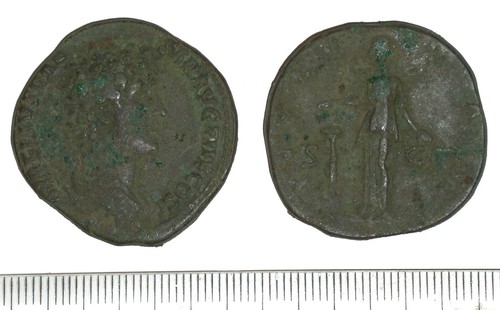
Sestertius of Marcus Aurelius
A large Roman bronze sestertius struck during the reign of Marcus Aurelius (161–180 CE), with his laureate portrait facing right and a Latin legend.
Ancient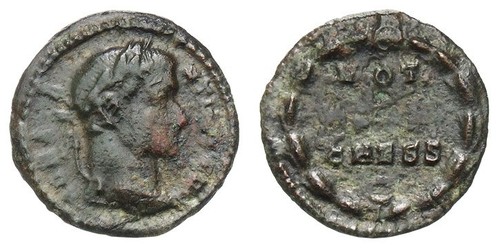
Nummus of Constantine I
Small late Roman bronze nummus (follis) of Constantine I the Great (306-337 CE), identified by his right-facing imperial portrait on the obverse.
Ancient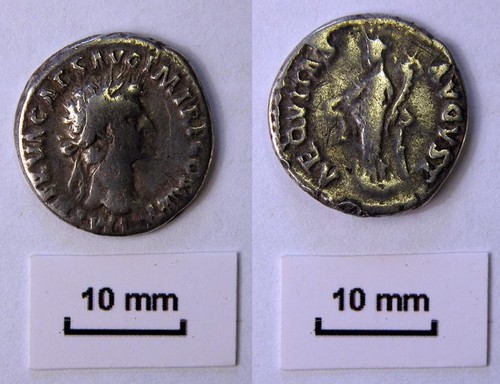
Denarius of Nerva
Roman Imperial silver denarius of Emperor Nerva (96-98 AD), with his laureate portrait and the legend IMP NERVA CAES AVG, and a seated Concordia reverse.
Ancient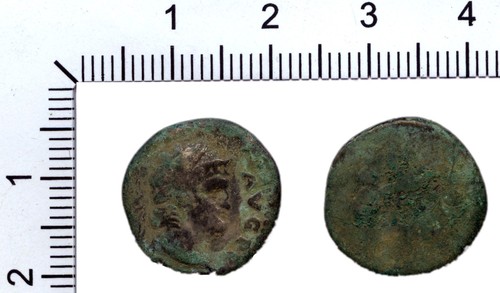
Denarius of Nero
Silver denarius of the emperor Nero (AD 54-68), the last Julio-Claudian ruler, shown with a laureate portrait and a military-standards reverse.
Ancient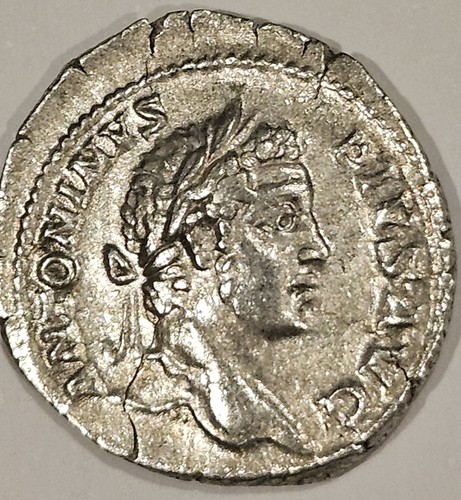
Denarius of Caracalla
A silver denarius of the Roman emperor Caracalla, struck 198–217 CE, showing his laureate right-facing bust and a Latin legend encircling the design.
Ancient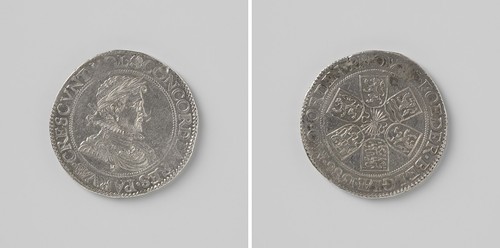
Rijksdaalder van Leicester
A large silver Dutch rijksdaalder of the Leicester type, with a helmeted armored bust and ruff on the obverse and a compartmented heraldic shield on the reverse.
Early Modern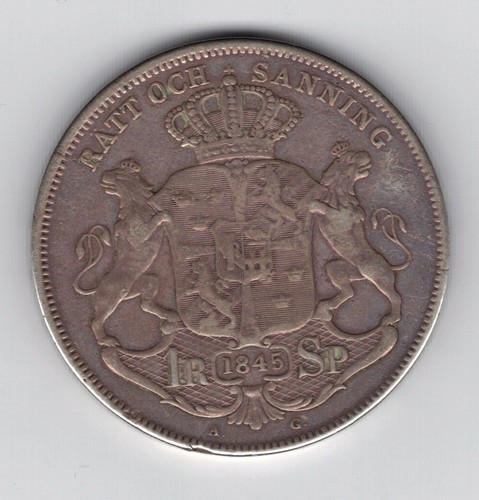
1 Riksdaler Specie
Large silver Riksdaler Specie of Sweden under King Oscar I, dated 1845, bearing his right-facing portrait, royal motto, and the Swedish coat of arms.
Modern