
Coin Encyclopedia
Search and identify coins from around the world — with country, denomination, metal, mint, history, and how to tell them apart.
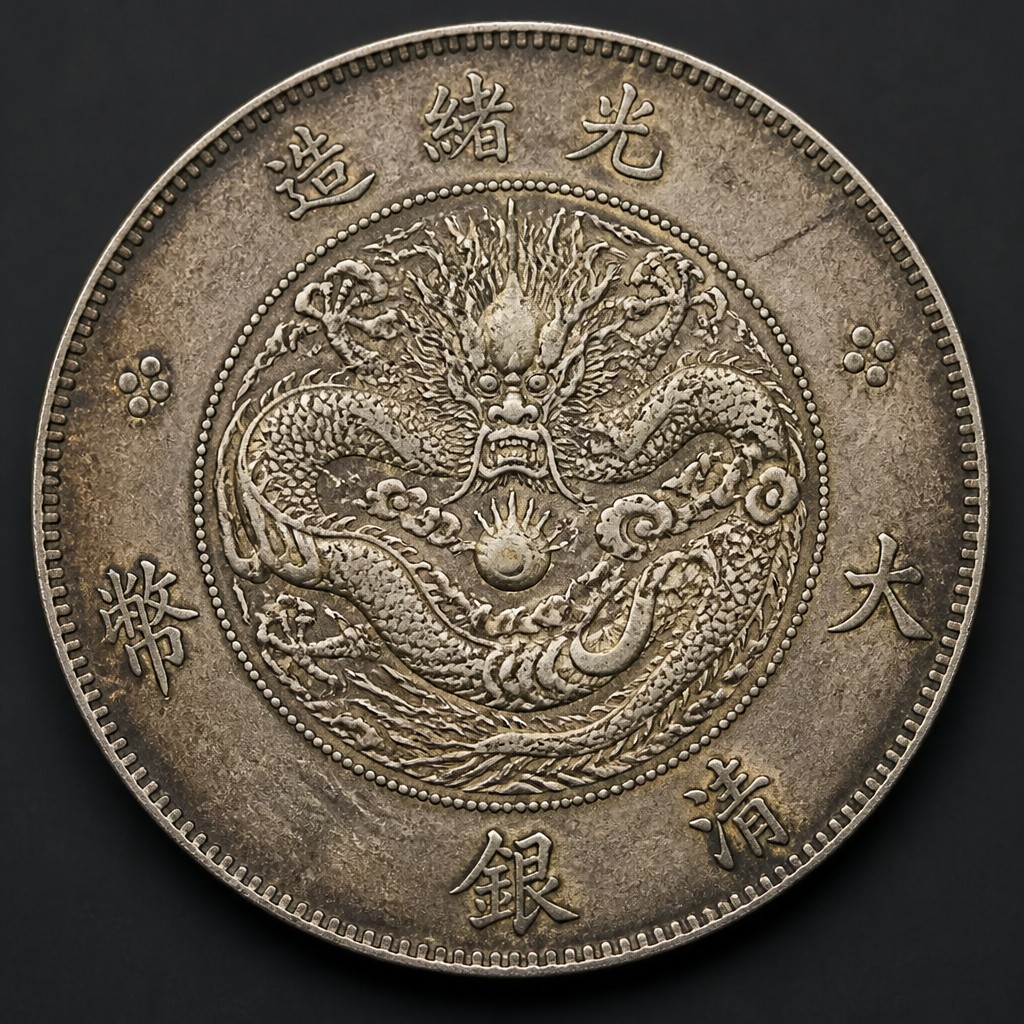
Chinese Dragon Dollar
A coiled dragon dominates the reverse of these late Qing Dynasty silver dollars, struck by numerous Chinese provincial mints as China modernized its coinage using Western minting technology.
Asian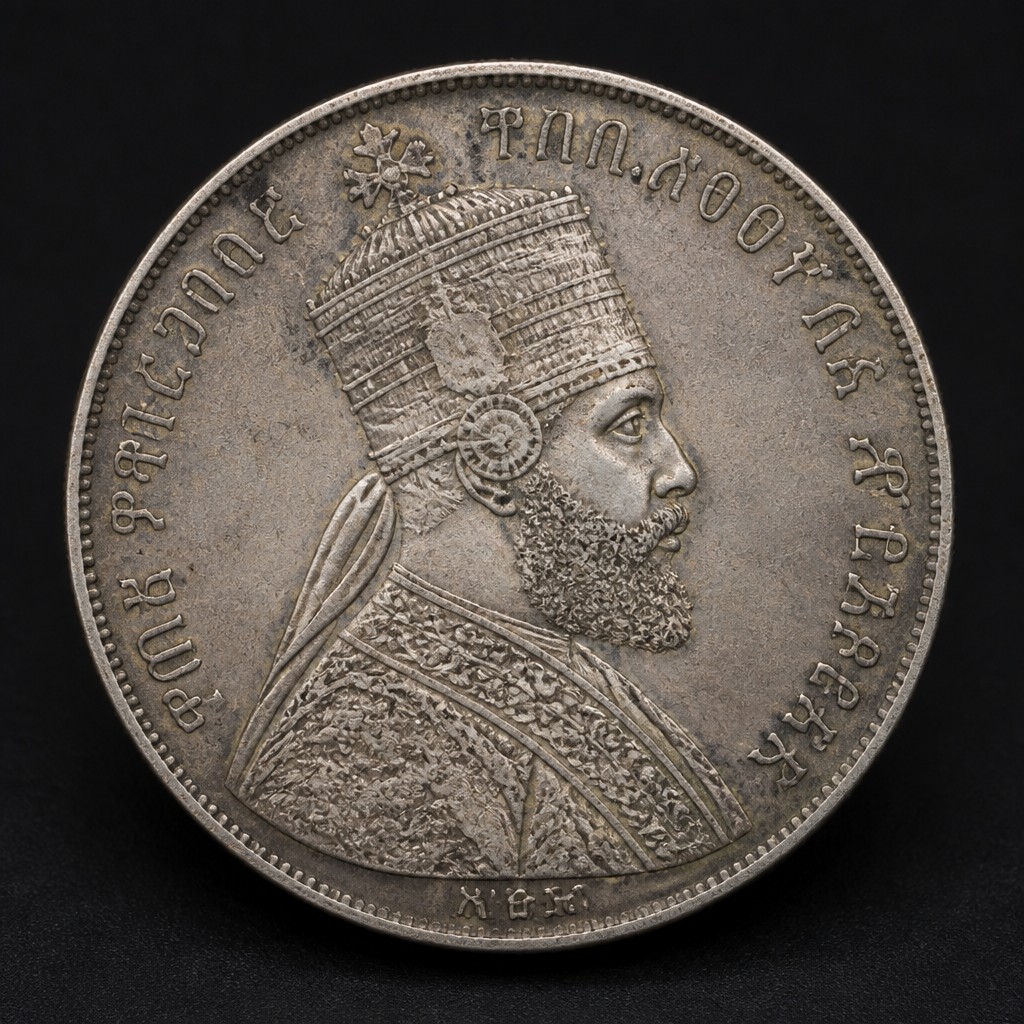
Ethiopian Birr (Menelik II)
Silver birr introduced by Emperor Menelik II of Ethiopia, modeled on the weight and fineness of the Maria Theresa thaler, featuring his crowned bust and the Lion of Judah.
Africa & Oceania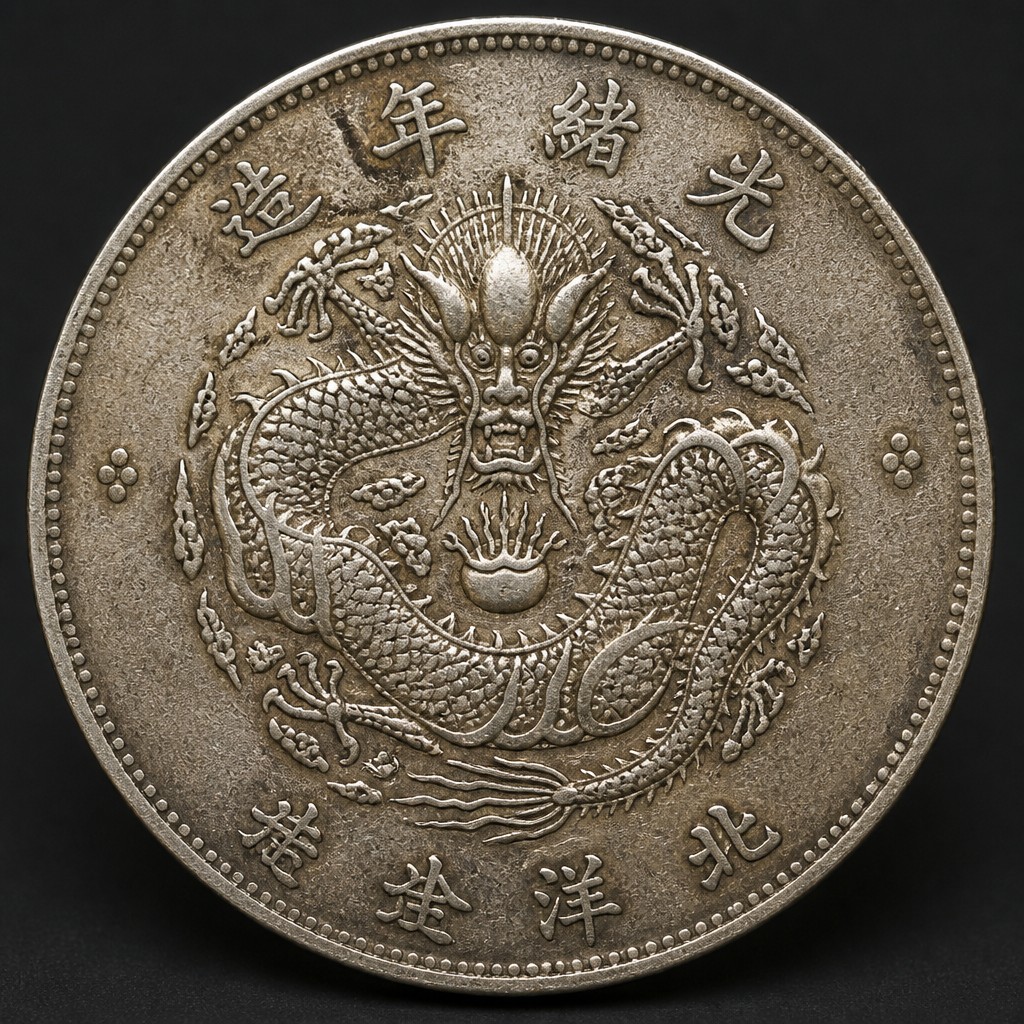
Chinese Pei Yang (Peiyang) Arsenal Dragon Dollar
Late Qing dynasty silver dollar struck at the Pei Yang Arsenal in Tientsin, prized by collectors for its dragon design and the rarity of certain dated varieties.
Asian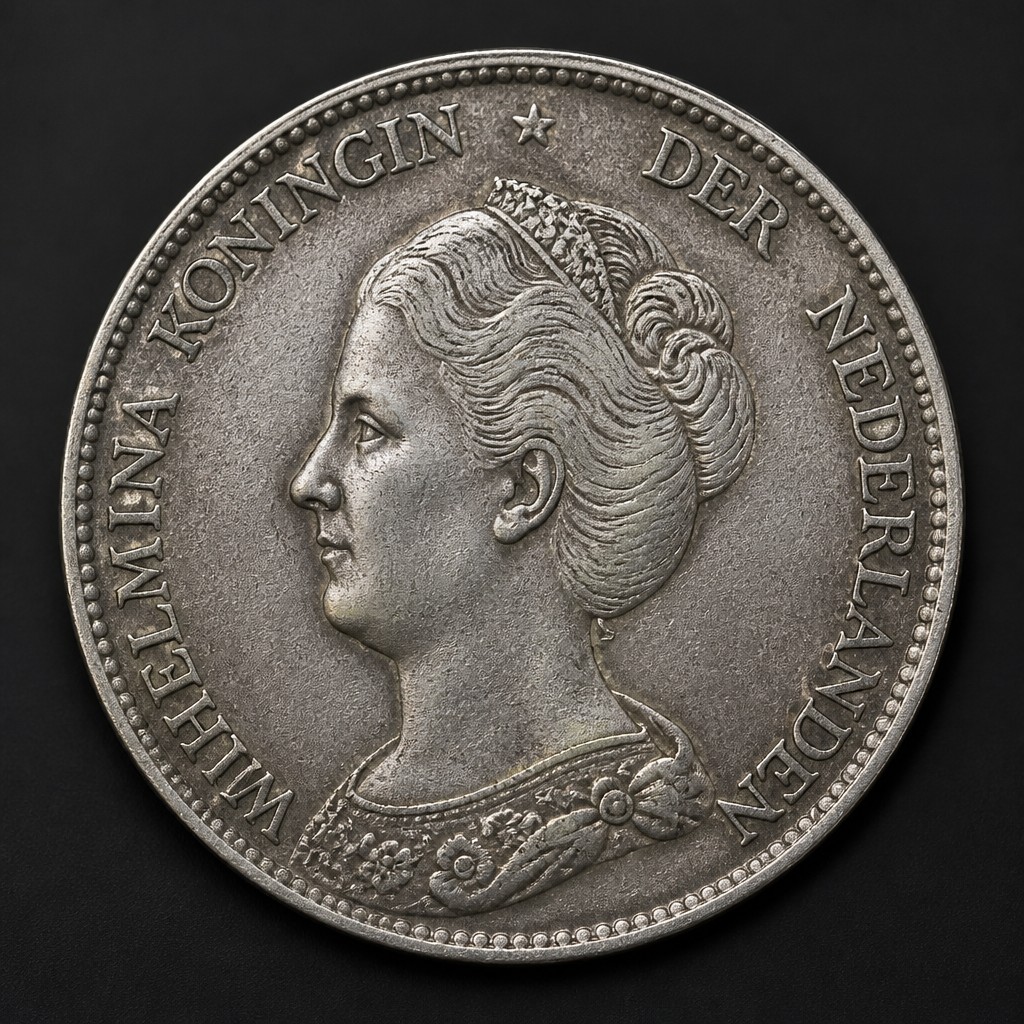
Dutch Guilder (Gulden)
The guilder was the standard currency of the Netherlands for more than three centuries, struck in silver and later copper-nickel before being replaced by the euro in 2002.
European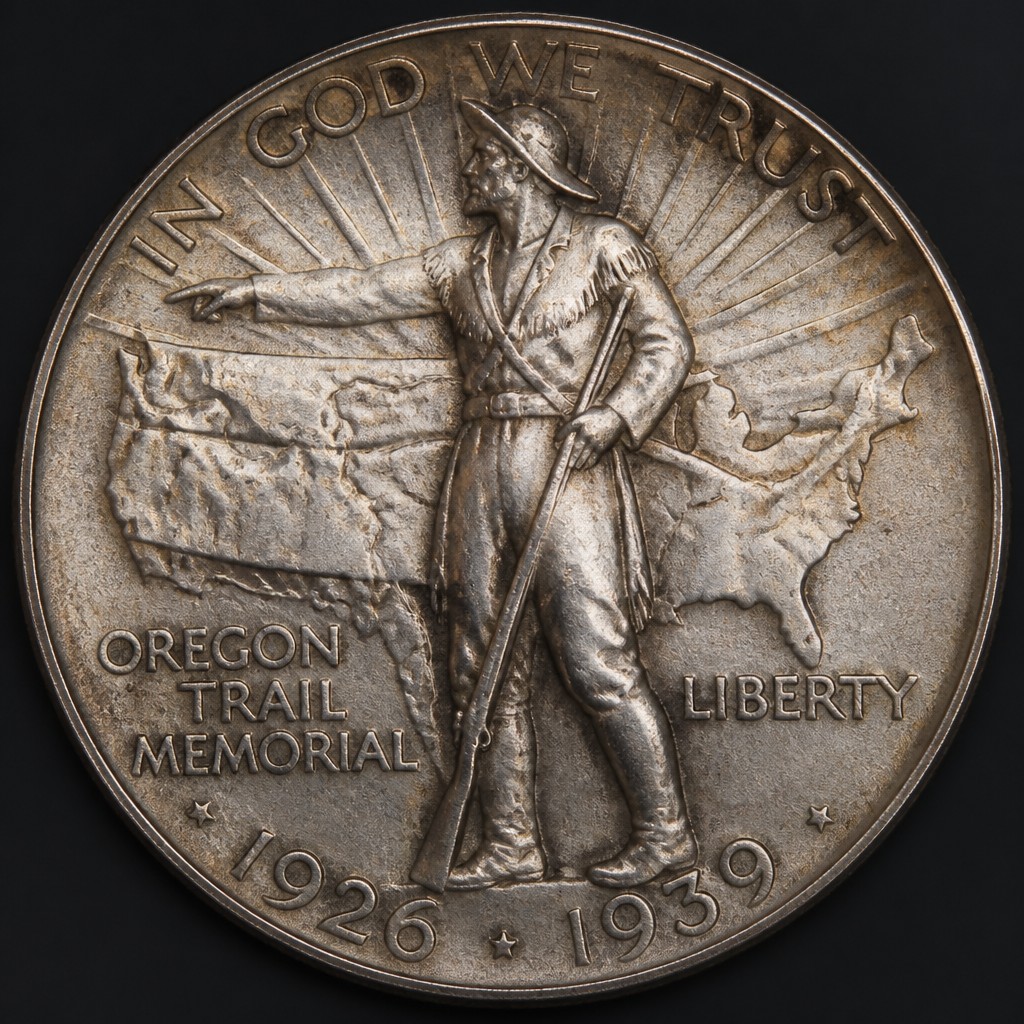
Oregon Trail Memorial Half Dollar
A long-running commemorative honoring the Oregon Trail pioneers, featuring an acclaimed design of a Conestoga wagon and a Native American figure by Fraser and Fraser.
Commemorative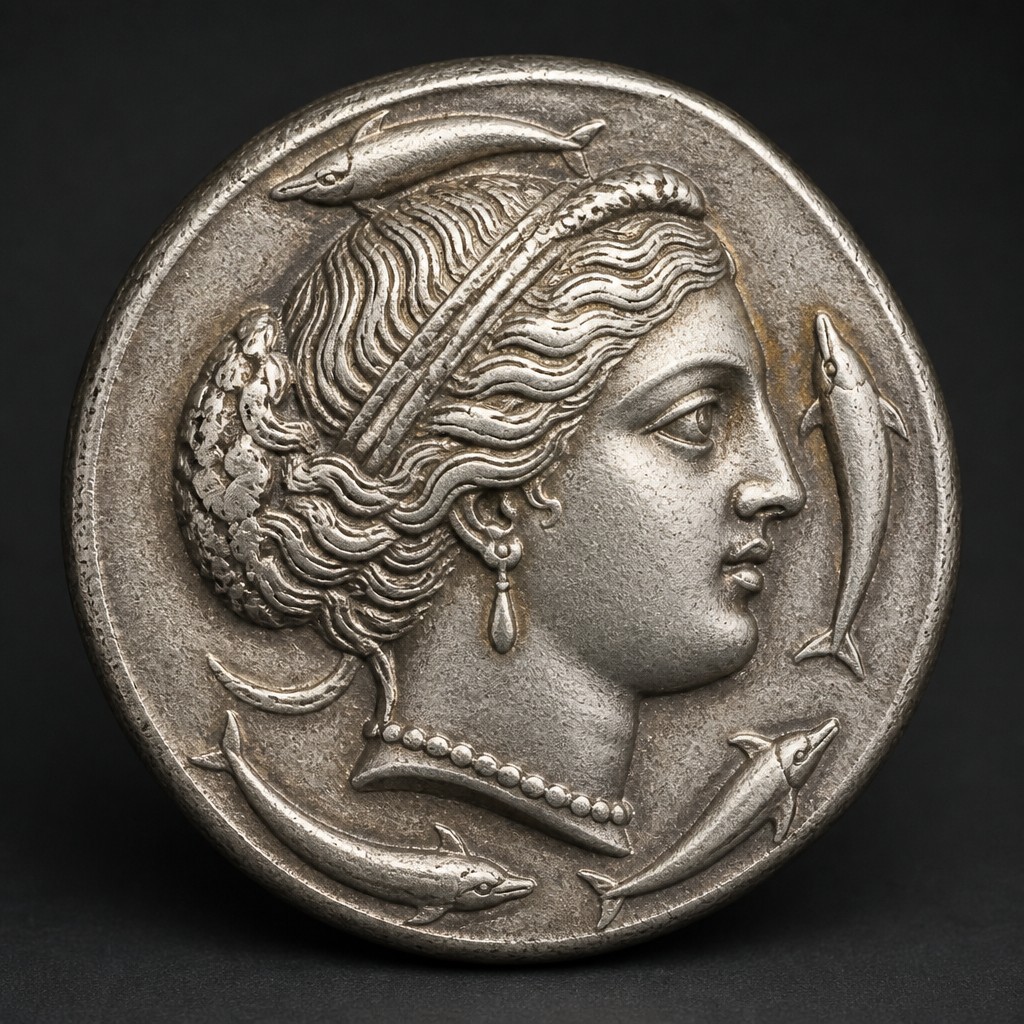
Syracuse Arethusa Tetradrachm
A classic silver tetradrachm from ancient Syracuse depicting the nymph Arethusa surrounded by dolphins, one of the most admired coin types of the Greek world.
Ancient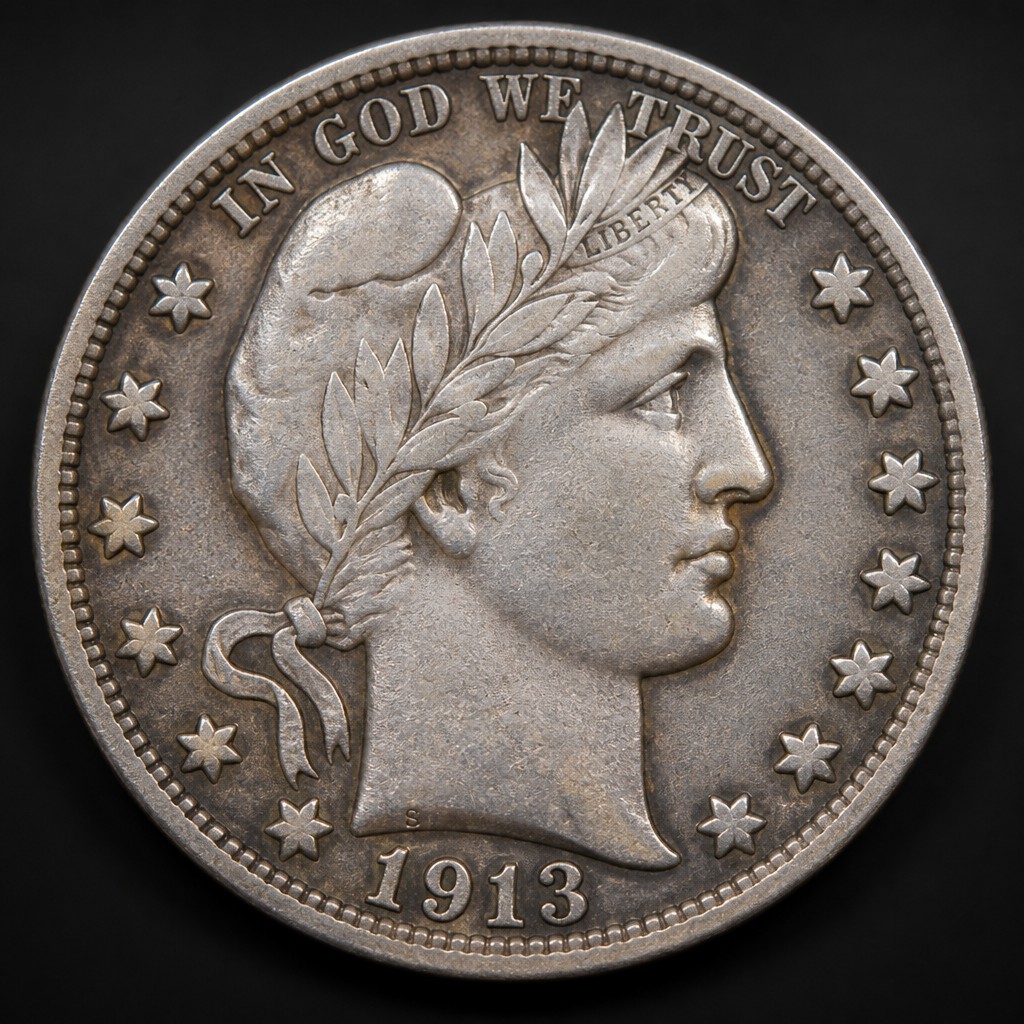
1913-S Barber Quarter
A famous low-mintage key date near the end of the Barber quarter series, prized by collectors despite its worn survivors due to its very small original production.
United States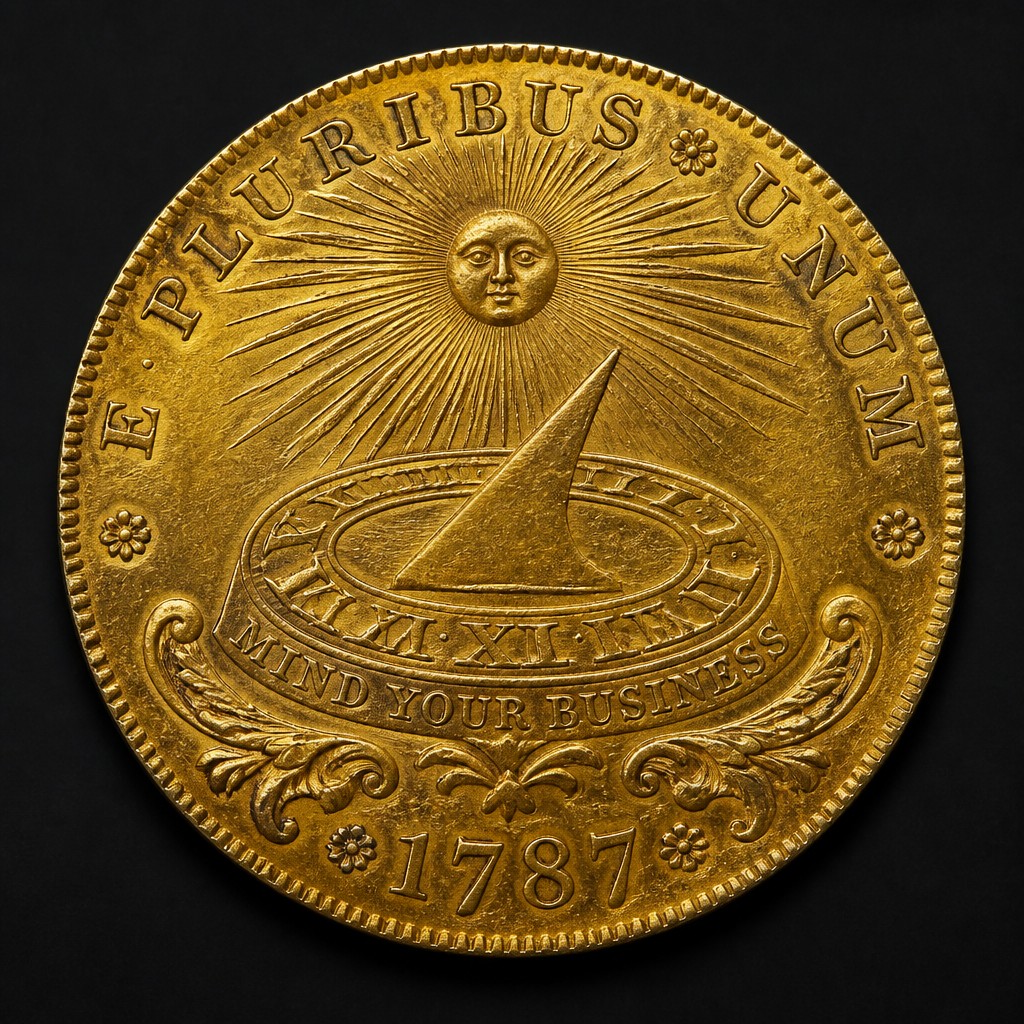
1787 Brasher Doubloon
An extraordinarily rare private gold coin struck by New York goldsmith Ephraim Brasher in 1787, now one of the most valuable and famous coins in American numismatics.
United States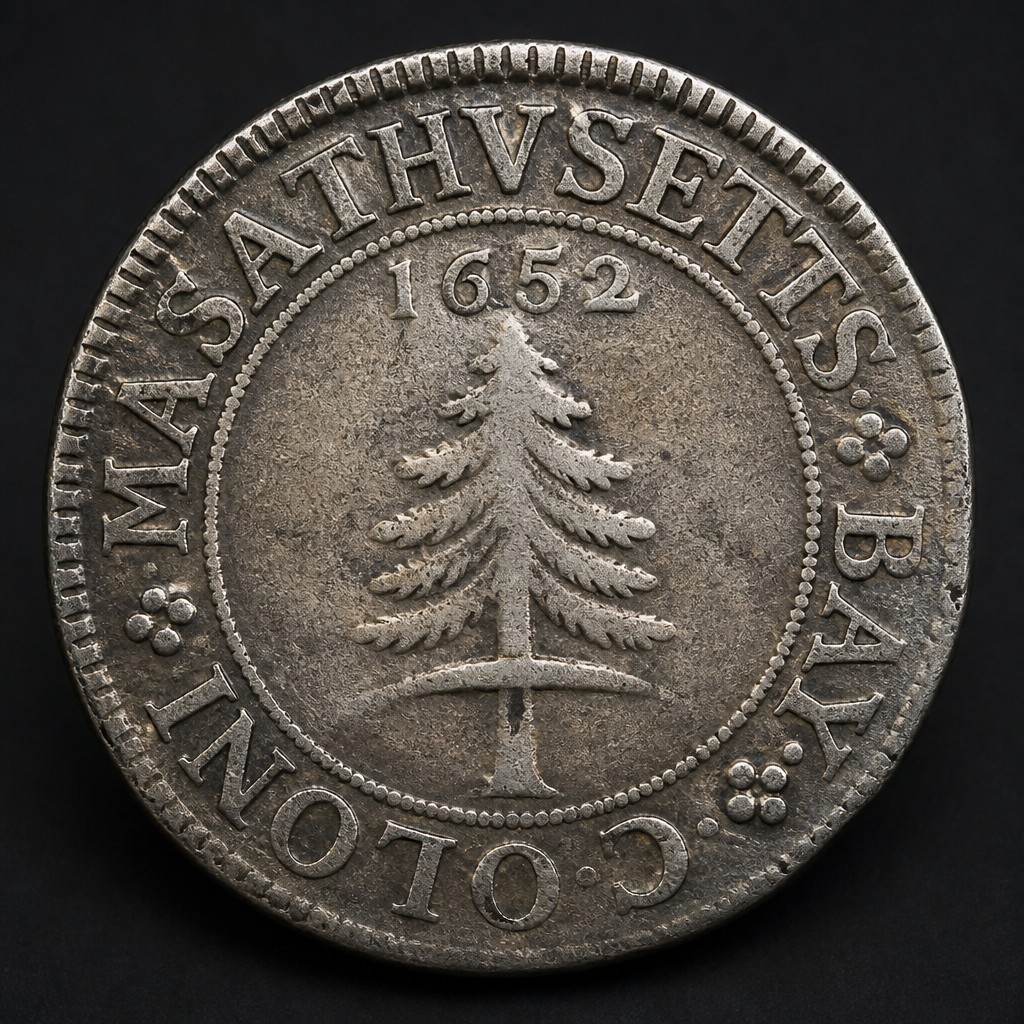
Pine Tree Shilling
Colonial Massachusetts silver shilling struck by John Hull and Robert Sanderson, famous for carrying the fixed date 1652 for roughly three decades of actual production.
United States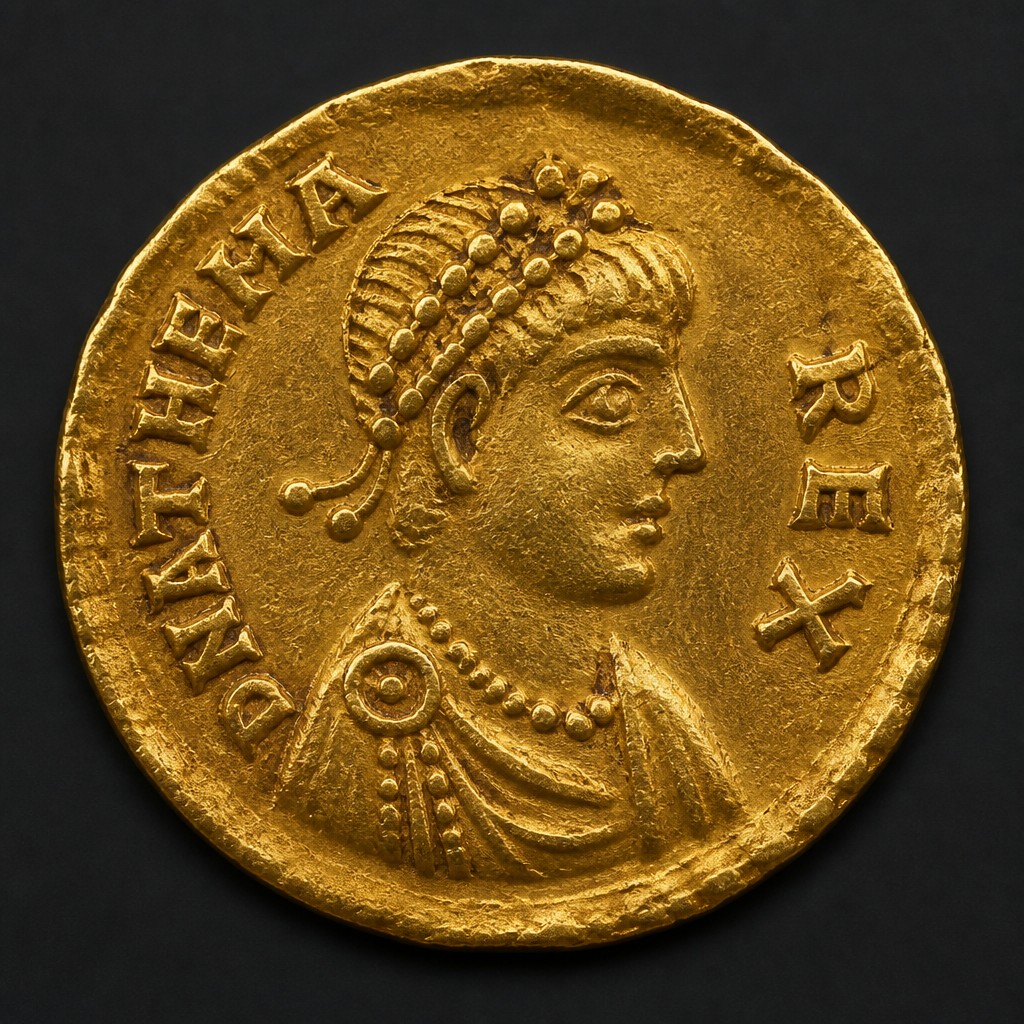
Visigothic Gold Tremissis
Small gold coin of the Visigothic kings of Spain, evolving from crude imitations of Roman/Byzantine coinage into the first distinctly national royal coinage of post-Roman Western Europe.
European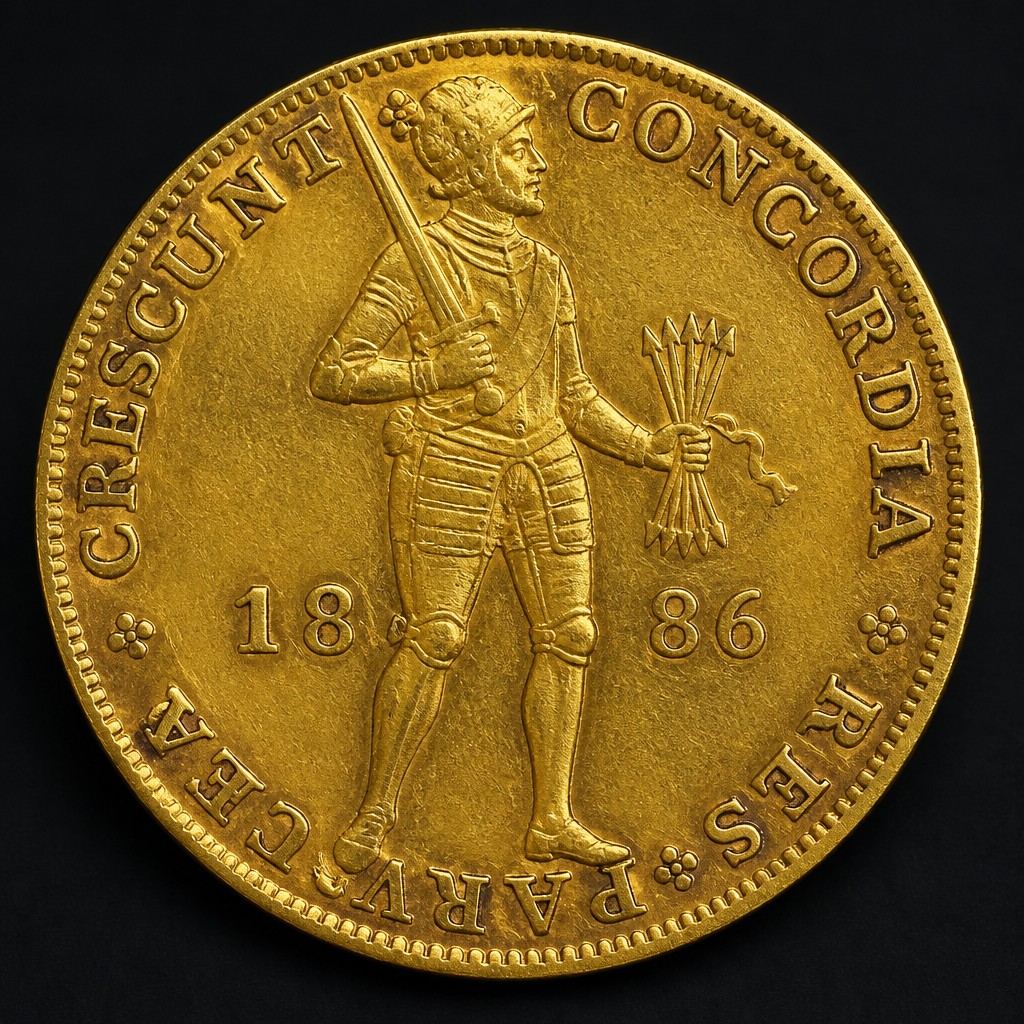
Dutch Ducat
A small, nearly pure gold coin showing an armored knight, minted for centuries by the Dutch provinces and later the Kingdom of the Netherlands as a trusted international trade coin.
European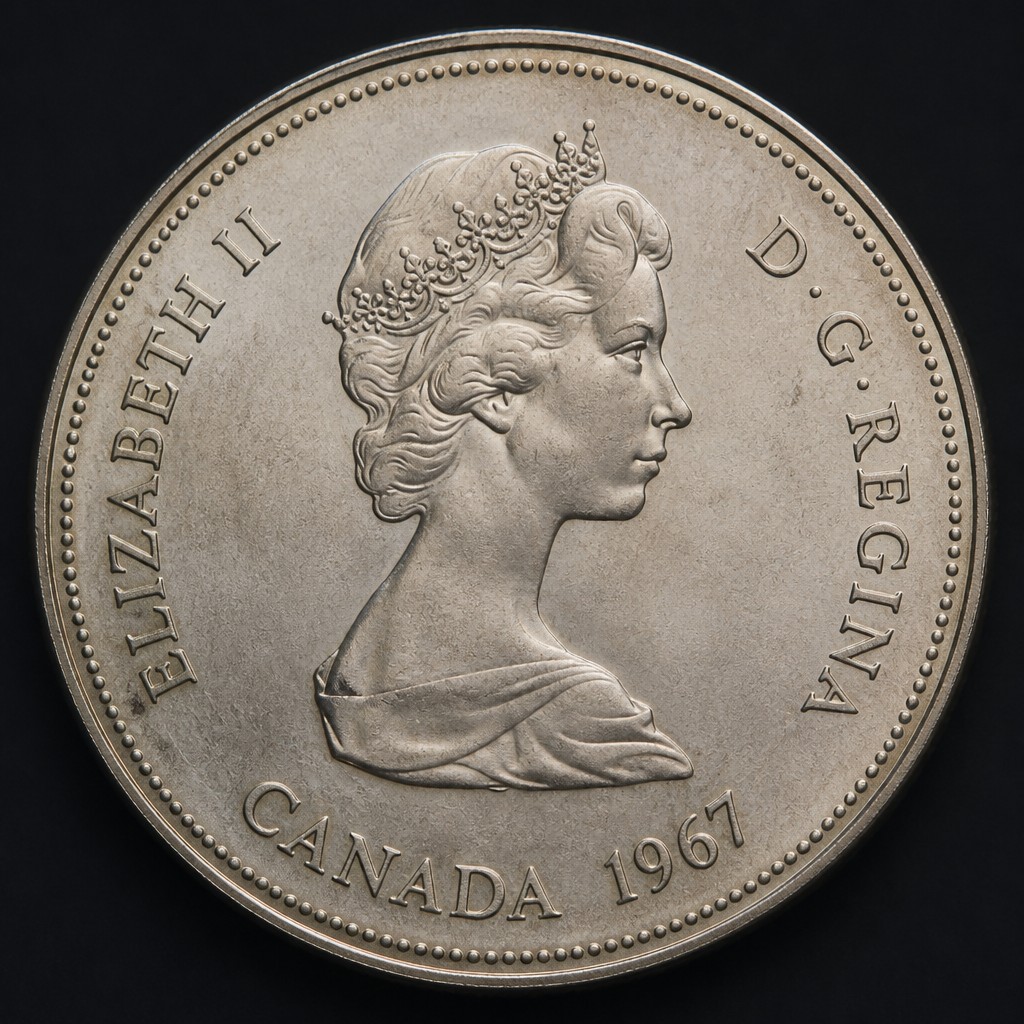
1967 Centennial Silver Dollar (Goose)
A one-year commemorative Canadian silver dollar struck for the 1967 Centennial of Confederation, its reverse depicting a Canada goose in flight, designed by Alex Colville.
Canadian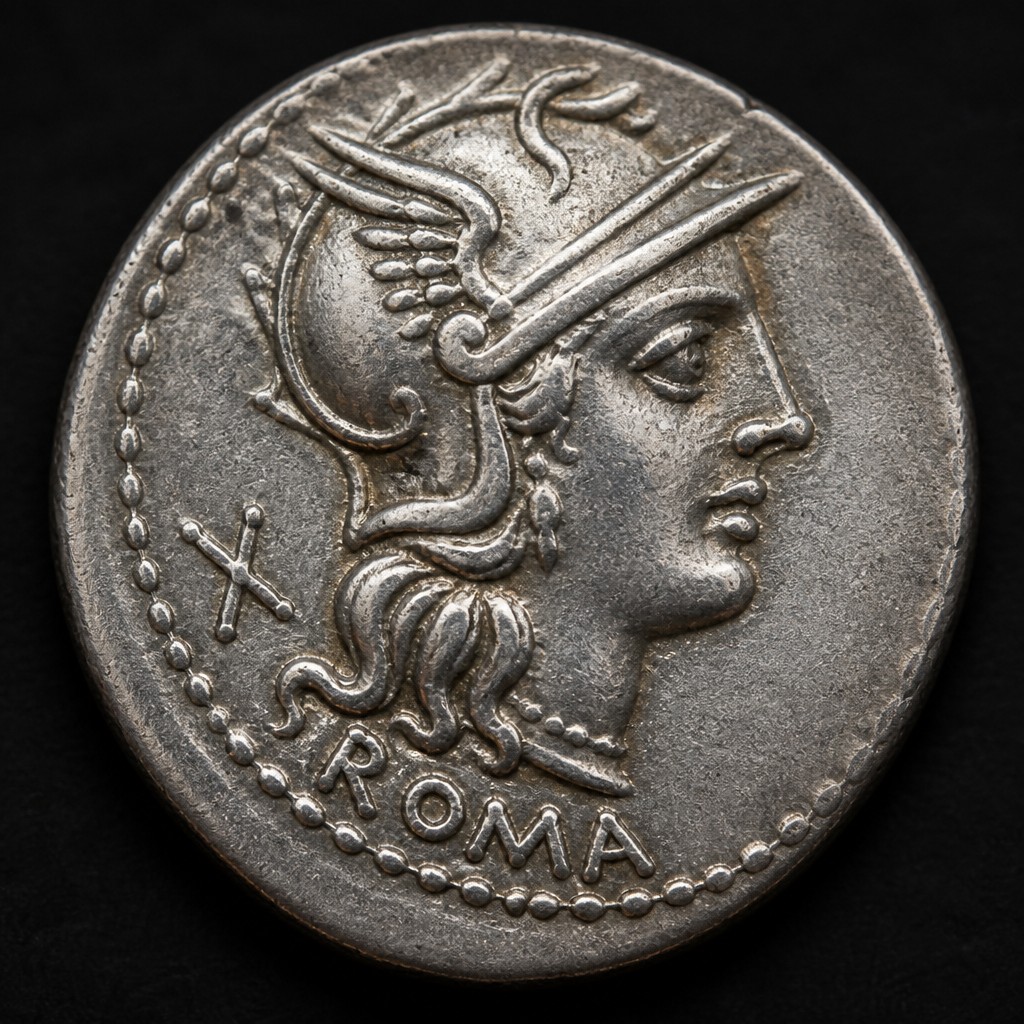
Roman Republic Denarius
The workhorse silver coin of the Roman Republic, introduced during the Second Punic War and struck by a long line of moneyers with ever-changing, often political, designs.
Ancient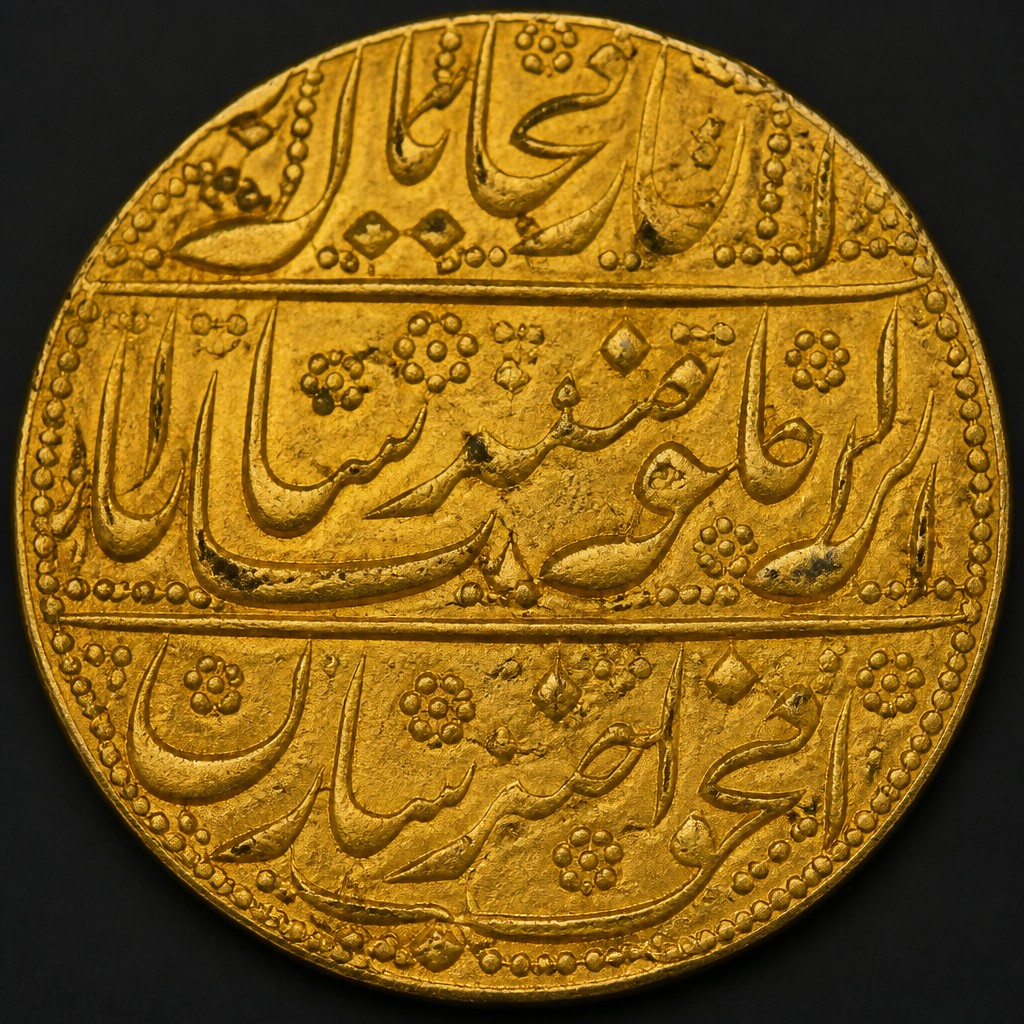
Indian Gold Mohur
The traditional high-value gold coin of the Indian subcontinent, struck for centuries by Mughal emperors, later by the British East India Company, British India, and various princely states.
Asian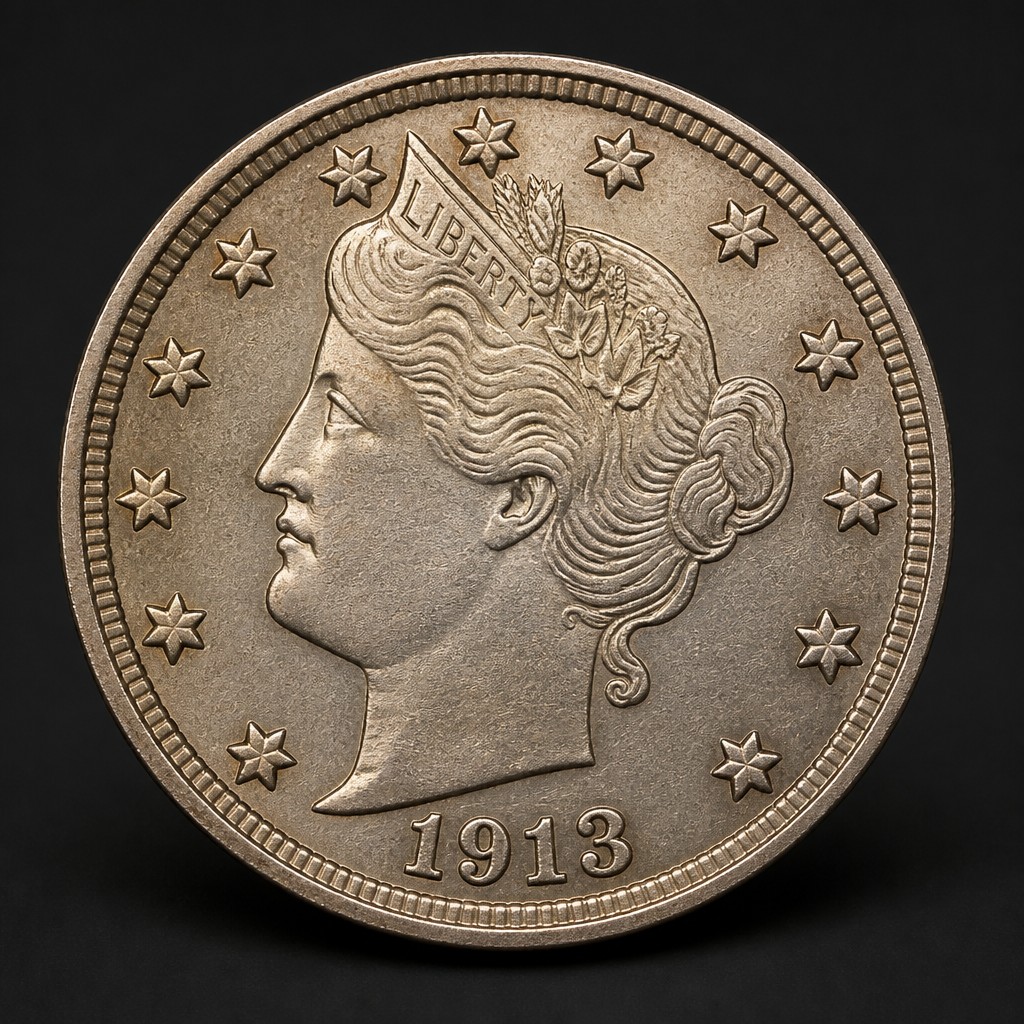
1913 Liberty Head Nickel
One of the most famous rarities in American numismatics: only five examples exist of a Liberty Head nickel dated 1913, a year in which the design was officially replaced by the Buffalo nickel.
United States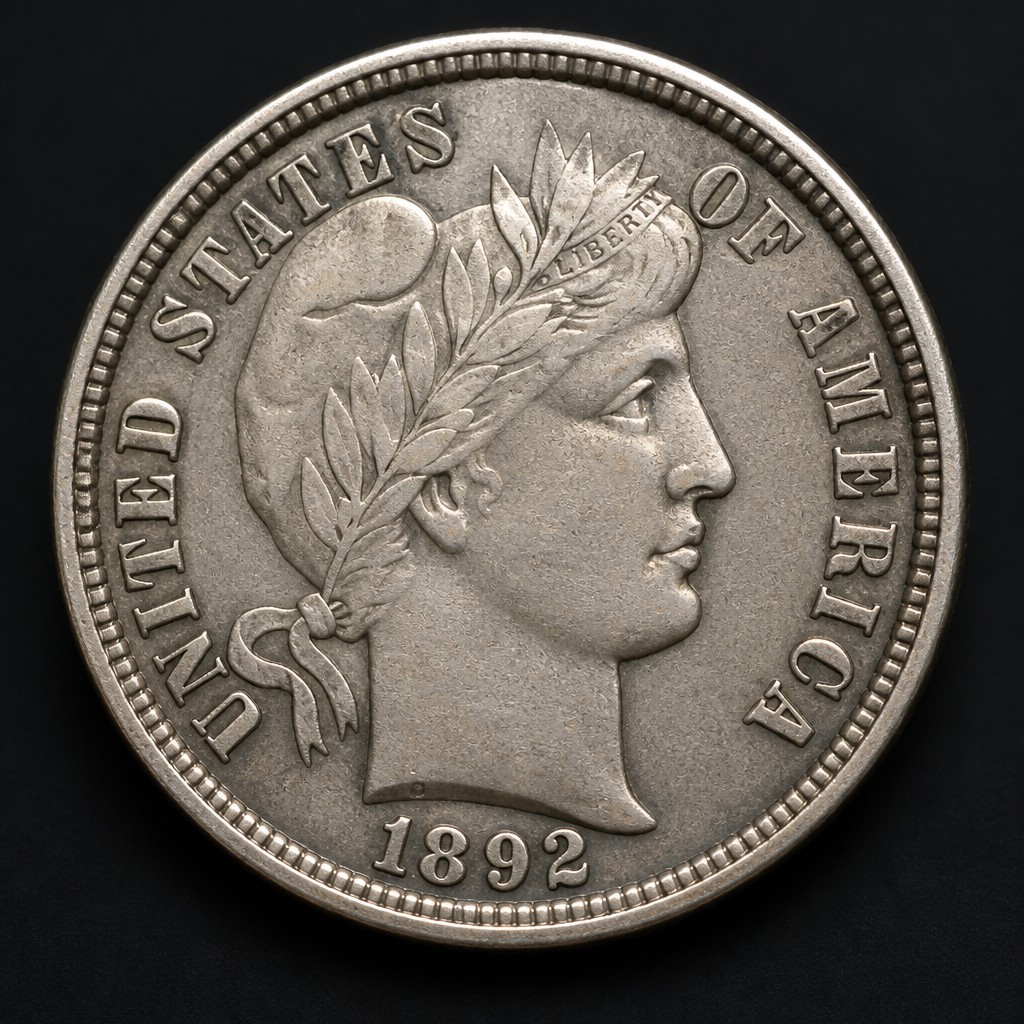
Barber Dime
A late-19th and early-20th century silver dime designed by Charles E. Barber, featuring a classical Liberty head, part of a matching set with the Barber quarter and half dollar.
United States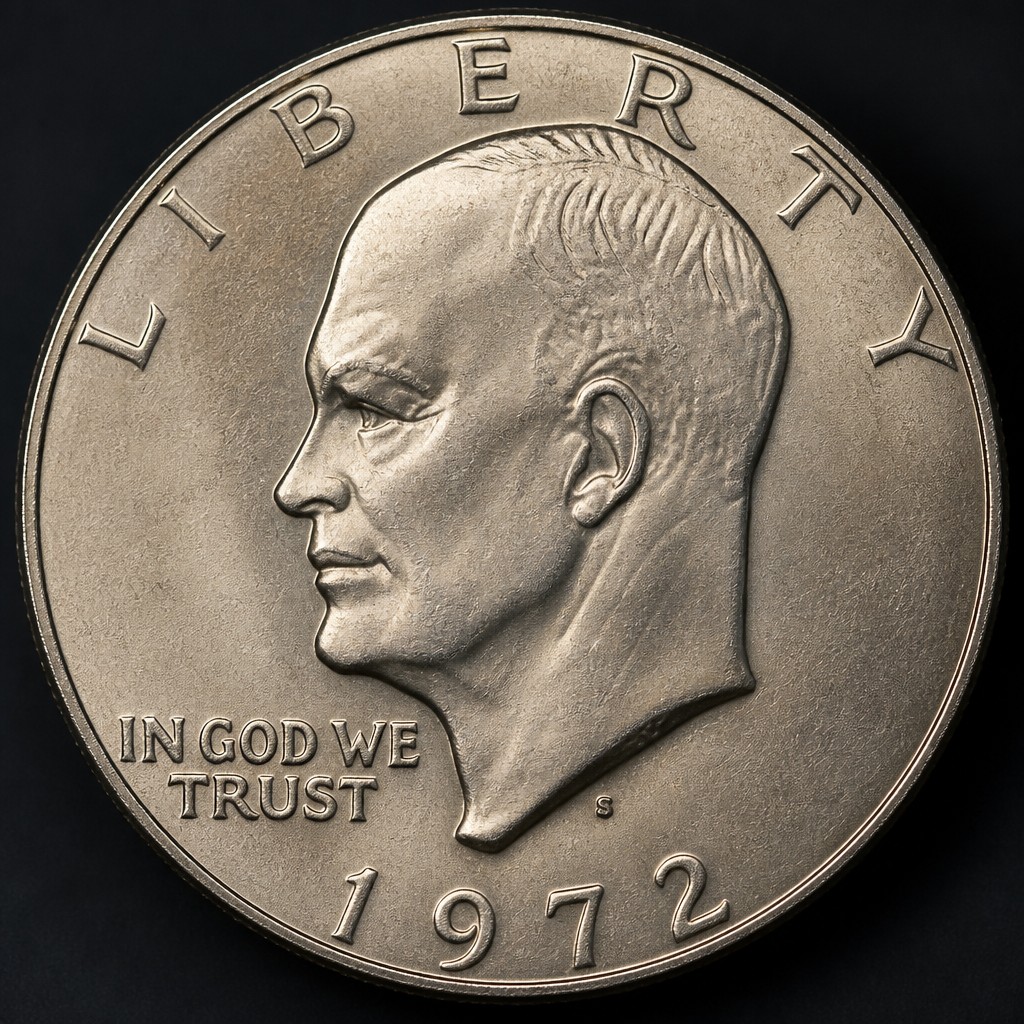
1972 Eisenhower Dollar (Type 2)
A scarce reverse variety of the 1972 Eisenhower dollar, distinguished by a more detailed, higher-relief rendering of the Earth behind the moon-landing eagle, and prized by variety collectors.
Errors & Varieties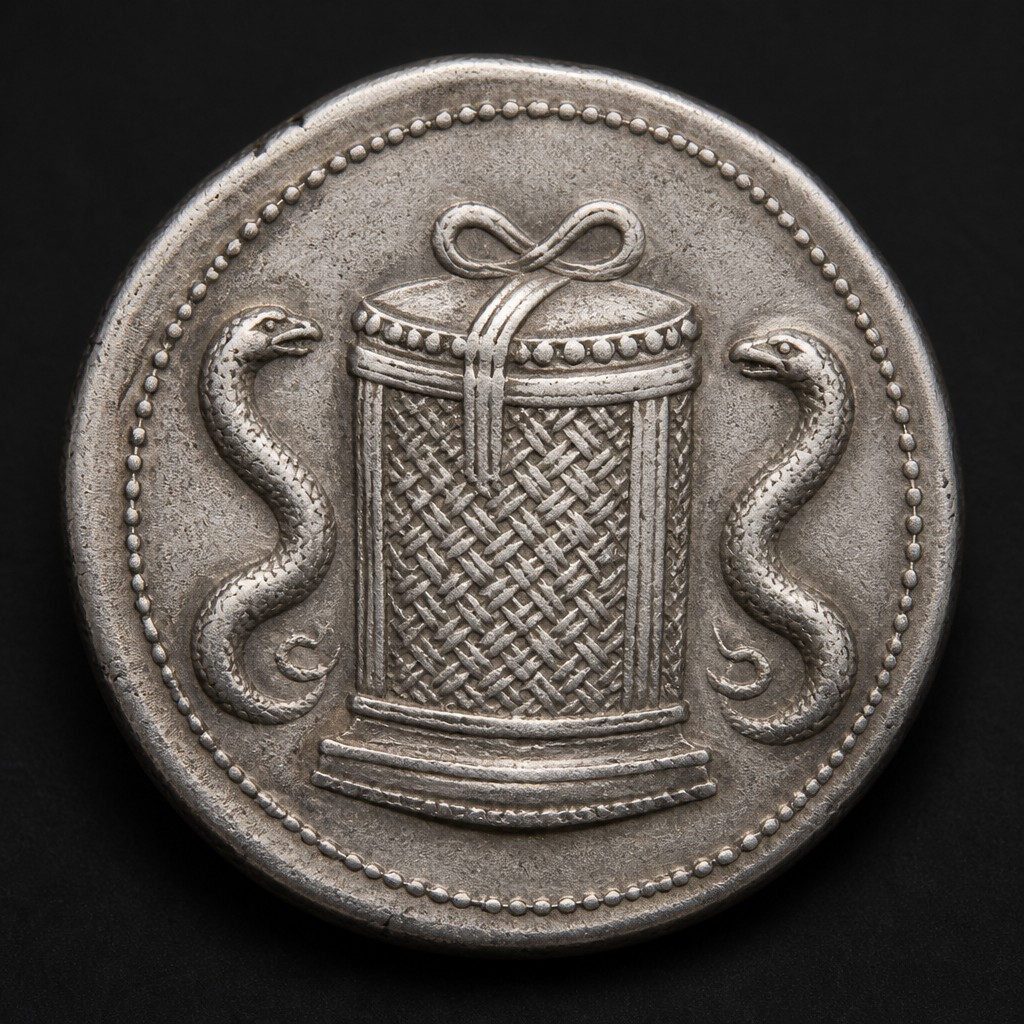
Pergamon Cistophoric Tetradrachm
A reduced-weight Hellenistic silver coin introduced by the Attalid kings of Pergamon, named for the sacred cista mystica chest depicted on the obverse and later adopted throughout Roman Asia.
Ancient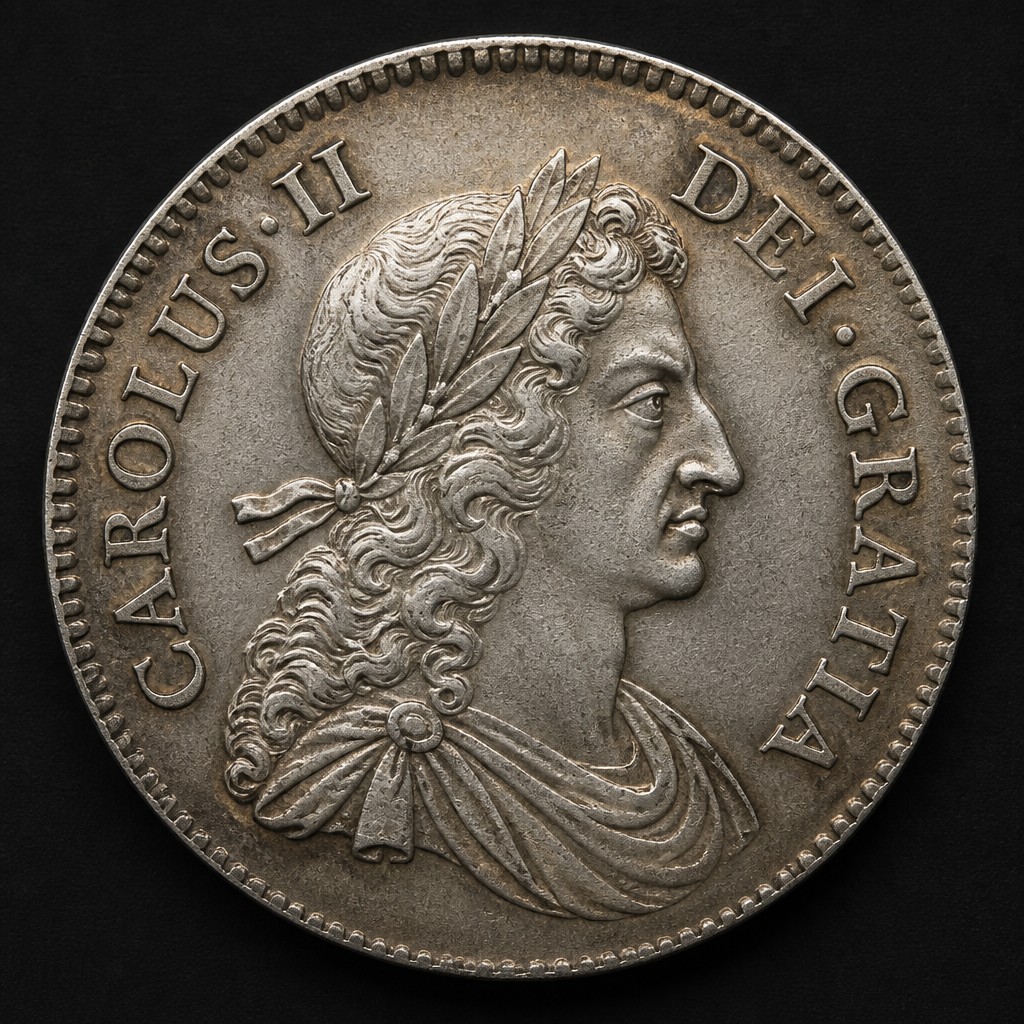
Maundy Penny
The smallest coin of the four-piece Royal Maundy set, a tiny silver penny given by the British monarch in an ancient Holy Thursday alms ceremony, minted every year in very limited numbers.
British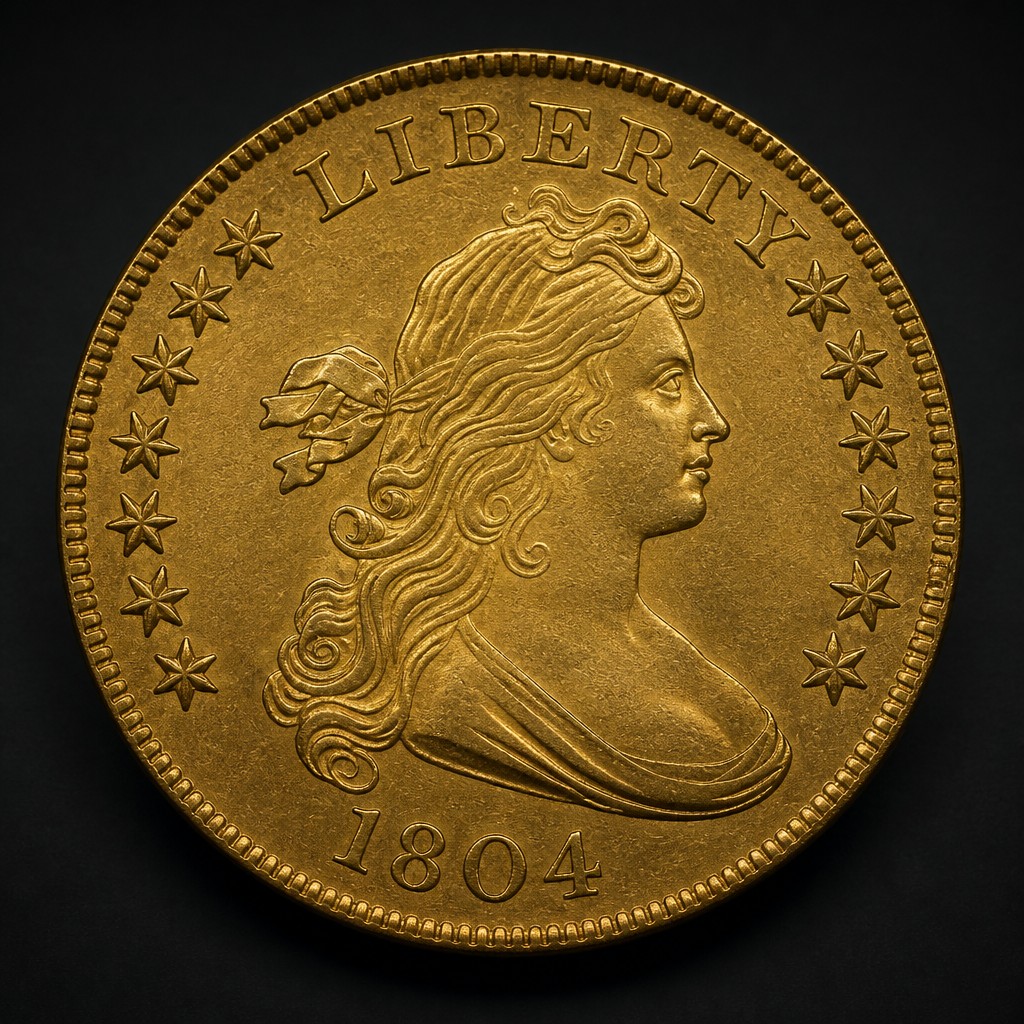
1804 Draped Bust Eagle
The final date of the original ten-dollar gold eagle series before a 33-year production halt, later followed by a small number of 1834 diplomatic-gift restrikes made using a similarly dated die.
United States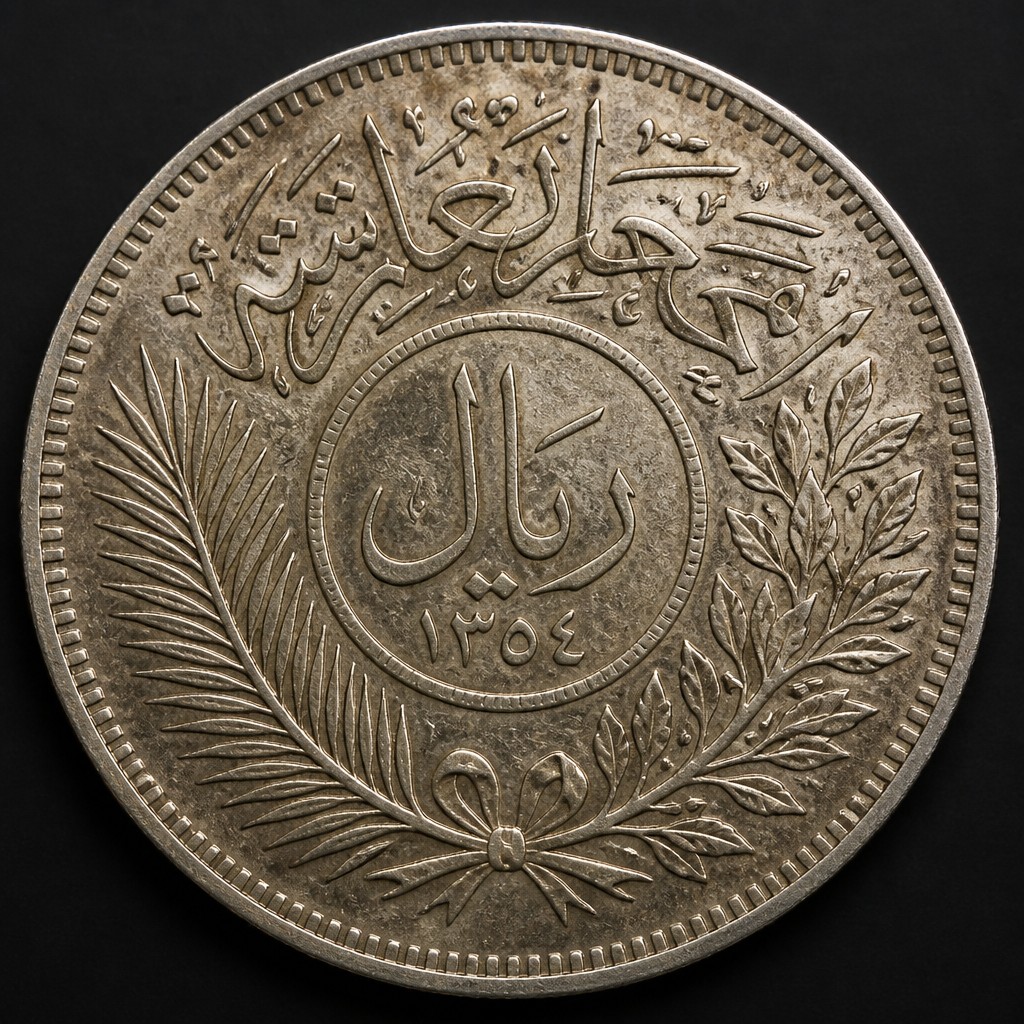
Saudi Arabian Riyal (silver)
The standardized silver riyal introduced by King Abdulaziz to unify the currency of the newly formed Kingdom of Saudi Arabia, featuring Arabic inscriptions and national emblems without a ruler's portrait.
Asian