
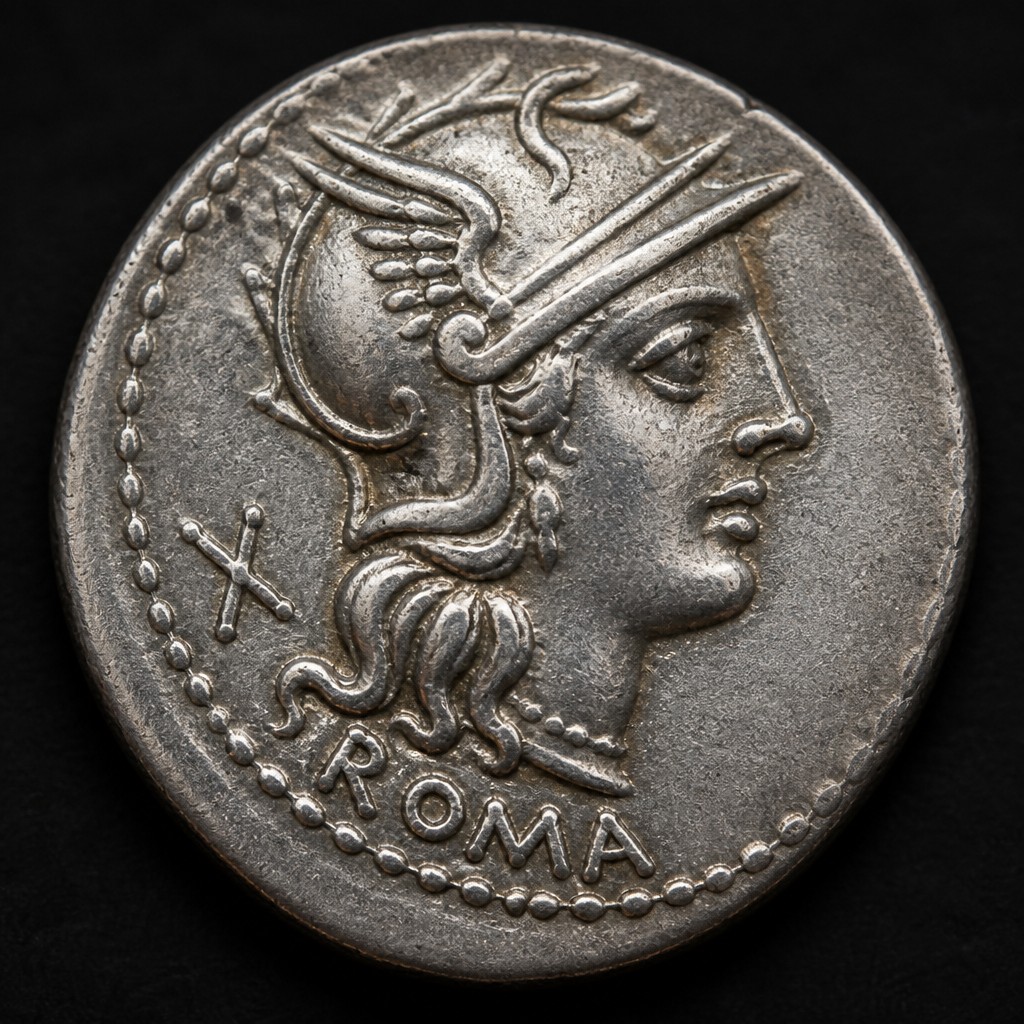
Roman Republic Denarius
The workhorse silver coin of the Roman Republic, introduced during the Second Punic War and struck by a long line of moneyers with ever-changing, often political, designs.
- Country
- Roman Republic
- Denomination
- Denarius
- Metal
- Silver (approx. 95-98% fine)
Got a coin like this?
Identify any coin from a photo, free.
Overview
The denarius was the backbone of the Roman Republic's monetary system for nearly two centuries, and its sheer variety makes it one of the richest fields in ancient numismatics. Unlike many ancient coinages that repeated the same design for generations, the Republican denarius series is famous for its constant change, since Rome's annually rotating moneyers used the reverse types to advertise their family's achievements, ancestry, and political ambitions.
Collectors value the series both for its historical density, with types referencing real events, magistracies, religious cults, and legendary Roman history, and for the way it lets a collector build a themed set around a favorite family, deity, or historical episode. Because the series runs from the early Republic through the civil wars that ended it, denarii also chart Rome's transformation from a republic of competing noble families into the one-man rule of the early emperors.
History & Background
The denarius was introduced around 211 BC during the strain of the Second Punic War, replacing the earlier heavier didrachm-based silver coinage as Rome reformed its currency to a more practical standard. Its name derives from the Latin for "containing ten," reflecting its original value of ten bronze asses, later revalued to sixteen asses as the bronze coinage was reduced in weight.
For its first several decades the denarius carried a fairly standardized design, a helmeted head of the goddess Roma on the obverse and the twin gods Castor and Pollux (the Dioscuri) riding on the reverse. From the mid-2nd century BC onward, the moneyers responsible for coin production began placing personal and family symbols on the reverse, turning the coinage into a vehicle for political messaging that intensified sharply during the late Republic's civil wars.
By the final decades of the Republic, generals such as Julius Caesar, Pompey, Brutus, and Mark Antony used denarius types to promote their causes to their own troops, and the series only formally ends with the establishment of the Principate under Augustus after 27 BC, though its silver standard carried forward into the Imperial denarius.
How to Identify
Early Republican denarii show a helmeted head of Roma facing right on the obverse, often with a small mark of value, X (for ten asses) or later XVI, behind the head. The classic early reverse depicts the Dioscuri, Castor and Pollux, riding horses side by side with spears, above the legend ROMA.
From the mid-Republic onward, reverse types diversify enormously: chariots (bigae or quadrigae) driven by various deities, standing or seated gods, scenes from Roman legend, and eventually detailed vignettes tied to a specific moneyer's family history. Moneyers' names, usually abbreviated, appear on most later issues, allowing precise attribution through reference catalogs of Republican coinage.
The coin is a small, thick silver piece, typically around 17-19mm in diameter, with a slightly irregular, hand-struck flan typical of ancient minting. Distinguishing an early anonymous Roma/Dioscuri type from a later personalized issue mainly comes down to checking the reverse for a moneyer's name or distinctive scene, since the anonymous early types lack any such inscription.
Value & Collectibility
Republican denarii range enormously in price depending on type, rarity, and condition. Common anonymous Roma/Dioscuri types and many later moneyer issues can often be acquired in worn to moderate grade for well under a few hundred dollars, making the series accessible to new collectors of ancient coins.
Rarer types, particularly those tied to famous historical figures, unusual mythological scenes, or short-lived issues, can command prices from several hundred to many thousands of dollars, with the most historically significant examples reaching far higher. Strike quality, centering, and toning matter greatly, since Republican coins were struck by hand and often show off-center or weak strikes.
Because the series is so vast, with well over a thousand cataloged types, informed collecting generally relies on standard reference works to identify the moneyer and approximate date, which in turn heavily influences desirability and price.
Frequently asked questions
When was the denarius introduced?
It was introduced around 211 BC during the Second Punic War as part of a broader Roman coinage reform.
What does the name 'denarius' mean?
It comes from the Latin for 'containing ten,' referring to its original value of ten bronze asses.
Why do the designs change so often?
Annual moneyers used the reverse of the coin to promote their own family's history and achievements, especially from the mid-2nd century BC onward.
What is the classic early design?
A helmeted head of Roma on the obverse and the twin gods Castor and Pollux riding horses on the reverse, with the legend ROMA.
Are Republican denarii affordable for beginners?
Many common types are reasonably affordable in worn grades, though rare or historically significant types can be quite expensive.
Other coins you may enjoy
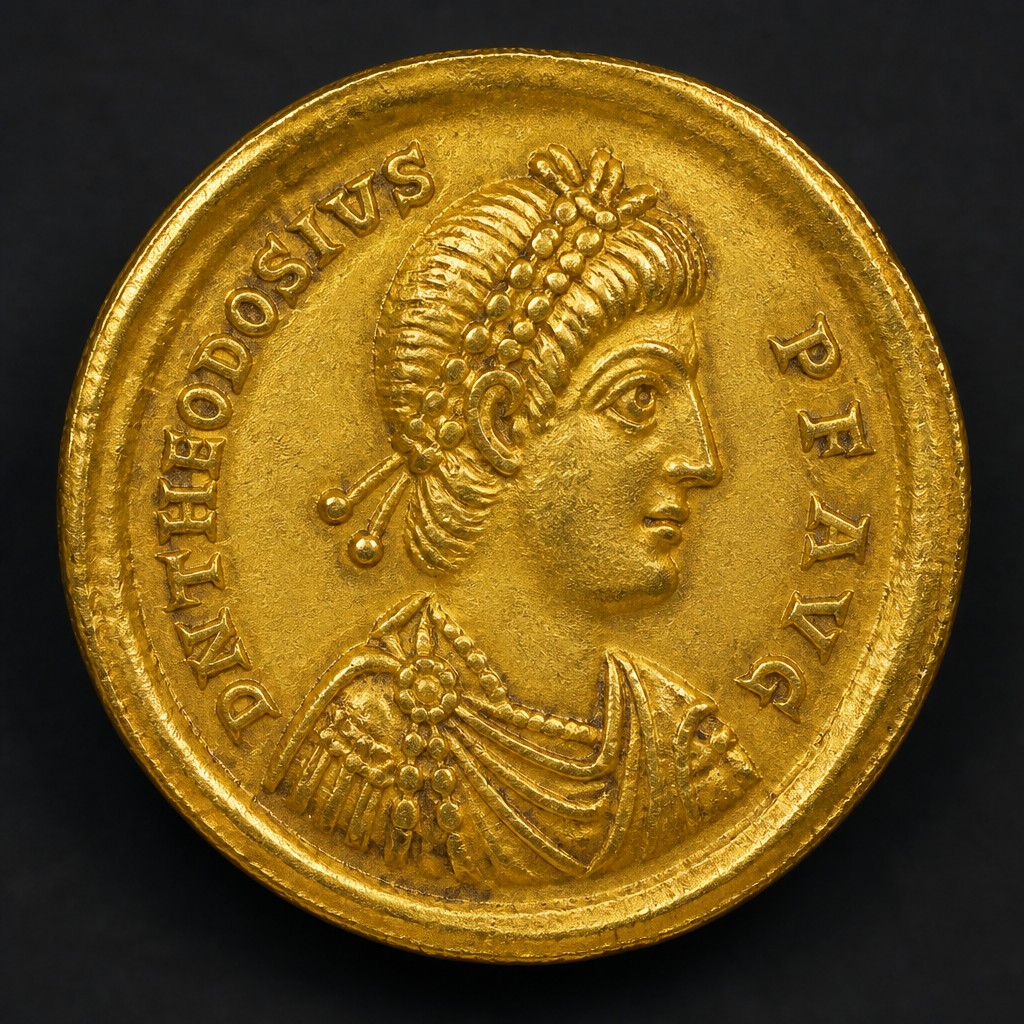
Theodosius I Solidus
379–395 AD
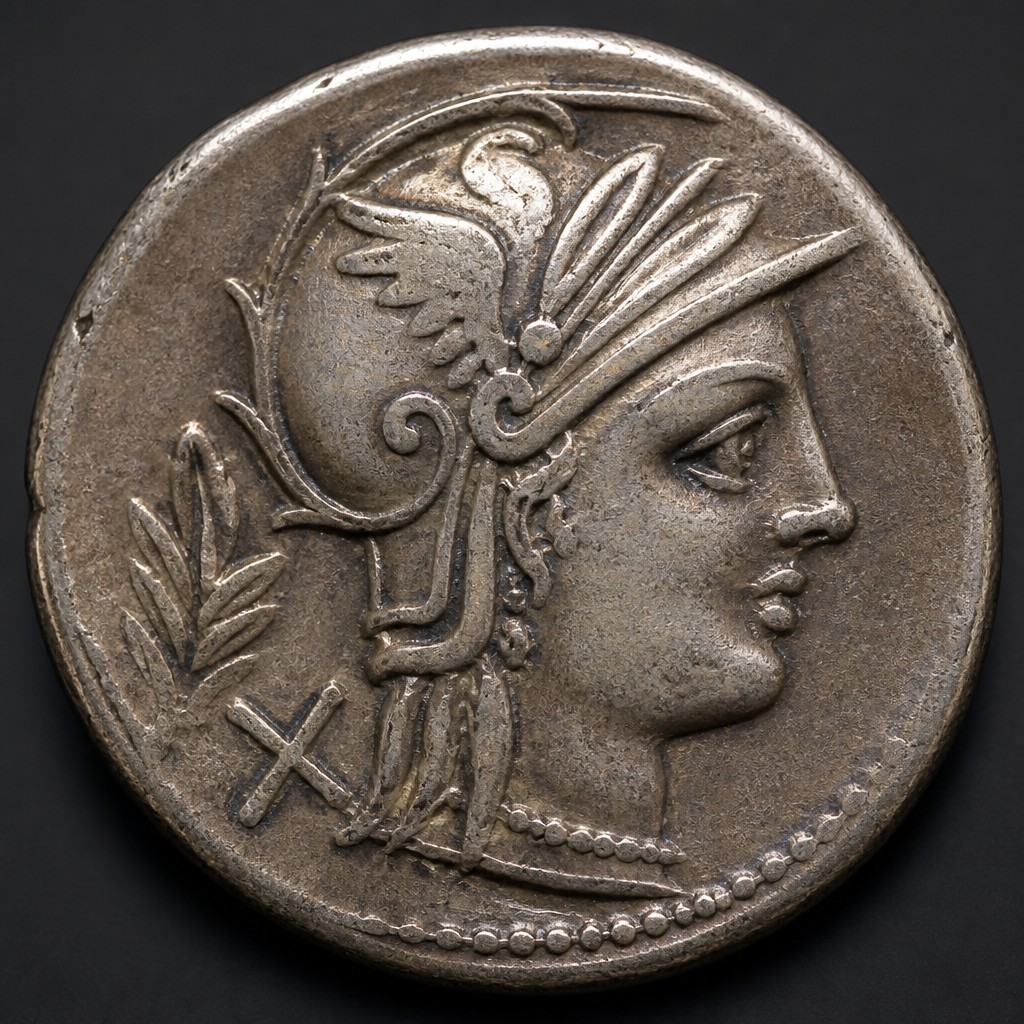
Republican Victoriatus
c. 211–170 BC
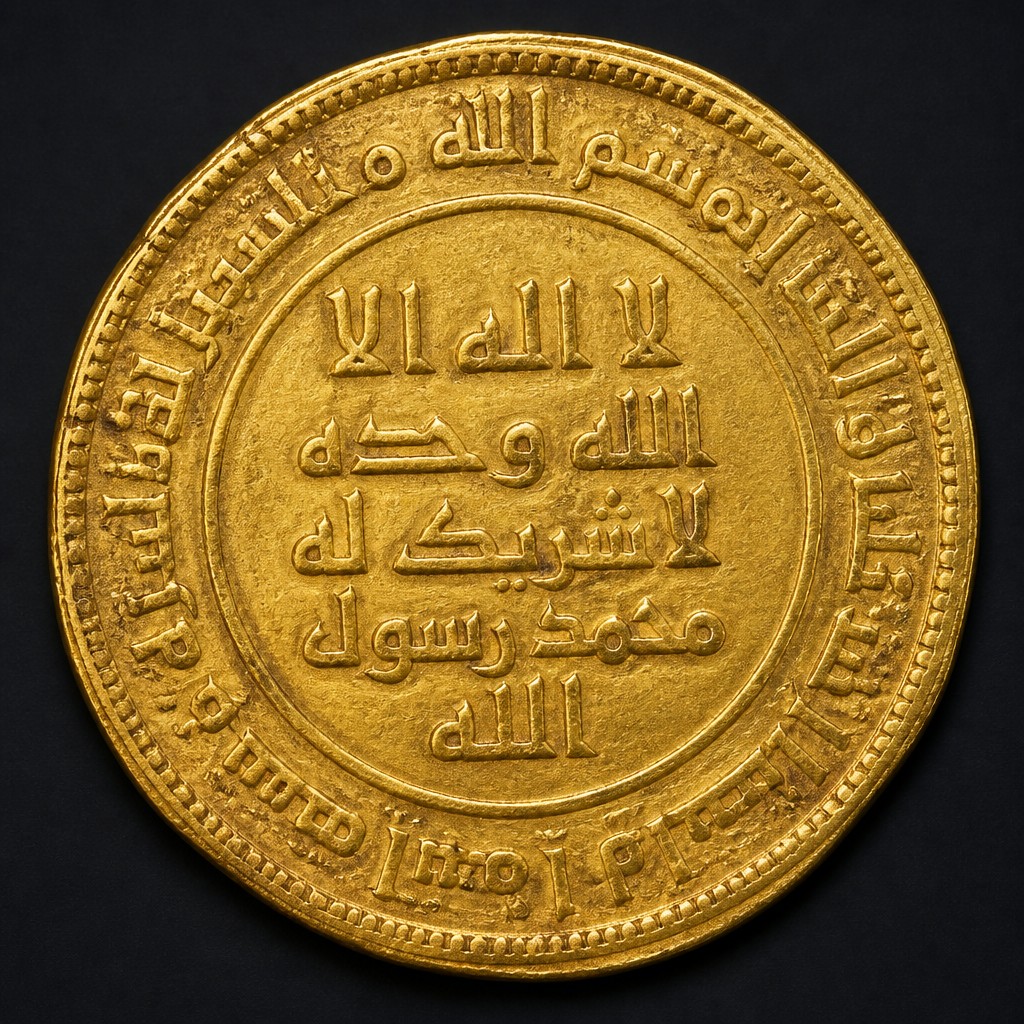
Islamic Gold Dinar (Umayyad)
c. 696–750 AD
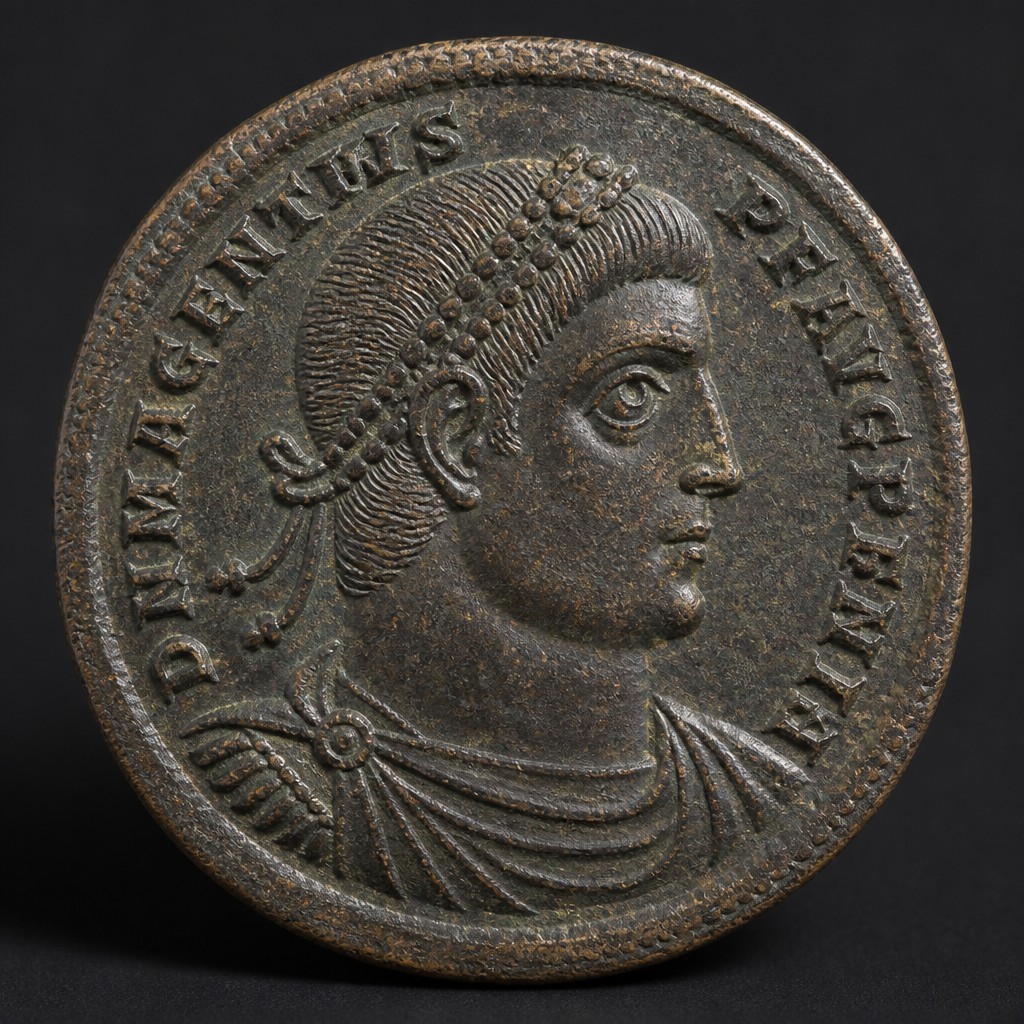
Magnentius Double Centenionalis
350–353 AD
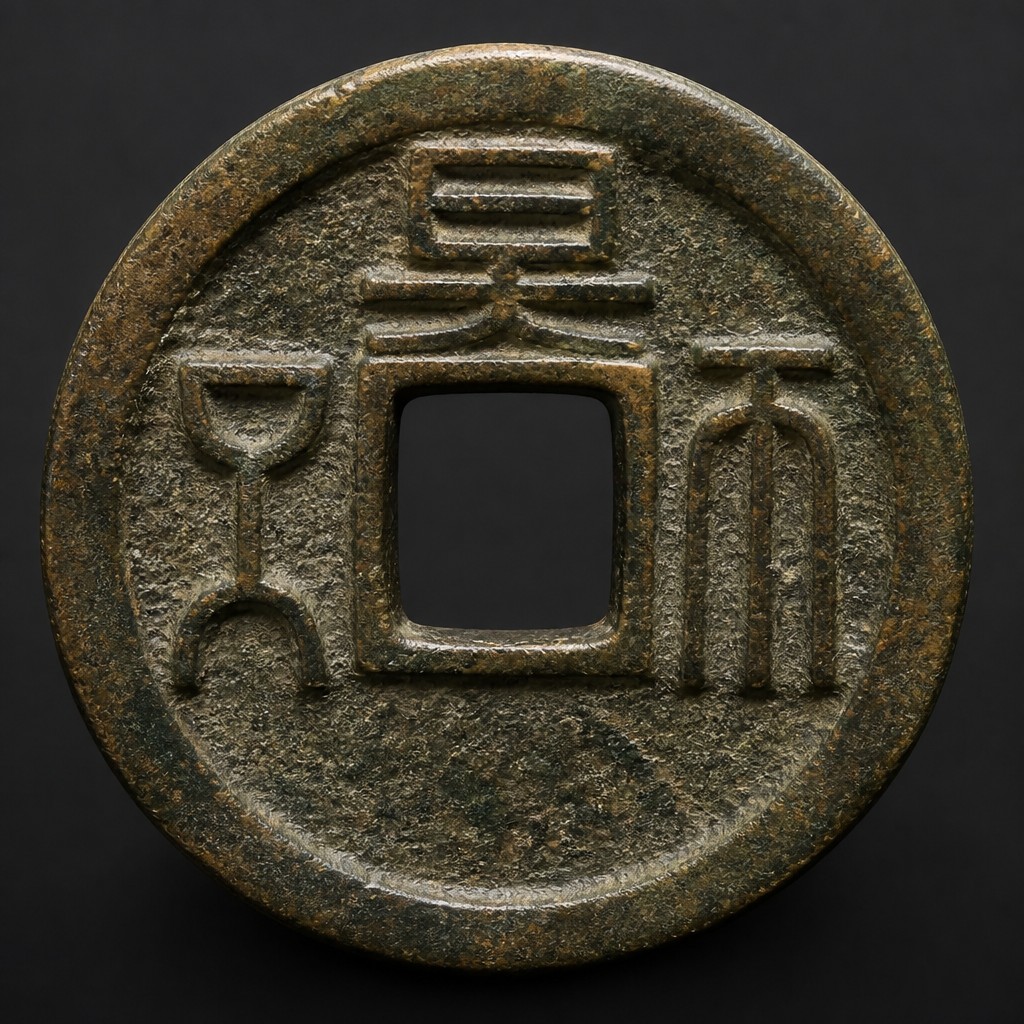
Chinese Wu Zhu Cash
118 BC – 618 AD
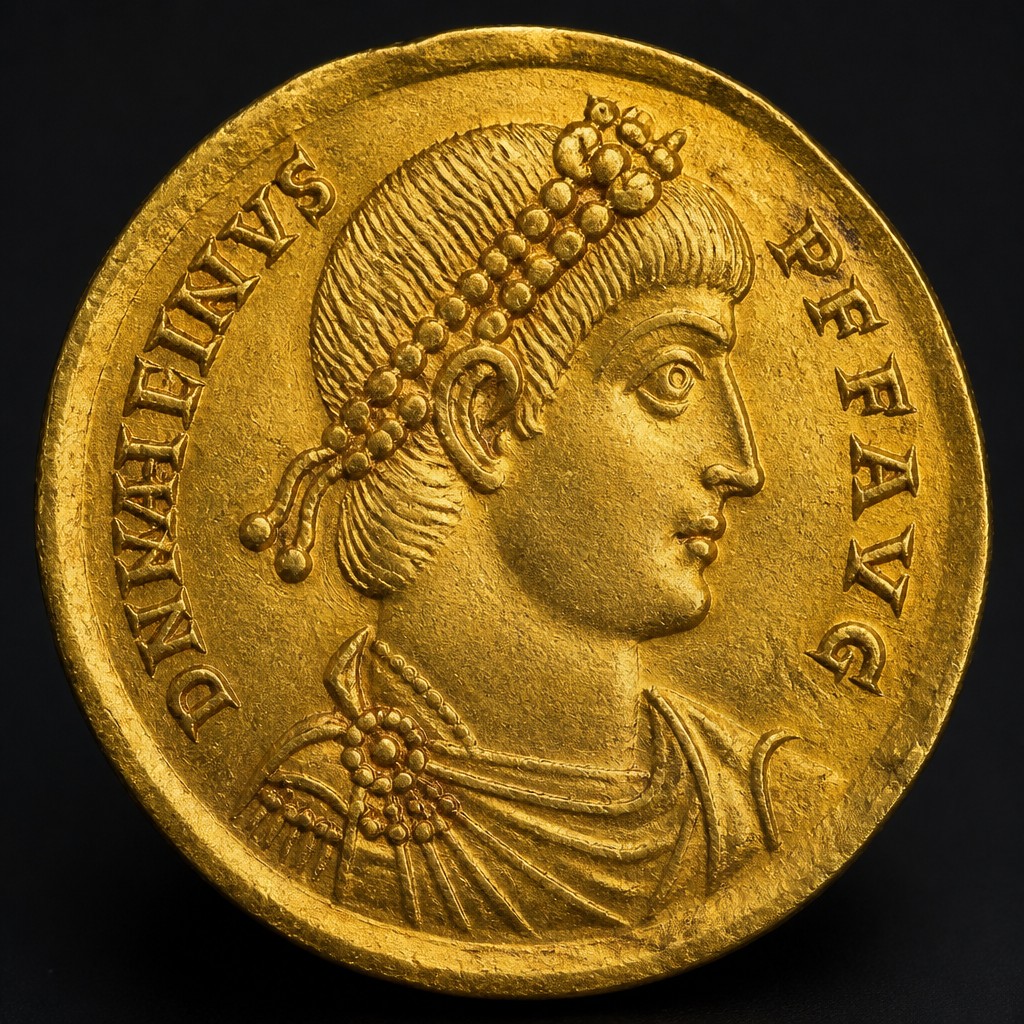
Valentinian I Solidus
364–375 AD
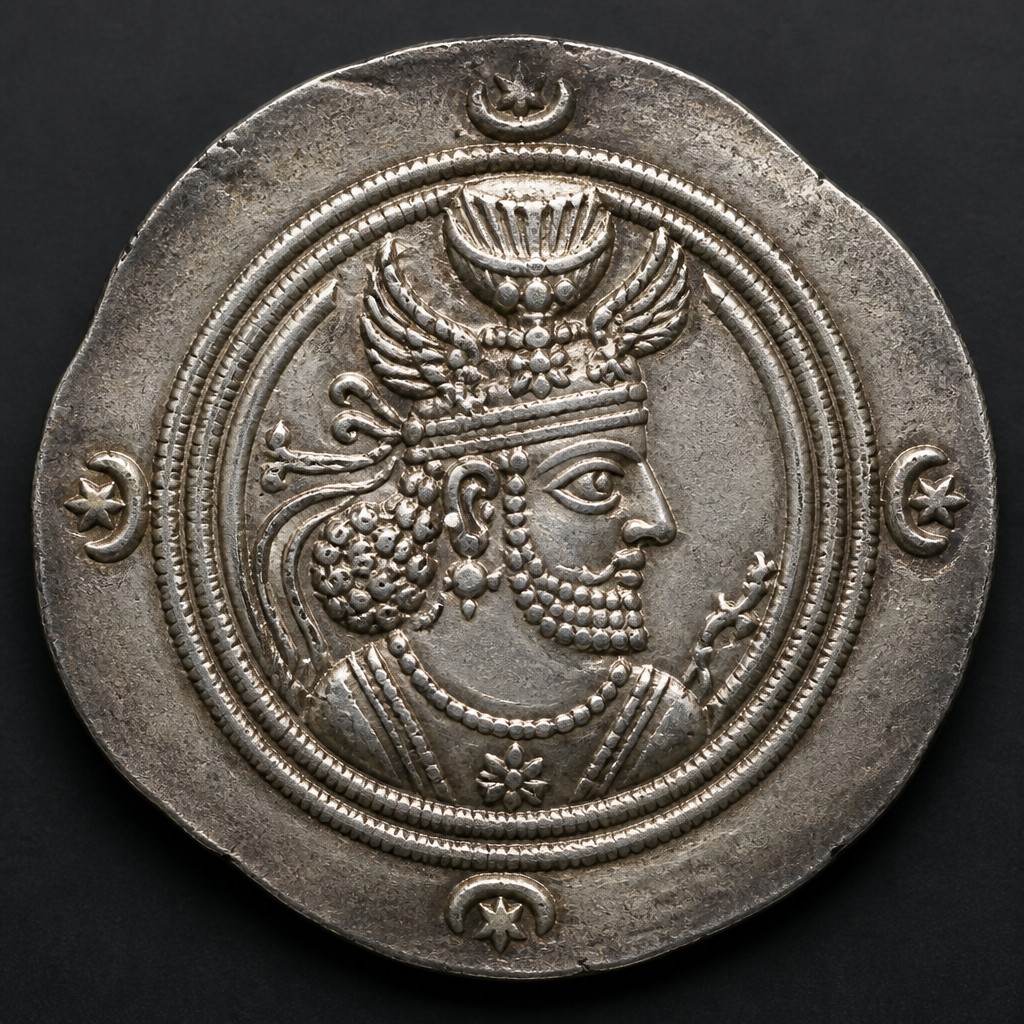
Sassanian Silver Drachm
c. 224–651 AD
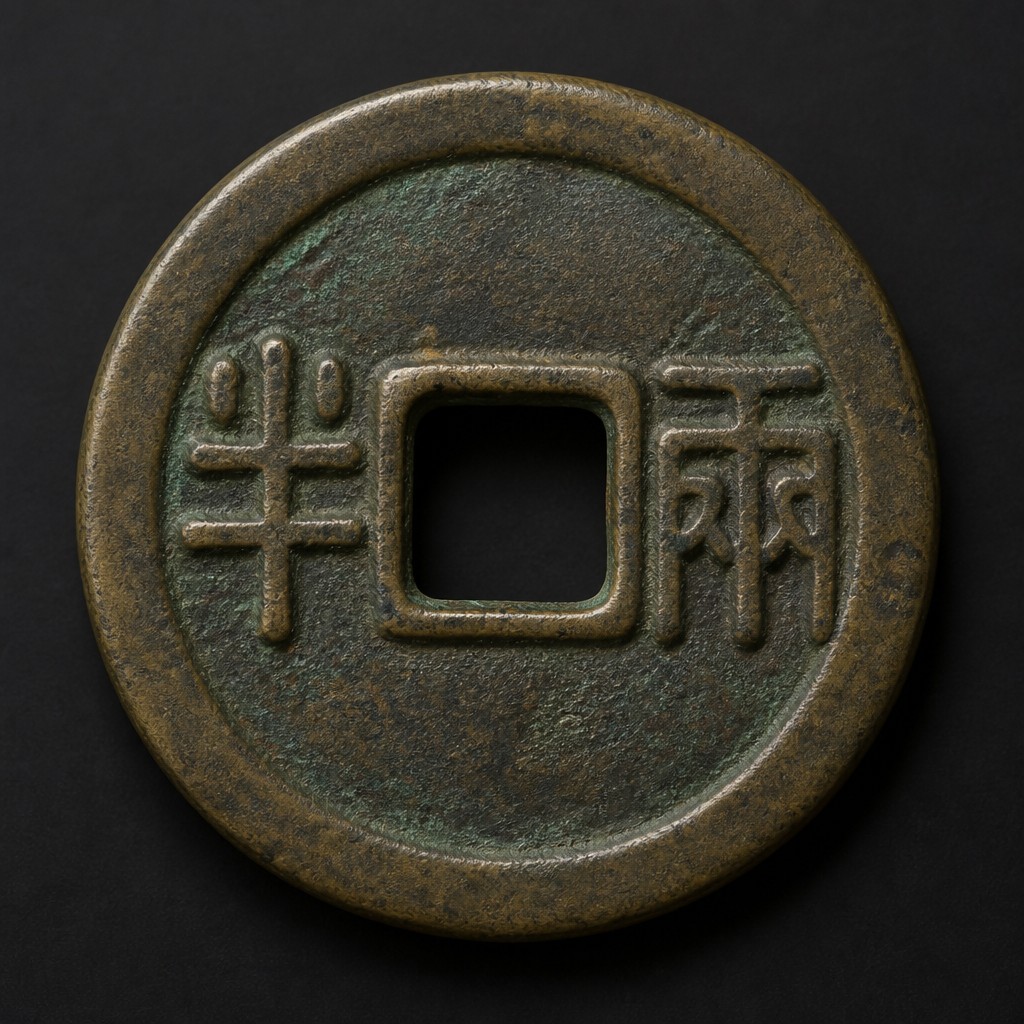
Chinese Ban Liang Cash
c. 221–118 BC
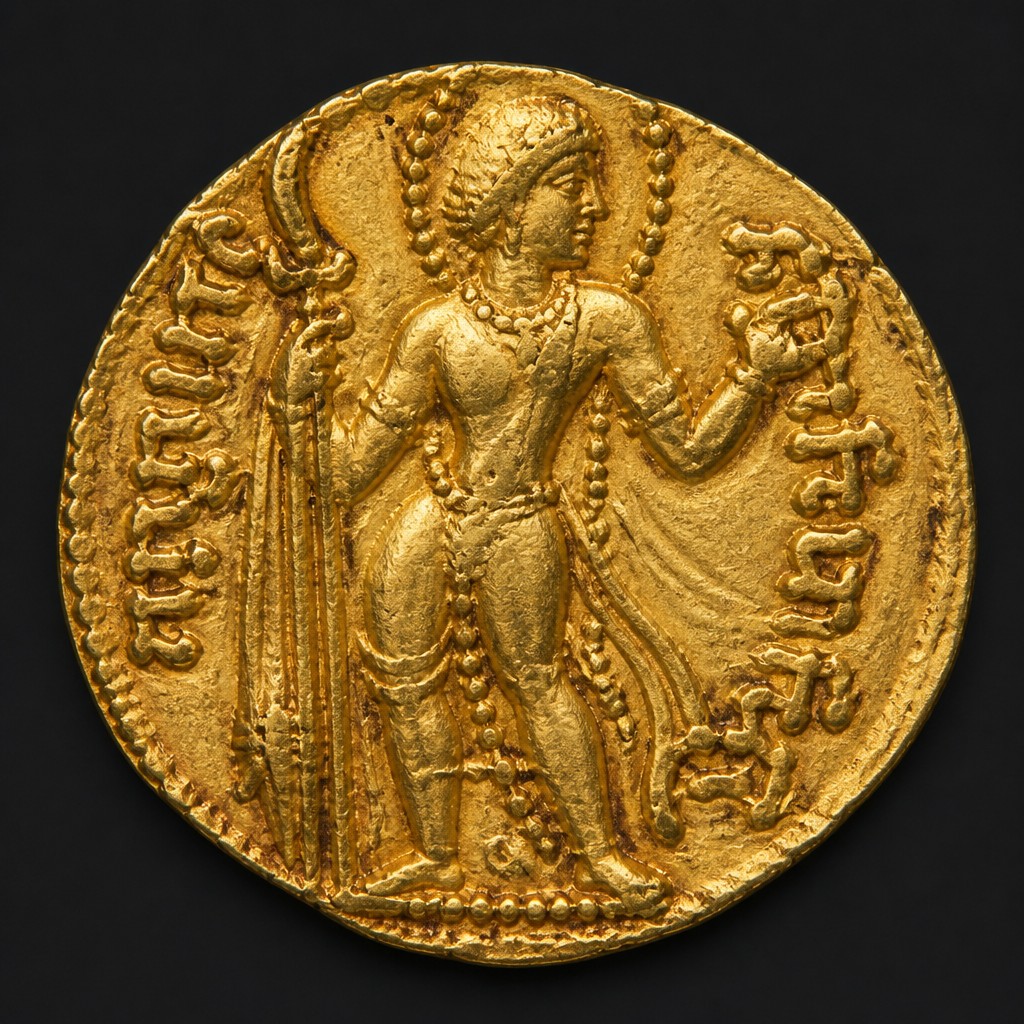
Gupta Empire Gold Dinar
c. 320–550 AD
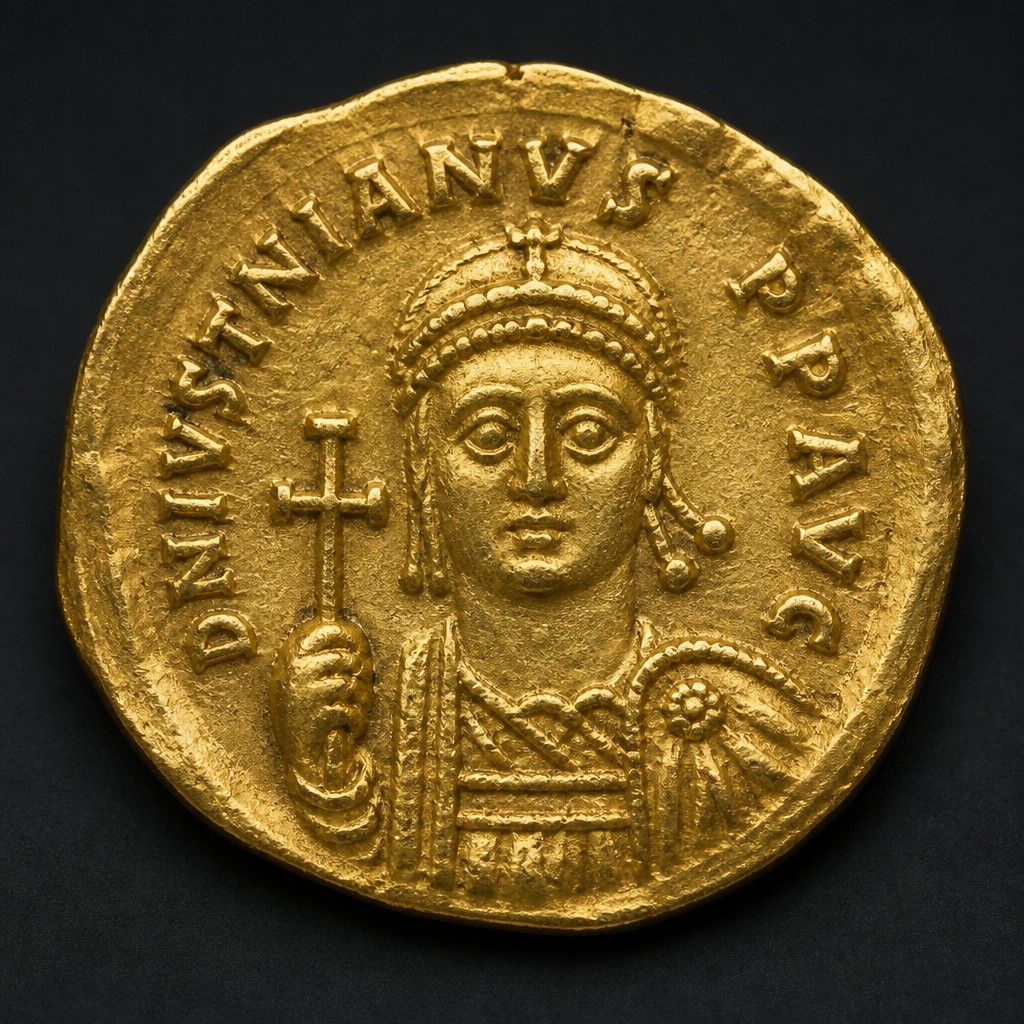
Byzantine Gold Tremissis
c. 4th–7th century AD
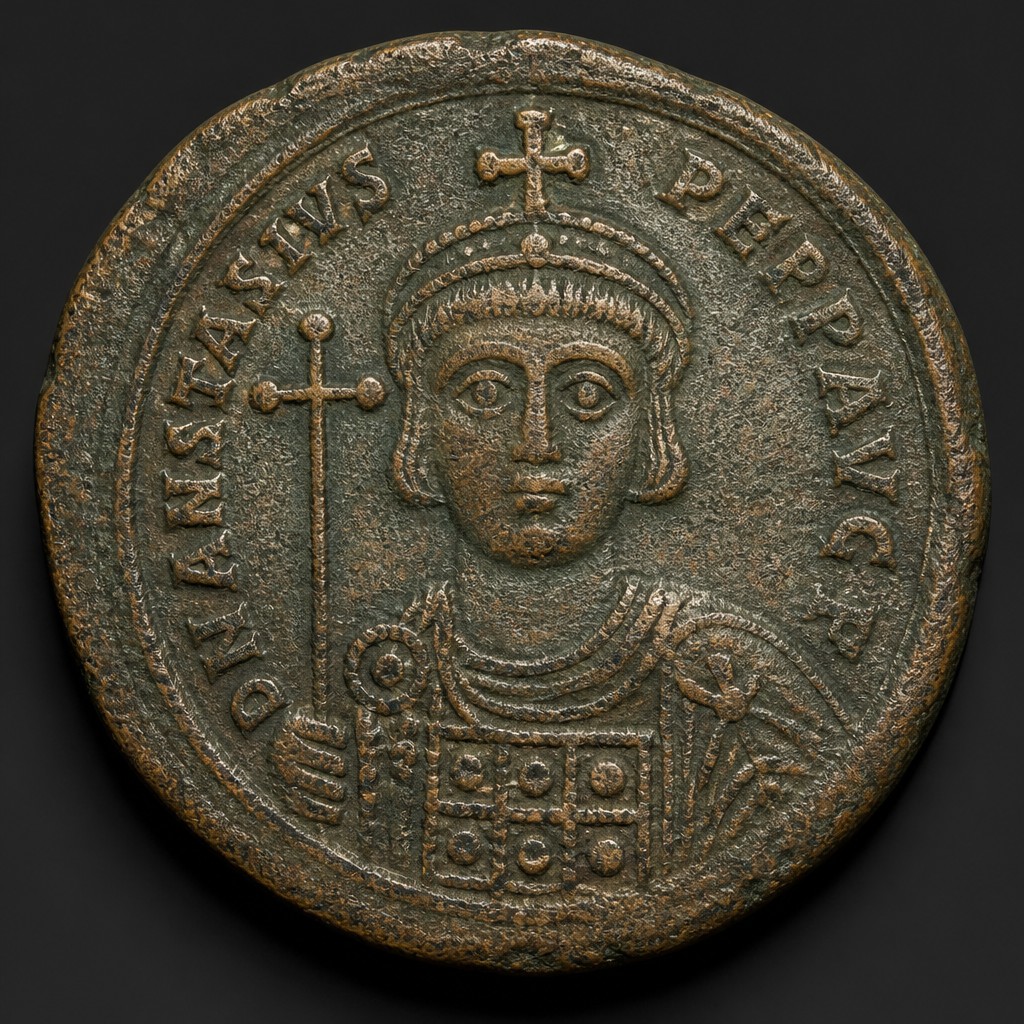
Byzantine Follis
498–c. 11th century AD
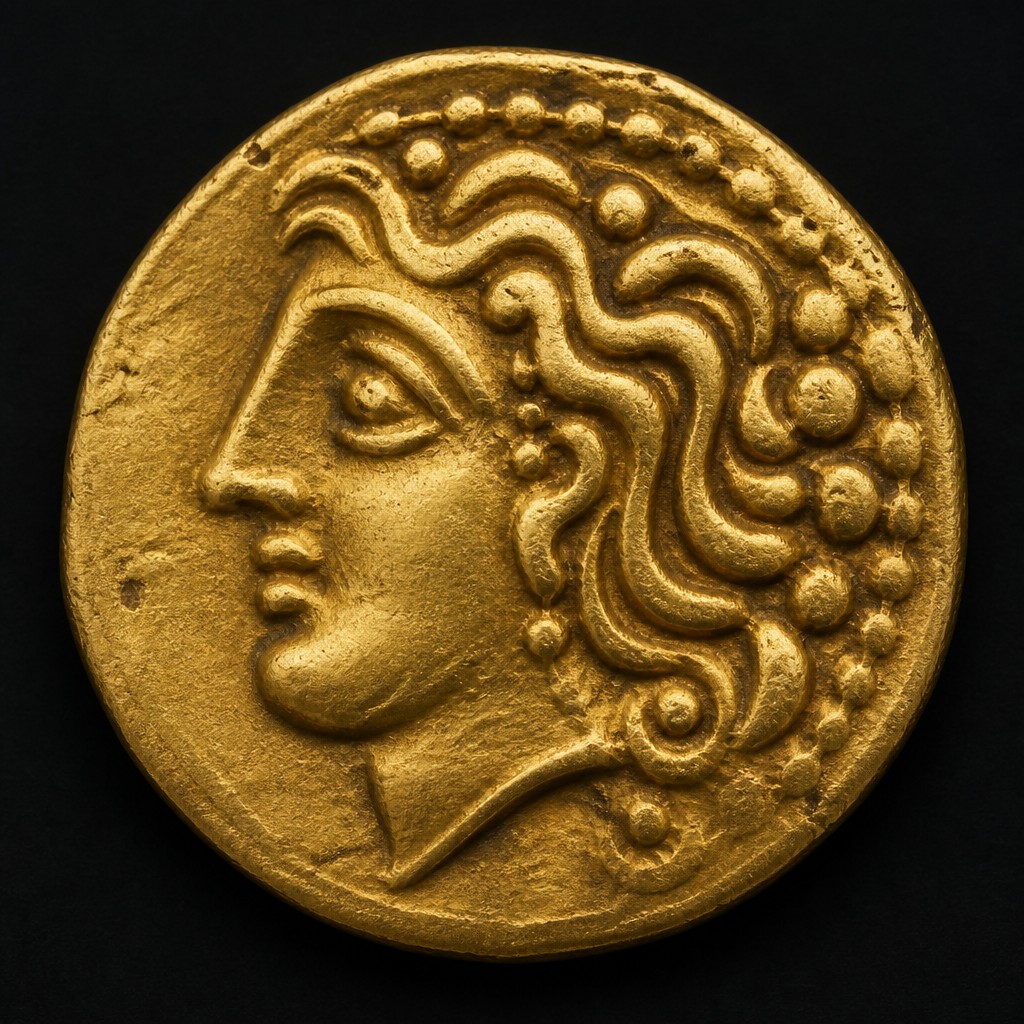
Celtic Gold Stater
c. 3rd century BC – 1st century AD