
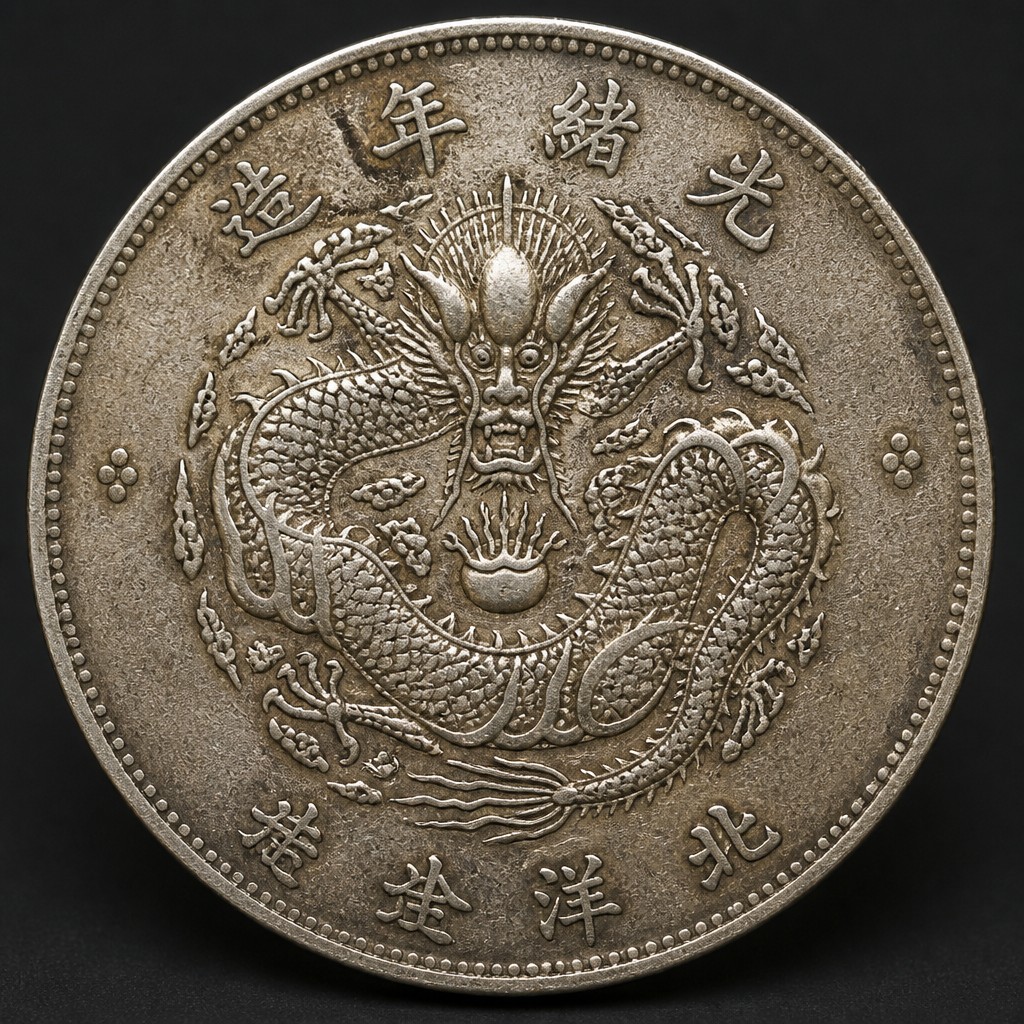
Chinese Pei Yang (Peiyang) Arsenal Dragon Dollar
Late Qing dynasty silver dollar struck at the Pei Yang Arsenal in Tientsin, prized by collectors for its dragon design and the rarity of certain dated varieties.
- Country
- China (Qing Dynasty)
- Denomination
- 1 Dollar (7 Mace 2 Candareens)
- Metal
- Silver (approx. 0.86 fine)
Got a coin like this?
Identify any coin from a photo, free.
Overview
The Pei Yang (Peiyang) Arsenal Dragon Dollar is a silver trade dollar produced under the authority of the Zhili provincial government in northern China during the final decades of the Qing dynasty. It belongs to the broad family of Chinese "dragon dollars" that emerged as China modernized its coinage along Western lines in the late nineteenth century.
These coins circulated alongside Mexican and other foreign silver trade dollars in Chinese treaty ports and were struck in a series of dated years using the Guangxu reign-year system. Because the mint used several dies and issued coins in different years, Pei Yang dragon dollars exist in a range of types, some common and others quite scarce.
Today the coin is a cornerstone of Qing dynasty numismatics, sought both for its historical role in China's currency modernization and for the artistry of its dragon reverse.
History & Background
The Pei Yang Arsenal (also romanized Beiyang) was a military-industrial complex near Tientsin established as part of the Self-Strengthening Movement, and it operated a mint that struck silver dollars for the Zhili provincial administration beginning in the late 1890s. The coinage was part of a broader effort by regional Qing officials, including figures associated with Li Hongzhang's modernization programs, to introduce machine-struck silver coin comparable in weight and fineness to the widely trusted Mexican silver dollar.
Production continued intermittently into the early twentieth century, with dies and designs revised across several dated issues. Political and military disruptions in northern China, including the aftermath of the Boxer Uprising, affected minting operations and account for some of the rarity differences between years.
As with most Qing provincial dragon dollars, the Pei Yang series ended as China moved toward standardized national coinage in the final years of the dynasty and the early Republic.
How to Identify
The obverse typically bears a Chinese inscription identifying the Pei Yang Arsenal and the denomination in Chinese characters (seven mace and two candareens), often arranged around a central design, with the Manchu script sometimes present as well. The reverse depicts a coiled or striding imperial dragon facing left, surrounded by an English-language legend reading something to the effect of "PEIYANG ARSENAL" along with the Chinese cyclical date of the Guangxu reign.
The coin is a large silver crown-sized piece comparable in diameter and weight to a Mexican 8 reales/peso, with a reeded edge. Because several dated types exist, collectors distinguish varieties by the exact placement of the date, the style of the dragon's scales and whiskers, and minor legend differences between dies.
Counterfeits and later restrikes of Chinese dragon dollars are common, so weight, diameter, and strike characteristics should be checked carefully against reference examples, and coins in doubt are best evaluated by a specialist in Chinese numismatics.
Value & Collectibility
Values for Pei Yang Arsenal dragon dollars vary enormously by date and condition; some years are relatively obtainable in worn grades for a modest sum, while other, scarcer dated varieties can bring prices well into four or five figures in problem-free, higher grades. Because this series has been extensively counterfeited and altered, authentication by a reputable grading service materially affects value.
General circulated examples of the more common dates often trade in the low hundreds of dollars, while choice uncirculated pieces or rare dates can command several thousand dollars or more. As always, condition, originality of surfaces, and confirmed authenticity are the primary value drivers rather than age alone.
Frequently asked questions
What does "Pei Yang" mean?
Pei Yang (Beiyang) refers to the northern Chinese military and administrative sphere centered on Tientsin, under which the arsenal and mint operated.
Is the dragon dollar pure silver?
No, it is a silver alloy coin, typically around 86-90% silver, similar in fineness to other Chinese and Mexican trade dollars of the era.
Why do values vary so much between dates?
Different dated years were struck in different quantities and survived in different numbers, and some years suffered production disruptions, making certain dates much scarcer than others.
Are fakes common?
Yes, Chinese dragon dollars including Pei Yang issues are frequently counterfeited, so professional authentication is strongly advised before a purchase.
Other coins you may enjoy
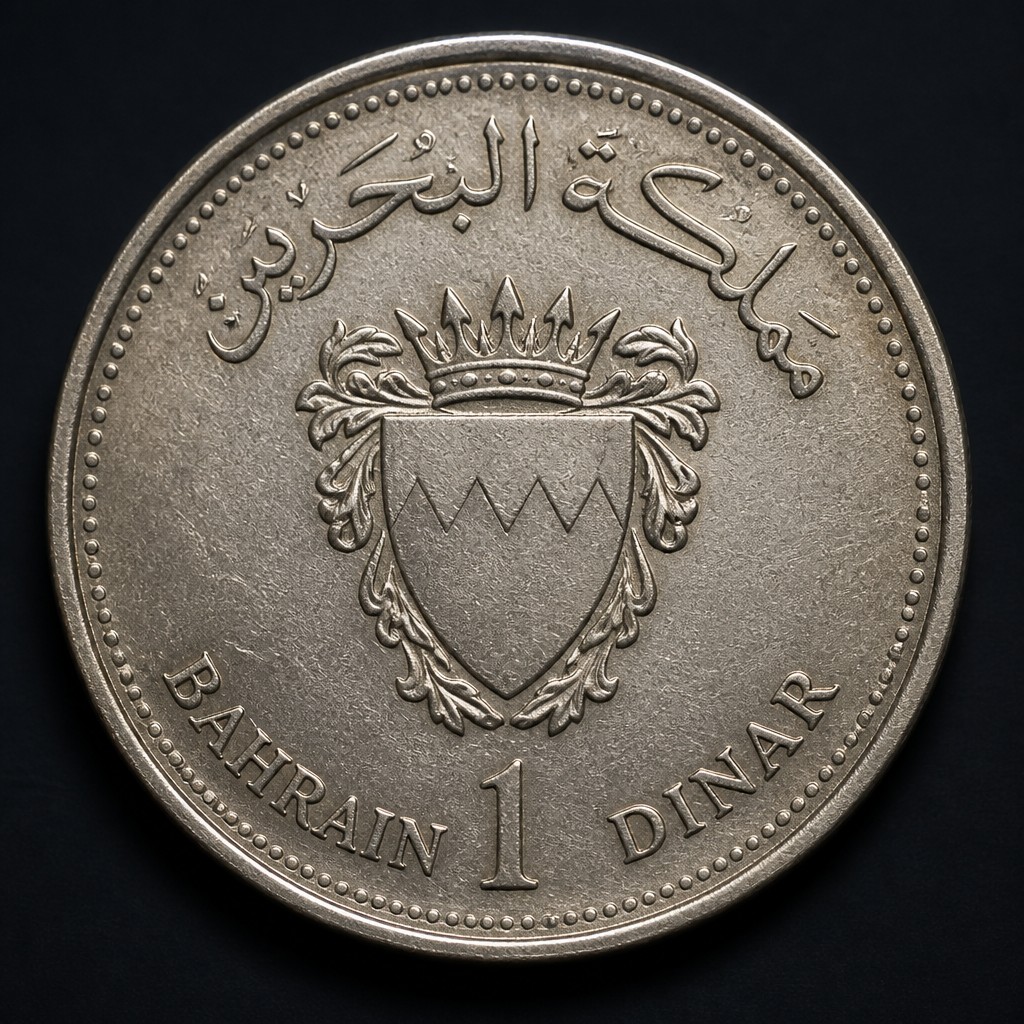
Bahraini Dinar
1965–present
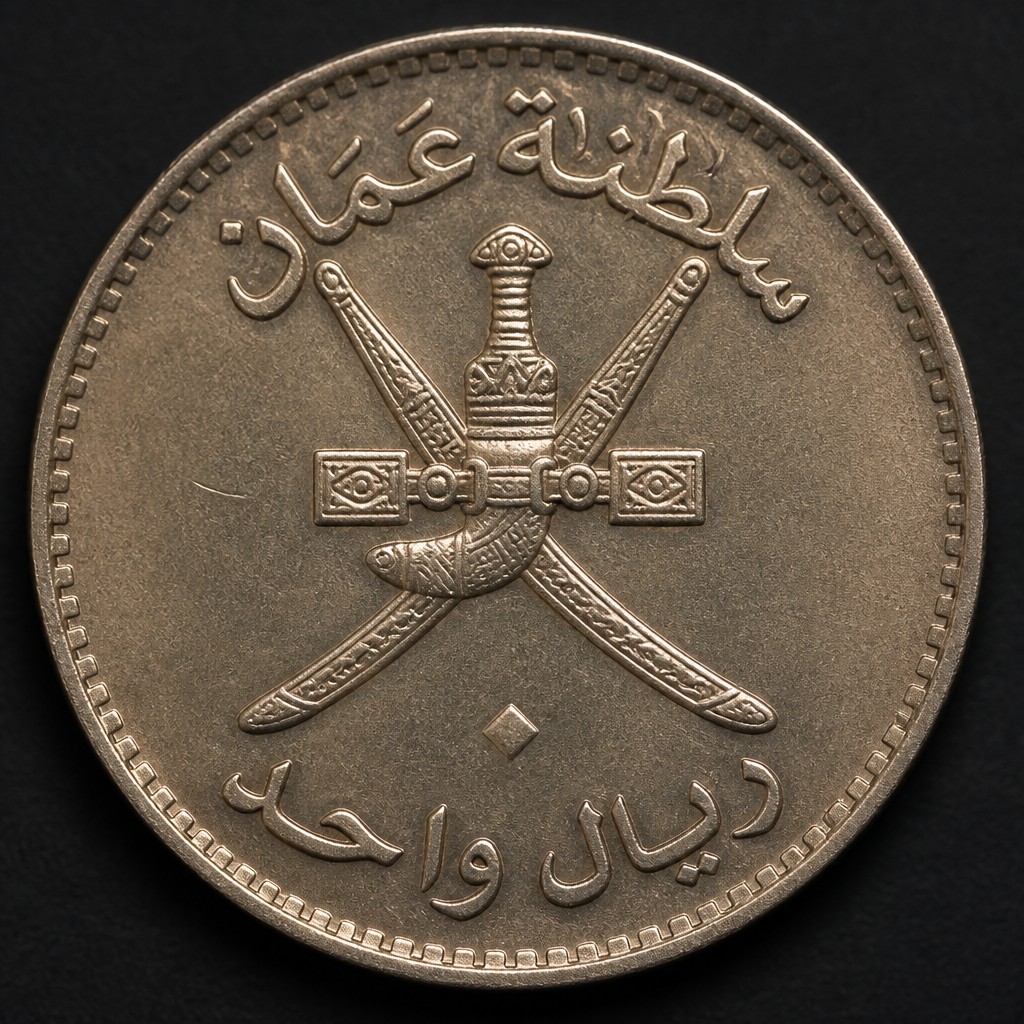
Omani Rial (Baisa Coinage)
1970–present
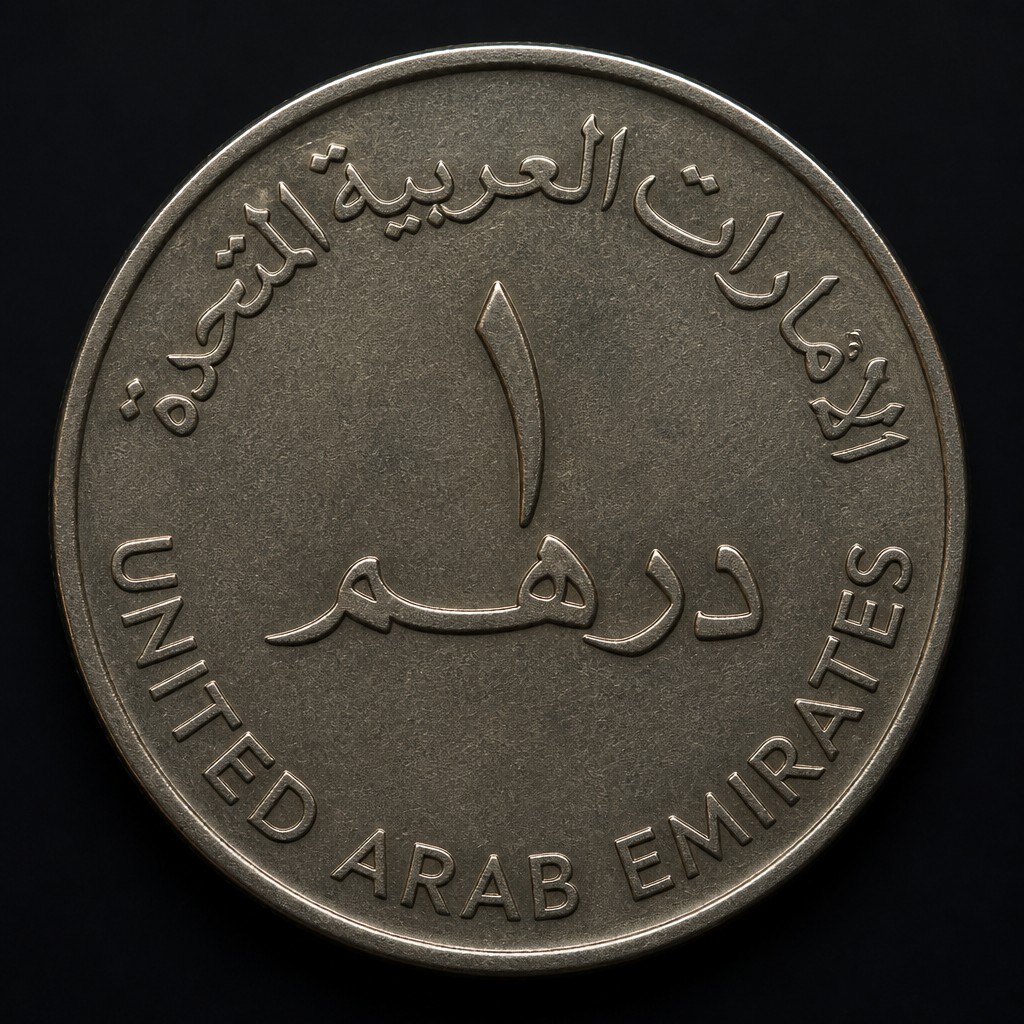
United Arab Emirates Dirham
1973–present
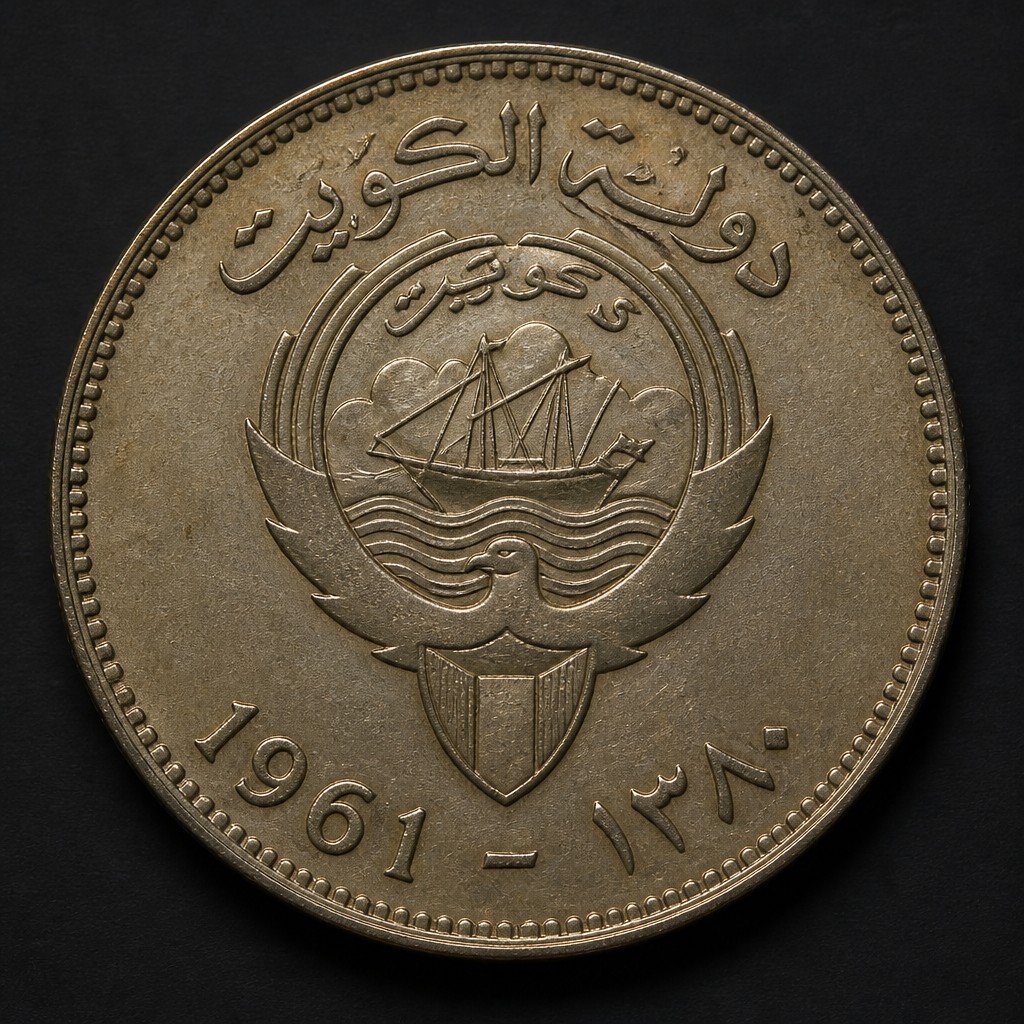
Kuwaiti Fils
1961–present
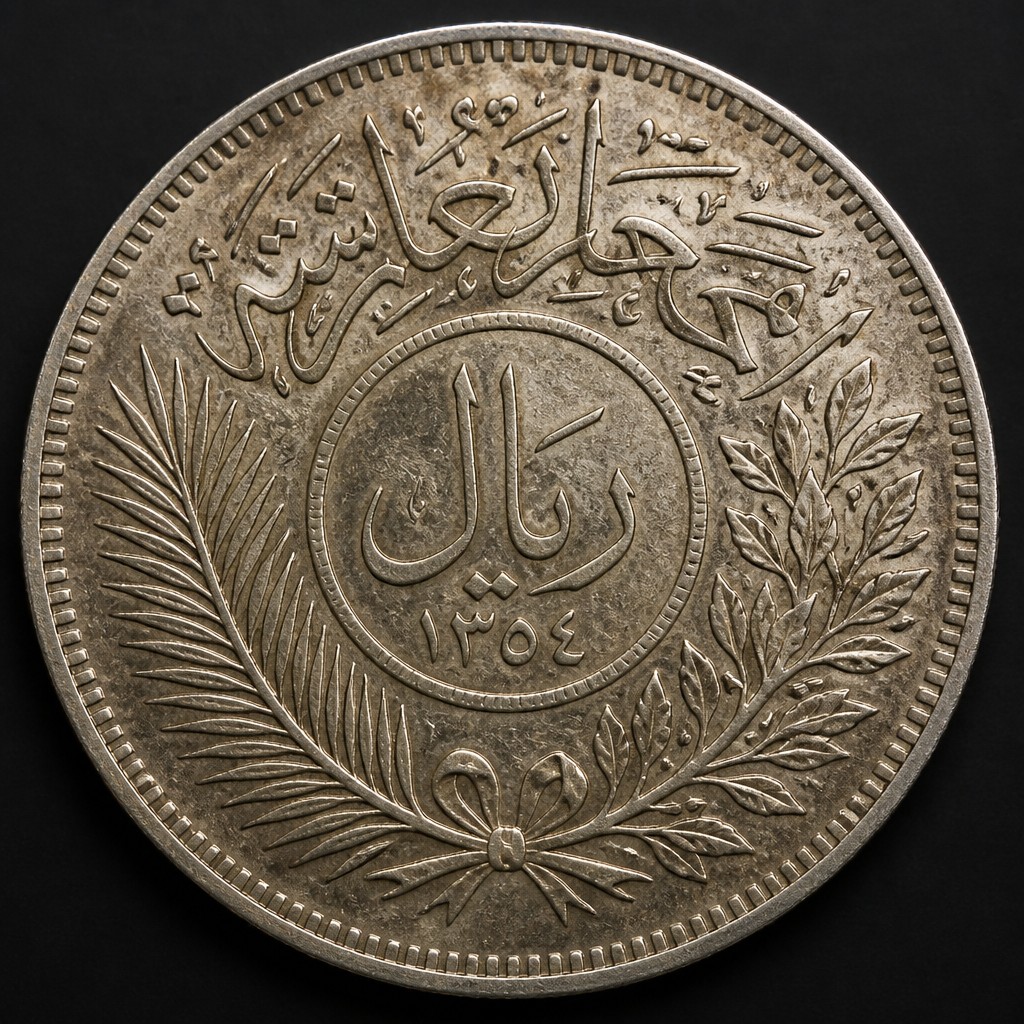
Saudi Arabian Riyal (silver)
1935 (Kingdom-wide standardization) and related issues
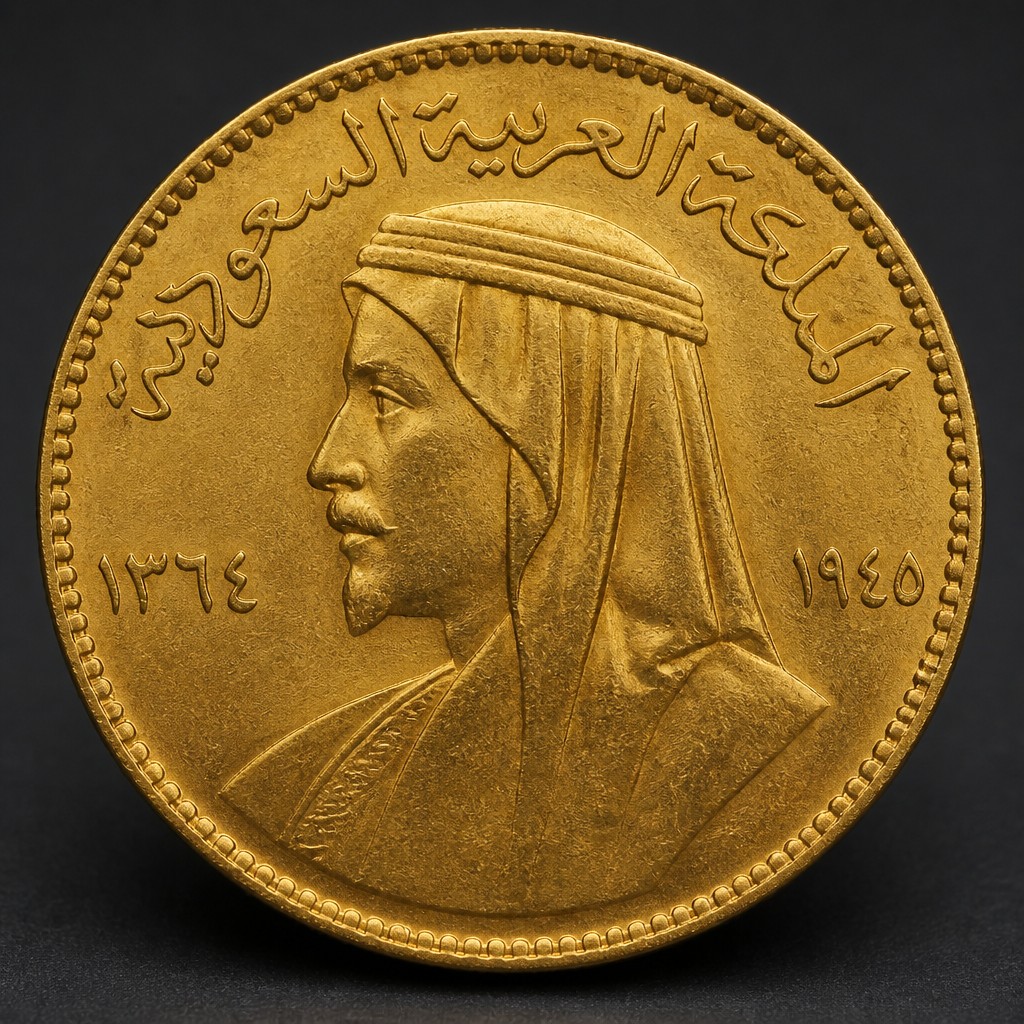
Saudi Arabian Gold Guinea (Sovereign)
1945 and later issues
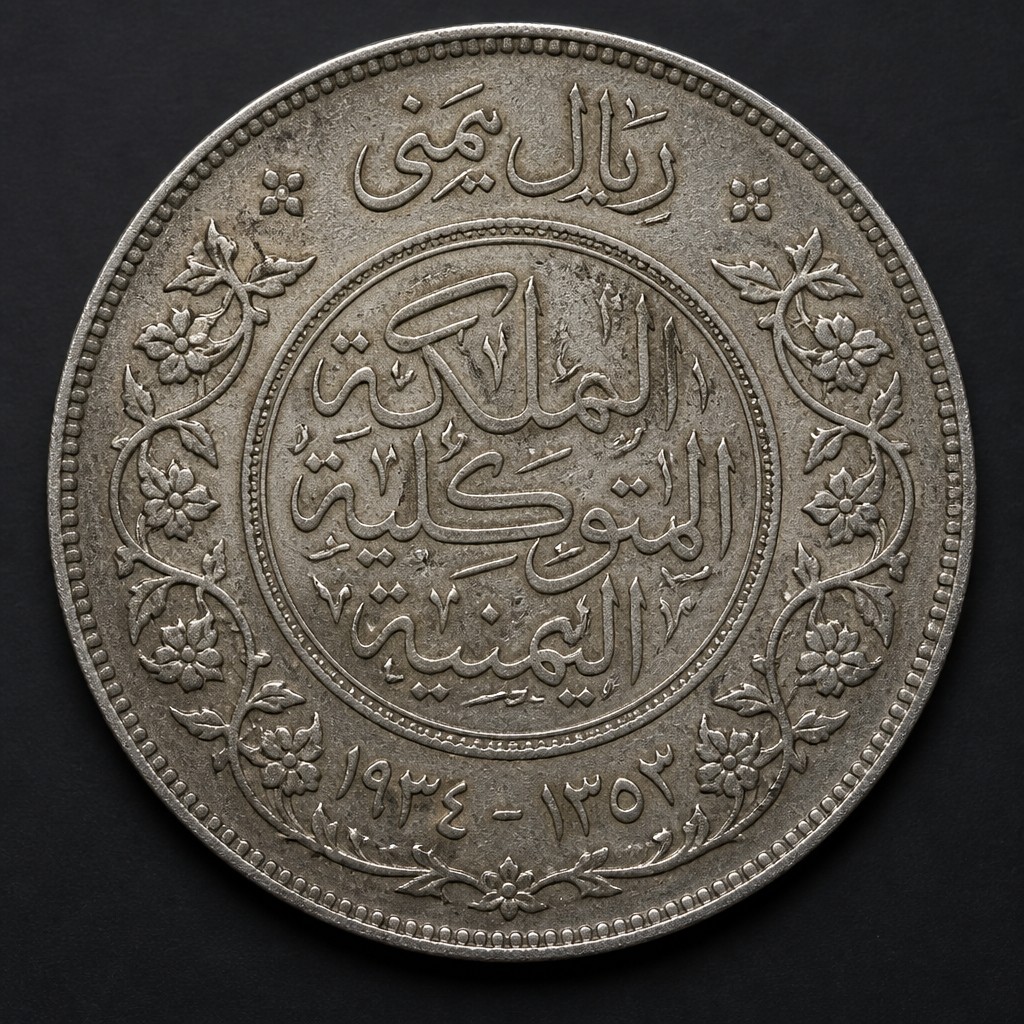
Yemeni Riyal (Ahmadi/Imadi Kingdom Coinage)
Early-to-mid 20th century
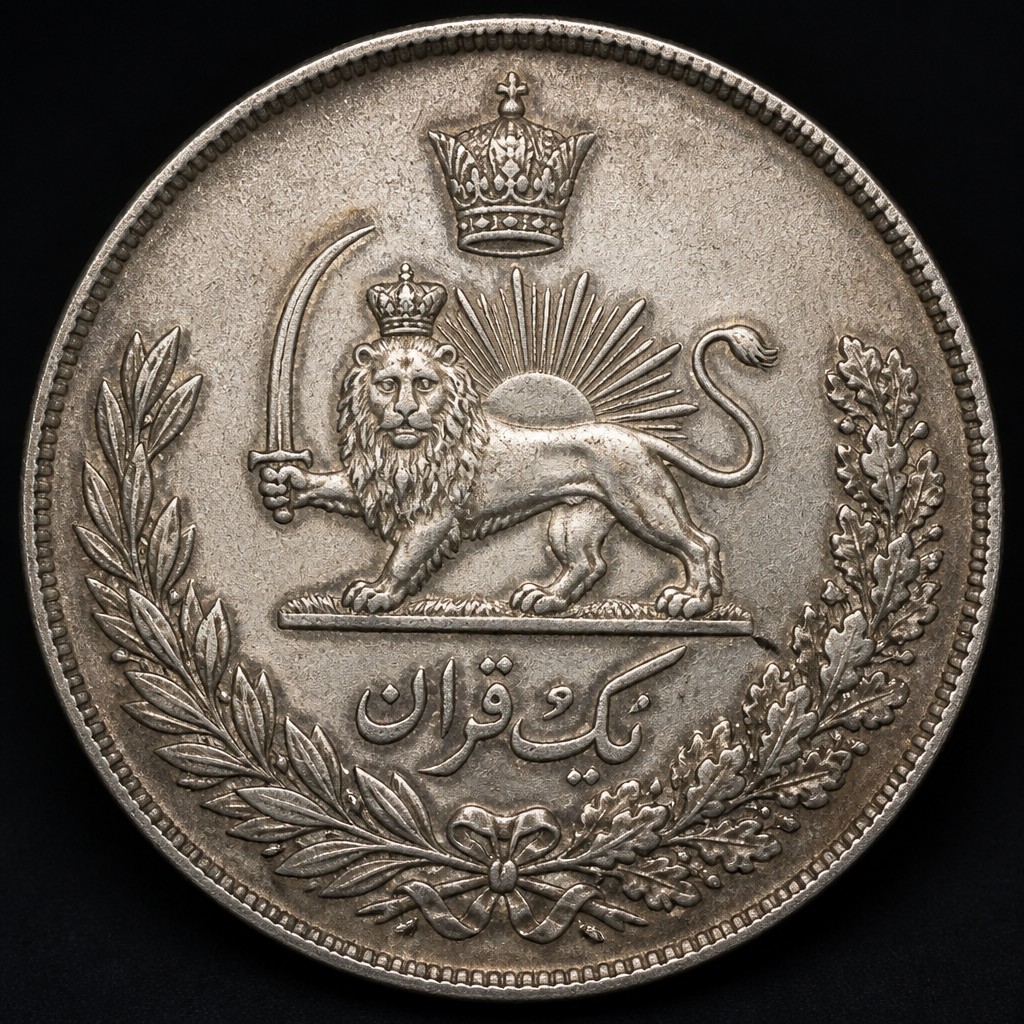
Persian Kran (Qajar silver)
Mid-19th century–1925
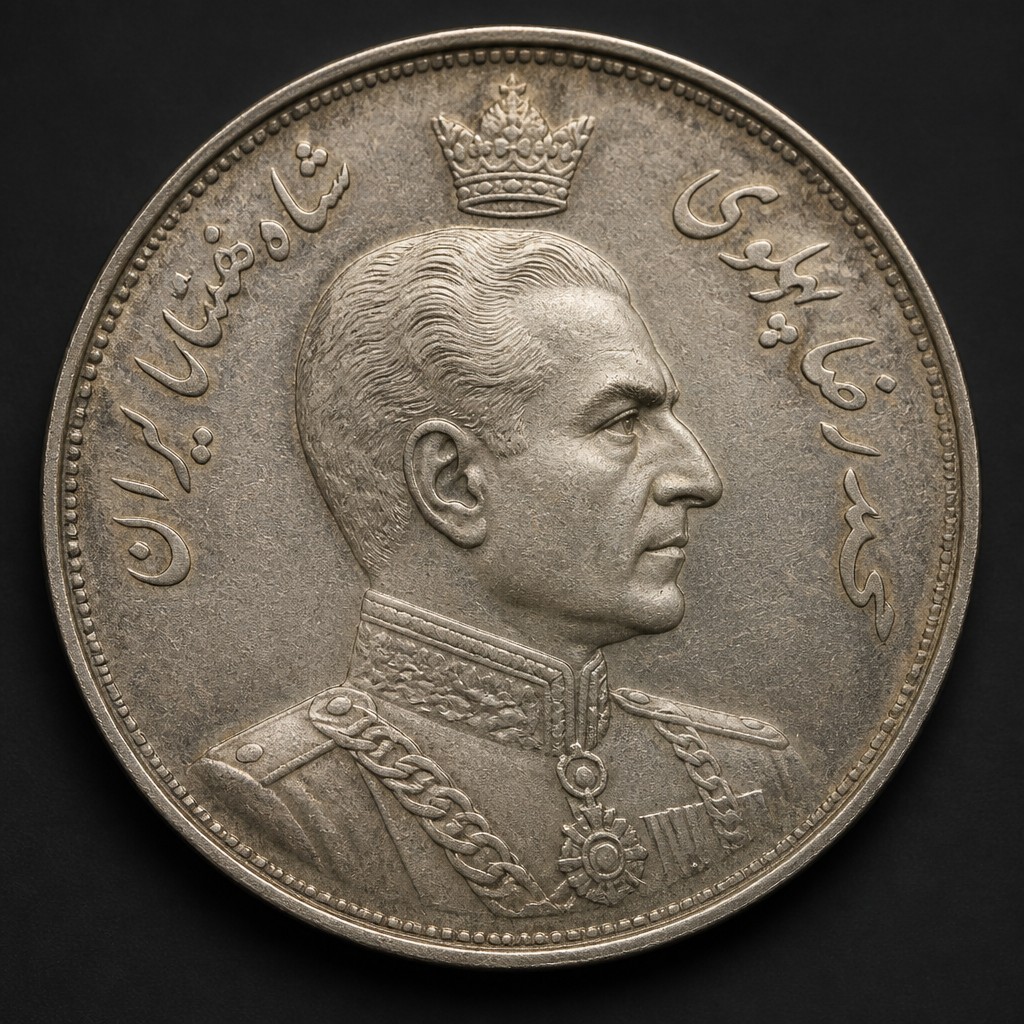
Iranian Rial
1932–present
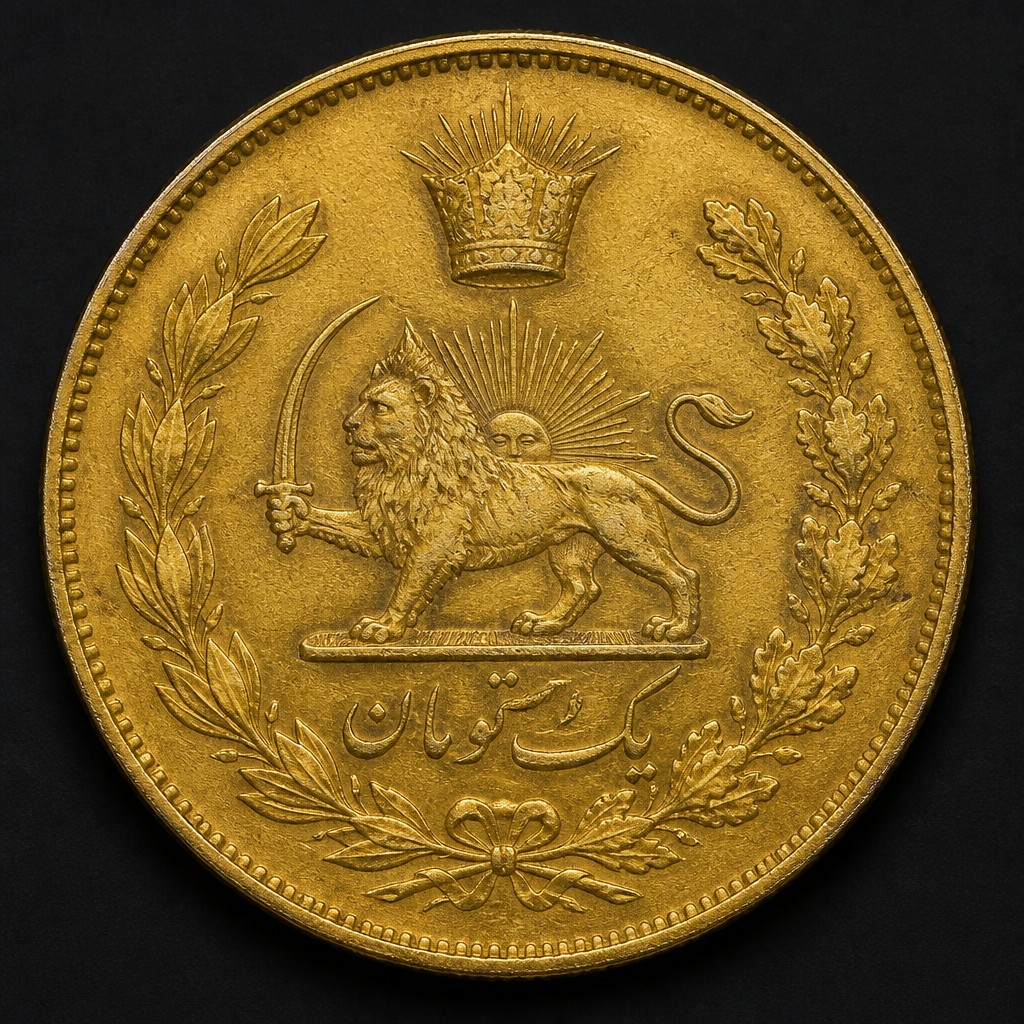
Persian Gold Toman (Qajar)
1796–1925
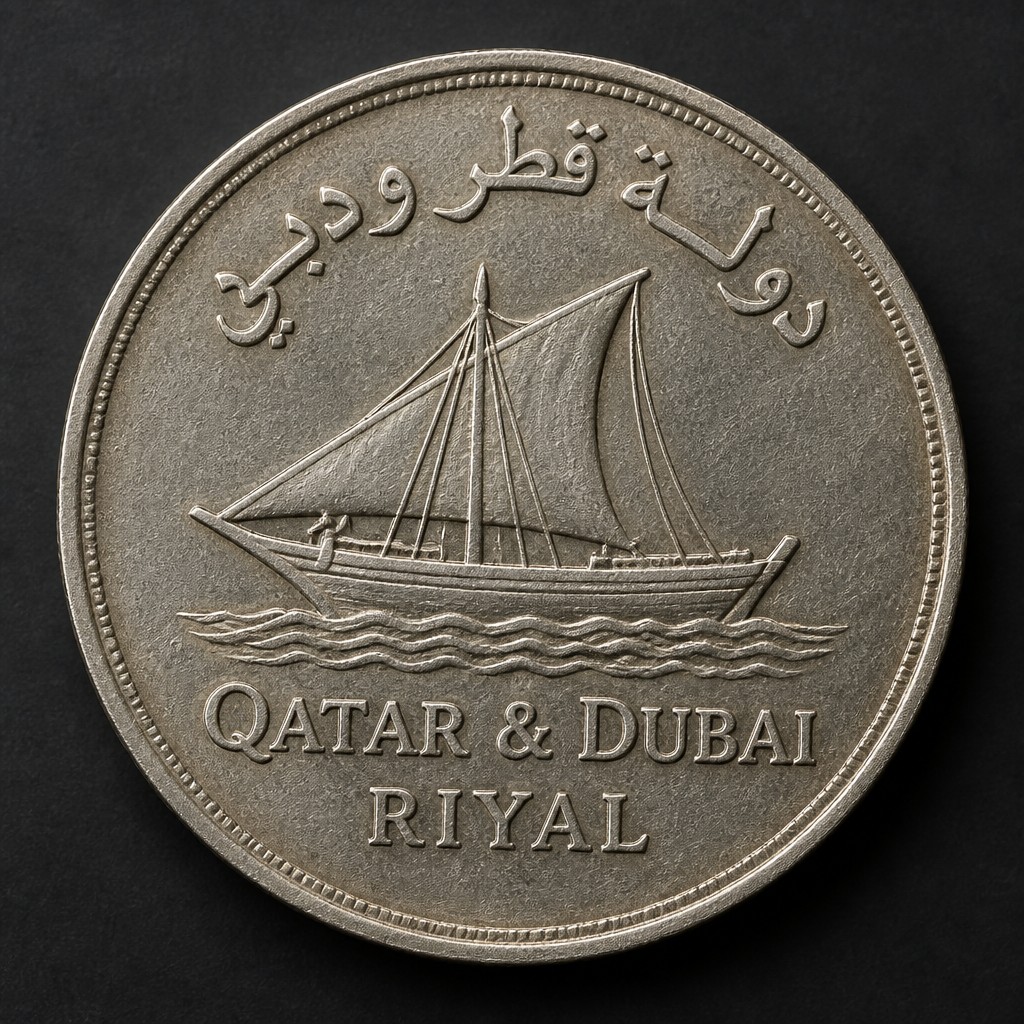
Qatar and Dubai Riyal
1966–1973
British India Rupee (Silver)
1835–1947