
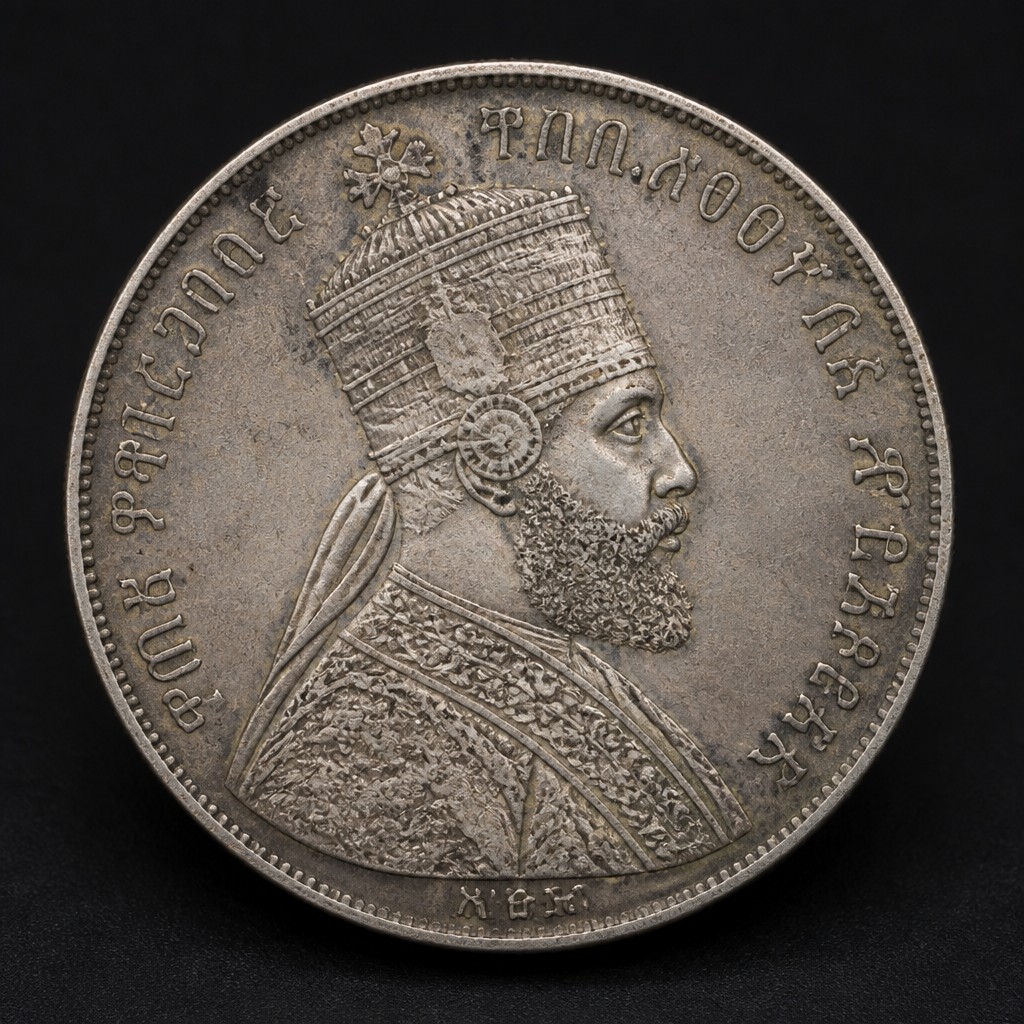
Ethiopian Birr (Menelik II)
Silver birr introduced by Emperor Menelik II of Ethiopia, modeled on the weight and fineness of the Maria Theresa thaler, featuring his crowned bust and the Lion of Judah.
- Country
- Ethiopia
- Denomination
- One Birr (Talari)
- Metal
- Silver
Got a coin like this?
Identify any coin from a photo, free.
Overview
Emperor Menelik II introduced Ethiopia's first modern decimal coinage system, replacing reliance on the foreign Maria Theresa thaler with a national silver birr bearing his own image. The coin symbolized Ethiopia's growing modernization and sovereignty at a time when the country had successfully resisted European colonization.
History & Background
Menelik II, who ruled Ethiopia from 1889 to 1913 and is celebrated for Ethiopia's decisive victory over Italy at the Battle of Adwa in 1896, sought to strengthen Ethiopian sovereignty through modern institutions, including a national currency. He commissioned coinage struck at the Paris Mint in France, introducing the silver birr (also called the talari, echoing the long-familiar Maria Theresa thaler that had circulated widely in the region) along with smaller fractional silver and copper denominations.
This coinage represented one of the few African currencies of the era issued by a fully independent African monarchy rather than a colonial power, and it circulated alongside the Maria Theresa thaler for some years before further currency reforms under later Ethiopian emperors.
How to Identify
The obverse shows a crowned, uniformed bust of Emperor Menelik II facing right, with an Amharic (Ge'ez script) legend naming him as Emperor of Ethiopia. The reverse depicts the Lion of Judah, a key symbol of the Ethiopian monarchy representing the Solomonic dynasty's claimed descent, holding a cross-topped staff and flag, along with the denomination and date in the Ethiopian calendar.
The coin closely matches the size and silver weight of the Maria Theresa thaler it was meant to complement and eventually replace, making direct comparison a useful way to distinguish the two: the birr's Ethiopian imagery and Amharic script clearly differ from the thaler's Latin inscriptions and bust of Empress Maria Theresa. Fractional denominations (such as 1/4, 1/8, 1/16, and 1/32 birr) share the same basic design at reduced sizes.
Value & Collectibility
Genuine Menelik II silver birr coins are popular with collectors of African and Ethiopian numismatics, with value driven by condition, denomination, and clarity of the emperor's portrait and the Lion of Judah design. Larger, well-preserved full birr coins generally command more than heavily worn or fractional pieces.
Because the coin's design was reused and modified under later Ethiopian rulers, correct attribution to Menelik II's specific issue is important, and collectors should compare portrait style and inscriptions carefully. As with most historic silver trade coinage, well-struck, lustrous examples bring notably stronger prices than worn or cleaned specimens.
Frequently asked questions
Why did Menelik II introduce this coinage?
He wanted to establish a modern national currency for Ethiopia, reducing dependence on the foreign Maria Theresa thaler and reinforcing the country's sovereignty.
Where were these coins minted?
They were struck at the Paris Mint in France on Ethiopia's behalf.
What does the Lion of Judah symbolize on the coin?
It represents the Ethiopian monarchy's traditional claim of descent from the Solomonic dynasty and is a longstanding national and imperial symbol.
How does the birr compare to the Maria Theresa thaler?
It was designed to match the thaler's weight and silver fineness closely, so the two could circulate interchangeably, though their designs and inscriptions are distinctly different.
Other coins you may enjoy
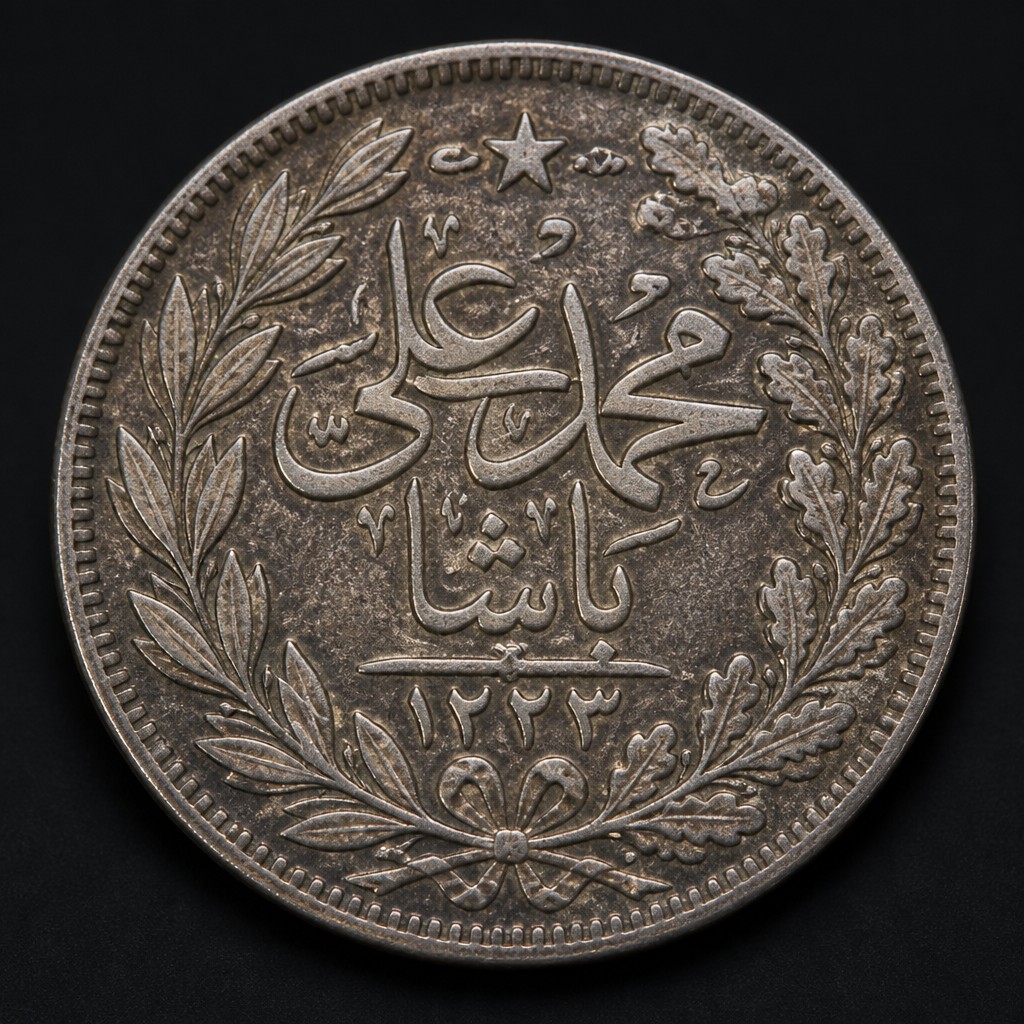
Egyptian Qirsh (Muhammad Ali Era)
Early-to-mid 19th century (c. 1805–1848)
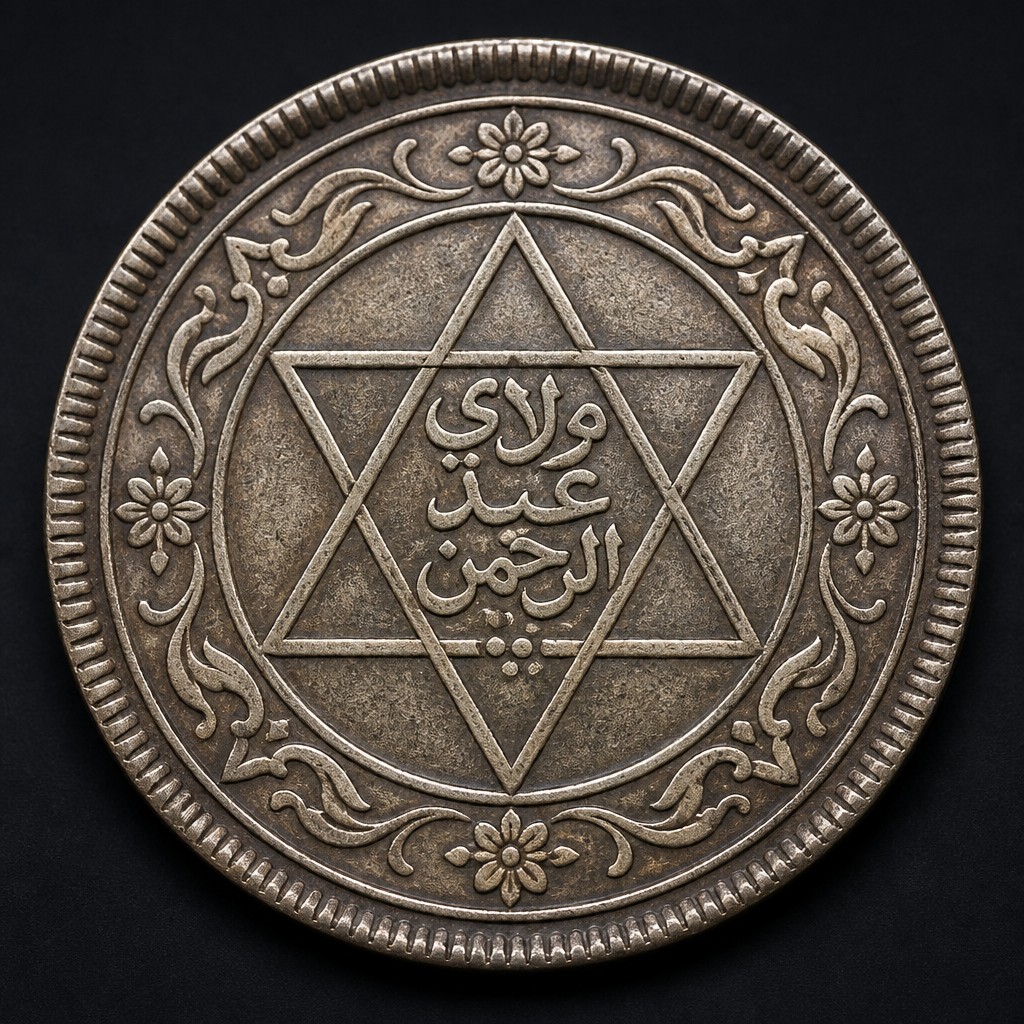
Moroccan Rial (Alawi Dynasty Coinage)
18th–19th century (pre-protectorate era)
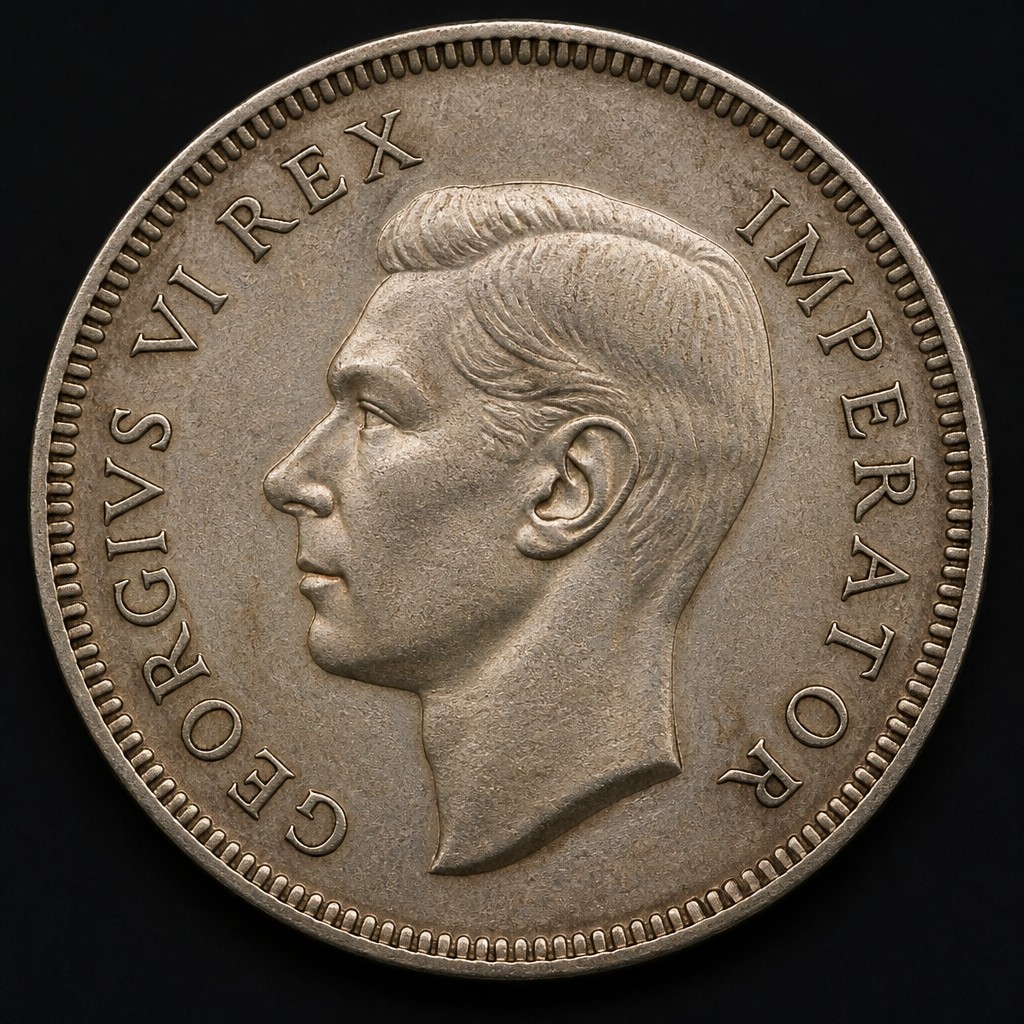
South African Sixpence (Union)
1923-1960
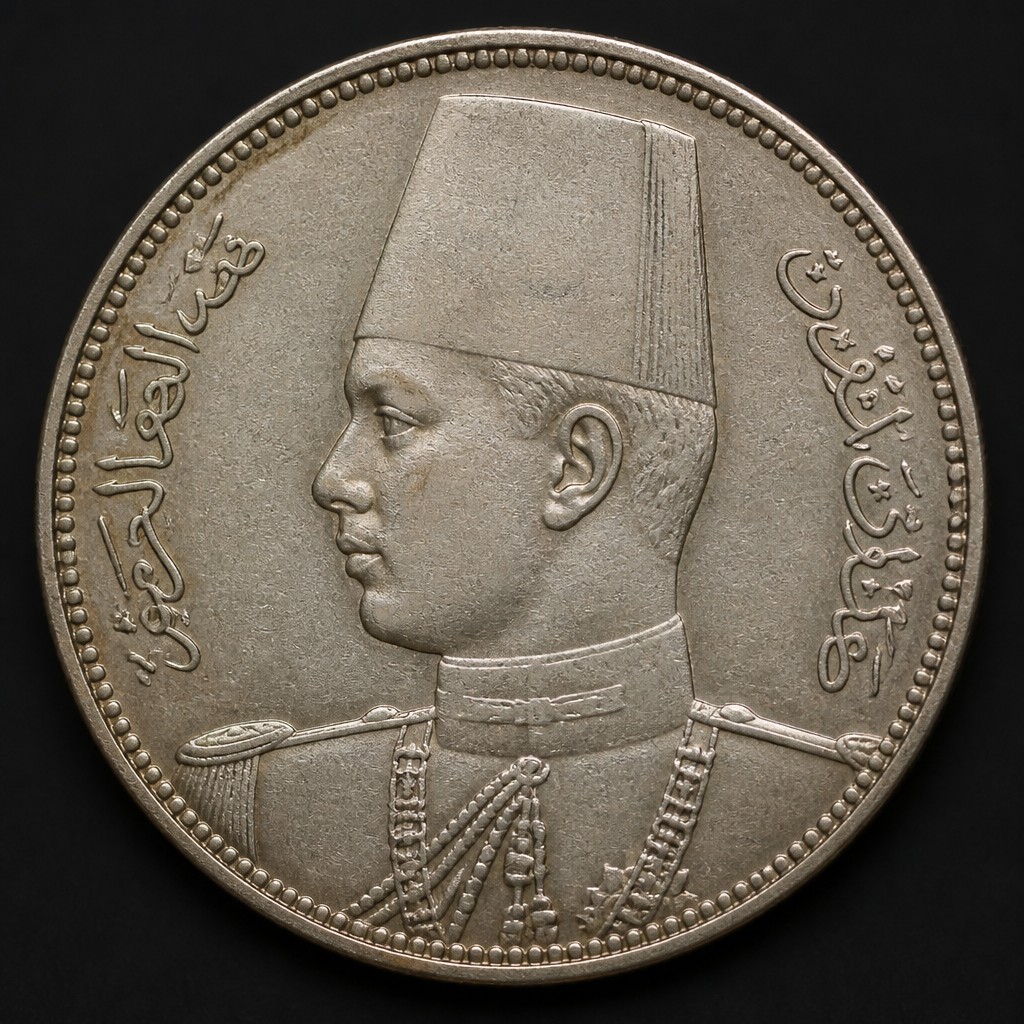
Egyptian Farouk 5 Piastres
1937-1952
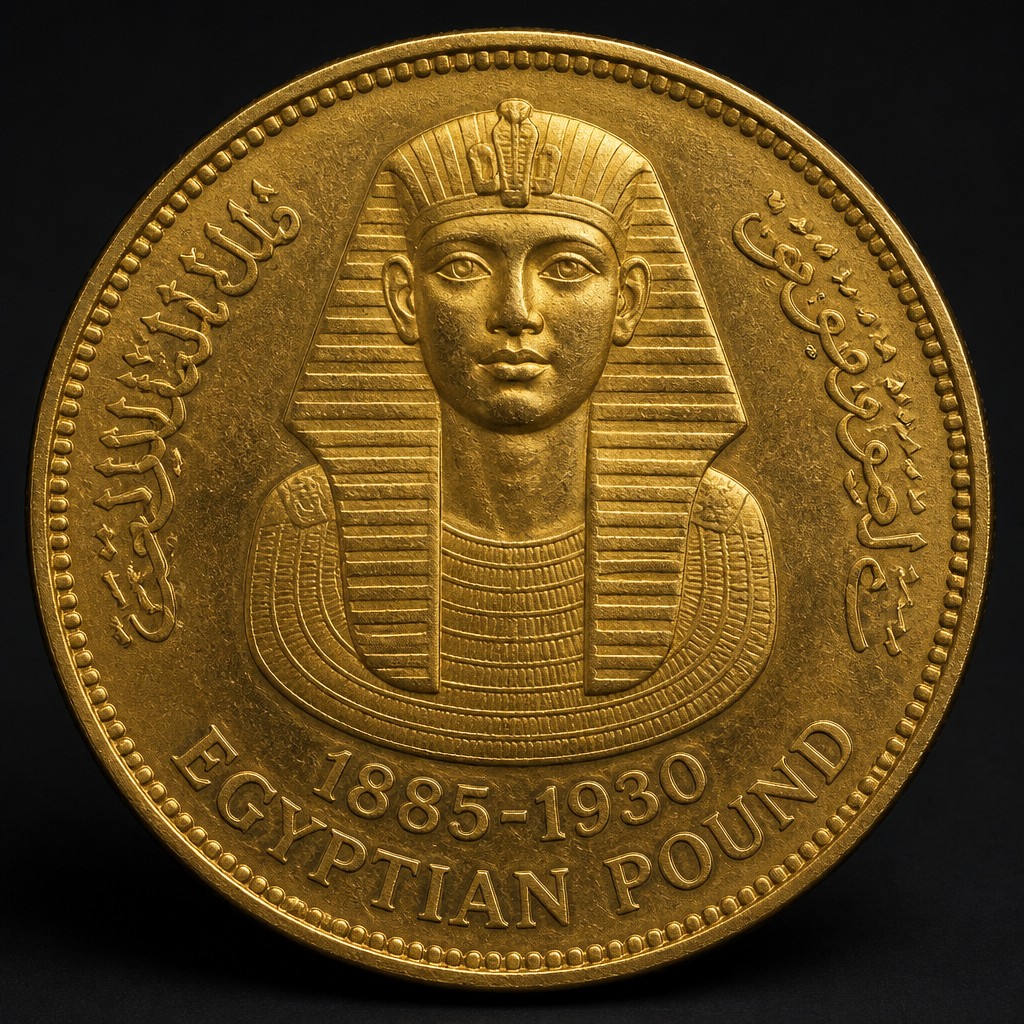
Egyptian Pound (gold)
1885–1930
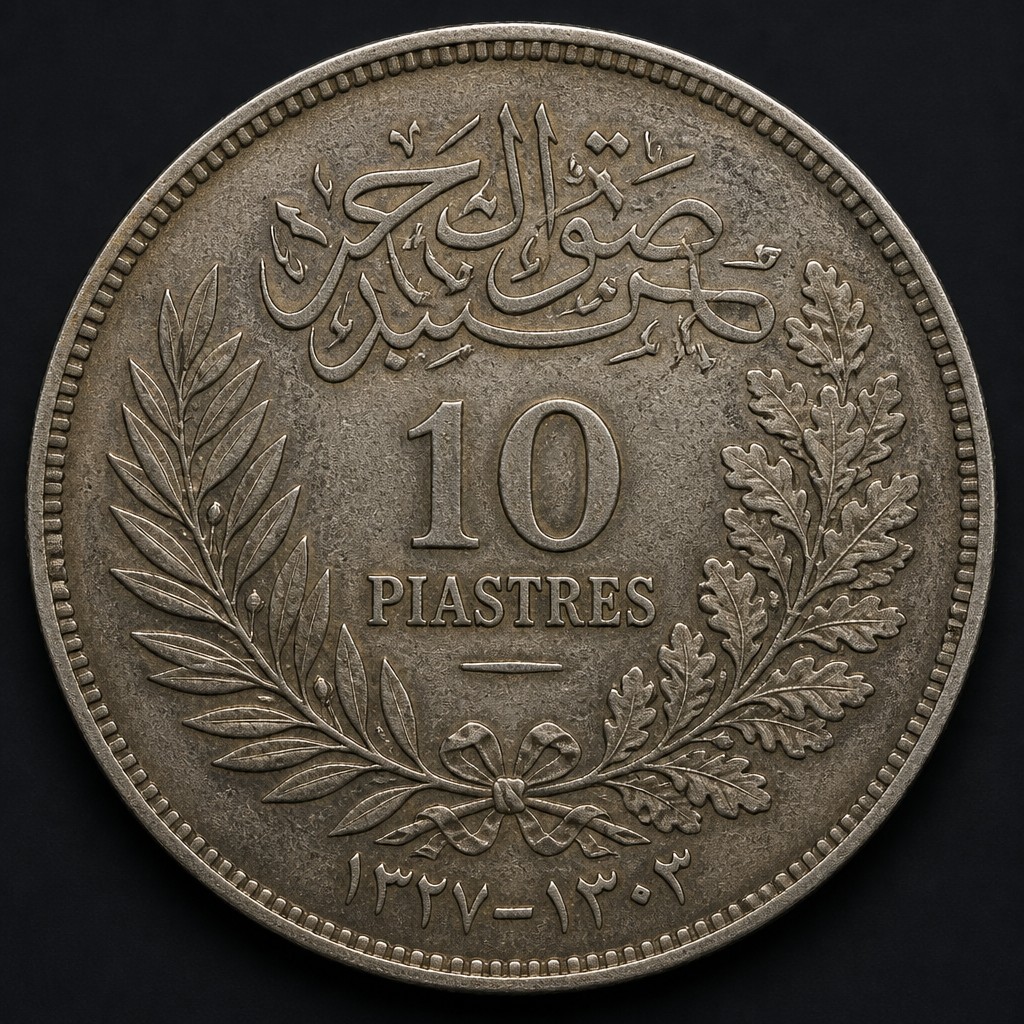
Egyptian 10 Piastres (silver)
1885–1939
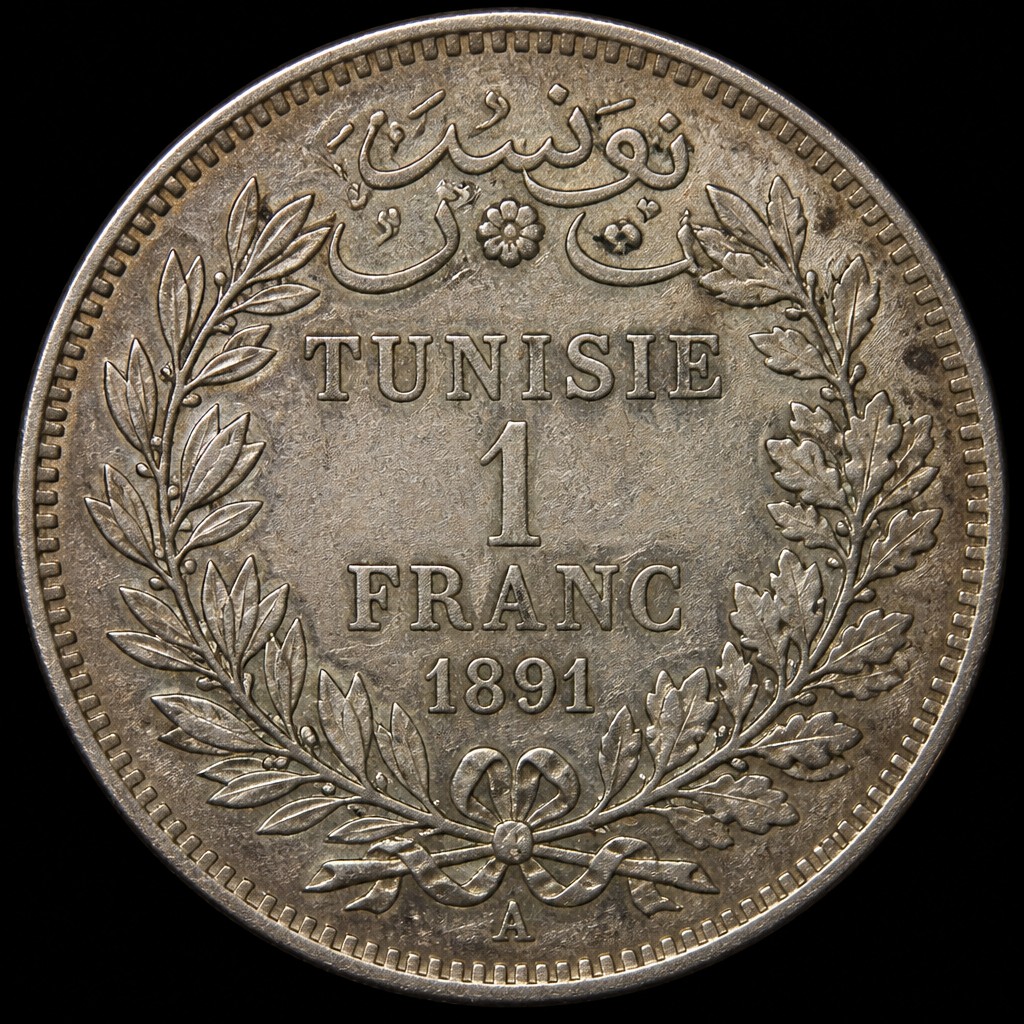
Tunisian Franc (Beylik Era)
Late 19th–early 20th century (c. 1891–1957 transition)
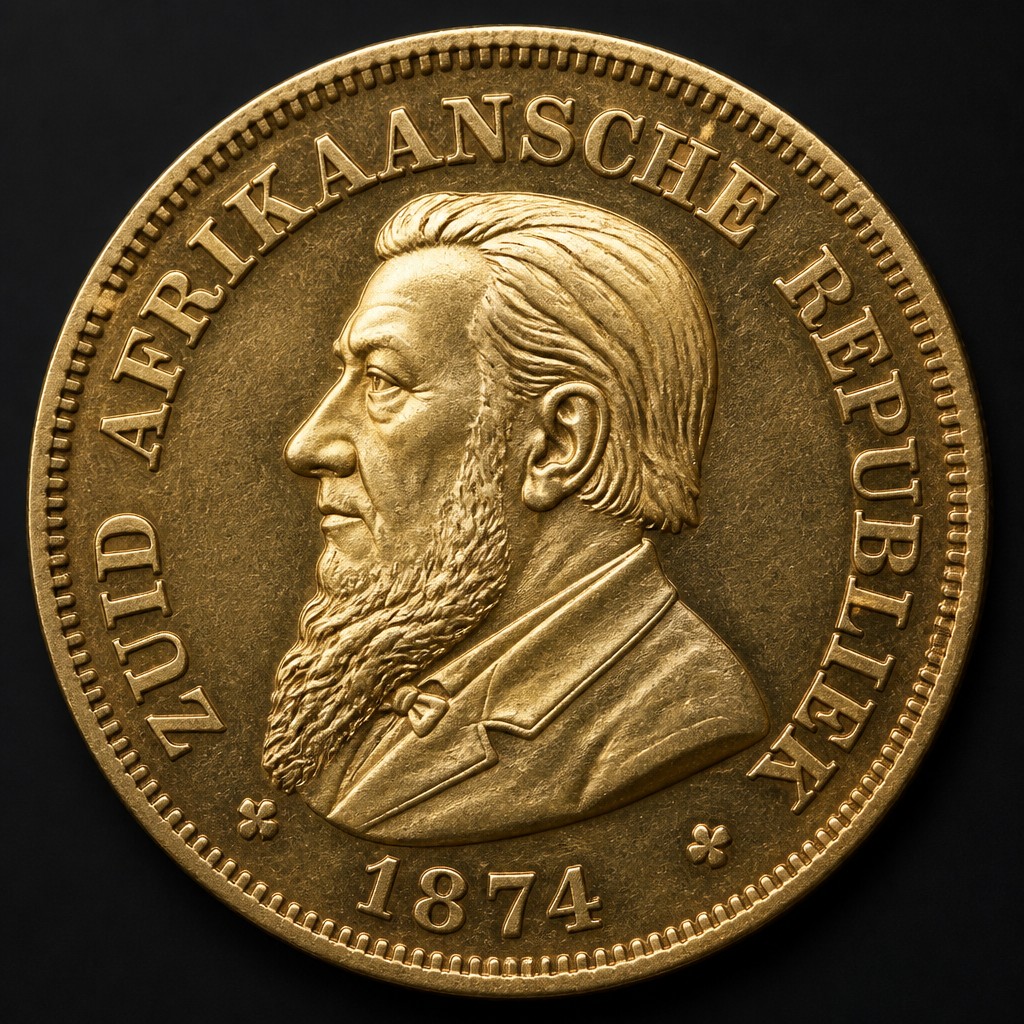
South African Republic Burgers Pond
1874
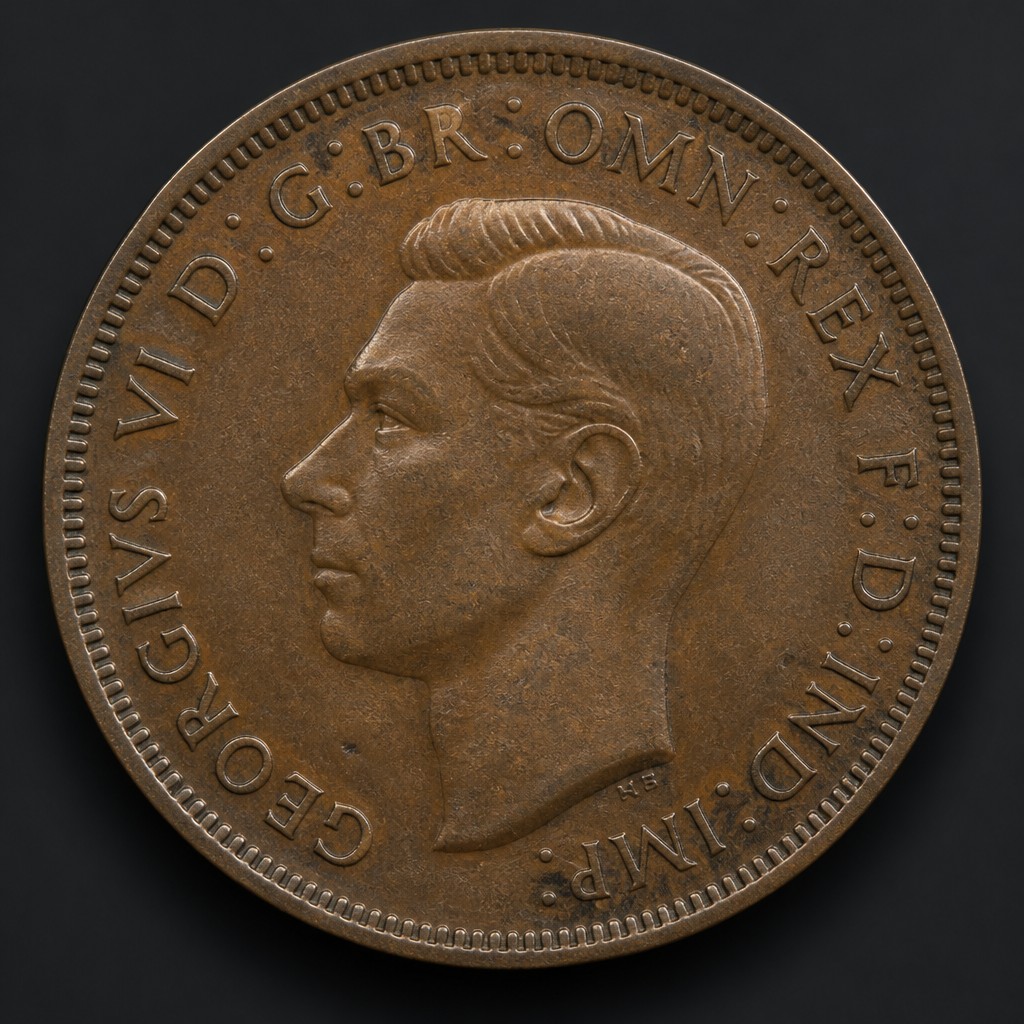
New Zealand Penny (KGVI)
1937-1952
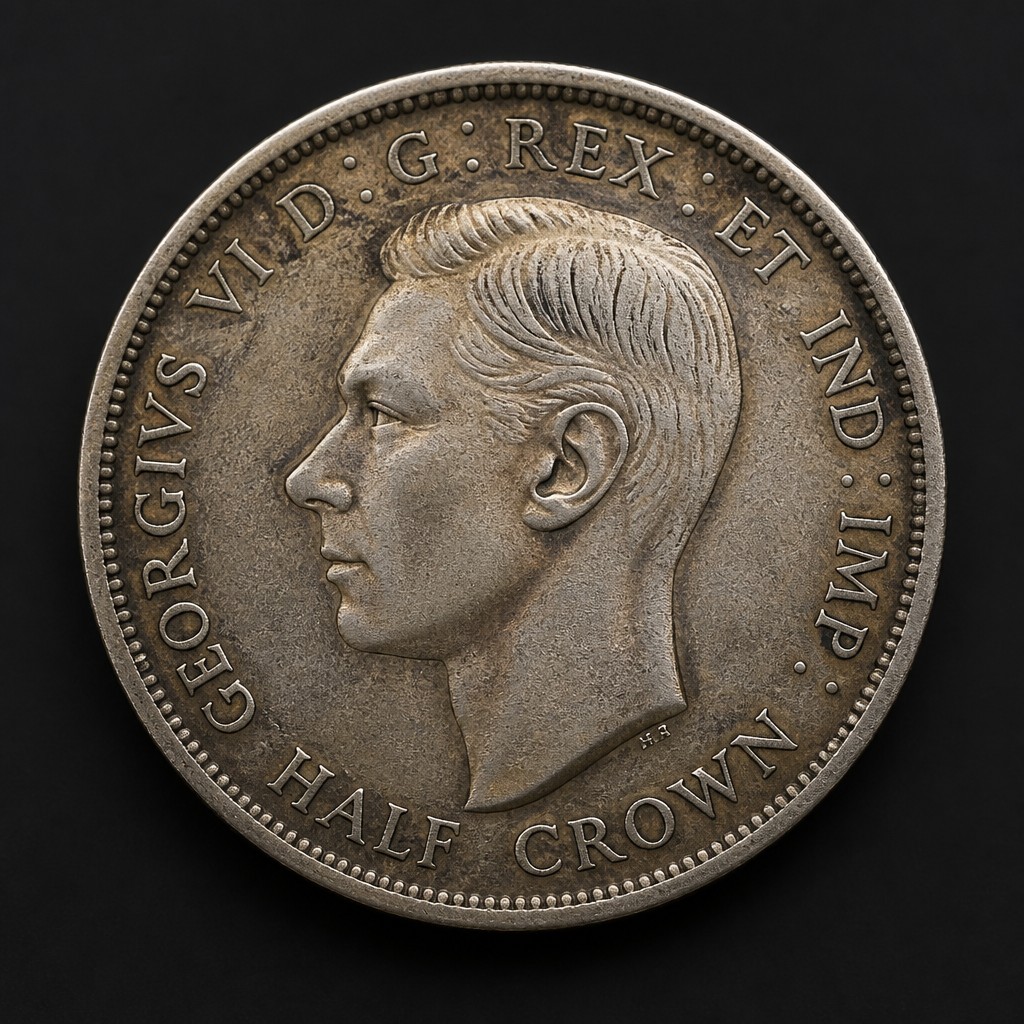
New Zealand Half Crown (pre-decimal)
1933-1965
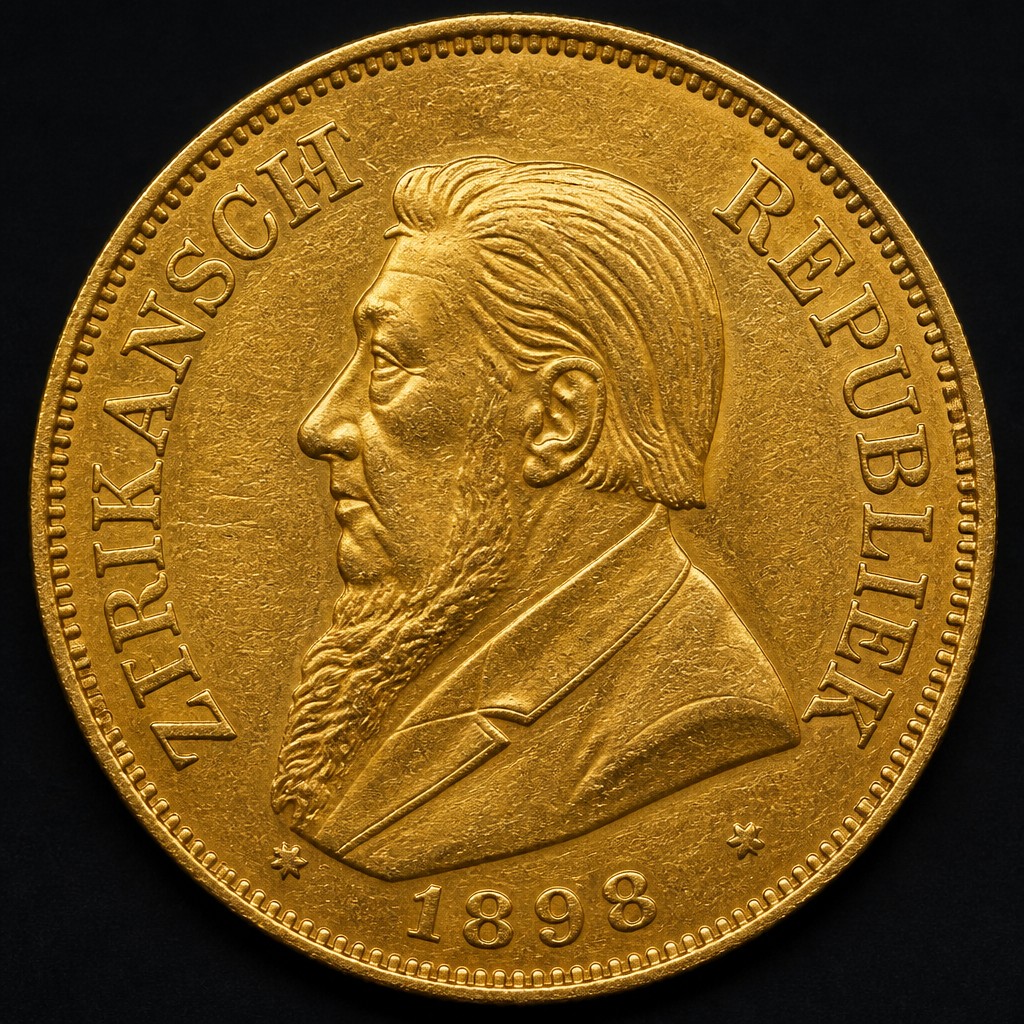
South African ZAR Kruger Pond
1892-1900
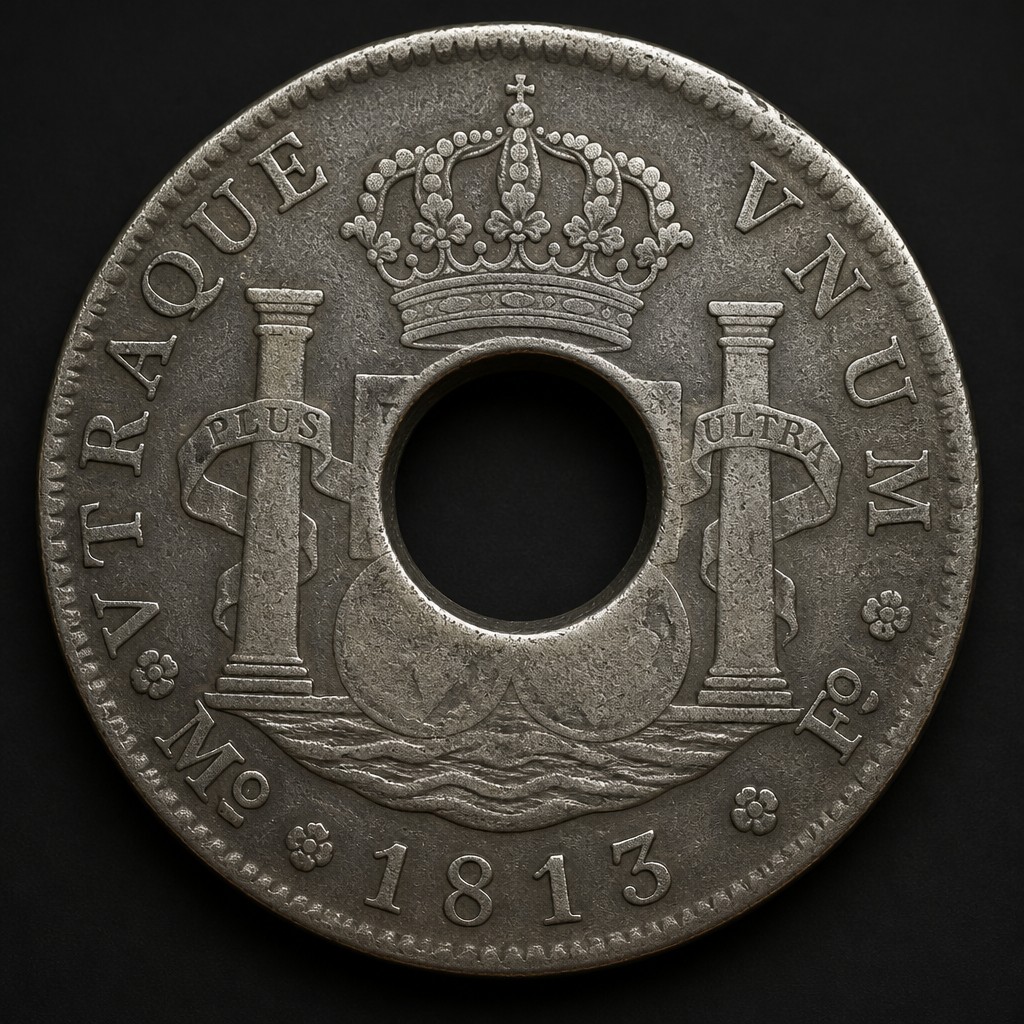
Australian Holey Dollar and Dump
1813