
Coin Encyclopedia
Search and identify coins from around the world — with country, denomination, metal, mint, history, and how to tell them apart.
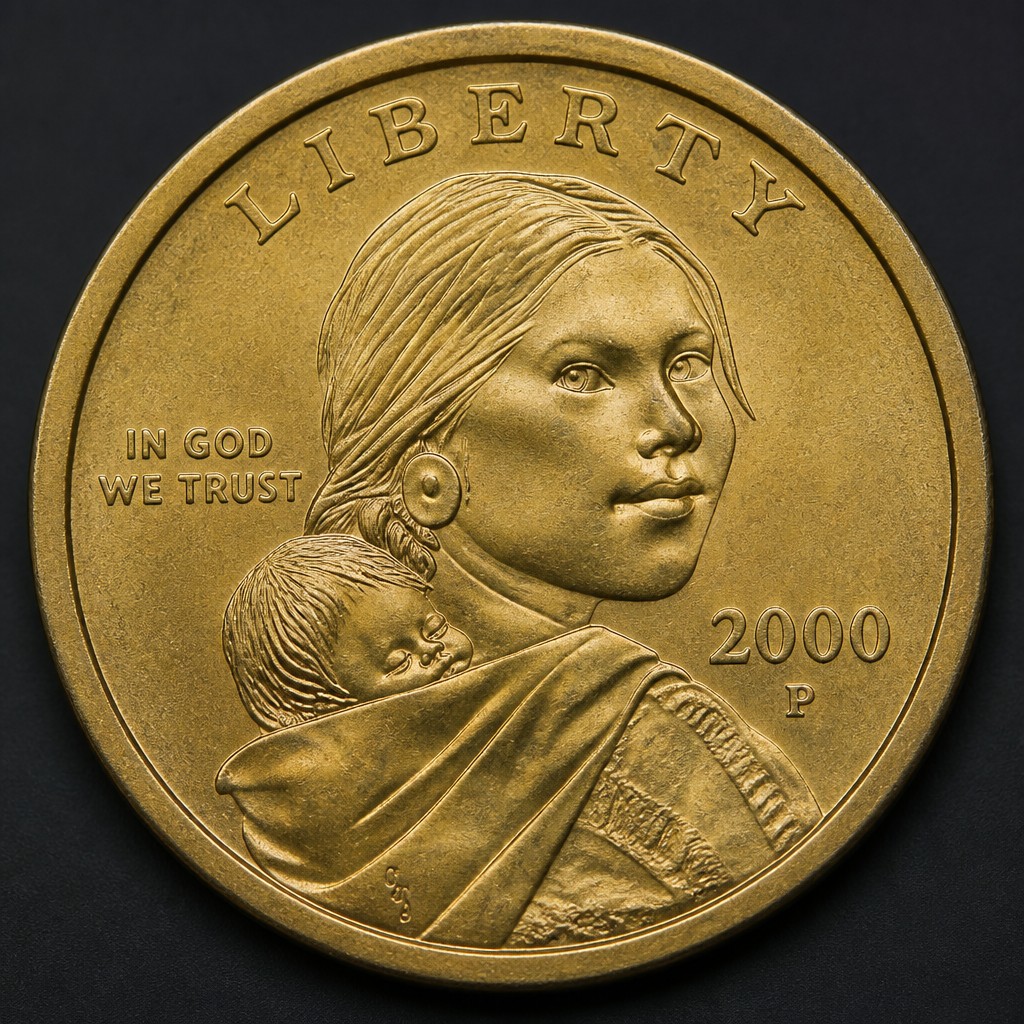
Sacagawea Dollar
A golden-colored, manganese-brass dollar coin (2000-present) depicting Sacagawea carrying her infant son, replacing the Susan B. Anthony dollar.
United States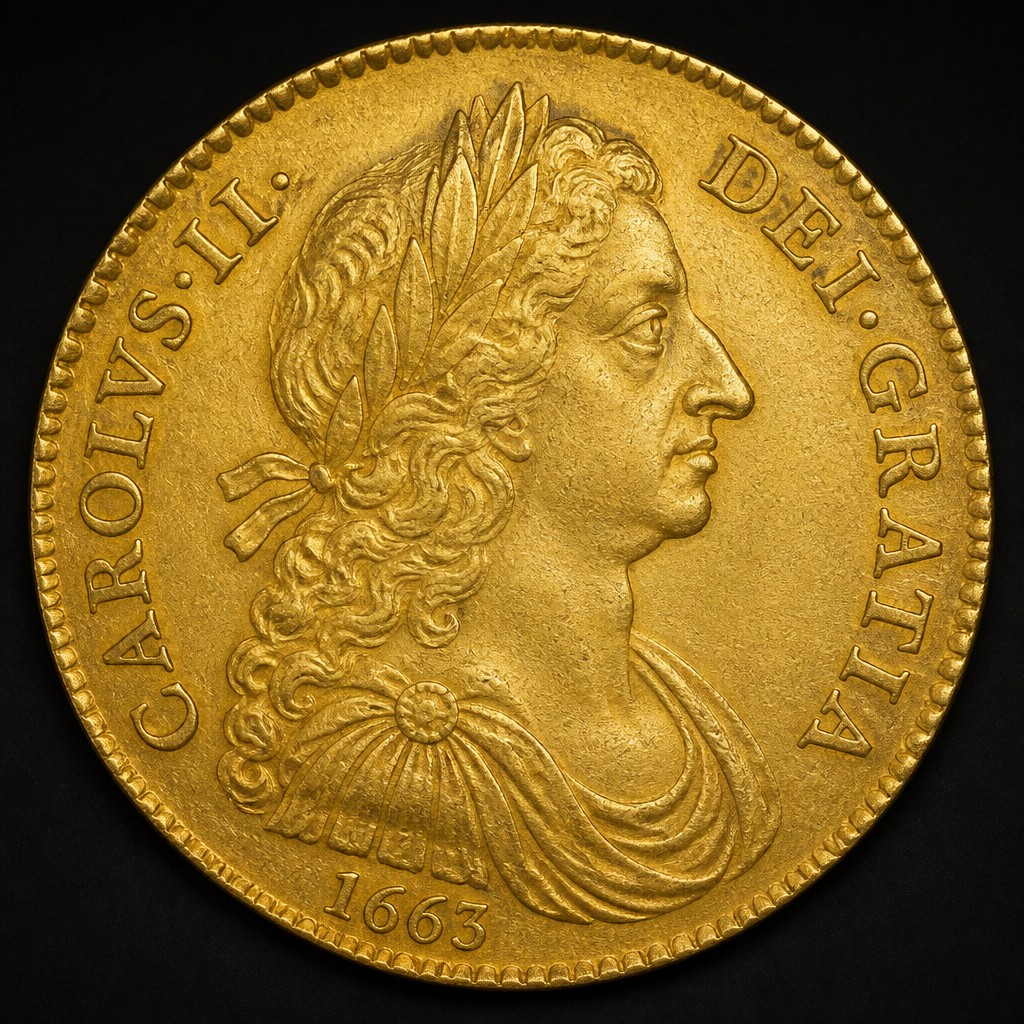
Guinea
Historic British gold coin named for the West African region that supplied much of its gold, valued at 21 shillings for most of its history and predecessor to the modern sovereign.
British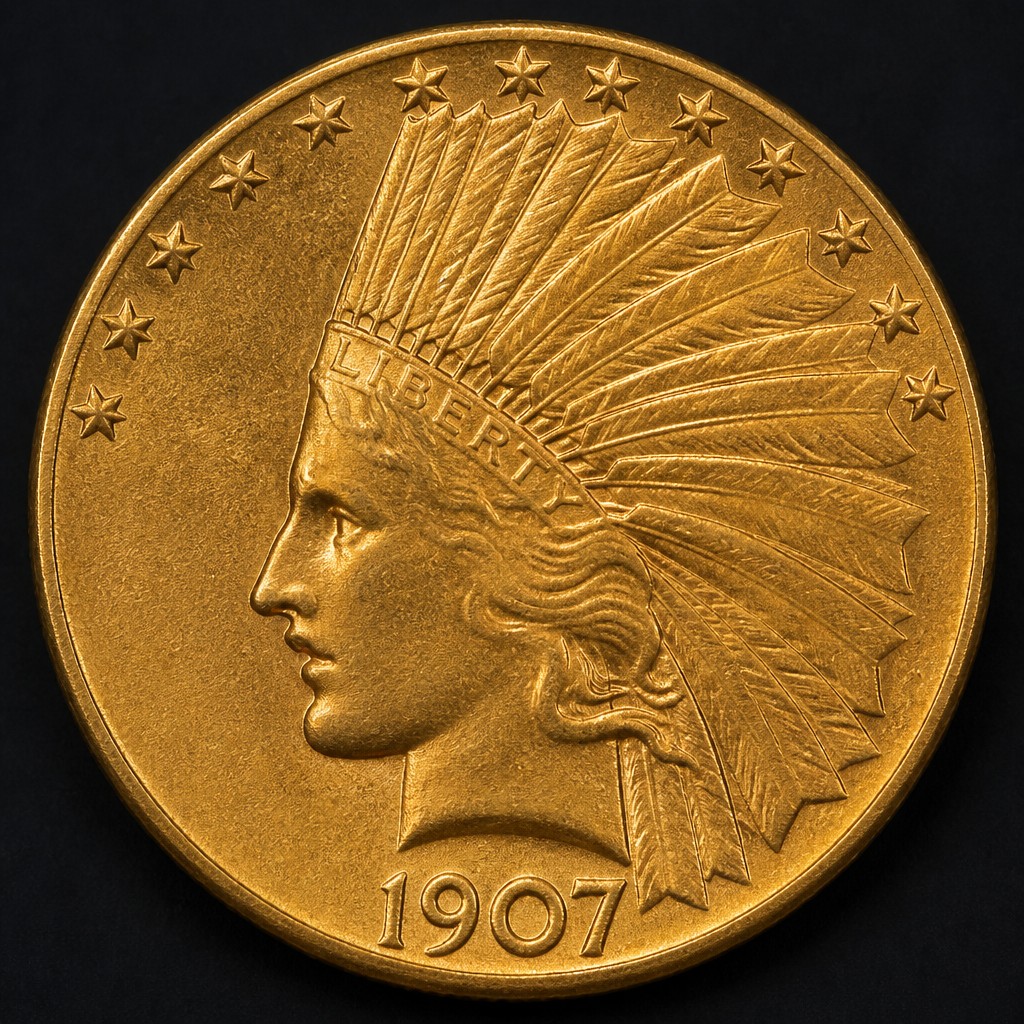
Indian Head Eagle ($10)
A striking early 20th-century gold eagle designed by Augustus Saint-Gaudens as part of President Theodore Roosevelt's push to beautify American coinage.
United States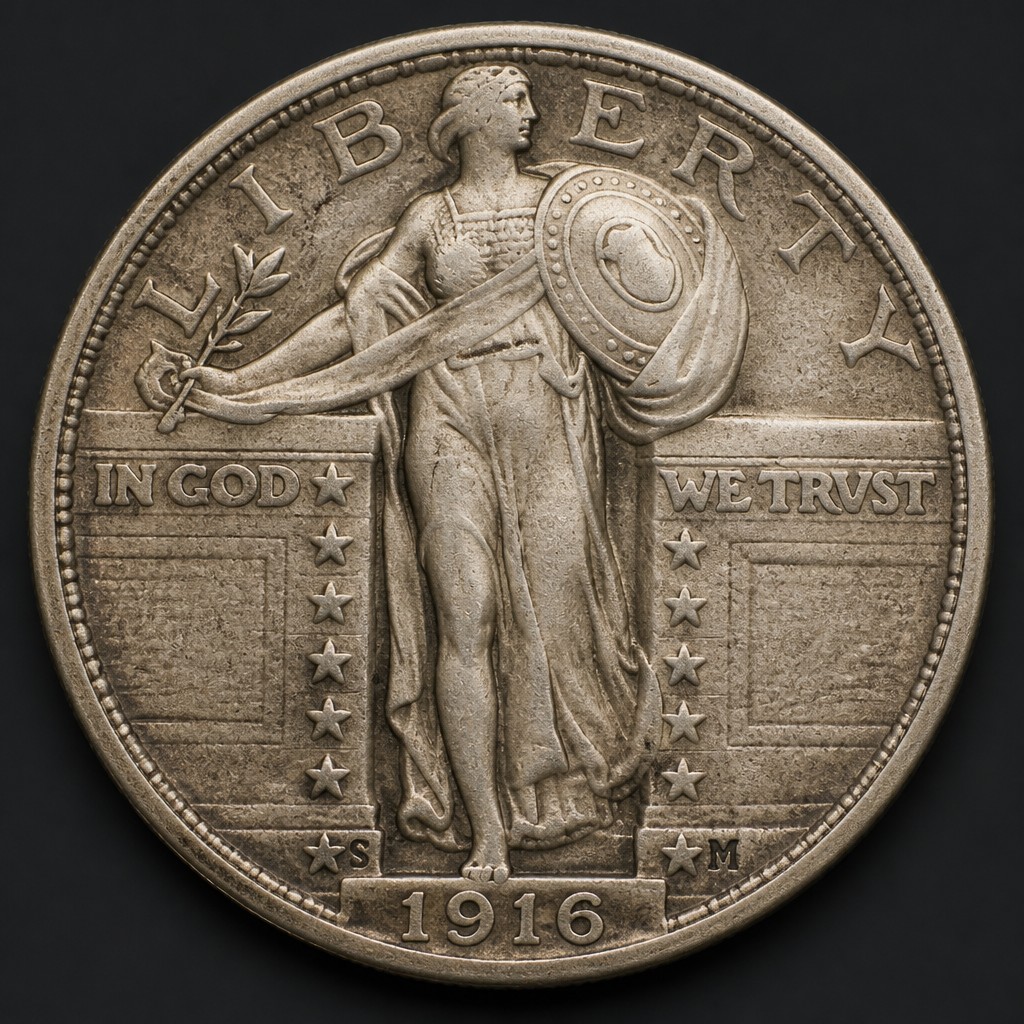
1916 Standing Liberty Quarter
The extremely low-mintage first-year issue of the Standing Liberty quarter, one of the most famous key dates in all of United States coinage.
United States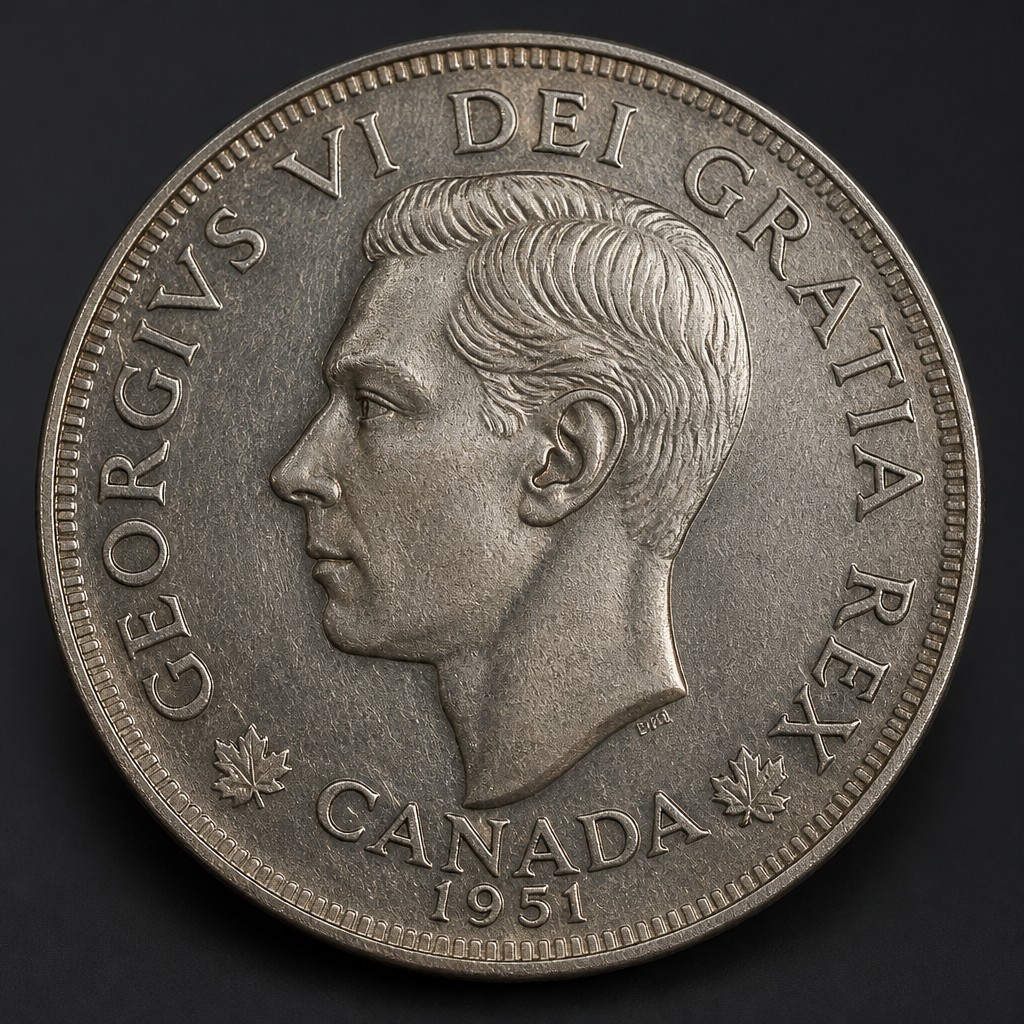
1951 Nickel Commemorative Five Cents
A special Canadian five-cent coin marking the 200th anniversary of the isolation of the element nickel, struck in the metal itself to honor Canada's role as a leading nickel producer.
Commemorative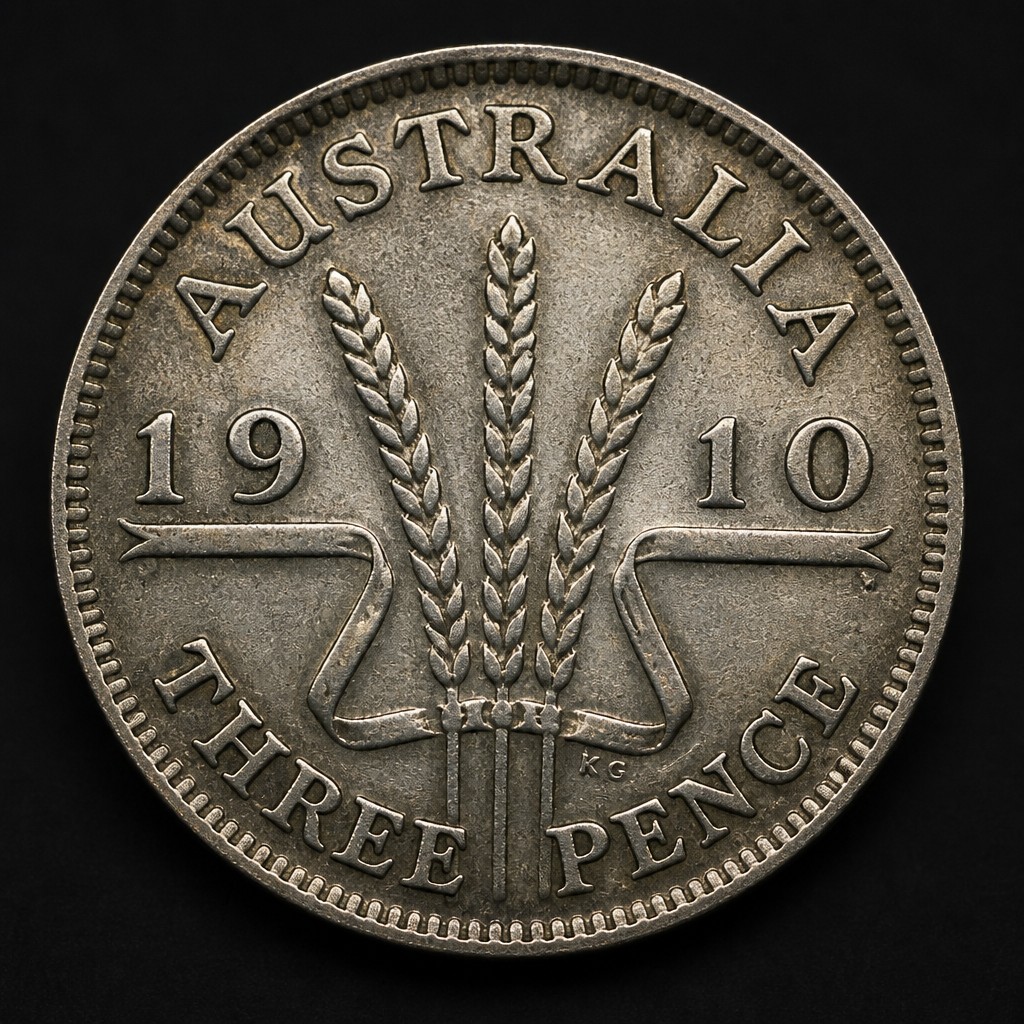
Australian Threepence (pre-decimal)
Small pre-decimal Australian silver coin worth three pence, popularly recognized for its bundled wheat-ear reverse design used across most of the 20th century.
Africa & Oceania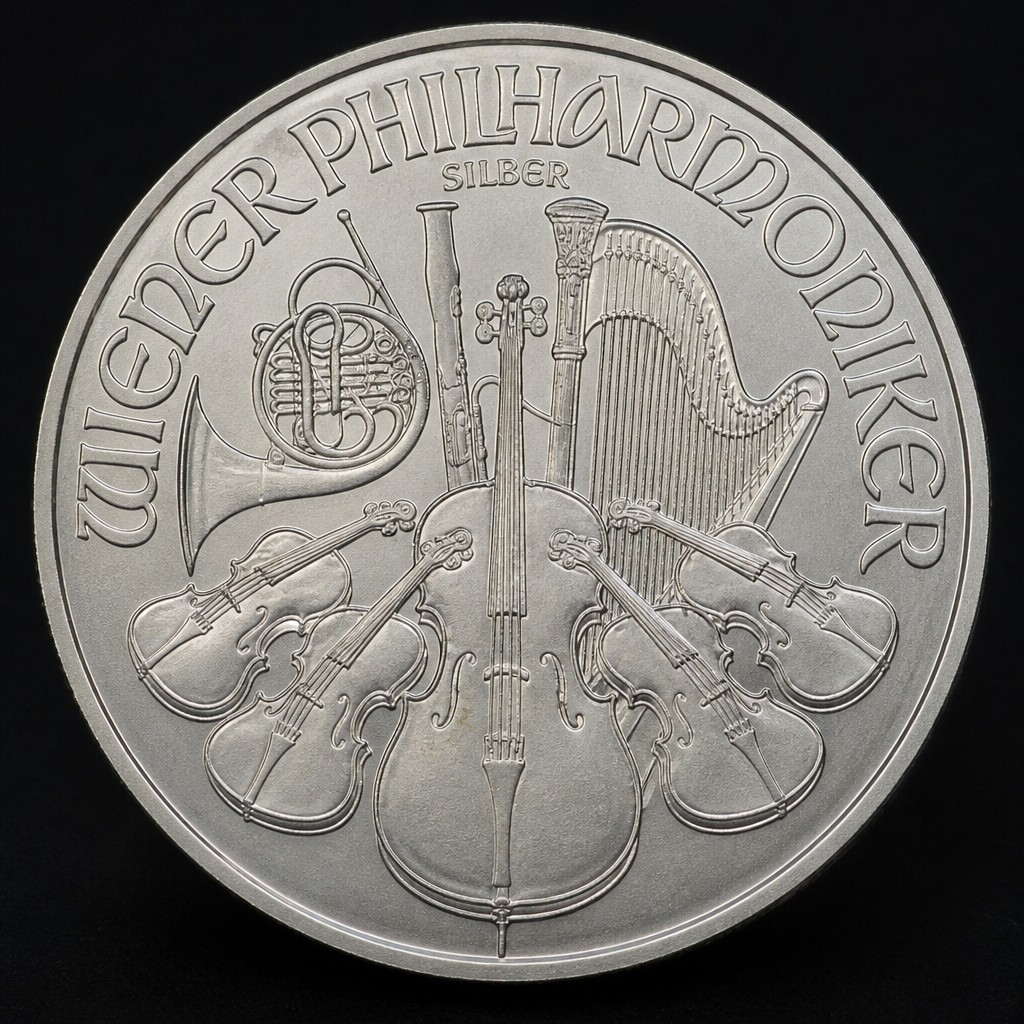
Austrian Silver Philharmonic
Austria's modern one-ounce silver bullion coin, launched in 2008 as a companion to the long-running gold Philharmonic, featuring the instruments of the Vienna Philharmonic Orchestra.
Bullion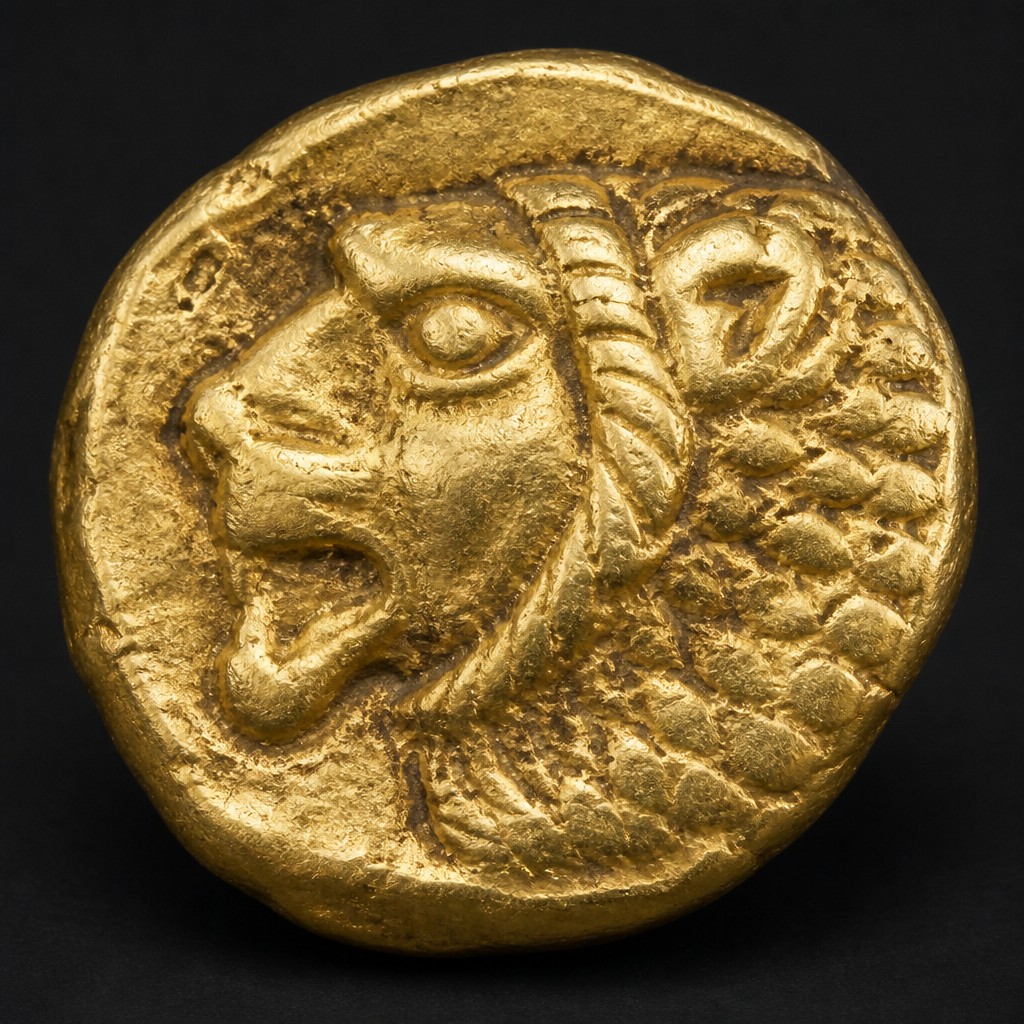
Kroisos (Croeseid) Gold Stater of Lydia
A pure gold stater struck under King Croesus of Lydia, part of history's first coinage issued in separate fixed-purity gold and silver denominations.
Ancient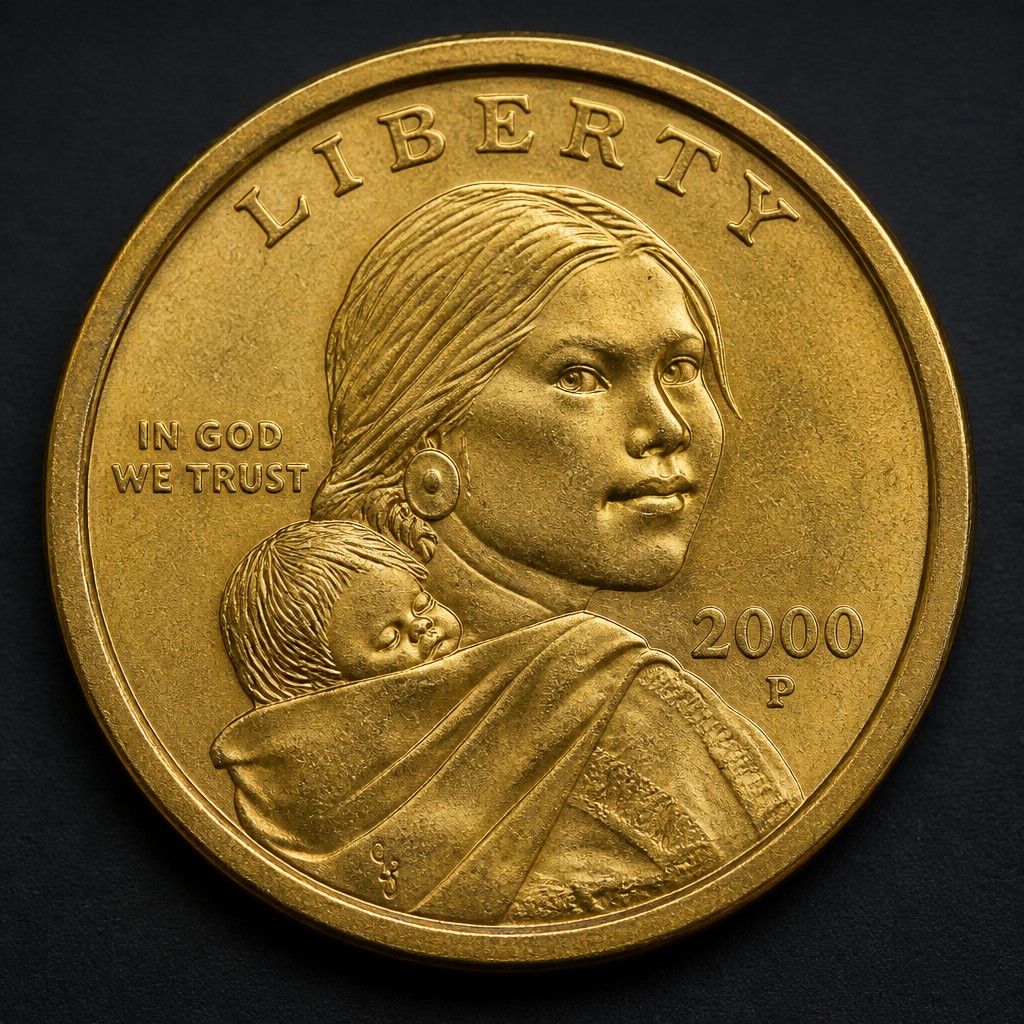
Sacagawea Golden Dollar
A golden-colored dollar coin introduced in 2000 depicting Sacagawea carrying her infant son, created to replace the unpopular Susan B. Anthony dollar in everyday commerce.
United States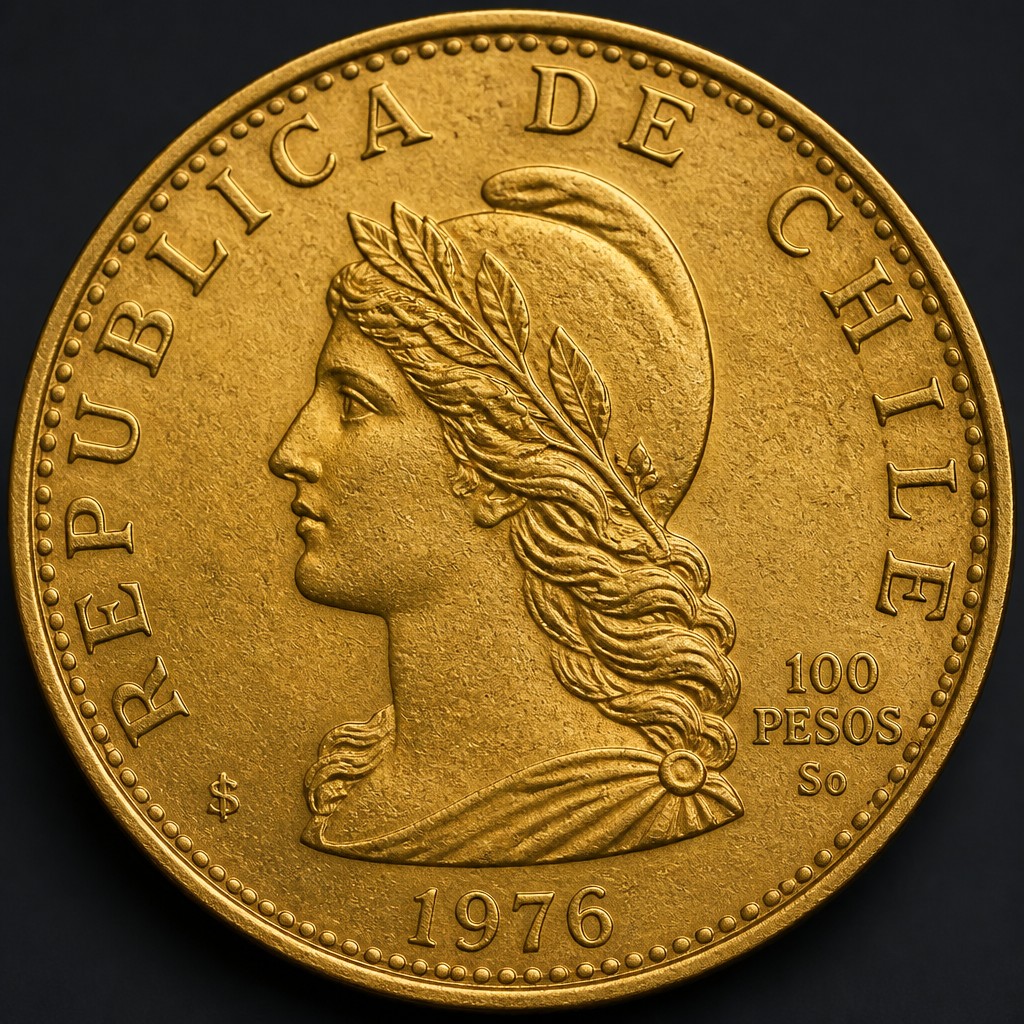
Chilean 100 Pesos Gold 'Condor'
Chile's flagship 20th-century gold coin, popularly called the "Condor" for the majestic Andean bird featured on its reverse, historically prized as an internationally recognized gold piece.
Latin American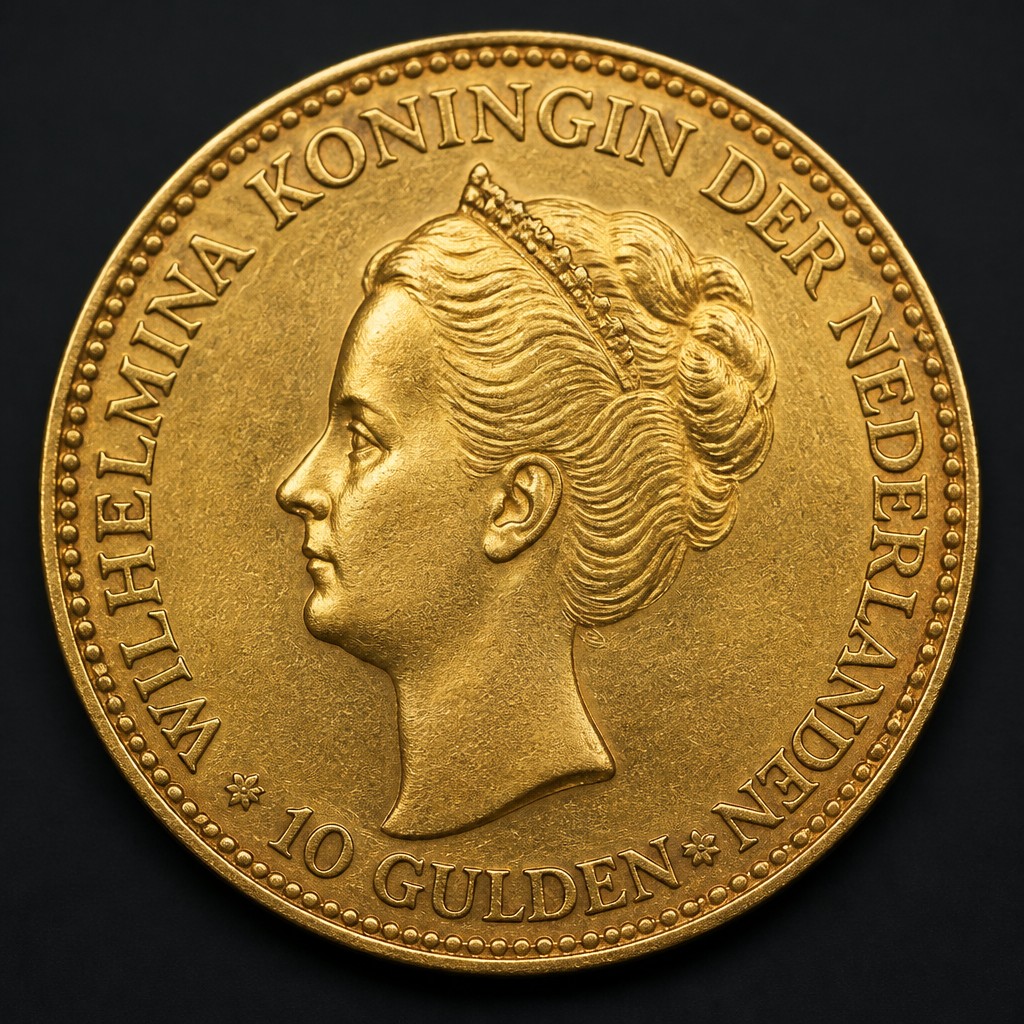
Netherlands 10 Gulden Gold (Wilhelmina)
The gold 10 Gulden coin featuring Queen Wilhelmina was the Netherlands' standard gold circulation and reserve coin in the early 20th century, later restruck as a recognized gold bullion piece.
European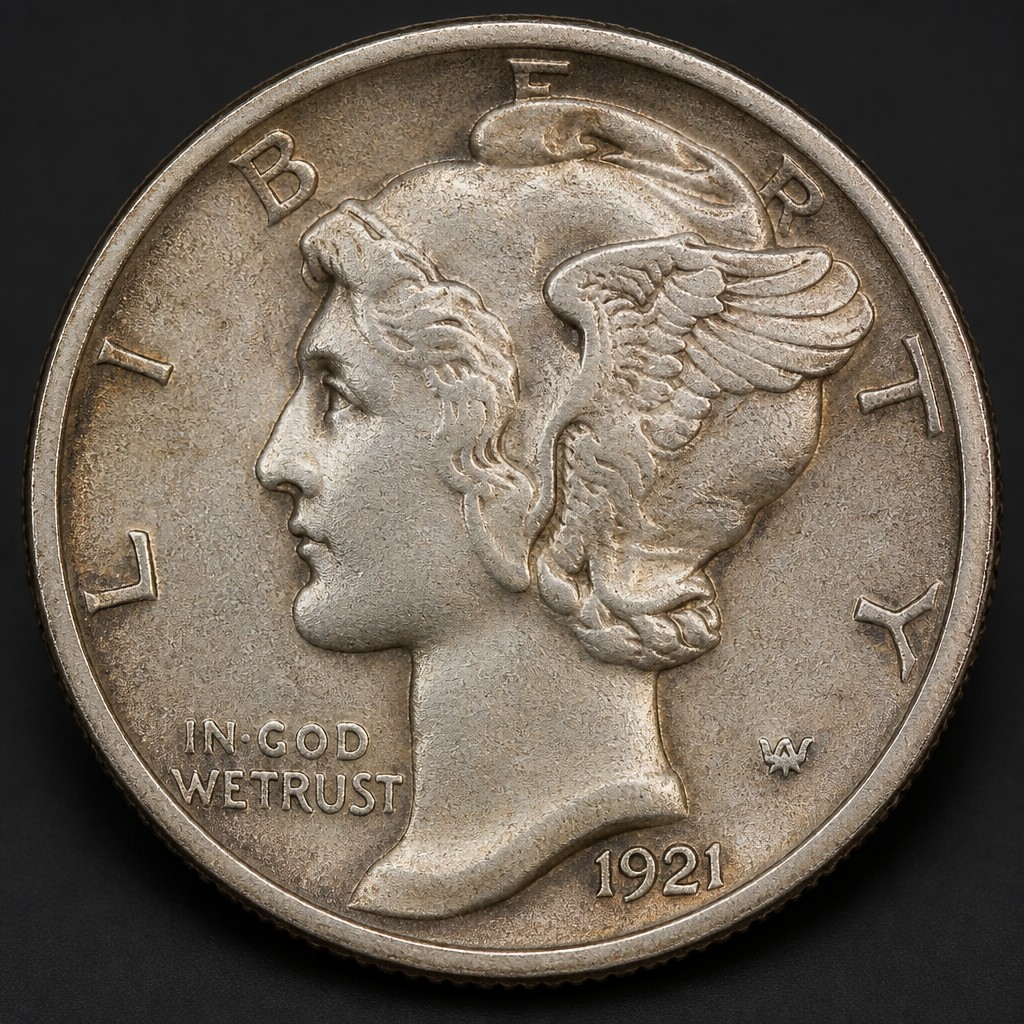
1921 Mercury Dime
A key date of the Mercury dime series, struck in unusually low numbers amid a post-World War I economic slowdown that reduced coinage demand nationwide.
United States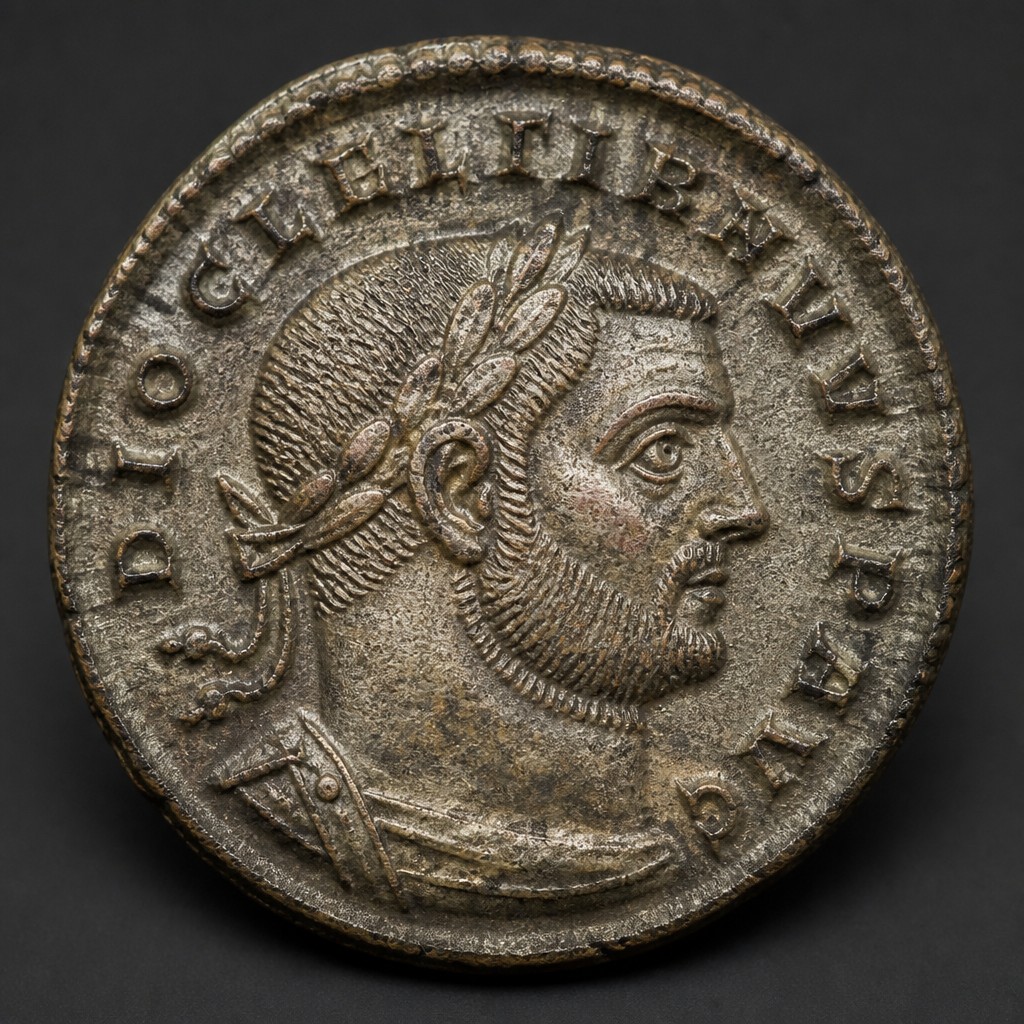
Diocletian Follis
Large bronze follis of Diocletian, whose sweeping reforms ended the Crisis of the Third Century, established the Tetrarchy, and introduced this new standardized coin denomination in 294 AD.
Ancient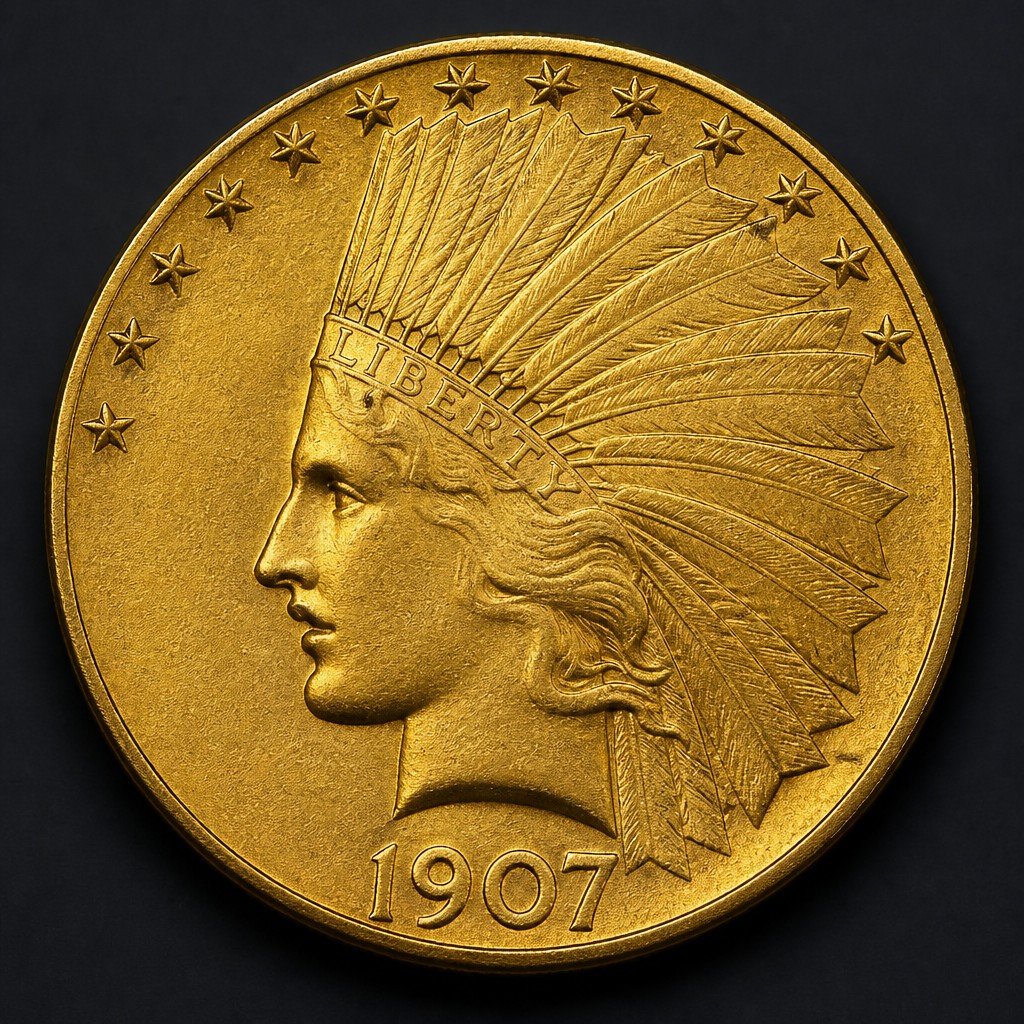
Indian Head Gold Eagle ($10)
A striking early 20th-century $10 gold coin designed under President Theodore Roosevelt's coinage renaissance, featuring an incuse (recessed) design and a Native American-style Liberty portrait.
United States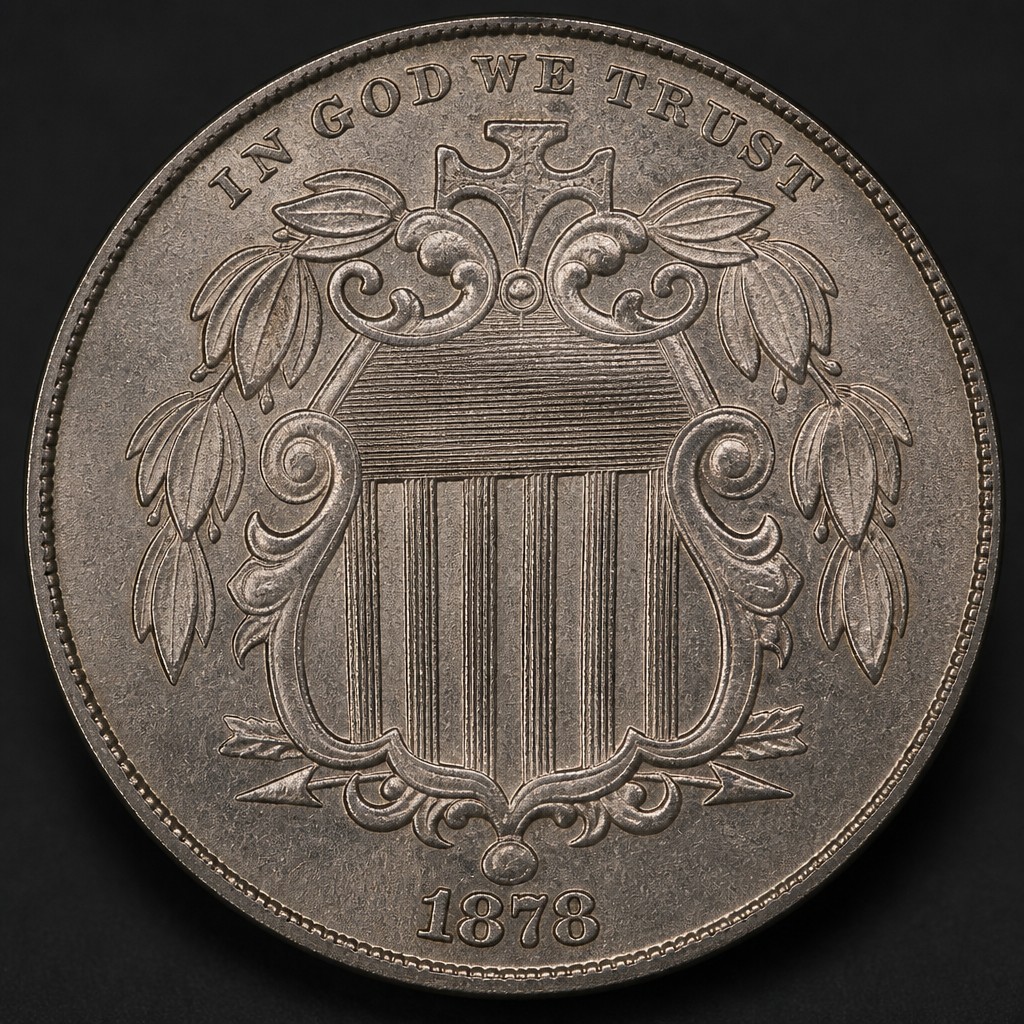
1878 Shield Nickel (Proof Only)
Another proof-only rarity in the Shield Nickel series, struck exclusively for collectors with no business-strike coinage issued for circulation that year.
United States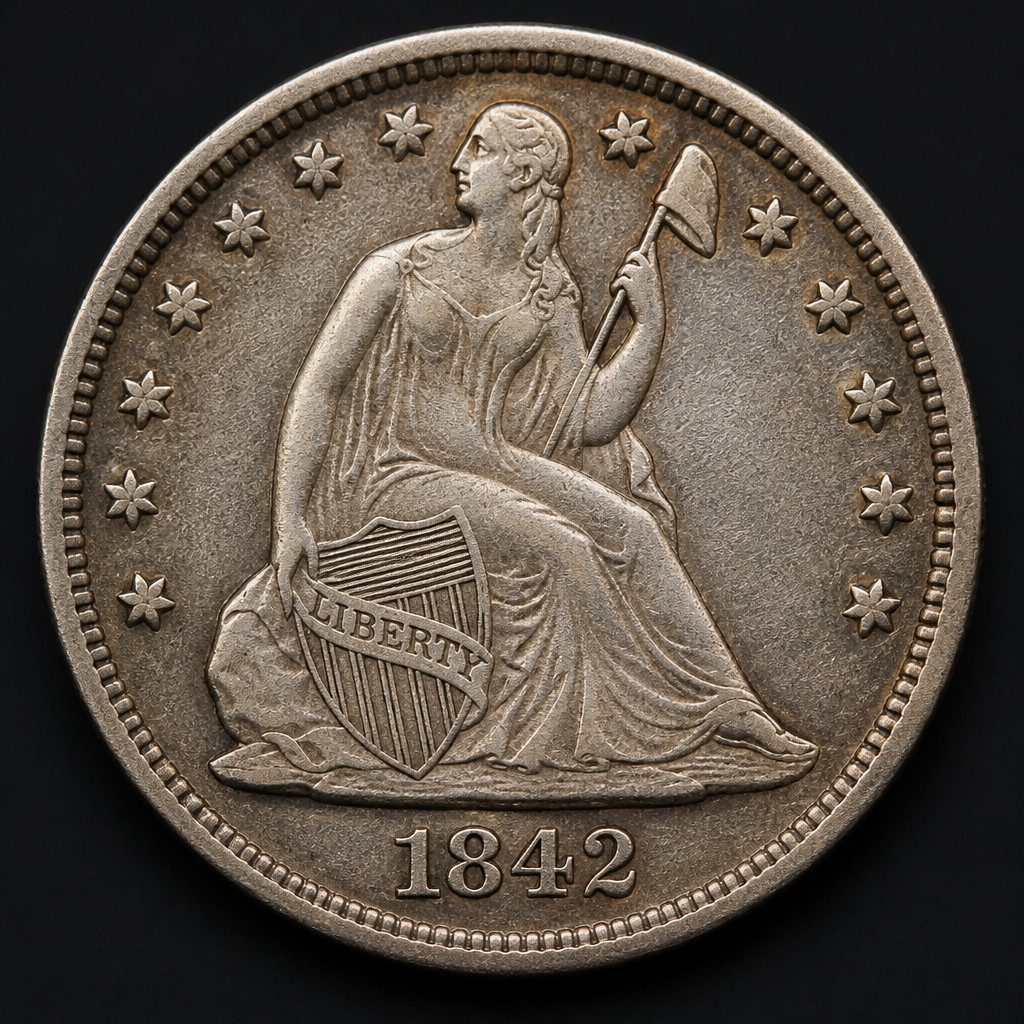
1842-O Small Date Seated Liberty Quarter
A famous condition and date rarity of the Seated Liberty series, struck at New Orleans from leftover small-date dies originally prepared for Philadelphia proof coinage.
United States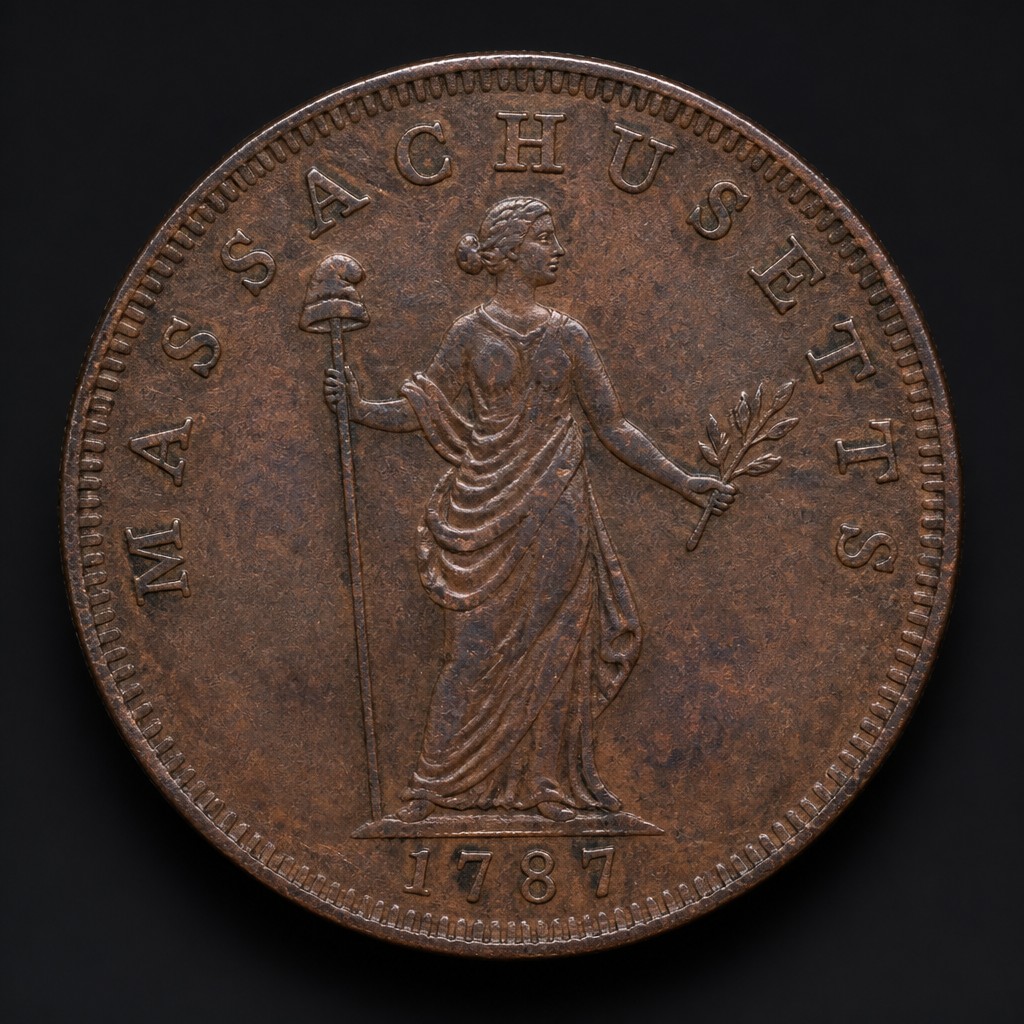
Massachusetts Cent (1787-1788)
State-issued copper coinage struck by the Commonwealth of Massachusetts in 1787 and 1788, notable as the first official U.S. coinage to use the denomination 'cent'.
United States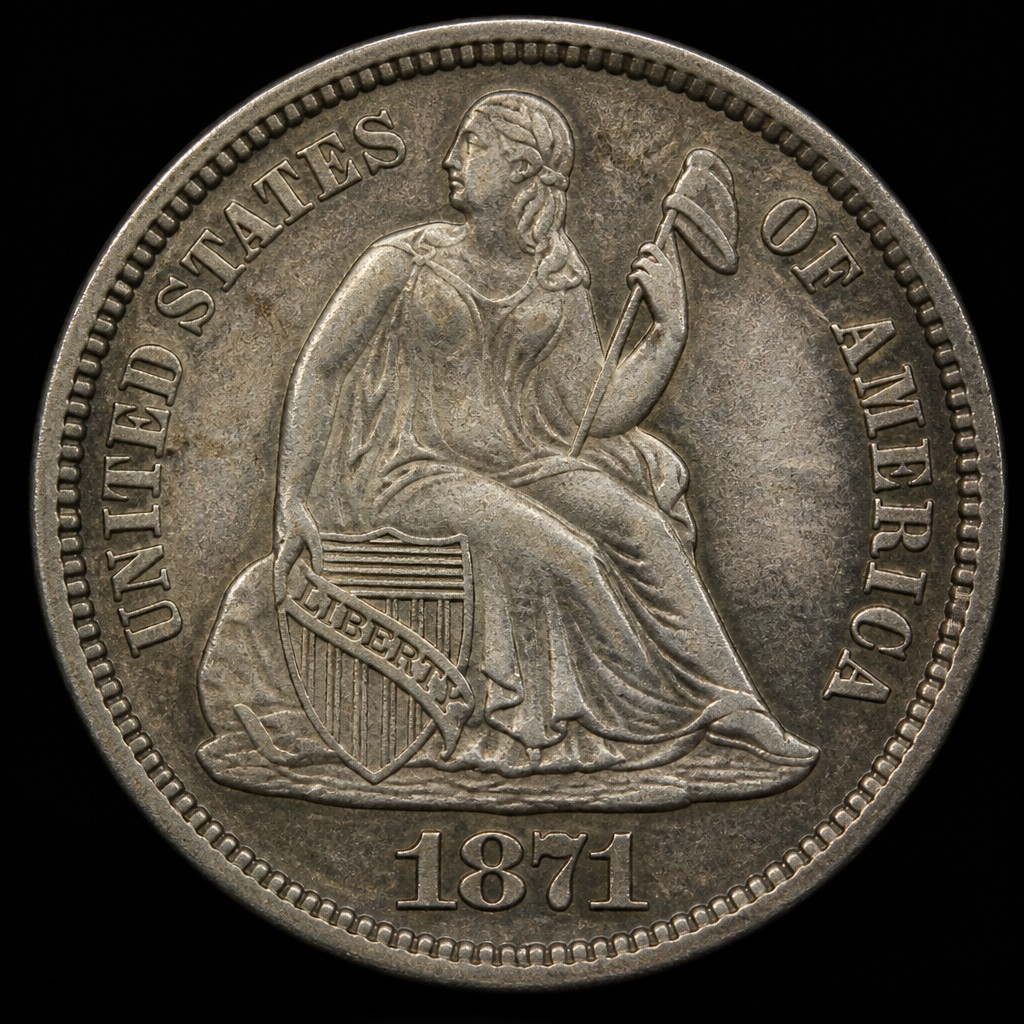
1871-CC Seated Liberty Dime
One of the first dimes struck at the newly opened Carson City Mint, produced in very limited numbers and highly prized by collectors of CC-mint coinage.
United States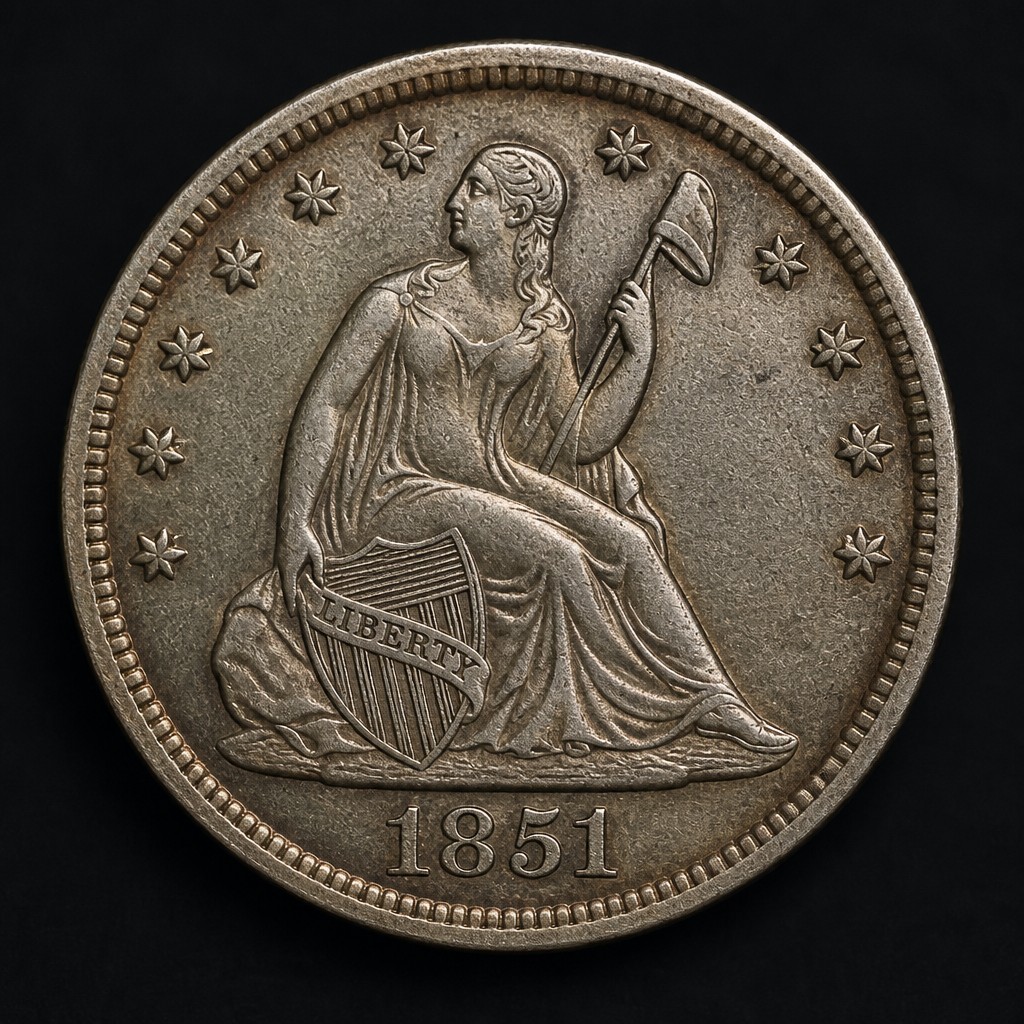
1851 Silver Three-Cent Piece
The first-year issue of the tiny Type I silver three-cent piece, nicknamed the trime, created to ease a national shortage of small change and postage-stamp coinage.
United States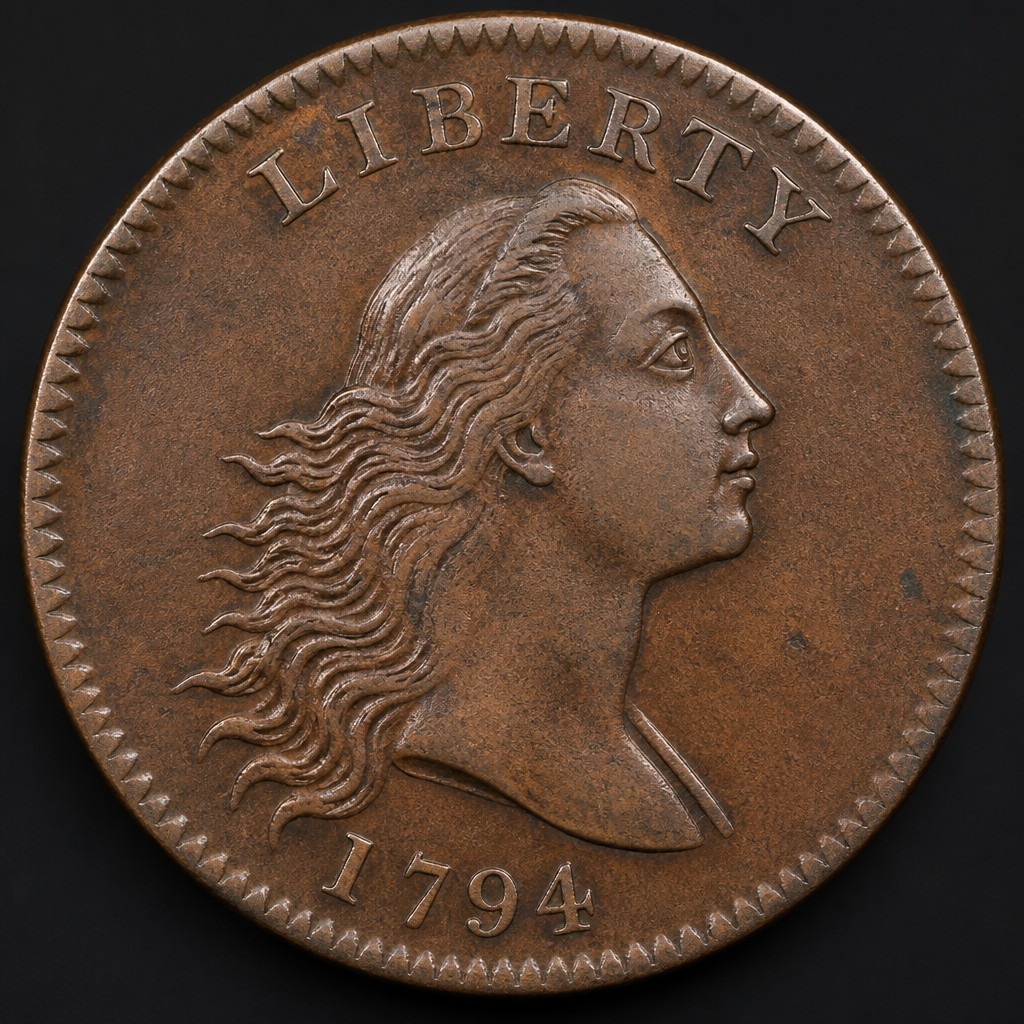
1794 Flowing Hair Cent
An early United States large copper cent from the first years of the Mint, associated with the Flowing Hair Liberty portrait used on the nation's earliest coinage.
United States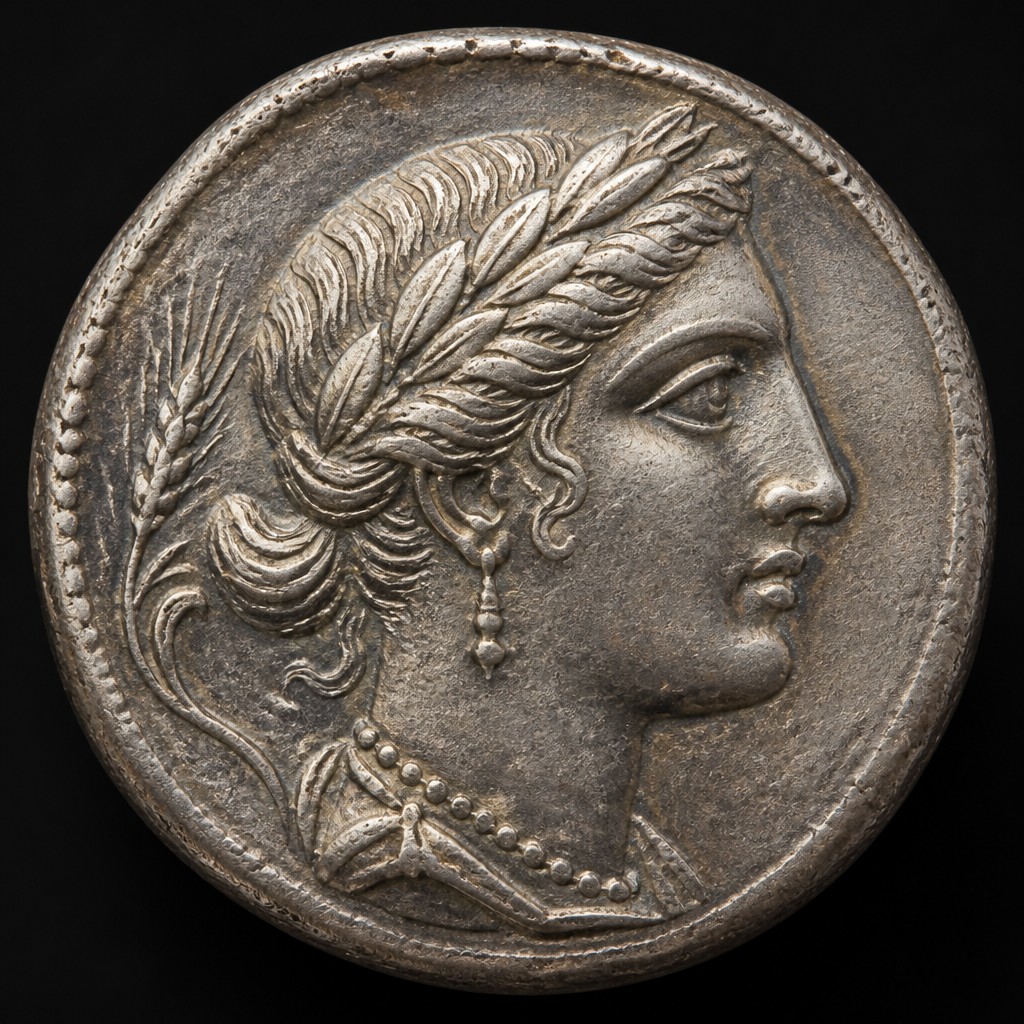
Panormus Siculo-Punic Tetradrachm
A silver tetradrachm struck at Panormus under Carthaginian control in Sicily, blending Greek artistic style with Punic legends, a hallmark of the distinctive Siculo-Punic coinage series.
Ancient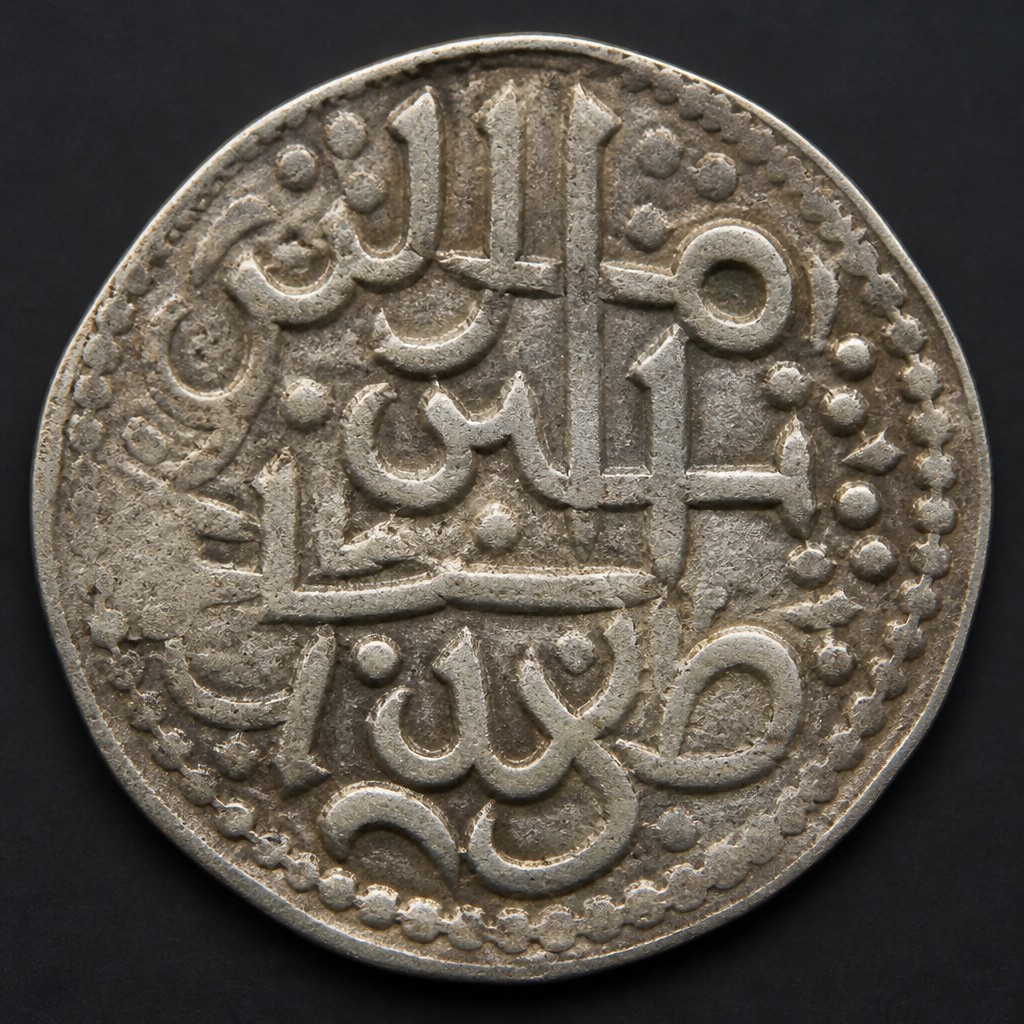
Ottoman Silver Akce
A tiny silver coin that served as the basic everyday currency unit of the Ottoman Empire for centuries, gradually shrinking in size and silver content as inflation took hold.
World