
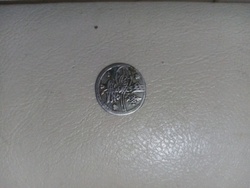
Ottoman Empire 1 Para - Mahmud II
Ottoman Empire (Turkey) · AH 1223 // Year 26 (approx. 1833 AD)
1 Para
Category
Browse sasanian empire (ancient persia) coins identified by the Coin Identifier community.
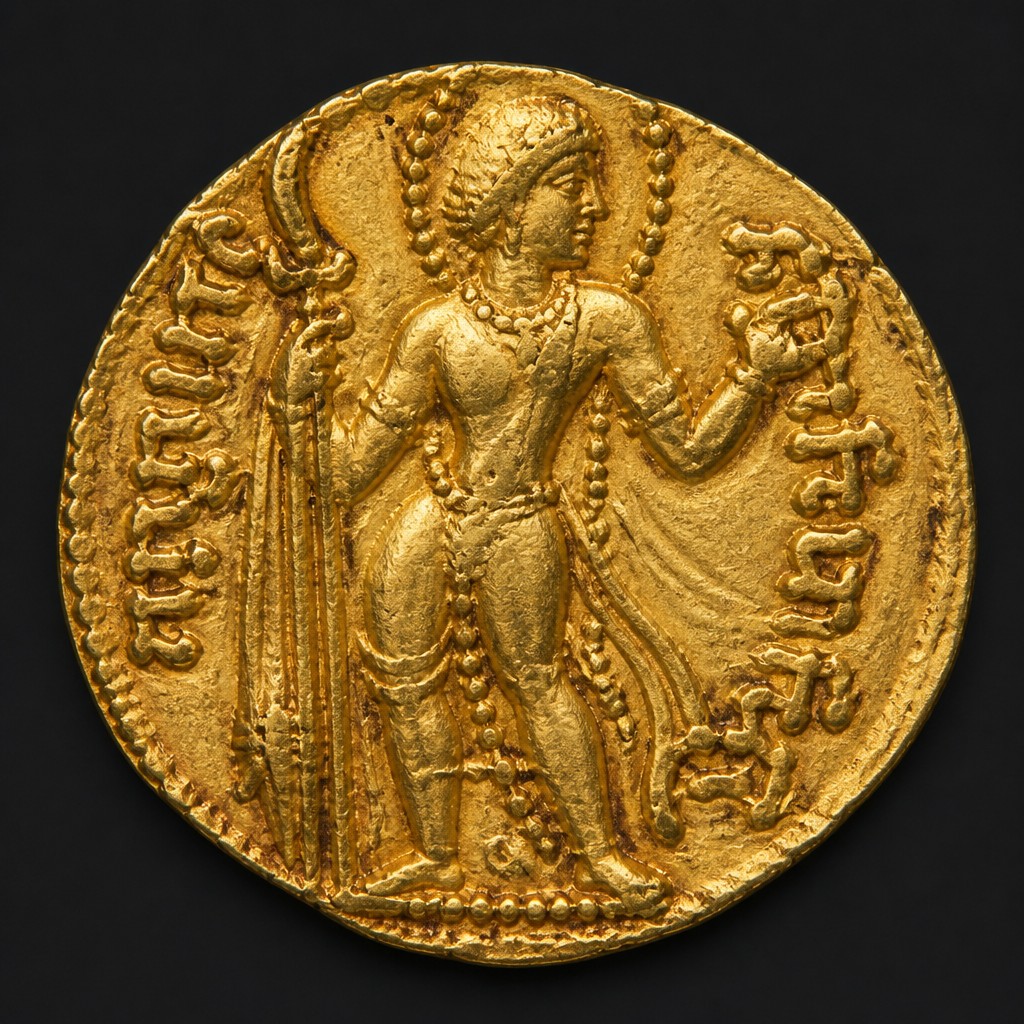
Gupta Empire Gold Dinar
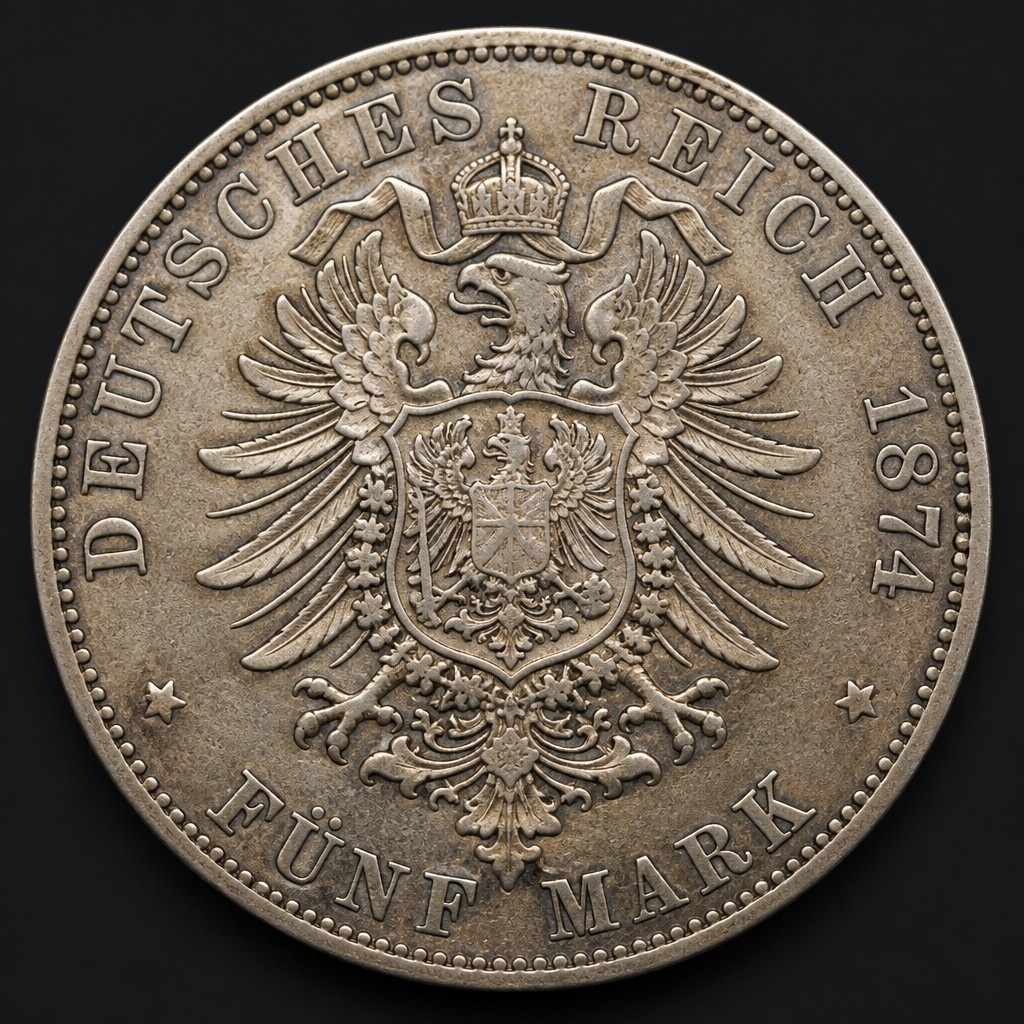
German Empire 5 Mark
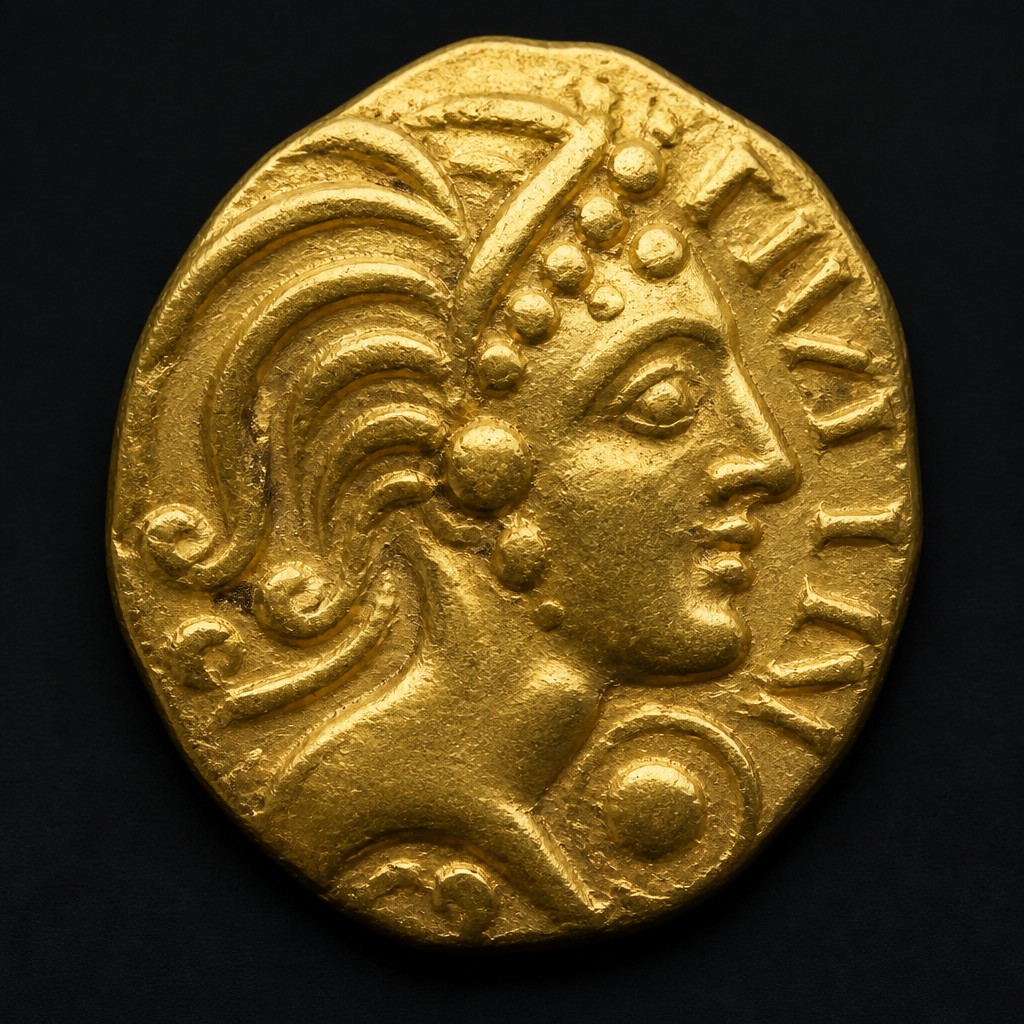
Ancient British Gold Stater (Cunobelin)
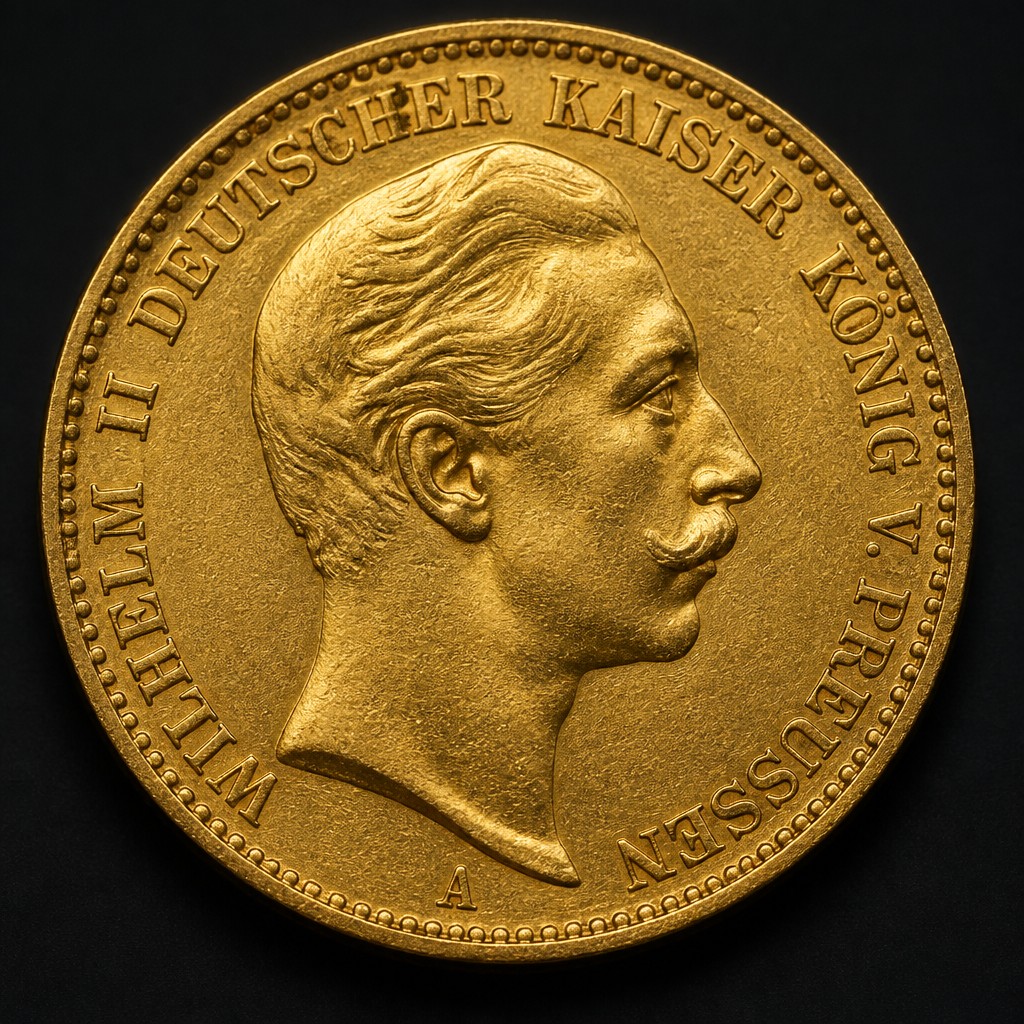
German Empire 20 Mark Gold (Wilhelm II)
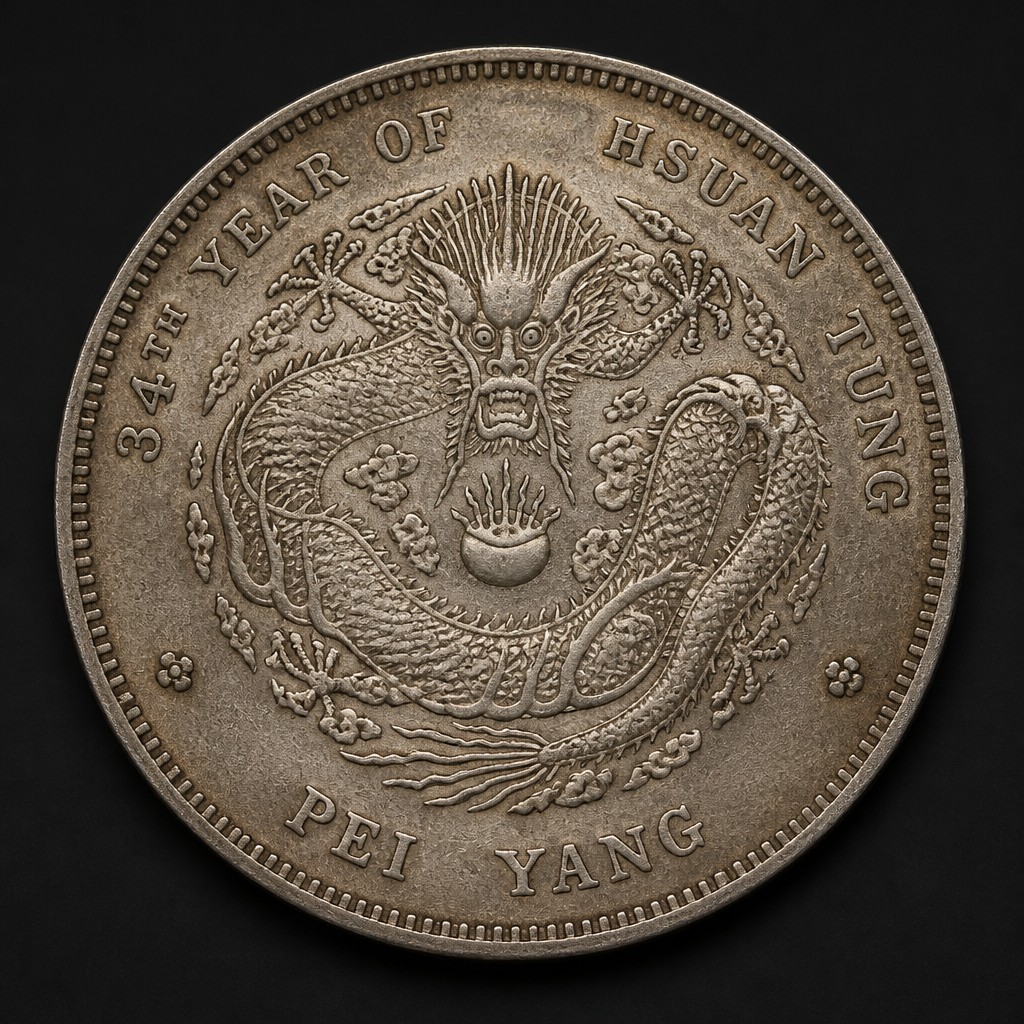
Chinese Empire Silver Dollar (Hsuan Tung Dragon)
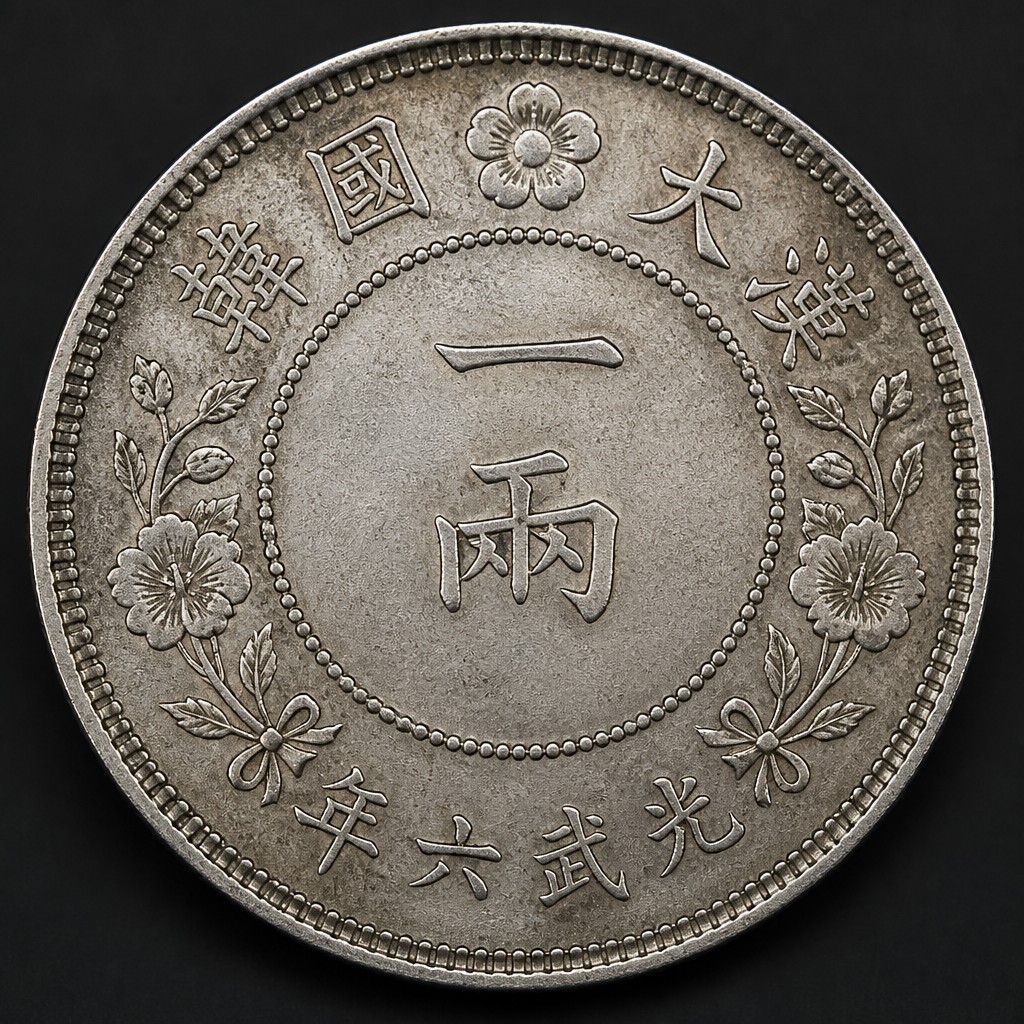
Korean 1 Yang Silver (Joseon/Great Han Empire)
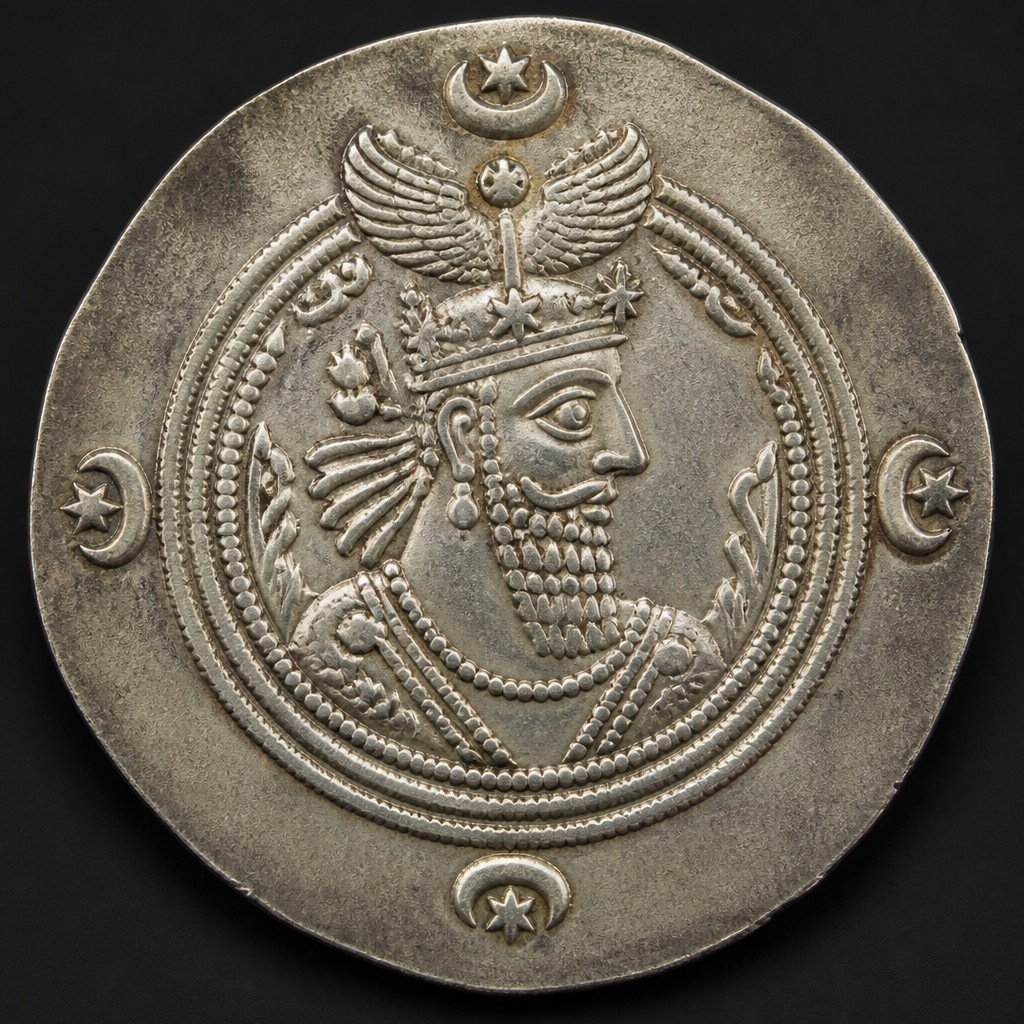
Persian Sassanid Silver Drachm
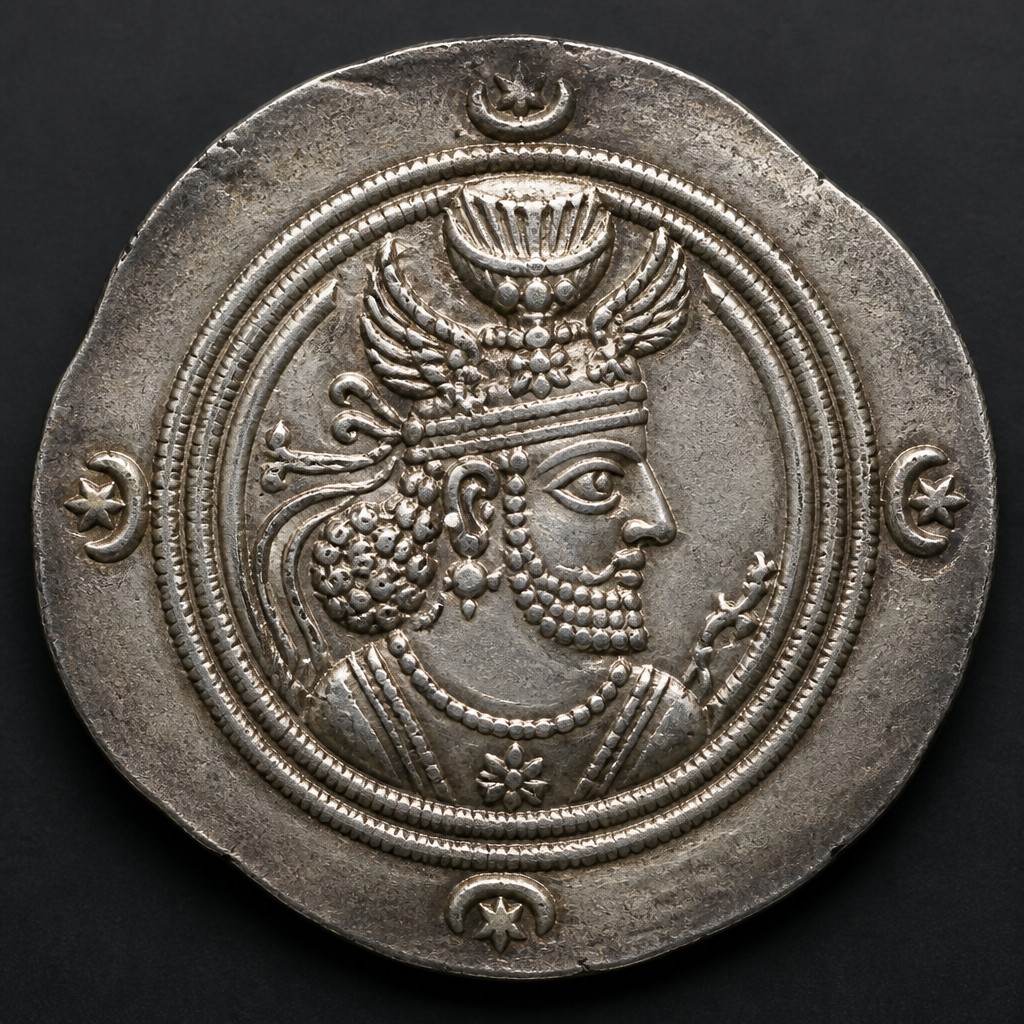
Sassanian Silver Drachm
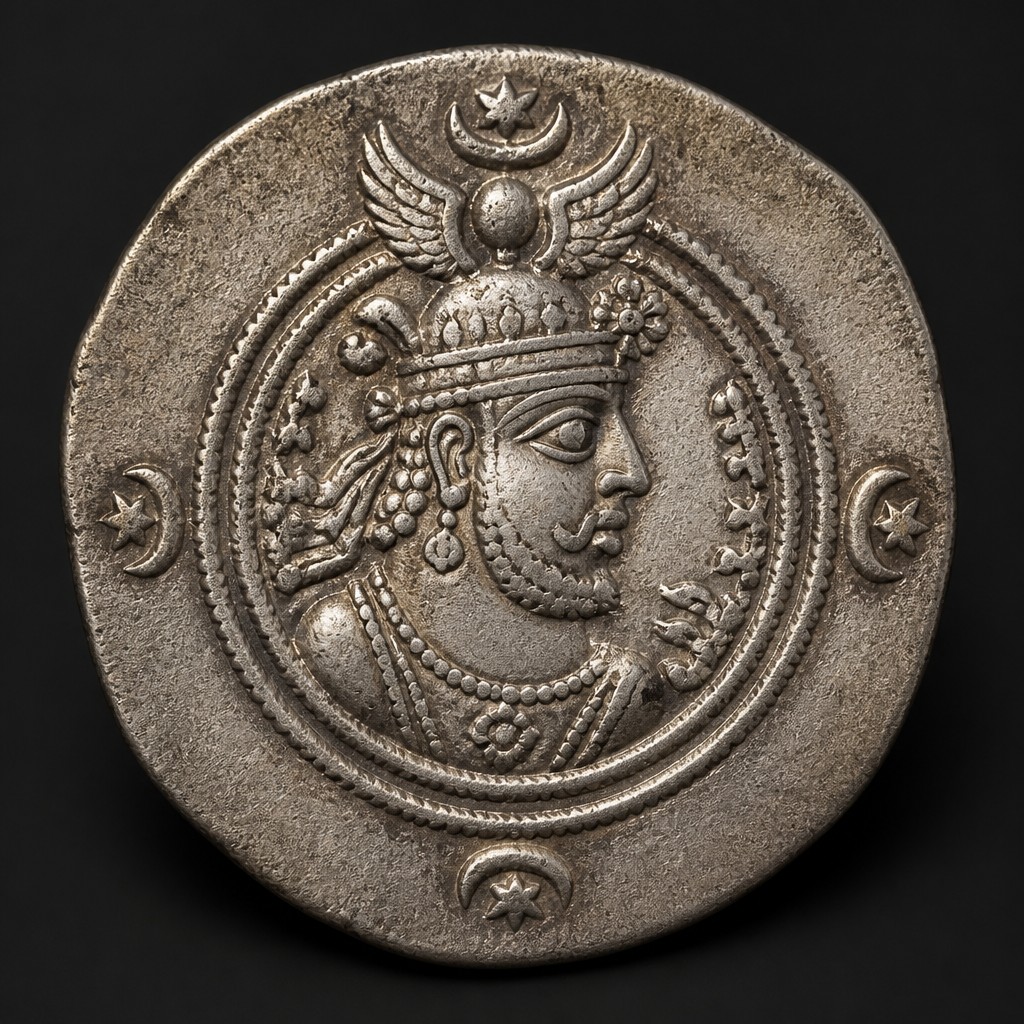
Sassanian Drachm of Khusro II
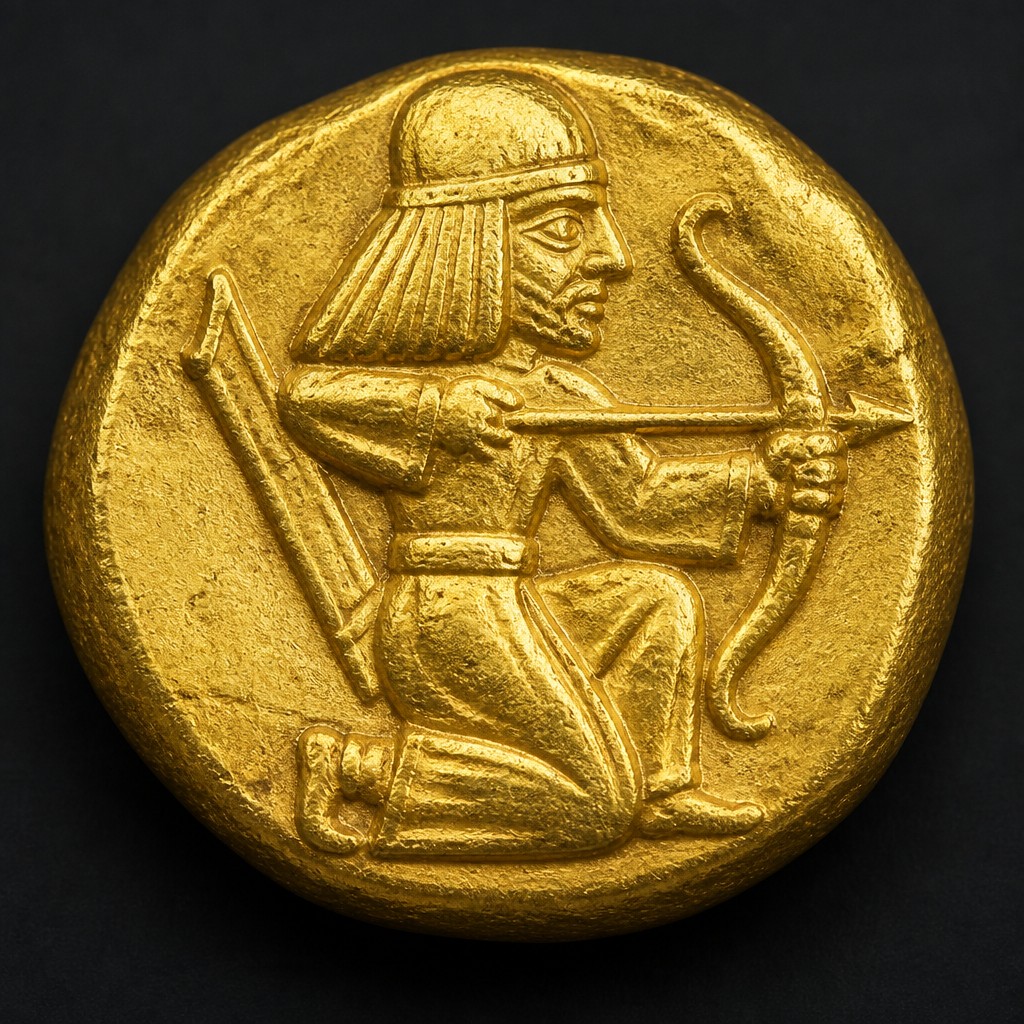
Persian Gold Daric
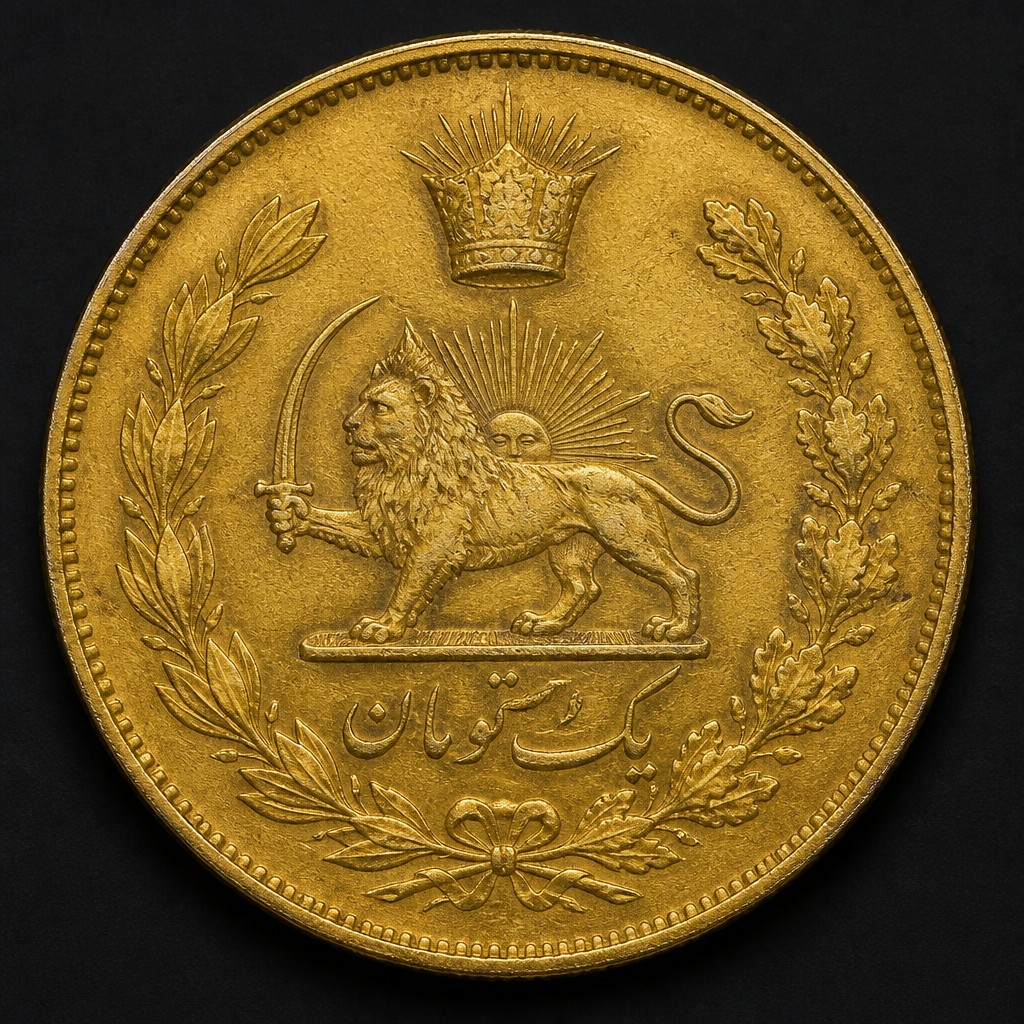
Persian Gold Toman (Qajar)
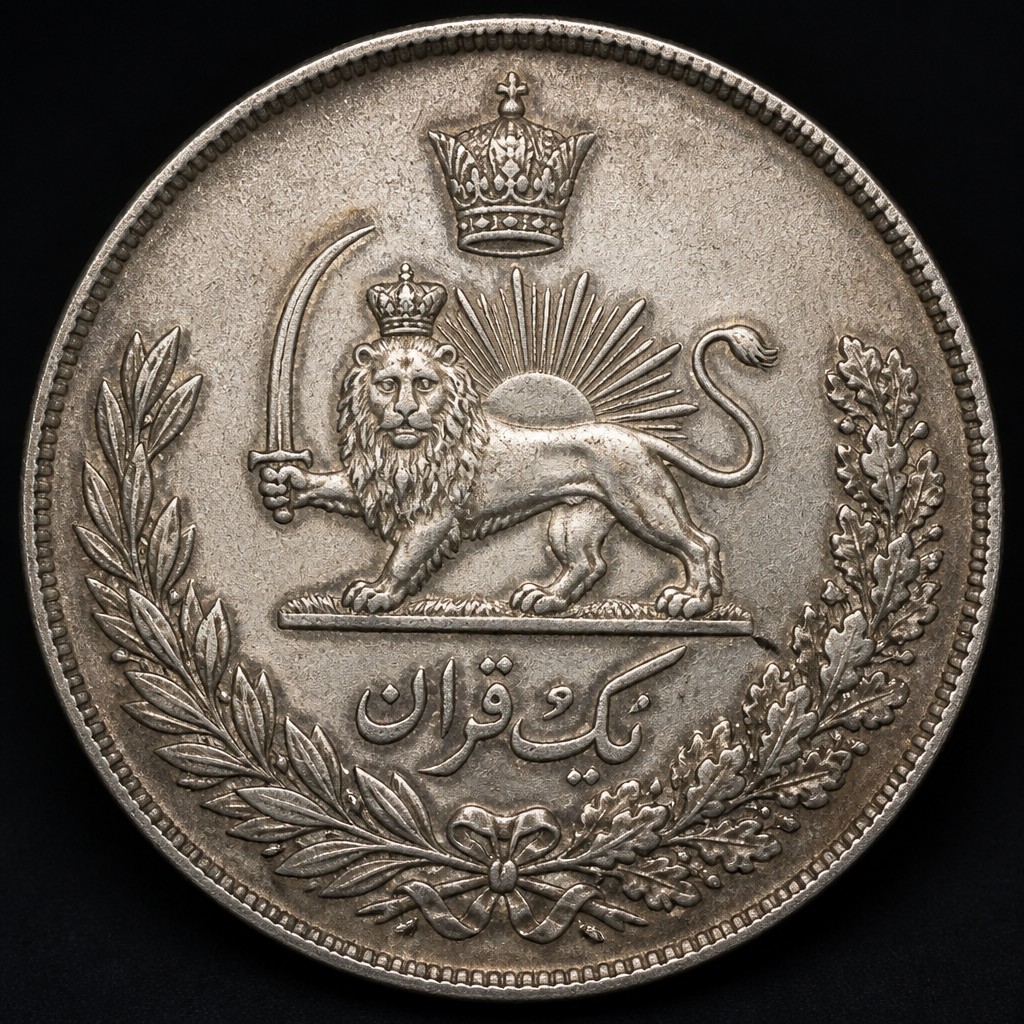
Persian Kran (Qajar silver)
Ottoman Empire 1 Para - Mahmud II
Ottoman Empire (Turkey) · AH 1223 // Year 26 (approx. 1833 AD)
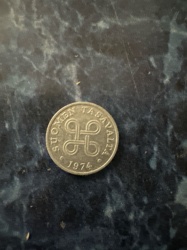
1 Penni
Finland · 1974
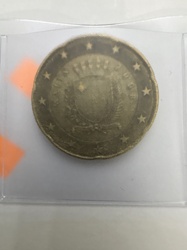
Provisional Government of Greece 1 Lepton
Greece · 1828
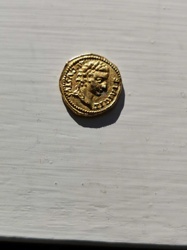
Commodus Aureus
Roman Empire (Rome Mint) · c. 175-177 AD
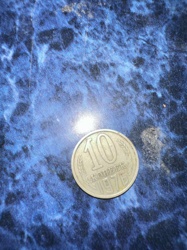
10 Kopecks
Soviet Union (USSR) · 1976

Unknown Copper Coin with Eagle Motif
Unknown (possibly Eastern European or Middle Eastern) · Unknown (likely 18th or 19th century given wear and style)
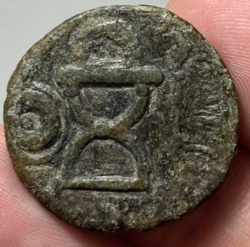
Anchor and Wheel Prutah of Alexander Jannaeus
Hasmonean Kingdom (Ancient Judea) · 103 BC to 76 BC
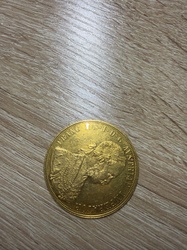
Austria 4 Ducat Franz Joseph I
Austria (Austrian Empire) · 1915 (Common Restrike)
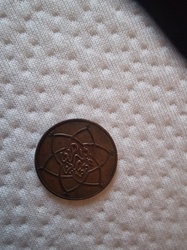
Morocco 5 Mazunas (AH 1320-1321)
Morocco (Cherifian Empire) · 1320-1321 AH (1902-1903 AD)
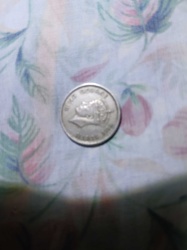
British India George VI One Rupee
India (British Empire) · 1938-1945 (Common range for this type)
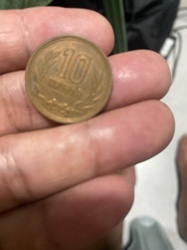
Japanese 10 Yen Coin (Byodo-in Temple)
Japan · Dates vary, but design is standard for coins from 1959 onwards. The specific year is written in Japanese era format on the reverse.
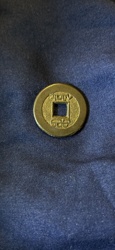
Chinese Cash Coin (e.g., Kai Yuan Tong Bao, Song Dynasty Cash Coin, Qing Dynasty Cash Coin, etc. - specific name depends on characters)
China · Uncertain from the image alone, but likely dates from a period between the Tang Dynasty (618-907 AD) and the Qing Dynasty (1644-1912 AD), as this style was common throughout these periods.
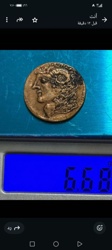
Tetradrachm of Lysimachus (Likely Modern Reproduction/Forgery)
Kingdom of Thrace (Ancient Greece) · Originals minted circa 305–281 BC

1 Euro (Maltese National Side)
Malta · 2008 (first year of issue for Maltese Euro coins) onwards
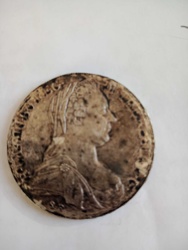
Maria Theresa Thaler (Restrike)
Austria (Austrian Empire) · 1780 (Frozen date; likely a modern restrike)
Could potentially be a Shilling, Sixpence, or similar denomination of British coinage.
United Kingdom (Great Britain) · Unable to determine the exact year from the provided image due to blurriness and distance. However, based on the design elements visible, it likely dates from the late 19th or early to mid-20th century. For example, the shield design with crown is present on various British coins across different reigns, including Victoria, Edward VII, George V, and George VI.
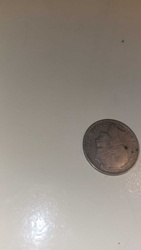
German Empire 5 Mark - Wilhelm II
German Empire (Kingdom of Prussia) · 1888-1913
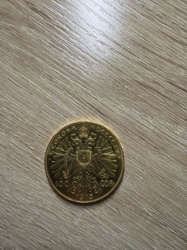
100 Corona Gold Coin
Austria · 1915
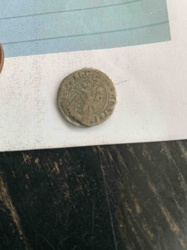
Unable to definitively identify; appears to be an ancient or medieval hammered coin
Uncertain; could be from various European or Mediterranean regions · Uncertain; based on the style, it appears to be from the medieval period (roughly 5th to 15th century).
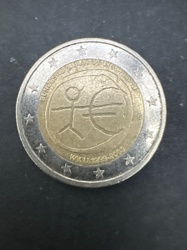
Treaty of Rome 2 Euro Commemorative Coin
Germany · 2009
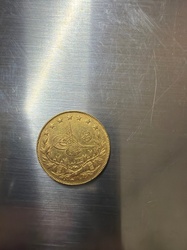
Ottoman Empire 100 Kurush (Lira) - Abdul Hamid II
Ottoman Empire (Modern-day Turkey) · AH 1293 // RY 33 (Approx. 1908 AD)
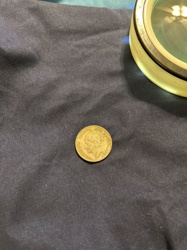
French 20 Francs (Louis Napoléon Bonaparte)
France · Based on the visible effigy, this coin is likely from the reign of Louis Napoléon Bonaparte (later Napoleon III) as President or Emperor of France. Specific dates for 20 Francs coins of this type range from 1852 (as Prince-President) through 1870 (as Emperor). Without a clearer image of the date, a precise year cannot be determined, but it falls within this range.
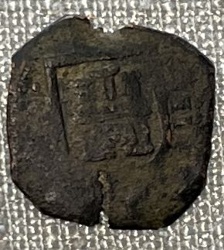
Maravedí
Spain (or Spanish colonial territories) · Likely 16th-17th century (exact year difficult to determine from image due to wear)
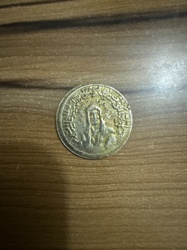
Likely a coin from a Persian or Islamic dynasty; potentially a 'Shahi' or similar denomination, though specific identification without clear inscriptions is difficult.
Persian Empire (various dynasties), Central Asian Khanates, or areas under Islamic rule in the Middle East. · Based on the style and iconography, this coin likely dates from the medieval Islamic period, roughly between the "12th and 18th centuries AD" (6th to 12th centuries AH), but a precise year cannot be determined without clearer inscription details.
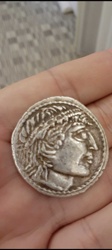
Greek Tetradrachm (Shekel of Tyre style)
Tyre (Ancient Phoenicia, modern Lebanon) · Circa 126 BC – 65 AD
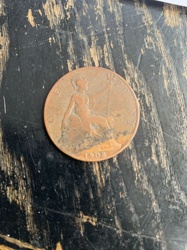
Penny (Edward VII)
United Kingdom · 1908
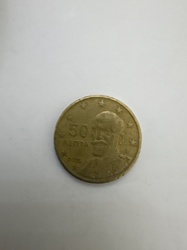
50 Lepta - Georgios Karaiskakis
Greece · 2002
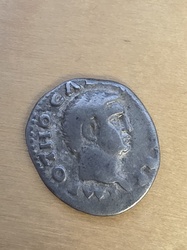
Denarius of Otho
Roman Empire (Rome Mint) · 69 AD (January - April)
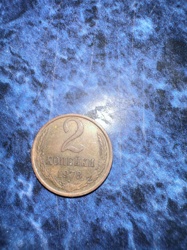
2 Kopecks
Soviet Union (USSR) · 1978
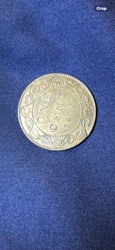
One Cent (Maple Leaf design)
Canada · 1910
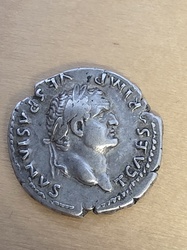
Denarius of Titus (as Caesar under Vespasian)
Roman Empire (Rome Mint) · 77-78 AD
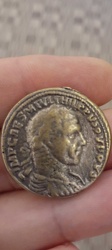
Sestertius of Philip I (Philip the Arab)
Roman Empire (Rome Mint) · 244-249 AD
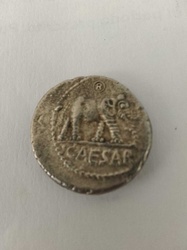
Julius Caesar Elephant Denarius (Modern Reproduction)
Roman Republic (Original issuer); Modern Reproduction (Physical object) · Original minted c. 49-48 BC; Reproduction date unknown
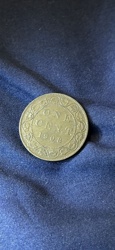
One Cent
British Straits Settlements · 1908
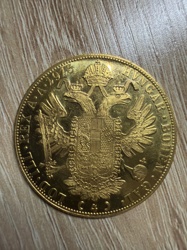
Austrian Four Ducat
Austria-Hungary · 1915
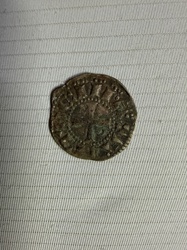
Edward I Penny (New Coinage, Class 3b)
England · Circa 1279-1280
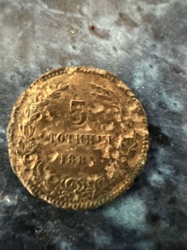
5 Stotinki
Bulgaria · 1883
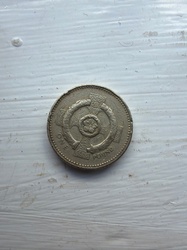
United Kingdom 'Northern Ireland' Celtic Cross 1 Pound
United Kingdom (Royal Mint) · 2001
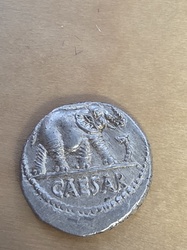
Julius Caesar Elephant Denarius
Roman Republic, Field Mint (Moving with Caesar) · 49-48 BC
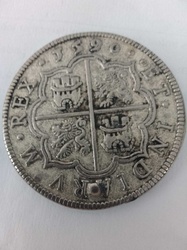
8 Reales (Spanish Colonial 'Pieces of Eight')
Spanish Empire, Viceroyalty of Mexico (Mexico City Mint) · 1739; Philip V reign
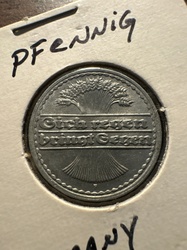
Germany 50 Pfennig (Weimar Republic Aluminum Issue)
Germany (Weimar Republic) · 1921
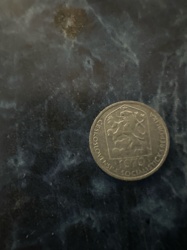
1 Koruna
Czechoslovakia (Ceskoslovenska Socialisticka Republika) · 1970