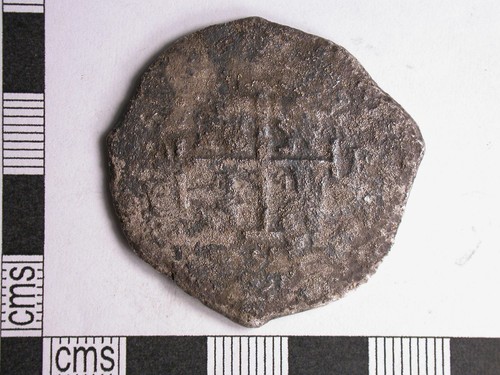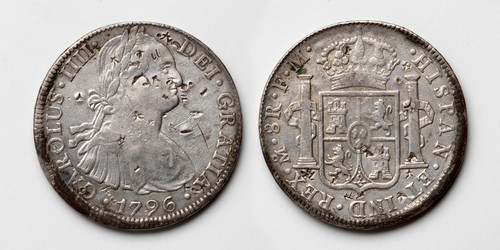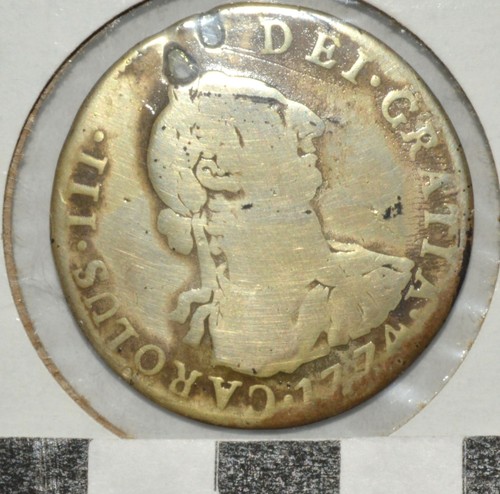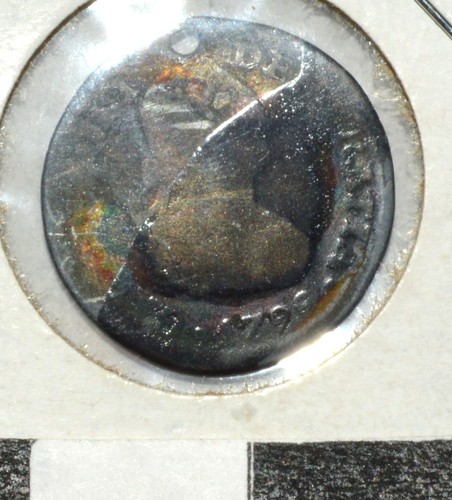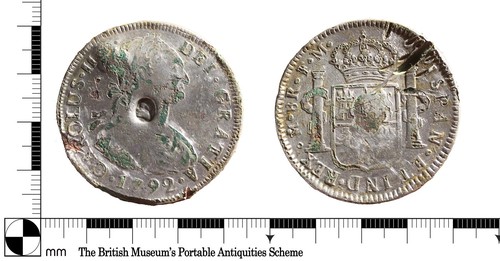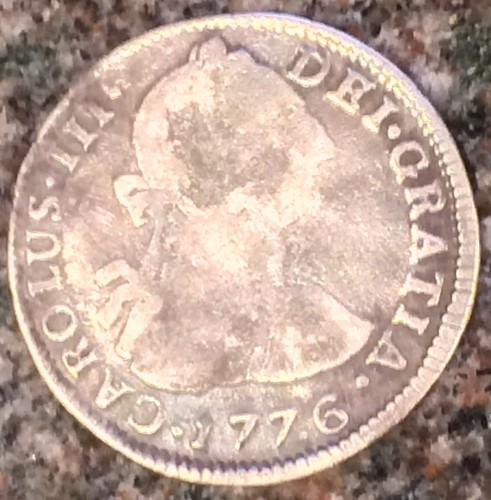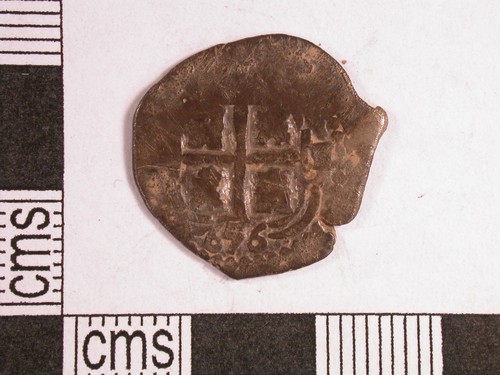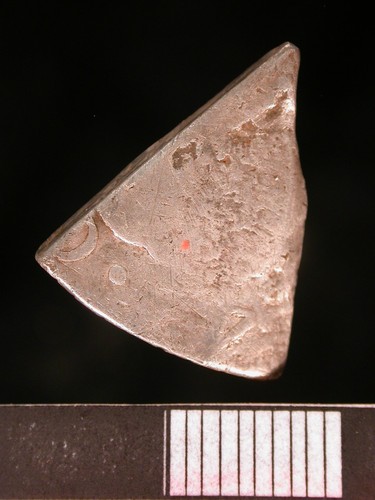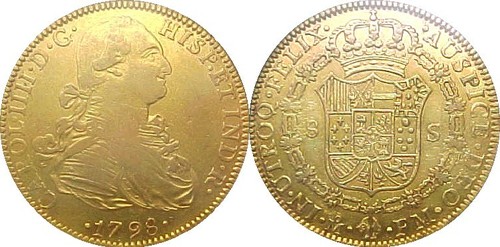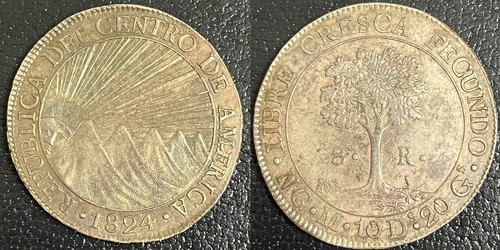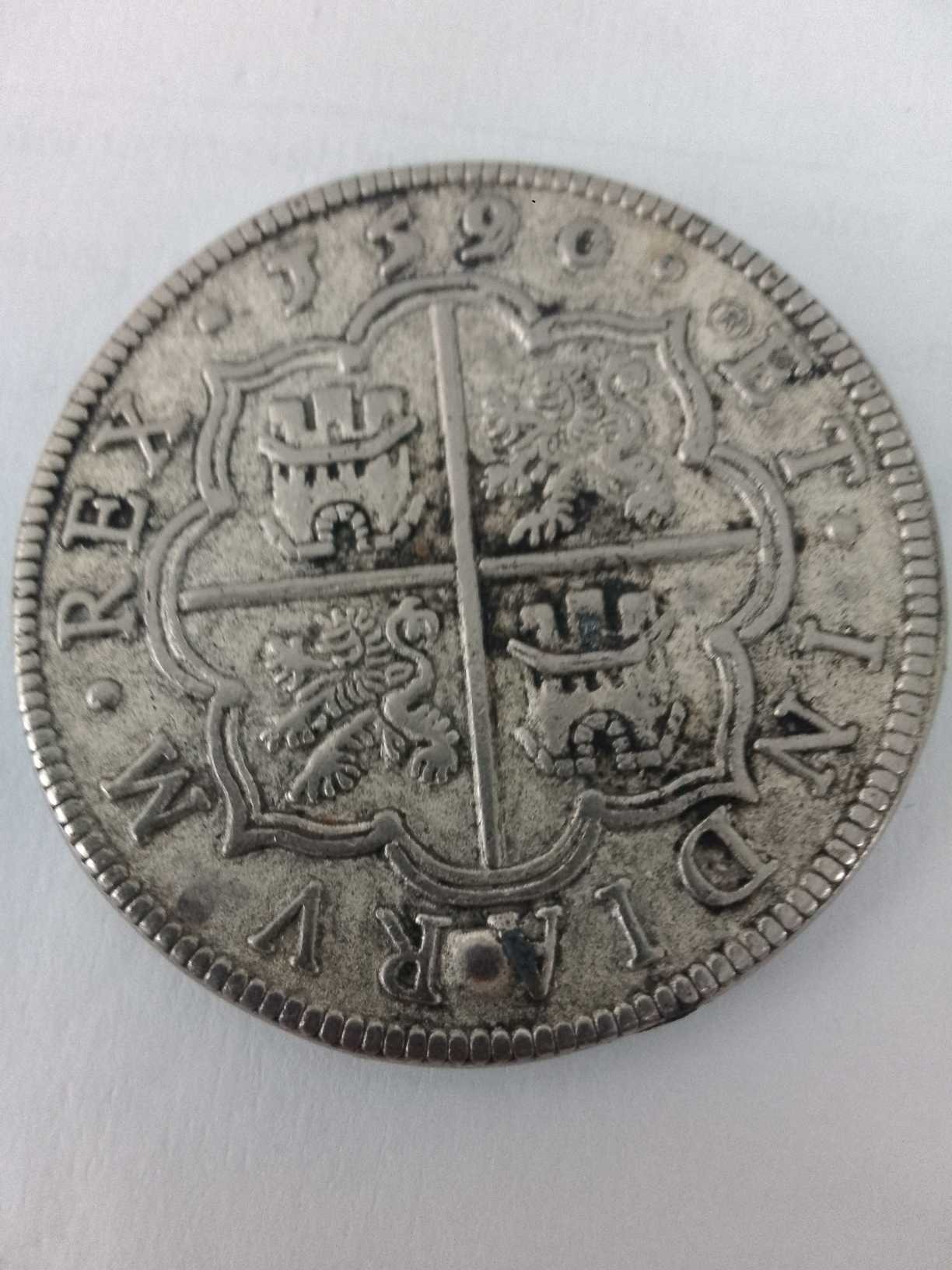
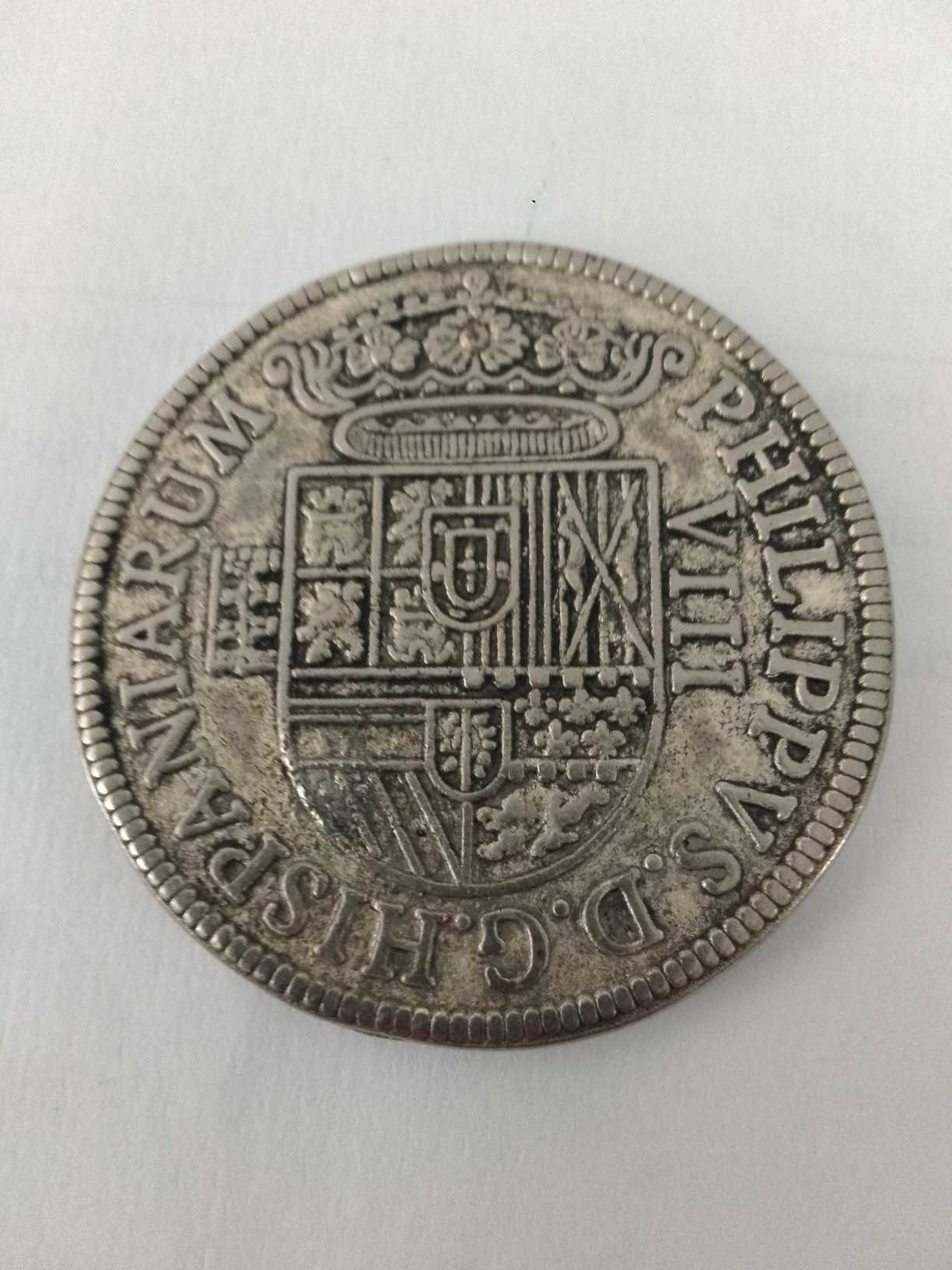
8 Reales (Spanish Colonial 'Pieces of Eight')
Spanish Empire, Viceroyalty of Mexico (Mexico City Mint) · 1739; Philip V reign
A silver Spanish Colonial coin known as a Columnar or 'Pillar Dollar', featuring a crowned coat of arms on one side and the cross with lions and castles on the other.
- Country
- Spanish Empire, Viceroyalty of Mexico (Mexico City Mint)
- Year
- 1739; Philip V reign
- Denomination
- 8 Reales
- Metal
- Silver (.917 fineness)
This report is AI-generated and can be wrong. Always verify grade, authenticity, and value with a qualified dealer or certified grading service before buying, selling, or insuring.
Identify your own coins.
Get a report just like this from any photo, free.
Overview
Historical significance
Obverse (front)
Reverse (back)
Estimated value
What drives this coin's value
Grade assessment
Mintage & rarity
Authenticity & counterfeit red flags
Notable varieties & errors
Similar coins
Care & preservation
More like this
Other spanish empire, viceroyalty of mexico (mexico city mint) coins
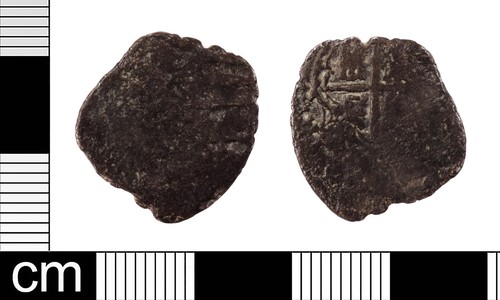
Spanish Colonial Silver Cob (Likely 2 Reales)
Spanish Empire (Minted in the Americas, such as Mexico City or Potosi) · Circa 16th to 18th Century (c. 1550-1730)
Vatican City 2 Euro Commemorative Coin (World Meeting of Families)
Vatican City · 2008
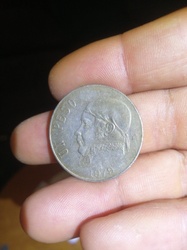
Mexico One Peso (Morelos Type)
Mexico (Estados Unidos Mexicanos) · 1979
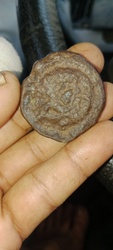
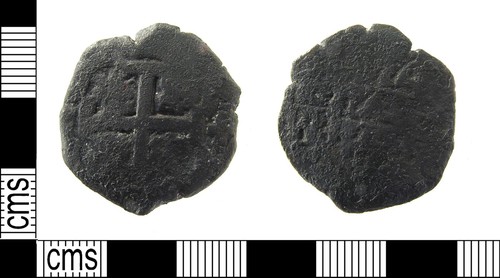
Spanish Colonial Cob (likely 8 Reales)
Viceroyalty of Peru or New Spain (Modern-day Mexico, Peru, or Bolivia) · c. 1572-1733
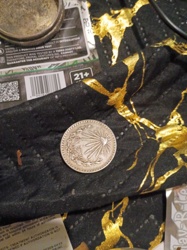
Mexico 1 Peso 'Radiant Sun/Cap'
Mexico · 1948
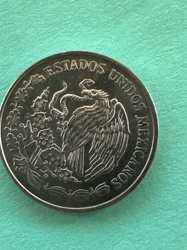
Mexican Peso
Mexico · Circa 1992-Present