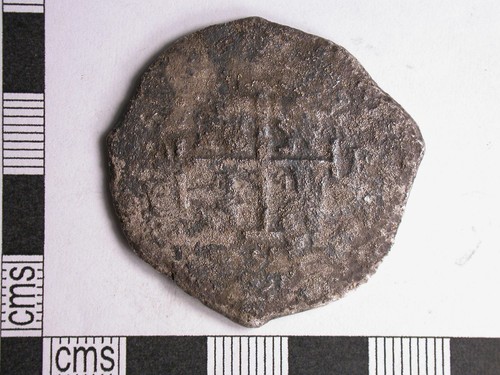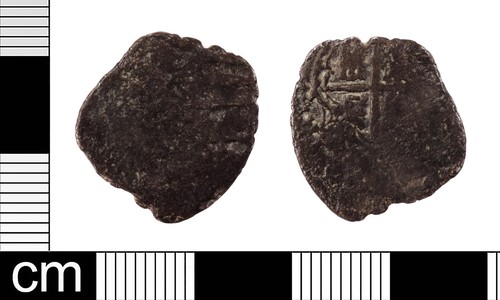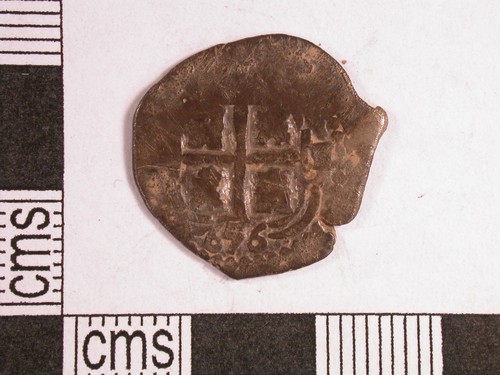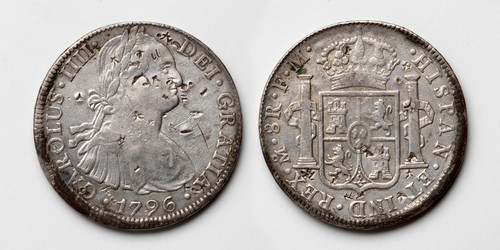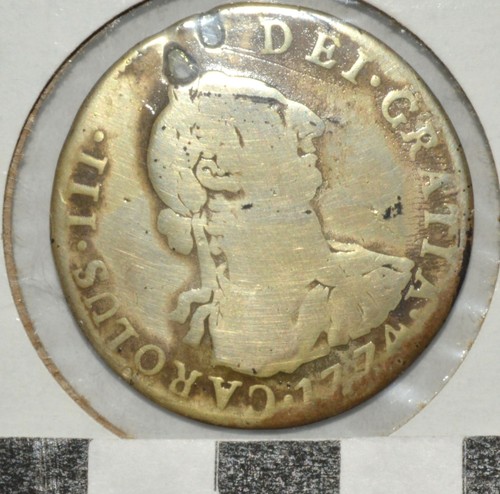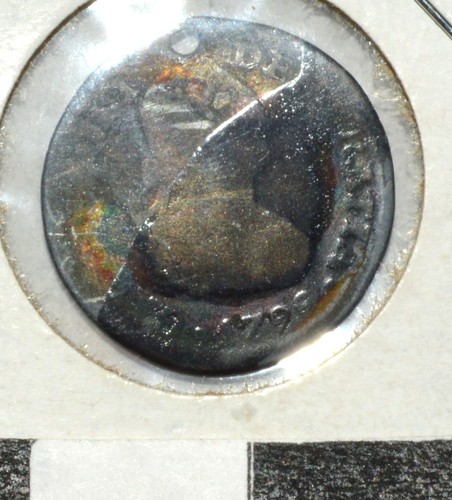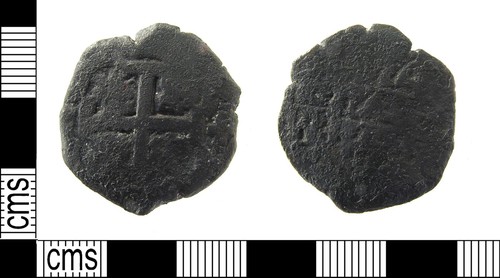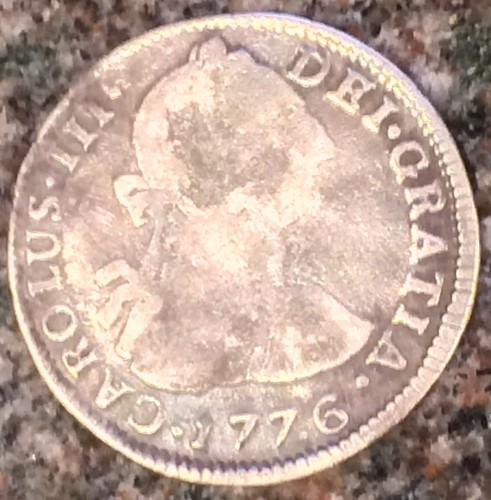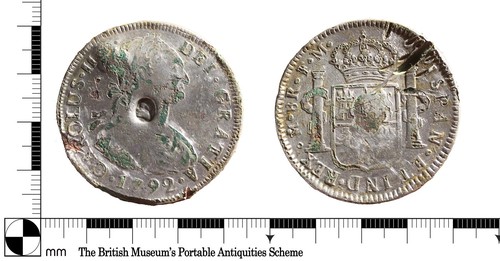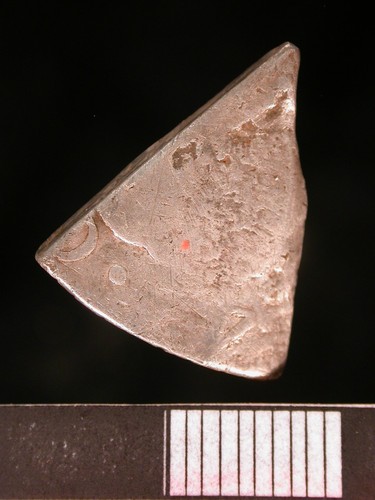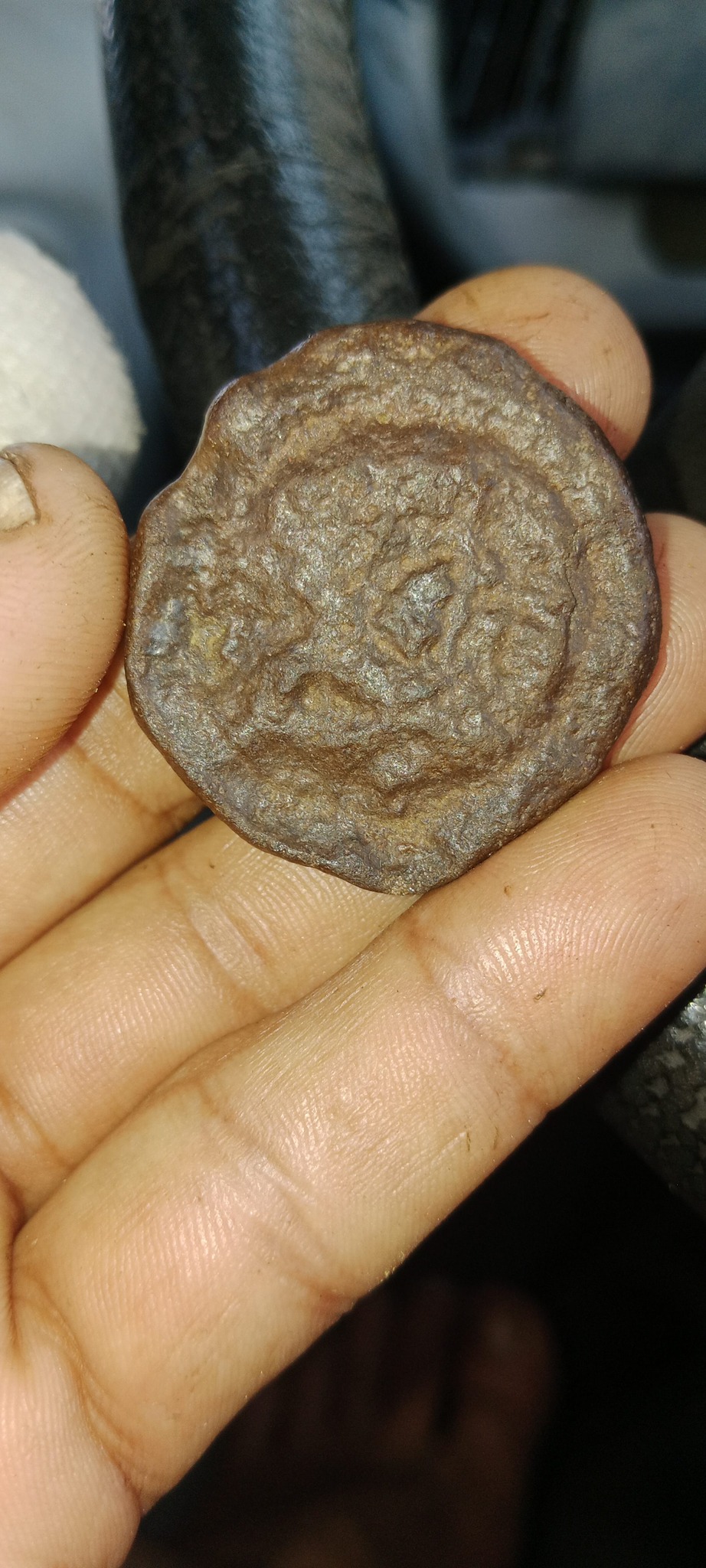
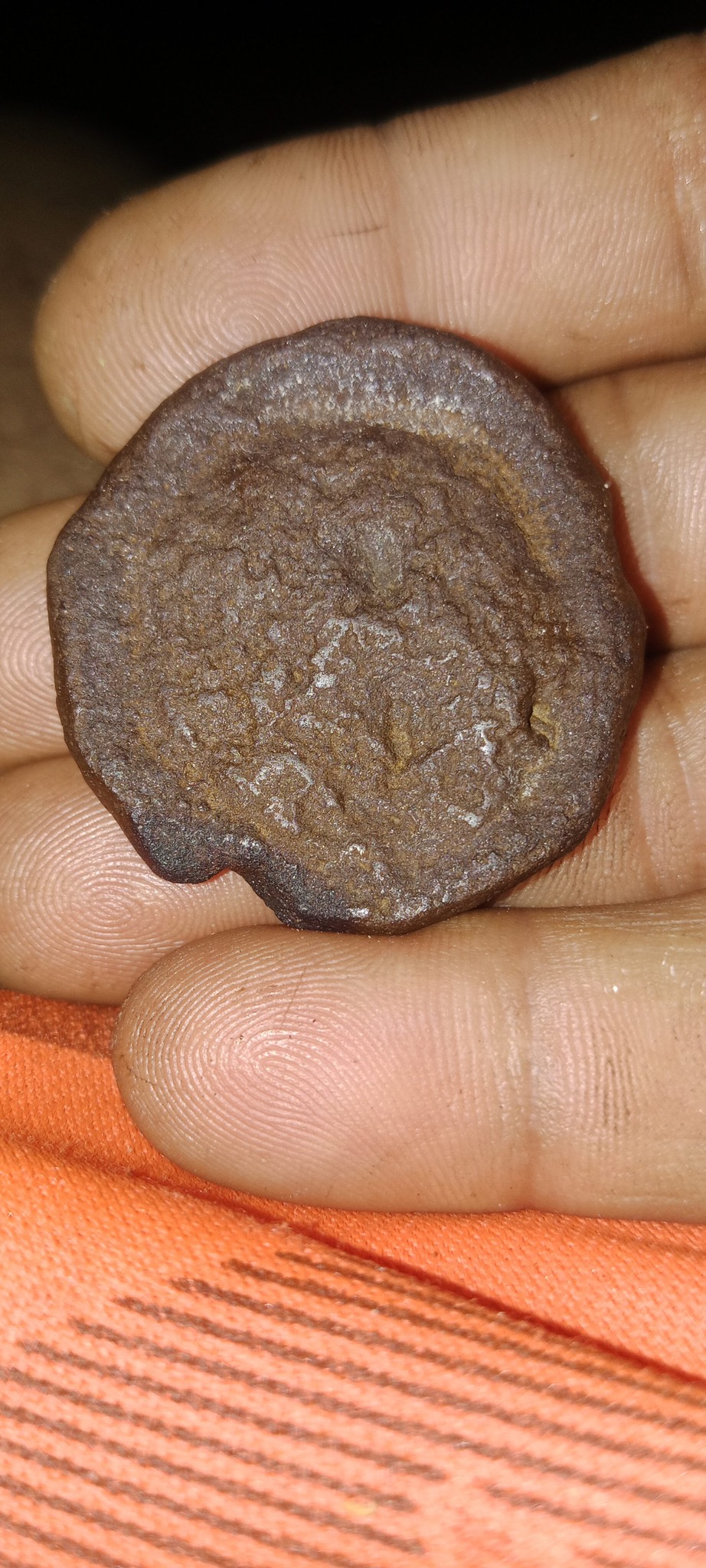
Spanish Colonial Cob (likely 8 Reales)
Viceroyalty of Peru or New Spain (Modern-day Mexico, Peru, or Bolivia) · c. 1572-1733
An irregularly shaped, thick precious metal 'cob' coin with heavy corrosion, environmental encrustation, and a dark brown/black patina.
- Country
- Viceroyalty of Peru or New Spain (Modern-day Mexico, Peru, or Bolivia)
- Year
- c. 1572-1733
- Denomination
- 8 Reales (Piece of Eight)
- Metal
- Silver (typically .931 fine originally, though heavily corroded/mineralized)
- Grade
- Poor / Environmentally Damaged
This report is AI-generated and can be wrong. Always verify grade, authenticity, and value with a qualified dealer or certified grading service before buying, selling, or insuring.
Identify your own coins.
Get a report just like this from any photo, free.
Overview
Historical significance
Obverse (front)
Reverse (back)
Estimated value
What drives this coin's value
Grade assessment
Mintage & rarity
Authenticity & counterfeit red flags
Notable varieties & errors
Similar coins
Care & preservation
More like this
Other viceroyalty of peru or new spain (modern-day mexico, peru, or bolivia) coins
8 Reales (Spanish Colonial 'Pieces of Eight')
Spanish Empire, Viceroyalty of Mexico (Mexico City Mint) · 1739; Philip V reign
1 Bolívar
Venezuela · 1967
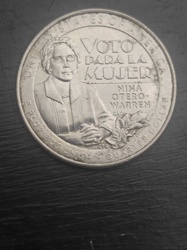
American Women Quarters - Nina Otero-Warren
United States · 2022
100 Soles de Oro
Peru · Based on typical designs and the denomination, this coin likely dates from the mid-20th century, possibly the 1960s or 1970s. A precise year is not visible in the provided image.
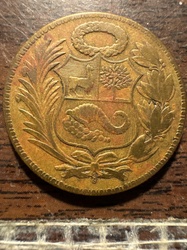
Peru 1/2 Sol de Oro
Peru · 1943
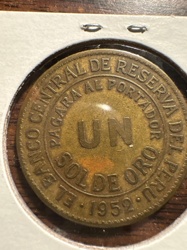
Peru 1 Sol de Oro
Peru · 1952