Coin Identifier
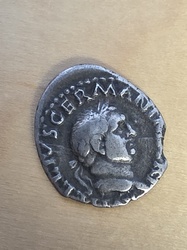
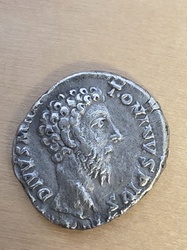
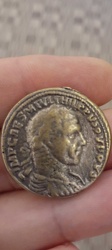
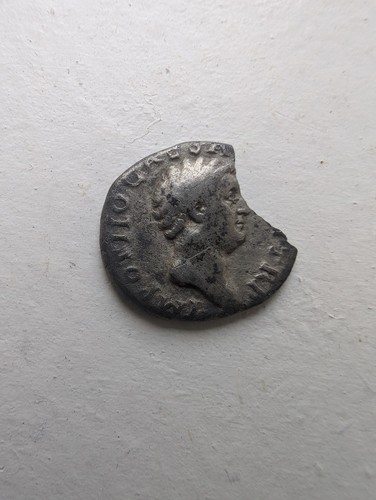
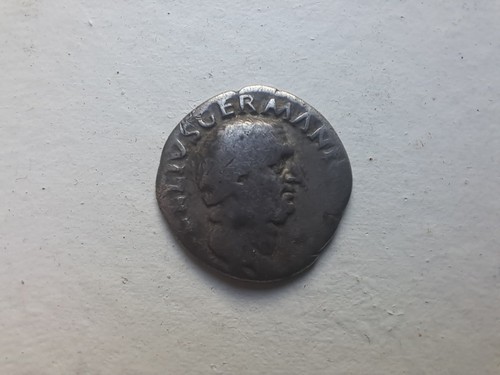
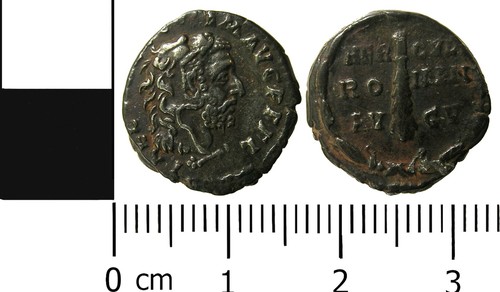
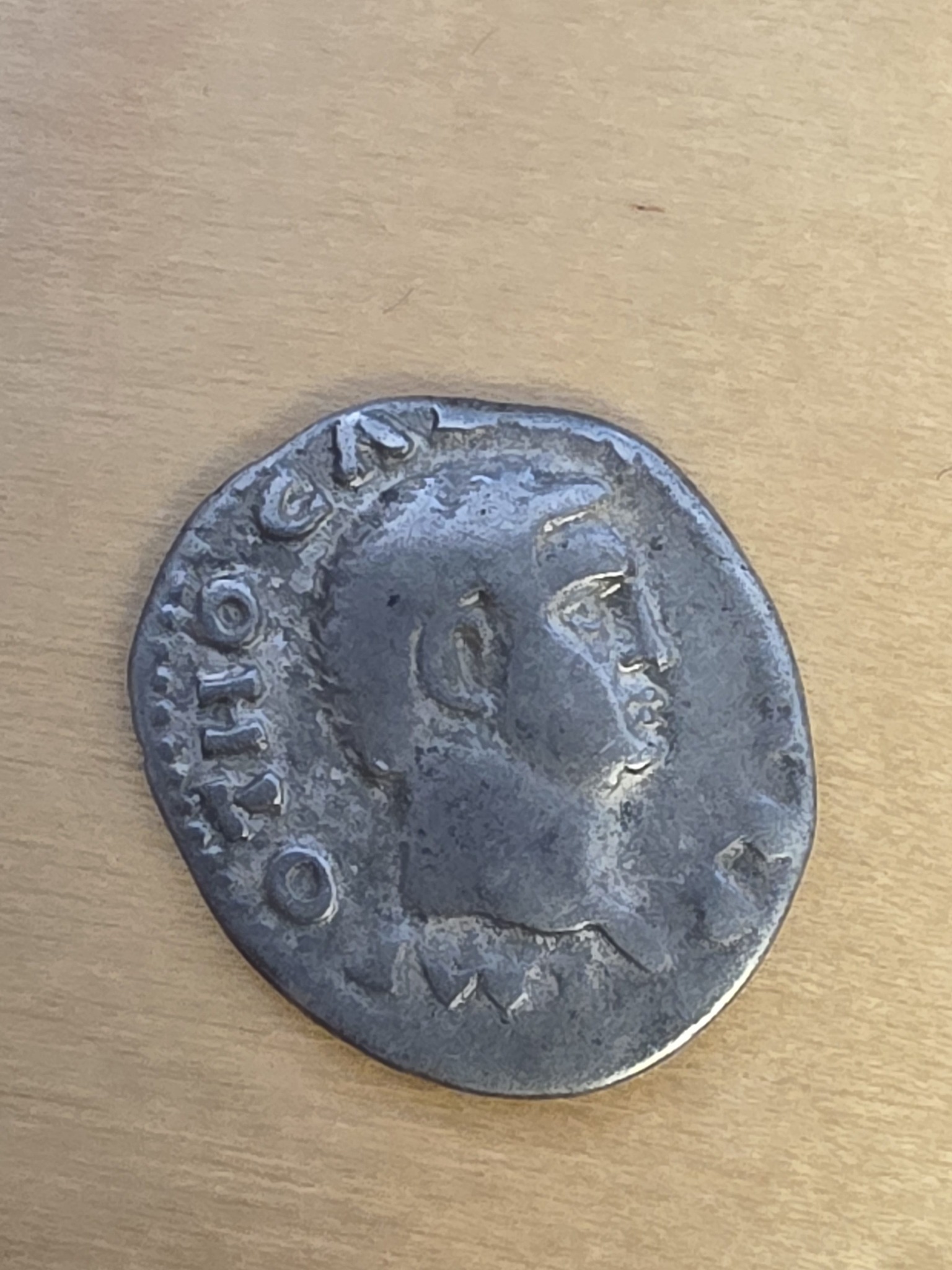
Denarius of Otho — obverse
Obverse
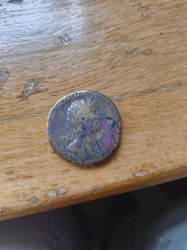
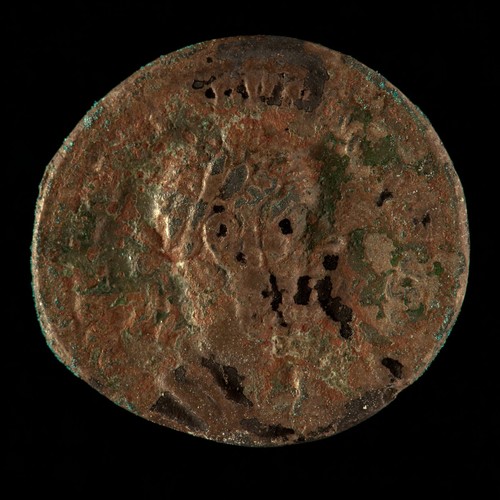
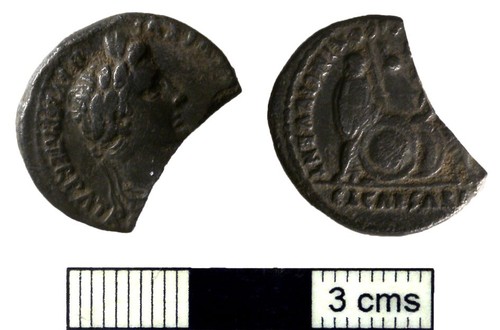
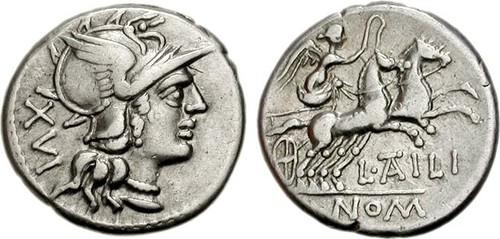
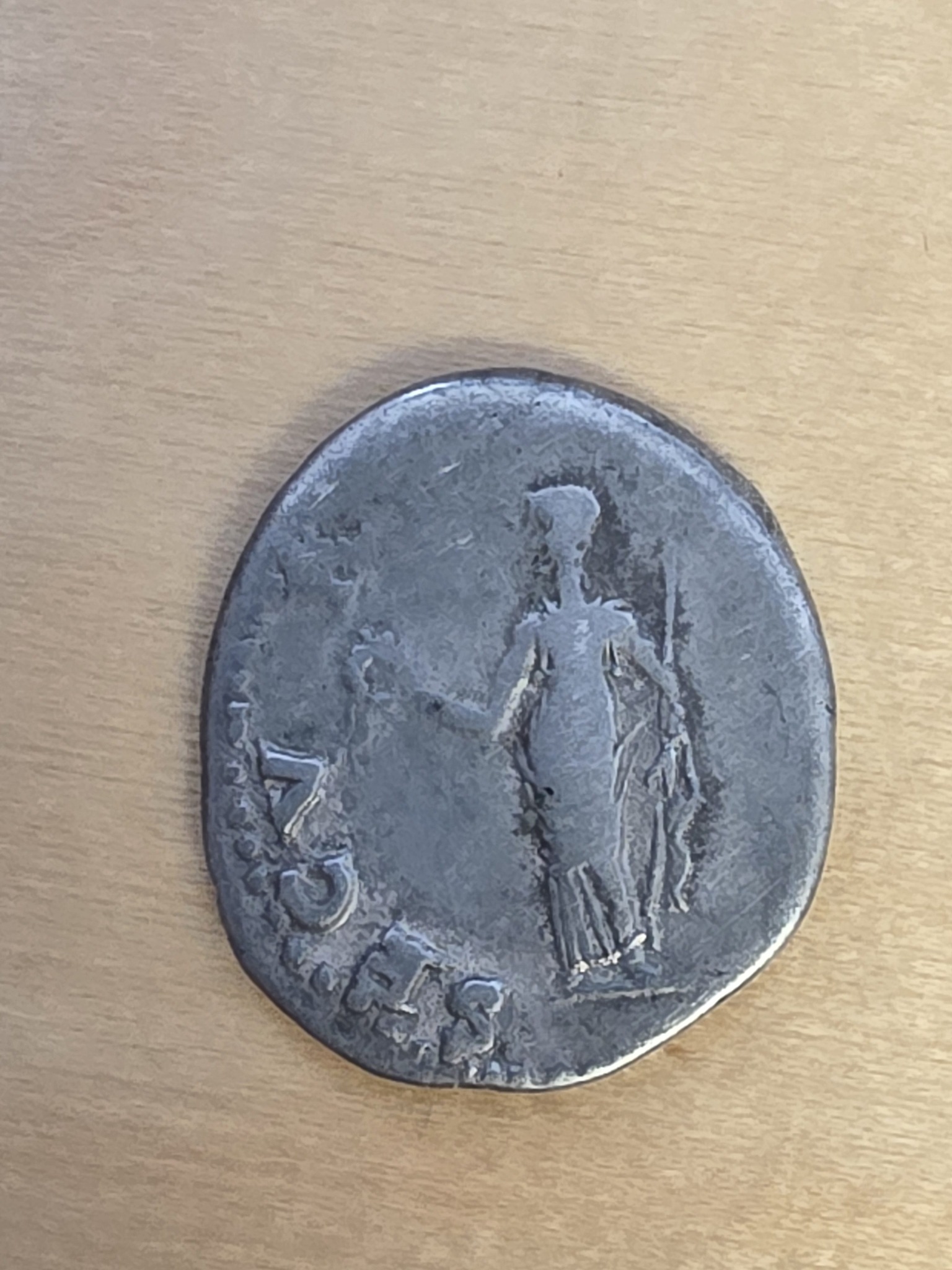
Denarius of Otho — reverse
Reverse
Denarius

Denarius of Otho

Roman Empire (Rome Mint) · 69 AD (January - April)

A silver Roman coin showing a bare-headed portrait of Emperor Otho on the obverse and a standing deity on the reverse.

Country
Roman Empire (Rome Mint)
Year
69 AD (January - April)
Denomination
Denarius
Metal
Silver (approx. 80-90% fineness)

This report is AI-generated and can be wrong. Always verify grade, authenticity, and value with a qualified dealer or certified grading service before buying, selling, or insuring.

Explore Denarius of Otho in the encyclopedia →

Identify your own coins.

Get a report just like this from any photo, free.

Overview

A silver Roman coin showing a bare-headed portrait of Emperor Otho on the obverse and a standing deity on the reverse.

Historical significance

Otho was the second emperor during the 'Year of the Four Emperors.' His reign lasted only three months before his suicide following defeat by Vitellius. Because of his brief reign, all his coins are scarce and highly sought after by collectors completing a series of the Twelve Caesars.

Obverse (front)

Bare-headed portrait of Otho facing right. Legend: IMP M OTHO CAESAR AVG TR P.

Reverse (back)

Securitas standing left, holding a wreath and a scepter. Legend: SECVRITAS P R (Securitas Populi Romani).

Estimated value

$250-$500 in low/worn grade (Fine), $1,000-$3,000 in Very Fine, and $5,000+ in Extremely Fine or better.

What drives this coin's value

Rarity of the issuer, clarity of the portrait (Otho is known for his 'wig' style hair), legibility of the legends, and lack of surface porosity.

Grade assessment

Good Fine. The portrait retains a clear profile and part of the legend is visible, but there is significant smoothing and high-point wear.

Mintage & rarity

Scarce/Rare. Otho is the rarest of the 'Year of the Four Emperors' to find in silver due to his very short 91-day reign.

Authenticity & counterfeit red flags

Check for casting seams on the edge, soapy/mushy details, or 'pitting' from modern fakes. Ensure the style of the lettering matches known dies. Otho is heavily counterfeited; professional authentication is recommended.

Notable varieties & errors

Variations in the reverse legends (e.g., PAX ORBIS TERRARVM or PONT MAX) can affect value.

Similar coins

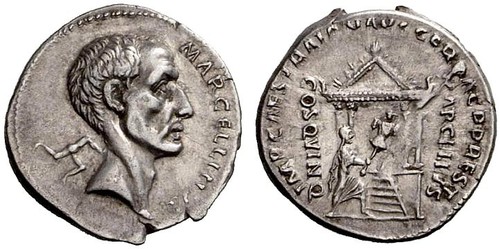
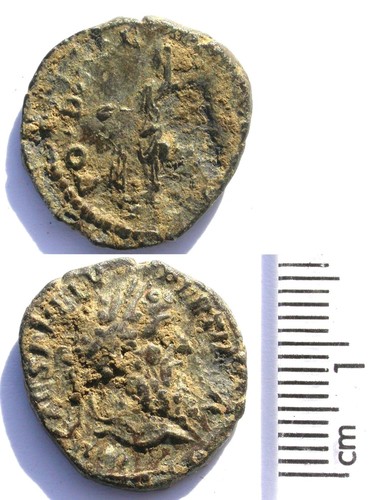
Often confused with other early Roman emperors like Galba or Vitellius if the legend is worn; however, Otho's distinct hair curls and lack of a laurel wreath are key markers.

Care & preservation

Do not clean or polish. Handle by the edges only. Store in an archival-safe (PVC-free) flip or a specialized coin cabinet to prevent environmental damage.