Coin Identifier
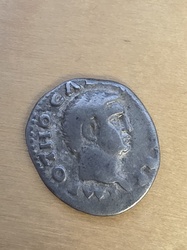
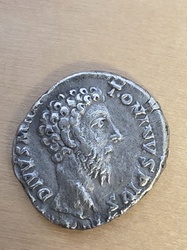
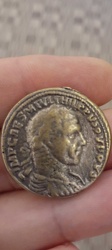
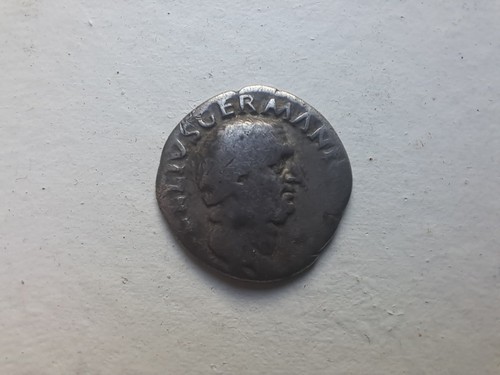
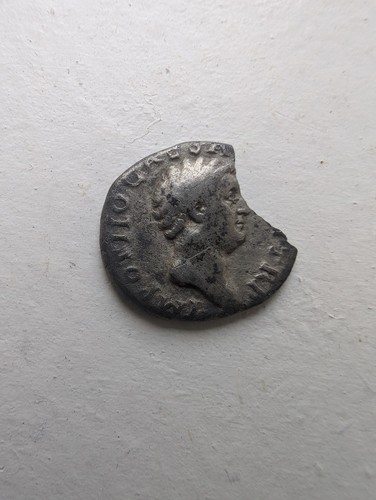
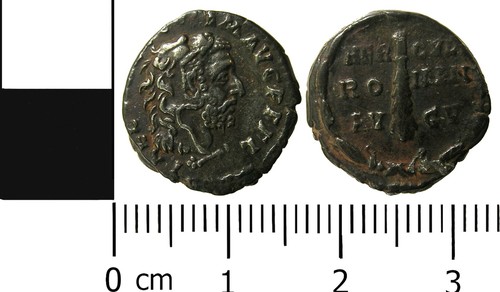
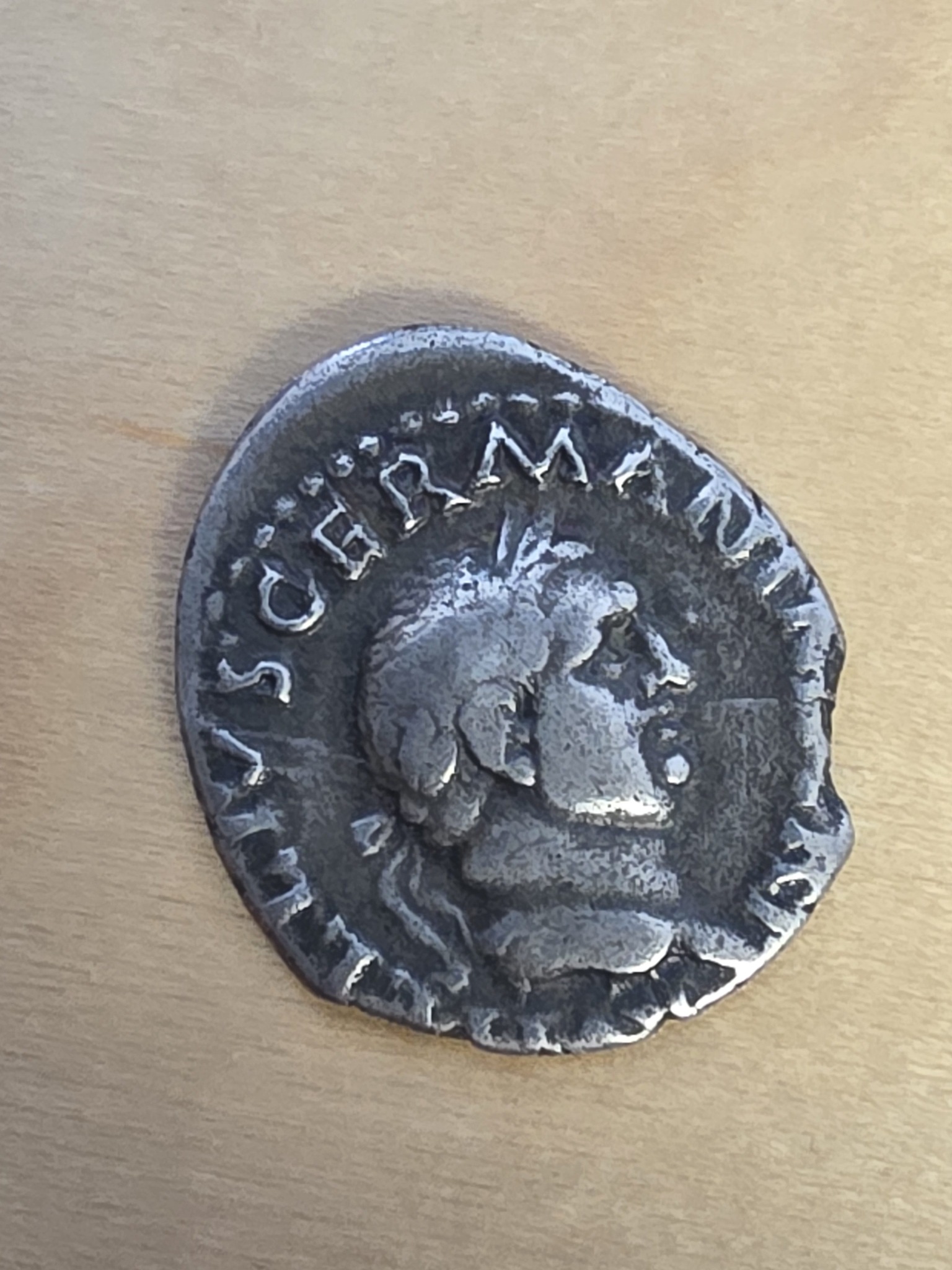
Denarius of Vitellius — obverse
Obverse
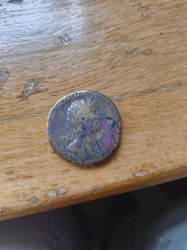
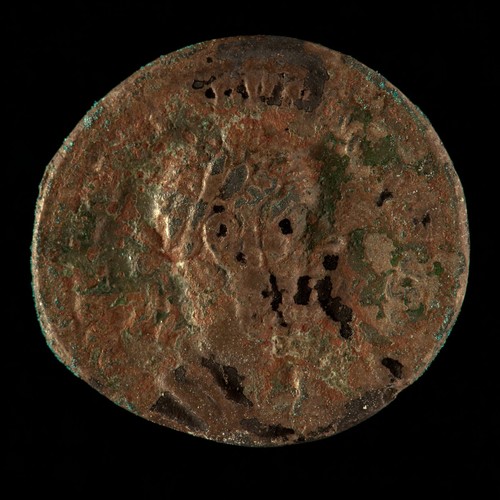
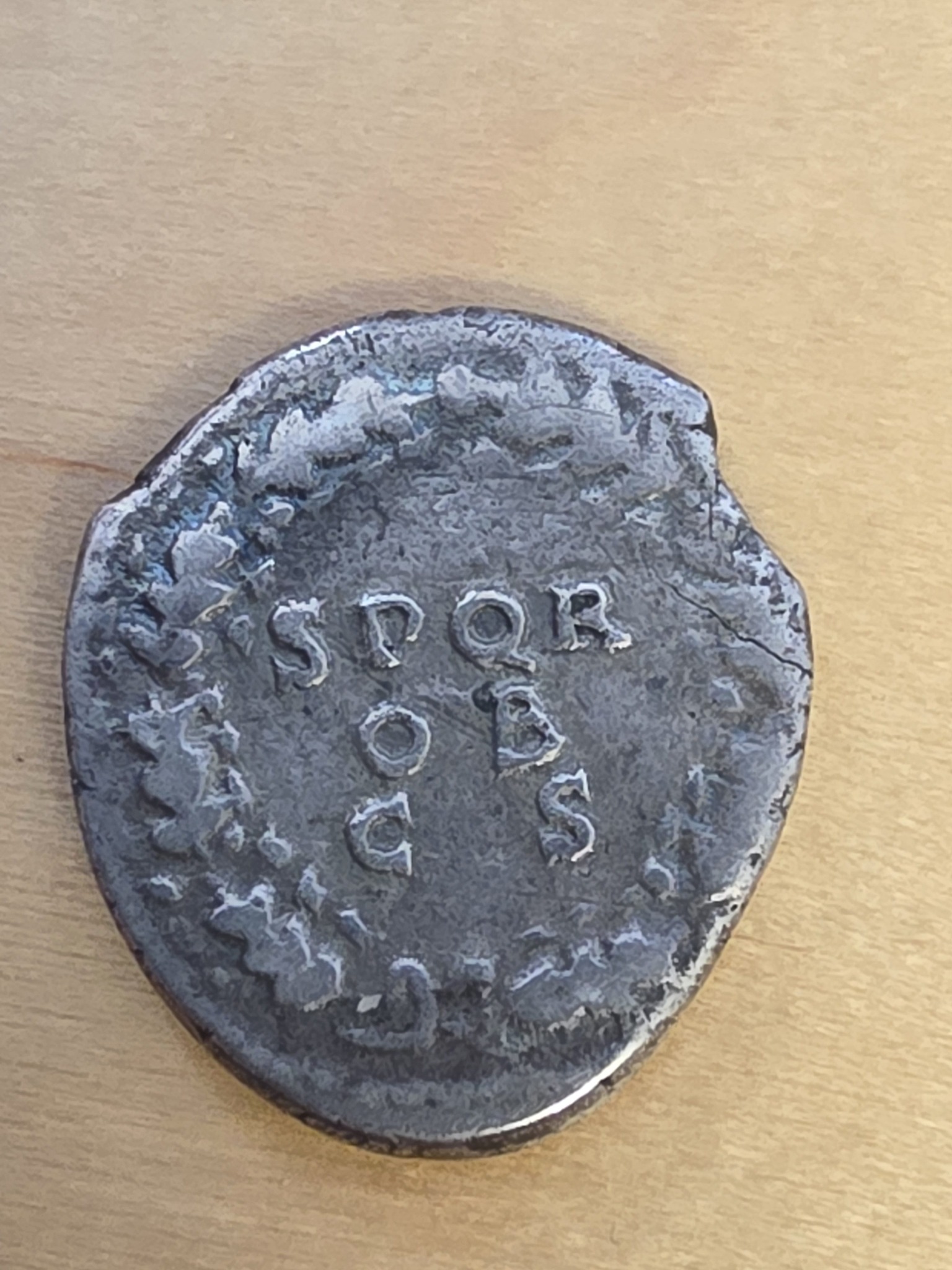
Denarius of Vitellius — reverse
Reverse
Denarius

Denarius of Vitellius

Roman Empire, Rome Mint · 69 AD (Year of the Four Emperors)

A silver Roman denarius featuring the portrait of Emperor Vitellius and a civic wreath on the reverse.

Country
Roman Empire, Rome Mint
Year
69 AD (Year of the Four Emperors)
Denomination
Denarius
Metal
Silver (Approx. 80-90% fineness)

This report is AI-generated and can be wrong. Always verify grade, authenticity, and value with a qualified dealer or certified grading service before buying, selling, or insuring.

Explore Denarius of Vitellius in the encyclopedia →

Identify your own coins.

Get a report just like this from any photo, free.

Overview

A silver Roman denarius featuring the portrait of Emperor Vitellius and a civic wreath on the reverse.

Historical significance

Aulus Vitellius was the third of four emperors to rule in the chaotic 'Year of the Four Emperors' (69 AD). His short reign of about eight months ended with his execution during the Flavian takeover. Coins of Vitellius are scarcer and historically significant for documenting this civil war period.

Obverse (front)

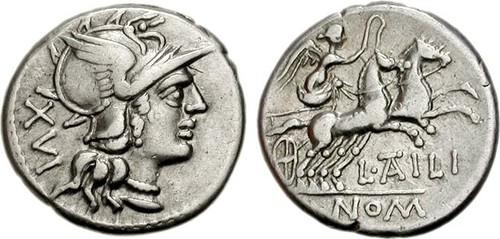
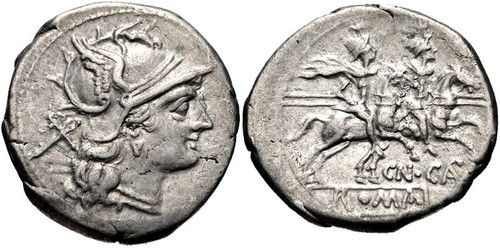
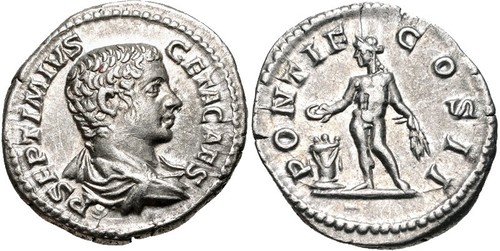
Laureate head of Vitellius facing right. Legend: A VITELLIVS GERMANICVS IMP (or similar variations).

Reverse (back)

S P Q R / OB / C S within an oak wreath (Civic Crown). The legend stands for Senatus Populusque Romanus Ob Cives Servatos (The Senate and People of Rome for saving the citizens).

Estimated value

$150-$350 in Poor/Fair condition, $600-$1,500 in Fine/VF, $3,000+ in EF or better.

What drives this coin's value

Centering of the strike, completeness of the legends, portrait detail, and the presence of silver 'toning' or patina.

Grade assessment

Fine/Very Fine (VF). Notable wear on the hair and facial details, but legends are largely readable and the reverse wreath is clear.

Mintage & rarity

Scarce compared to long-lived emperors like Trajan or Hadrian; the short reign limits surviving quantity.

Authenticity & counterfeit red flags

Check for a seam along the edge (indicating a cast fake) or a 'mushy' appearance to the lettering. Silver ancient coins should have a specific density; weight should be checked against known benchmarks.

Notable varieties & errors

Variations in the obverse legend (inclusion of 'TR P' or different titles) and different reverse motifs like VESTA seated or victory figures.

Similar coins

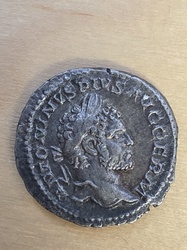
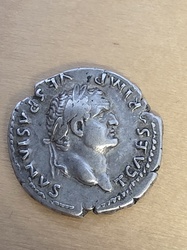
Often confused with other early emperors like Otho or Galba; distinguished primarily by the chunky facial features and specific GERMANICVS legend of Vitellius.

Care & preservation

Handle by the edges using cotton gloves. Store in PVC-free flips or acid-free paper envelopes. Avoid cleaning with chemicals, as the ancient patina is highly valued.