Coin Identifier
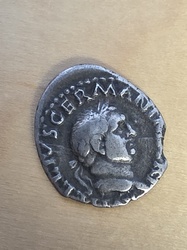
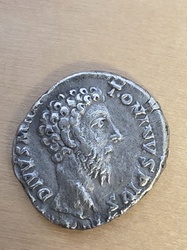
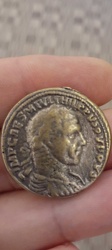
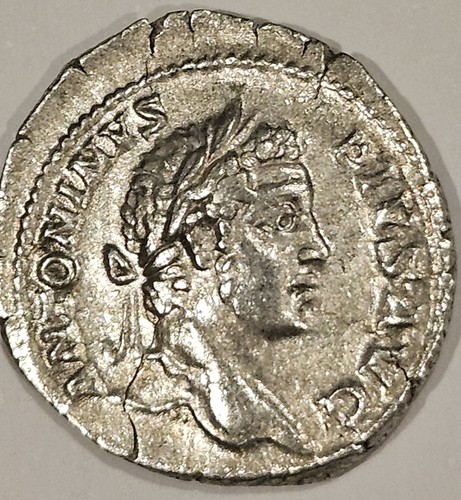
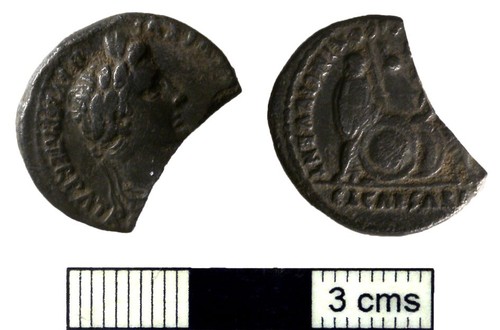
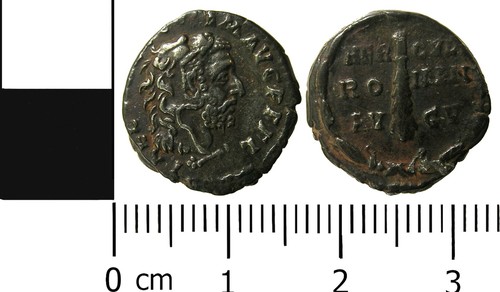
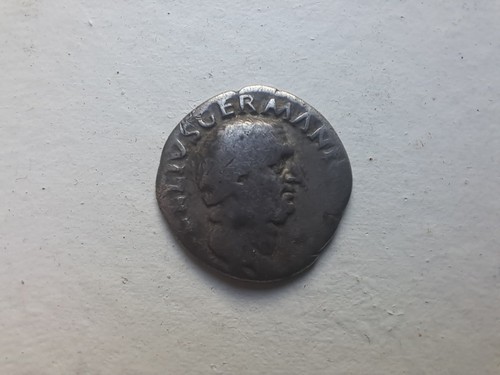
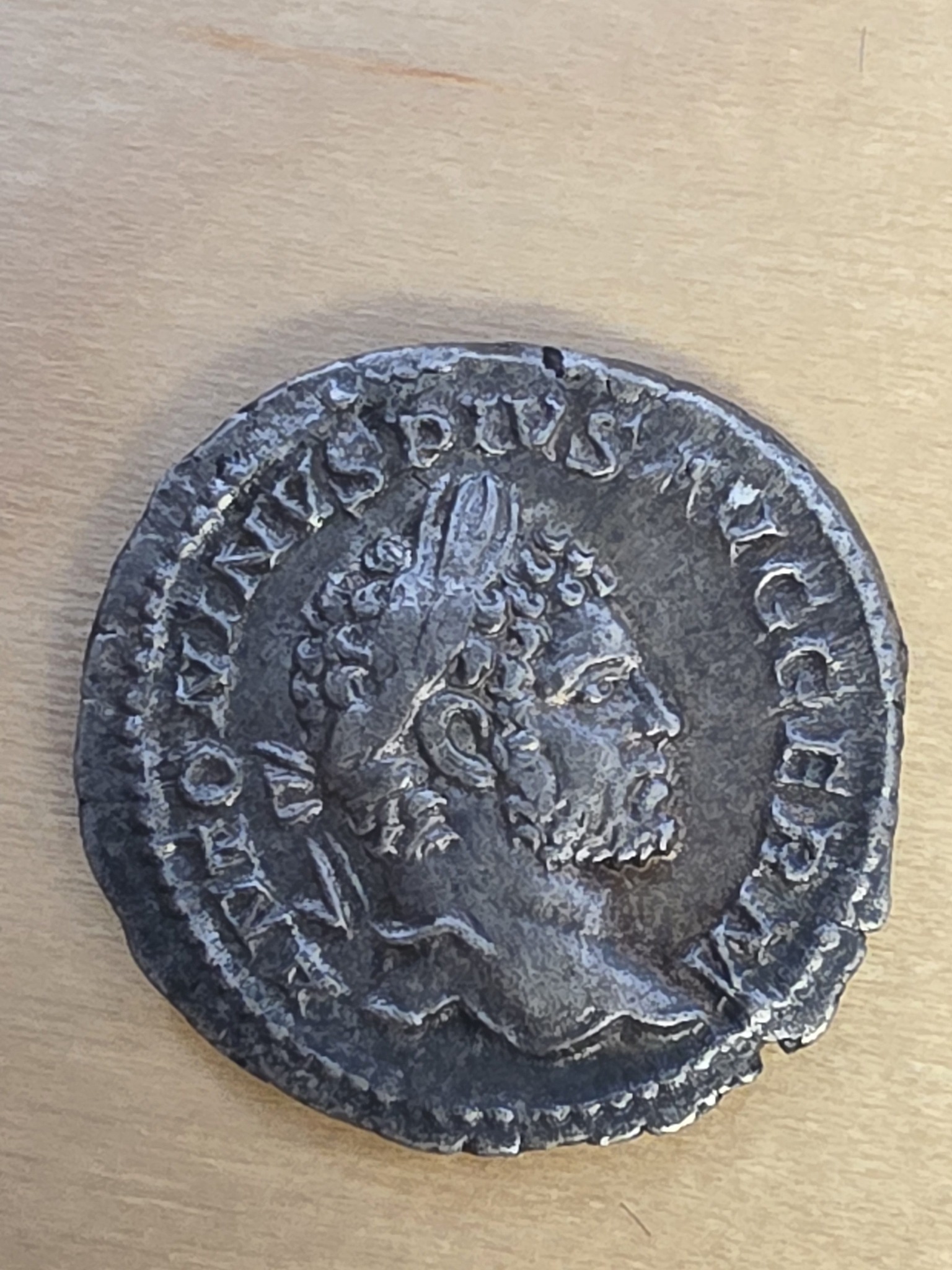
Caracalla Silver Denarius — obverse
Obverse
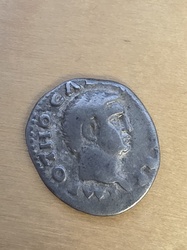
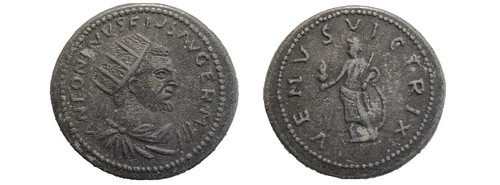
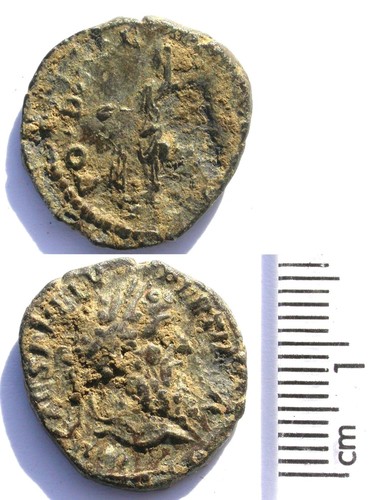
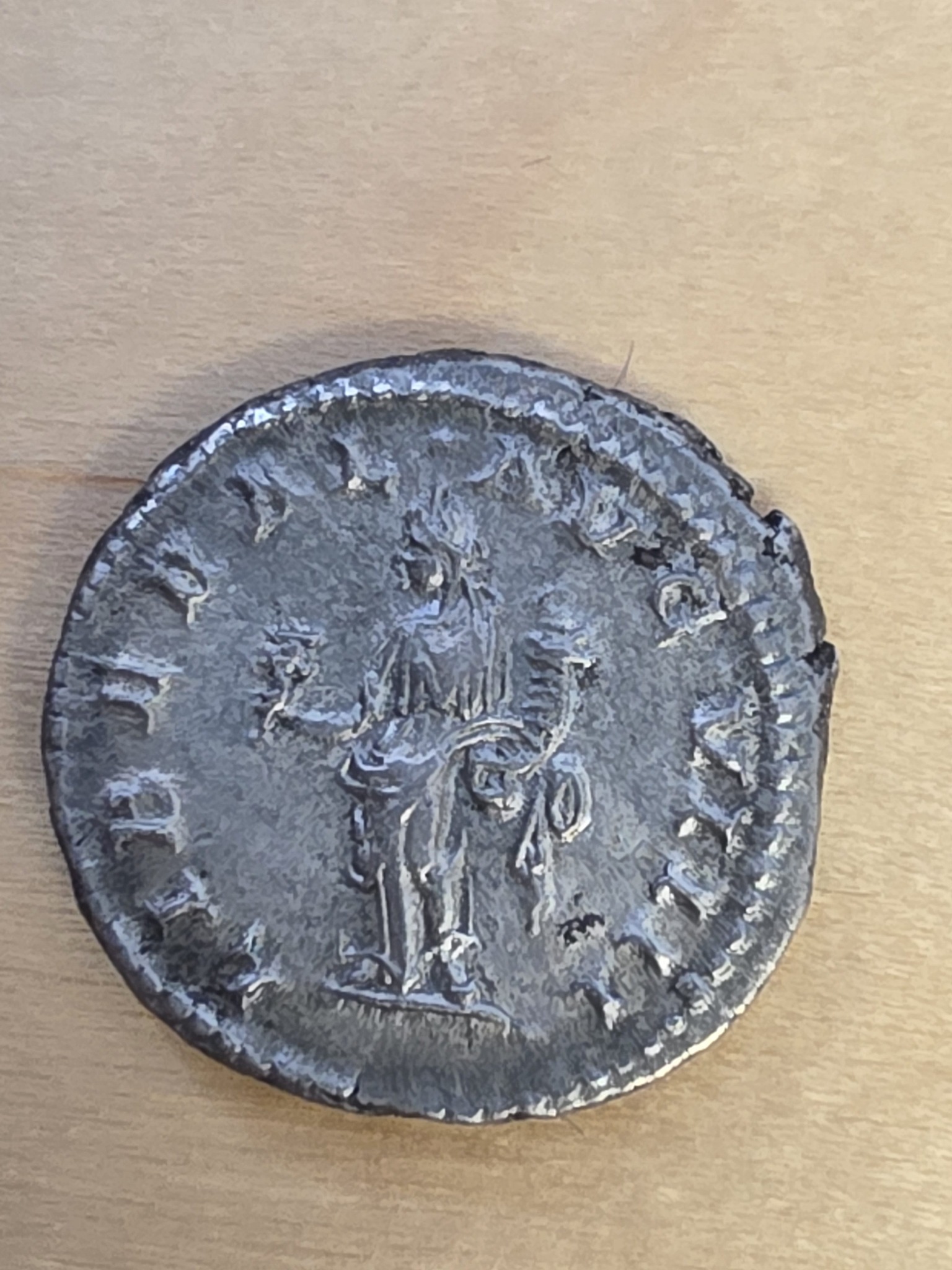
Caracalla Silver Denarius — reverse
Reverse
Denarius

Caracalla Silver Denarius

Roman Empire (Rome Mint) · AD 210-213

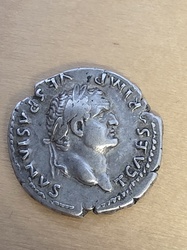
An ancient Roman silver coin featuring the laureate head of Emperor Caracalla and a personification of the goddess Liberalitas on the reverse.

Country
Roman Empire (Rome Mint)
Year
AD 210-213
Denomination
Denarius
Metal
Silver (approximately 50-55% fineness)

This report is AI-generated and can be wrong. Always verify grade, authenticity, and value with a qualified dealer or certified grading service before buying, selling, or insuring.

Explore Caracalla Silver Denarius in the encyclopedia →

Identify your own coins.

Get a report just like this from any photo, free.

Overview

An ancient Roman silver coin featuring the laureate head of Emperor Caracalla and a personification of the goddess Liberalitas on the reverse.

Historical significance

Caracalla was a member of the Severan dynasty known for his brutality and the Edict of Caracalla, which granted Roman citizenship to all free men in the empire. This coin dates from his sole reign after the murder of his brother Geta.

Obverse (front)

Laureate head of Caracalla facing right. Legend reads: ANTONINVS PIVS AVG BRIT (Antoninivs Pivs Augustus Britannicus).

Reverse (back)

Liberalitas standing left, holding abacus (counting board) and cornucopia. Legend reads: LIBERALITAS AVG VI (Liberalitas of the Emperor, 6th distribution).

Estimated value

$40-$80 in Very Fine (VF) condition, $150-$250 in Choice Extremely Fine (XF) to Mint State.

What drives this coin's value

Condition, strike centering, metal quality (crystallization), and the clarity of the legends. Strong eye appeal and lack of 'horn silver' increases value.

Grade assessment

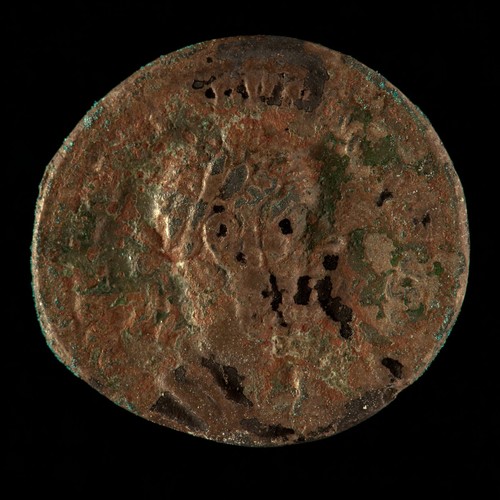
Extremely Fine (XF) - Sharp details in the hair and reverse figure, though the toning is quite dark/grey which may be an old collection patina or environmental darkening.

Mintage & rarity

Common for the series; millions were produced, though survivors vary in state.

Authenticity & counterfeit red flags

Look for a casting seam on the edge or bubbly surfaces which indicate a fake. Authentic coins should show 'flow lines' from the impact of the die and have a metallic 'ring' when gently tapped.

Notable varieties & errors

Varieties exist based on the number of imperial liberalities (this one is the VI distribution) and specific titles like GERMANICVS added later in his reign.

Similar coins

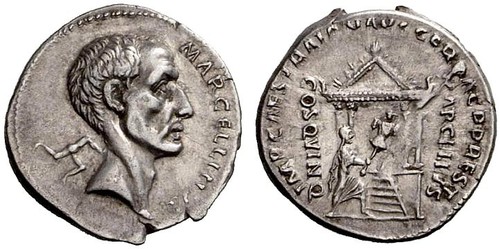
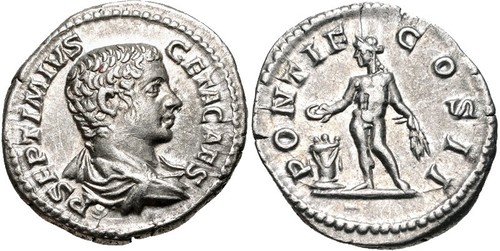
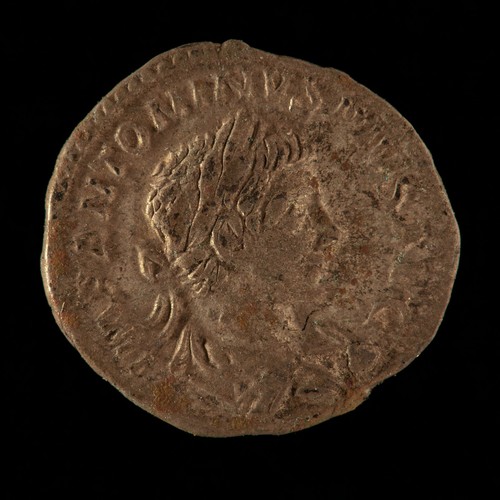
Often confused with Elagabalus or Marcus Aurelius (also named Antoninus). Caracalla is distinguished by his more aggressive, bearded features and specific titles like 'BRIT'.

Care & preservation

Do not clean with harsh chemicals or abrasives. Store in PVC-free flips or acid-free paper envelopes to prevent 'PVC damage' or corrosion. Handle by the edges.