Coin Identifier
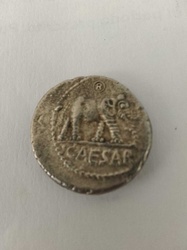
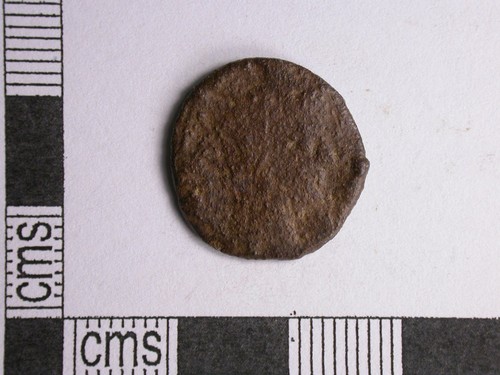
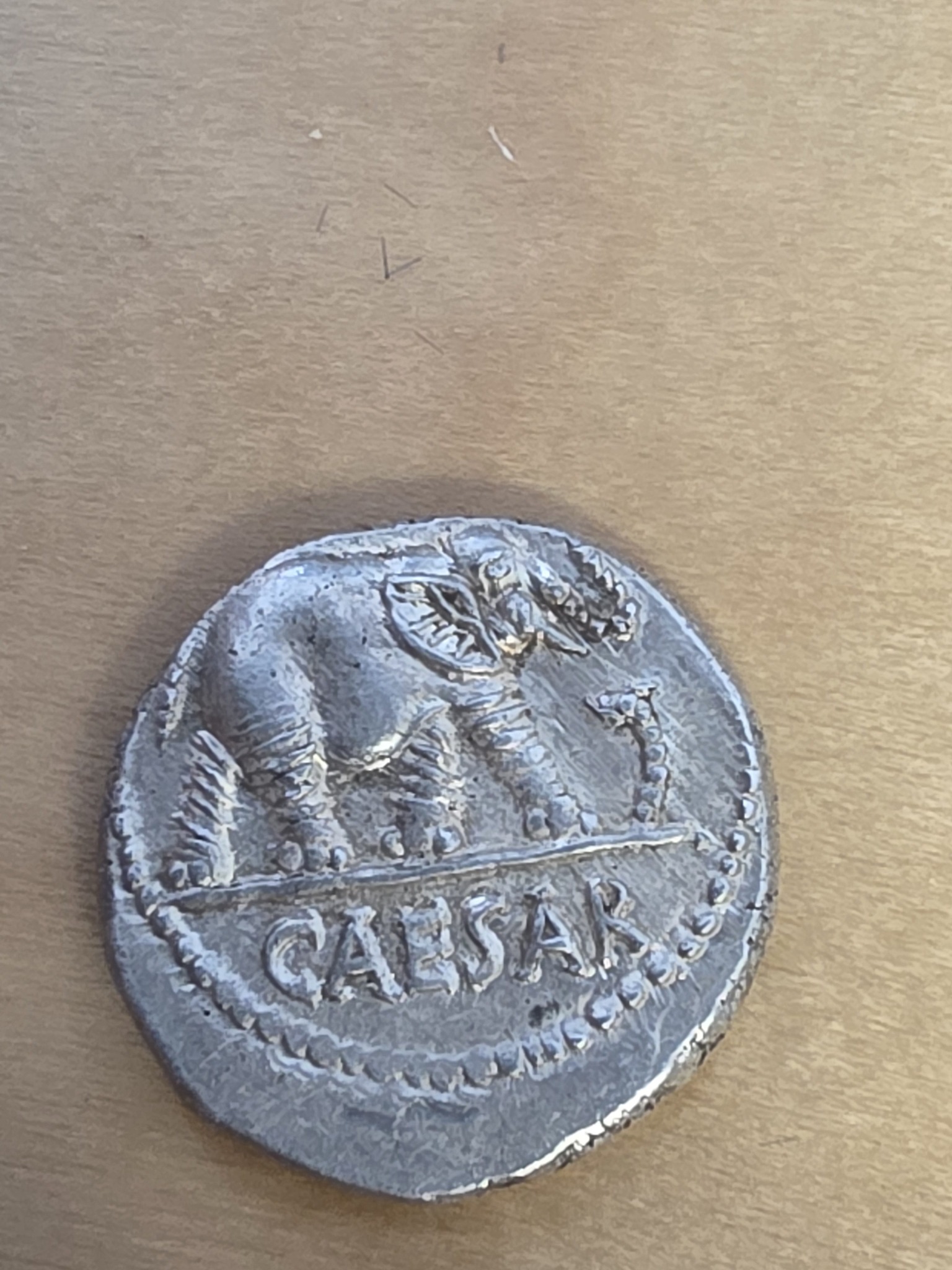
Julius Caesar Elephant Denarius — obverse
Obverse
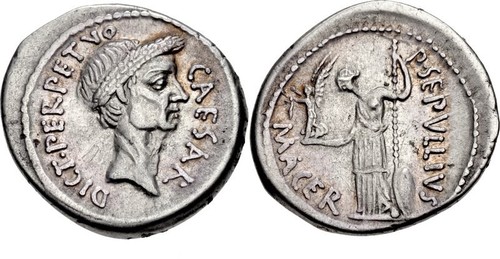
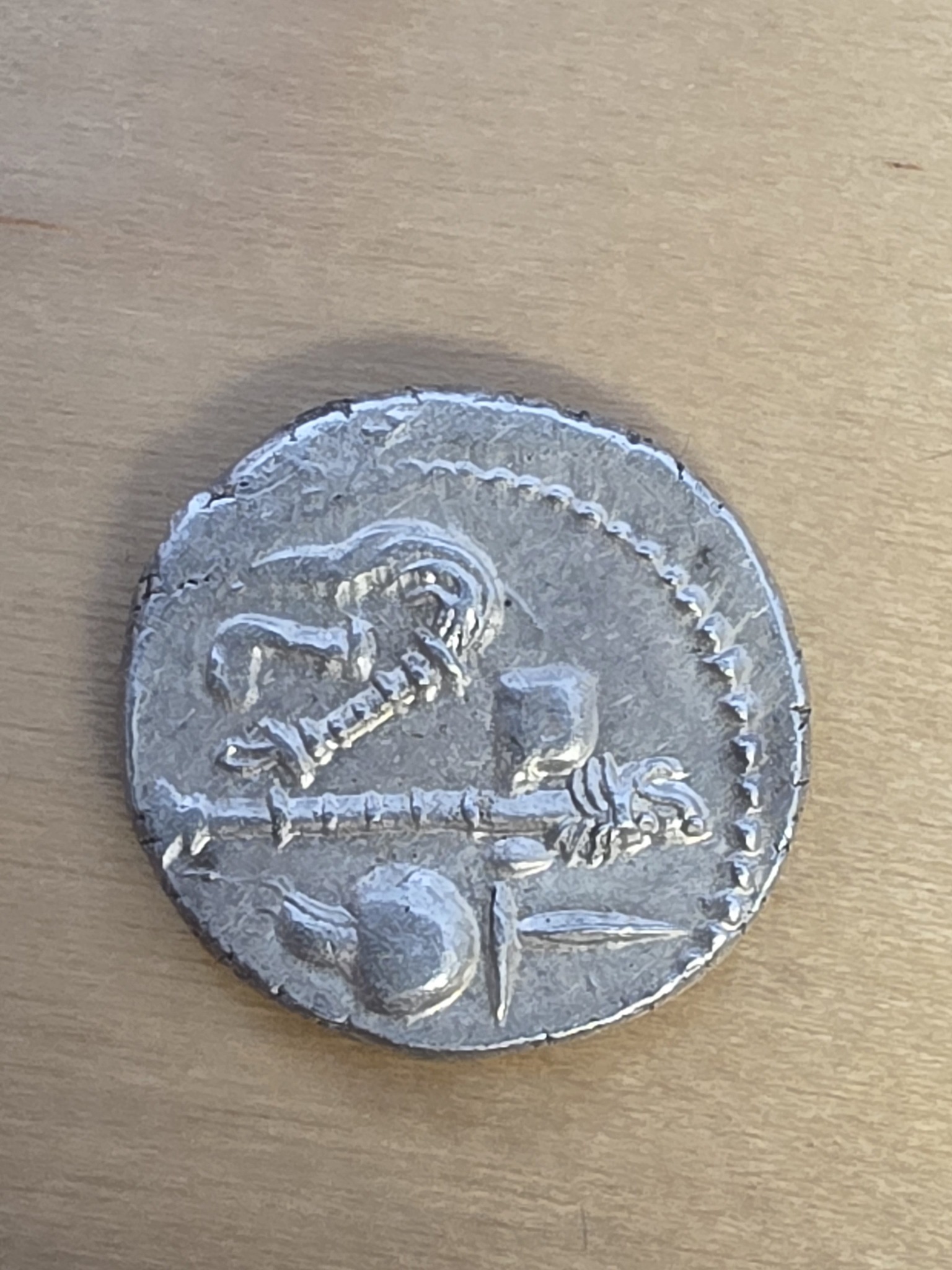
Julius Caesar Elephant Denarius — reverse
Reverse
Denarius

Julius Caesar Elephant Denarius

Roman Republic, Field Mint (Moving with Caesar) · 49-48 BC

A silver coin featuring a large elephant trampling a dragon (or serpent) on the obverse and priestly implements on the reverse.

Country
Roman Republic, Field Mint (Moving with Caesar)
Year
49-48 BC
Denomination
Denarius

This report is AI-generated and can be wrong. Always verify grade, authenticity, and value with a qualified dealer or certified grading service before buying, selling, or insuring.

Explore Julius Caesar Elephant Denarius in the encyclopedia →

Identify your own coins.

Get a report just like this from any photo, free.

Overview

A silver coin featuring a large elephant trampling a dragon (or serpent) on the obverse and priestly implements on the reverse.

Historical significance

This iconic coin was minted by Julius Caesar at the start of the Great Roman Civil War. It was used to pay his veteran legions and served as a powerful propaganda piece against the Senate. The elephant may symbolise Caesar's victory over evil or be a pun on his family name (Caesarians equated elephants with the Punic name 'Caesai').

Obverse (front)

Elephant walking right, trampling a serpent or dragon. In the exergue, the legend 'CAESAR'. Beaded border.

Reverse (back)

Pontifical symbols (emblems of the office of Pontifex Maximus): Simpulum (ladle), Sprinkler (aspergillum), Axe (securis), and Apex (priest's hat).

Estimated value

$500-$1,500 for authentic examples in decent condition; $5-$20 if confirmed as a modern cast replica.

What drives this coin's value

Centering, strike quality, surface preservation, and most importantly, verification of authenticity. Genuine examples show flow lines and sharp die details.

Grade assessment

Poor/Replica appearance. The grainy surface texture, soft details, and lack of flow lines strongly suggest this is a cast modern replica rather than a struck ancient coin.

Mintage & rarity

High original mintage; very common by ancient standards, but highly sought after by collectors.

Authenticity & counterfeit red flags

Check for a casting seam along the edge, circular pits from air bubbles, and a lack of sharp details. Genuine Roman coins were struck with hammers, not cast. This specific item shows suspicious surface porosity typical of cast fakes.

Notable varieties & errors

Varieties exist in the style of the elephant and the orientation of the symbols, though they do not significantly impact value for most collectors.

Similar coins

Often compared to the 'Aeneas and Anchises' denarius or other Caesar-era military coinage. Modern 'Museum Replicas' are very common.

Care & preservation

Do not clean with chemicals or abrasives. Store in a PVC-free flip or archival capsule to prevent oxidation and environmental damage.