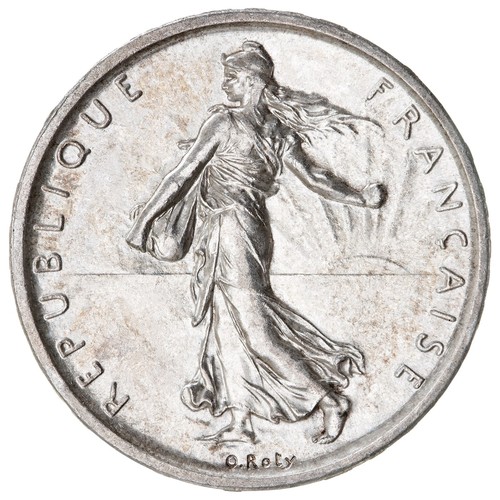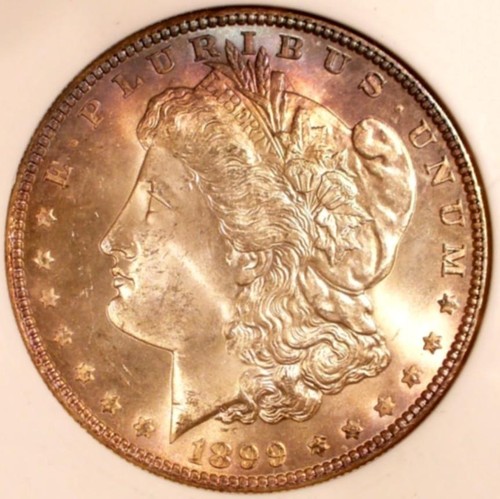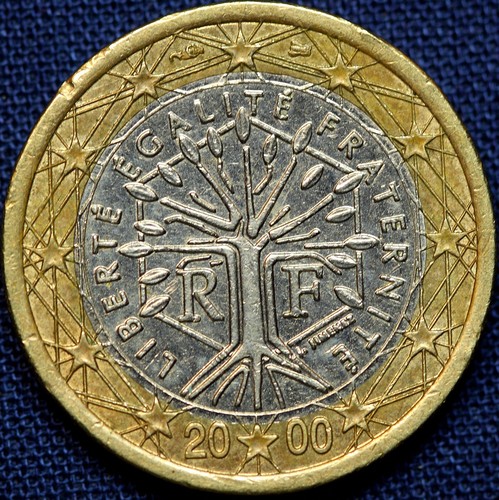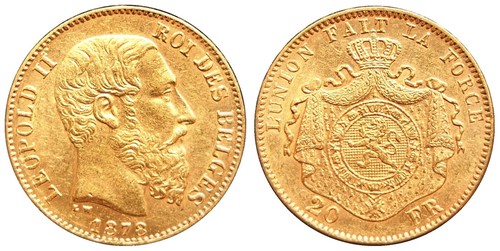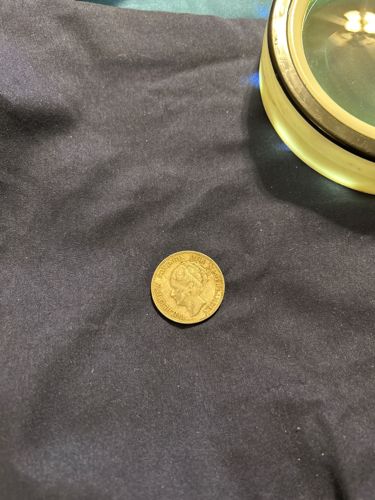
French 20 Francs (Louis Napoléon Bonaparte)
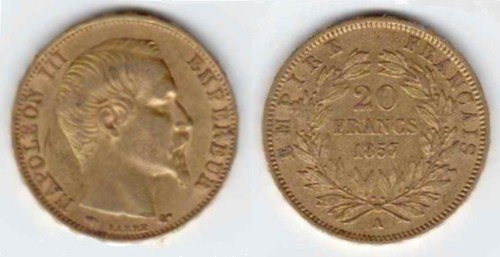
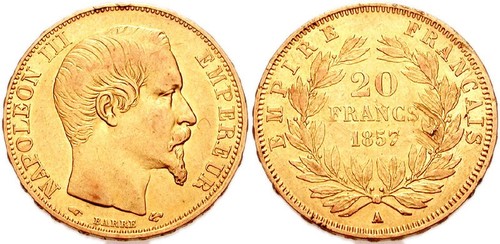
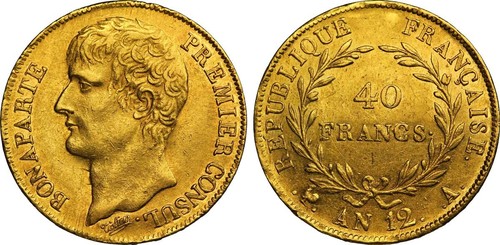
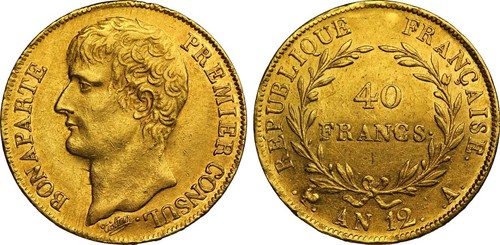
France · Based on the visible effigy, this coin is likely from the reign of Louis Napoléon Bonaparte (later Napoleon III) as President or Emperor of France. Specific dates for 20 Francs coins of this type range from 1852 (as Prince-President) through 1870 (as Emperor). Without a clearer image of the date, a precise year cannot be determined, but it falls within this range.
The coin clearly shows a bust of a monarch or emperor on the obverse, surrounded by text, which appears to be in a European language. The overall color suggests it is made of a gold or gold-colored alloy.
- Country
- France
- Denomination
- 20 Francs
- Metal
- Gold (.900 fine gold, .100 copper/alloy)
This report is AI-generated and can be wrong. Always verify grade, authenticity, and value with a qualified dealer or certified grading service before buying, selling, or insuring.
Identify your own coins.
Get a report just like this from any photo, free.
Overview
Historical significance
Estimated value
Care & preservation
More like this
Other france coins
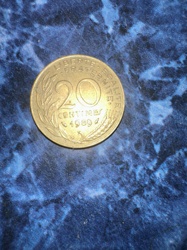
20 Centimes
France · 1989
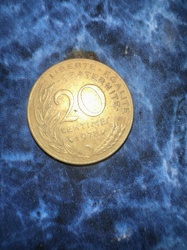
20 Centimes
France · 1978
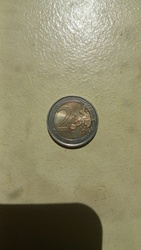
France 2 Euro (New Design 2022)
France, Monnaie de Paris · 2022
10 Francs
France · 1945 - 1949
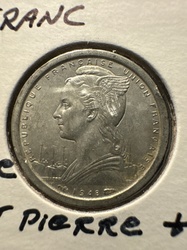
1 Franc - Saint Pierre and Miquelon
Saint Pierre and Miquelon (Overseas territory of France) · 1948
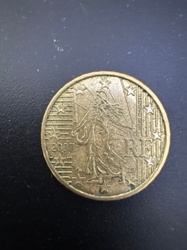
50 Euro Cent
France · 2007